
This Illinois Ferry Still Carries Cars Across The Mississippi River The Way It Has For Generations
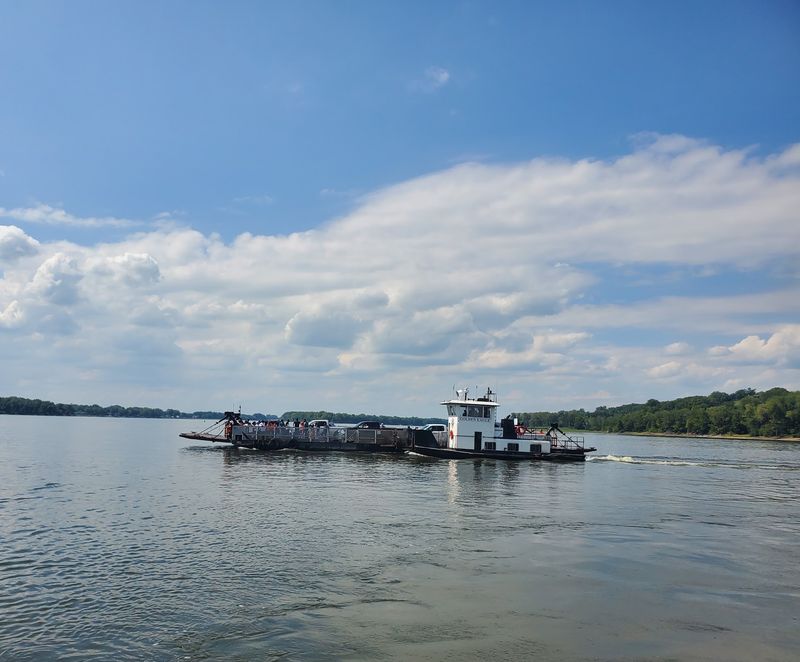
Somewhere along the bluffs of Calhoun County, Illinois, a small ferry landing sits at the edge of the Mississippi River, ready to load your car onto a working boat and carry you across to Missouri. The Golden Eagle Ferry has been doing exactly that, quietly and without fanfare, connecting a rural stretch of Illinois to St. Charles County on the other side.
For road-trippers who want something more interesting than another bridge, and for locals who depend on it for everyday errands, this ferry is genuinely useful transportation with a strong sense of place.
Meet the Golden Eagle Ferry
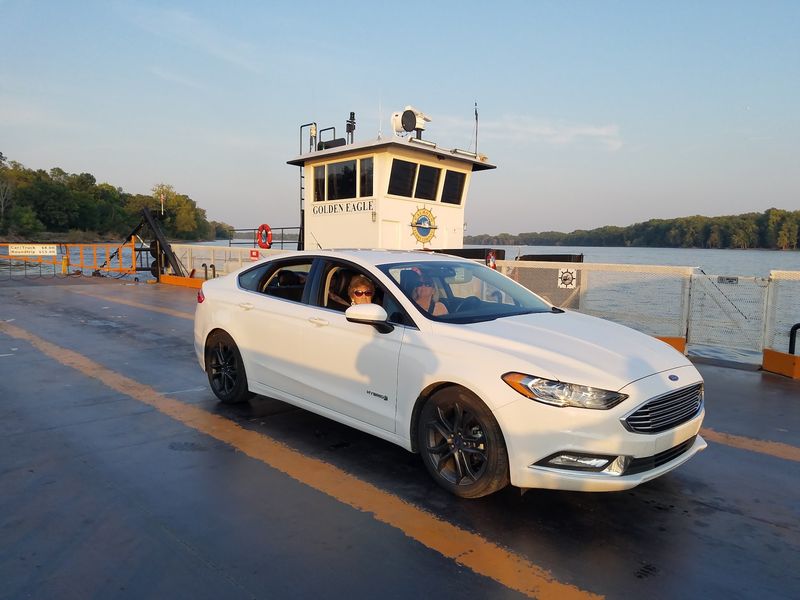
The Golden Eagle Ferry is a vehicle-carrying, passenger-carrying crossing of the Mississippi River between the small community of Golden Eagle in Calhoun County, Illinois, and St. Charles County, Missouri. Operated by Calhoun Ferry Company as a privately owned, fee-based service, it gives drivers a way to cross the river without traveling to a bridge, and it functions as a real transportation link rather than a themed attraction.
IDOT’s ferry services page lists Golden Eagle among Illinois’ fee-based Mississippi River ferries, making its status as a paying crossing clear from the start.
Naming the ferry upfront matters because the region has several crossings, and the labels can blur together quickly. The Brussels Ferry, for example, is an Illinois Department of Transportation-operated, free crossing of the Illinois River near Grafton, not the Mississippi.
The Kampsville Ferry also crosses the Illinois River and is also free. Golden Eagle is different on both counts: it crosses the Mississippi, and it charges a fare.
According to Illinois’ long-range transportation plan appendix, the Golden Eagle route is one of several vehicle ferries the state tracks as part of its transportation network. That classification reflects what the ferry actually does: move motor vehicles and the people inside them across a major river.
Treating it as anything less than working infrastructure would miss the point entirely.
Travelers arriving at the landing will find a functional operation built around getting cars across the water efficiently. The experience has genuine character, but that character comes from using a real river crossing, not from anything staged or packaged for visitors.
A working transportation link across the river
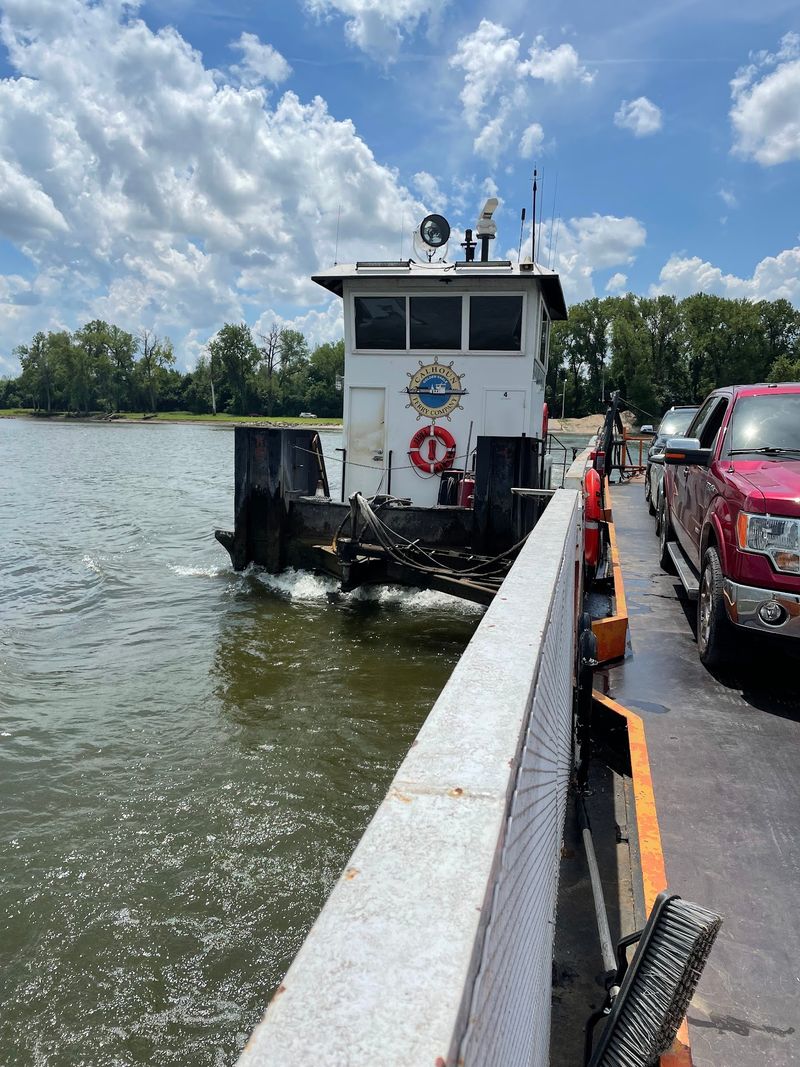
For residents of Calhoun County, the Golden Eagle Ferry is not a novelty. It connects a peninsula-like stretch of land between the Illinois and Mississippi rivers to the broader Missouri road network, and losing access to it means losing a direct route to grocery stores, medical appointments, and other everyday services.
Congressional testimony from a 2021 House hearing described the ferry as a critical link for residents who would otherwise face substantial detours when flooding or closures shut it down.
Calhoun Ferry Company is the operator on record. Recent reporting has described the company as family-owned, and a 2025 news account noted that Calhoun County was exploring a proposal that would allow the county to acquire the vessels while the company continued running them.
That arrangement had not been confirmed as completed at the time of reporting, so the ferry’s operating structure should be understood as a family-run private company unless newer information says otherwise.
The company runs the ferry seven days a week under normal conditions, which is a meaningful commitment for a rural river crossing. Coverage from The Telegraph outlined the county’s interest in supporting the operation as a way of protecting that transportation access for residents who count on it.
Visitors sometimes arrive at the Golden Eagle landing thinking of the crossing as a sightseeing detour, and the river setting does reward that mindset. But the ferry’s value runs deeper than scenery.
Rivers and Routes’ Calhoun County guide positions the ferry within the broader context of the county’s rural character and limited road connections, which helps explain why keeping it running matters so much to the people who live there.
What a drive-on crossing actually offers
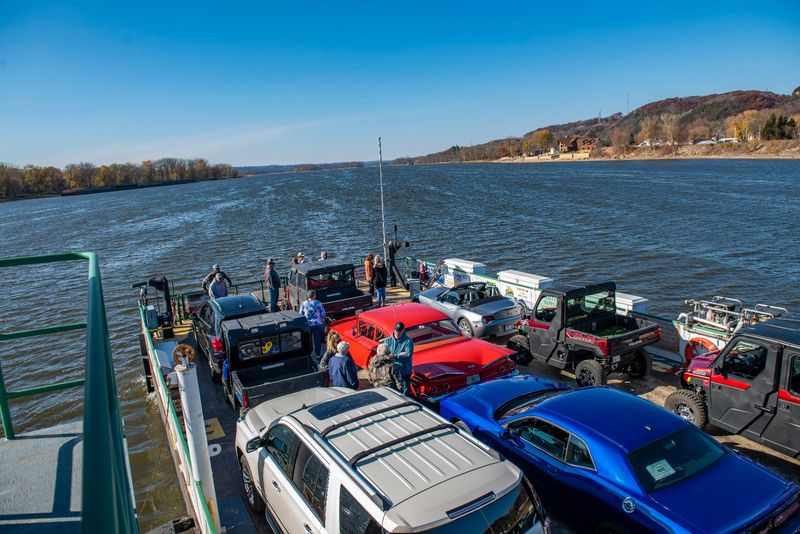
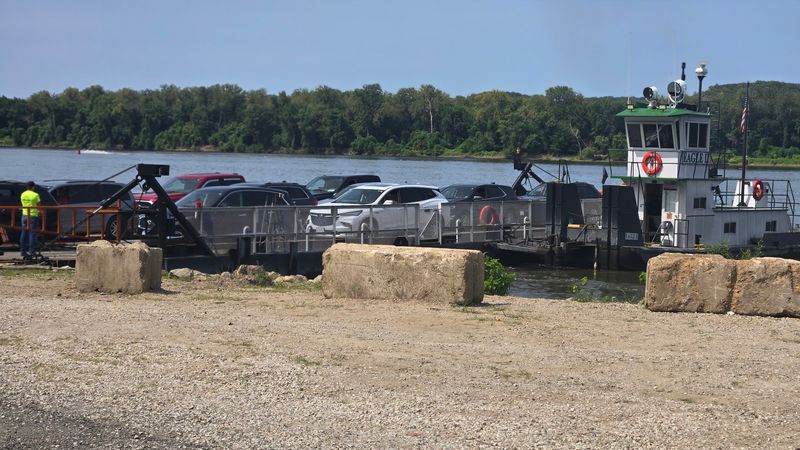
Pulling up to the Golden Eagle Ferry landing, the process is straightforward: you wait your turn, drive your vehicle onto the ferry, pay the fare, and cross the river. Federal Highway Administration records classify Golden Eagle as a privately owned vehicular toll ferry, which is exactly what the experience reflects.
There is no ticket booth miles away, no advance reservation system described in current public sources, and no elaborate boarding procedure – just a working river crossing doing its job.
The appeal for road-trippers comes from the change of pace more than anything else. You are crossing the Mississippi River on a boat with your car, which is not something most American drivers do on a regular Tuesday.
The wide river, the slow movement across the current, and the sight of one bank receding while the other approaches all make an impression without the ferry needing to try very hard.
Older trade reporting from Waterways Journal noted that Calhoun Ferry Company’s push-boat-and-barge combinations carried 12 to 15 cars in past configurations. Those figures describe historical fleet details, not necessarily the current setup, and vehicle capacity can vary by boat.
Asking the operator directly before you arrive is the right move if your vehicle is large or if you are traveling with a group.
What the crossing does not offer, based on available public sources, is a confirmed passenger lounge, a viewing deck, or any documented permission to leave your vehicle during transit. Illinois’ transportation records document the route as a vehicle-and-passenger crossing, full stop.
The experience is a short, functional river transfer with genuine scenic value, not a narrated cruise.
A long regional tradition, not a proven unbroken line
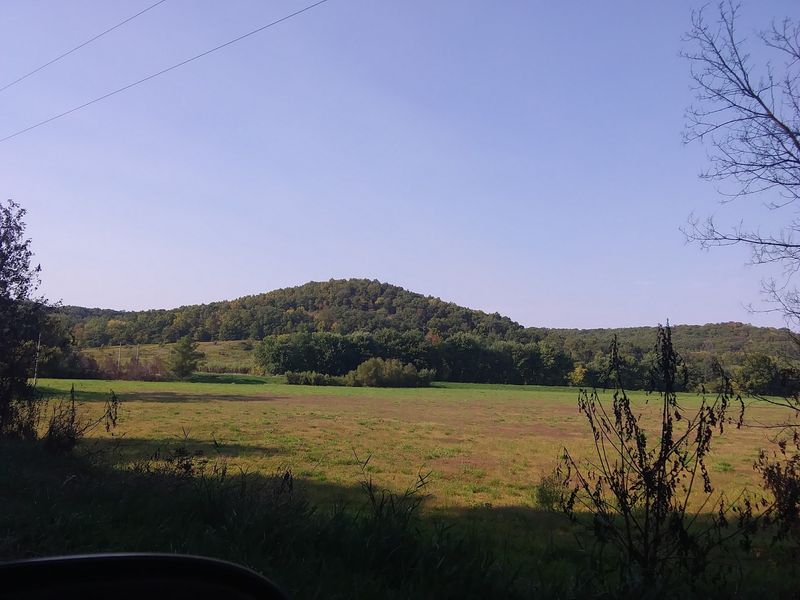
Ferry crossings in Calhoun County go back a long time. Congressional testimony from the 2021 House hearing noted that private ferry operations in the county began as early as the 1800s, reflecting how dependent the area’s geography has always made its residents on river crossings for basic mobility.
That history gives the Golden Eagle crossing a genuine sense of depth and continuity when you stand at the landing and watch the ferry work.
What the historical record does not establish, at least in the sources reviewed, is that today’s specific Golden Eagle route, the current vessels, or Calhoun Ferry Company itself has operated continuously and without interruption across all those generations. The tradition belongs to the region and to the broader practice of private ferry service along this stretch of the Mississippi.
The present operation fits within that tradition, but claiming an unbroken line from the 1800s to today would go further than the evidence supports.
That distinction matters for travelers who care about accuracy, but it does not diminish the crossing’s character. A ferry landing that sits within a region where river crossings have served communities for well over a century carries real historical weight.
The surrounding landscape – the bluffs, the river bends, the farmland – has changed far less than most American roads, and the basic act of loading a car onto a boat and crossing the Mississippi connects you to a way of moving through this part of the country that predates every highway in sight.
Treat the history as regional context rather than a corporate anniversary, and the Golden Eagle crossing becomes something honest and interesting rather than a marketing claim.
Published hours and fares require a confirmation check
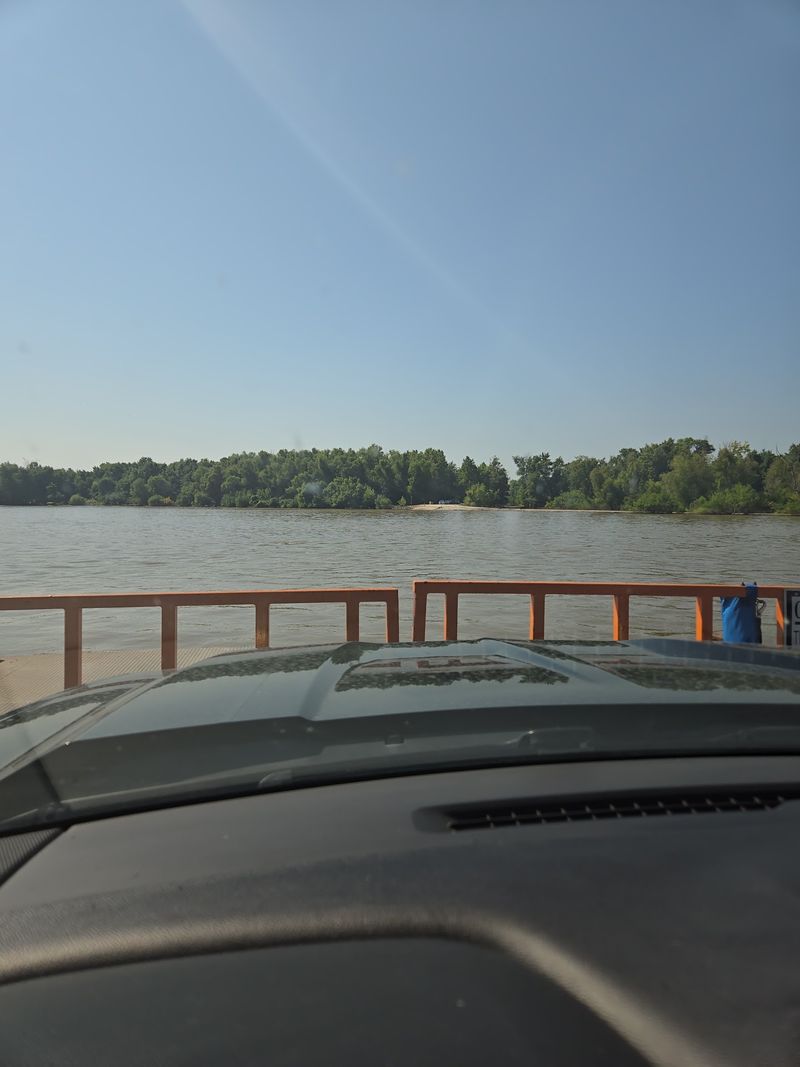
Planning a trip to the Golden Eagle Ferry starts with knowing when it runs and what it costs, but both of those details come with a necessary qualifier: verify them before you leave home. The schedule currently listed on visitor-information sources shows Monday through Thursday, 5 a.m. to 9 p.m.; Friday and Saturday, 5 a.m. to 2 a.m.; and Sunday, 8 a.m. to 9 p.m.
Rivers and Routes’ Calhoun Ferry Company listing also shows a passenger car or small truck fare of $9 one way and $17 round trip.
Those numbers are useful starting points, but the page that lists them is a regional visitor-information site, not the operator’s own primary website. Fares and hours are subject to change with no obligation to update every third-party listing on the internet.
Treating the posted schedule as a printed guarantee rather than current guidance is how road-trippers end up at a closed landing at 9:30 on a Tuesday night.
An older hobbyist resource at kbaalman.tripod.com has documented Calhoun County ferry information over time and can provide useful historical context, though any operational details there should be cross-checked against current sources before you rely on them for trip planning.
Before departing, contact Calhoun Ferry Company directly to confirm hours, the current fare schedule, accepted payment methods, directions to the landing, and any conditions that might affect service that day. IDOT’s ferry services page is a reasonable starting point for state-level information, but the operator is the only source for real-time status.
A two-minute phone call before a two-hour drive is always worth it.
Flooding can close the approach before the ferry
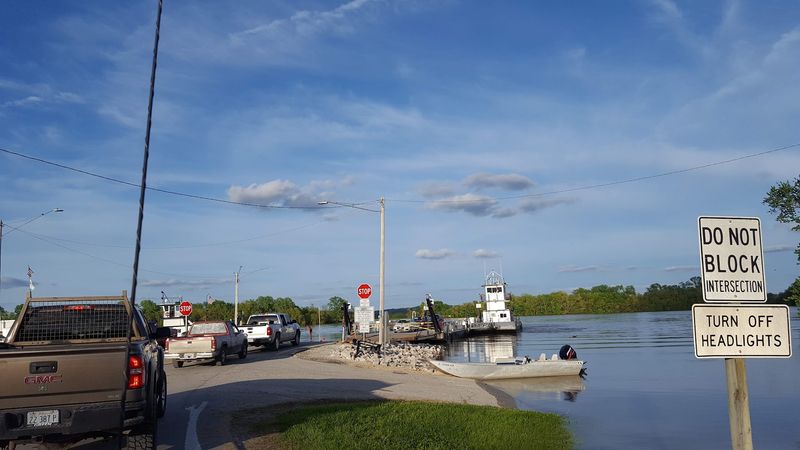
One of the most practical things to know about the Golden Eagle Ferry is that flooding can shut down your route to it before it shuts down the ferry itself. The approach road on the Illinois side sits low enough that rising water can make it impassable while the ferry is still technically operational.
The 2021 congressional testimony about Calhoun County’s ferry infrastructure specifically addressed this problem, noting that road improvements could potentially extend annual operating days by roughly 60 days. That figure describes a projected benefit of a proposed improvement at the time, not a current annual closure calendar, so do not read it as a fixed rule about how often the road floods each year.
Beyond flooding, any number of other factors can interrupt service on a given day: maintenance on the vessel, staffing gaps, high water on the river itself, or mechanical issues. A published schedule reflects intended operating hours under normal conditions, not a promise that the boat will be running when you pull into the landing.
Checking IDOT’s Getting Around Illinois traveler-information system before you leave is a smart habit for any trip involving a ferry. The system tracks closures and disruptions across Illinois transportation routes.
Army Corps of Engineers planning documents have also noted that different ferry locations along this stretch of the river can have different flood thresholds, so conditions at one landing do not necessarily predict conditions at another.
If you arrive and find a barricade across the road, turn around. National Weather Service flood guidance is explicit: do not drive around barricades, and do not attempt to cross flooded roads.
No ferry ride is worth the risk of driving into moving water.
How Golden Eagle differs from other Illinois ferries
Regional geography creates real confusion about which Illinois ferry goes where, and sorting it out before you travel saves a wasted trip. The Golden Eagle Ferry crosses the Mississippi River and charges a fare.
The Brussels Ferry and the Kampsville Ferry both cross the Illinois River, and both are operated by IDOT as free services. Those are three distinct crossings on two different rivers, and mixing them up means you could end up at the wrong landing entirely.
IDOT’s ferry services page lays out the distinctions clearly, listing which ferries cross which rivers and whether they charge fares. Golden Eagle appears on that list as a fee-based Mississippi River crossing, separate from the state-operated Illinois River ferries.
If you are specifically looking for a free ride, the Brussels or Kampsville ferries fit that description – but they will not take you across the Mississippi.
Golden Eagle is also not the only vehicle ferry connecting Illinois to the Missouri or Kentucky sides of the Mississippi. Federal Highway Administration toll ferry records document additional Mississippi River vehicle crossings with Illinois connections, including the Winfield ferry and the Ste.
Genevieve to Modoc route. That context matters because it rules out describing Golden Eagle as the state’s only or last Mississippi River car ferry, a claim the facts do not support.
Illinois’ long-range transportation plan tracks these routes as part of the state’s broader network, which reinforces the point that Golden Eagle is one of several working vehicle ferries in the region, not a lone survivor. Knowing that helps you choose the right crossing for your route rather than arriving somewhere you did not intend to be.
A distinctive road-trip stop with ordinary work to do
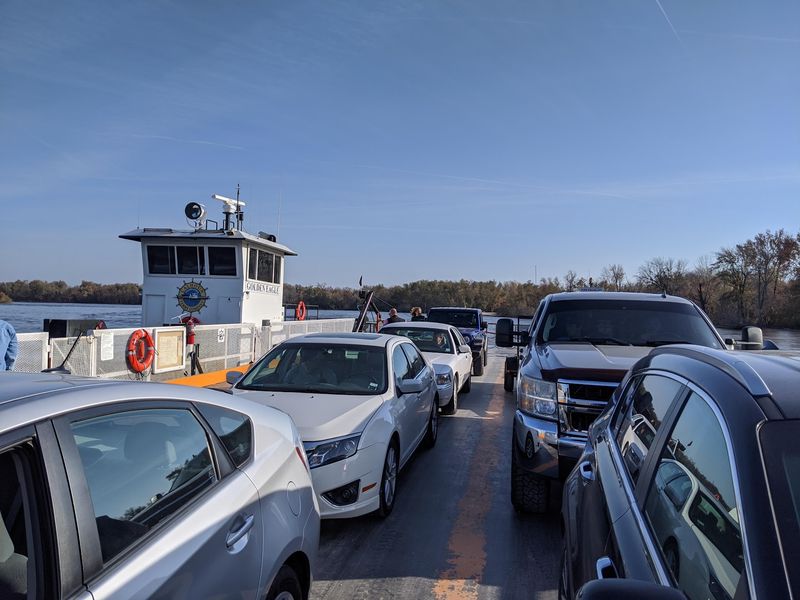
Driving onto the Golden Eagle Ferry is an unusual thing to do on a road trip through the Midwest, and that is precisely why it sticks in your memory. You are not visiting a replica or a museum exhibit.
You are using a privately operated, fee-based transportation link that federal records classify as a vehicular toll ferry, doing exactly what it was built to do: move vehicles and people across a big river.
The nostalgic feeling comes naturally from that context. Congressional testimony has described the ferry as a genuine infrastructure asset for Calhoun County residents, which means the boat you ride is the same one that carries a neighbor to a doctor’s appointment or a farmer to a supply run.
That shared, practical purpose gives the crossing an authenticity that no staged attraction can replicate.
Before you go, check IDOT’s ferry information and confirm current hours, fares, and operating status directly with Calhoun Ferry Company. The ferry’s real value is not an unbroken generational legacy – it is the fact that it keeps running, keeps connecting people, and still makes room for one more car.