
This Massive Illinois Flea Market Is Where Bargain Hunters Spend The Whole Day
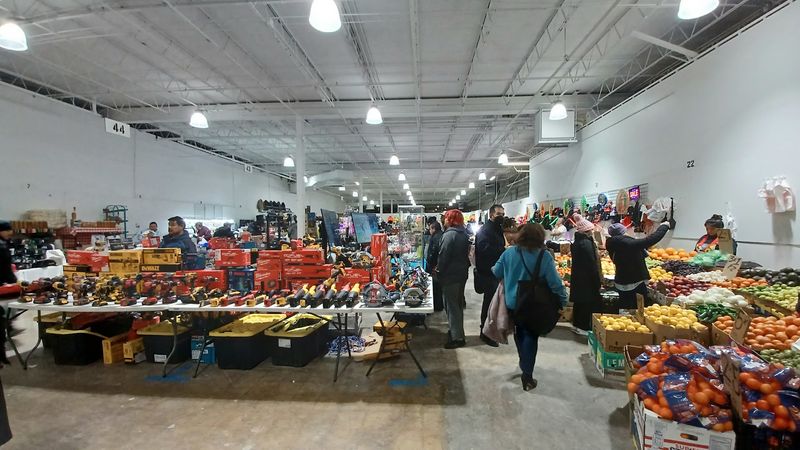
Weekend bargain hunters across the Chicago area have a go-to spot that keeps them busy from early morning until late afternoon. Swap-O-Rama’s Ashland Avenue location at 4100 South Ashland Avenue in Chicago is the market that best fits the description of a massive, all-day treasure hunt.
With a reported mix of hundreds of indoor and outdoor sellers offering everything from vintage tools to fresh produce, a single visit can stretch into several hours of browsing. Whether you are a seasoned thrift shopper or a first-time visitor, knowing what to expect before you go makes all the difference.
Swap-O-Rama’s Ashland Avenue Location Best Matches the Title
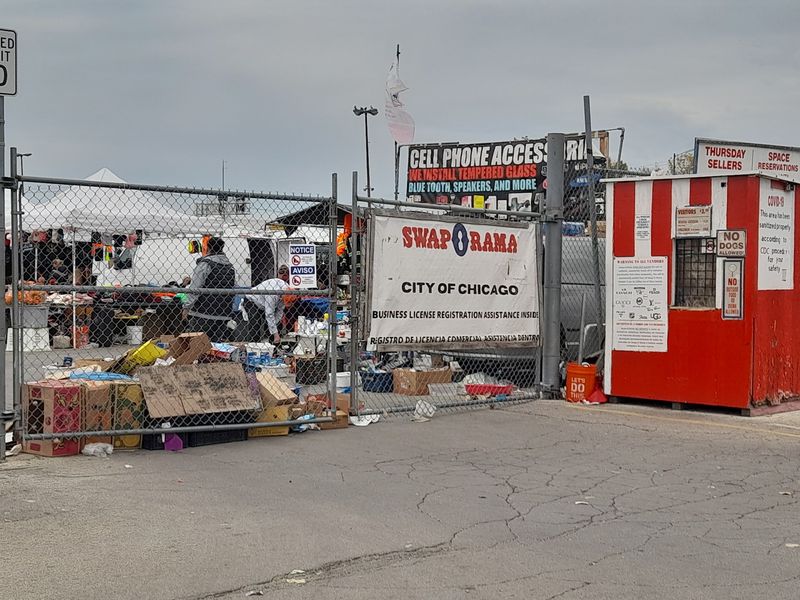
At 4100 South Ashland Avenue in Chicago, the Swap-O-Rama flea market is the location that most plausibly fits the description of a massive, all-day Illinois bargain destination. The operator promotes a weekend format that includes both indoor and outdoor selling areas, a setup that gives shoppers room to wander through a wide variety of merchandise across different environments.
That combination of scale and variety is the core reason this address keeps coming up when people search for a serious flea-market outing in the Chicago area.
According to the Swap-O-Rama Ashland Avenue location page, the market operates on Saturdays and Sundays with both indoor and outdoor sellers active. The operator lists hours as 7 a.m. to 4 p.m. and weekend admission as $3 for adults, $2 for seniors, and free for children under 12 accompanied by an adult.
These details have not been independently confirmed for a 2026 visit, so readers should contact Swap-O-Rama directly before making plans.
Some promotional materials describe Swap-O-Rama as Chicagoland’s largest and most modern indoor/outdoor flea market, a claim also reflected in the Enjoy Illinois listing for Swap-O-Rama. That phrasing is promotional and applies to a specific geographic definition of Chicagoland, not to the entire state of Illinois.
Calling this the biggest flea market in all of Illinois goes beyond what the available evidence supports. What the evidence does support is a large-scale, indoor-and-outdoor market that can consume several hours for shoppers who choose to cover both areas thoroughly.
Operator-Reported Numbers Create the Market’s Expansive Feel
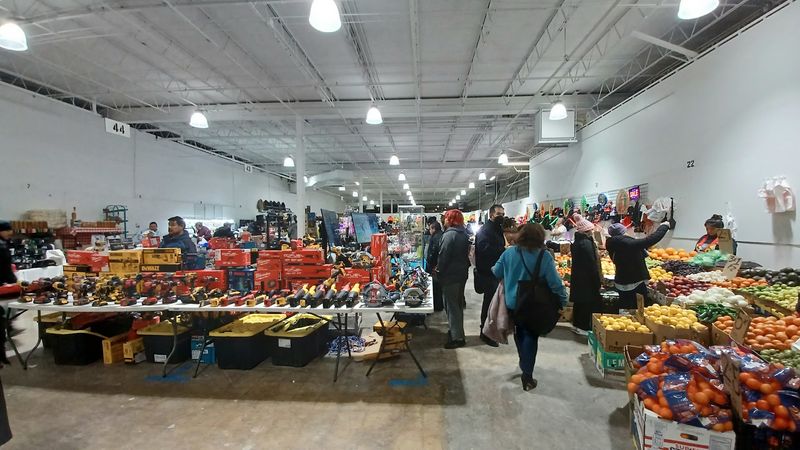
Numbers help set expectations, and the figures Swap-O-Rama publishes for its Ashland Avenue location are striking. The operator reports averages of 500 indoor sellers and 600 outdoor sellers, along with average weekend attendance exceeding 25,000 visitors.
These are promotional, operator-supplied averages, not independently audited measurements, so treat them as a general sense of scale rather than a precise weekly guarantee.
The distinction matters practically. A figure of 500 indoor sellers and 600 outdoor sellers does not automatically mean 1,100 unique businesses set up shop every single Saturday and Sunday.
Some sellers may rent multiple adjacent spaces, appear only on certain weekends, or reduce their footprint during colder months when outdoor attendance naturally drops. Weather, seasonal demand, and individual vendor schedules all influence how full the rows look on any given day.
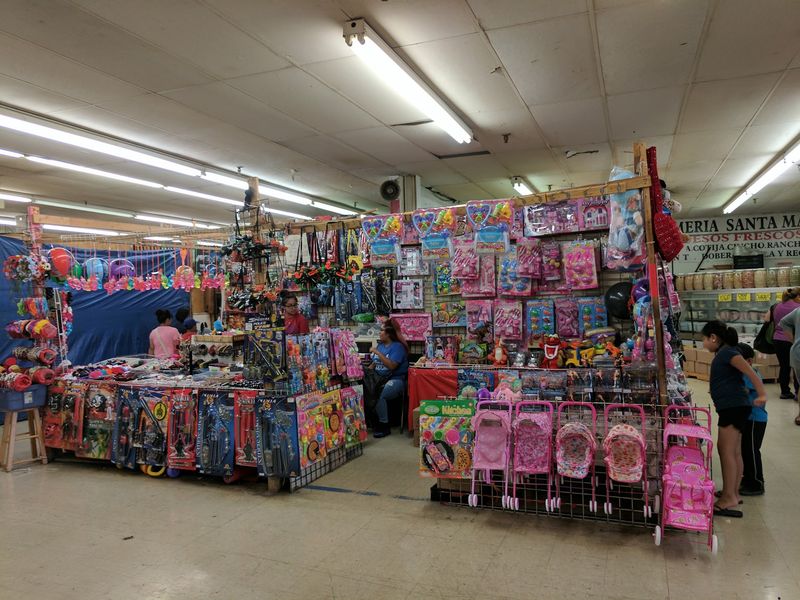
Even with those variables, the reported scale shapes the browsing experience in a real way. Moving through indoor aisles where hundreds of sellers have arranged their goods, then stepping outside into rows of open-air stalls, creates a sense of depth that a smaller market simply cannot match.
The transition from a climate-controlled interior to an outdoor stretch of canopies and folding tables changes the rhythm of shopping and gives each section its own feel. Shoppers who pace themselves through both areas are the ones most likely to use the full window of time the market’s reported hours allow.
The Merchandise Mix Supports Open-Ended Browsing
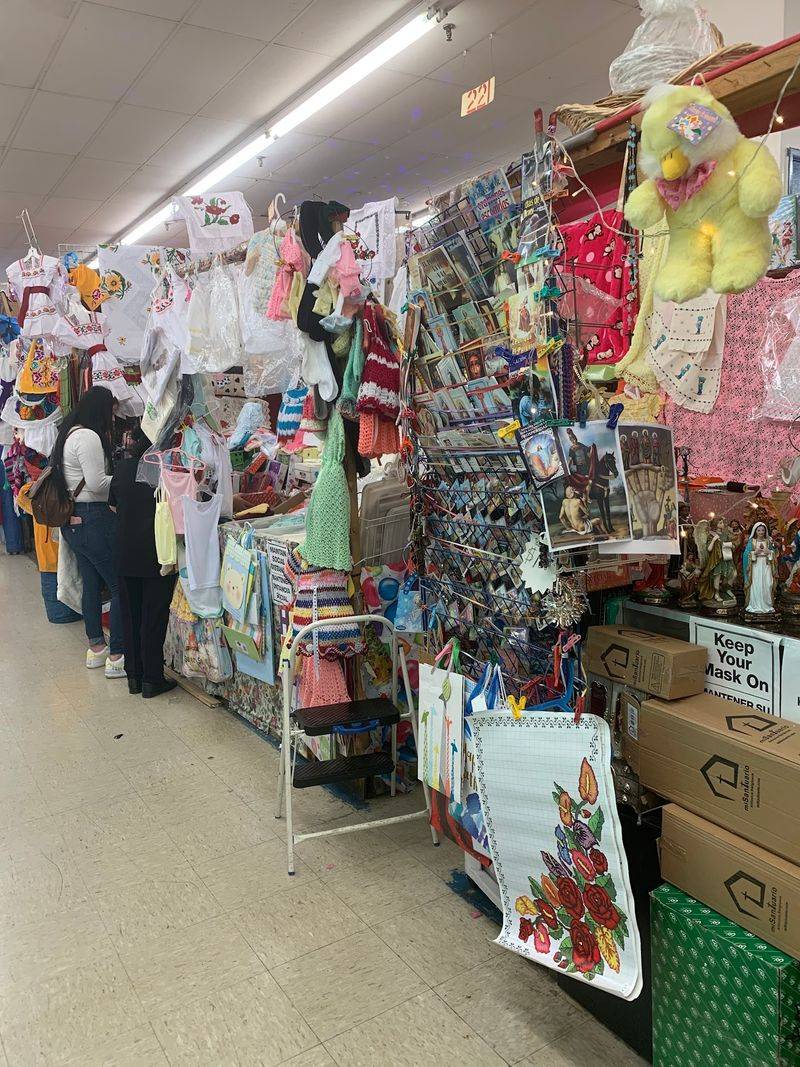
One of the reasons a visit to Swap-O-Rama can stretch into a long outing is the sheer range of what turns up across its stalls. The operator advertises antiques, tools, clothing, gifts, home goods, and fresh produce, and the Swap-O-Rama home page frames the market as a place to buy, sell, and thrift across a broad spectrum of goods.
That mix means a single walk-through can shift from practical household shopping to more speculative browsing for older or unusual objects.
Local flea-market guides add more texture to the merchandise picture. A Chicago flea-market guide describes the Ashland market as carrying hundreds of vendors selling tools, clothing, electronics, bikes, home goods, and other merchandise.
That kind of variety allows a shopper to pick up a replacement kitchen item, flip through a rack of secondhand jackets, and pause over a table of old electronics or vintage-style decor all in the same afternoon. The browsing stays unpredictable in a way that more curated vintage markets do not.
A realistic note belongs here: the market’s promotional language about bargains is genuine in spirit, but prices vary by seller, and some vendors price goods according to online resale values or perceived collectibility. Interesting vintage or unusual items do appear, but the evidence does not promise rare, high-value, or reliably collectible merchandise on any given weekend.
Shoppers who come expecting a consistent selection of underpriced antiques may leave satisfied or may not, depending on the day. The stronger guarantee is variety itself, which is what keeps the browsing open-ended and the time passing quickly.
Plan a Several-Hour Loop Through Both Areas
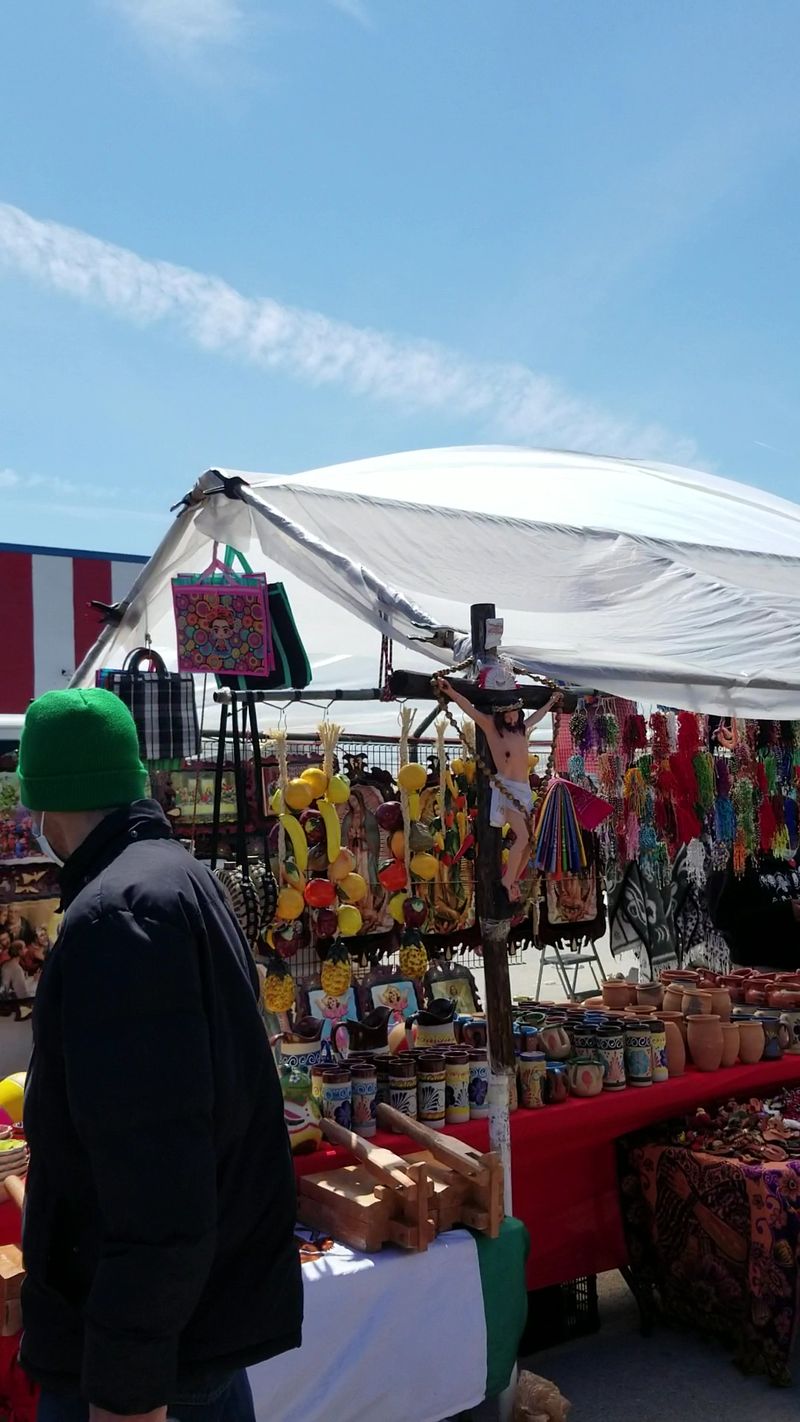
Starting with one area and then crossing into the other is a straightforward way to structure the visit. Many shoppers begin outdoors, where the open layout gives a broad first impression of what vendors have brought that weekend.
After working through the outdoor rows, moving inside shifts the pace, since the enclosed aisles tend to feel more organized and are easier to navigate in a systematic way. Leaving time at the end to circle back to any stalls that caught your eye early on prevents the frustration of forgetting a promising table.
Several hours is a reasonable time allowance for someone who wants to cover both the indoor and outdoor sections without rushing. That estimate depends heavily on crowd levels, how many vendors are operating on the specific day you visit, the weather, and how long you tend to linger at individual stalls.
A focused shopper looking for one category of item might move faster, while someone who browses everything could fill an entire morning and part of the afternoon. The point is to build in more time than you think you need rather than less.
Practical gear makes a real difference at a market this size. Comfortable, flat-soled shoes matter because the outdoor area involves walking on pavement and uneven surfaces for extended stretches.
Dressing in layers is smart for a venue that moves between an air-conditioned interior and an open-air exterior, especially in spring or fall when temperatures shift through the day. A phone or small notebook for recording vendor locations and stall numbers helps when you want to return to something after continuing to browse.
Bringing a reusable bag or a compact rolling cart saves your hands during the later stretch of the visit.
Regarding parking, the Ashland Avenue location page advertises free parking, but this should be confirmed directly with the market before your 2026 visit, since lot conditions and policies can change. Arriving close to opening time gives you the best chance of a less crowded lot and the fullest selection of vendor inventory before midday foot traffic peaks.
Check Nearby Food Instead of Expecting a Market Food Hall
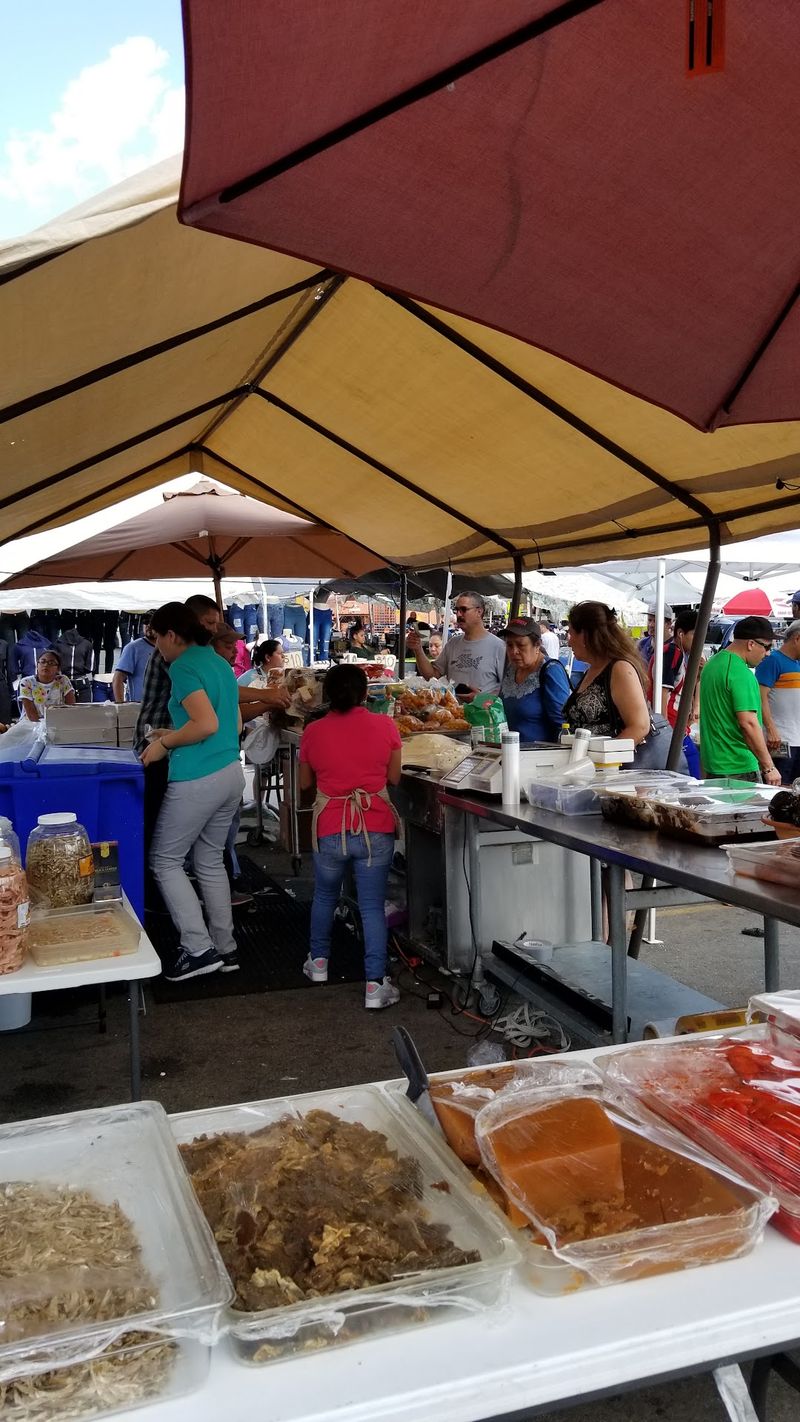
Food is one of the details that comes up most often in conversations about Swap-O-Rama, but the picture is more nuanced than a bustling market food hall. A 2024 Axios Chicago report on Swap-O-Rama and nearby taco vendors described Mexican food vendors and taco stands operating on streets around the market.
That reporting is dated and specific to a particular period, so it does not establish that the same vendors are currently operating in the same locations in 2026.
The important distinction is where the food is concentrated. The Axios reporting noted that hot food may be more prevalent outside the main market footprint than inside it, which means visitors who arrive expecting a dedicated food section within the market itself may be surprised.
Checking current conditions before you go, either by calling the market or looking at recent visitor reviews, gives you a more accurate picture of what food options are actually available on the day you plan to visit.
Inside the market, food sales are governed by formal requirements. Swap-O-Rama’s seller rules state that food and food products cannot be sold without written market approval and applicable licenses or permits.
That policy exists for good reason and means that any food vendor operating inside the market should have cleared those requirements. Treat the food landscape around Swap-O-Rama as a pleasant possibility to investigate rather than a guaranteed feature of every visit.
Verify Current Details Before You Set Out
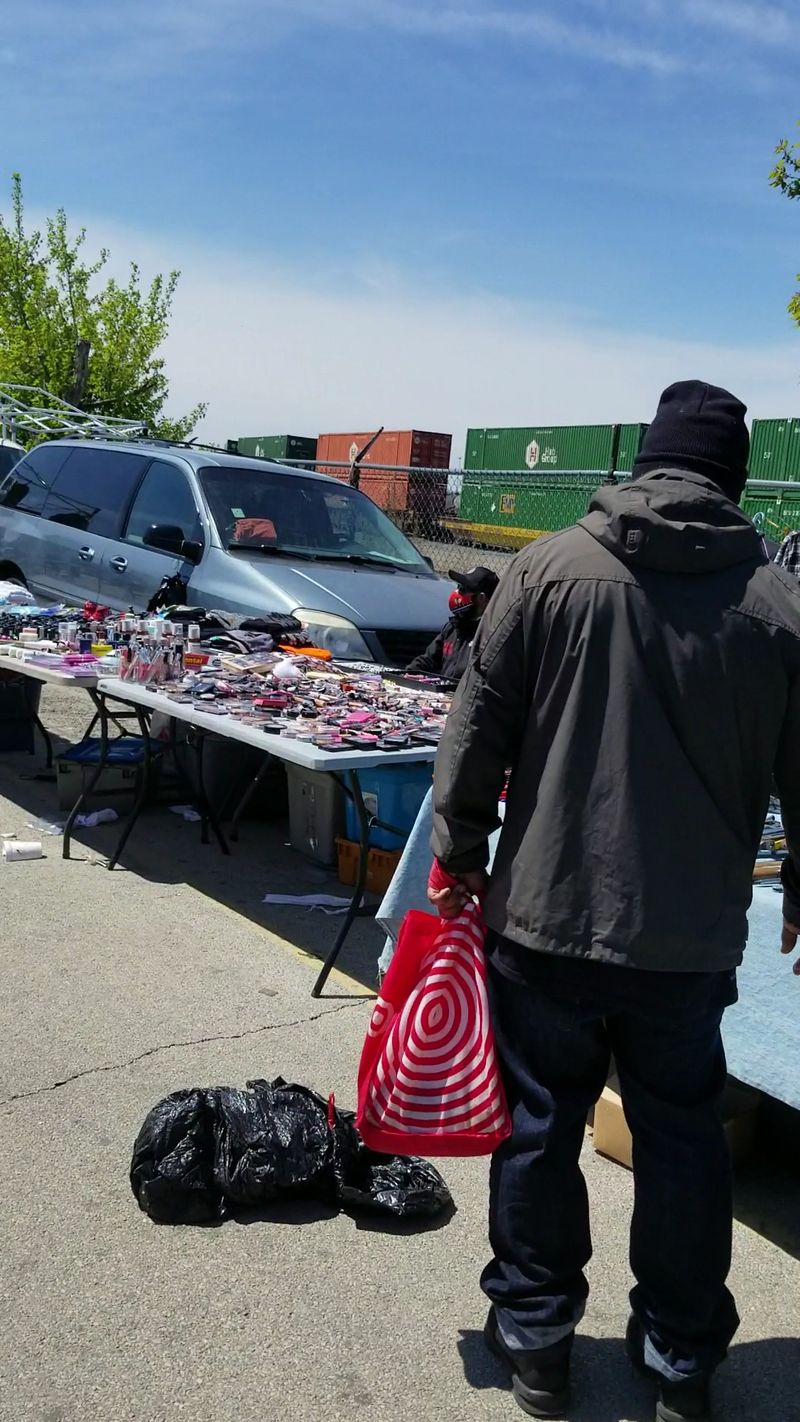
A market this size rewards preparation, and the most useful preparation happens before you leave home. The current date is August 2026, and the available official information about Swap-O-Rama’s Ashland Avenue location contains seasonal language that may not clearly establish the current operating calendar.
Before planning a trip, contact the market directly by phone at 708-344-7300, which the Ashland Avenue location page lists as the operator’s number, or check the official site for any updated schedule notices.
The specific items worth confirming include the current weekend hours, whether both indoor and outdoor areas are open, the current admission fees, parking availability and any associated costs, and whether the market is operating on the specific date you intend to visit. Holiday weekends, weather events, and seasonal transitions can all affect which sections are open and how many vendors show up.
Assuming that published details from a prior season still apply is the most common planning mistake at markets that shift their operations throughout the year.
Payment and bargaining deserve a clear-eyed approach as well. The operator’s published admission prices are low, but that does not mean every individual vendor accepts credit or debit cards.
Bringing a reasonable amount of cash is a sensible precaution rather than a confirmed requirement, since payment acceptance varies by seller. Regarding the seller rules Swap-O-Rama publishes, the market does not promise that all vendors will negotiate on price.
Bargaining is something you can try at individual stalls, and some sellers will engage while others price firmly. Approaching each negotiation as a conversation rather than an expectation keeps the experience enjoyable either way.
Food Safety Matters at Temporary and Cottage-Food Sales
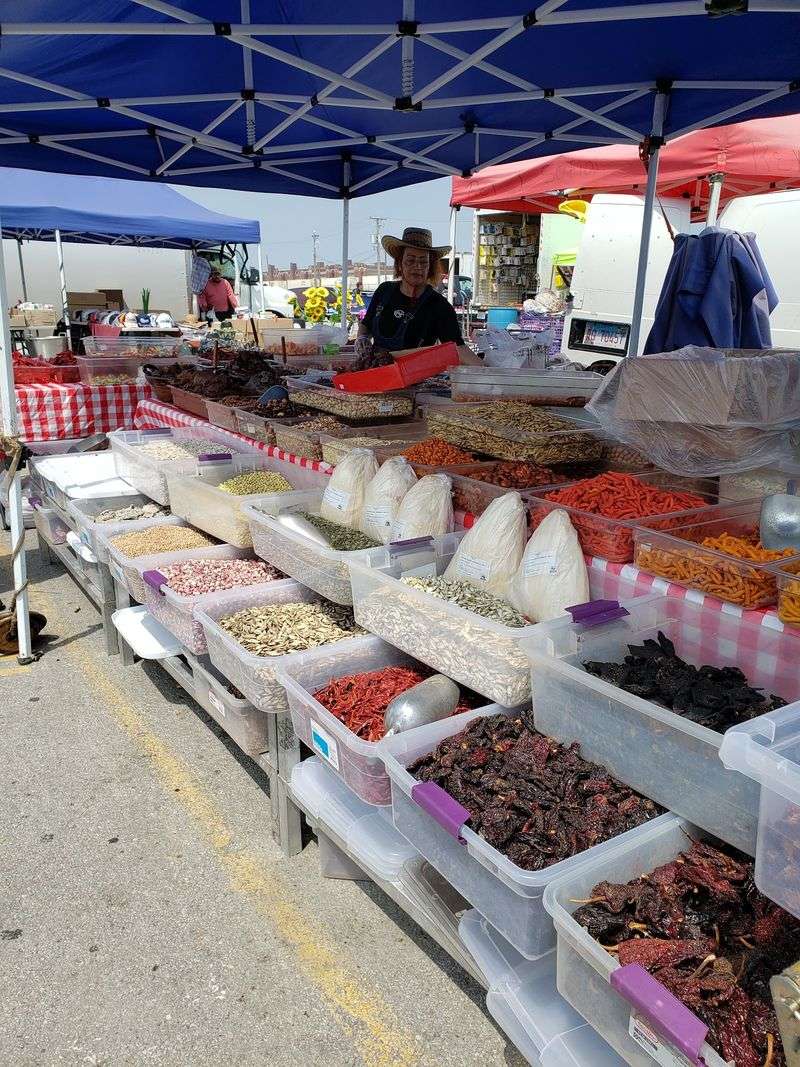
Any time food is sold at an outdoor market, a few practical safety principles are worth keeping in mind. Illinois Department of Public Health guidance on temporary food operations specifies that temporary food preparation must take place at an approved temporary location or an approved kitchen.
Home preparation or home storage is not automatically permitted for temporary food operations, which means food sold at a market should have been prepared under conditions that meet state standards.
Cottage-food sales follow a separate set of rules under Illinois law. The IDPH cottage-food guidance outlines registration requirements, packaging standards, labeling obligations, and product-specific restrictions that apply to foods made in home kitchens for direct sale.
A vendor selling baked goods or other cottage-food products at a flea market should be complying with those rules, including proper labeling that identifies the product as made in a home kitchen not inspected by the state.
The word homemade on a sign or package does not by itself confirm that a product meets safety or legal standards. When buying prepared food at any outdoor market, favor vendors who display visible permits, keep perishable items properly cooled or heated, and package goods in clearly labeled containers.
Swap-O-Rama’s seller rules already require written approval and applicable licenses for food sales inside the market, which is a baseline protection for shoppers. Applying common-sense food-safety habits on top of that baseline keeps the outing enjoyable from start to finish.
The Experience Delivers the Hook, Not a Record-Size Ranking
Swap-O-Rama’s Ashland Avenue location earns its reputation as an all-day outing through accumulated experience rather than a statewide record. Shoppers who move through both the indoor aisles and the outdoor rows, pause for food on the surrounding streets, and allow themselves to browse without a fixed agenda are the ones most likely to find that several hours have passed before they are ready to leave.
According to the operator’s reported figures, the combination of hundreds of sellers across two distinct areas and average weekend attendance above 25,000 creates an environment with enough variety to sustain extended browsing.
The strongest honest claim about this market concerns its scale and browsing potential, not a statewide-largest ranking, a promise of rare finds, a fixed lineup of 1,100 vendors every weekend, or a dependable in-market food selection. As the Swap-O-Rama home page frames it, the market is built around buying, selling, and thrifting across a wide range of goods, and that breadth is what gives a visit its staying power.
The tacos and taco stands reported nearby by Axios Chicago in 2024 add to the appeal without being a guaranteed feature of every trip. A market that can genuinely occupy your morning and afternoon without feeling repetitive is its own kind of record.