
This Illinois River Town Has The State’s Best-Preserved Main Street And It Feels Frozen In Time
Walk down the main street of Galena, Illinois, and you might swear you stepped into a photograph from the 1870s. Closely packed brick storefronts, iron cornices, and arched windows line the road in a nearly unbroken row that stretches for blocks.
Galena sits on the Galena River near the Upper Mississippi River system, and its downtown is among the most remarkably preserved historic commercial corridors in the state. The town is very much alive today, with shops, restaurants, and galleries filling those century-old buildings, making it one of Illinois’ most rewarding day trips or weekend getaways.
Galena offers the preserved river-town impression
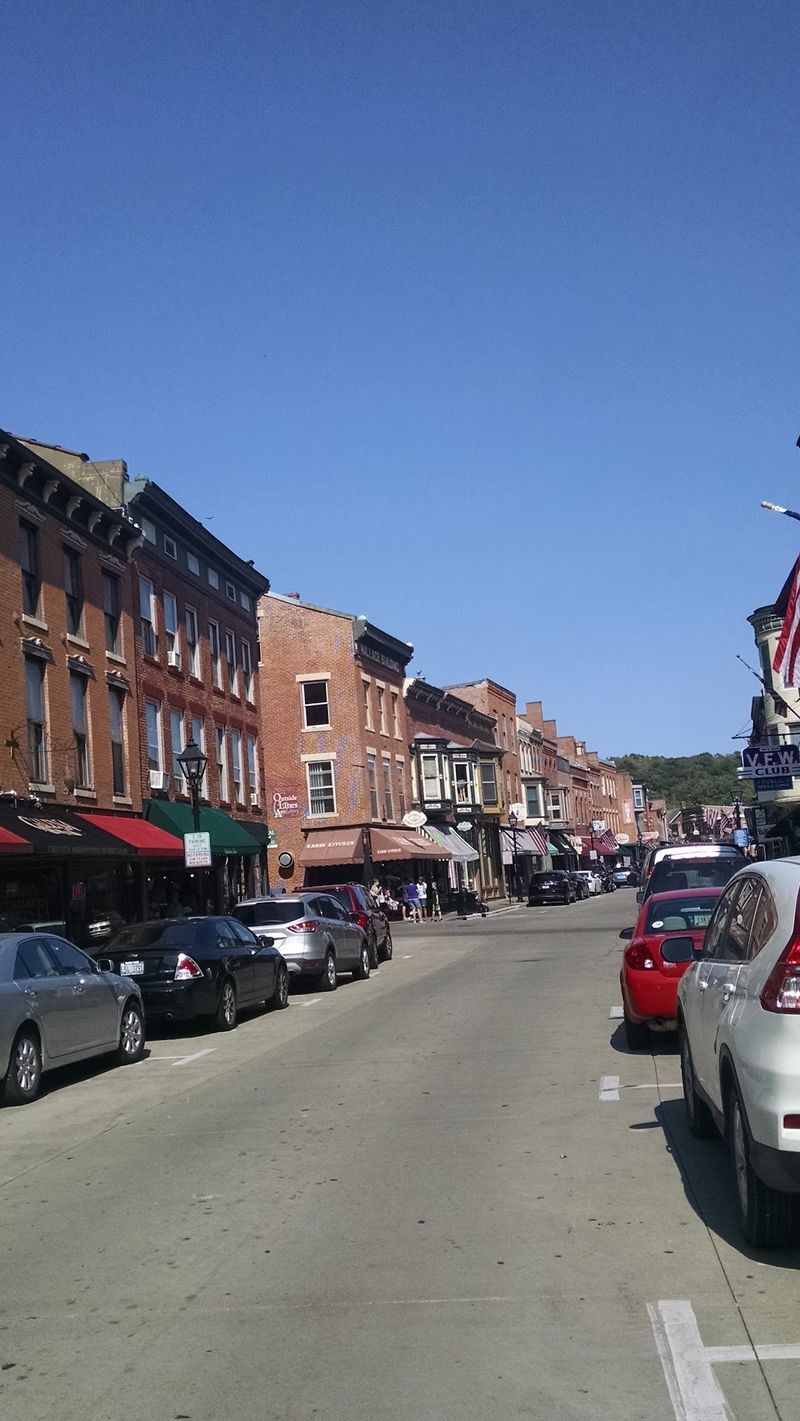
Stand at the bottom of Galena’s Main Street on any clear afternoon and the visual effect is immediate: brick facades climb the hillside in a nearly continuous row, their cornices and window hoods casting sharp shadows that make the block feel dense and old in a way that few Illinois downtowns can match. The corridor reads as remarkably intact, and that impression is well-founded, even if the town has not been literally sealed since the 1800s.
National Park Service documentation of the Galena Historic District confirms an unusually concentrated collection of 19th-century commercial architecture along Main Street, with very few structures that fail to contribute to the district’s historic character.
Galena developed along the Galena River, a tributary that flows into the Upper Mississippi River system, not along the Illinois River. That geography matters because the Galena River was once navigable by steamboat, and the commercial district grew up on its banks to serve a booming lead-mining economy.
Visitors today are walking through the surviving framework of a working river port, not a stage set assembled for tourism.
Calling Galena the officially verified owner of Illinois’ single best-preserved Main Street goes further than the evidence supports. Qualified descriptions such as “remarkably preserved” or “among Illinois’ most intact historic downtowns” are accurate and honest.
What is not in dispute is the visual experience: the streetscape feels cohesive, legible, and genuinely old in a way that rewards slow walking and careful looking, and the article that follows explains exactly why that impression holds up.
Main Street preserves an unusually dense historic streetscape
What separates Galena’s downtown from a town that simply has a few old buildings scattered among newer ones is density. The commercial buildings along Main Street stand shoulder to shoulder, and most of them date from the mid-to-late 19th century, creating a corridor where the historic fabric is the rule rather than the exception.
The city’s historic-building inventory for Main Street documents commercial structures with construction dates ranging from the 1830s through the 1860s and beyond, including examples from circa 1837, 1844, 1846, 1850, 1854, and 1856. That span of decades means visitors are looking at buildings raised during Galena’s entire arc of 19th-century commercial growth, not just a single prosperous moment.
The anchor of that timeline sits at 120 North Main Street, a circa-1837 commercial building identified in the city’s inventory as the oldest brick commercial building on Main Street. Its survival across nearly two centuries is a useful reminder that the street’s age is not exaggerated, even though the building has inevitably seen maintenance and modification over time.
Not every structure shares its early date, and later buildings and 20th-century additions are present in the inventory as well.
The National Park Service noted in its district documentation that very few non-contributing structures appear along the Main Street corridor, meaning relatively few buildings that fail to reinforce the district’s historic character. That concentration is what gives the streetscape its movie-set quality: there are not many gaps, blank facades, or jarring modern insertions to break the visual rhythm.
Brick, stone, and wood-frame construction from a single economic era line up in a way that makes the 19th century feel close and readable, block after block.
A working river port shaped the downtown
The storefronts along Main Street did not appear simply because Galena was a pleasant place to build. They were raised by merchants, shippers, and suppliers who needed a commercial district capable of handling the output of one of the most productive lead-mining regions in North America.
By the 1840s, Galena was processing and shipping enormous quantities of lead ore, and the Galena River was the artery that made it possible. Steamboats could navigate the river directly into town, offloading supplies and loading ore for downstream markets, and the commercial district grew up at the point where river traffic and overland trade met.
The National Park Service identified industry, commerce, and transportation as central to the district’s historical significance, a judgment that reflects how thoroughly the built environment was shaped by economic function rather than aesthetic ambition. The brick warehouses, counting rooms, and retail blocks that line Main Street today were working infrastructure before they became heritage attractions.
Visitors who know that history read the buildings differently: the heavy masonry construction, the wide doorways, and the ground-floor commercial spaces all make practical sense for a port-era merchant district.
The river’s influence extended to risk as well as opportunity. Galena’s downtown has experienced repeated flooding over its history, and local tourism and planning materials note that a levee and floodgates were constructed in the late 1940s and early 1950s to protect the business district.
That infrastructure is a practical reminder that the Galena River remained a force to be managed long after steamboat commerce ended. The preserved streetscape visitors enjoy today exists partly because earlier generations invested in protecting it from the same waterway that originally made it possible.
Several forces protect Galena’s historic character
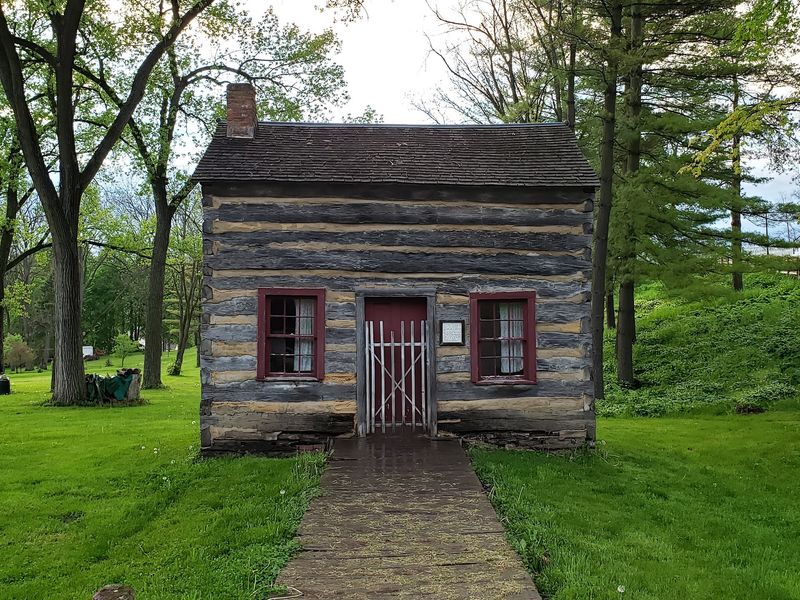
Galena’s appearance today is the result of several overlapping forces, not a single cause. Surviving building stock is the foundation: buildings that were never demolished cannot be replaced, and Galena’s economic slowdown after the lead-mining era meant that many 19th-century structures simply stayed standing rather than being cleared for larger modern development.
That economic history created the conditions for preservation, but it did not guarantee it.
Organized preservation and local regulation have reinforced what economic circumstance left behind. Galena’s municipal historic-preservation code establishes a historic district, requires permits for certain types of work on designated properties, and sets design-review standards intended to retain the historic exterior character of buildings within the district.
Those standards allow compatible changes and rehabilitation rather than requiring properties to remain in an untouched state, which means the district stays functional and economically viable without becoming a frozen exhibit.
Heritage tourism has added another layer of motivation. When visitors travel specifically to see the historic streetscape, property owners and the city have a shared financial reason to maintain it.
Rehabilitation has brought buildings back into productive commercial use, and that active use is part of what keeps the district from feeling like a museum. At the same time, the National Park Service’s district documentation records real alterations: additions, porch enclosures, window replacements, removed outbuildings, and patches of modern siding appear among the historic fabric.
Galena preserves and adapts its buildings rather than freezing them, and that distinction matters for anyone who wants an accurate picture of what “preserved” actually means in a living community.
The historic district extends beyond the shopping strip
Main Street gets most of the attention, and for good reason, but treating it as the whole of Galena’s historic environment misses a significant part of the picture. The National Register historic district encompasses far more than the retail corridor, including residential neighborhoods, civic buildings, religious structures, and other properties that together tell a fuller story of the 19th-century community.
A visitor who walks only the commercial blocks sees the most concentrated part of the district, but not its full scope.
A practical afternoon itinerary can layer commercial browsing with documented historic stops. The DeSoto House Hotel, which opened in 1855 and has hosted notable figures from Abraham Lincoln to Ulysses S.
Grant, stands on Main Street itself and offers a visible connection to the town’s peak era. The Old Market House, a Greek Revival structure from 1845, sits nearby and provides another anchor point for understanding how civic life operated in a prosperous river-port town.
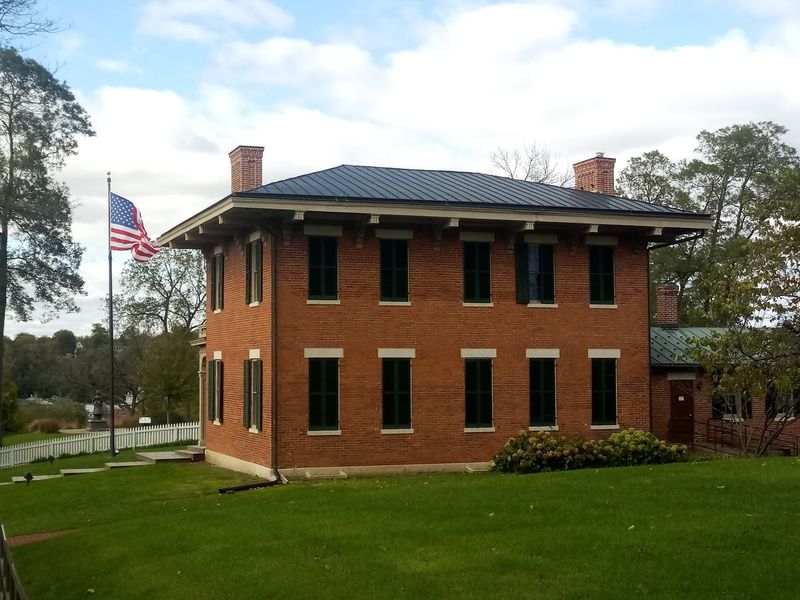
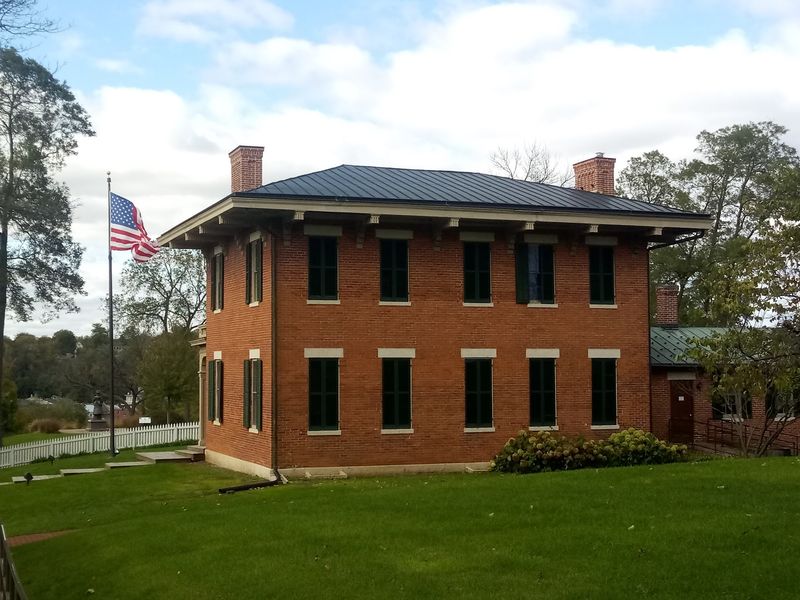
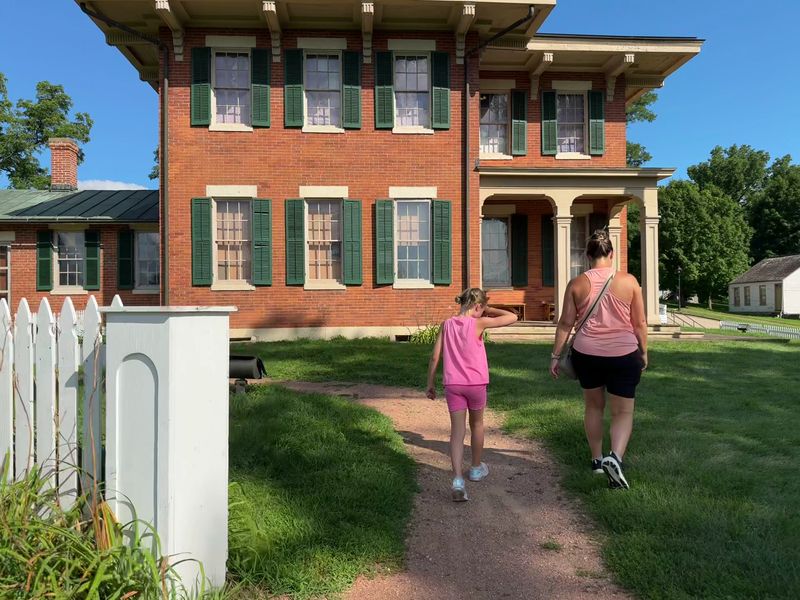
The Ulysses S. Grant Home State Historic Site, an Italianate house presented as it appeared during Grant’s post-war years in Galena, requires a short walk uphill from the commercial core but is well worth the detour.
The self-guided architectural walking tour promoted by Galena Country Tourism provides a structured way to connect these stops. Tourism materials suggest a one-hour baseline for the walking route, though adding historic sites and time inside shops will extend that considerably.
Visitors should plan for at least a half-day if they want to combine the commercial corridor with the major landmark sites, and should expect that some destinations require navigating Galena’s characteristically hilly terrain.
Active shops and restaurants keep the setting useful
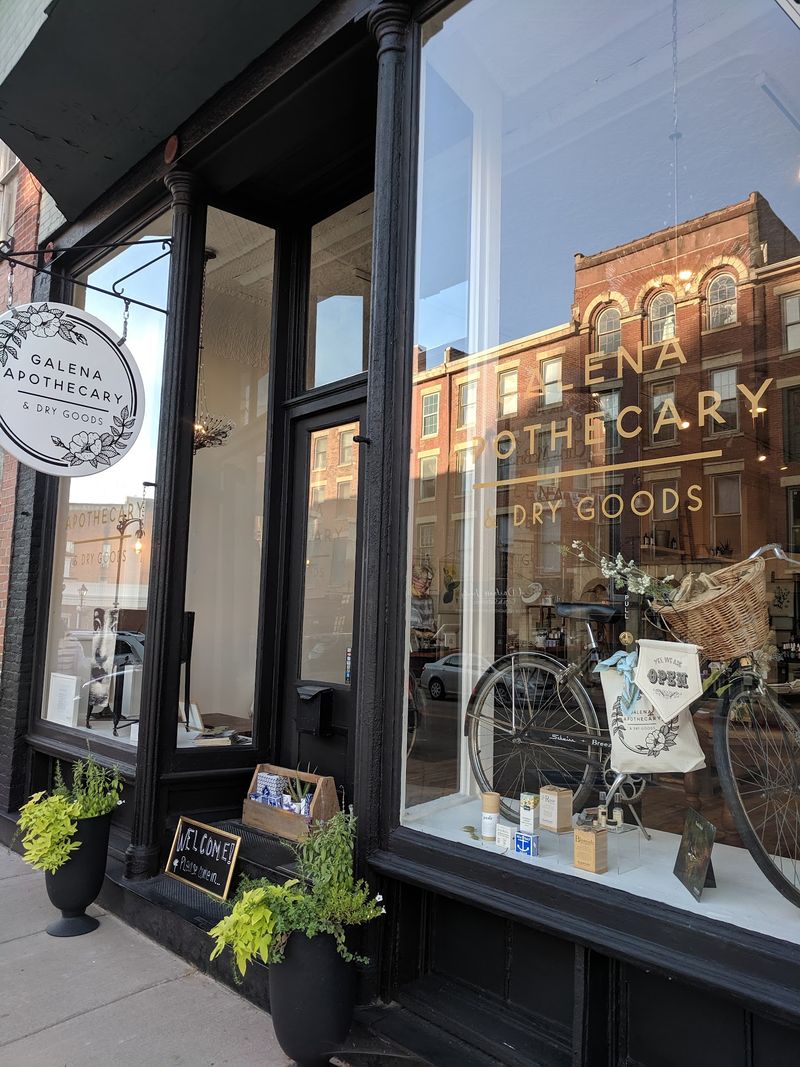
Historic architecture is easier to appreciate when you can also stop for lunch. Galena’s Main Street works as a visitor destination precisely because the old buildings are filled with active businesses rather than sitting empty or converted to municipal use.
Galena Country Tourism promotes more than 125 shops, restaurants, galleries, wine-tasting venues, spas, candy shops, boutiques, and ice-cream destinations along the Main Street corridor. That figure comes from promotional material and reflects a snapshot in time; individual businesses open, close, and change ownership, so the exact count on any given visit may differ.
The range of uses is broad enough to occupy an afternoon without repetition. Art galleries and craft studios sit beside wine and spirits tasting rooms.
Candy shops and ice-cream counters share blocks with full-service restaurants serving regional cuisine. Boutiques carrying clothing, home goods, and locally made products fill storefronts that might otherwise stand as empty reminders of a more commercial era.
The mix means that visitors who have no particular interest in architectural history still find plenty of reasons to linger.
Illinois tourism resources describe the Main Street experience as a concentration of nearly 100 19th-century storefronts occupied by contemporary businesses, a framing that captures the essential appeal: old containers, new contents, and the combination working better than either would alone. Visitors should verify the current status of any specific business before traveling, since hours, ownership, and seasonal schedules shift.
The broader point holds regardless of the exact count: Galena’s commercial core is genuinely busy, and that activity is what transforms a preserved streetscape from a historical curiosity into a place worth spending a full afternoon.
Plan for walking, parking, and changing conditions
A visit to Galena rewards preparation more than spontaneity, particularly around transportation and physical expectations. The self-guided historic walking tour is the most flexible way to see the downtown, and official guidance recommends wearing comfortable walking shoes and bringing water.
Galena’s terrain is genuinely hilly, and the walk between the commercial core and uphill landmarks like the Grant Home involves a noticeable grade. Visitors who underestimate that topography tend to run short on energy before they run short on things to see.
Official visitor planning guidance from Galena Country warns that parking in and around downtown can be limited during busy periods and that visitors may need to walk from parking lots to Main Street rather than finding a space directly in front of their destination. Seasonal free-ride transportation has operated between some lots, hotels, and the downtown area, but schedules and availability change year to year, so confirming current service before your visit is essential rather than optional.
Arriving early on weekends or during peak fall-color and holiday seasons gives the best chance of finding convenient parking.
Walking tour guidance suggests roughly one hour for the core route, but that estimate does not account for time inside shops, restaurants, or historic sites. A realistic half-day budget covers the commercial strip and one or two landmark stops comfortably.
Visitors should check individual destinations for hours, seasonal closures, steps, and accessibility conditions before arriving, since the district’s walkability does not automatically extend to every storefront interior or upper-floor space. Calling ahead or checking current websites prevents the frustration of arriving at a closed attraction.
Galena feels historic because it remains active
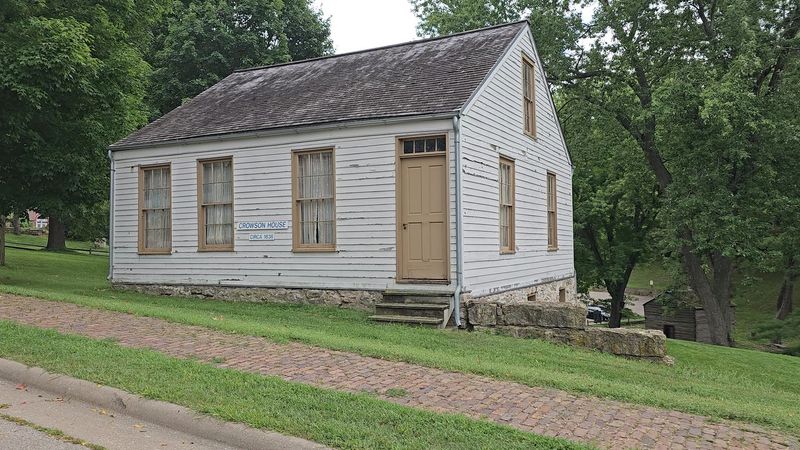
The strongest case for Galena as a remarkably preserved Illinois river-town destination rests on a combination of factors working together: an unusually intact concentration of 19th-century buildings documented by the National Park Service, a legible river-port history that gives the architecture meaning, a preservation framework that guides compatible change without freezing the town in place, and active shops and restaurants that keep the historic fabric in productive daily use.
“Frozen in time” describes a visitor’s experience of visual continuity, not a historical condition. Galena is a functioning community where modern businesses operate inside century-old walls, where buildings have been maintained, rehabilitated, and occasionally altered over generations, and where the preservation system is designed to allow the town to stay economically alive.
The impression of stepping into another era comes from the density and coherence of the surviving historic fabric, not from any absence of change.
For travelers planning a day trip or weekend in Illinois, Galena offers something genuinely rare: a walkable historic downtown where the architecture, the history, and the commerce all reinforce each other. You can browse a boutique, eat lunch, and then stand outside and read the same block’s brickwork as a surviving piece of a 19th-century river-port economy.
That layered experience is what makes Galena worth the drive.