
This Arkansas Crystal Mine Feels Like A Real Rockhound Hunt In The Ouachita Mountains
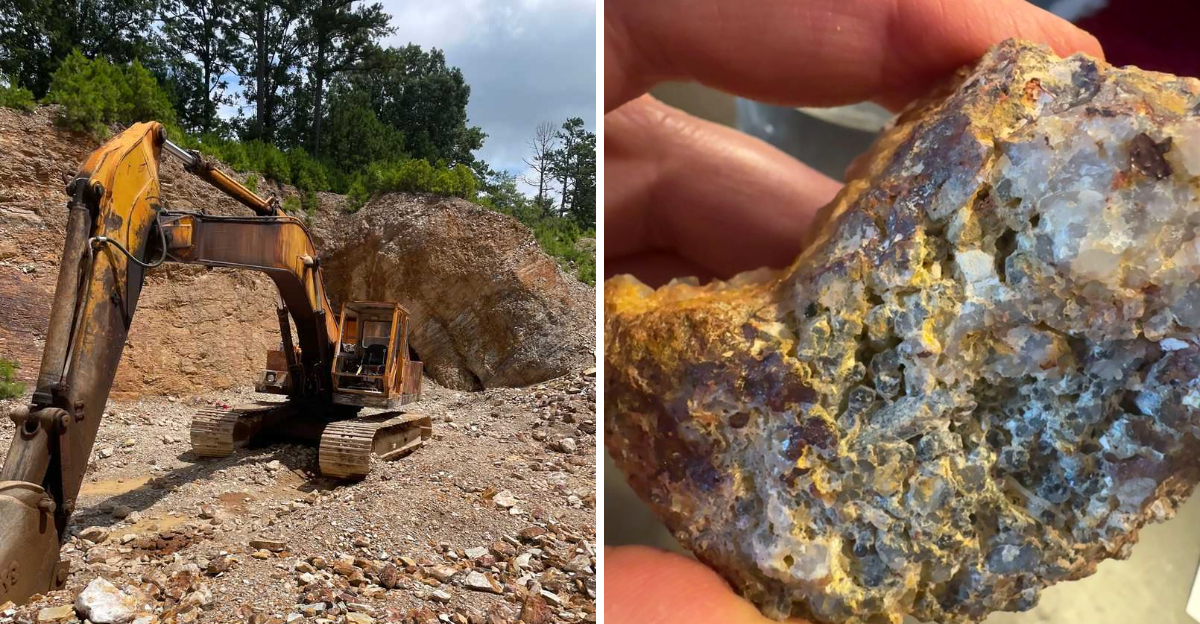
You can stare at the ground for ten minutes and see nothing. Then light catches one tiny crystal face, and suddenly every rock deserves a second look.
That shift is what makes this Arkansas digging experience so addictive. The mine feels rough and practical rather than staged for easy sightseeing.
Visitors search loose shale and watch for quartz points, learning quickly that careful eyes beat fast hands. Some finds sit right on the surface.
Others hide in spots that take more patience to work. Either way, the fun comes from doing the searching yourself.
The ground can be uneven and the day can get dusty, but each crystal feels connected to the effort it took to find it. By the time you spot your first good point, you may catch yourself scanning every patch of rock differently.
That is when a simple dig starts feeling like a real treasure hunt.
The Rugged Quarry Floor Where The Hunt Gets Real
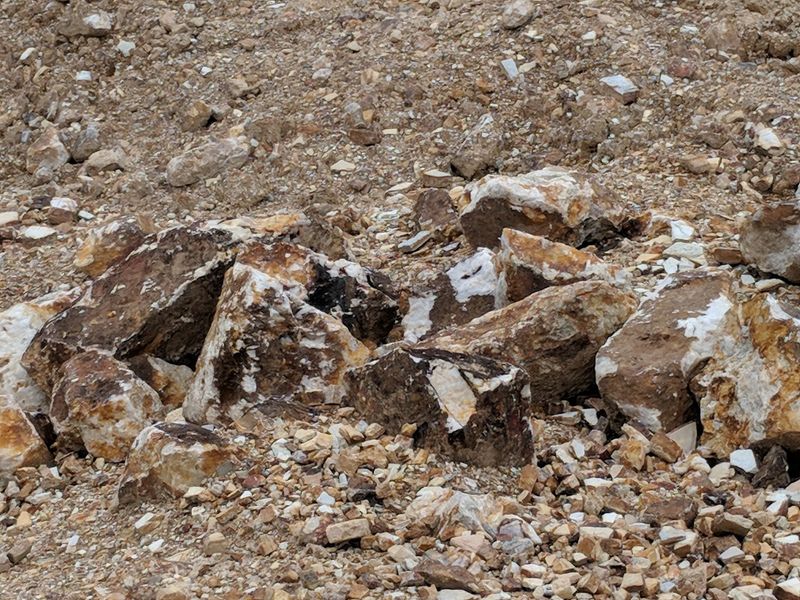
The open quarry floor makes it clear right away what kind of place this is. Loose rock shifts underfoot, and every direction offers another pile worth poking through.
The digging area here is primitive, with no polished walkways and no staged displays waiting to impress you. It is an open-cast pit where you dig for iron-stained and clear quartz crystals, and whatever you unearth goes home with you.
The setup is refreshingly straightforward. After a friendly greeting, visitors get a quick orientation and sign a waiver before heading into the pit to explore at their own pace.
Picnic tables sit near the entrance, one shaded by a canopy, which becomes especially useful around midday. A portable restroom is on site, and loaner tools are available if you forgot yours at home.
Cash is the way to pay, and calling ahead is smart since access details can change from day to day. You will find the place at Sweet Surrender Crystals, 288 Horseshoe Bend Rd, Story, Arkansas 71970, located in the Ouachita Mountains where the real hunting happens.
Shale Slopes Made For Serious Crystal Hunting
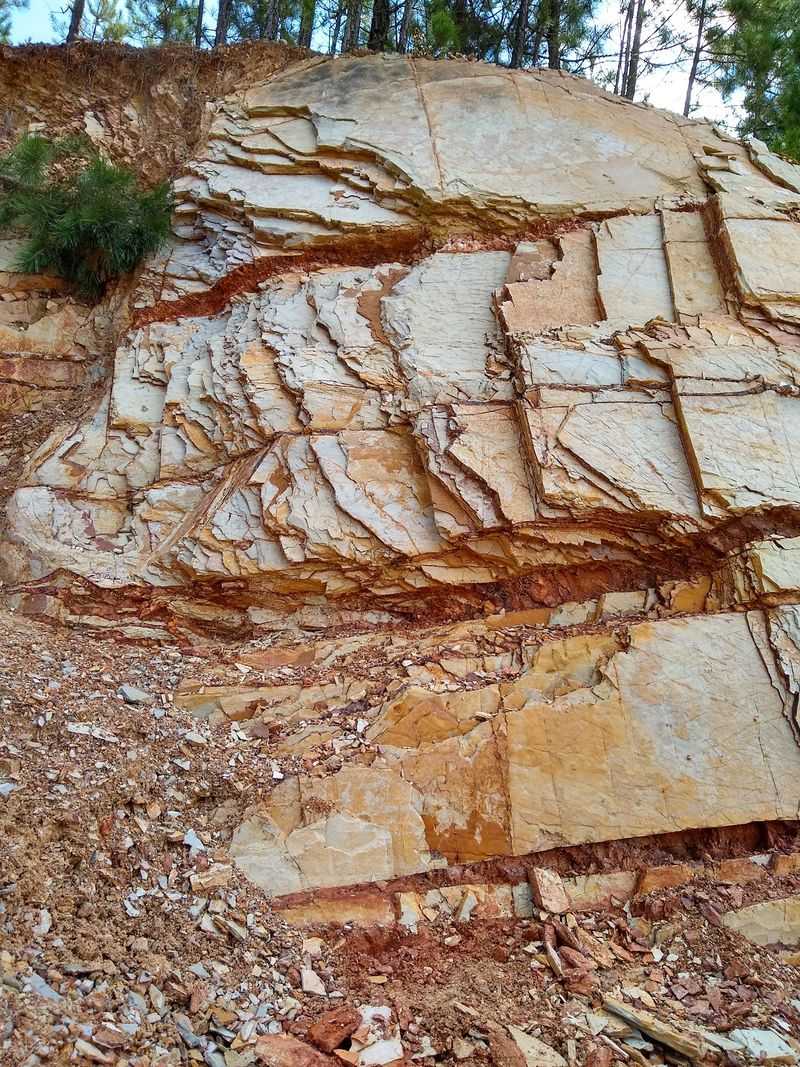
Most crystal mines in this region involve sandstone. Here, the rock is shale, and that single difference changes everything about how you dig.
Layers of shale stack like flat plates, with quartz seams running directly through them. Following one of those seams with a hammer takes patience, and the work often rewards persistence more than strength.
Shale also slides, so sturdy boots with solid tread make a noticeable difference on the slopes. Careful footing matters much more here than it would on a smoother digging surface.
Gloves are especially useful because shale edges can be sharp enough to nick your fingers quickly. A strong shovel also works better than a flimsy one, since the rock does not crumble easily.
The payoff comes in the distinctive crystals found here. Iron oxide and manganese can coat quartz points with rusty reds, browns, and metallic-looking surfaces that many collectors appreciate.
Some specimens are striking even before cleaning. Between the slippery footing and sharp shale plates, the digging feels rugged, but that rough setting is a big part of the experience.
Quartz Pockets Waiting Beneath The Rock
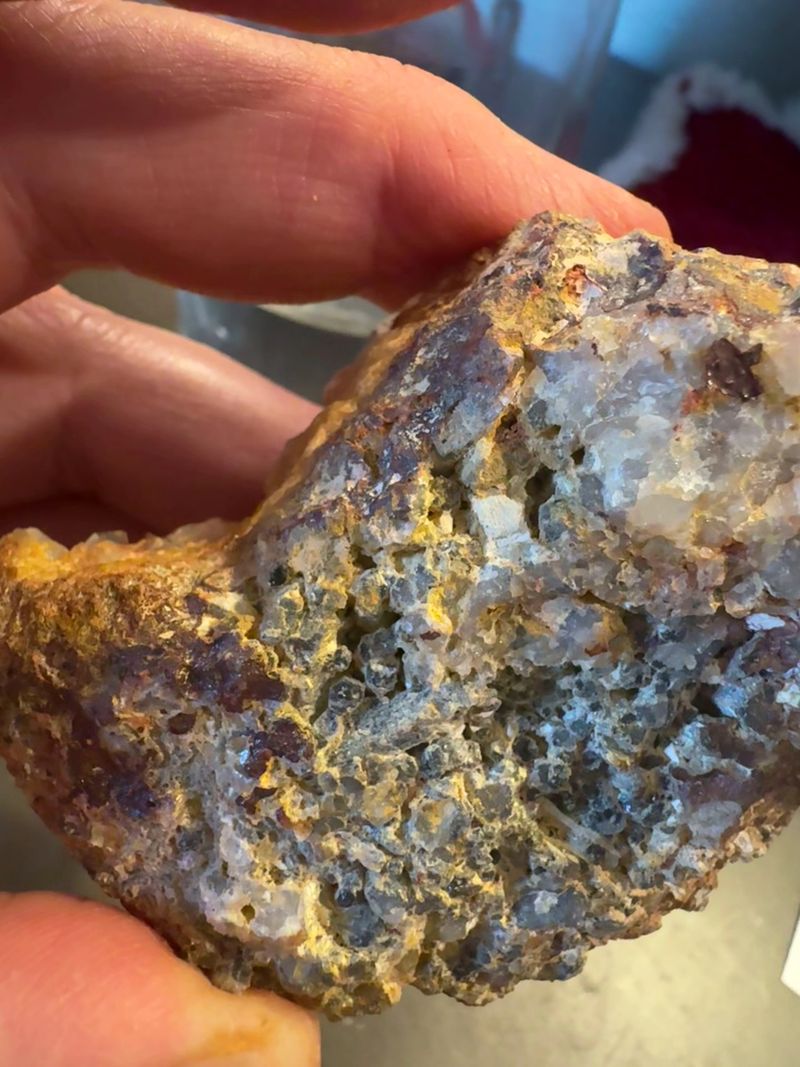
Pocket digging is where this place turns from casual hobby into full obsession. A pocket is a hollow space in the rock stuffed with crystal points and clusters, and cracking one open is unforgettable.
One visitor described squeezing into a hole barely four feet across and hauling out six bags of clusters. That story alone convinced me to try working a wall instead of just scanning the surface.
Not every pocket delivers museum pieces. Plenty hold milky quartz rather than glassy clear points, though bigger cavities often mix both together in the same handful.
Tailings piles deserve attention too. Older material that others walked past still hides crystals, especially after rain rearranges the loose sediment on top.
Pick one small area, sit down, and work it thoroughly instead of wandering the whole pit looking for an obvious jackpot.
Ask the folks on site where ground has been turned recently, because freshly disturbed material improves your odds noticeably. They are generous with pointers and will show you what a promising seam looks like.
Patience is the actual tool that matters here, more than any shovel in your trunk.
The Rocky Dig Area That Keeps You Searching
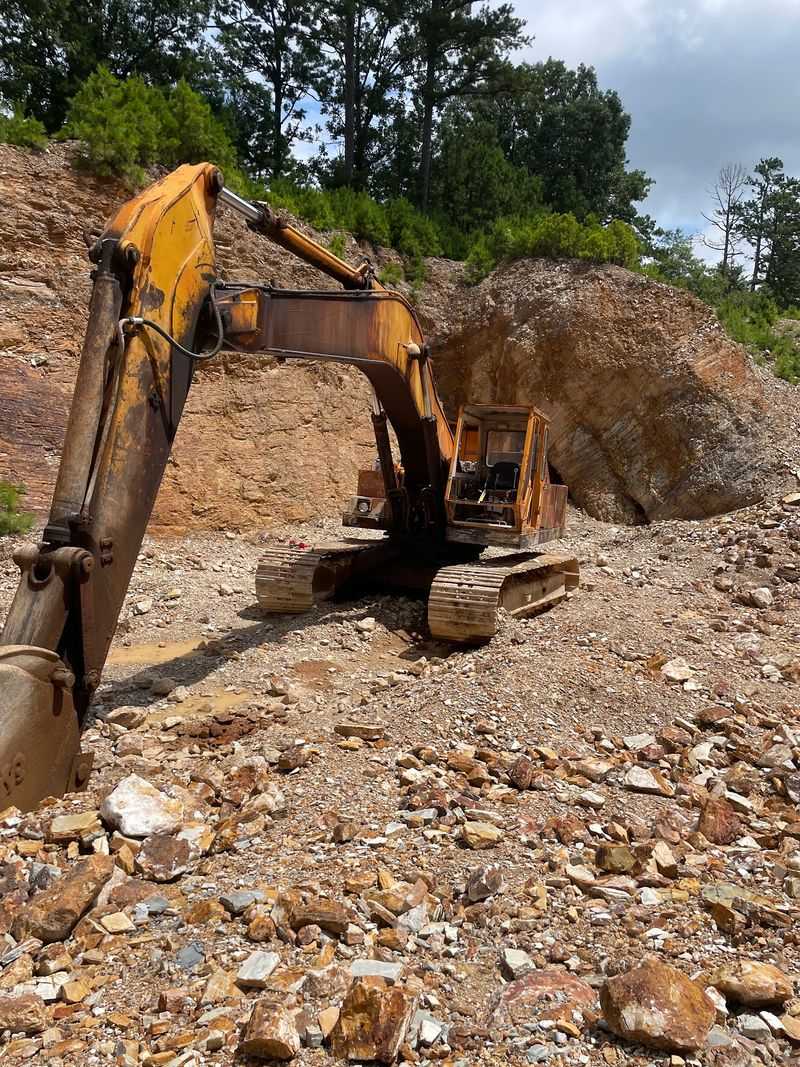
Nobody hands you a sifting tray and a chair here. The dig area is rocky and uneven, which is precisely why it stays interesting hour after hour.
A rock hammer and solid shovel are useful, along with smaller hand tools for close work in tight spots. Loaner tools are available on site and should be returned when you finish.
Ground conditions change with the weather. During dry stretches, the surface can bake hard enough to make serious digging tough, while rain loosens sediment and reveals fresh material.
That is exactly why a quick phone call before you drive out can save disappointment. Conditions vary, and knowing what to expect helps determine what to bring.
Areas occasionally get refreshed by commercial equipment, exposing older deposits to new eyes. When that happens, the pit can feel brand new again.
Digging one small trench can take plenty of energy without making much of a dent. Kneeling pads and plenty of water can make a long session much more manageable.
Come ready to work, and the searching becomes the whole point.
Crystal-Flecked Ground Beneath Your Boots
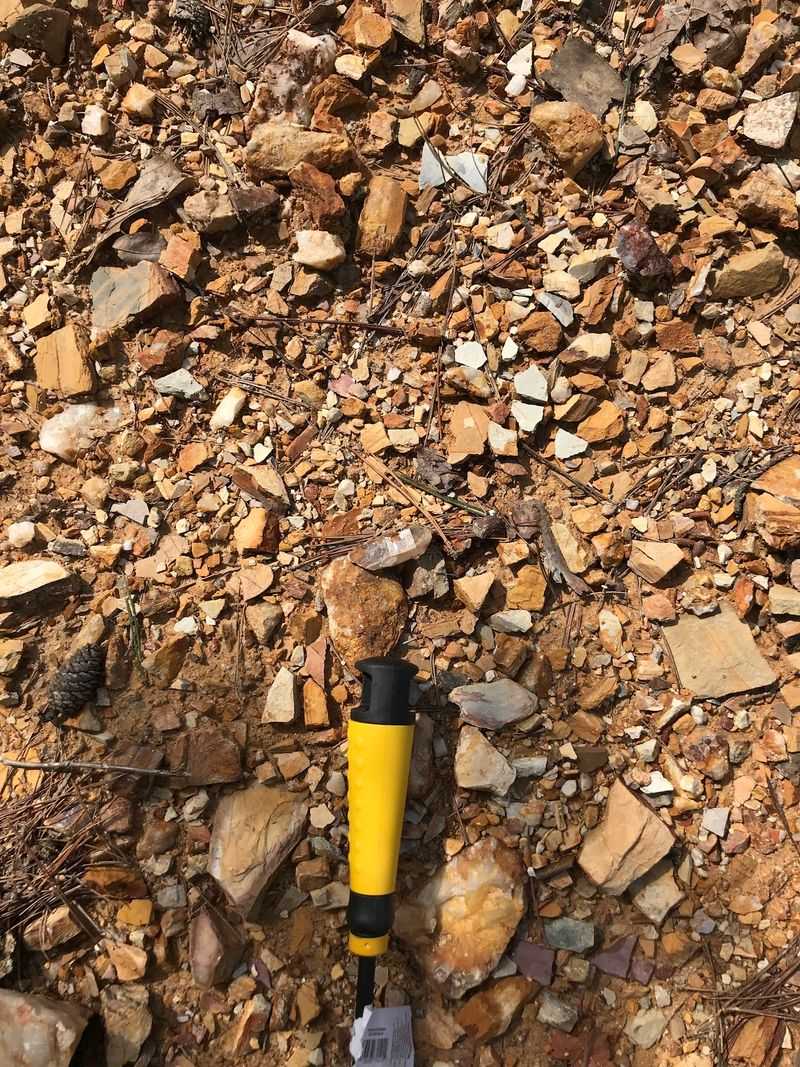
Surface collecting can look easy until you realize how much attention it takes. The ground is flecked with float crystals, and the trick is learning what shapes and flashes to notice.
Rusty coatings disguise many points so well that they can resemble ordinary pebbles. Once your eyes adjust, small crystal shapes become much easier to spot among the loose rock.
Staying in one place can help enormously. Studying a small patch of ground carefully often reveals clear clusters that are easy to miss while walking around.
Sunlight angle matters more than people expect. Late morning and mid afternoon light can catch crystal facets that disappear under flatter overhead glare.
After rain can be an especially productive time to look. Water washes sediment away and may leave crystals exposed near the surface.
Surface collecting can produce plenty of finds without deep digging, making it a useful option for anyone who wants a less strenuous way to search.
Cleaning takes effort afterward because iron oxide can cling tightly to the quartz. Some specimens can look especially striking with the natural mineral coating still intact.
The Raw Dig Site That Feels Truly Hands-On
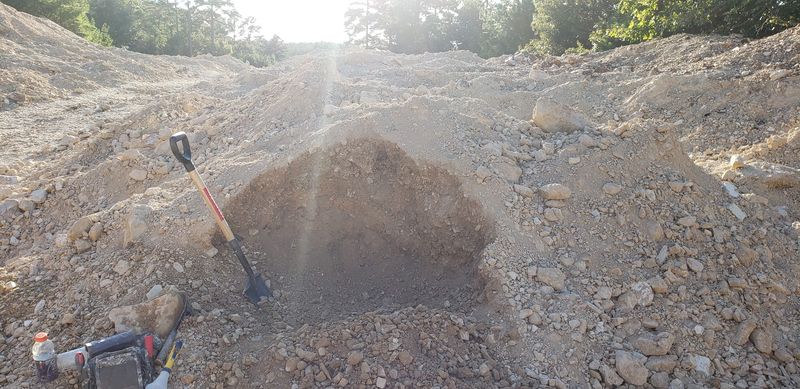
Expect a series of large holes rather than a curated attraction, and you will love this place. Self-reliant visitors thrive here, while anyone hoping for guided entertainment may feel adrift.
Food and drinks are on you, so pack a cooler with plenty of water and snacks. Shade exists near the picnic tables, but out in the pit you are your own sunshade.
A leave-no-trace mindset is expected. Whatever wrappers or bottles come in with you should leave in your hands, and closing the gate behind you is part of the deal.
Since this is an operational commercial mining site, you get a genuine look at how quartz is actually pulled from the earth. Equipment, spoil piles, and working walls are all visible.
I appreciated being trusted to explore rather than shepherded around. A short orientation, a few tips, and then independence.
Spiders scurry out when you flip rocks, which startled me more than once. Gloves and a calm attitude solve that quickly.
Dusty clothes are guaranteed, so tossing a spare set in the car keeps your seats respectable on the drive home.
A Primitive Mine With Real Rockhound Energy
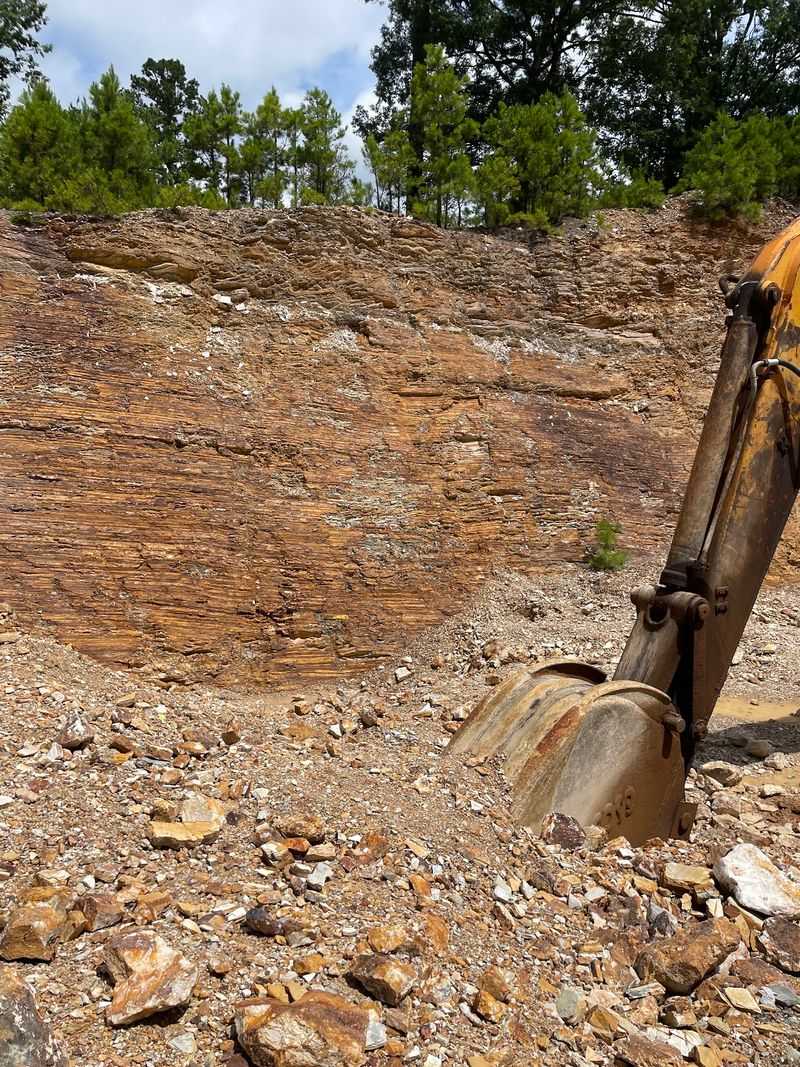
Solitude might be the most underrated feature of this mine. I spent long stretches with the entire pit to myself, which almost never happens at better known dig locations.
No crowds means no elbowing for the good spots. You pick a wall or a pile and settle in without anyone hovering over your shoulder.
Experienced rockhounds tend to appreciate the setup most. The focus stays on hunting and discovery rather than on manicured convenience.
Beginners can absolutely succeed here, though a little homework helps. Reading about how quartz forms and what a seam looks like turns a frustrating afternoon into a productive one.
Hours run from 9:30 in the morning until 4:30 in the afternoon, seven days a week, which gives you a full day if you arrive early. Phoning ahead at 870-867-0104 is the smart move for current entry details.
Fees have shifted over the years and land in the neighborhood of thirty dollars per person, cash preferred. Kids do well here too, since crystals often sit within easy reach of small hands.
Quiet and rewarding, this pit respects anyone willing to work for it.
The Mountain Setting Behind The Crystal Hunt
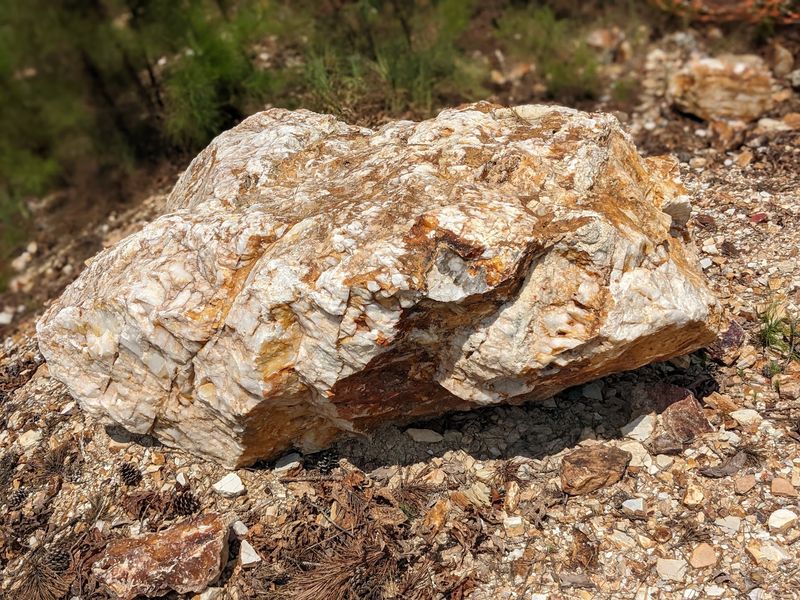
Geology deserves credit for everything that makes this hunt possible. The mine sits deep in the Ouachita Mountains, a range that runs east to west instead of the usual north to south.
That unusual orientation is tied to ancient pressure and folding that opened cracks in the rock. Hot mineral-rich water filled those cracks and slowly grew quartz over unimaginable stretches of time.
The region is nicknamed the Quartz Crystal Capital of the World, and standing in the pit you understand why. Crystals here are prized for their clarity and shimmer.
Drive in and you get pine covered ridges, winding roads, and long views that make the trip worthwhile before you touch a shovel. Story is a small community, so fuel up and grab supplies before you head out.
Cooler months are far more comfortable for digging, and October gets recommended often by visitors who learned that lesson in July. Summer heat in this part of Arkansas is no joke.
Nearby Mount Ida and Hot Springs make easy bases for a longer rockhounding trip. Mountains built this treasure, and they still guard it well.