
Take A Stroll Down The Wildlife-Filled Boardwalk Trail At Washington’s Coolest Visitor Center
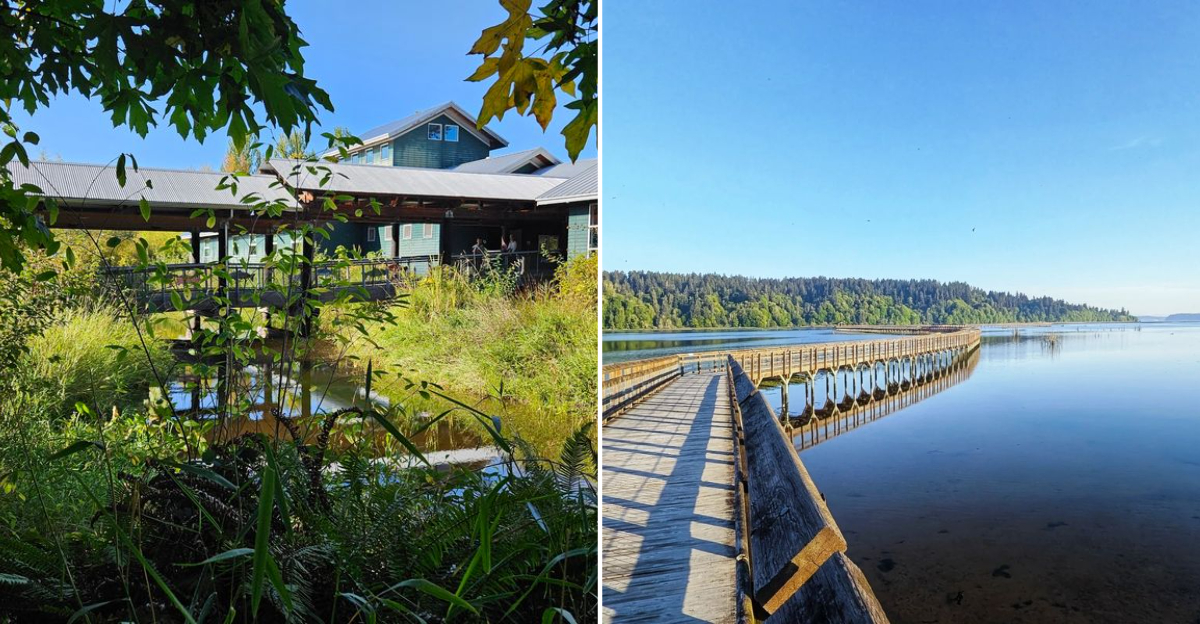
I didn’t expect to fall in love with a bunch of mud, but here we are. On a whim, I decided to check out a stunning, wildlife-filled boardwalk trail tucked away behind Washington’s slickest visitor center, and it completely stole my heart.
Walking those elevated wooden paths feels like floating right above a secret kingdom. I watched great blue herons strike yoga poses in the reeds and listened to a symphony of frogs that honestly deserved their own Grammy.
It’s the kind of spot where you can take a deep breath, let your shoulders drop away from your ears, and remember what fresh air actually tastes like. Grab your favorite cap, lace up some comfy shoes, and let me show you why this marshland magic is my new favorite escape.
The Man Behind The Name
Long before it wore its current title, this place was simply called the Nisqually National Wildlife Refuge. In December 2015, it was renamed to honor Billy Frank Jr., a Nisqually tribal leader who never backed down when it came to protecting salmon and Native treaty rights.
Frank became a central figure in the “Fish Wars” of the 1960s and 70s. He was arrested more than fifty times while defending tribal fishing rights promised in treaties from the mid-1850s. That takes some serious grit.
His steady work helped lead to the 1974 Boldt Decision, which confirmed that treaty tribes were co-managers of the salmon and had the right to half the harvestable catch in western Washington. Walking through the refuge now, you sense that history in every quiet corner.
The refuge stands as a living tribute to a person who believed nature and people could thrive together. Learning his story before you go makes the boardwalk feel far more meaningful than an ordinary nature walk.
Where River Meets Sea
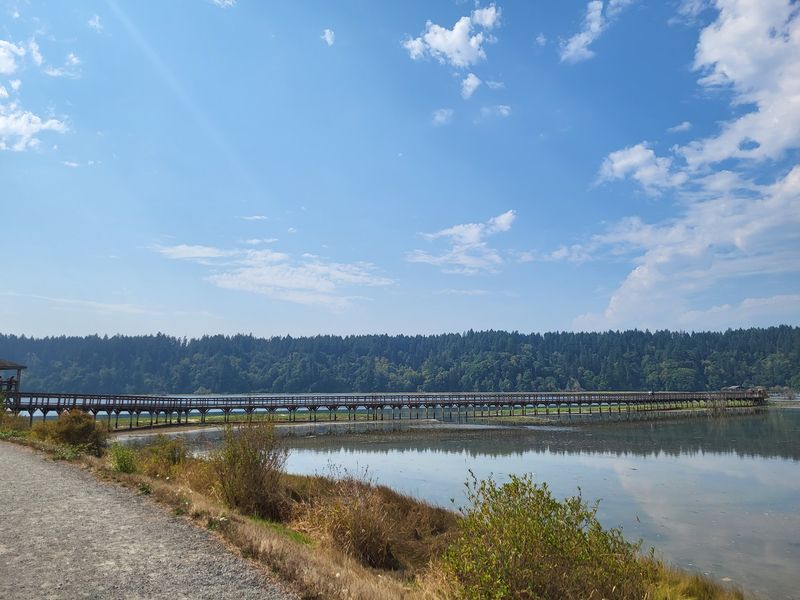
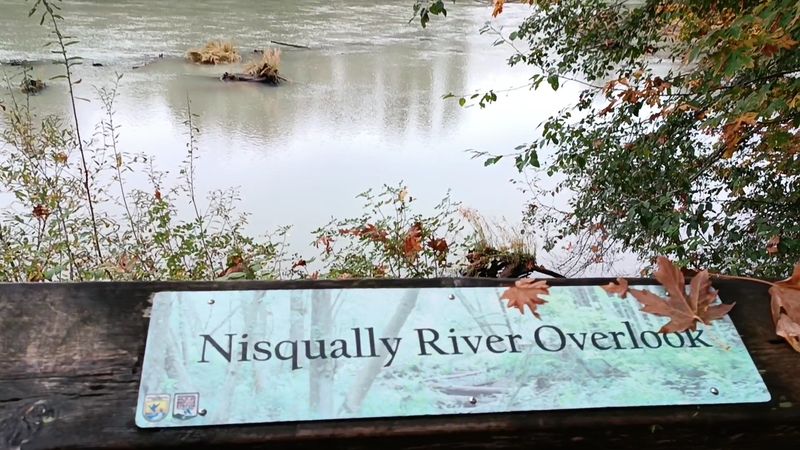
Picture a spot where the fresh water of the Nisqually River rolls in and mingles with the salty tide of Puget Sound. That mixing zone is exactly what makes this refuge so alive with creatures big and small.
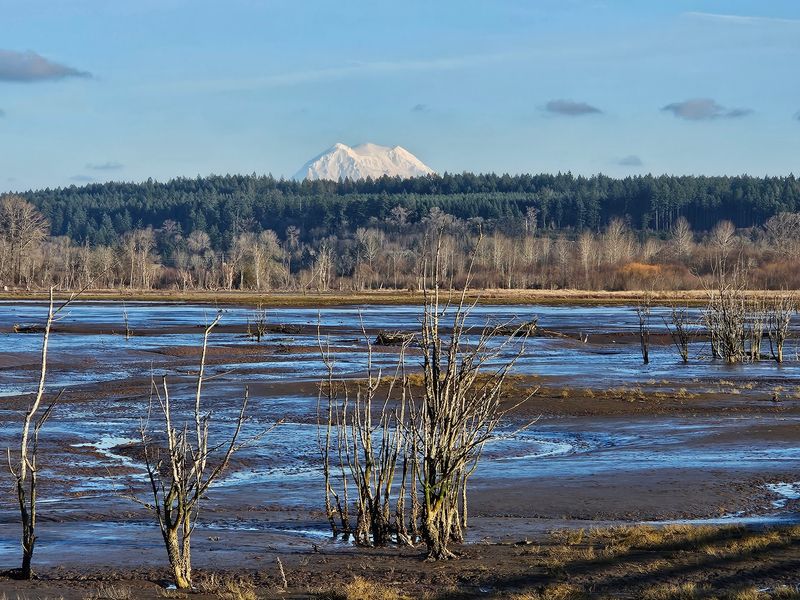
The blending of water types creates a patchwork of habitats, including freshwater marshes, tidal mudflats, salt marshes, and shady riverside forests. Each one draws different animals, so no two visits ever feel the same.
Set up in 1974, the refuge holds the honor of being the last unspoiled major estuary in Puget Sound. That rare status earned it a spot as a National Natural Landmark.
All this variety supports more than 275 kinds of migratory birds, 95 fish species, and plenty of other wildlife. It is a busy neighborhood where the residents happen to have feathers, fins, or fur.
Standing at the edge of the water, you get a real feel for how special protected land can be.
The Mile-Long Boardwalk Trail
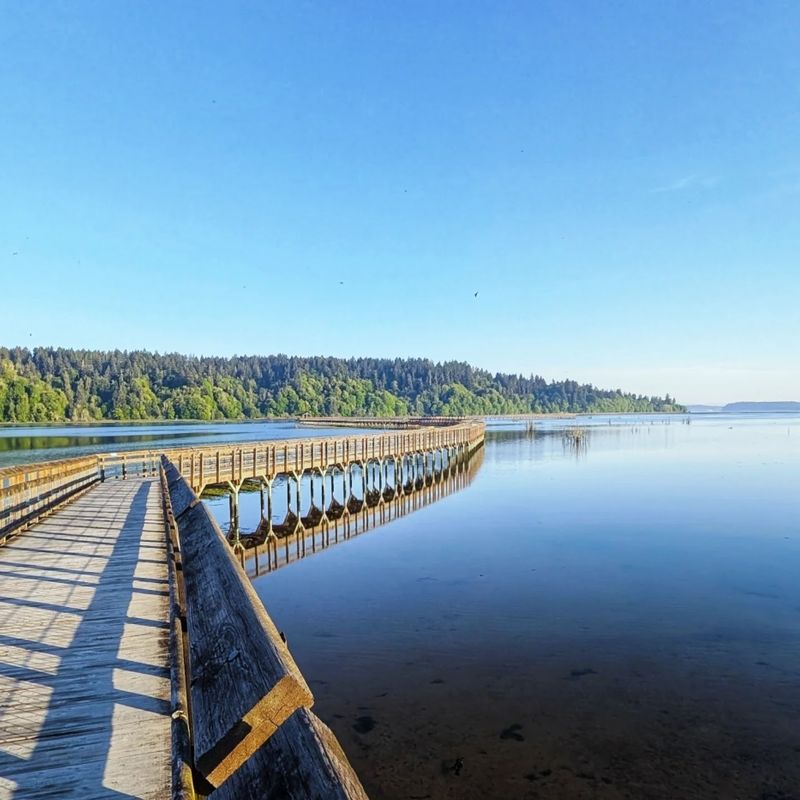
Most folks come here for one big reason, and that reason is the Nisqually Estuary Boardwalk Trail. This elevated wooden path runs a full mile straight out over the estuary, letting you peek at wildlife below without bothering a single bird.
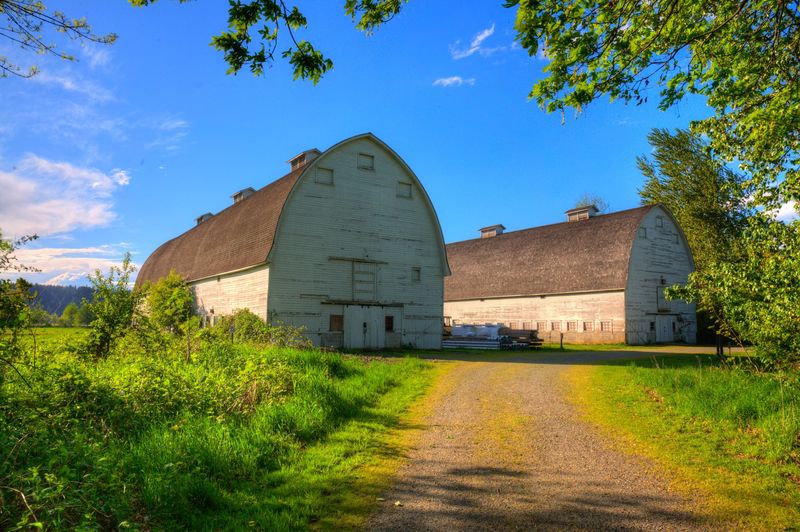
The complete outing is roughly a five-mile round trip starting at the Norm Dicks Visitor Center. You begin with a half-mile walk along the Twin Barns Loop trail before hopping onto the main boardwalk.
Along the way, several viewing spots make it easy to slow down and watch. There is an observation tower, an enclosed viewing platform, and little “push-out” areas built for patient wildlife spotters.
Because the boardwalk is flat and made of sturdy wood, strollers and most wheelchairs roll along just fine. That thoughtful design means nearly everyone gets a chance to enjoy the view.
Bring a little patience and a camera, and the boardwalk rewards you with sights you will not soon forget.
A Birdwatcher’s Paradise
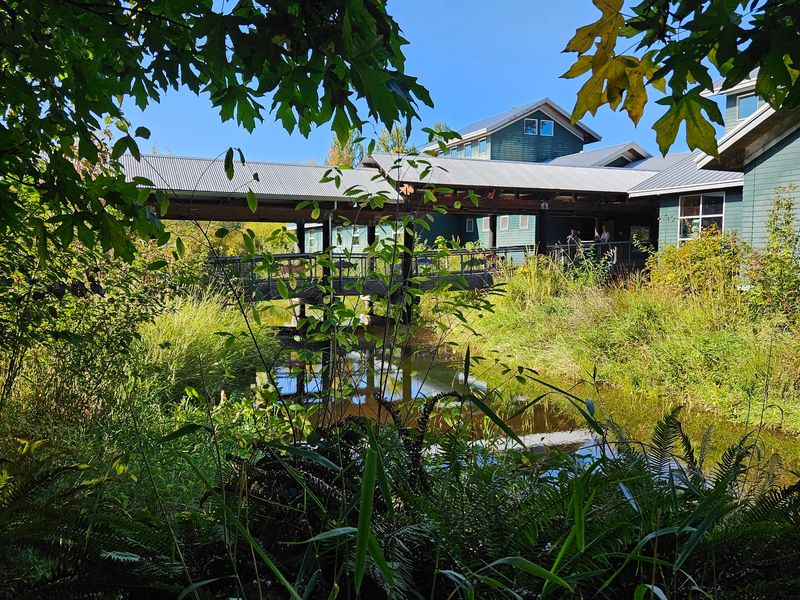
Grab a pair of binoculars, because this refuge is basically a front-row seat to one of the best bird shows in the state. With over 275 migratory bird species passing through, you never quite know who will drop in.
Spring and fall bring the biggest crowds of feathered travelers. Mid-March through mid-May and August through early December are prime windows when the skies stay busy with movement.
Timing your visit for early morning or late afternoon boosts your odds of seeing action. The soft light during those hours also happens to be perfect for photos.
If you would rather have a guide, the refuge offers free walks led by knowledgeable volunteers. Look for “Wednesday Birding” and “Saturday Nature Walks,” where experts help you name the species you spot.
Even beginners leave feeling like pros after a couple hours of watching. There is something oddly satisfying about finally identifying that mystery bird bobbing in the marsh.
Mountain And Sound Views
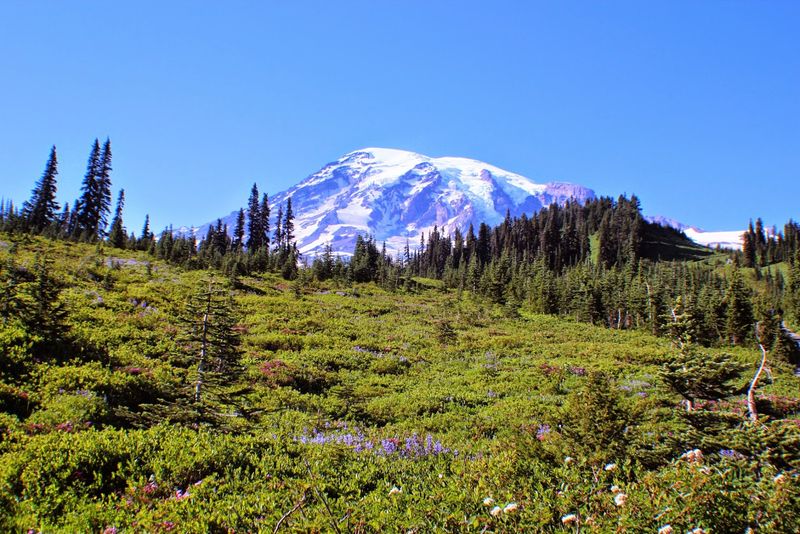
On a clear day, the scenery here goes way beyond birds and marsh grass. Climb up to the Puget Sound Viewing Platform and you are treated to sweeping 360-degree views that stretch in every direction.
The panorama takes in McAllister Creek, the rugged Olympic Mountains, and the towering peak of Mount Rainier. Seeing all three in one glance feels like winning some kind of scenery jackpot.
Misty mornings during spring and fall give the estuary a soft, dreamy quality. The fog drifting over the water invites you to slow down and simply breathe.
Keep in mind the boardwalk is open and exposed, so a breeze often sweeps across it. That gust is just a friendly reminder that you are standing in genuinely wild country.
Whether the sky is crystal clear or wrapped in cloud, the views deliver their own kind of magic. Pack a jacket and let the landscape do the talking.
Rules That Protect The Wild
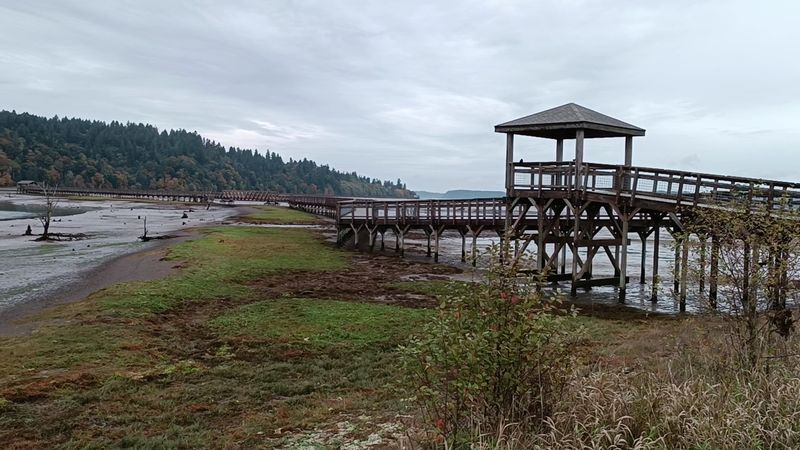
Every peaceful place needs a few guidelines, and this refuge is no exception. The rules exist for one big reason, and that reason is keeping the wildlife safe and happy.
To protect the animals, pets are not allowed except for service animals. Jogging, recreational wheels, and drones are also off the table, so leave the skateboard and quadcopter at home.
Plant harvesting is a no-go as well, since every leaf and blade plays a part in the ecosystem. Following these rules helps the delta stay wild for the next visitor.
The gates and trails open daily from sunrise to sunset, giving you plenty of daylight to explore. That generous schedule means you can plan an early start or a mellow evening stroll.
Respecting the boundaries is a small price for such a rare and lovely place. When everyone plays by the rules, the birds keep coming back and the views stay unspoiled for years to come.
Tips For A Smooth Visit
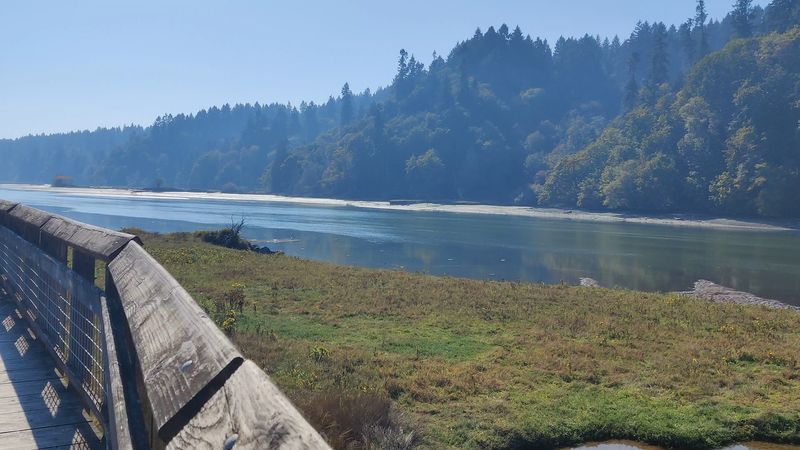
A little planning turns a good trip into a great one, and this refuge rewards prepared visitors. There is a modest entrance fee of $3.00 for up to four adults, payable by cash or check only, though America the Beautiful passes get you in too.
Weather along the open boardwalk can flip fast, so dress in layers and pack your own water. There is no shade out on the estuary, and a sudden breeze can chill you quickly.
Portable toilets sit at the Twin Barns, while permanent restrooms wait back near the visitor center. Knowing where they are saves a scramble later.
Checking the tide schedule before you go is a clever move. The rising and falling water changes which creatures show up, so timing really matters.
Aim for early morning or late afternoon during spring or fall migration for the busiest wildlife scenes. With these tips in your pocket, you are set for a wonderful day outdoors.
The Visitor Center Itself
Right at the start of your adventure, the visitor center greets you like a friendly welcome mat. Inside, you will find hands-on displays, taxidermy animals, and maps that explain what makes this refuge tick.
Rangers and volunteers are usually around, happy to answer questions or point you toward the best trails for the day. Kids especially love the interactive exhibits that teach about salmon, tides, and migrating birds.
Before heading out, grab a brochure and check the sightings board. It lists which critters have been spotted recently, giving you a head start on what to watch for outside.
Right at the start of your adventure, the visitor center greets you like a friendly welcome mat. Inside, you will find hands-on displays, taxidermy animals, and maps that explain what makes this refuge tick.
Rangers and volunteers are usually around, happy to answer questions or point you toward the best trails for the day. Kids especially love the interactive exhibits that teach about salmon, tides, and migrating birds.
Before heading out, grab a brochure and check the sightings board. It lists which critters have been spotted recently, giving you a head start on what to watch for outside before you step onto the boardwalk.
Seasons Worth Returning For
One visit is rarely enough here, and the reason is simple: every season paints the refuge a different color. Fall and winter bring huge flocks of migrating waterfowl, turning the mudflats into a bustling airport of wings.
Spring wakes everything up, with wildflowers, nesting birds, and baby animals appearing across the marsh. Summer offers long, sunny days perfect for walking the full boardwalk without rushing.
Because the scenery shifts so much, photographers and nature lovers keep coming back throughout the year. Plan trips in different months and you will barely recognize the place from one season to the next.
One visit is rarely enough here, and the reason is simple: every season paints the refuge a different color. Fall and winter bring huge flocks of migrating waterfowl, turning the mudflats into a bustling airport of wings.
Spring wakes everything up, with wildflowers, nesting birds, and baby animals appearing across the marsh. Summer offers long, sunny days perfect for walking the full boardwalk without rushing.
Because the scenery shifts so much, photographers and nature lovers keep coming back throughout the year. Plan trips in different months and you will barely recognize the place from one season to the next, which keeps each return visit interesting