
People Live Here Their Whole Lives And Still Miss These 10 Enchanting Places
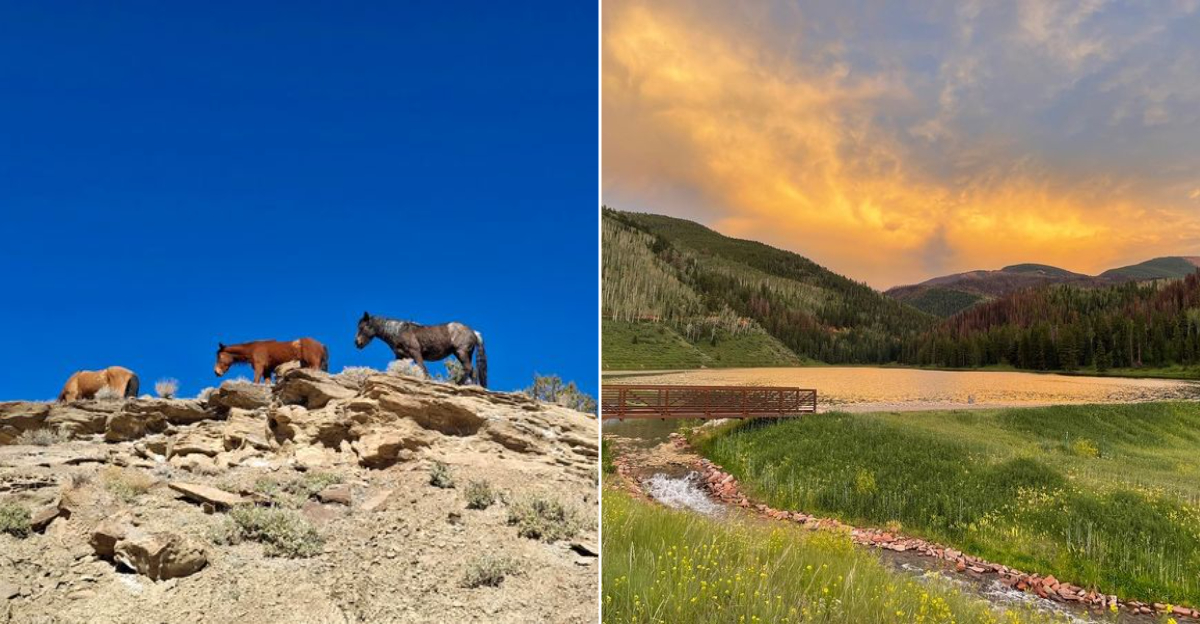
Famous scenery can be surprisingly good at hiding what sits right beside it.
While crowds chase postcard peaks and packed resort towns, some of the most extraordinary landscapes remain overlooked because they never became the headline.
That contrast feels wild in Colorado, where a forgotten turnoff can lead to ancient ruins, roaming horses, or terrain shaped by volcanic forces. These are not second-rate substitutes for the big-name stops.
They are the kind of places that make you wonder how they stayed under the radar at all. And maybe that is part of the appeal.
There is something satisfying about finding a landscape that still feels like a discovery instead of a checklist item. For people who think they already know the state, the real surprise is how much remains entirely unseen.
Even after years of exploring Colorado, a short detour can rearrange your idea of what belongs on the map.
1. Wheeler Geologic Area Near Creede
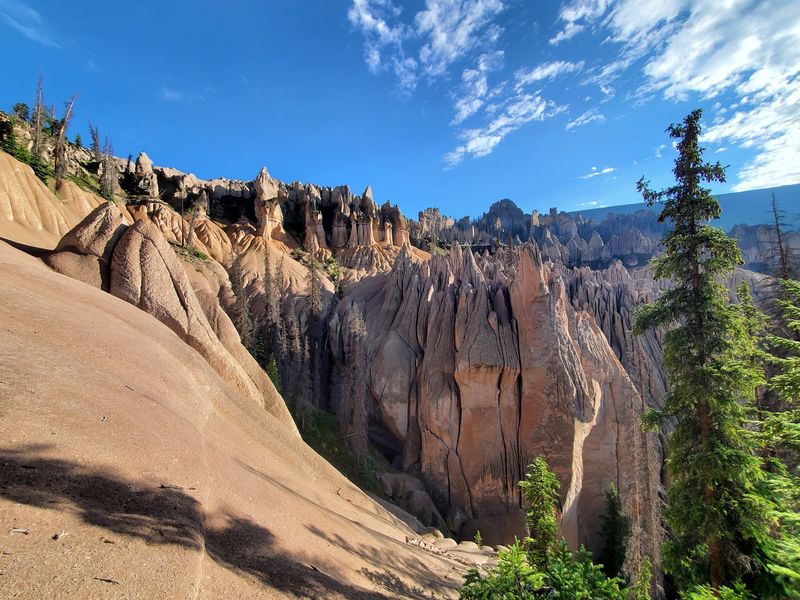
Tucked inside the La Garita Wilderness, Wheeler Geologic Area looks like something borrowed from another planet. Volcanic spires twist skyward in shapes that defy casual explanation, their eroded surfaces catching light in ways that make photographers forget about lunch.
Getting there requires commitment. You’ll need either a long hike or a high-clearance four-wheel-drive vehicle willing to handle roads that test your suspension and your nerve.
The Forest Service keeps access information current, and as of May 2026, the route toward Wheeler remains open, though calling ahead never hurts.
What makes this place so easy to miss is its location. Creede itself sits off the main tourist corridors, and Wheeler hides even farther back.
Most visitors to Colorado never venture into the La Garita, which means you’re trading convenience for solitude.
Pack water, snacks, and a sense of adventure. Cell service is a fantasy out here.
Go in summer or early fall when weather cooperates, and give yourself a full day.
Pair Wheeler with a stop in Creede for dinner, and you’ve got a weekend that feels like genuine discovery without requiring a passport or a trust fund.
2. Picket Wire Canyonlands Near La Junta
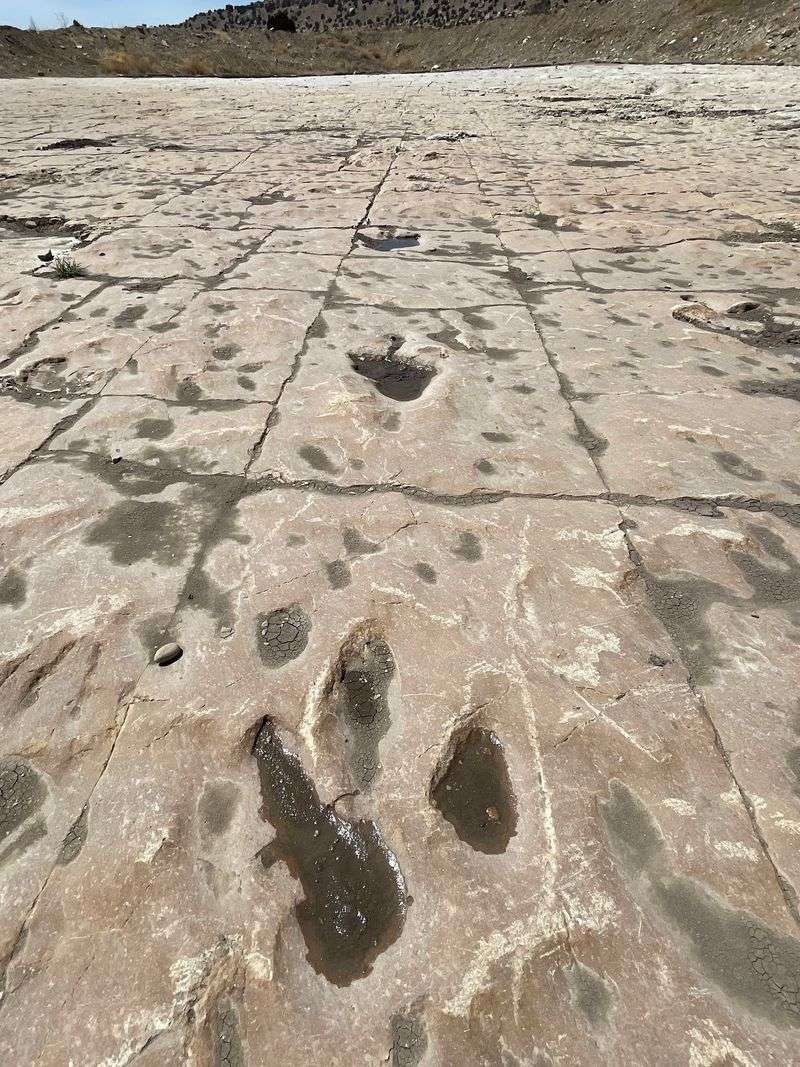
Southeastern Colorado rarely gets the scenic spotlight, which is precisely why Picket Wire Canyonlands belongs on this list. Hidden in the Comanche National Grassland, this canyon holds the largest known dinosaur tracksite in North America.
More than 1,900 prints spread across 130 trackways, frozen in stone like a Jurassic rush hour.
The Forest Service manages recreational access, including hiking and seasonal guided auto tours. In 2026, those tours still run, giving visitors a chance to cover ground without wearing out their boots.
The remoteness works in your favor if you want space to think and breathe.
Plenty of Coloradans have never heard of Picket Wire, much less visited. La Junta doesn’t appear on many travel itineraries, and the canyon requires a deliberate detour.
But that’s the charm. You’re not fighting crowds or jockeying for parking.
Bring binoculars, a hat, and curiosity. The tracks are genuinely humbling, a reminder that this land has stories stretching back millions of years.
Visit in spring or fall when temperatures stay reasonable, and plan for a half-day adventure.
Combine it with a meal in La Junta, and you’ve earned serious bragging rights.
3. Pawnee Buttes Northeastern Colorado Near Grover
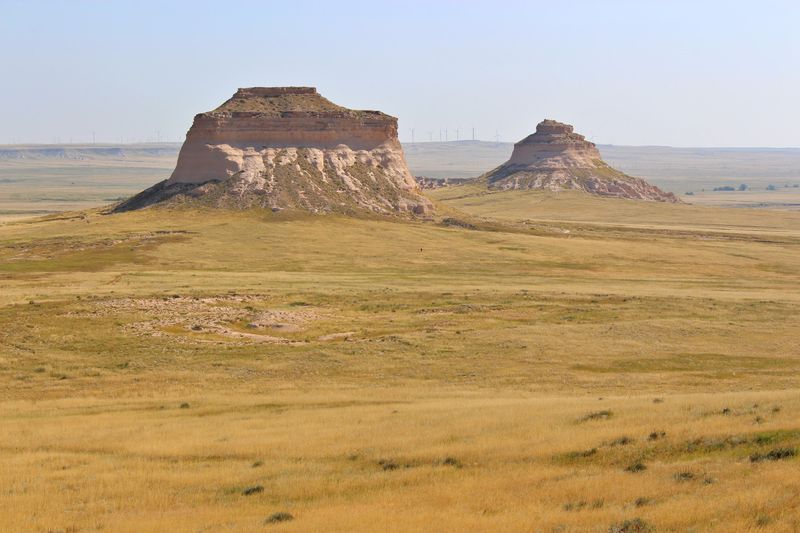
The eastern plains don’t usually make Colorado scenery lists, which is exactly why Pawnee Buttes feels like a secret. Two enormous sandstone formations rise roughly 300 feet above the shortgrass prairie, standing like ancient sentinels over a landscape most people only see from the interstate.
A trail leads to the first butte, winding through grasses that whisper in the wind and wildflowers that surprise you in late spring. Seasonal raptor protection restrictions ended June 30, so by August 2026, the main destination is fully accessible.
Bring your camera and patience for the kind of light that makes the buttes glow at sunrise and sunset.
Grover isn’t a destination town, and that’s part of the appeal. You’re out here because you wanted to be, not because a billboard told you to stop.
The drive crosses miles of open country where the sky feels bigger than it has any right to be.
Pack layers, water, and snacks you don’t mind eating in your car. The wind out here doesn’t negotiate.
Visit in early morning or late afternoon for cooler temps and better photos.
Pair Pawnee with a stop in Fort Collins or Greeley, and you’ve got a day trip that resets your perspective without draining your wallet.
4. Lowry Pueblo At Canyons Of The Ancients National Monument Near Dolores
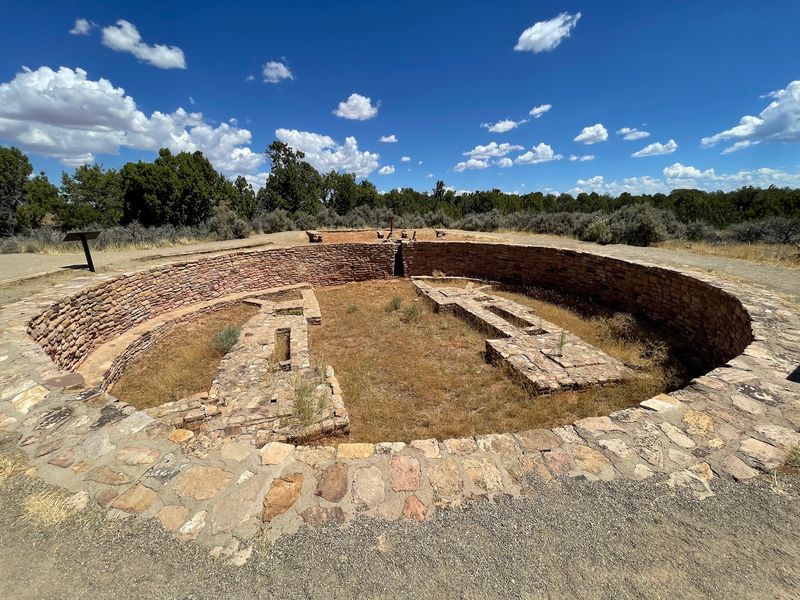
Mesa Verde gets all the attention, but Lowry Pueblo offers something quieter and equally compelling. This roughly 1,000-year-old village contains rooms, kivas, and a Great Kiva within the sprawling Canyons of the Ancients landscape.
The BLM maintains an accessible route to the pueblo, and recent artist programs documented active visits in 2026.
Walking among the ruins, you can almost hear the echo of daily life. The Great Kiva is especially striking, a ceremonial space that speaks to community and connection.
Unlike the more famous sites, Lowry rarely draws crowds, giving you room to wander and wonder without feeling rushed.
Dolores sits just far enough off the main routes that many travelers skip it entirely. That oversight works in your favor if you’re after authenticity over Instagram opportunities.
The surrounding landscape is high desert at its finest, all sagebrush and silence.
Bring sun protection, water, and respect for the site. This is sacred ground with deep history.
Visit in spring or fall when temperatures cooperate, and plan for a couple of hours to really absorb the place.
Combine Lowry with a drive through Canyons of the Ancients, and you’ve got a day that feels like time travel minus the Hollywood budget.
5. Little Book Cliffs Wild Horse Range Near Grand Junction And De Beque
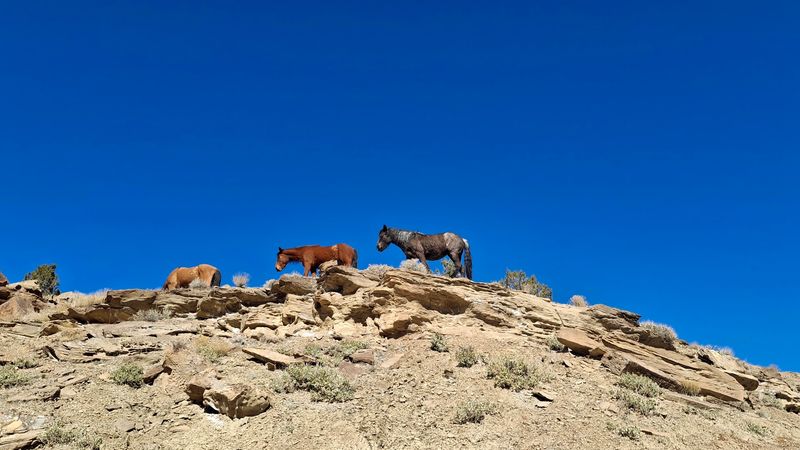
Colorado has an entire wild horse range only about eight miles northeast of Grand Junction, yet it remains remarkably easy to overlook. Nine established trails lead into the range, where visitors may encounter bands of wild horses moving through rugged canyon and mesa country that looks straight out of a Western film.
The horses are the real draw, of course. Watching them navigate the landscape with casual confidence reminds you that some things still live outside human schedules and agendas.
Seasonal vehicle restrictions at Coal Canyon run during winter and spring, but by August, those restrictions have lifted.
Grand Junction gets plenty of tourists, but most head toward Colorado National Monument or wine country. The Little Book Cliffs sit close enough for an easy detour, yet distant enough that you’ll likely have the trails to yourself.
The terrain is classic high desert, all red rock and big sky.
Pack binoculars, water, and patience. The horses are wild, which means they’re on their own timeline.
Visit in early morning or late afternoon for cooler weather and better light.
Combine this with a stop at a Grand Junction brewery or bakery, and you’ve got a day that mixes adventure with comfort in exactly the right proportions.
6. Browns Park National Wildlife Refuge Near Maybell
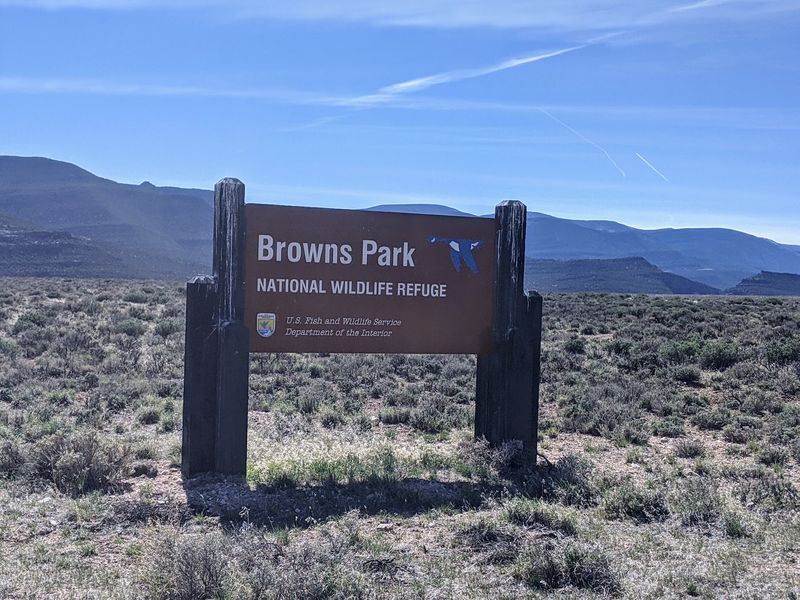
Way up in northwestern Colorado, Browns Park follows the Green River through an isolated valley surrounded by mountains and dry country. Its remoteness is a big reason it fits this list so well.
Most Coloradans have never made it this far north, and even fewer have spent time exploring the refuge.
The refuge maintains hiking, wildlife viewing, fishing, and two primitive campgrounds open throughout the year. Current 2026 fire restrictions affect activities involving flames but don’t amount to a closure.
The landscape here is wild in the best sense, all open space and quiet broken only by bird calls and wind.
Maybell isn’t a hub, which means getting to Browns Park requires intention. But that’s exactly what makes it special.
You’re trading convenience for the kind of solitude that’s increasingly hard to find. The Green River meanders through like it has all the time in the world.
Bring camping gear if you’re inclined, or just plan for a long day trip. Fishing tackle, binoculars, and a sense of humor about dirt roads all help.
Visit in late spring or early fall for the best wildlife viewing and weather.
Pair Browns Park with a stop in Craig for supplies, and you’ve got an adventure that feels genuinely off the grid.
7. Sylvan Lake State Park Near Eagle
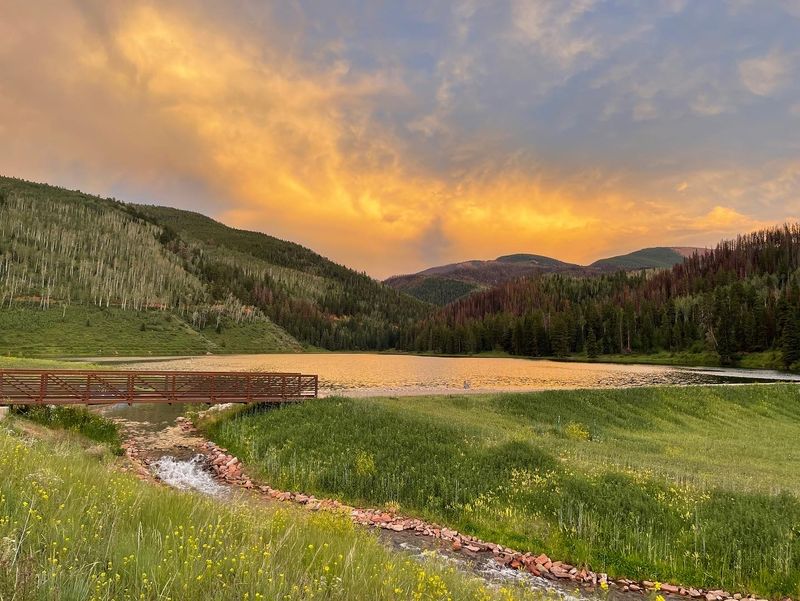
Sylvan Lake looks like the sort of mountain lake that normally gets buried under crowds and social media posts, but it remains far less famous than Colorado’s marquee alpine destinations. The small lake sits among forested mountains and allows paddling, hiking, fishing, and quieter overnight stays.
Colorado Parks and Wildlife currently lists the park as open daily from 5 a.m. to 10 p.m.
What sets Sylvan apart is its accessibility without the chaos. You get genuine mountain beauty without fighting for a parking spot or dodging selfie sticks.
The water stays calm enough for kayaking or canoeing, and the surrounding trails offer options for different fitness levels.
Eagle sits close enough to Vail and Beaver Creek that you’d think Sylvan would be overrun, but somehow it stays under the radar. Maybe it’s the slightly rougher road, or maybe people just keep driving toward the bigger names.
Either way, their oversight is your gain.
Bring a paddle, fishing gear, or just a book and a camp chair. The vibe here is low-key and restorative.
Visit in summer or early fall when the weather cooperates and the aspen start turning.
Combine Sylvan with a meal in Eagle, and you’ve got a day that feels like a mountain escape without the mountain resort prices.
8. Pearl Lake State Park Near Clark
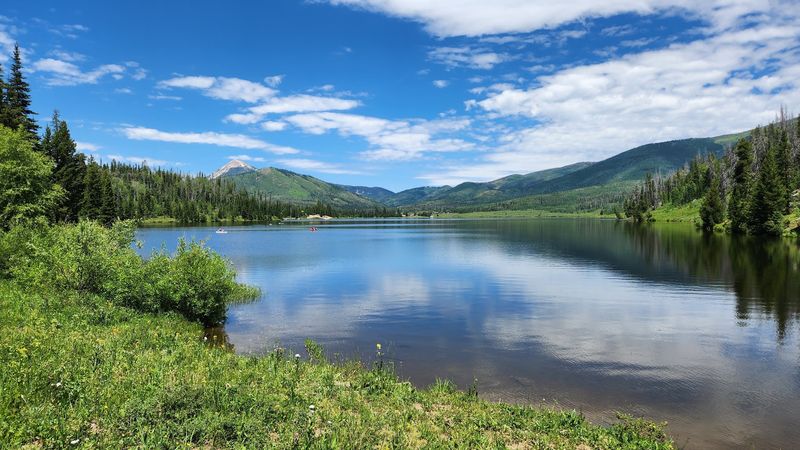
North of Steamboat Springs, Pearl Lake is a much quieter alternative to the places that usually dominate northern Colorado travel coverage. Calm water sits beneath wooded slopes, and the park is especially suited to paddling, fishing, hiking, and simply finding a peaceful corner of the mountains.
CPW currently lists the park as open daily from 5 a.m. to 10 p.m., with no current closure shown.
The lake itself is small enough to feel intimate but large enough for a proper paddle. Fishing is popular here, and the surrounding trails offer easy walks through forest that smells like pine and possibility.
It’s the kind of place where you remember why you moved to Colorado in the first place.
Clark barely registers as a town, which keeps Pearl Lake blissfully uncrowded. Steamboat pulls in the tourists, leaving Pearl to those who know better.
The drive up is scenic, winding through mountain country that rewards attention.
Bring a kayak or canoe if you have one, or rent in Steamboat before heading up. Fishing tackle, a picnic, and a willingness to unplug all enhance the experience.
Visit in summer when the water warms up, or early fall for stunning color.
Pair Pearl with a soak in Strawberry Park Hot Springs, and you’ve earned a weekend that feels like luxury without the price tag.
9. Blanca Wetlands Near Alamosa
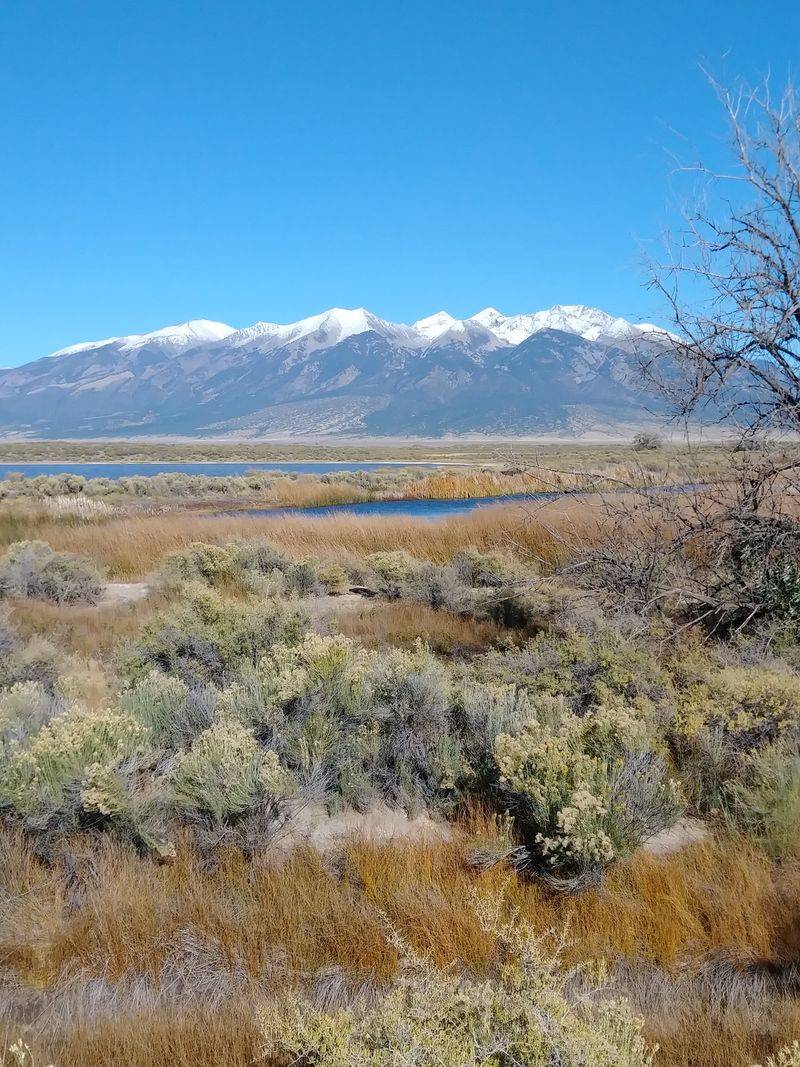
This one adds a completely different look to the list. Blanca Wetlands spreads pockets of water and wildlife habitat across the high desert of the San Luis Valley, creating a landscape many travelers drive past while heading toward the better-known mountains.
The BLM closes the wetlands from February 15 through July 15 for nesting birds, meaning that seasonal closure has ended and the area is accessible again in August 2026.
The wetlands attract an impressive variety of birds, making this a prime spot for anyone who owns binoculars and patience. The high desert setting feels stark and beautiful, all wide-open sky and surprising pockets of life.
It’s a reminder that ecosystems don’t need drama to be compelling.
Alamosa serves as the gateway, but most people pass through on their way to Great Sand Dunes or the hot springs. Blanca sits just off the main route, easy to reach but somehow easy to ignore.
That oversight means you’ll likely have the place largely to yourself.
Bring binoculars, a field guide, and sun protection. The valley offers zero shade.
Visit in late summer or early fall for migrating birds and cooler mornings.
Combine Blanca with a stop at Great Sand Dunes or a soak in the hot springs, and you’ve got a day that covers multiple ecosystems without excessive driving.
10. Gunnison Gorge National Conservation Area Near Delta And Montrose
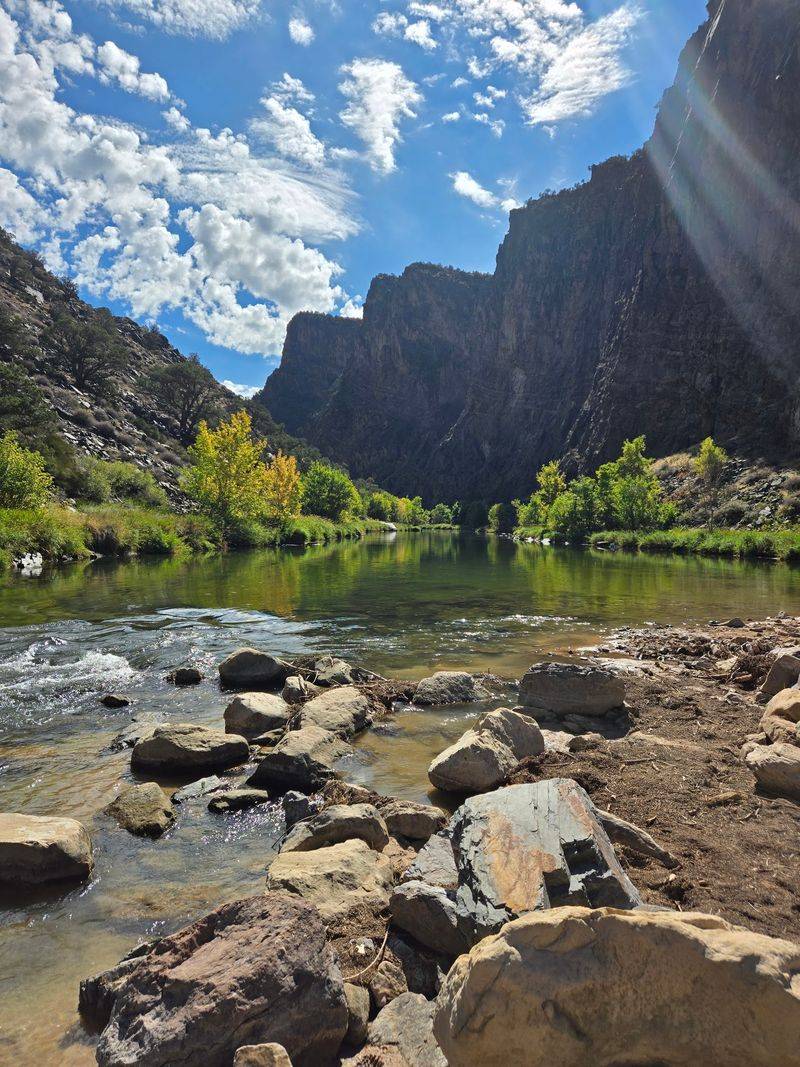
Black granite walls, red sandstone, the Gunnison River, remote trails, and exceptionally dark skies give this place serious final-entry potential. The BLM still actively manages Gunnison Gorge for hiking, camping, river access, biking, and wilderness recreation.
The conservation area was recognized as an International Dark Sky Park in 2024, yet it gets dramatically less attention than neighboring Black Canyon of the Gunnison.
The gorge offers something for everyone. Hikers can explore trails that drop into the canyon or follow the rim.
River enthusiasts tackle challenging whitewater. Stargazers find some of the darkest skies in the state, perfect for watching the Milky Way spill across the horizon.
Delta and Montrose serve as gateways, but most tourists head straight to Black Canyon and miss Gunnison Gorge entirely. That’s a shame for them and a gift for you.
The gorge delivers similar drama with far fewer visitors, giving you space to explore at your own pace.
Bring hiking boots, camping gear if you’re staying overnight, and a headlamp for stargazing. Water and layers are non-negotiable.
Visit in spring or fall for moderate temperatures and good river flows.
Combine Gunnison Gorge with a stop at a Montrose winery or Delta farm stand, and you’ve got a weekend that balances wilderness with small-town charm perfectly.