
Springfield, Illinois Has Preserved Its Famous Horseshoe Sandwich Tradition Since 1928
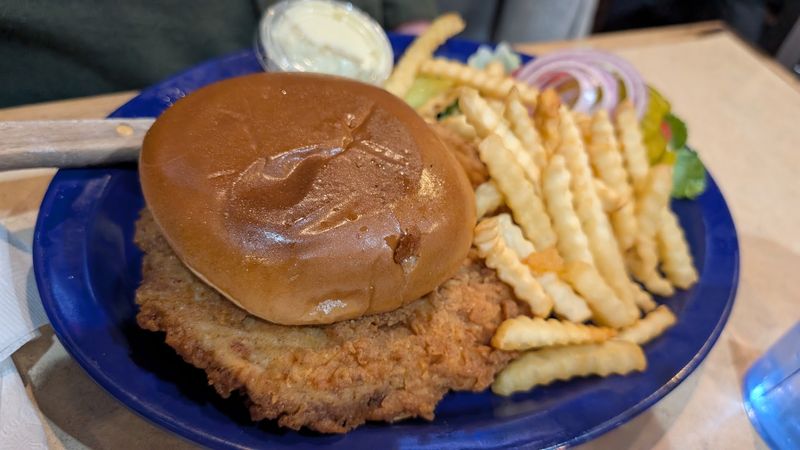
Few sandwiches in America carry as much local pride as the horseshoe, a towering open-faced creation that has defined Springfield, Illinois, for nearly a century. The dish is generally traced to the Leland Hotel in 1928, making it one of the most enduring regional food traditions in the Midwest.
Stories circulate online claiming a single diner has served the exact same horseshoe since the 1920s, but the real history is richer and more complicated than that headline suggests. Understanding where the horseshoe actually came from, how it changed over time, and which restaurants carry that tradition forward today tells a far more satisfying story.
Springfield’s tradition is older than any proven diner claim
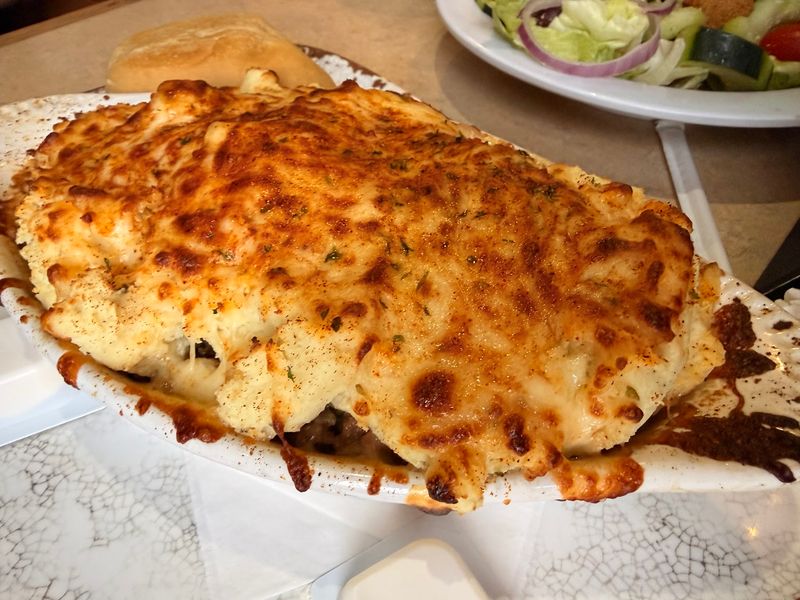
A story has circulated for years claiming that a specific Illinois diner has continuously served the same horseshoe sandwich since the 1920s. No reliable source found in historical research actually supports that claim in full.
No documented diner has been identified that can prove an uninterrupted, unchanged horseshoe recipe stretching back to that decade.
The defensible account is meaningfully different from the headline version. Springfield’s tourism authority traces the horseshoe to the Leland Hotel in 1928, and that origin story is where the real history lives.
The Leland was a grand downtown hotel, not a corner diner, and its horseshoe eventually spread to other Springfield restaurants through the cooks and customers who loved it.
Three separate facts often get blurred together in casual retellings: the age of the dish itself, the age of a particular restaurant, and proof that a recipe has stayed the same. A restaurant can open in the 1930s and add a horseshoe to its menu decades later.
A dish can date to 1928 without any single business serving it continuously from that year forward. Those distinctions matter when evaluating the claim.
According to Illinois Times reporting on the horseshoe’s history, the Leland Hotel itself closed in 1970, which means the very place credited with originating the dish is no longer operating. What Springfield has maintained is an evolving tradition carried forward by multiple restaurants over multiple generations, and that story is genuinely remarkable even without overstating the evidence.
The horseshoe is generally traced to the Leland Hotel
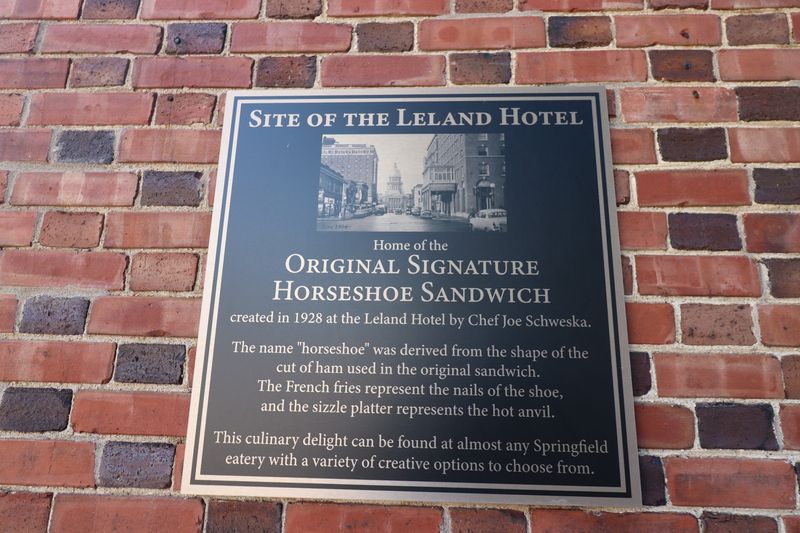
Most accounts of the horseshoe’s origin point to the Leland Hotel in Springfield, Illinois, in 1928. Joseph “Joe” Schweska, the hotel’s chef at the time, is the person most commonly credited with creating the dish.
Springfield’s tourism bureau names Schweska as the originator and places the creation firmly at the Leland.
The family story adds an important layer. Elizabeth Schweska, Joe’s wife, is frequently included in the account because she reportedly suggested the open-faced format and the use of a Welsh rarebit-style cheese sauce.
Whether that contribution makes her a co-creator or an influential collaborator depends on which version of the story you read. SangamonLink’s detailed history of the sandwich notes that accounts vary and that competing claims exist, including ones that credit other kitchen figures with key elements of the dish.
Steve Tomko, a cook who worked with Schweska, also appears in several origin accounts. Some tellings credit Tomko with spreading the sandwich to other restaurants after leaving the Leland, while a few versions associate him more directly with the creation itself.
The historical record does not settle the question cleanly. What it does establish is that the sandwich emerged from the Leland Hotel’s kitchen around 1928, with Joe Schweska as the dominant but not uncontested name attached to it.
A Springfield heritage blog post about the horseshoe’s legacy describes the Leland Hotel as a prominent downtown institution, not a humble roadside diner. A plaque now marks the site of its creation, a recognition that the city treats the horseshoe as genuine culinary heritage worth commemorating publicly.
The original sandwich differed from today’s standard
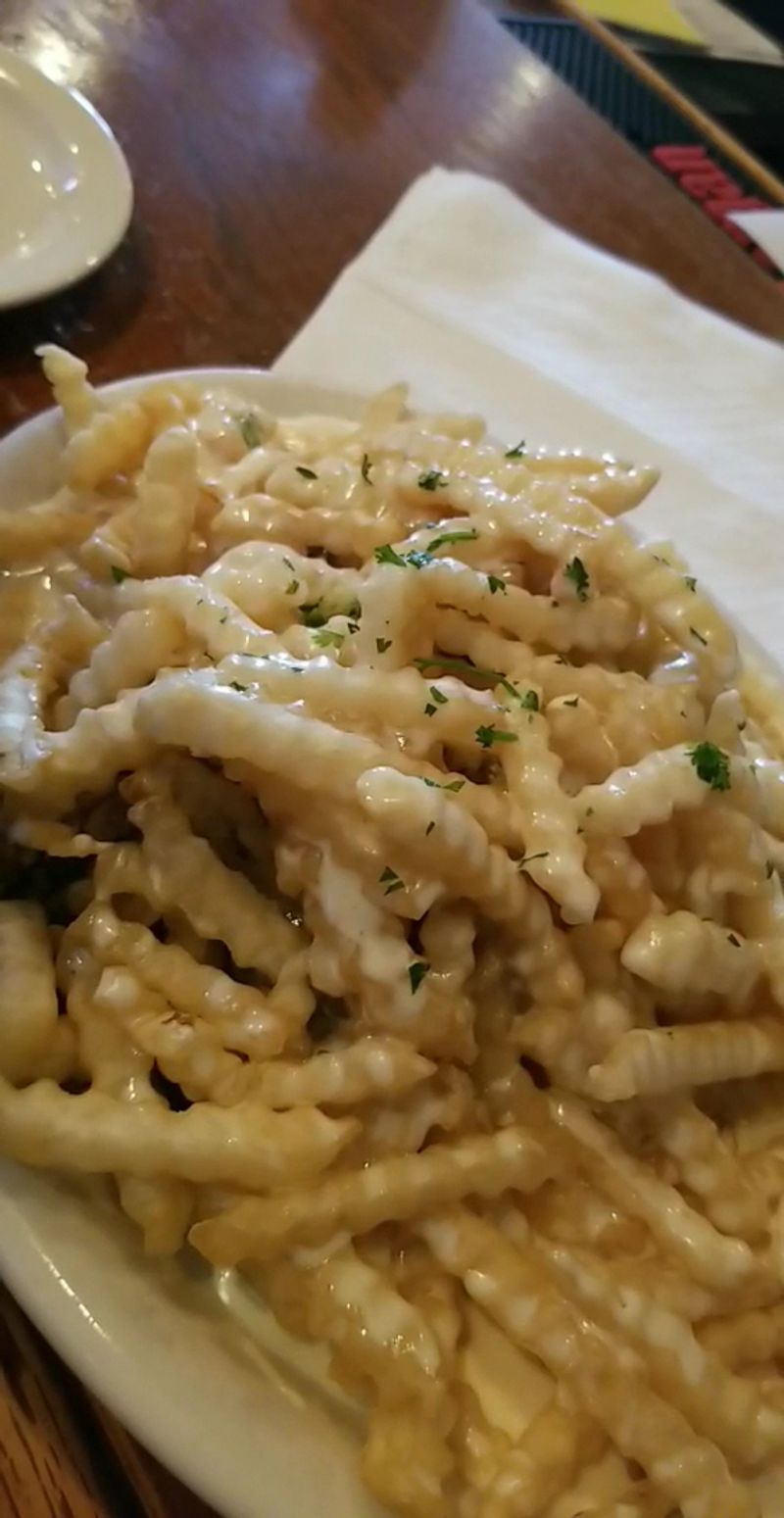
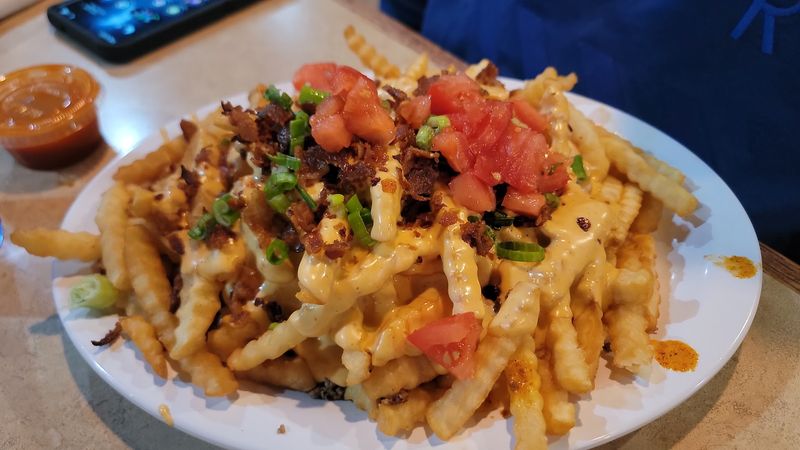
The horseshoe that Joe Schweska reportedly served at the Leland Hotel in 1928 looked and tasted noticeably different from the version most diners plate today. Historical accounts compiled by SangamonLink describe the original as built on ham, topped with potato wedges rather than French fries, and finished with a Welsh rarebit-style cheese sauce.
The entire dish arrived on a hot metal platter, which kept everything warm through the meal.
Modern horseshoes follow a recognizably different pattern. The base is typically toasted bread, often thick-cut Texas toast.
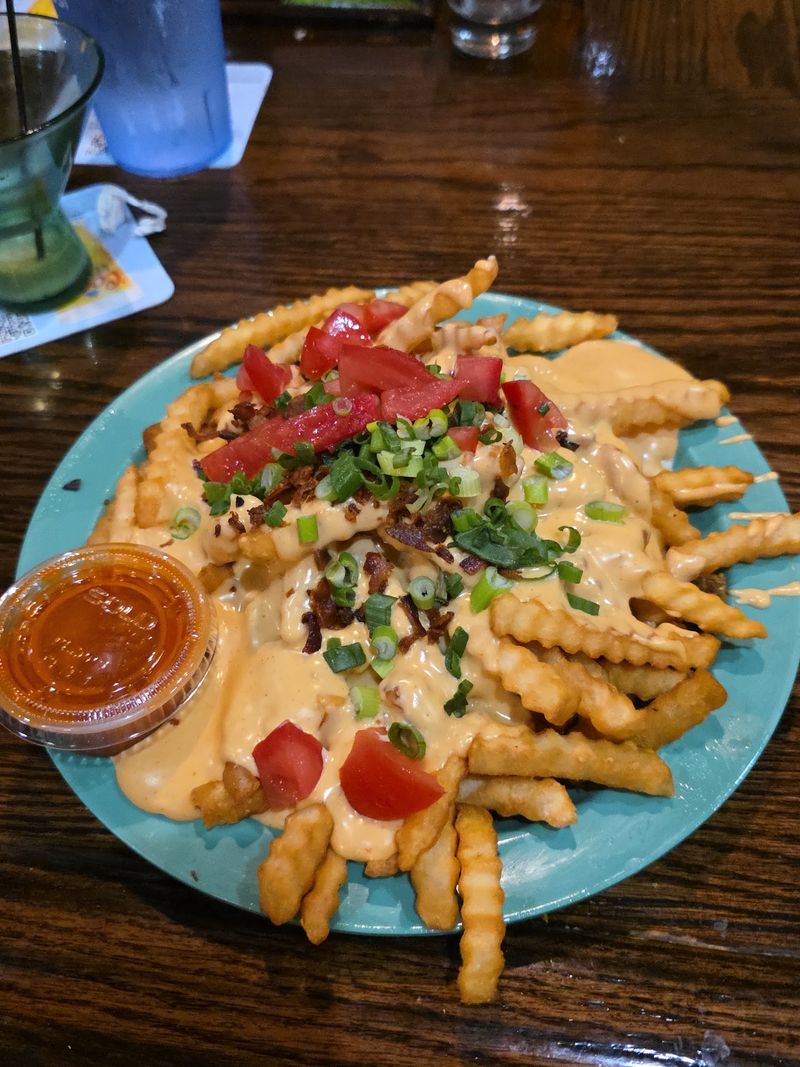
The meat is most commonly a hamburger patty or patties, though turkey, chicken, shrimp, corned beef, and ham all appear on menus across Springfield. French fries have replaced potato wedges as the standard starch, and the cheese sauce tends to be a looser, more pourable preparation than a traditional Welsh rarebit.
None of those changes make the modern horseshoe less legitimate. They reflect how a dish evolves when it moves from a hotel kitchen to dozens of independent restaurants over nearly a century.
Springfield’s tourism description of the horseshoe acknowledges the wide range of current variations while still celebrating the dish as a regional signature. The core identity, an open-faced, meat-topped, fry-covered plate drenched in cheese sauce, has held even as the specific ingredients shifted.
A smaller one-slice version called the “ponyshoe” also appears on Springfield menus, as noted in a Springfield visitor guide published by Illinois Times. The ponyshoe is not a separate origin story but simply a scaled-down portion for diners who want the full flavor without the full footprint.
Both sizes confirm that the horseshoe has been adapted repeatedly without losing its local identity.
Restaurants carried the horseshoe beyond the Leland
Once the horseshoe left the Leland Hotel’s kitchen, its spread through Springfield depended on the people who had learned to make it. Steve Tomko is the figure most often credited with carrying the dish to other restaurants after his time working with Joe Schweska.
Springfield’s horseshoe legacy blog describes Tomko as a key figure in popularizing the sandwich at establishments beyond the Leland, though some accounts also attach competing invention claims to him directly.
That kind of transmission, cooks moving between kitchens and bringing recipes with them, is how regional dishes typically become regional traditions. Each restaurant that added a horseshoe to its menu made its own adjustments.
Some changed the meat, others the bread, others the cheese sauce formula. SangamonLink’s account of the horseshoe notes that the competing claims and differing family memories make it impossible to assign every element of the dish to a single inventor with certainty.
The anvil-and-nails symbolism that many people associate with the horseshoe is part of this transmission story. The widely repeated explanation holds that the toast or the platter represents a blacksmith’s anvil, the French fries represent the nails, and the ham represents the horseshoe itself.
Illinois Times coverage of the horseshoe’s history presents this as the accepted interpretation rather than a documented statement of the creator’s original intent. It is a satisfying story that may or may not reflect what Schweska had in mind in 1928, but it has become part of how Springfield explains the dish to visitors.
What the transmission accomplished, regardless of which details are precisely accurate, is the conversion of one hotel chef’s creation into a city-wide culinary identity. That is the real legacy of the people who carried the horseshoe beyond the Leland.
Later diners preserve a tradition, not a proven unchanged recipe
Several Springfield restaurants are closely associated with the horseshoe today, but none of them can be straightforwardly described as having served the same recipe continuously since the 1920s. The Leland Hotel, where the sandwich originated, closed in 1970 according to Illinois Times, and its building now houses offices.
The originating venue is simply no longer available to visit.
Maid-Rite Sandwich Shop in Springfield is sometimes promoted as having opened in 1924, which would make it older than the horseshoe itself. However, Springfield’s tourism listing for Maid-Rite notes the 1924 date while historical research disputes it.
SangamonLink’s examination of city directories and newspaper advertising places Maid-Rite’s documented opening in 1928, suggesting the earlier date may have been adopted later. More importantly, Maid-Rite’s signature product is a loose-meat sandwich, not the horseshoe.
Its presence on Springfield’s Horseshoe Trail does not establish that it has served an unchanged horseshoe recipe from any particular founding year.
Bill’s Toasty Shop is a genuine piece of Springfield diner history and a legitimate horseshoe destination. Chicago Magazine’s feature on the horseshoe sandwich highlights Bill’s as one of the city’s enduring spots for the dish.
Available sources date Bill’s to 1932, not the 1920s, which still makes it a decades-old institution but not a link back to the sandwich’s exact year of origin.
Charlie Parker’s Diner is among the most enthusiastic current ambassadors for the horseshoe, including a breakfast variation built around eggs, sausage or bacon, sausage gravy, cheese sauce, and hash browns or fries. Charlie Parker’s own history page dates the restaurant’s establishment to 1992.
That makes it a relatively recent entry in the horseshoe story, not a surviving link to the 1920s. What these restaurants collectively represent is a living tradition, one that Springfield has kept vital through adaptation, local pride, and consistent appetite rather than through a single unbroken recipe chain.
A reconstructed sauce can honor history safely
Springfield’s tourism bureau publishes a cheese-sauce recipe that gives home cooks a tangible connection to the horseshoe’s flavor and construction. The published formula includes egg yolks, beer, butter, cheese, Worcestershire sauce, mustard, salt, and cayenne.
Visit Springfield presents this as a historical-style recipe associated with the dish’s heritage. It should be understood as a reconstructed or published approximation rather than a verified copy of the Leland Hotel’s original formula.
No restaurant-specific documentation has been located that confirms this is exactly what Schweska prepared in 1928.
That distinction does not diminish the recipe’s value. For anyone wanting to understand what the horseshoe tastes like at its most traditional, a Welsh rarebit-style cheese sauce built on egg yolks and beer is the right starting point.
The richness of the egg yolks and the slight bitterness of the beer create the flavor profile that separates a proper horseshoe sauce from a simple processed cheese topping.
Home preparation does require attention to food safety, particularly because the sauce contains egg yolks. USDA guidance on egg safety states that egg mixtures should reach an internal temperature of 160 degrees Fahrenheit to be considered safe.
Ground beef used on a horseshoe should also reach 160 degrees Fahrenheit, while any poultry topping should reach 165 degrees Fahrenheit. A food thermometer is the reliable way to verify those temperatures rather than relying on color or texture alone.
Beer in the sauce does not make it safe. Alcohol does not substitute for adequate heat when it comes to eliminating bacteria in an egg-based preparation.
If you prefer not to cook the sauce to full temperature or are serving anyone with a higher food-safety concern, FDA guidance recommends using pasteurized eggs or pasteurized egg products in sauces that contain raw or partially cooked egg. Following those steps lets the sauce honor its historical roots without introducing unnecessary risk.
Springfield’s strongest legacy belongs to the evolving dish
The century-long story of the horseshoe belongs to Springfield as a city, not to any single diner with a verified unbroken recipe. Springfield’s tourism identity is genuinely built around the horseshoe, and that pride is well-earned even when the origin details are complicated by competing accounts and closed hotels.
What makes the horseshoe’s history meaningful is precisely the fact that it changed. The shift from ham and potato wedges to hamburger and French fries reflects how communities adopt and adapt dishes over generations.
Unresolved questions about who contributed exactly what in 1928 do not reduce the horseshoe to a myth; they make it a living piece of food history shaped by multiple hands.
Visiting Springfield for a horseshoe today means tasting nearly a century of that evolution in a single plate. That is a more honest legacy than any single unchanged recipe could offer.