
The World’s Largest Oyster Is Waiting Beside A Washington River
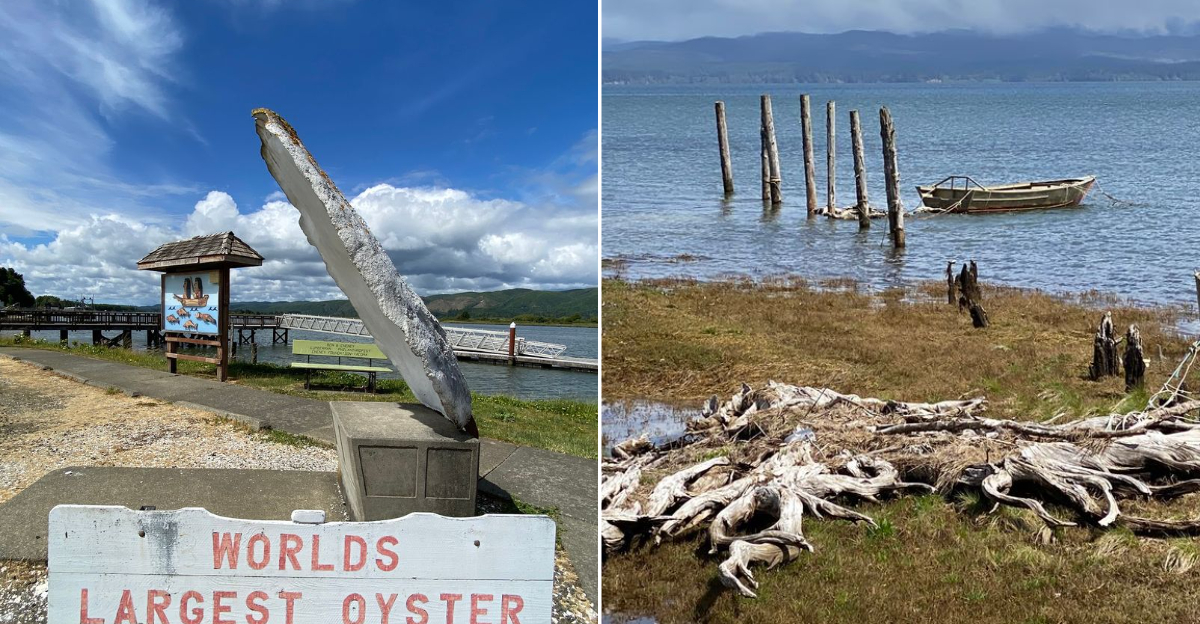
Some roadside attractions are strange enough to make you pull over, and this one absolutely earns that reaction. Along a quiet stretch of Washington, an enormous concrete oyster shell rises beside the river like a cheerful monument to local pride.
It is oversized, slightly ridiculous, and impossible to ignore, which is exactly why it works.
The fun goes deeper than the photo opportunity. Shellfish harvesting has helped shape this part of Washington for generations, and the giant display gives visitors an easy introduction to that story.
I love stops like this because they turn a simple drive into something worth remembering.
Stick around long enough to explore the waterfront, learn a little local history, and work up an appetite. Sometimes the quirkiest landmarks lead to the most interesting road trips.
Where The Shell Meets The Shore
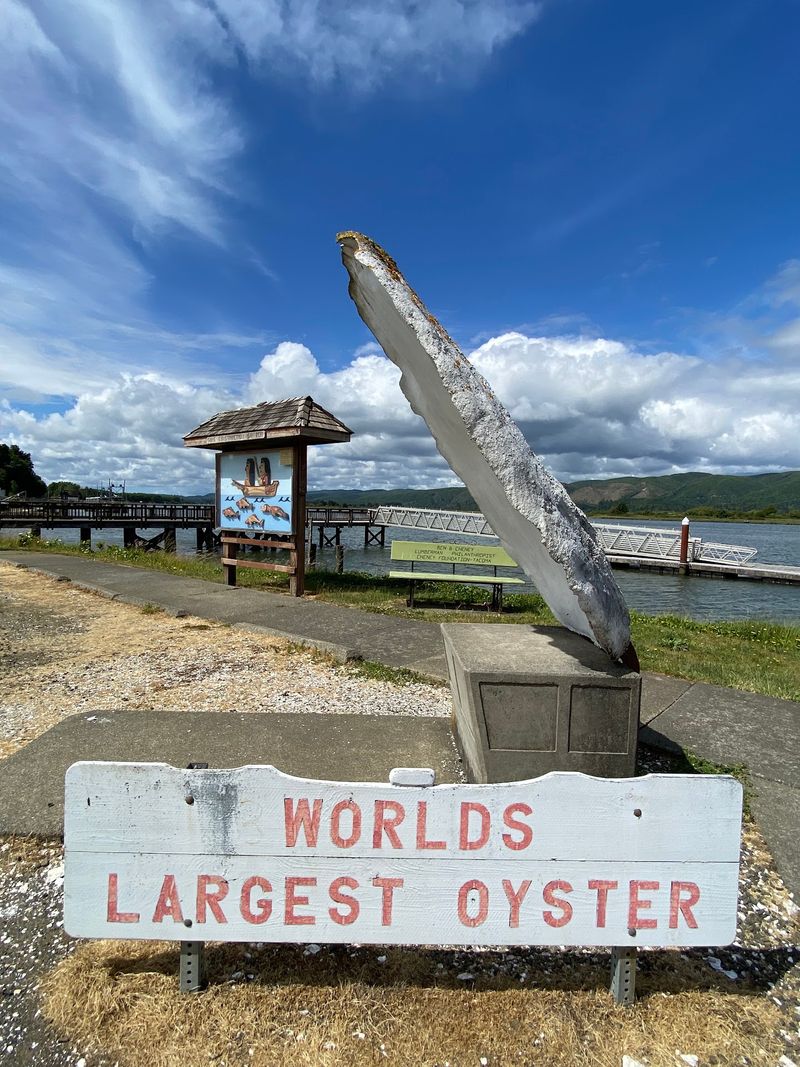
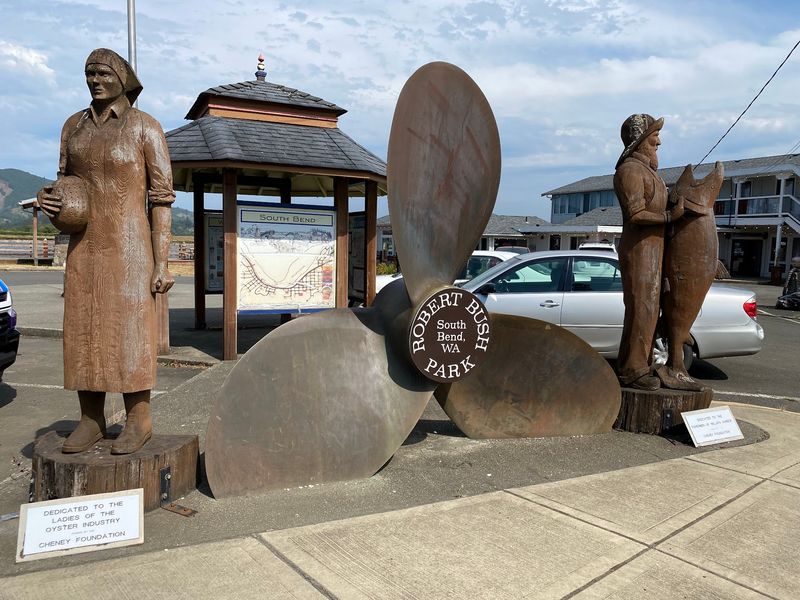
Picture pulling off the road and coming face to face with a giant oyster shell resting near the water. That surprise greeted me the moment I reached Robert Bush Memorial Park.
You will find this oversized sculpture at 1015 Robert Bush Drive E, South Bend, Washington, right along the waterfront where the Willapa River flows into Willapa Bay. The town proudly calls itself the Oyster Capital of the World, and this monument backs up the boast in concrete.
The bay behind it is no ordinary body of water. It ranks among the most productive shellfish regions in the country, supplying roughly one out of every six oysters eaten in the United States.
Standing there, I realized the statue is more than a photo backdrop. It honors the families who have raised and harvested these bivalves for generations in cool, clean tides.
Bring your camera and a little patience for the perfect angle. The shell frames beautifully against the river, and it makes an easy, cheerful first stop on any South Bend visit.
A Town Shucked And Shaped by History
Peeling back the story of South Bend feels a bit like prying open a stubborn shell, and the reward inside is fascinating. The town did not begin with oysters at all.
Its roots trace back to a sawmill built in 1869, when timber ruled the local economy. As logging slowed down, residents needed a new plan, so they leaned into the rich fishing waters nearby.
When native oyster populations dropped from over-harvesting, clever locals introduced Japanese oysters to refill the bay. That bold decision worked wonderfully and turned South Bend into a true shellfish powerhouse.
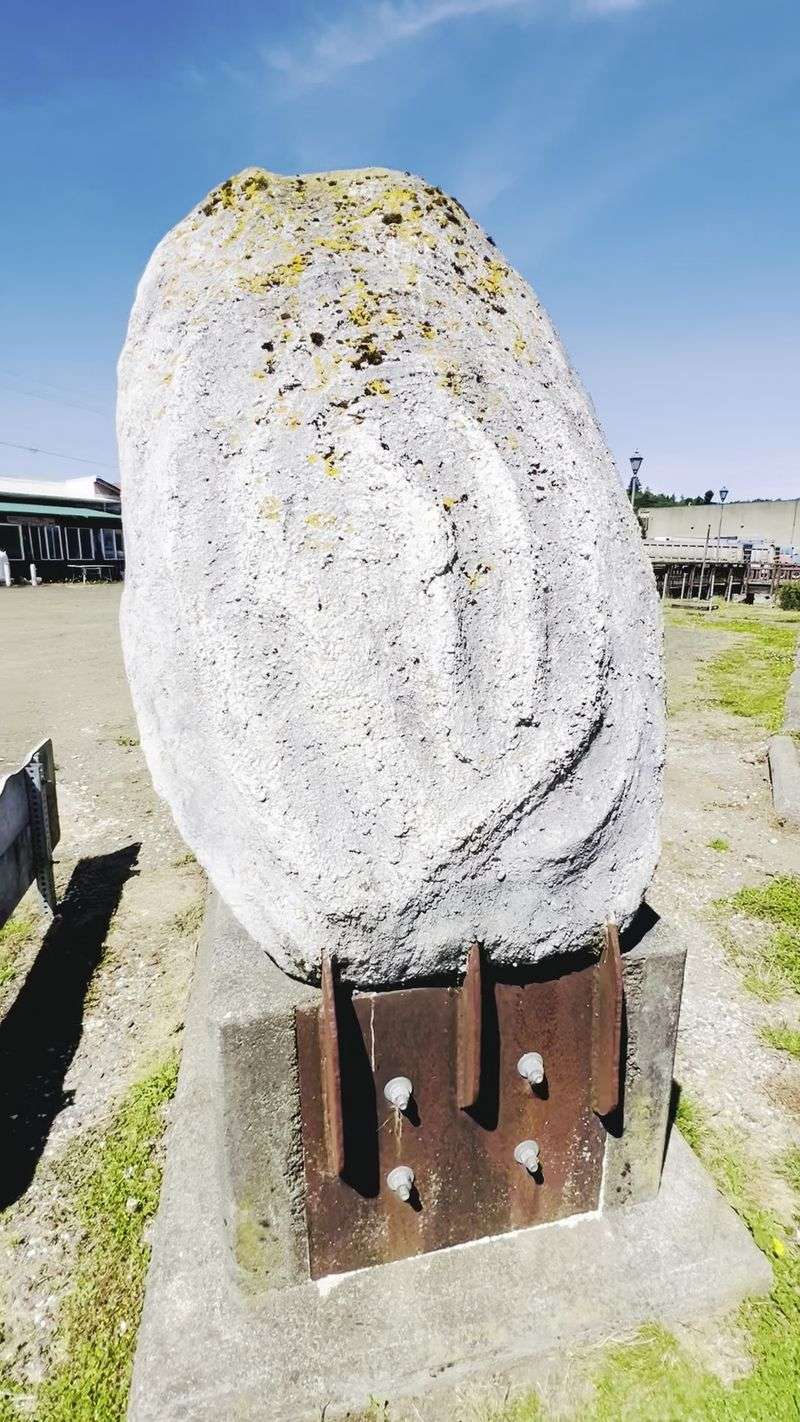
Walking the streets, I felt that stubborn, hopeful spirit everywhere. The giant sculpture near the river acts like a cheerful mascot, reminding everyone how the community kept adapting to survive.
History here is not tucked away in dusty books. It shows up in the working docks, the family businesses, and the tides that roll in twice each day.
Take a slow stroll and imagine the town changing course again and again, always following the water.
Watching The Dredge Boats At Work
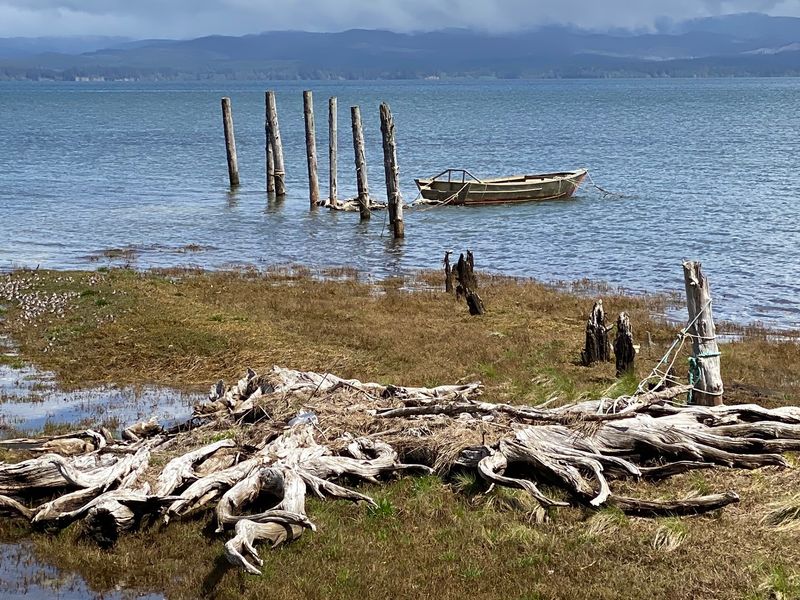
There is something oddly satisfying about watching hardworking boats do their thing, and Willapa Bay offers front-row seats. The oyster dredge boats moving across the water quickly became a highlight for me.
These specialized vessels are built for one job: gathering oysters from the bay floor. Their cranes, nets, and steady rhythm show the real engine behind the town’s famous nickname.
I found a quiet spot along the shore and simply watched the crews work. It felt like witnessing a tradition that has continued through many generations, updated with modern gear but rooted in the same patient effort.
Early morning tends to be a great time to catch the action, when the light is soft and the water sits calm. Bring binoculars if you have them, since some boats work farther out.
Seeing the harvest happen in real time gave the giant sculpture new meaning. Suddenly that concrete shell was not just cute, it represented these very workers.
Give yourself time to linger and appreciate the effort behind every oyster.
Fresh Oysters, Boat To Table
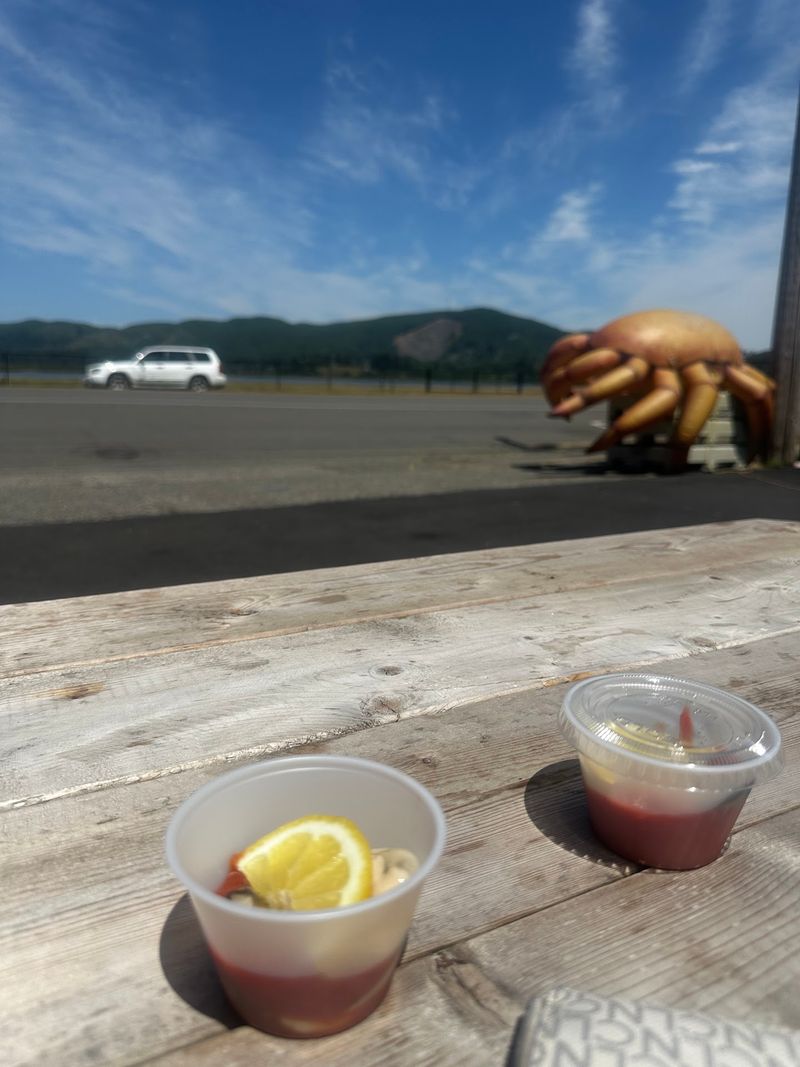
You cannot visit the Oyster Capital of the World without tasting the star ingredient, so I made it a priority. The local eateries and fisheries deliver freshness that is hard to match anywhere else.
Many spots offer a true boat to table experience, meaning the oysters travel a very short distance from bay to plate. That short trip makes a big difference in flavor.
The taste is clean, briny, and full of the ocean, exactly what you would hope for near such rich waters. Whether you enjoy them raw on the half shell or lightly cooked, you are getting the genuine article.
I chatted with staff who clearly took pride in their product, and their enthusiasm made the meal even better. Ask questions, because the folks here love sharing tips on how to enjoy each variety.
Prices tend to be fair for such freshness, and the casual settings keep things relaxed. Even if you have never tried oysters, this is the ideal place to give them a friendly first go.
Come hungry and curious.
Stretching Your Legs On The Willapa Hills Trail
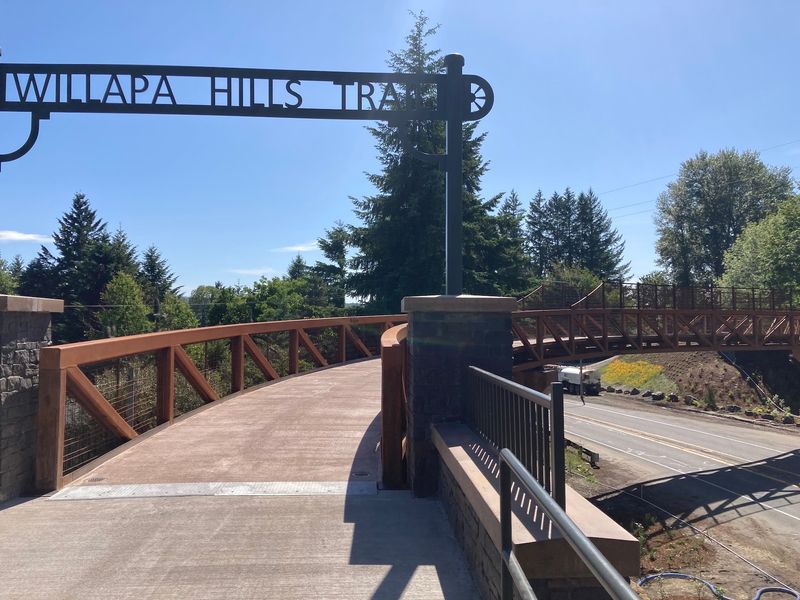
After all that snacking and photo-taking, my legs were ready to move, and the Willapa Hills Trail answered the call. This peaceful path is perfect for hikers and cyclists alike.
The trail winds through classic Pacific Northwest scenery, with towering evergreens, open fields, and quiet stretches that feel far from any crowd. It suits both a short leisurely walk and a longer ride.
I liked how easy it was to set my own pace here. Families with young children can enjoy a gentle segment, while more energetic visitors can push farther down the route.
Bring water, comfortable shoes, and maybe a light rain jacket, since the weather in this region likes to change its mind. A camera comes in handy too, because the greenery is beautifully lush.
What struck me most was the calm. Birdsong, rustling leaves, and the occasional passing cyclist created a gentle soundtrack for the afternoon.
If you want to balance the quirky roadside fun with genuine natural beauty, this trail delivers both. It is a refreshing way to round out your South Bend adventure.
Paddling The Serene Willapa River
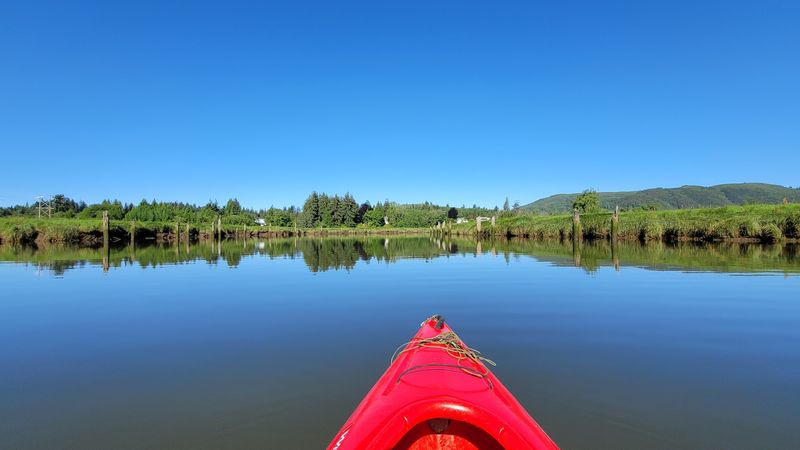
Ever wanted to see a town from the water instead of the road? Launching a kayak into the Willapa River gave me exactly that fresh perspective, and it was wonderfully peaceful.
The waterways here are calm and inviting, making them friendly for paddlers of many skill levels. Gliding along, I watched the forested banks slip by and spotted birds skimming the surface.
Being on the river also brought me closer to the heartbeat of the region. The same waters that feed the famous oyster beds carried my little boat, which felt fitting.
If you plan to paddle, check the tides first, since they shape how the river moves. Local outfitters and residents can offer helpful guidance on timing and put-in spots.
Pack a waterproof bag for your phone, wear a life jacket, and dress in layers for the changeable coastal weather. Safety and comfort make the trip far more enjoyable.
Floating quietly through this landscape, I understood why locals cherish their river so deeply. It is a memory that lingers long after you dry off.
The Grand Pacific County Courthouse
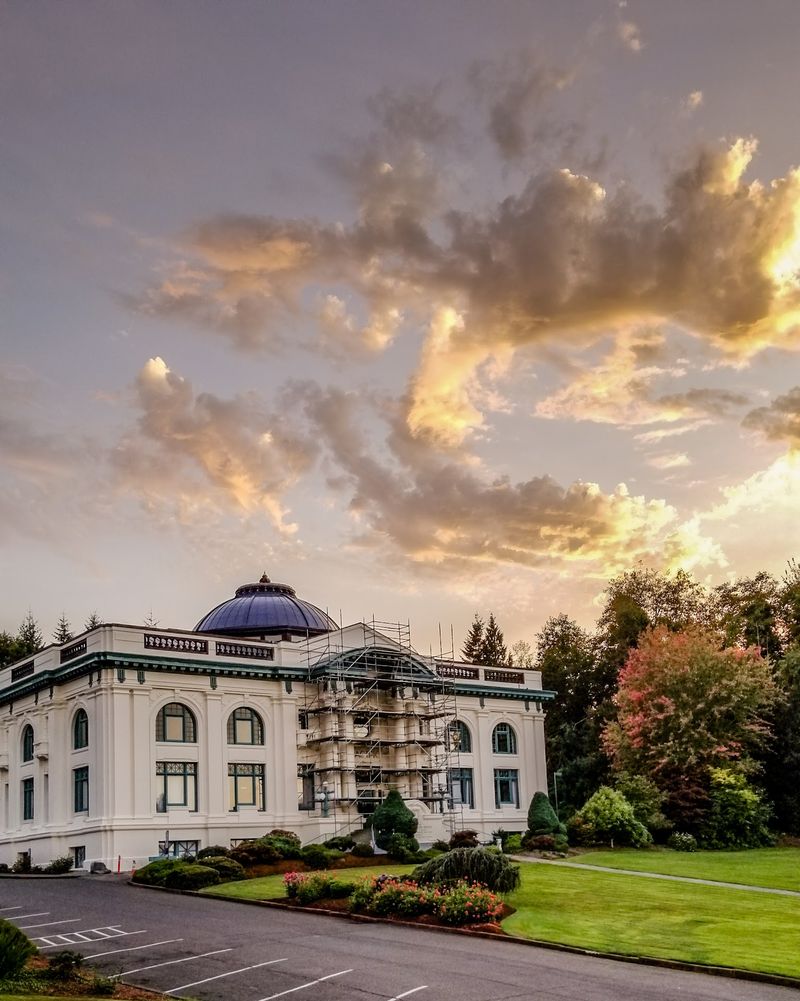
Not every small town hides an architectural showpiece, so the Pacific County Courthouse caught me by surprise. This grand building adds real elegance to an otherwise humble coastal setting.
Often admired for its striking dome and stately design, the courthouse stands proudly above the town. Its beauty feels almost unexpected, like finding a fancy hat on a working fisherman.
I wandered the grounds and took in the details, from the classic exterior to the impressive stained glass dome inside. Many visitors are amazed that such a refined structure sits in a town best known for shellfish.
The site offers a lovely contrast to the giant oyster and the busy docks. Together they show two sides of South Bend, one playful and one polished.
Stop by during daytime hours to appreciate the craftsmanship, and remember it remains a working government building, so be respectful and quiet indoors.
Snapping a few photos here rounds out a full picture of the community. It proves that this coastal haven holds more character and charm than its size might suggest, waiting to be discovered.
Grabbing A Bite At A Local Diner
After a morning by the river, my stomach reminded me that oyster country serves up more than sculptures. The smell of fresh coffee and sizzling breakfast pulled me toward a cozy diner in the heart of town.
Local spots here treat you like a neighbor, filling plates with hearty seafood, homemade pies, and generous portions that leave you smiling. Prices stay friendly, and the staff often share stories about South Bend’s oyster days.
Grab a window seat, order something local, and slow down. Meals like this turn a quick roadside stop into a memory worth keeping. The menu often reflects the town’s coastal character without making the experience feel fancy.
A warm meal tastes especially good after spending time outside near the water. You may end up lingering longer than planned once the coffee is poured.
Small-town diners like this often make the whole trip feel more personal. I always enjoy hearing which dishes regulars come back for again and again.
By the time you leave, the food may be just as memorable as the roadside attraction itself.