
12 Things In Tennessee That Locals Wish Tourists Would Stop Overlooking
Tennessee gets plenty of attention. Just not always for the things locals actually care about.
Tourists flock to the big-name attractions, snap the obligatory photo, and move on, while some seriously fun places are sitting a little farther down the road.
There’s a museum dedicated entirely to salt and pepper shakers. Yes, really.
There are waterfalls that look like they belong in a movie, quiet corners packed with history, and places you could easily miss if you’re only following the usual Tennessee checklist. That’s the thing about this state.
The best surprises don’t always come with a giant sign. Sometimes they’re tucked behind a small parking lot or hiding in a town you almost skipped. Locals know.
And these are spots they wish more visitors would notice.
1. The Salt And Pepper Shaker Museum

Nobody wakes up thinking a museum about salt and pepper shakers will be the highlight of their Tennessee trip. And yet, here we are.
Tucked away at 461 Brookside Village Way in Gatlinburg, this delightfully unexpected spot holds over 20,000 unique shaker sets that span centuries of design history.
Founded in 2002 by a Belgian archaeologist, the collection started with a simple search for a pepper mill. What followed was a beautifully obsessive journey through human creativity.
Sets range from 16th-century antiques to pop-culture novelties you would never imagine someone thought to make.
The exhibits are organized by theme, covering everything from animals and transportation to historical figures. There are also 1,500 pepper mills on display, which somehow feels both excessive and completely wonderful.
It is the only museum of its kind in the entire United States.
Admission fees even count toward gift shop purchases, which is a surprisingly generous touch. This place earns its title as one of Tennessee’s most charming hidden gems.
2. Parrot Mountain And Gardens
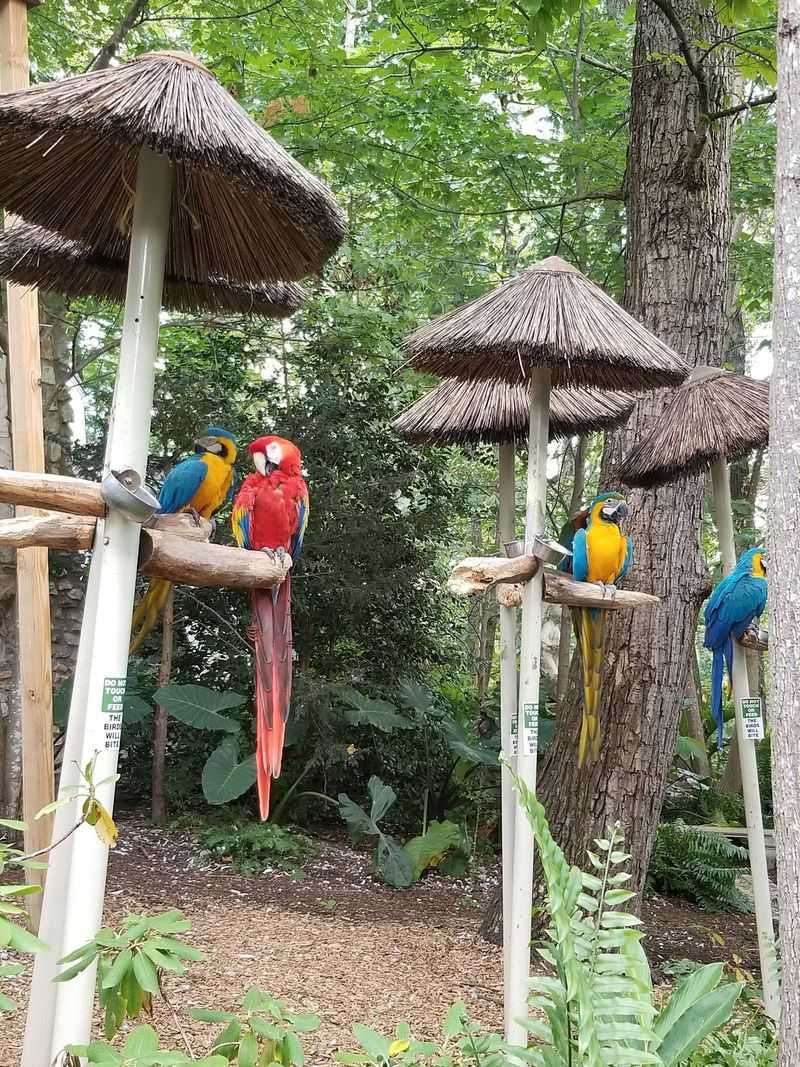
Imagine walking through a tropical paradise where a toucan lands on your shoulder and acts like it owns the place. That is essentially the energy at Parrot Mountain and Gardens.
Located at 1471 McCarter Hollow Rd in Pigeon Forge, this four-acre landscaped bird habitat is one of the most visually stunning spots in the entire state.
A 200-foot stacked stone Irish wall towers over winding garden paths, charming bird cottages, and cascading waterfalls. It sounds like something from a fairy tale, and honestly, it kind of is.
The Secret Garden area lets birds roam freely without enclosures, creating a genuinely magical atmosphere.
In the Bird Garden, you can hand-feed over 70 birds and take photos with them, which is exactly as delightful as it sounds. A baby bird nursery lets you observe and gently pet developing hatchlings.
Hornbills, toucans, and dozens of other exotic species call this place home.
Parrot Mountain proves that Tennessee’s most colorful experiences are not always where you expect to find them.
3. Tennessee River Freshwater Pearl Farm And Museum

Tennessee has an official state gem, and most people have absolutely no idea what it is. Hint: it comes from a mussel, it is iridescent, and it is absolutely gorgeous.
The Tennessee River Freshwater Pearl Farm and Museum at 255 Marina Ln in Camden is the only freshwater pearl culturing farm in all of North America.
Nestled within Birdsong Resort and Marina on Kentucky Lake, the farm was founded in 1979, with its first successful harvest arriving in 1984. The museum traces the full history of pearl culturing in Tennessee, including artifacts from early pearl button factories that once lined the riverbanks.
It is a surprisingly rich slice of industrial and natural history combined.
Farm tours walk you through the cultivation process using the indigenous Washboard mussel, which produces these shimmering treasures.
A pearl jewelry showroom lets you see the finished results up close. Multiple tour options are available depending on how deep you want to go.
Just nine miles north of Interstate 40, this gem is almost criminally easy to visit and almost always overlooked.
4. Bell Witch Cave
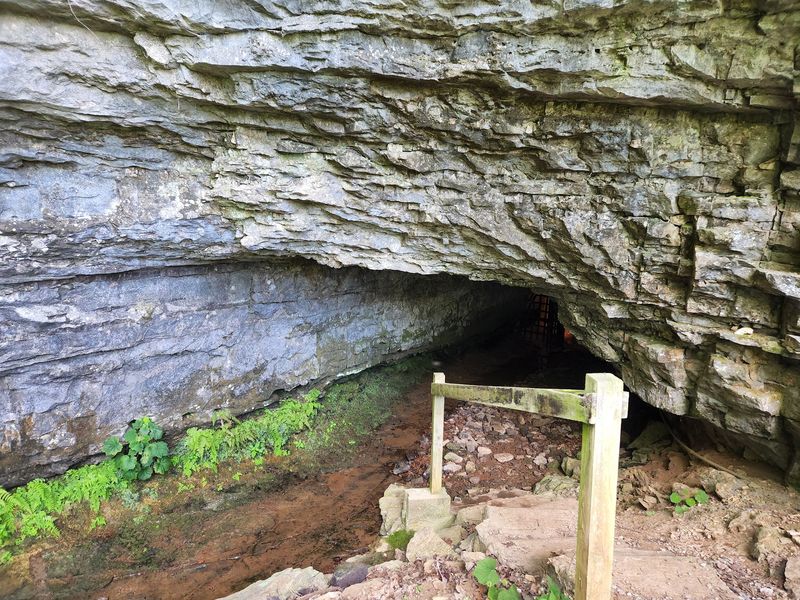
Every state has ghost stories, but Tennessee has the Bell Witch, and that is a whole different category of legendary. The Bell Witch Cave at 430 Keysburg Rd in Adams sits on land once belonging to the Bell family farm, where one of America’s most thoroughly documented supernatural events allegedly unfolded in the early 1800s.
The cave stretches approximately 490 feet and is believed by many to be where the spirit retreated after the haunting subsided. Guided tours run during summer months and throughout October, drawing curious visitors from across the country.
One famous cave legend involves an unseen presence helping a young boy who became trapped in a narrow passage.
The haunting reportedly involved strange noises, unexplained physical events, and a disembodied voice that left the Bell family rattled for years. Artifacts from the original Bell cabin, including a chimney stone and an iron kettle, are preserved on-site.
Whether you are a true believer or a cheerful skeptic, the Bell Witch Cave delivers an atmosphere unlike anything else in Tennessee. Some stories just have a way of sticking with you.
5. Lane Motor Museum

Most car museums celebrate speed, glamour, and horsepower. The Lane Motor Museum in Nashville celebrates the wonderfully weird, and it is so much more fun because of it.
Sitting at 702 Murfreesboro Pike, this collection of over 500 vehicles is a love letter to the strange, the rare, and the technically brilliant.
Founded in 2002 by passionate automotive enthusiast Jeff Lane, the museum occupies a former Sunbeam Bakery building that still carries some of its original architectural charm.
Around 150 vehicles are on display at any given time, including microcars, propeller-driven oddities, three-wheelers, and amphibious vehicles that work on both land and water.
The museum holds the largest collection of European cars and motorcycles in the United States. What makes it truly special is that roughly 90 percent of the vehicles are kept in running condition, which is an extraordinary achievement.
Visitors can even tour the basement Vault to see even more of the collection. Each exhibit quietly tells the story of how engineering, economics, and world history shaped the cars people drove.
It is a genuinely thrilling place even if you are not a car person.
6. The Lost Sea Adventure
Somewhere beneath the hills of eastern Tennessee, there is a lake so large that explorers have spent decades trying to find its edges. They have not succeeded yet.
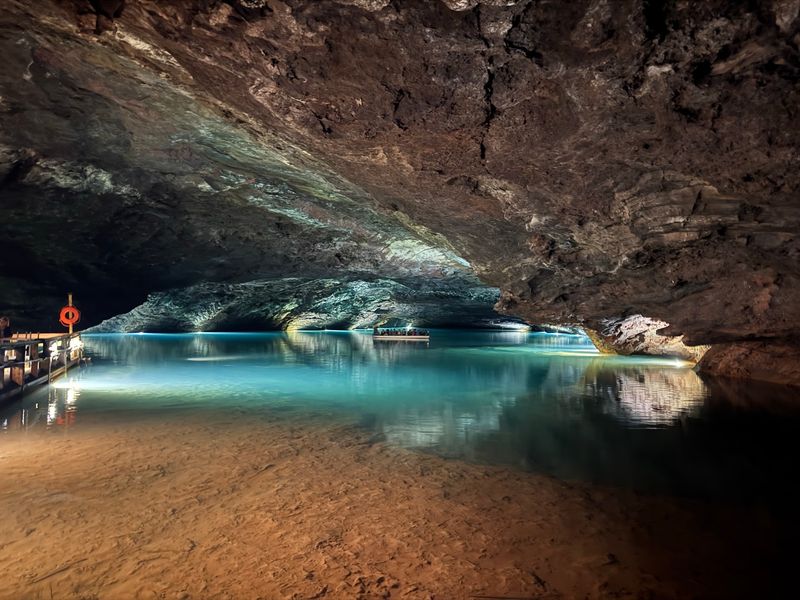
The Lost Sea Adventure at 140 Lost Sea Rd in Sweetwater takes you on a guided tour through Craighead Caverns, ending with a boat ride across America’s largest underground lake.
The visible portion of the lake stretches 800 feet long and 220 feet wide. Divers have mapped over 13 acres of water-filled rooms beyond what you can see, with no end discovered so far.
That fact alone is enough to make your brain do a little somersault.
Throughout the tour, guides share the cave’s layered history and point out rare crystalline formations called anthodites, sometimes called cave flowers. These spiky, delicate structures appear in only a handful of caves worldwide.
The cave stays at a steady 58 degrees year-round, so bring a light jacket. The tour covers about three-quarters of a mile and lasts roughly 75 minutes.
Large rainbow trout live in the lake, though they are purely decorative residents. The Lost Sea is one of those places that genuinely makes you rethink how big the underground world really is.
7. Burgess Falls State Park
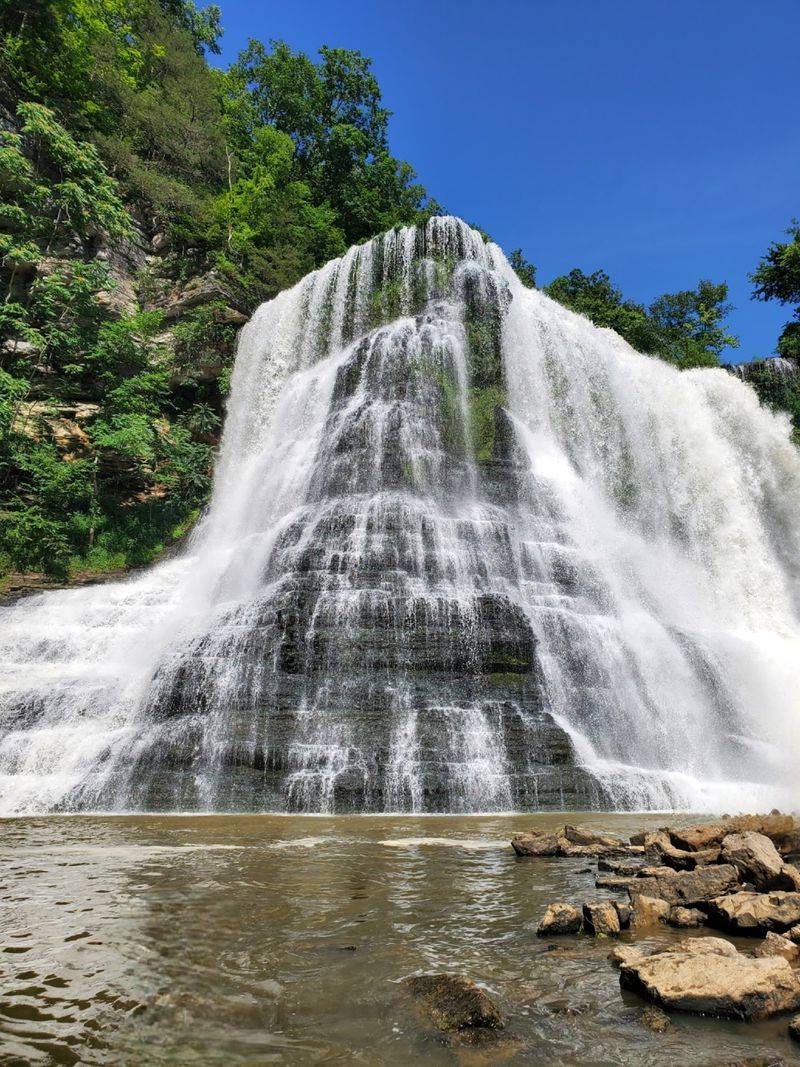
Four waterfalls, one trail, and views that make your phone camera feel completely inadequate. Burgess Falls State Park at 4000 Burgess Falls Dr in Sparta is the kind of natural wonder that should have a much longer line out front.
The Falling Water River carves through the landscape here, creating a spectacular series of cascades that get progressively more dramatic as you hike.
The first three falls, measuring 20, 30, and 80 feet respectively, are impressive on their own. Then you reach the main event: Burgess Falls itself, plunging over 130 feet into a limestone gorge with a roar you feel in your chest.
Kayaking and pontoon tours also offer access to the base of the main falls for a completely different perspective.
Historically, the area served as hunting grounds for Native American tribes, and later the river powered hydroelectric operations in the late 1800s.
Remnants of that industrial era are still visible along the trail. A native butterfly garden near the entrance adds a gentle, colorful welcome.
Pet-friendly trails and picnic areas make it easy to spend a full day here. Burgess Falls is one of those rare places where nature simply shows off without apology.
8. Raccoon Mountain Caverns
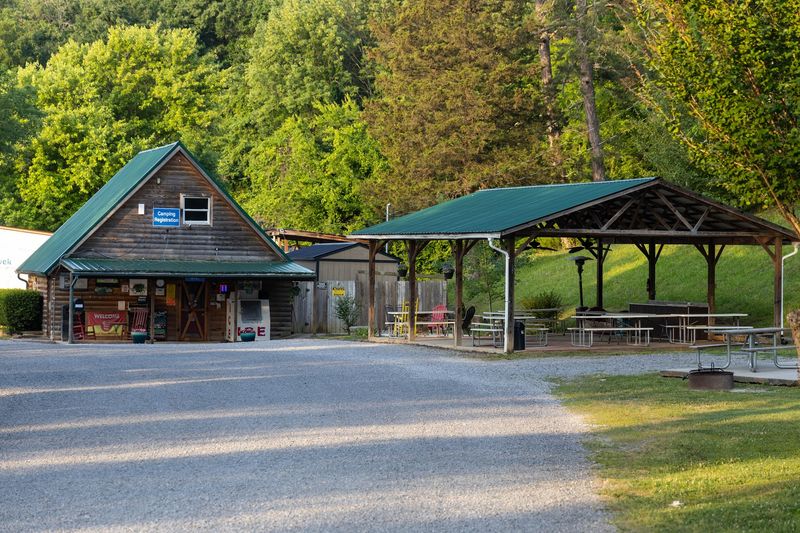
Chattanooga gets plenty of attention for its aquarium and its scenic mountain views, but there is something extraordinary hiding just beneath the surface.
Raccoon Mountain Caverns at 319 W Hills Dr in Chattanooga offers over 5.5 miles of explored passageways, making it one of the most extensive cave systems in the region. And new sections are still being discovered.
The Crystal Palace guided tour runs about 45 minutes and is accessible to all experience levels. Every formation you see is 100 percent natural, which makes the stalactites, stalagmites, and flowing dripstone curtains feel even more awe-inspiring.
The cave holds a steady temperature of 58 to 60 degrees Fahrenheit throughout the year.
For those craving a bigger thrill, Wild Cave Expeditions take you through undeveloped sections that require crawling and climbing.
Salamanders, bats, and cave crickets make occasional appearances along the way. Above ground, gem panning activities and a campground for tents and RVs round out the experience.
Raccoon Mountain Caverns is the kind of place where you go for an hour and emerge two hours later, completely amazed by what exists just beneath the everyday world.
9. Wonders Center And Science Museum
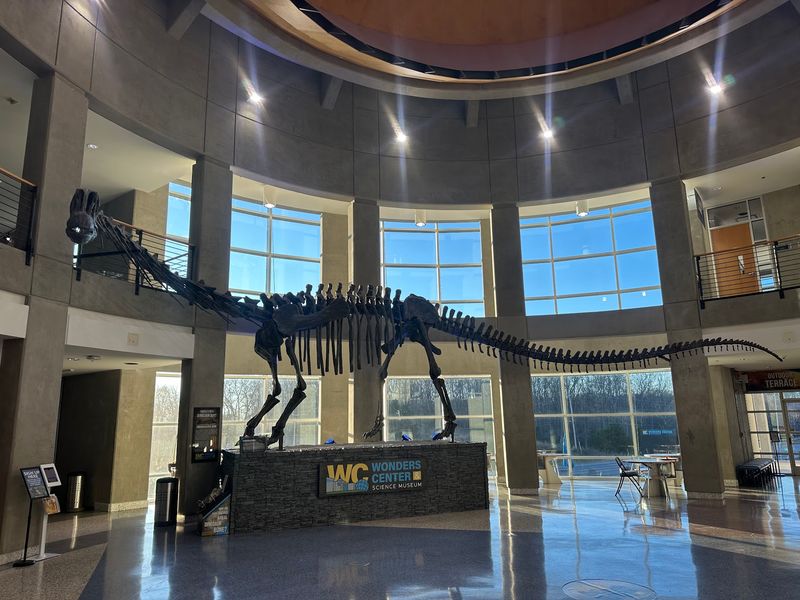
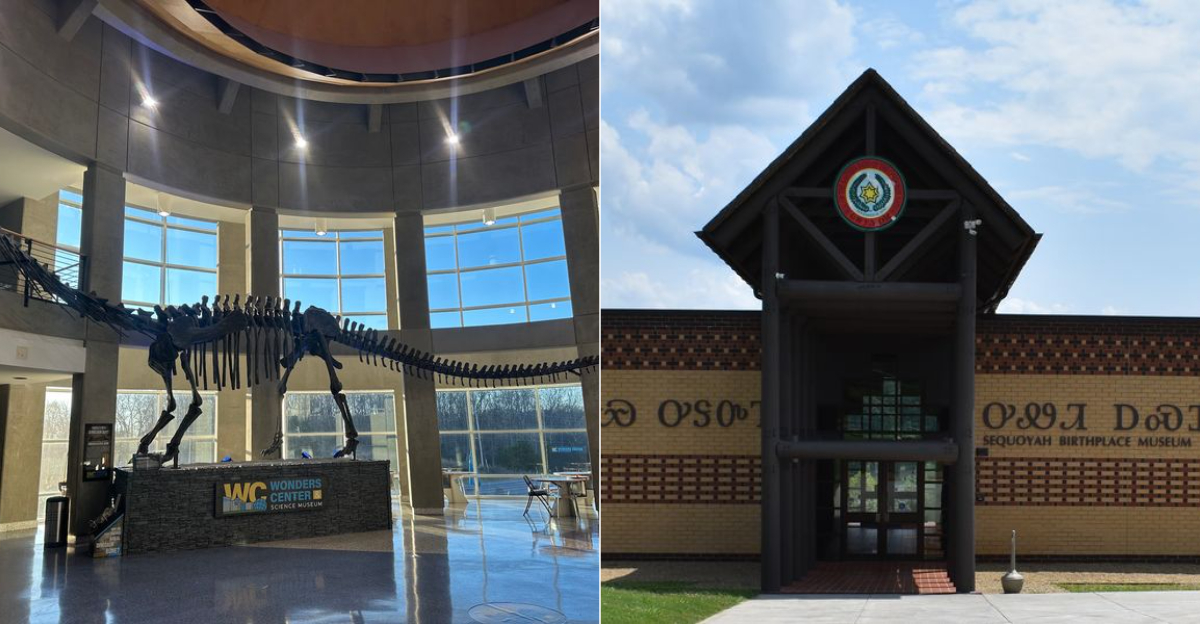
A 55-foot dinosaur skeleton hanging from the ceiling is not a bad way to say hello. The Wonders Center and Science Museum at 855 TN-46 in Dickson is Tennessee’s largest and newest science museum, covering over 100,000 square feet of pure curiosity-fueling goodness.
Just 35 minutes from Nashville, it is criminally undervisited.
Exhibits cover paleontology, astronomy, biology, geology, zoology, and human anatomy, giving you an almost overwhelming amount of fascinating territory to explore.
One of the world’s top ten planetarium experiences lives here, offering a cosmic journey that is hard to put into words. A one-million-volt musical Tesla Coil show adds some serious drama to the afternoon.
Hands-on activities include an augmented reality sandbox, a dinosaur dig pit, and interactive gear stations that make science feel genuinely accessible.
You can touch real dinosaur bones and hold actual meteorites, which never gets old no matter how many times you have done it. Authentic 1,000-year-old Bible scrolls and ancient artifacts round out the collection with a historical dimension.
The Wonders Center proves that big, world-class science experiences do not always require a big-city address. Dickson is quietly winning.
10. National Bird Dog Museum
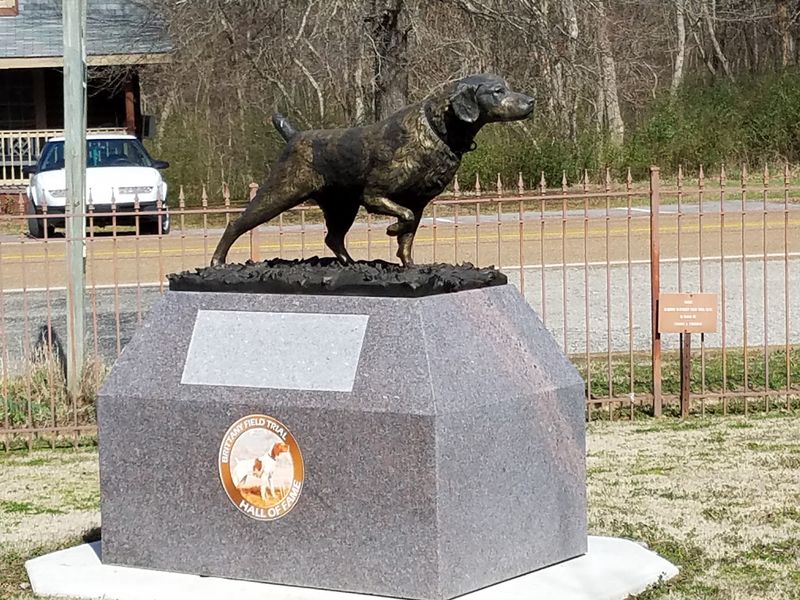
There is a museum in western Tennessee that exists entirely to celebrate the athletic artistry of hunting dogs, and it is far more captivating than you might initially expect.
The National Bird Dog Museum at 5054 National Bird Dog Museum Rd in Grand Junction is home to three halls of fame covering field trial dogs, sporting dogs, and retrievers.
Over 40 breeds are represented throughout the exhibits, including pointers, flushers, English Cocker Spaniels, and Labrador Retrievers.
Paintings, sculptures, photography, trophies, and memorabilia fill the galleries with a warmth that feels more like a celebration than a typical museum visit. The Wildlife Heritage Center adds impressive taxidermy of North American wildlife to the mix.
The William F. Brown Memorial Library houses an extensive collection of related literature for those who want to go deeper.
Founded in 1991, the museum stands in a town with a long history of hosting the National Field Trial Championships, dating back to the late 1800s. An outdoor Walk of Champions features sculptures honoring accomplished bird dogs and their handlers.
Leashed dogs are welcome on the grounds, which feels like a perfectly fitting policy. Grand Junction is small, proud, and absolutely worth the detour.
11. Sequoyah Birthplace Museum
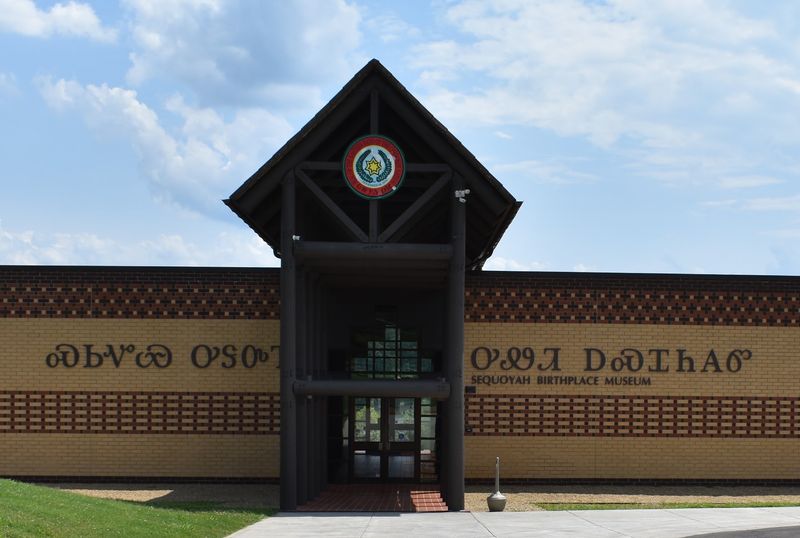
Before the printing press transformed Europe, one man single-handedly invented an entire writing system for his people.
Sequoyah created the Cherokee syllabary around 1821, giving the Cherokee nation the gift of written language almost overnight. The Sequoyah Birthplace Museum at 576 TN-360 in Vonore honors that extraordinary achievement with the depth it deserves.
Beautifully situated on the shores of Tellico Lake, the museum is owned and operated by the Eastern Band of Cherokee Indians.
That connection to living heritage makes every exhibit feel grounded in something real and ongoing rather than purely historical. Certified as a site on the Trail of Tears National Historic Trail, it carries significant cultural weight.
Inside, visitors find engaging displays, informative videos, and authentic artifacts tracing Cherokee homelands from 1776 to 1843. An 1833 Otis Tufts printing press is one of the standout highlights, offering a tangible link to 19th-century technology.
Guests can even try a hands-on activity recreating written materials from that era. Special events are held throughout the year.
This museum does not just tell history, it makes you feel connected to it in a way that stays with you long after you leave.
12. Big South Fork National River And Recreation Area
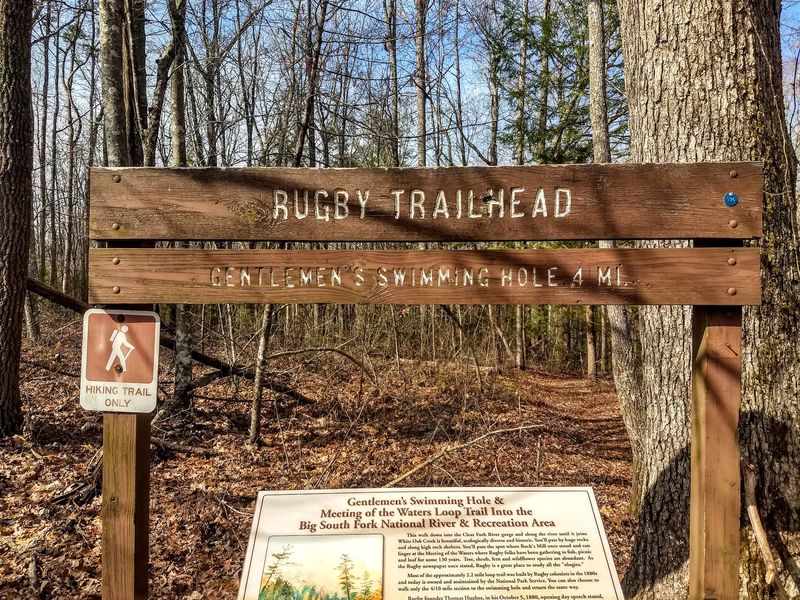
If the Great Smoky Mountains feel a little crowded these days, Tennessee has quietly been holding an ace up its sleeve.
Big South Fork National River and Recreation Area covers 123,000 acres of raw, rugged landscape across Tennessee and Kentucky, with headquarters at 4564 Leatherwood Rd in Oneida. The National Park Service manages it, and yet somehow it remains wonderfully uncrowded.
Natural arches, towering rock chimneys, and cascading waterfalls define the terrain, carved by the Big South Fork of the Cumberland River.
Whitewater paddlers love the rapids here, which range from beginner-friendly to genuinely thrilling. An extensive trail network supports hiking, horseback riding, and mountain biking across stunning backcountry.
Wildlife watchers should know this area supports one of the largest black bear populations in the eastern United States. Historic sites like the Blue Heron Mining Community add a compelling human layer to the natural grandeur.
Campgrounds with modern amenities sit at Bandy Creek and Station Camp, while backcountry camping is available with a permit. Rappelling, rock climbing, fishing, and hunting round out the activity list.
Annual events like the Spring Planting Festival and the Haunting in the Hills storytelling festival give every season its own distinct flavor.