
This 5.5-Mile Arizona Trail Bursts With Wildflowers After Monsoon Season
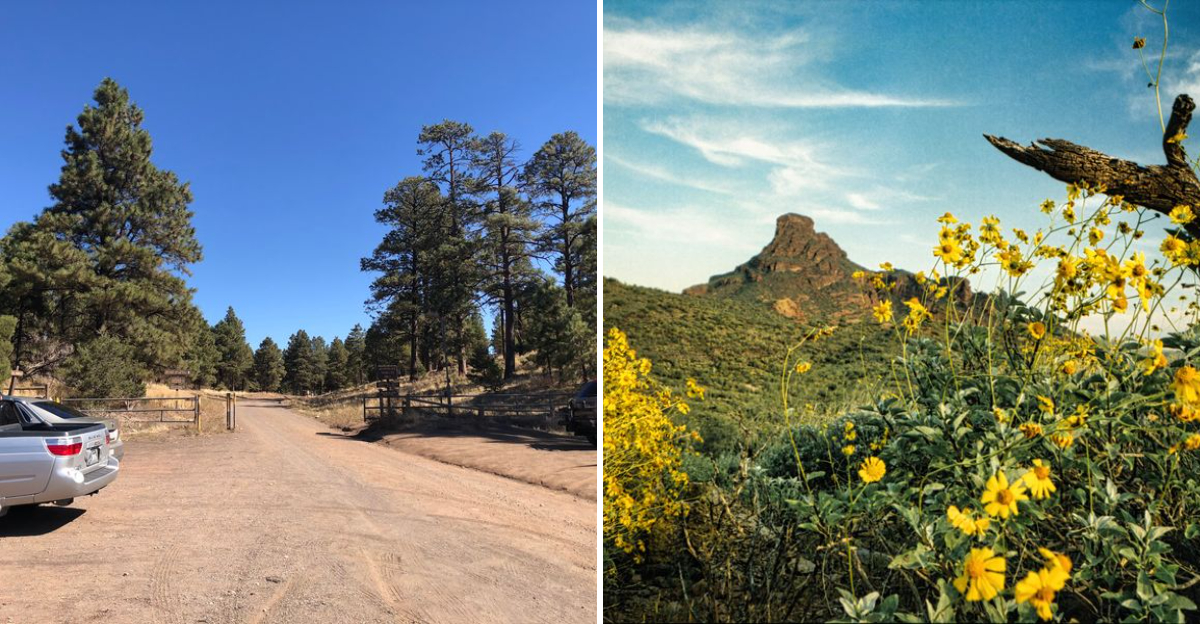
I got to a Flagstaff, Arizona, on a cool morning when the pine air still smelled like rain from the night before. What waited for me at this trail was a soft dirt path winding through tall ponderosa pines, wide meadows, and pockets of color so bright they looked painted.
After monsoon season, this 5.5-mile loop turns into one of the friendliest wildflower walks in northern Arizona, gentle enough for families yet pretty enough to make you stop every few minutes for photos.
Truly, this 5.5-mile Arizona trail bursts with wildflowers after monsoon season in a way that feels illegal to witness for free. I mean, the sheer amount of blooming life out there genuinely made me feel like an underachiever.
But hey, dodging bees and tripping over rocks while pretending I’m one with nature is kind of my specialty.
In the sections below I will share the scenery, the best timing, the wildlife, and a few honest tips I learned by lacing up my boots and heading out.
The Wildflower Show After Monsoon Rains
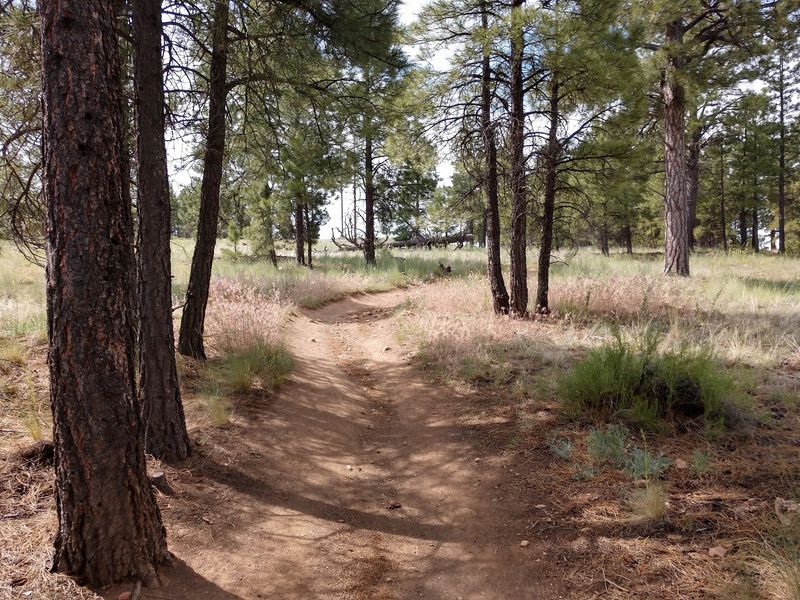
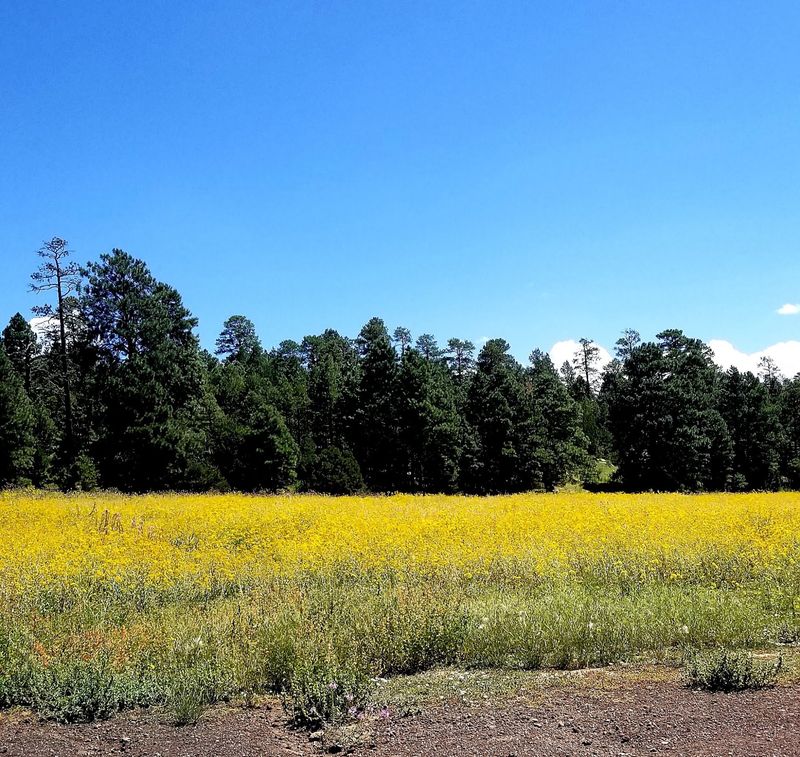
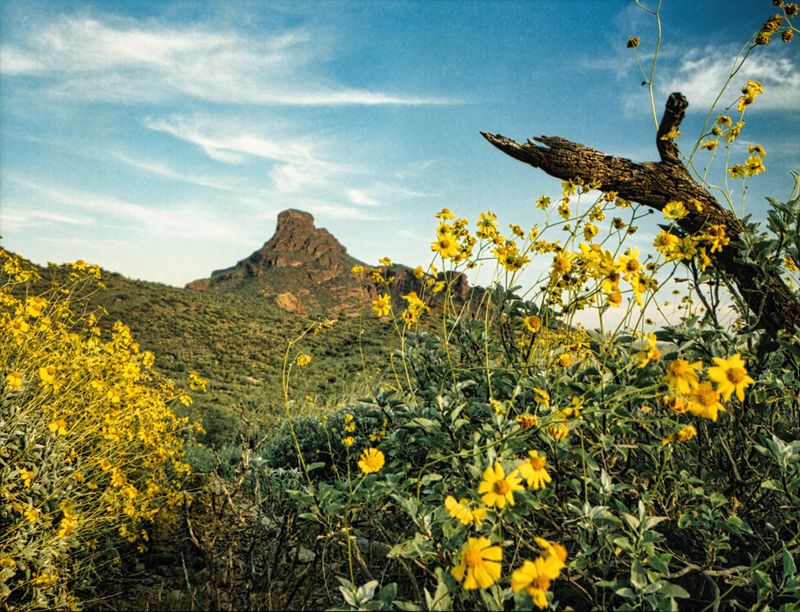
Rain changes everything at Campbell Mesa Loop Trails. Once the summer monsoon storms roll through Flagstaff in July and August, the meadows along the loop wake up with lupine, asters, and cheerful yellow sunflowers that seem to nod as you pass.
I timed my visit for late August, and the color was almost too much for one photo to hold. Purple blooms crowded the trail edges while smaller white and orange flowers hid in the grass, waiting for anyone patient enough to look closely.
The blooms usually peak a couple of weeks after heavy rain, so watching the local weather pays off. If you want the fullest display, plan your walk for mid to late August into early September.
Bring a small field guide or a plant app on your phone, because naming what you see makes the hike feel like a treasure hunt. Just remember to leave every flower where it grows so the next visitor gets the same happy surprise I did.
Walking Beneath The Ponderosa Pines
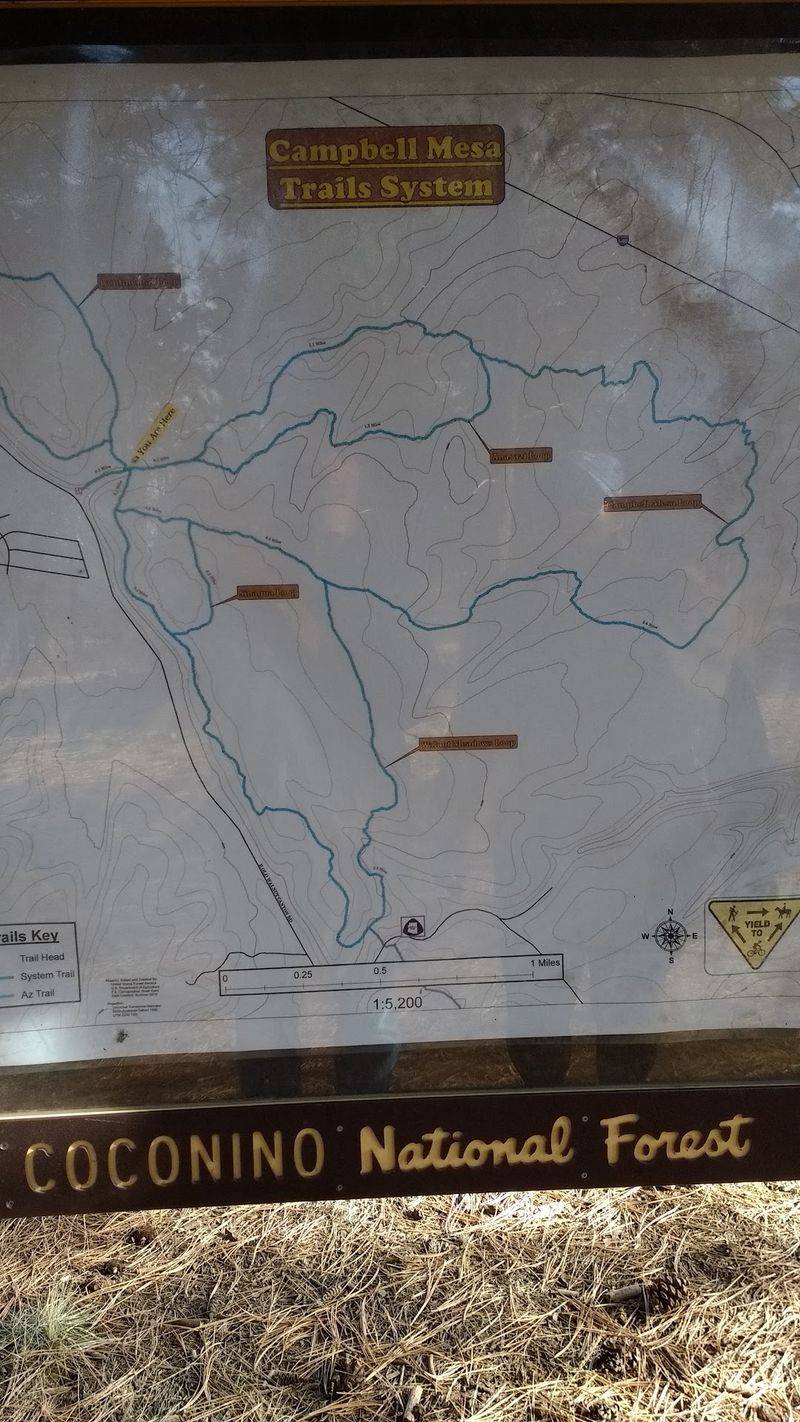
Tall trees define the mood on this loop. The ponderosa pines stand like patient giants, and their bark gives off a warm, sweet scent that some hikers say smells like butterscotch when you lean in close.
Shade comes and goes as the trail weaves between thick stands of trees and open grassy clearings. That mix kept me comfortable even as the day warmed, which is a real gift in Arizona.
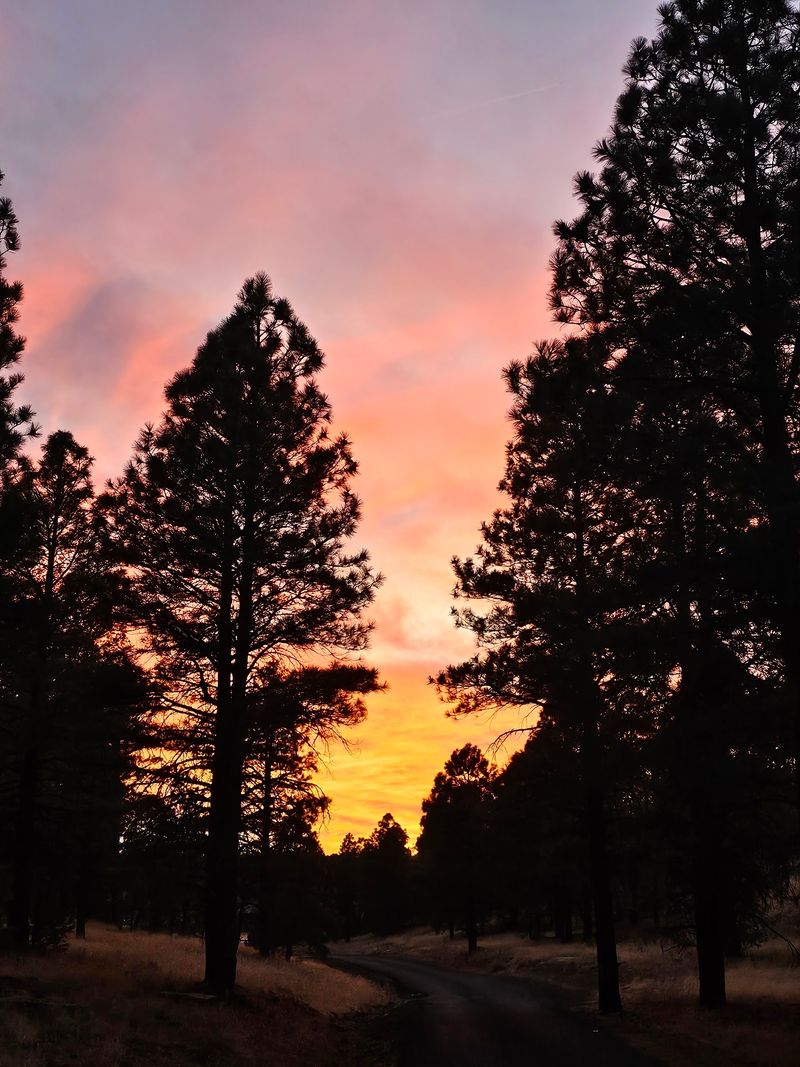
Sunlight pours through the branches in soft beams, painting golden stripes across the path. Early morning is my favorite time to catch that glow, and the forest feels quiet enough to hear your own footsteps.
Because the elevation sits around 7,000 feet, the air stays cooler than the desert below. That makes Campbell Mesa a smart escape when lower Arizona towns turn blazing hot in summer.
Take a moment to press your palm against the reddish bark and breathe deep. It is a small ritual that turns a plain walk into something you remember.
An Easy Loop For Families And Beginners
Not every hike needs to test your legs, and this one proves it. With gentle rolling terrain and no steep climbs, the 5.5-mile loop welcomes kids, older walkers, and anyone easing back into hiking.
I passed families pushing sturdy strollers and parents pointing out bugs and birds to curious little ones. The wide, smooth path makes it simple to walk side by side and chat the whole way.
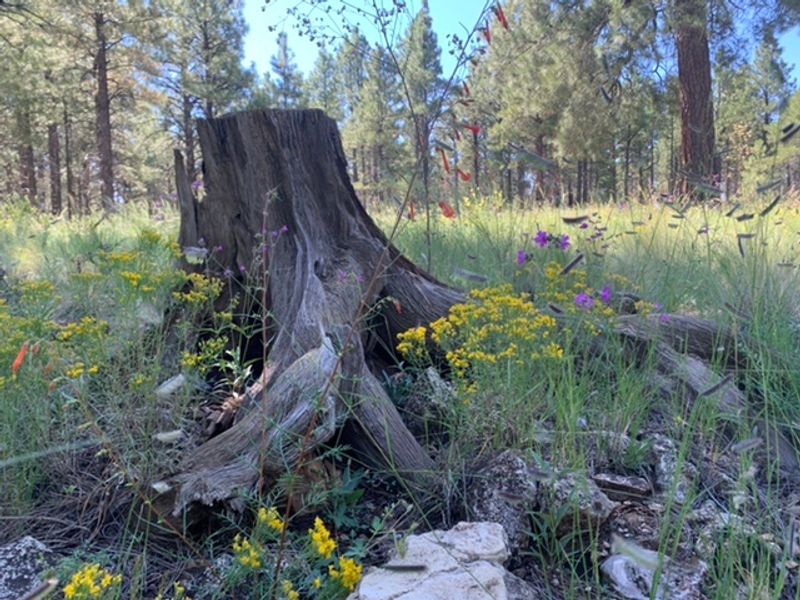
You can also shorten the adventure. The trail connects with other paths in the Flagstaff loop system, so newer hikers can turn back early without feeling like they missed out.
Pack plenty of water and a few snacks, because the high elevation can tire you faster than you expect. Sunscreen and a hat help too, since open meadows leave you exposed to bright mountain sun.
By the time I finished, my legs felt happy rather than wrecked. That balance of scenery and ease is exactly why I would send a first-time hiker straight here.
Wildlife You Might Spot Along The Way
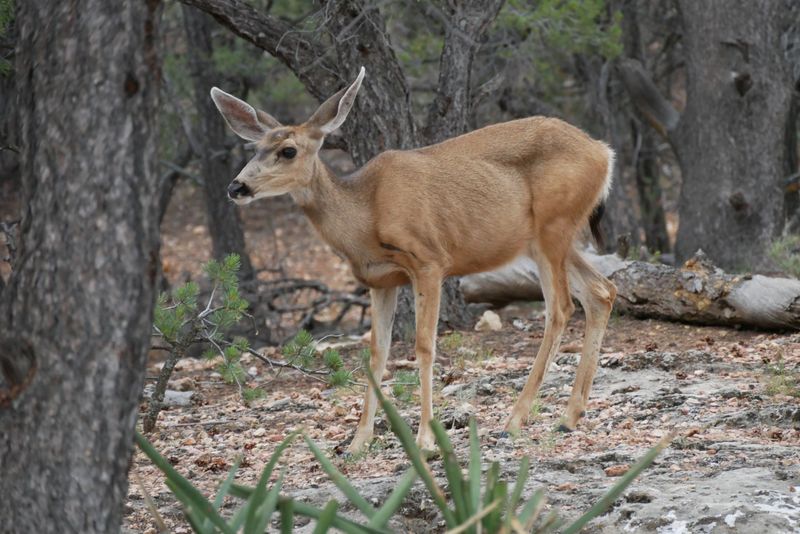
Keep your eyes open and the trail rewards you. On my walk a pair of mule deer lifted their heads from the grass, watched me for a moment, then bounded off into the trees like they owned the place.
Birds are the real regulars here. Jays flash blue between branches, woodpeckers tap on tree trunks, and small songbirds dart through the wildflowers hunting for insects.
Lucky visitors sometimes see Abert’s squirrels, the fluffy-eared critters that make their home in ponderosa forests. They are quick, so a moment of stillness gives you the best chance.
Morning and early evening bring the most activity, when animals feed while the air is cool. Move slowly and speak softly, and the forest reveals more than it does to noisy crowds.
Give every animal plenty of space and never offer food, no matter how tempting those big eyes look. Watching wildlife stay wild is far better than any close-up snapshot could ever be.
Best Times To Visit For Perfect Weather
Timing turns a good hike into a great one. Late summer, right after the monsoon rains, gives you both wildflowers and comfortable temperatures thanks to Flagstaff’s high mountain setting.
Spring can be lovely too, with fresh green grass and mild days, though the biggest flower displays wait for the rainy months. Fall brings crisp air and golden light that photographers love.
I would steer clear of winter unless you enjoy snow, because Flagstaff sees plenty of it and the trail can turn icy and hard to follow.
Mornings almost always beat afternoons here. Summer storms often build in the early afternoon, so starting early keeps you off the exposed meadows when the sky rumbles.
Check the local forecast the night before and pack a light rain jacket just in case. Mountain weather likes to change its mind quickly, and being ready means the surprise stays fun.
Plan around those simple patterns, and you will catch this trail at its brightest and most welcoming.
Finding The Trailhead And Parking
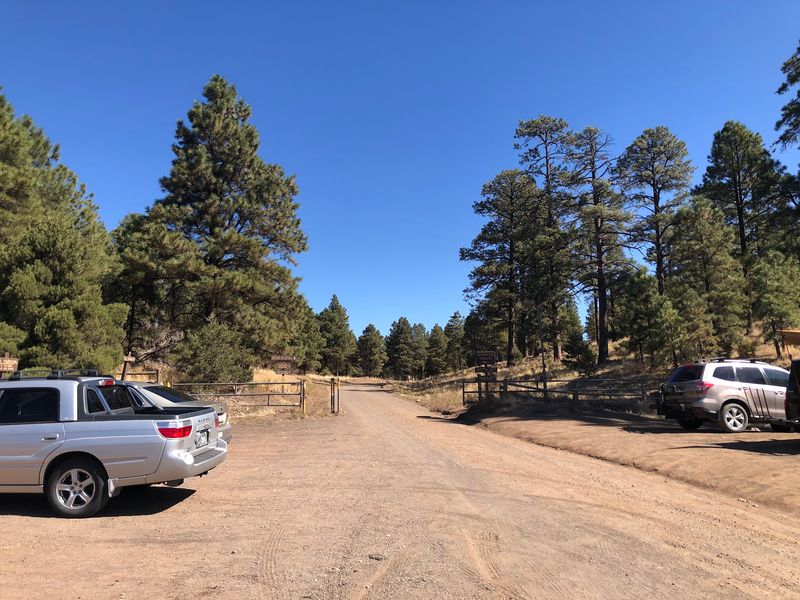
Getting there is refreshingly simple. The Campbell Mesa trailhead sits on the east side of Flagstaff, in Coconino County, Arizona, tucked into the pines just off Old Walnut Canyon Road.
A small dirt parking area greets you at the entrance, and I found space even on a busy weekend morning. Arriving early is still smart, since the lot fills as the day warms and other hikers show up.
Look for the trail sign and posted map near the parking area. It shows how the loop connects to the wider Flagstaff Loop Trail system, which helps you plan your route before you set out.
There are no fancy facilities here, so take care of restroom stops in town first. Cell service can be spotty under the trees, so downloading a map ahead of time is a wise move.
Once you spot the wooden markers guiding the way, the rest feels easy. A little planning up front means more time enjoying the flowers instead of hunting for the start.
Tips For A Smooth And Happy Hike
A few smart choices make all the difference on this loop. Because the elevation sits high, I drink more water than usual and take slow breaks so the thin air does not sneak up on me.
Comfortable shoes with decent grip handle the dirt path nicely, and layers help when the shade feels cool and the meadows feel warm. Mountain mornings can start chilly even in summer.
Sun protection is a must in the open sections, so I never skip a hat and sunscreen. A light snack keeps energy steady across all 5.5 miles.
Carry out every wrapper and stay on the marked path to protect the wildflowers you came to see. Small habits like these keep the trail beautiful for the next curious walker.
Bring a phone or camera, but leave time to simply look around without a screen. Some of my favorite moments came when I stopped hiking, stood still, and let the quiet mountain forest do the talking.
What To Pack In Your Daypack
Trust me, the little things make a big difference out here. Because Flagstaff sits at seven thousand feet, the sun feels stronger and the weather flips fast, so I always toss in extra layers before heading out.
Water tops my list. I bring at least two liters, plus salty snacks and a small first-aid kit for surprise blisters. A hat, sunscreen, and sunglasses keep the high-elevation glare in check.
Comfortable shoes with good traction are another smart choice, especially on loose or uneven sections. I also like to carry a small reusable bag for wrappers and other trash. A light snack can help keep your energy up if the loop takes longer than expected.
Checking the forecast before leaving can save you from getting caught in rough weather. Starting earlier in the day also gives you more time to enjoy the trail without feeling rushed.
During monsoon months, a lightweight rain jacket is smart since afternoon storms sneak up quickly. Toss in your phone, a trail map, and bug spray, and you are set for a comfortable loop.