
Why Does One Great Lake Keep Drawing People Back More Than Any Other?
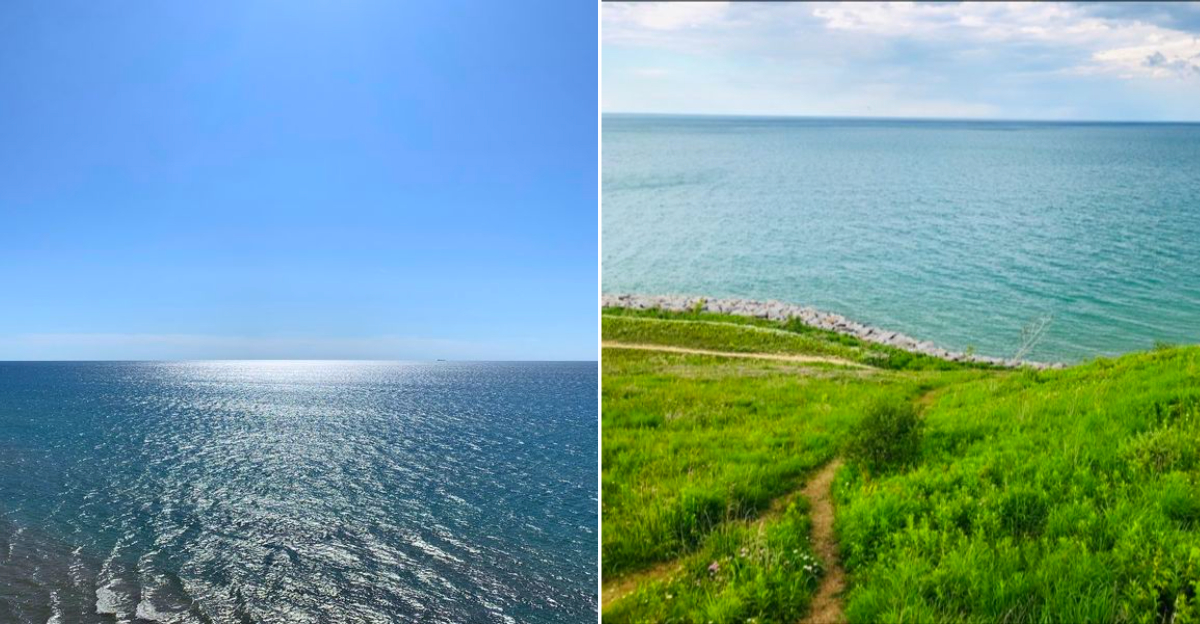
Everyone picks a favorite Great Lake. Mine chose me.
I grew up within driving distance of this shoreline, and every summer I told myself I would explore another lake instead. I never did.
The sand here is genuinely different, softer and lighter than anything on the other four.
The islands make day trips feel like ferry adventures. Lighthouses line the coast in a way that turns a casual drive into a scavenger hunt.
The dunes climb higher than they have any right to, and sunset over open water looks like a painting you cannot buy.
I have walked the beaches in January when ice formations stack along the pier, and I have floated in August when the water hits seventy and the horizon simply disappears for good.
Five reasons make one Great Lake the one people return to in Michigan, and none of them involve compromise.
Climb The Dunes With Care
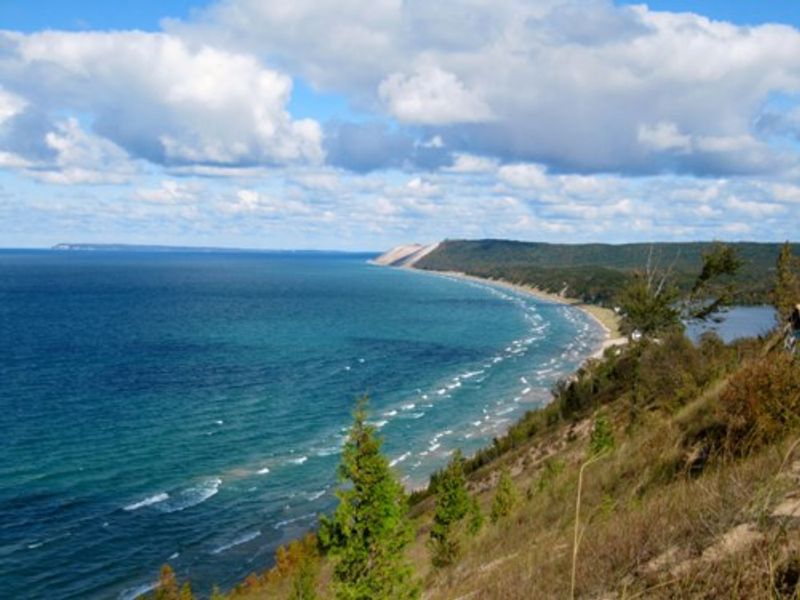
Sand rises beside Lake Michigan in shapes that seem borrowed from another planet. The eastern shore holds part of the world’s largest freshwater dune system, formed after glaciers retreated and later reshaped by waves and strong westerly winds.
Sleeping Bear Dunes and Indiana Dunes offer very different ways to explore. Choose marked trails that match your fitness, carry water, and remember that climbing back up loose sand takes far more effort than running down.
Posted closures protect fragile slopes.
Beachgrass deserves special attention, although it looks ordinary. Its roots hold drifting sand and help dunes grow, so stepping around planted areas matters.
I prefer a ridge trail, where forest shade, sandy openings, and sudden lake views arrive like well-timed surprises.
Lake Michigan Has More Than One Way In
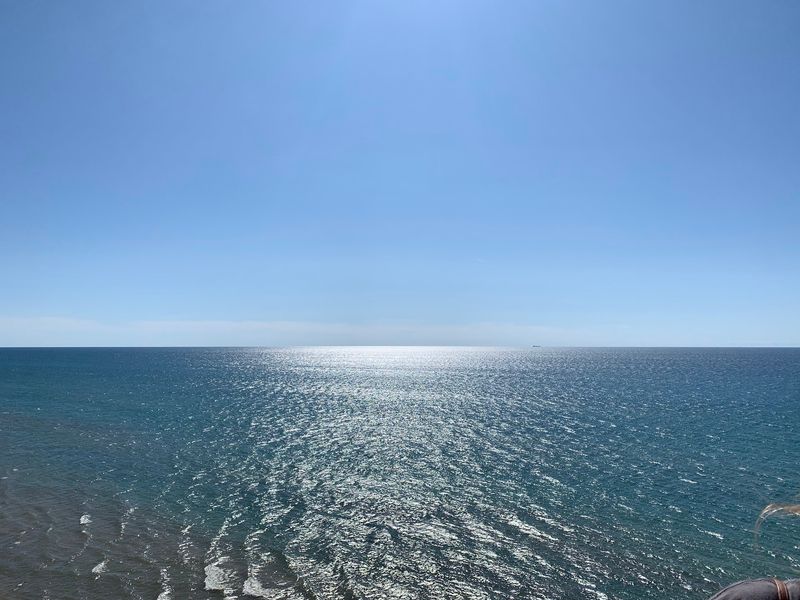
Lake Michigan stretches along Michigan’s entire western shoreline, so there is no single arrival point. Popular gateways include Sleeping Bear Dunes National Lakeshore near Empire, Grand Haven State Park, Holland State Park, Ludington State Park, Silver Lake Sand Dunes, and Warren Dunes State Park farther south.
The final approach changes dramatically depending on the stop. M-22 winds toward the dunes and overlooks around Sleeping Bear, US-31 feeds into beach towns like Grand Haven and Holland, while Ludington, Silver Lake, and Warren Dunes each branch off onto their own local park roads and shoreline routes.
Parking is available at the individual parks, beaches, and waterfront districts, with some state park sites requiring a Michigan Recreation Passport or day-use fee. Once parked, continue on foot toward the beach, dune trail, lighthouse pier, overlook, or waterfront path specific to that location.
Follow The Lighthouse Trail
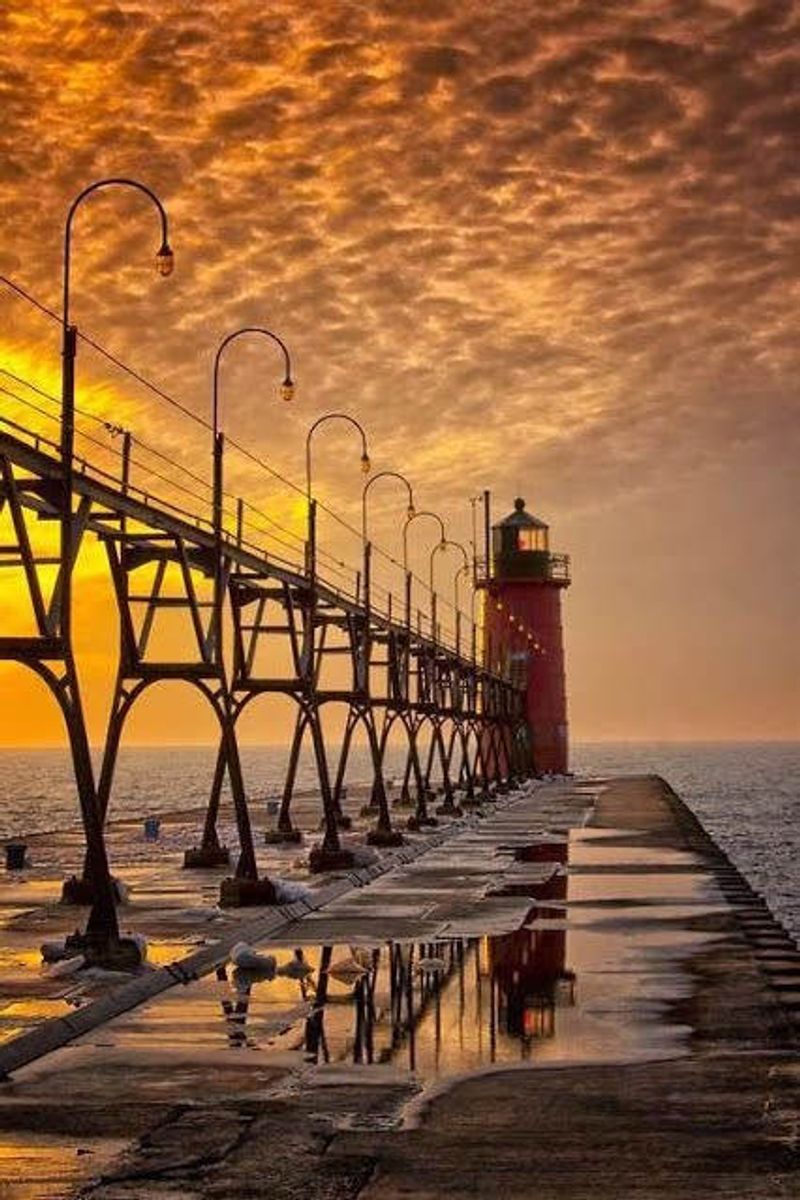
A lighthouse gives the shoreline a useful exclamation point. During the nineteenth century, Lake Michigan lights helped schooners and other vessels carrying grain, lumber, and iron ore navigate dangerous water, harbor entrances, and stretches of poorly marked coast.
Big Sable Point and Grand Traverse Light preserve that working history with handsome towers and museum displays. Some Lake Michigan lighthouses allow seasonal climbs, but hours, fees, and stair access vary.
Check the official site before driving a long distance.
Wear secure shoes and expect narrow stairs if a tower is open. Wind at the top may be much stronger than it felt below, yet the view explains why these beacons mattered.
Look for piers, sandbars, and shipping routes rather than taking one quick photograph.
Linger In An Artful Shore Town
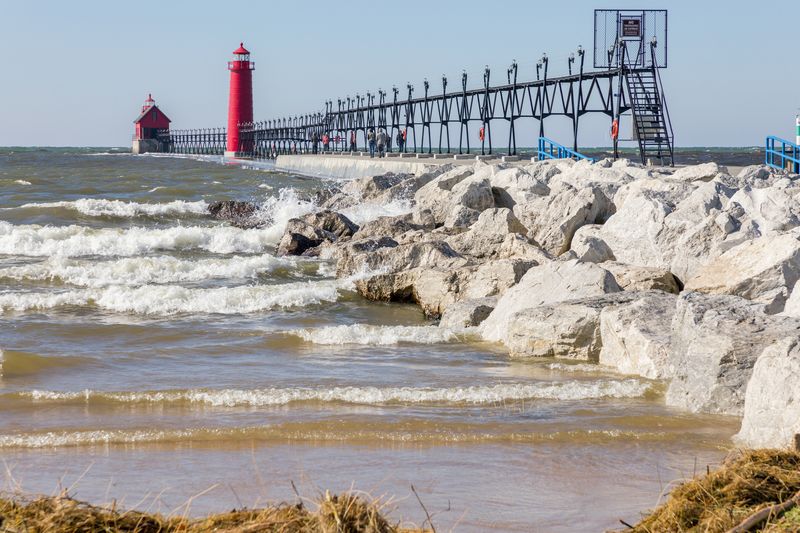
Small towns around Lake Michigan reward anyone willing to wander one block beyond the busiest street. In Saugatuck, galleries and studios reflect an arts tradition that took root during the early 1900s and gained strength through the Ox-Bow School of Art, founded in 1910.
Plan enough time for both town and shore rather than squeezing everything into an hour. Browse local exhibitions, check community calendars, and ask gallery staff about nearby artists.
Seasonal events, including gallery walks, can make weekends lively and parking scarce.
Early morning suits quiet window-shopping, while later hours bring more open doors. Keep purchases practical if you are traveling, since pottery and framed work need careful packing.
The pleasure here comes from noticing how lake light, wooded dunes, and creative work quietly influence one another.
Choose Recreation By The Forecast
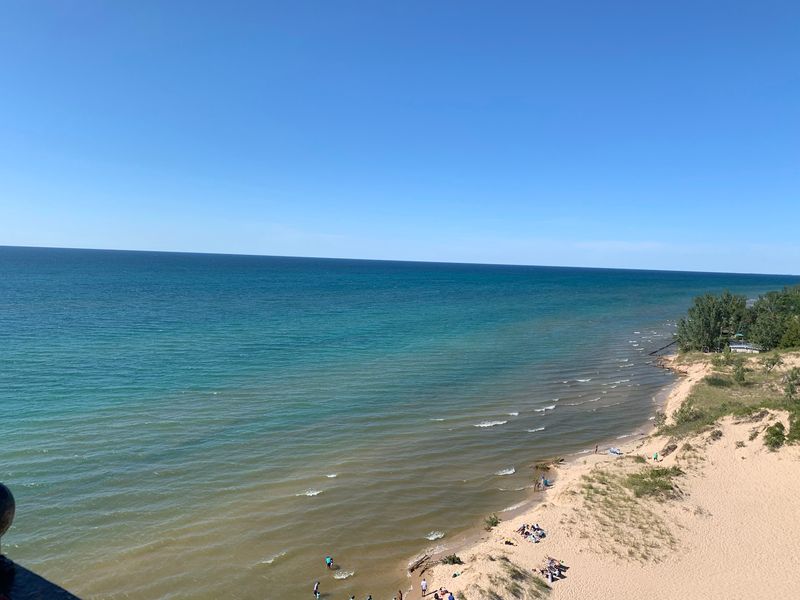
Clear blue water can make a kayak launch look wonderfully simple. Lake Michigan supports swimming, paddling, sailing, fishing, and boating, but its open reaches behave differently from a sheltered pond.
Wind direction matters as much as sunshine when choosing an activity.
Match the day’s plan to official marine forecasts and your actual skill level. Wear a properly fitted life jacket while paddling or boating, carry communication equipment, and stay near shore if conditions are uncertain.
Swimmers should use guarded beaches whenever possible.
Morning often offers lighter winds, though no hour guarantees calm water. Ask local outfitters about launch points, restricted areas, and return routes before leaving.
A shorter trip with an easy landing usually creates better memories than a grand route completed while tired, chilled, or worried.
Listen For Maritime Stories
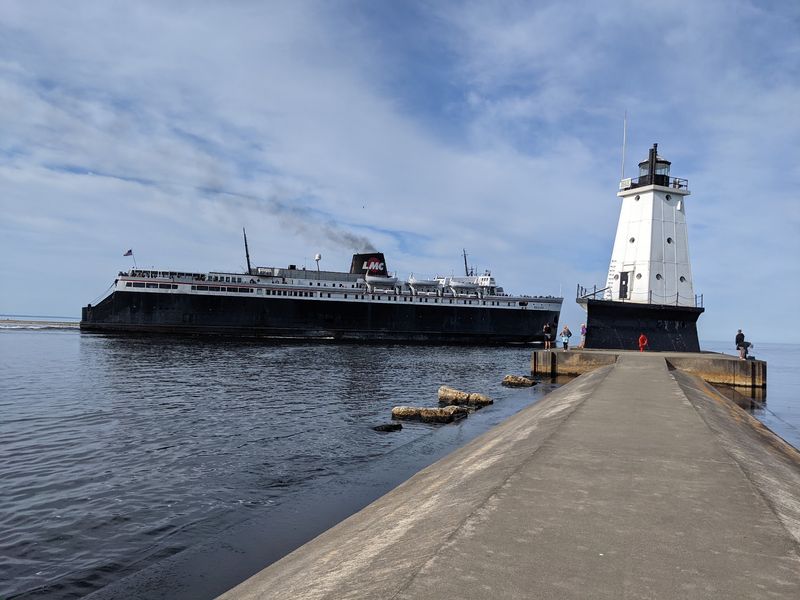
Behind the cheerful beaches sits a tougher story of work, storms, and shipwrecks. Commercial crews once crossed Lake Michigan with essential cargo while relying on weather knowledge, lighthouse signals, and vessels that could still be overwhelmed by sudden gales.
The Michigan Maritime Museum in South Haven provides useful context through boats, exhibits, photographs, and stories tied to regional waterways. Confirm current opening hours and tour schedules directly with the museum, especially outside summer, when programs may be limited.
Read the personal accounts instead of rushing toward the largest artifact. Names, jobs, routes, and rescue efforts turn maritime history into human experience.
Afterward, walk to the waterfront and study the harbor entrance. Ordinary pilings, lights, and breakwaters become far more interesting once you understand their purpose.
Walk Chicago’s Public Lakefront
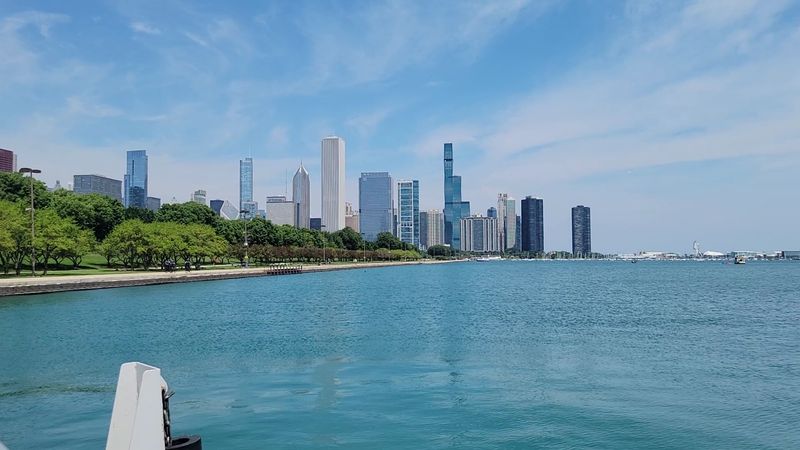
Chicago places skyscrapers beside freshwater with remarkable confidence. Along Lake Michigan, beaches, paths, lawns, museums, harbors, and skyline views create an urban shoreline that feels open even when downtown traffic is grumbling only a few blocks away.
Start near Museum Campus for broad city views, then follow the Lakefront Trail for as long as your schedule allows. Stay aware of lane markings because cyclists, runners, and walkers share busy sections.
Weekday mornings are generally calmer than sunny weekend afternoons.
Navy Pier began as Municipal Pier No. 2 in 1916 and later served several purposes, including naval training. Today it is a major visitor destination.
For architectural context, choose a reputable river tour that explains how Chicago’s buildings, waterways, and lakefront developed together.
Read The Shore’s Glacial Past
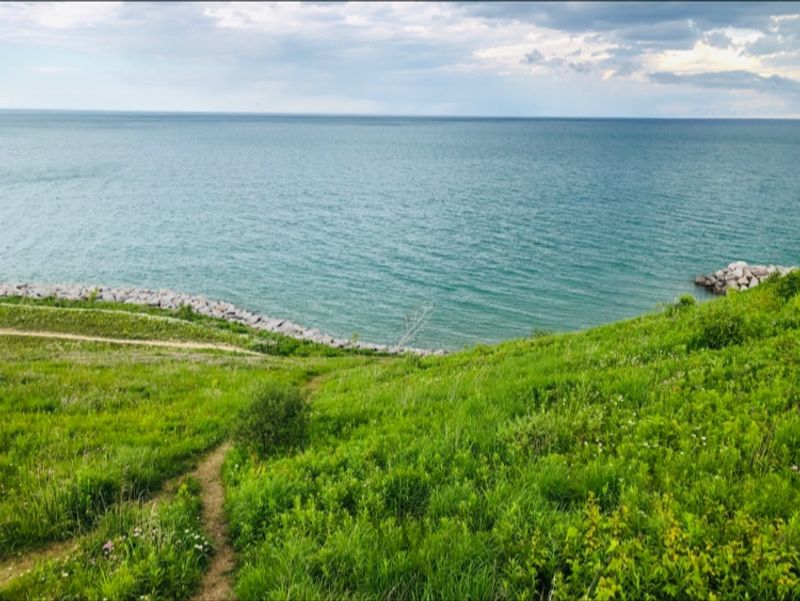
A rounded stone underfoot may be carrying a much older story than the nearby town. Massive ice sheets shaped the Lake Michigan basin, deepening earlier valleys as glaciers advanced and retreated roughly 20,000 to 11,000 years ago.
Glacial Lake Chicago, an ancestor of modern Lake Michigan, stood at different and sometimes higher levels. Old beach ridges, bluffs, and deposits remain visible around parts of the region, although they are easy to miss without guidance.
Park exhibits can help decode the landscape.
Choose a geology walk or visitor-center display before exploring a trail. Never climb unstable bluffs or remove material where collecting is forbidden.
Once you recognize layered slopes and former shorelines, the scenery stops being mere background and starts resembling a slow, enormous history book.
Return In A Different Season
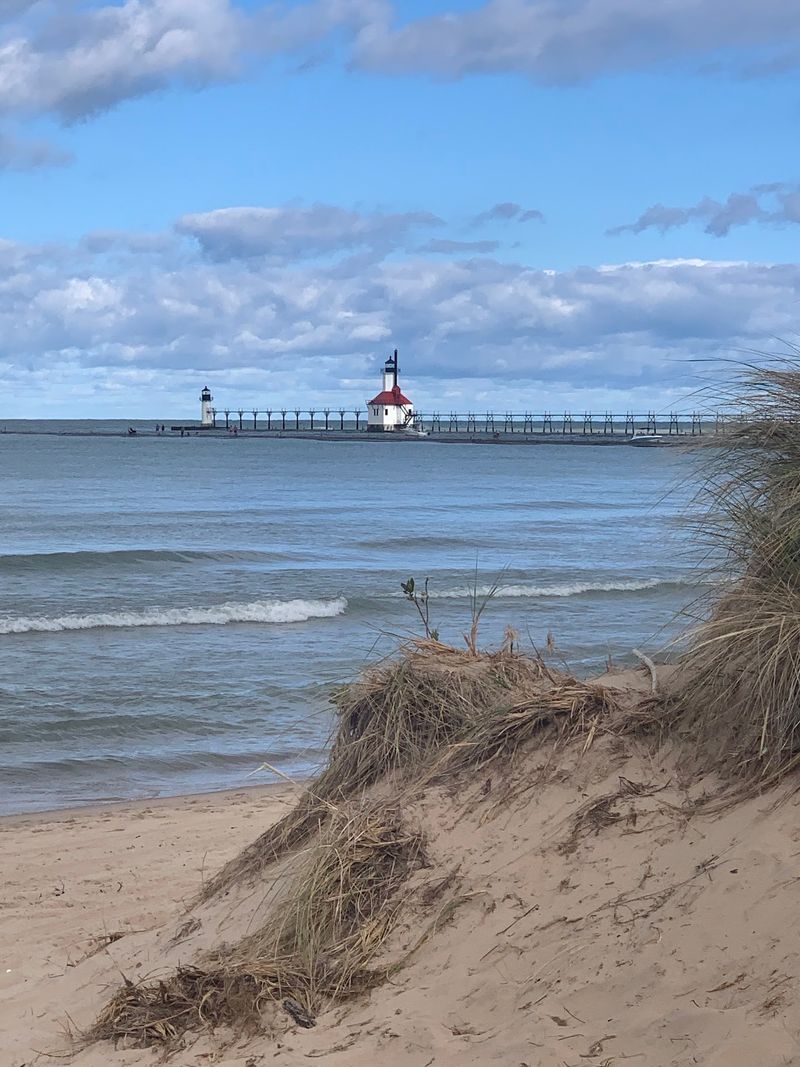
October paints northern shores in copper and red while the lake keeps its deep, cool blue. Summer may attract the largest beach crowds, but autumn offers scenic drives, brisk trails, migrating birds, and a quieter rhythm around many harbor communities.
Winter changes the shoreline again. Wind pushes waves against piers and ice forms striking shelves and ridges, but frozen edges can be hollow, slippery, and unstable.
Admire ice from solid ground, obey barriers, and never walk onto shelf ice.
Spring is moodier, with chilly water and rapidly changing weather, yet wildflowers and reopening trails reward patience. Pack layers in every season and verify park facilities before arriving.
Returning at another time of year reveals a different lake, not merely a colder or warmer version.
Taste The Fruit Belt
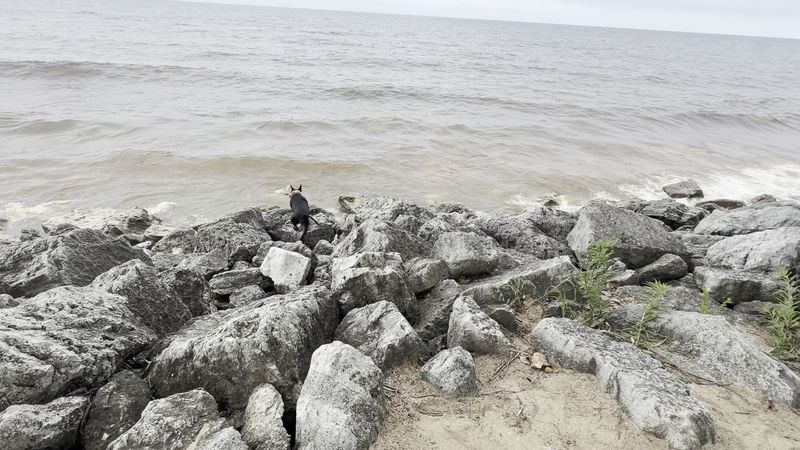
Roadside fruit stands provide a colorful reason to leave the fastest highway. Lake Michigan moderates temperatures along parts of its eastern shore, helping support orchards and farms known for cherries, apples, peaches, blueberries, and other seasonal crops.
Check harvest calendars because fresh produce follows weather, not vacation plans. Traverse City is especially associated with cherries, while farm markets and u-pick operations appear throughout western Michigan.
Call ahead before visiting a farm, since picking hours and available varieties can change quickly.
Bring a cooler, reusable bags, and shoes that tolerate dusty orchard lanes. Buy only what you can store safely, then ask growers how to handle delicate fruit.
Eating a ripe peach beside the water creates a direct, delicious link between the lake’s climate and the surrounding land.
Leave Space For Quiet Beaches
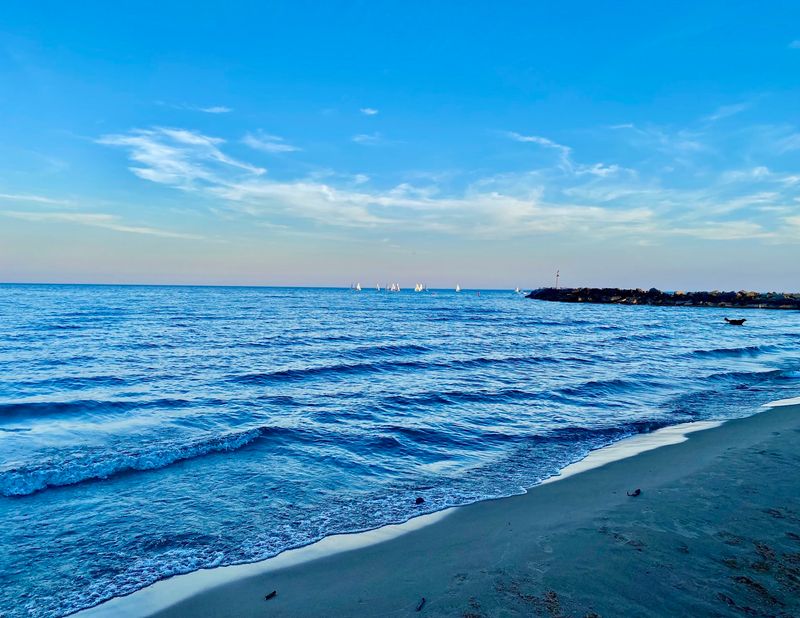
One busy beach never represents the entire Lake Michigan coast. Popular access points fill quickly during warm weekends, yet state parks, national lakeshores, county parks, and smaller community beaches offer different scenery, facilities, rules, and crowd levels.
Research two backup stops before setting out, then arrive early if parking is limited. Check whether a beach allows swimming, charges an entrance fee, provides restrooms, or closes at sunset.
Public access does not mean neighboring private property is open for shortcuts.
Carry out every scrap, leave dune plants alone, and avoid taking rocks where regulations prohibit collecting. Quiet shoreline time depends on visitors treating the place gently.
My favorite moments often begin after the picnic coolers depart, when waves soften, long shadows appear, and the beach finally seems to exhale.