
The Riverside Washington Town Where Rent Remains Under $700 And Life Still Feels Good
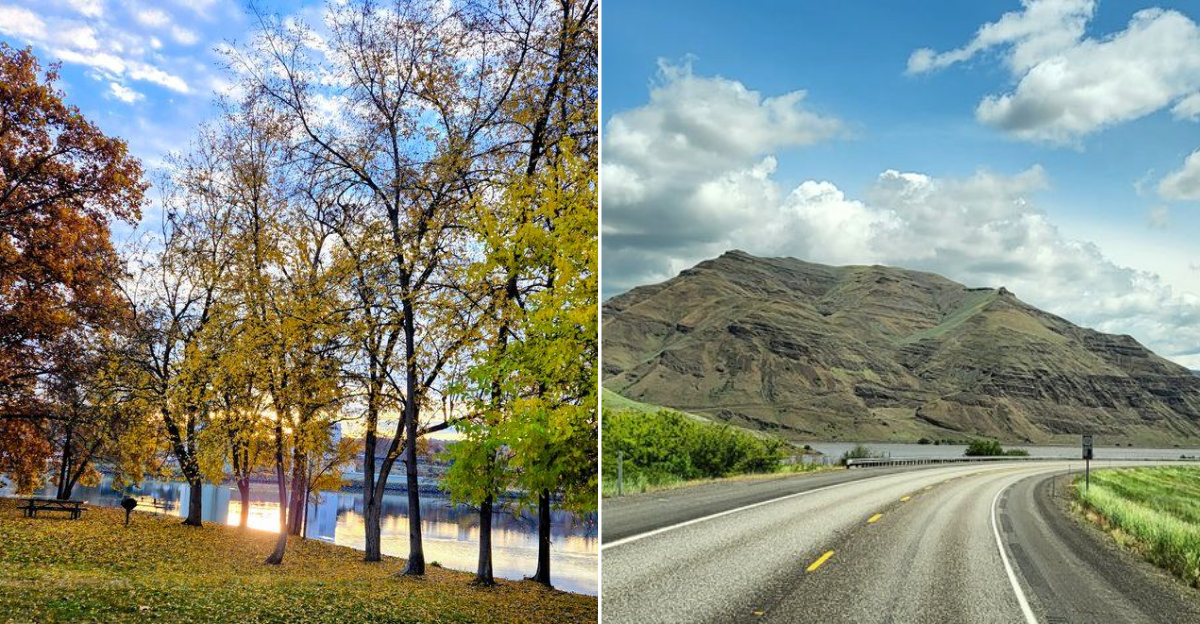
I pulled into Clarkston on a warm October afternoon with the windows down, and the first thing I noticed was the smell of ripe melons at a roadside stand and the shine of the Snake River running past sandy flats.
The second thing I noticed was a rental sign advertising a one-bedroom for less than what I pay for parking back home.
Clarkston sits in Asotin County, in the far southeast corner of Washington, right where the Snake and Clearwater Rivers shake hands, and it has managed something rare: a slow, friendly pace that has not been priced out of reach.
About 20 percent of apartments here still rent for under $700 a month, and the town wraps that affordability in bluffs, orchards, jet boats, and a canyon deeper than the Grand Canyon.
Stick with me and I will walk you through the river, the trails, the history, the food, the weather quirks, and the practical stuff you need before you visit or pack a moving truck.
A Riverfront Address Without The Riverfront Price Tag
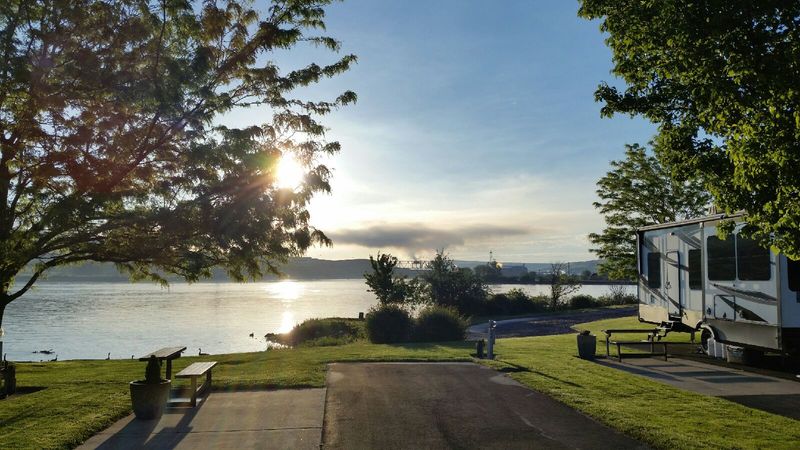
My rental math usually ends in a sigh, but not here. Average rent in Clarkston sits around $1,116 a month, roughly a third below the national average, and the median monthly rent was recently reported near $779.
What surprised me most is that about one in five apartments in town still lists for under $700. That is not a typo, and it is not a rundown corner of nowhere either. Many of those units sit within walking distance of the Snake River.
Housing costs overall run about 14 percent below the national average, and median home values hover somewhere between $193,000 and $219,014 depending on which source you trust. Washington also skips a state income tax, which stretches a paycheck further than most newcomers expect.
I met a retired teacher who bought her place outright and now spends her mornings on the water. She told me her biggest monthly expense is sunscreen, and honestly, after a week here, I believed her.
Where Two Rivers Meet
Settlers arrived in 1862, and the town went through a comical run of names before settling down. Jawbone Flat came first, then Vineland, then Concord, and finally Clarkston in 1900, chosen to honor Captain William Clark.
Here is the fun wrinkle: the Lewis and Clark Expedition passed through the valley in 1805, but neither man actually set foot on the Clarkston side of the river. The town named itself after a visitor who never quite visited.
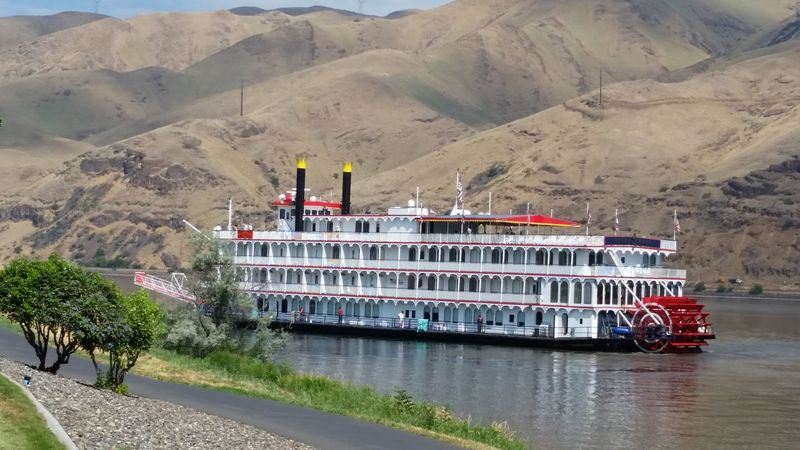
Official incorporation followed on August 14, 1902. I spent an hour at the Lewis and Clark Discovery Center near the confluence, reading panels while barges drifted by.
Nez Perce history runs far deeper than the expedition story, and the Nez Perce National Historical Park offers exhibits and interpretive programs that put the 1805 chapter in proper context. Standing where two rivers merge, with those layers of history underfoot, made the whole valley feel much larger than its population suggests.
Jet Boats, Rafts, And The Deepest Gorge In North America
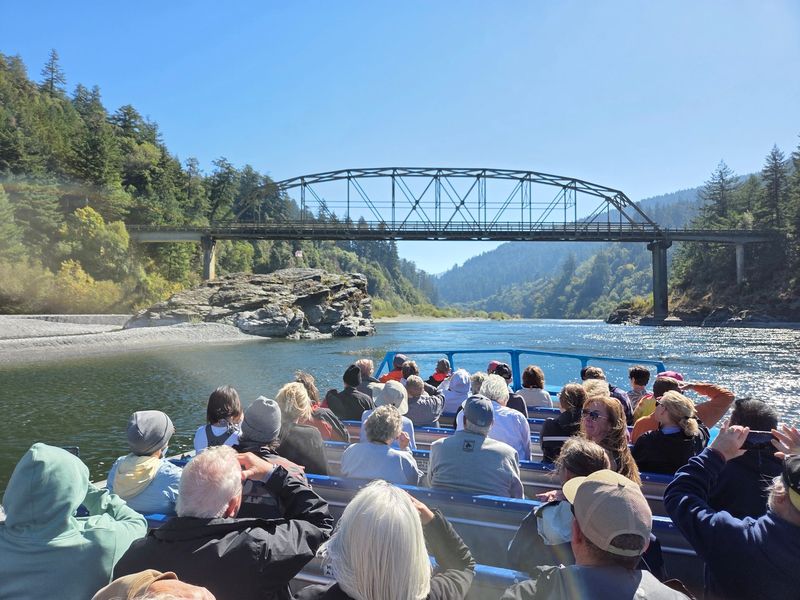
Nothing prepared me for Hells Canyon. It is the deepest river gorge in North America, and the jet boat tours that leave from the Clarkston area shoot upriver into walls of rock that seem to lean over the water.
Spray hits your face, the engine growls, and bighorn sheep watch from ledges like unimpressed spectators. Whitewater rafting trips run through the same stretch for anyone who wants a slower, wetter version of the thrill.
Closer to town, the Snake River is a working playground. Fishing boats, kayaks, paddleboards, and swimmers share the water all season long.
Hells Gate Marina, inside Hells Gate State Park just across the river, keeps over 100 slips and a public boat launch, so getting on the water takes minutes rather than planning.
My advice: book a jet boat trip early in your stay. Once you have seen the canyon from the water, every other view in the valley suddenly makes more sense.
The Greenbelt Trail And Easy Days On Foot
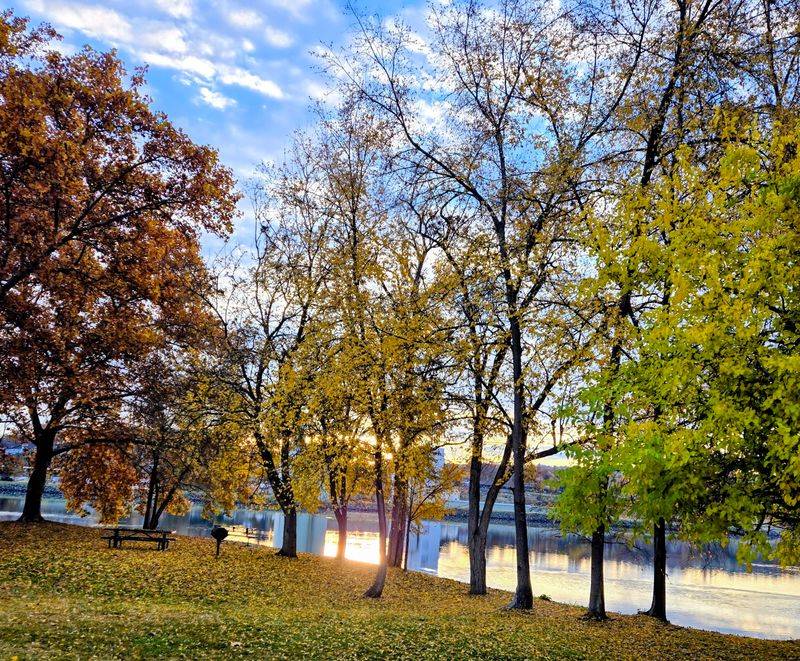
Every morning I laced up and headed for the Greenbelt Trail, a paved path that traces the Snake River and connects much of the valley. Walkers, joggers, cyclists, and stroller-pushing parents all share it without any of the crowding you get on famous trails.
Granite Lake Park makes a natural starting point, with wide river views and direct access to the Greenbelt. I saw herons standing perfectly still near the shoreline and a group of older gentlemen who clearly meet there every single day.
Beachview Park is the biggest green space in Clarkston, packed with picnic tables, playgrounds, a skate park, and a basketball court. Families claim the shaded spots early on weekends.
Bring water, since the sun here is stronger than the mild air suggests. The flat grade means almost anyone can enjoy a few miles, which is exactly why the trail has become the unofficial living room of the whole town.
Sunshine, Orchards, And The Banana Belt Nickname
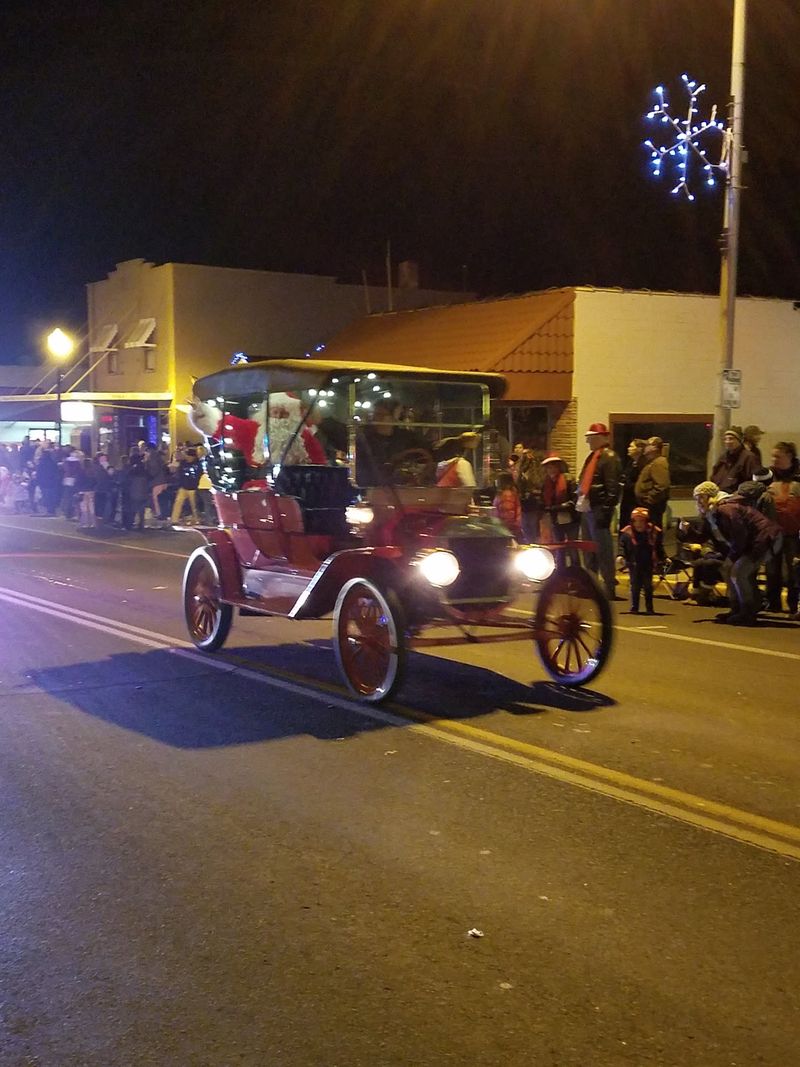
Locals call this area the Banana Belt of the Pacific Northwest, and after a few sunny days in a region famous for drizzle, I understood the pride behind the nickname. The valley sits low and sheltered, which keeps winters mild and summers reliably warm and dry.
Spring turns the orchards into clouds of pink and white blossoms, with gardens and vineyards filling in green across the rolling plateau above town. Harvest season is even better for the eyes and the taste buds.
Red, yellow, and purple grapes come in alongside apples, pears, and melons that seem to show up on every roadside table. I bought a cantaloupe for a couple of dollars and ate half of it in the car.
Because the weather cooperates most of the year, outdoor plans rarely get cancelled. Pack layers for mornings on the water, and expect to shed them by lunch. That predictability is quietly one of Clarkston’s best features.
Small-Town Rhythms On The 6th Street Corridor
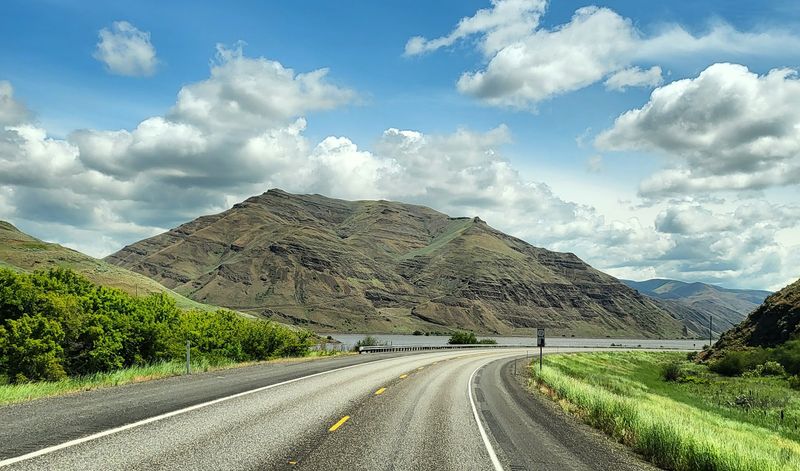
Shopping here is not about outlet malls. The 6th Street corridor holds local shops and galleries where the owner usually rings you up personally and asks where you are from.
I wandered in looking for a postcard and left forty minutes later with a hand-thrown mug and a restaurant recommendation. That is how conversations go in Clarkston.
The Carnegie Library adds a dose of old architecture and a quiet place to sit when the afternoon sun gets insistent. RiverFest and other seasonal celebrations pull the community together with arts, crafts, food, and a heavy dose of river pride.
Come December, Vernon Park glows with a lighted holiday display that draws slow-rolling cars full of kids in pajamas. Crime rates stay low, neighbors actually know one another, and families move here specifically for that stability.
If you have grown tired of anonymity, a few days on these sidewalks will remind you what a functioning small town feels like.
Chief Timothy Park And The Stories Just West Of Town
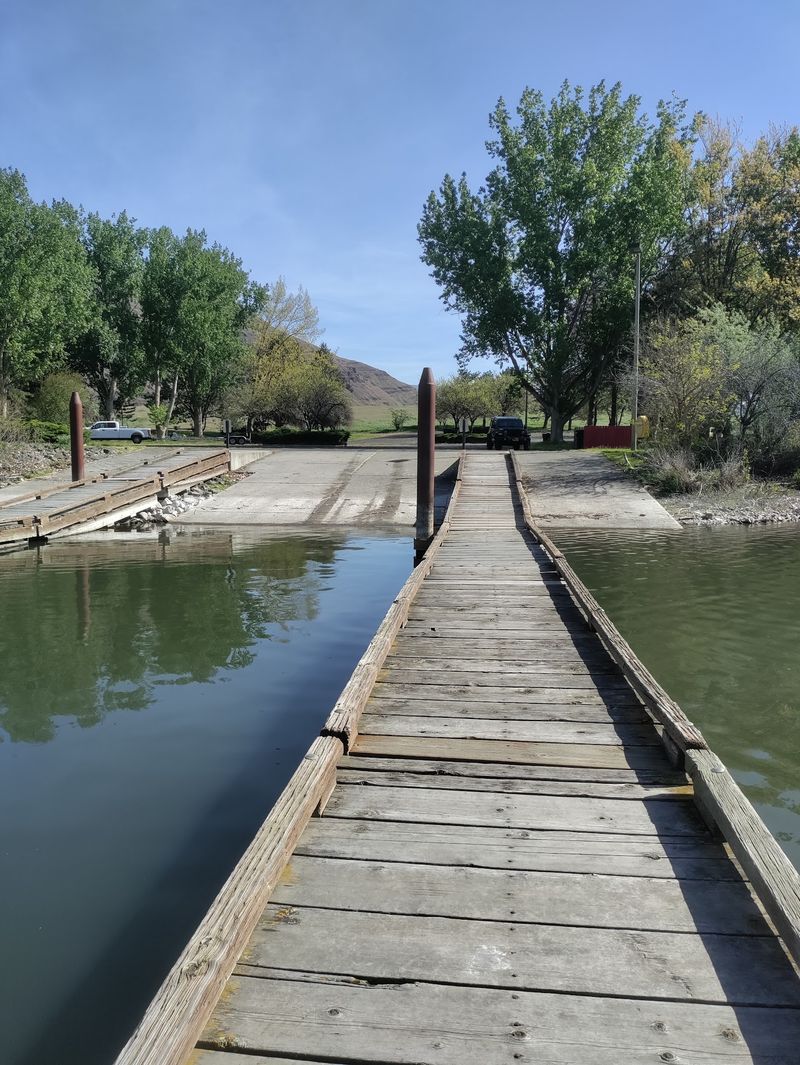
A short drive west along the Snake River brings you to Chief Timothy Park, an island setting with wide lawns, shady picnic spots, and shoreline access that stays surprisingly peaceful.
The Alpowai Interpretive Center sits here and focuses on a Nez Perce settlement that once stood in this area. Reading those exhibits changed how I looked at the water on the drive back.
Swimming areas and boat access make it a favorite summer escape for local families, and the parking situation never made me anxious. Bird watching is excellent, especially in the early hours before boat traffic picks up.
I brought a sandwich, sat under a tree, and watched osprey work the shallows for close to an hour.
Entry is simple, the facilities are clean, and the whole place feels unhurried. For a destination that costs almost nothing to enjoy, Chief Timothy delivers more scenery and substance than plenty of attractions charging real money.
Practical Notes Before You Book Or Move
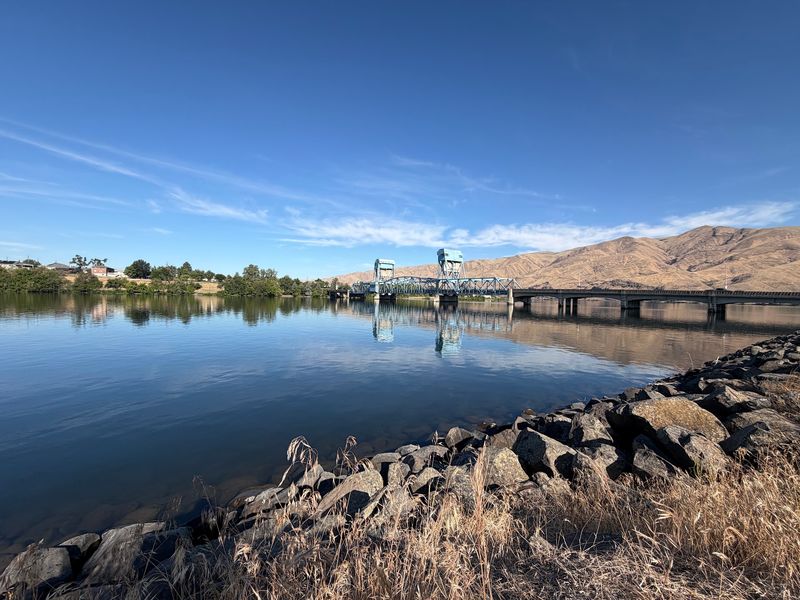
Two states, one valley. Clarkston sits directly across the Snake River from Lewiston, Idaho, and the two towns function as a single metropolitan area, so services, medical care, and shopping stretch across the bridge.
The ZIP code is 99403, and the Palouse region wraps around the plateau above town with wheat fields that roll for miles.
Overall cost of living runs about 5 percent below the national average and roughly 20 percent under the Washington state average, which explains why retirees and remote workers keep showing up.
The Asotin County Family Aquatic Center handles summer swimming, golf courses fill the valley floor, and hunting culture runs strong in the surrounding hills, so expect trucks and camo in the grocery store parking lot.
Visit in late spring or early fall for the friendliest temperatures. Book jet boat tours ahead in summer, bring a hat, and give yourself at least three days. Clarkston rewards people who slow down.