
Riding These Michigan Trains Feels Like Stepping Into A Completely Different Century
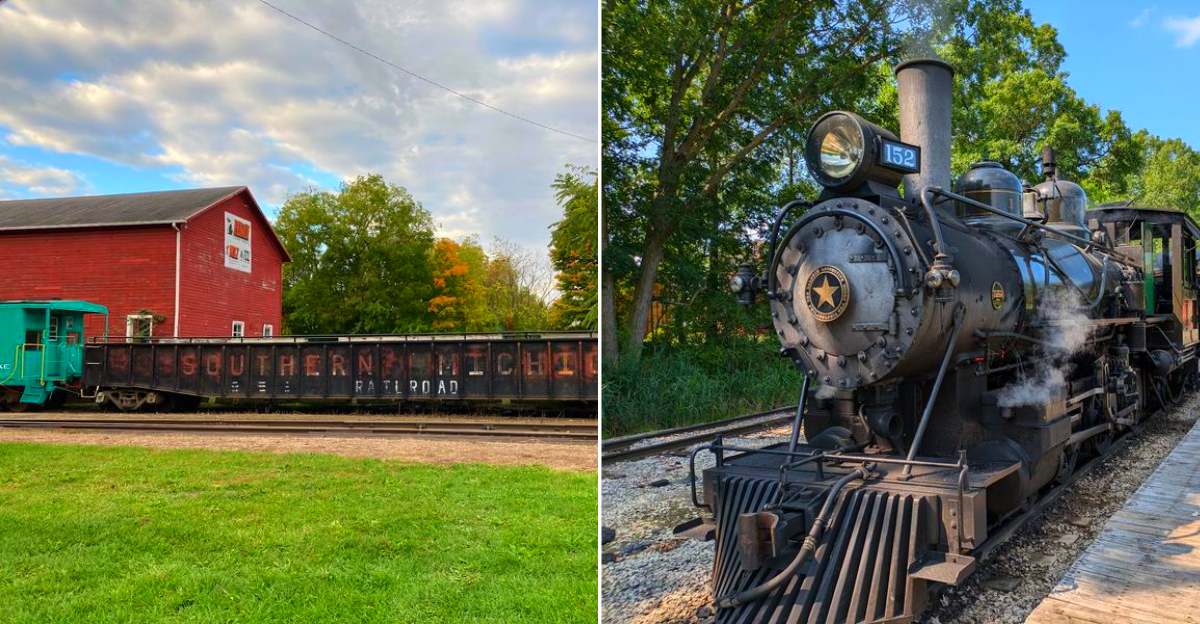
The whistle catches me off guard every time. I have ridden enough trains to know better, but that blast of steam still sends a shiver straight up my arms.
There is something about the rhythm of tracks underneath you that makes the world slow down, whether you are rolling through oak forests or creeping past a river nobody drives to anymore. My kids think trains are boring until they board one.
Then they press their faces against the glass and forget about their tablets. I have watched adults do the exact same thing.
These rides range from quick loops at a zoo to full-day excursions through countryside you cannot see from any highway at all. Some are polished tourist experiences.
Others feel like volunteers keeping history alive by sheer willpower. I respect that stubbornness. These rides prove this state still has routes worth taking slowly.
12. Crossroads Village & Huckleberry Railroad
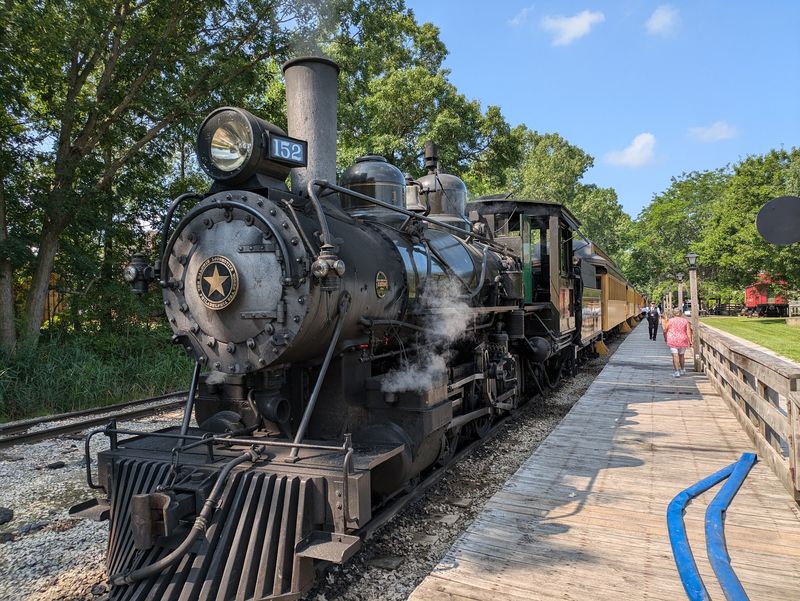
A steam whistle rolls across Crossroads Village before the narrow-gauge Huckleberry Railroad starts moving, and suddenly Genesee County feels much older. The railway opened with the living history village in 1976.
Its playful name recalls stories about slow trains allowing passengers to step off, gather wild huckleberries, and climb aboard again.
Look for the restored Davison Depot, a former Grand Trunk Railway building moved here and returned to its late nineteenth-century appearance. The train passes woods and parts of the village, where costumed interpreters, historic homes, and working shops add context.
Arrive early enough to explore before boarding, especially during busy fall and holiday programs. Seasonal schedules and ticket arrangements change, so confirm both village admission and train availability online.
At 6140 North Bray Road in Flint, the ride offers an easy introduction to Michigan rail history without requiring a long journey.
11. Coopersville & Marne Railway
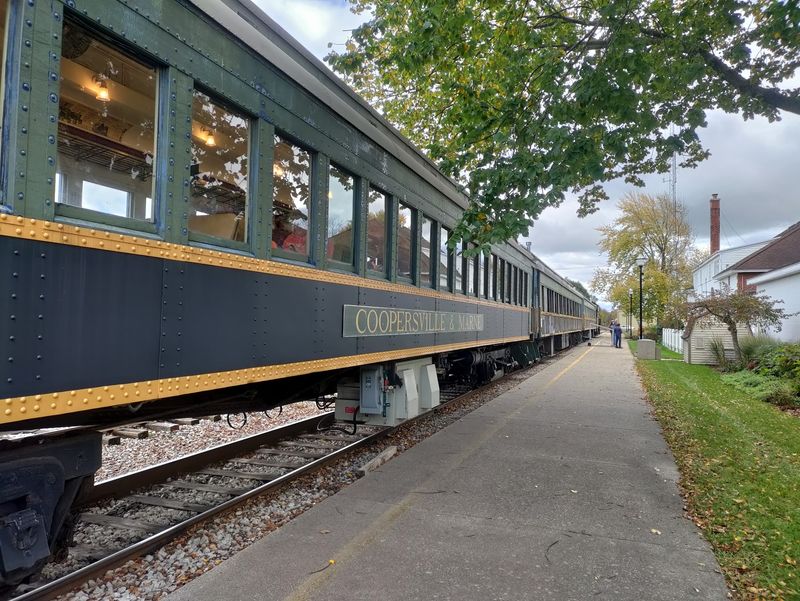
Farm fields slide past the windows while vintage coaches rock gently along rails first laid through this area in 1858. The Coopersville & Marne Railway operates between its namesake communities using historic equipment, often including a diesel locomotive and passenger cars from an earlier age.
Creeks, rural views, and an open deck girder bridge keep the scenery pleasantly varied.
Volunteers preserve the trains and share the line’s long story, which traces back to the Oakland and Ottawa Railroad Company chartered in 1848. Unlike a museum display, the route remains connected to the wider national rail network and also handles freight.
Most excursions last about ninety minutes, though themed events may follow different plans. Reserve ahead for popular seasonal trips, and ask about caboose rental if your group wants a private space.
Boarding takes place at 306 Main Street in Coopersville, where the old-fashioned station atmosphere begins before departure.
10. Little River Railroad
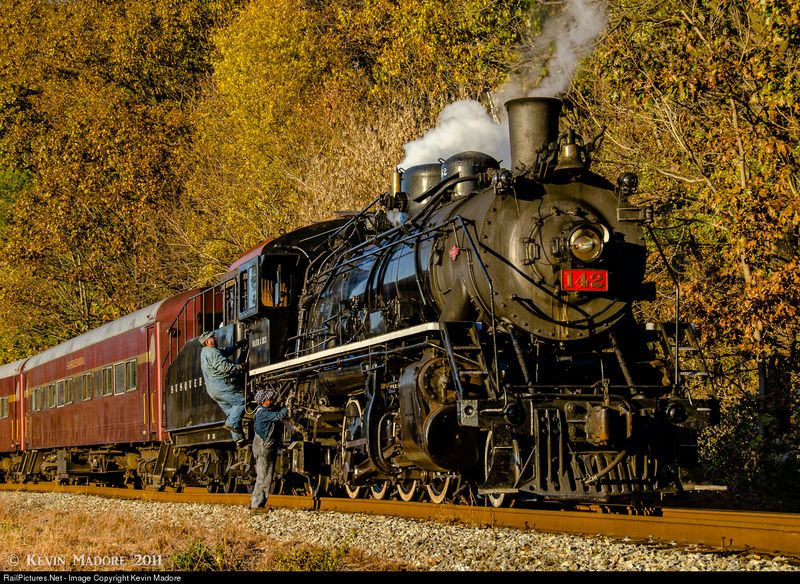
Locomotive number 110 looks compact beside many mainline steam engines, but its story carries unusual weight. Baldwin built the 4-6-2 Pacific in 1911 for Tennessee’s Little River Railroad.
Designed for demanding logging tracks, it is recognized as the smallest standard-gauge Pacific type built in the United States, making every smoky departure feel rather special.
Excursions generally travel from Coldwater toward Quincy, crossing Sauk Creek and passing beneath Interstate 69. During longer trips, a Quincy stop gives passengers time to stretch while the crew prepares the locomotive for its return position.
Steam, soot, and outdoor boarding can affect clothing, so wear practical layers rather than your finest pale shirt. Service is seasonal, and locomotives or routes may change because historic machinery requires careful maintenance.
Check current dates, ticket rules, and trip length before visiting 29 West Park Avenue. The mechanical sights alone reward anyone curious about how steam railways actually work.
9. Southern Michigan Railroad
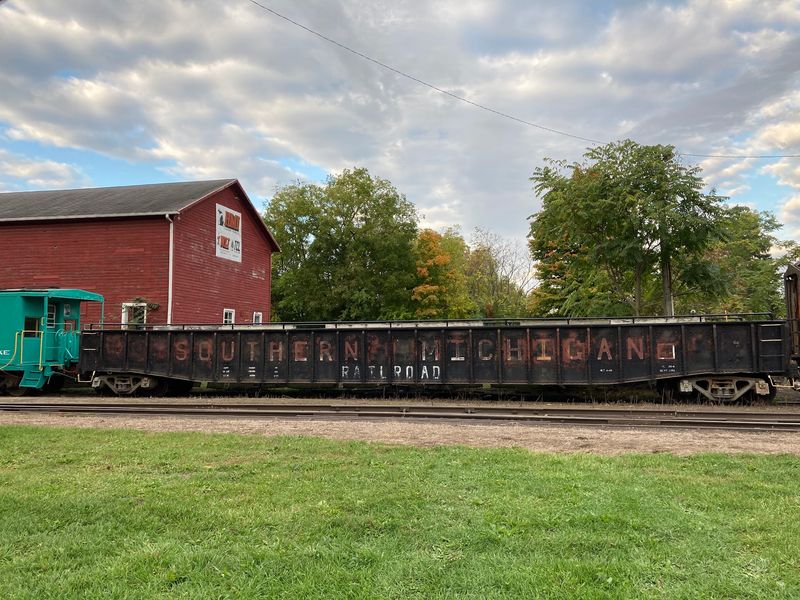
Teenagers helped save the railway behind this Clinton attraction, a detail that gives the tracks an unexpectedly hopeful history. High school students formed the Southern Michigan Railroad Society in 1982 when the Clinton Branch faced abandonment.
Their effort protected part of a route connected to the Palmyra and Jacksonburgh Railroad, chartered in 1836.
Today, vintage equipment carries passengers over a roughly five-mile section toward Tecumseh, depending on the scheduled excursion.
The former Clinton Engines building serves as headquarters, museum space, and an active restoration shop, so the experience reaches beyond looking through a coach window.
Listen for volunteers explaining current projects because preserved railways are always works in progress. Before driving to 301 Bartlett Street, verify departure times, accessibility details, and whether your chosen event includes museum access.
Holiday and themed runs can fill quickly. The modest pace suits the route, leaving enough time to notice bridges, trees, and industrial traces beside the line.
8. Steam Railroading Institute
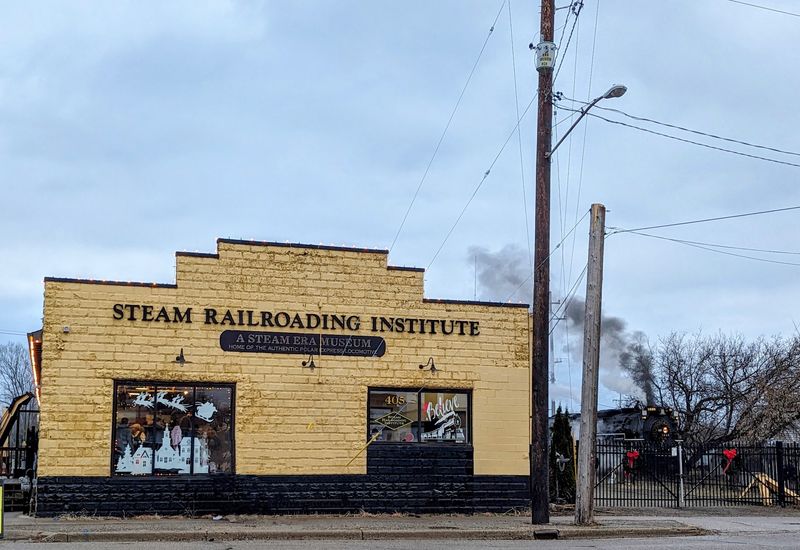
Few machines command a platform like Pere Marquette 1225, whose wheels and boiler seem enormous at close range. The locomotive was built in 1941, later displayed at Michigan State University, and restored through decades of determined work.
Its preservation effort began with students in 1969 and grew into the organization now called the Steam Railroading Institute.
The Owosso site occupies former Ann Arbor Railroad shop grounds, giving visitors a fitting setting for exhibits, restoration work, and scheduled excursions. Offerings vary widely, from museum visits and shorter activities to fall trips and the popular North Pole Express.
Do not assume 1225 operates every day, since steam locomotives need inspections, maintenance, and substantial preparation. Review the calendar before reaching 405 South Washington Street, book major events early, and wear closed-toe shoes around the industrial setting.
Even when no excursion departs, the preserved equipment and knowledgeable volunteers make steam technology easier to understand.
7. Michigan Transit Museum Train Rides
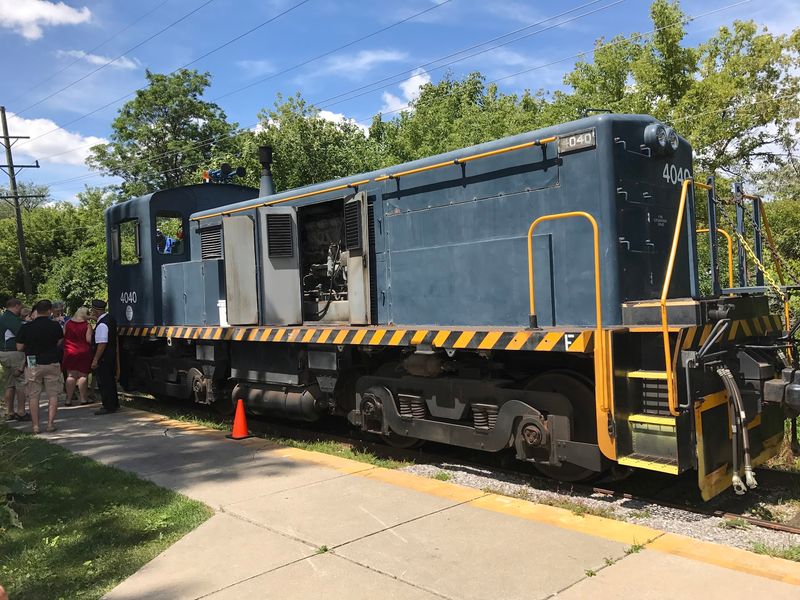
A rare military locomotive provides the muscle for this short Clinton Township journey. The museum’s Baldwin-Lima-Hamilton RS4TC diesel switcher once served the United States Air Force, and examples of the model were built for military use.
Its compact shape and practical design offer a different railway story from the polished steam giants found elsewhere.
Rides depart from Joy Park at 23701 Henry B. Joy Boulevard, not from the organization’s separate depot museum in Mount Clemens.
The route runs roughly one mile toward Selfridge Air National Guard Base before returning, making it approachable for younger passengers and visitors with limited time. Founded in 1974, the volunteer nonprofit preserves Michigan railroad and streetcar history through equipment, artifacts, and operations.
Holiday Express programs may add storytelling, songs, hot chocolate, or Santa, depending on the announced event. Confirm the departure location, weather policy, accessibility, and ticket schedule beforehand, since public rides occur on selected dates rather than daily.
6. Weiser Railroad At Greenfield Village
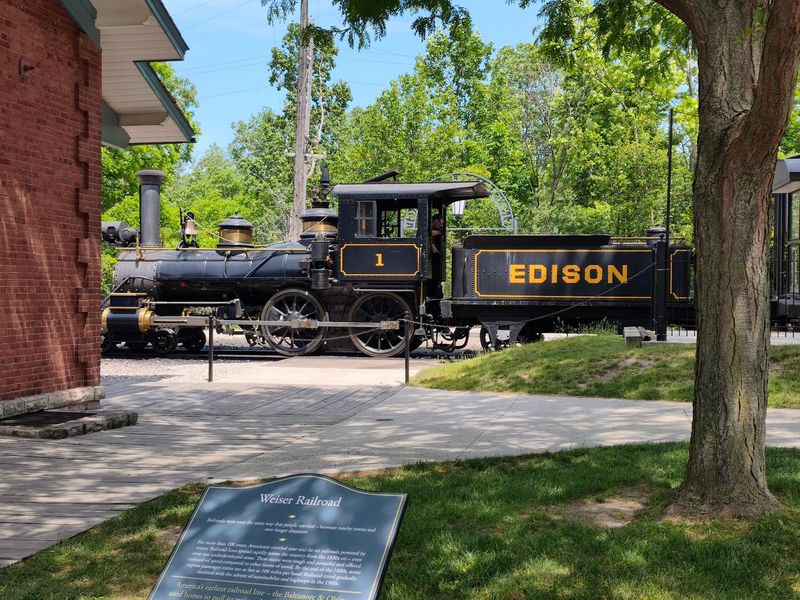
Open-sided cars turn Greenfield Village into a moving panorama of workshops, farms, historic homes, and costumed activity. The Weiser Railroad follows a two-mile standard-gauge loop around the museum, functioning as transportation as well as an attraction.
Stations allow riders to use the train while exploring different parts of Henry Ford’s remarkable historical collection.
Steam power gives the circuit its strongest connection to another century. The railroad’s notable locomotives include Torch Lake number 3, built by Mason Machine Works in 1873 for Michigan’s Calumet and Hecla Mining Company.
Operating equipment can vary, so ask which locomotive is running rather than expecting one particular engine. Greenfield Village admission is required, and rides may involve an additional ticket or pass.
Check daily operating information before visiting 20900 Oakwood Boulevard in Dearborn. For clearer photographs, ride early when crowds are lighter, then compare the railway with the village’s Model T cars and horse-drawn transportation.
5. Cornwell’s Turkeyville And Mid-Michigan Railroad Club
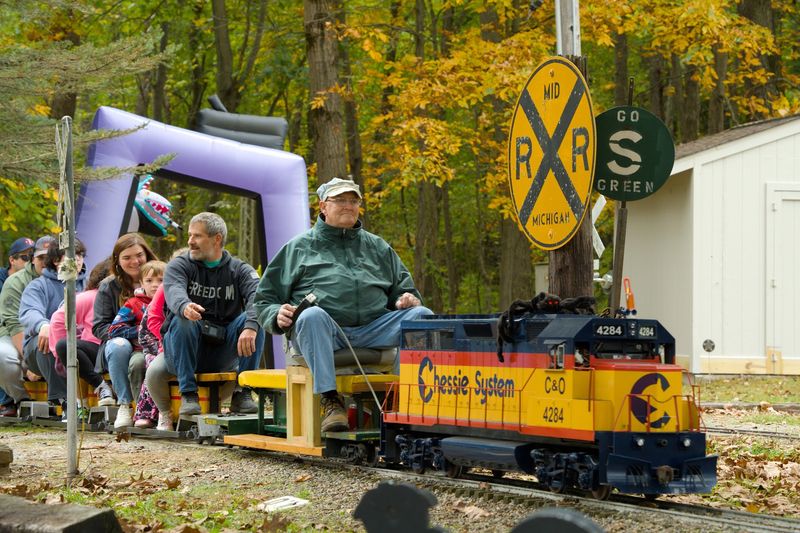
Turkey dinners and miniature locomotives make an odd pairing until a tiny train rounds the landscaped track at Cornwell’s Turkeyville. The family destination began as a small eatery in 1968 and expanded to include a restaurant, shops, theater, and seasonal activities.
Railway days add another reason to wander outside after lunch.
The Mid-Michigan Railroad Club, organized in 1985, operates a 7.5-inch-gauge line with one-eighth-scale steam, diesel, and electric locomotives. Members have built and maintained intricate equipment, track, bridges, trestles, and a tunnel, creating a ride that feels far more involved than a simple fairground circle.
Operations occur on announced club or festival dates, not whenever the restaurant is open. Check both Turkeyville’s event calendar and the club schedule before traveling to 18935 15 1/2 Mile Road near Marshall.
Riders should follow loading instructions carefully and avoid loose items, since the low cars place passengers surprisingly close to the rails.
4. Binder Park Zoo Z.O.&O. Railroad
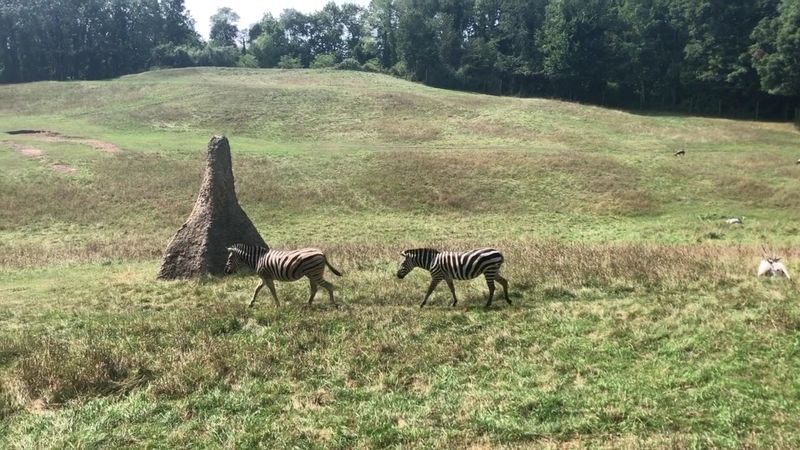
After several hours of zoo walking, the sight of an open train car can look more inviting than any bench. Binder Park Zoo’s Z.O.&O.
Railroad uses a 1963 C.P. Huntington-style train for a scenic loop through wooded grounds. The ride reveals a quieter side of the 433-acre property while giving tired feet a welcome pause.
Do not confuse it with the Wilderness Tram, which transports guests to the Wild Africa area. The railroad is a separate attraction and follows its own nature-focused route, with occasional views connected to the zoo landscape.
Because open cars expose riders to sun, wind, and light rain, bring suitable layers and secure hats before departure. Train operation may depend on season, staffing, maintenance, and weather, while tickets can involve an extra fee beyond zoo admission.
Consult the daily schedule after arriving at 7400 Division Drive in Battle Creek. A morning ride often provides cooler temperatures and a peaceful start.
3. Saginaw Children’s Zoo Train
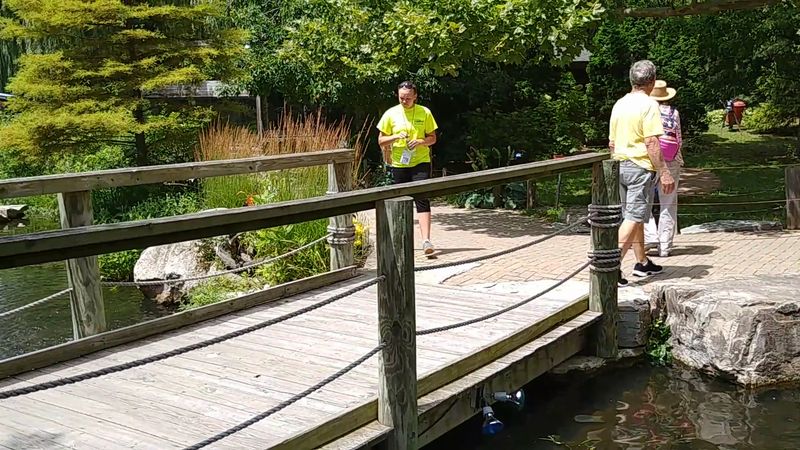
A cheerful whistle has been part of summers at the Saginaw Children’s Zoo for more than half a century. Introduced in 1967, the Iberschoff Special is an Allan Herschell Company S-24 miniature train styled after nineteenth-century locomotives.
Its bright, covered cars make the circular ride feel like a small parade moving through the zoo.
The train honors Dr. Carl H. Iberschoff, whose bequest supported the attraction, and it remains a favorite link between local childhood memories and present-day visits.
Updated accessible cars have helped more guests take part. From the track, riders receive changing views of landscaped grounds and nearby exhibits without covering another stretch on foot.
Operations can be seasonal or affected by weather, so check zoo hours and the day’s ride schedule at 1730 South Washington Avenue. Keep tickets handy, wait behind marked loading areas, and let children choose a window-side view.
The full circuit is brief but pleasantly unhurried.
2. Great Lakes Live Steamers Southgate Track
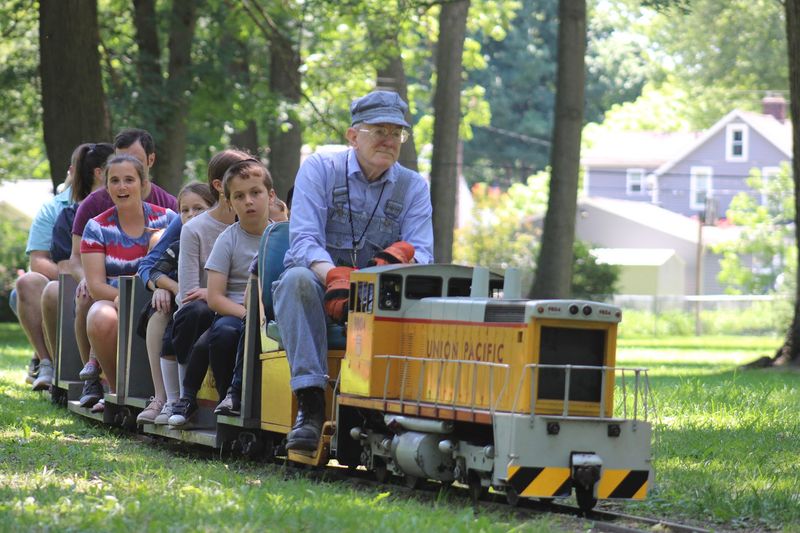
Adults sit only inches above the rails here, which makes these carefully engineered trains seem faster and livelier than their size suggests. Great Lakes Live Steamers operates a miniature railway at Kiwanis Park in Southgate, where volunteers maintain the locomotives, rolling stock, signals, and track.
Steam, electric, and other scale equipment may appear during public sessions.
Regular rides are generally offered on selected weekends from spring through fall, with special themed events sometimes added. Public rides have traditionally been free, although donations help cover fuel, maintenance, and improvements.
Always check the club’s current calendar because weather, mechanical needs, and volunteer availability can change operations. The track is located near 13901 Leroy Street, and popular sessions may draw lines, so arriving near opening time helps.
Closed-toe shoes are sensible, while loose bags should stay secure during loading. Curious visitors can also watch the operators closely and learn how real railway practices are reproduced in miniature.
1. Buckley Old Engine Show And Spirit Of Traverse City
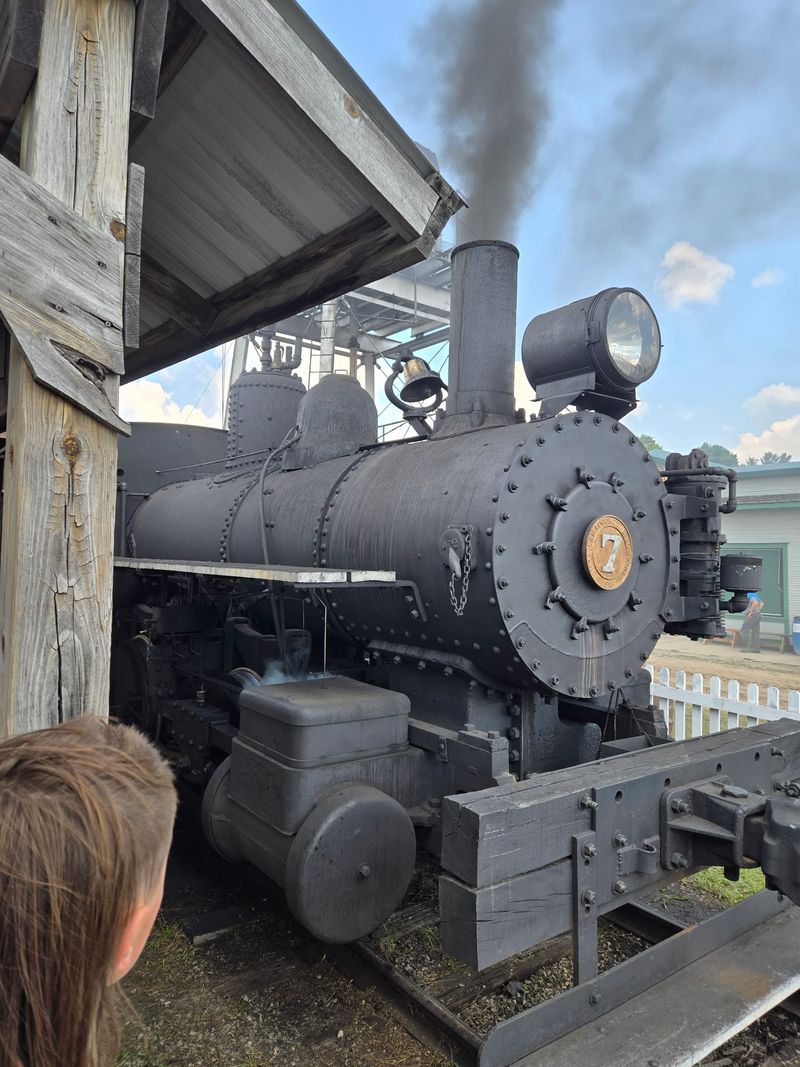
For several August days, Buckley fills with whistles, belts, engines, and the earthy smell of working antique machinery. The Northwest Michigan Engine and Thresher Club presents its Old Engine Show as a hands-on celebration of mechanical history.
Tractors, demonstrations, exhibits, and rail rides create an atmosphere that is busy, noisy, and wonderfully specific.
One star is the Spirit of Traverse City, a quarter-scale steam train built in 1948 that once carried visitors at Traverse City’s Clinch Park Zoo. Club volunteers restored the locomotive and developed more than 2,000 feet of track, including a trestle, for its Buckley home.
The grounds have also featured a full-size 1918 steam train, although operating plans should be confirmed for each show. Study the event map after reaching 6090 West 2 1/2 Road because the site is extensive.
Bring hearing protection for sensitive children, sturdy shoes, water, and enough time to watch machinery between rides.