
10 Areas In Washington Where Rattlesnakes Have Been Spotted
Rattlesnakes are not usually the first thing that comes to mind when people picture Washington, which is exactly why spotting one can be such a surprise.
Most encounters happen in the drier parts of the state, where rocky slopes, open shrubland, and warm trails create the kind of habitat these snakes prefer. That does not mean every hike turns into a wildlife documentary, but knowing where rattlesnakes have been documented can make outdoor plans a little smarter.
I have always found it slightly unsettling how well a rattlesnake can disappear into the landscape until you know what to look for. One minute you are admiring the trail, and the next you are suddenly paying much closer attention to every rock.
These Washington areas have confirmed rattlesnake activity, making them worth knowing about before your next warm-weather adventure.
1. Scotch Creek Wildlife Area, Okanogan County
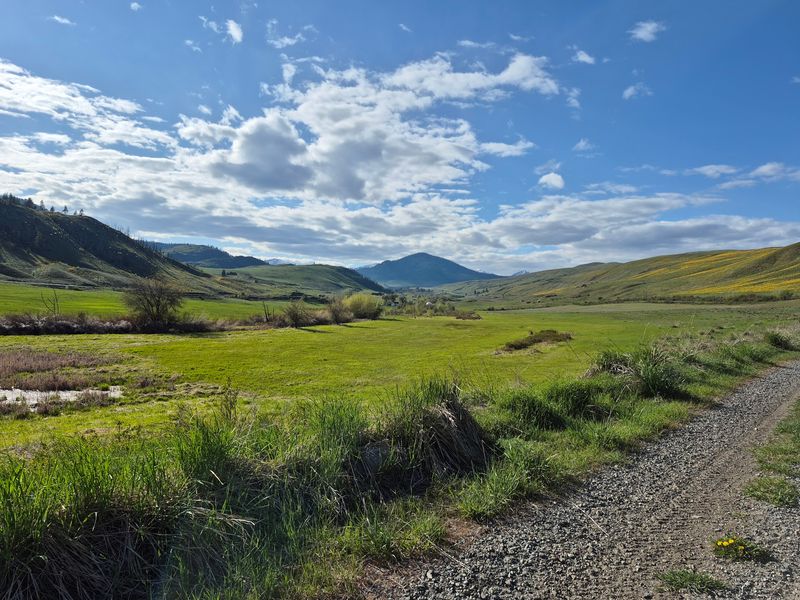
Picture nearly 20,000 acres of rolling sagebrush stitched together with springs, small lakes, and pockets of pine, and you’ve got Scotch Creek Wildlife Area in North Central Washington.
Roughly 10 miles northwest of Omak, this six-unit property is a lifeline for the Columbian sharp-tailed grouse, with over 100,000 shrubs planted to feed winter wildlife. Black bears, bobcats, mule deer, and soaring eagles all call it home.
Hikers, bikers, and horseback riders love the scenic trails, while anglers cast lines during summer. It’s a busy fall spot for deer hunting too.
The Washington Department of Fish and Wildlife warns that western rattlesnakes settle into these brushy, rocky shrub-steppe pockets, especially on south-facing slopes near basalt formations. They den up in warm, rocky crevices.
Keep to marked paths, glance before you plant a hand on a sunny rock, and you’ll wander this wild patch with confidence and a little healthy respect for its rattling residents.
2. Swanson Lakes Wildlife Area, Lincoln County
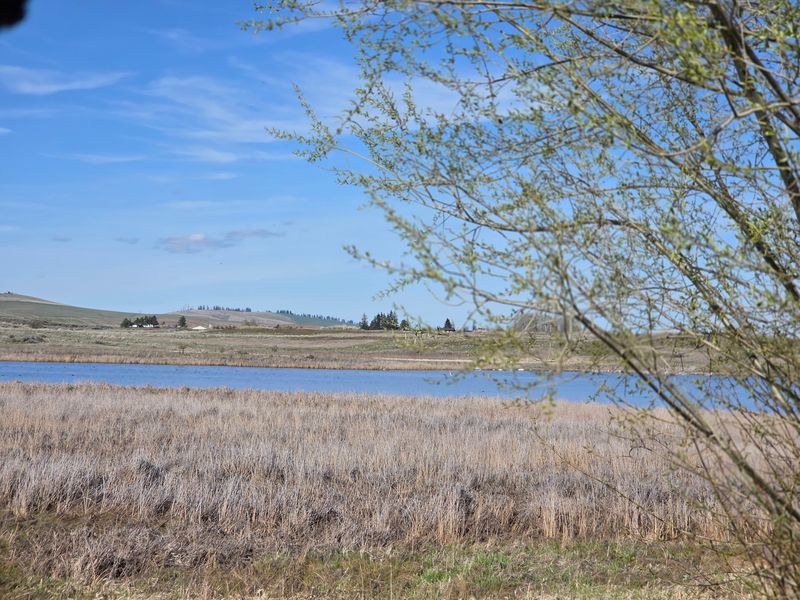
Eastern Washington has a way of making the landscape feel bigger and wilder than expected. Swanson Lakes Wildlife Area leans fully into that mood.
Out in eastern Washington’s Lincoln County, Swanson Lakes Wildlife Area rolls across huge stretches of shrubsteppe and grassland that western rattlesnakes find downright cozy.
Swanson Lakes Wildlife Area rolls across huge stretches of shrubsteppe and grassland that western rattlesnakes find downright cozy.
The WDFW openly tells visitors that rattlers live here, so staying alert during warm weather is just smart planning. The whole point of this property is protecting and boosting shrub-steppe habitat, which gives the area its rugged, untamed feel.
Folks who love quiet, wide-open country come for wildlife watching, photography, and seasonal hunting. The lakes themselves hint at good birding, though the dry sagebrush country really steals the show.
Because these snakes blend so perfectly into dusty grass and sage, a careful eye makes all the difference. Watch your footing near rocks and thick brush where they like to hide.
Spend a morning here and you’ll feel how wonderfully wild this corner of the state remains, rattling neighbors and all, ready to reward anyone who slows down and pays attention.
3. Revere Wildlife Area, Whitman County
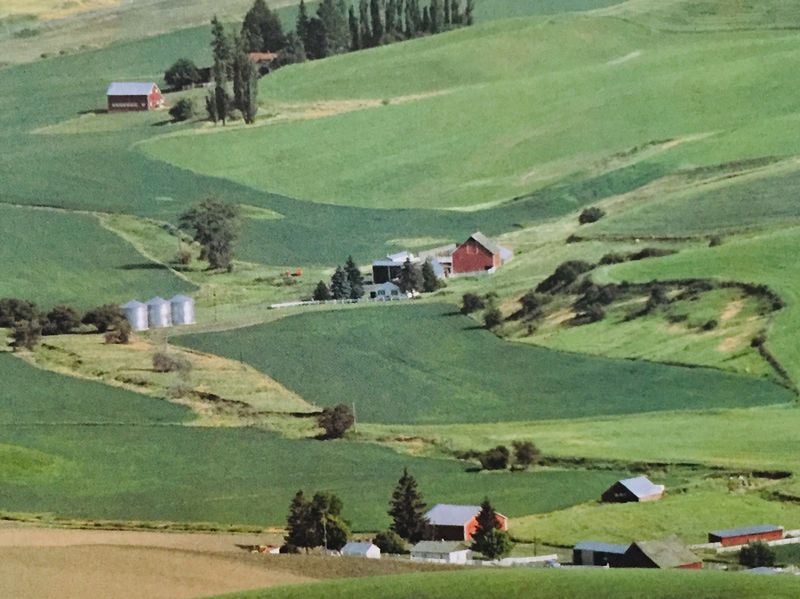
Just southeast of the little town of Lamont in Whitman County, you’ll find Revere Wildlife Area, a shrubsteppe stretch that carries a spring-through-fall rattlesnake advisory.
That warning matters, because low shrubs and sun-warmed grasses give western rattlesnakes exactly the basking and hiding spots they crave. Revere is one piece of the bigger network of shrubsteppe lands WDFW works hard to protect.
Most visitors come for wildlife viewing, birdwatching, and, in some seasons, hunting, all wrapped in a landscape that feels refreshingly wild and open.
The good news about flat, arid country is that sightlines tend to stay clear, so you can often spot movement ahead. Still, sticking to established trails during snake season keeps things smooth.
There’s a raw beauty here that shows off Washington’s natural heritage in full. Explore it with your eyes on the ground now and then, and Revere will hand you a peaceful, genuinely wild outing worth remembering.
4. Big Bend Wildlife Area, Douglas County
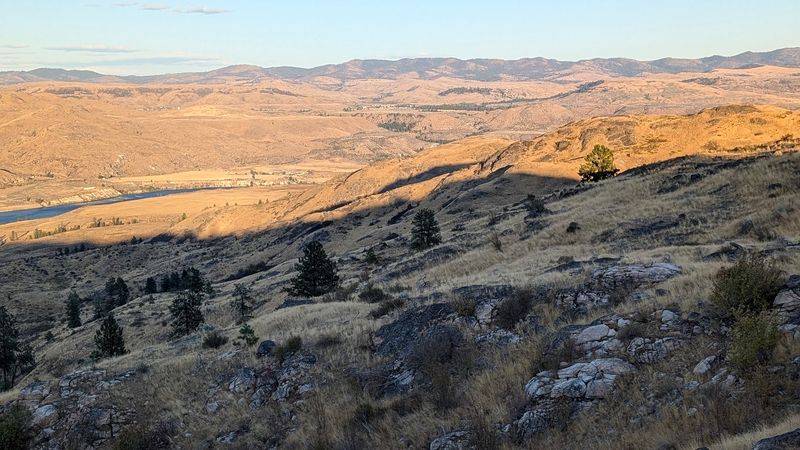
Wide-open country can look peaceful until you remember who might be sunning themselves nearby. Big Bend Wildlife Area gives that calm eastern Washington scenery a slightly wilder edge.
Tucked into Douglas County, Big Bend Wildlife Area sits squarely in the western rattlesnake’s favorite kind of country: dry, open shrubsteppe with plenty of sunshine.
The WDFW notes that snakes may turn up here during spring and summer. The name likely points to a big curve in a nearby river, and that kind of feature often creates varied little habitats, though wide arid vistas dominate the scene.
Expect the classic eastern Washington look of sweeping skies and hardy sagebrush. These lands are managed for conservation and generally welcome hiking and quiet wildlife observation.
Since the rattlesnake warning kicks in during the warmer months, springtime and summer wanderers should keep an extra eye on the ground. Rocky outcroppings and dense brush are prime lounging spots for a warm-seeking rattler.
Embracing Big Bend means appreciating every creature that lives here, including the ones that ask for a watchful gaze and a respectful bit of space.
5. West Foster Creek Wildlife Area, Douglas County
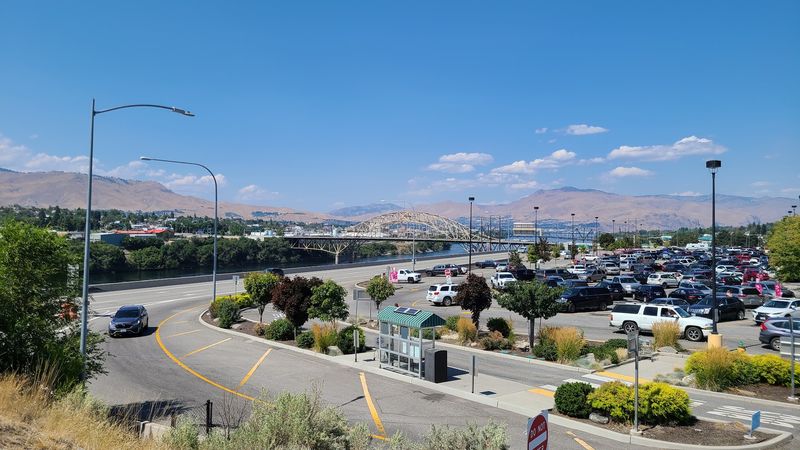
Another dry pocket of Douglas County, West Foster Creek Wildlife Area, comes with an official WDFW rattlesnake warning for spring and summer.
Everything about this place, from its parched soil to its open terrain, screams prime rattlesnake real estate. Eastern Washington wildlife areas like this one often surprise visitors with unusual rock formations, enormous skies, and a tough ecosystem built for very little rain.
WDFW manages the land for a mix of species, frequently including game birds and deer alongside other native animals. If you’re the type who loves peaceful solitude and the quiet hum of the shrubsteppe, this spot delivers an honest taste of Washington’s drier half.
During the warmer stretches, following the advisory simply means staying aware, especially on lesser-used paths or near rocks where snakes bask and shelter.
A trip here connects you to a distinctive landscape and its scaly locals, who politely request a bit of distance and reward you with a truly wild experience.
6. Bridgeport Wildlife Area, Douglas County
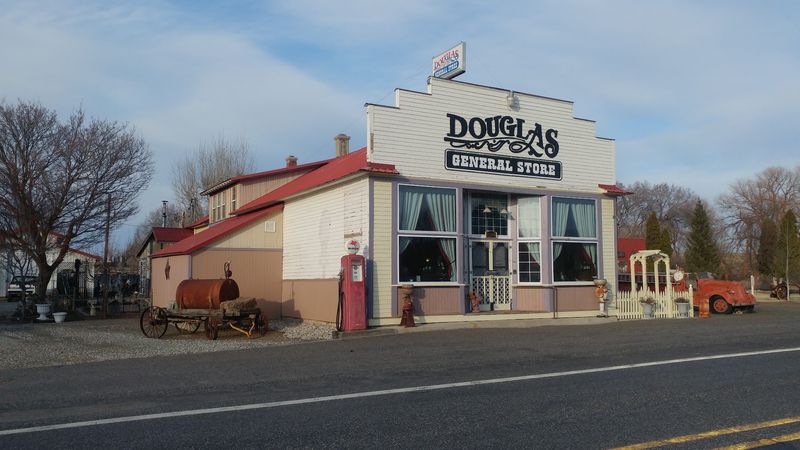
Bridgeport Wildlife Area rounds out the Douglas County trio, and once again WDFW asks visitors to stay alert for rattlesnakes during the warmer months.
Sitting in eastern Washington, it likely shares the same shrubsteppe and arid character as its county neighbors, offering rattlers the sunny, brushy conditions they love. Expect the open vistas and rugged charm this region is famous for.
Like most WDFW properties, Bridgeport invites wildlife watching and hiking within its protected habitats. Here’s a funny twist of timing: the warm months when snakes are most active are also the most pleasant for people, so vigilance really pays off.
Staying on marked trails and watching where you step around rocks or fallen logs is always a solid plan in rattlesnake country.
A visit lets you soak up an untamed slice of Washington where nature’s creatures, rattle included, roam freely. Go with curiosity, keep your footing smart, and Bridgeport rewards you handsomely.
7. Byron Wildlife Area, Yakima County
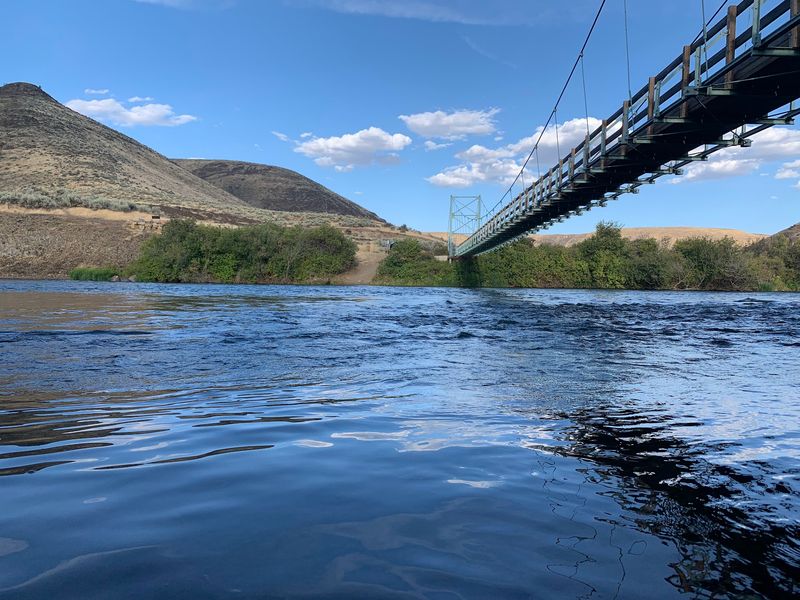
East of Mabton in Yakima County, the Byron Wildlife Area serves up rocky terrain and a straight-up WDFW warning to watch for rattlesnakes.
All those crevices and sun-baked ledges make ideal hideaways and basking spots for western rattlers. Byron is actually part of the larger Sunnyside-Snake River Wildlife Area, a sprawling 21,400 acres spread across 15 units in Franklin, Benton, and Yakima counties.
Nearly half of that land is shrubsteppe and grassland, with the rest a patchwork of open water, cropland, and woodland. Fishing, hunting, and birdwatching draw crowds, and June is a top month for hikers.
Nine water access areas, mostly along the Yakima River, support a lively mix of land and water wildlife.
Navigating Byron’s rocky paths calls for a keen eye, since these snakes camouflage brilliantly against stone. Watch your step, keep your gaze sharp, and you’ll enjoy the rugged scenery without a single unwelcome surprise slithering by.
8. Columbia Basin Wildlife Area, Grant County
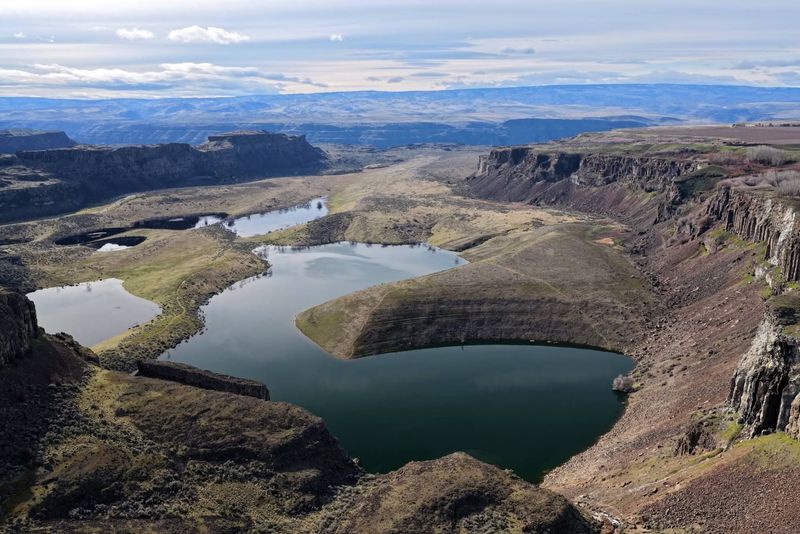
Grant County’s Columbia Basin Wildlife Area spreads out in every direction, and WDFW has documented western rattlesnakes throughout its enormous shrubsteppe.
The dry climate and endless sagebrush create top-notch habitat for these native reptiles. What makes this place jaw-dropping is its geology, carved by ancient floods into dramatic coulees and scablands that give the scenery serious character.
WDFW management typically opens the door to hunting, wildlife observation, and photography, making it a fantastic gateway into eastern Washington’s iconic landscape.
Wandering here feels like stepping into a hardy, sun-drenched world where the shrubsteppe thrives against the odds. It’s the kind of terrain that photographers dream about, all texture and wide horizons.
As you follow the trails, keeping a respectful distance from any wildlife, especially anything sporting a rattle, keeps your adventure both memorable and safe.
Give yourself time to explore slowly, and this fascinating pocket of Washington will surprise you with its wild, weathered beauty at every turn along the way.
9. Blue Mountains Wildlife Areas, Southeastern Washington
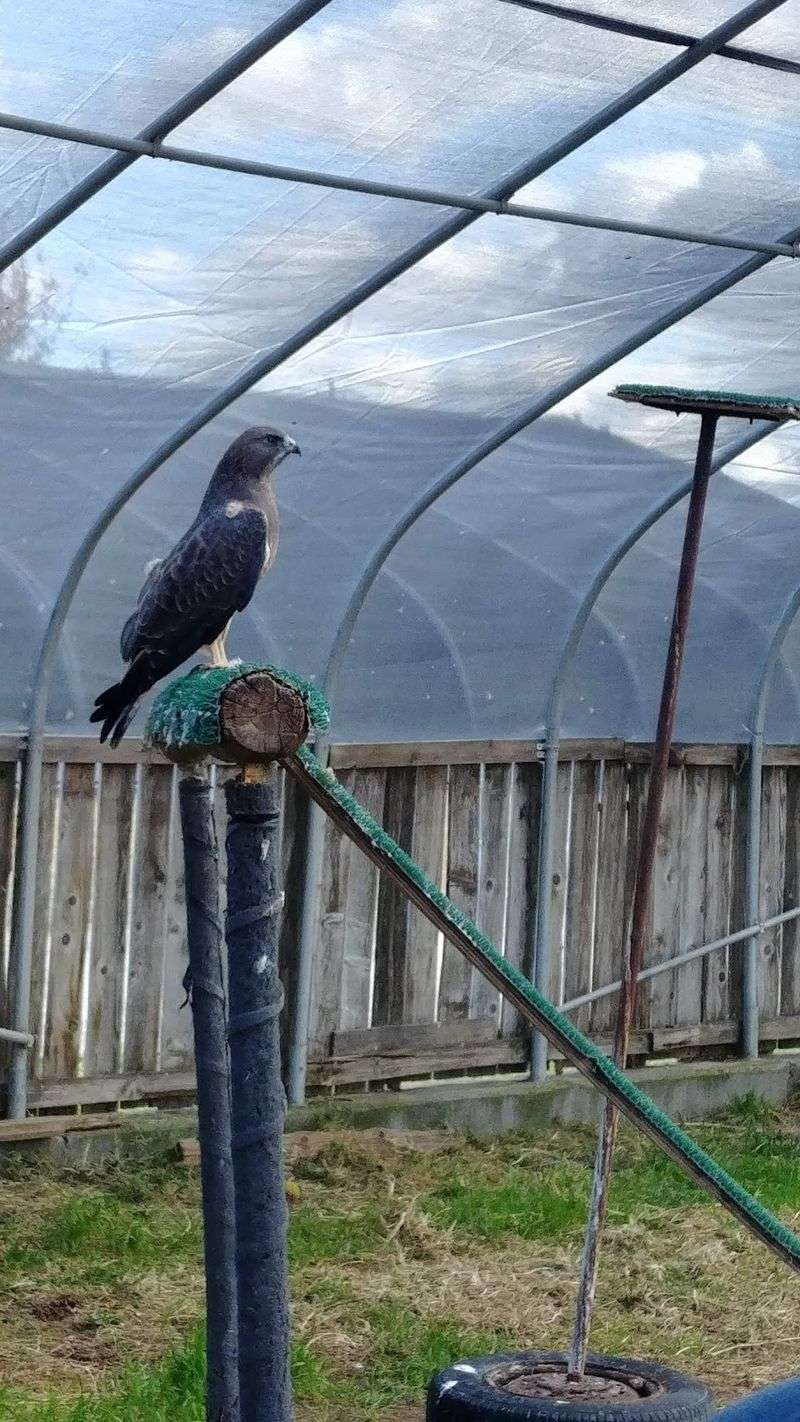
Down in southeastern Washington, the Blue Mountains Wildlife Areas, including the Chief Joseph, Shumaker, and 4-O Ranch units, are flagged by WDFW for western rattlesnake habitat connectivity.
That phrase simply means these lands form part of a bigger network where snakes travel and thrive. The Blue Mountains offer a fresh flavor of the state, climbing from arid lowlands into forested, higher-elevation country while still leaving warm, rocky, brushy pockets perfect for rattlers.
These units add rich variety to the region and support wildlife galore. Hunting, hiking, and wildlife viewing shine here, and autumn turns the foliage into a golden show.
Because habitat connectivity means snakes don’t stop at boundary lines, awareness stays useful across the whole area.
Exploring the Blue Mountains hands you a rugged, scenic escape and a front-row seat to an intricate web of life, from bugling elk to the quiet, sun-loving rattlesnake. Come prepared, stay alert, and let these highlands work their rugged magic on you.
10. Columbia River Gorge Near Dog Mountain, Skamania County
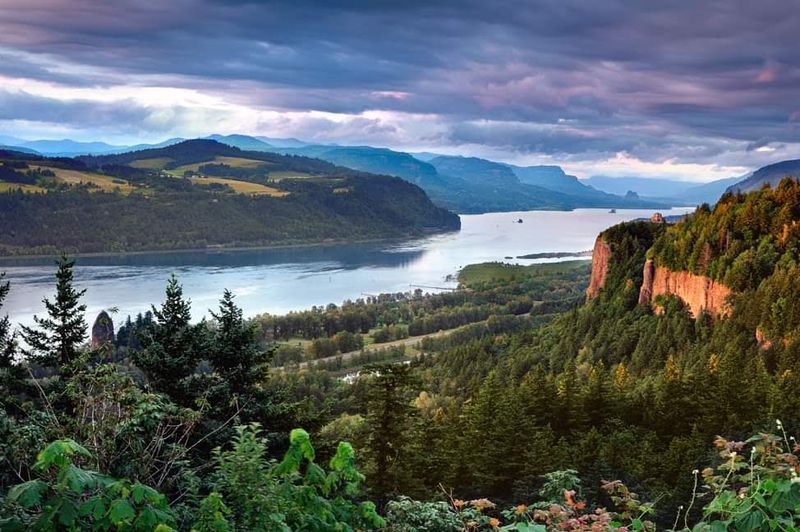
Saving the most surprising stop for last, the Columbia River Gorge near Dog Mountain in Skamania County holds a genuine snake headline.
WDFW has documented rattlesnakes about one mile west of Dog Mountain, marking their westernmost known occurrence anywhere in the state. That single fact shows just how adaptable the western rattlesnake can be, edging into the greener, still-rocky Gorge from its usual eastern strongholds.
Dog Mountain itself is a hiking favorite, especially in spring when wildflowers explode across the slopes and the Columbia River glitters below. The trails run steep and rocky, giving snakes plenty of cozy hideouts.
Rattlers love rocky outcroppings and brushy patches, and both are abundant along this stretch. Most folks come for the sweeping views and leg-burning climbs, but the rattlesnake angle adds a wild little thrill.
So as you scale Dog Mountain, keep your eyes peeled and give any coiled creature a wide berth. Even on the western frontier of their range, these snakes prove nature always keeps a wild card.
Wild Washington Still Has A Few Surprises
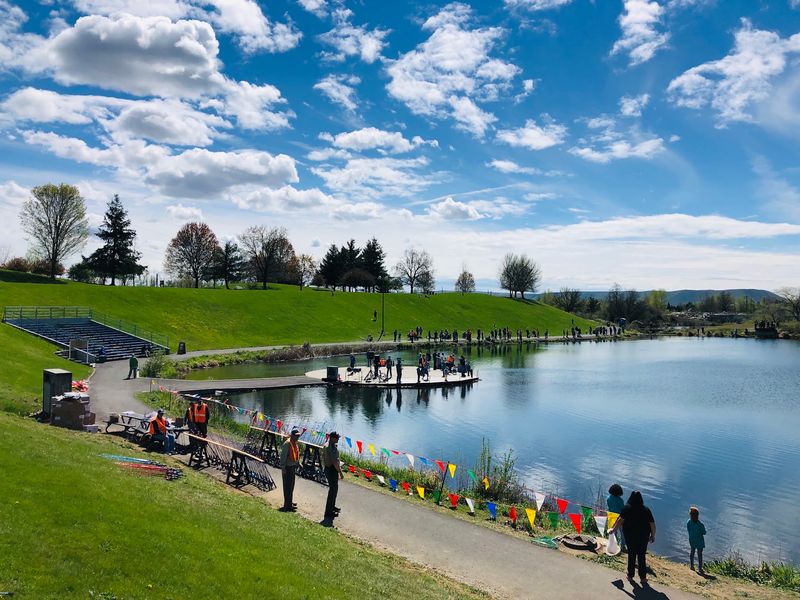
Rattlesnakes may not define Washington, but they are an important part of the landscape in the state’s drier regions. Knowing where they have been documented makes it easier to enjoy these areas without turning every rustle in the brush into a full-blown mystery.
I think that is part of the appeal of exploring wild places anyway. You never quite know what might be sharing the trail with you.
A little awareness, a respectful distance, and some common sense go a long way. These Washington areas are reminders that even familiar-looking trails can hold unexpected wildlife, especially once the weather warms up.
Keep your eyes open, give snakes plenty of room, and enjoy the fact that the state still has corners wild enough to surprise you.