
7 Forgotten Maine Mill Towns That Are Quietly Making An Impressive Comeback
Maine’s old mill towns were built around noise, movement, and long workdays, but many faced an uncertain future when major industries began shrinking. Paper machines slowed, textile jobs disappeared, and familiar downtown routines changed with them.
For years, it seemed like several of these communities might simply fade into the background. That prediction missed what came next.
Old industrial spaces are finding new uses, downtown streets are gaining fresh businesses, and riverfront areas are becoming places people actually want to spend time again. The comeback looks different in every town, which is part of the appeal.
One community leans into outdoor recreation, while another puts new life into historic buildings. Together, these seven Maine towns show how reinvention can happen without erasing the character that made them distinctive in the first place.
Skowhegan, Maine
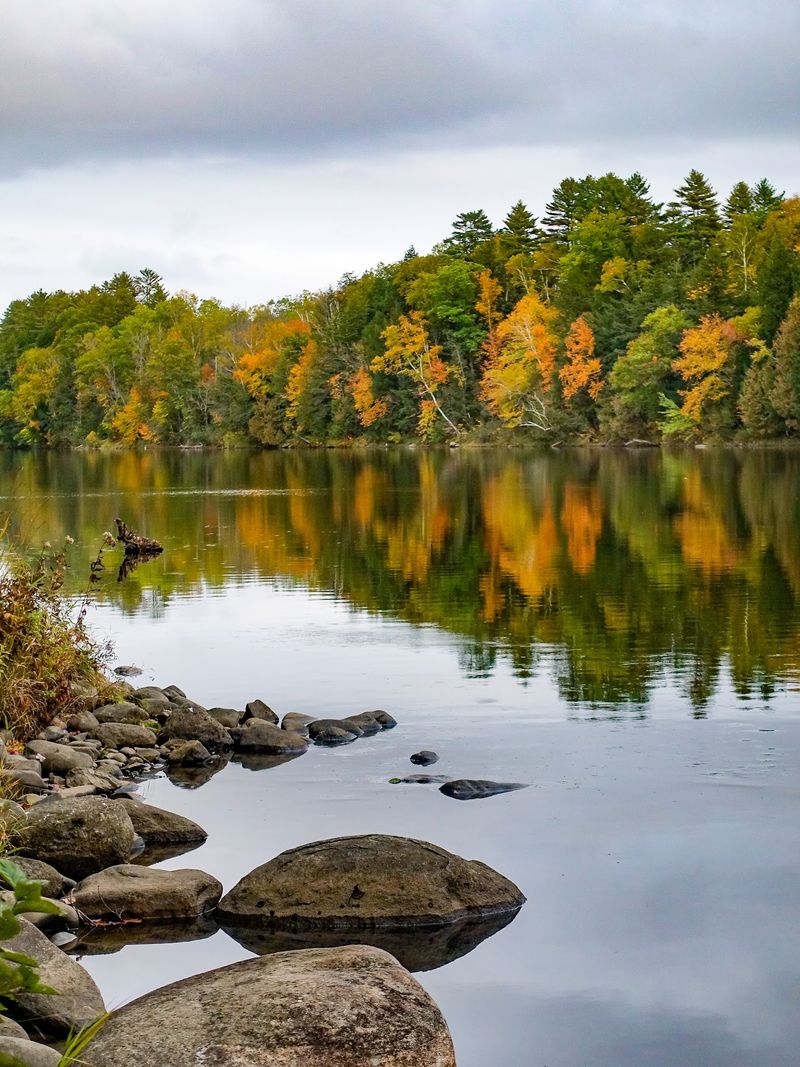
Standing on the bridge above the Kennebec River, I could feel Skowhegan buzzing with quiet determination and plenty of small-town charm.
This central Maine town, tucked in Somerset County, grew up around water power and grain mills, and today it leans into that heritage in creative ways.
The Skowhegan Farmers Market has become a weekend favorite, with local growers selling fresh vegetables, baked goods, and handmade crafts.
A big part of the comeback story is grain, believe it or not, because the town celebrates its milling roots with the popular Kneading Conference that draws bakers from all over.
Downtown, empty storefronts are slowly filling with coffee shops, bookstores, and art spaces run by people who believe in the place.
The Wesserunsett Arts Council keeps creativity flowing, hosting shows and events that give artists a reason to stay.
Outdoor lovers can explore the gorge, wander riverside paths, or paddle sections of the Kennebec when the water invites it.
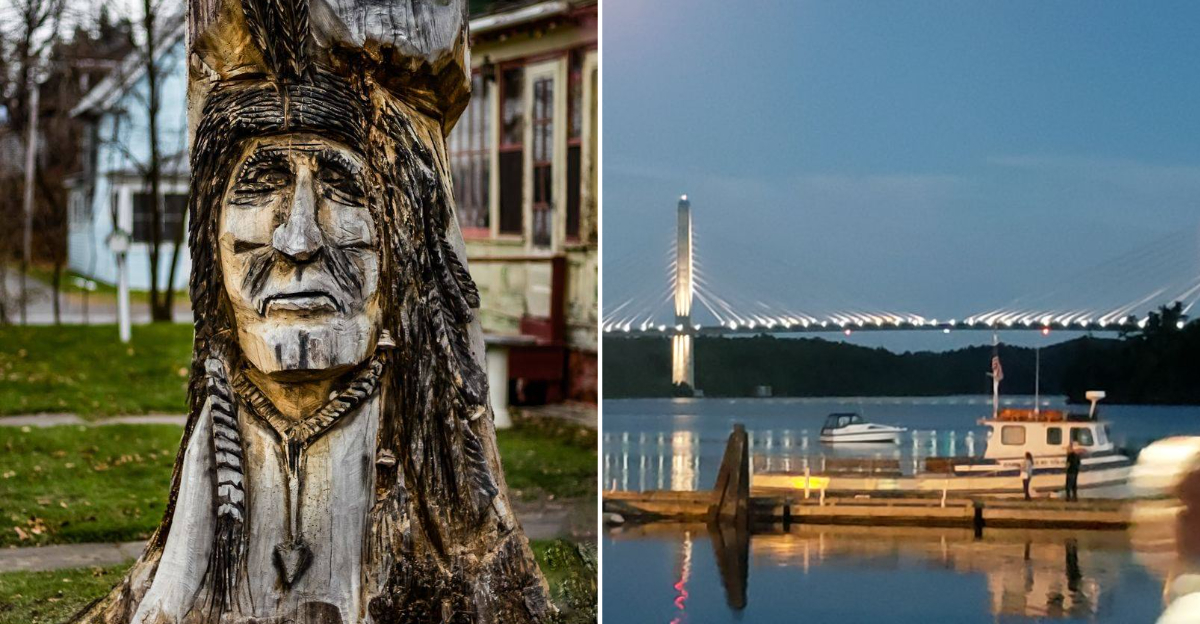
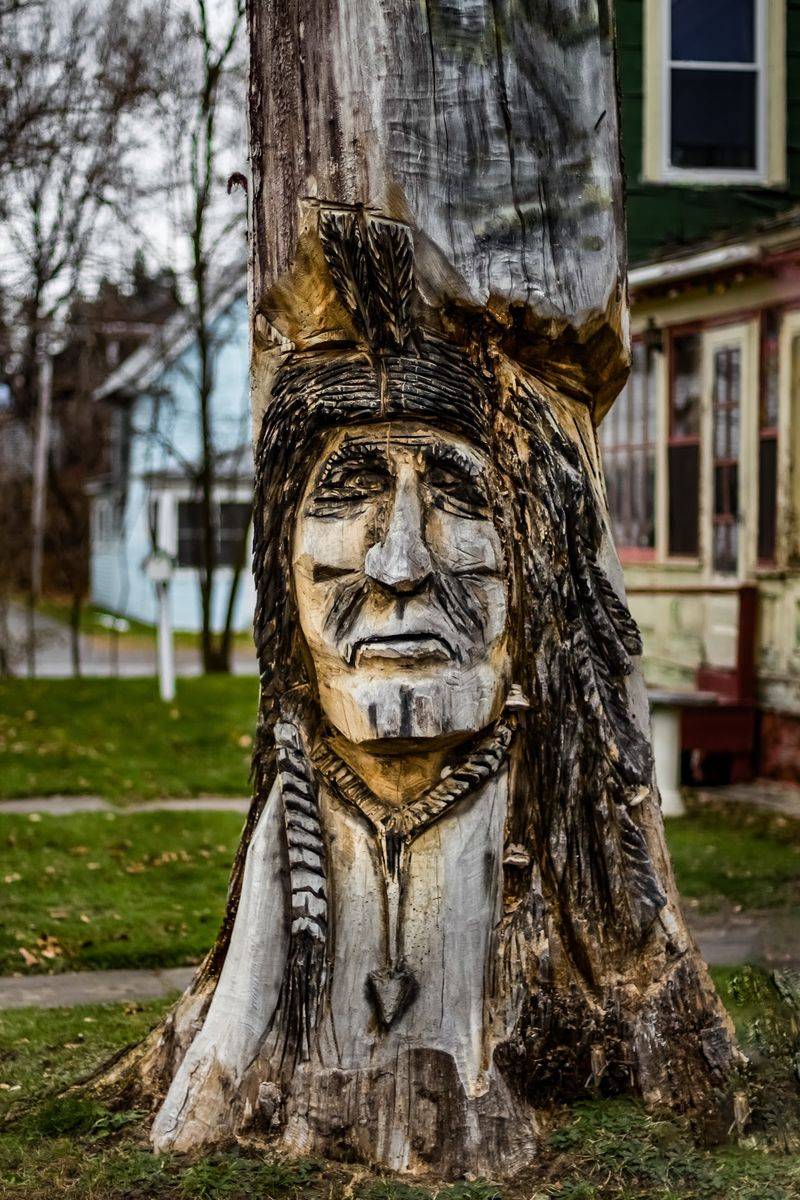
Fun fact worth sharing is that Skowhegan is home to a giant wooden statue honoring the region’s history, a landmark that surprises first-time visitors.
If you visit in summer, the Skowhegan State Fair brings rides, animals, and a happy crowd that fills the fairgrounds with energy.
What impressed me most was how neighbors talk about the future with hope instead of looking only at the past.
Leaving town, I already felt like I had made a promise to come back and see how much further Skowhegan climbs.
Madison, Maine
Rolling into Madison, I noticed a town that refuses to be defined only by the big mill that once shaped its days.
Sitting right along the Kennebec River in Somerset County, Madison shares deep roots with its neighbor Anson and a long history tied to paper making.
When the paper mill slowed, folks worried, yet the community started searching for fresh ways to keep things moving forward.
New energy projects and small manufacturing have brought jobs back, giving the town reasons to feel optimistic again.
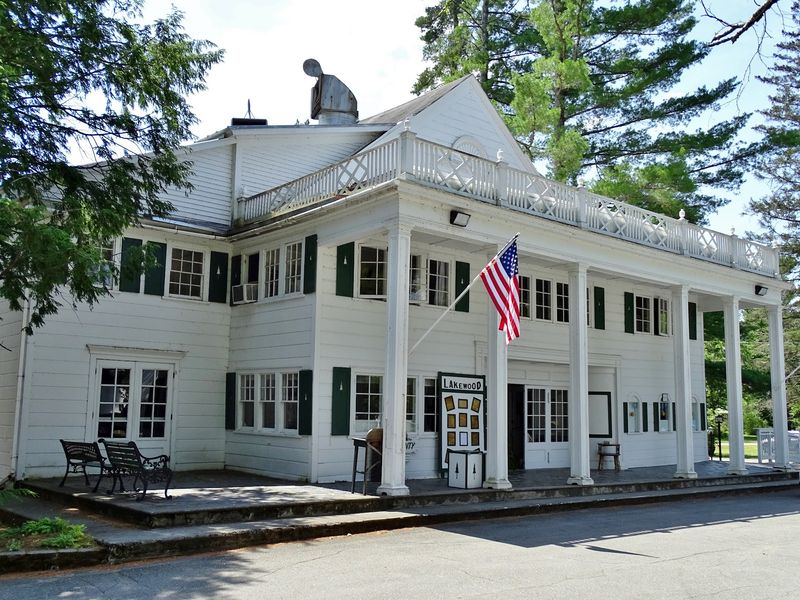
The Lakewood Theater nearby is one of the oldest summer theaters in the country, and it still draws audiences who love live performances.
Families enjoy spending warm afternoons at local parks and along the riverbank, where the water sparkles in the sunlight.
Small businesses on the main road offer friendly service, hearty meals, and that welcoming feeling you only find in tight-knit towns.
History buffs appreciate how Madison honors its working past while trying new ideas that fit today’s world.
A quiet highlight for me was watching the river drift past old industrial buildings that now wait for their next chapter.
Nearby Wesserunsett Lake and other spots give visitors plenty of room to fish, swim, or simply relax outdoors.
Talking with locals, I heard real pride in their willingness to adapt without forgetting where they came from.
By the time I drove away, Madison felt less like a forgotten town and more like a comeback story still being written.
Millinocket, Maine
Few places surprised me the way Millinocket did, sitting proudly in the shadow of mighty Mount Katahdin.
Located in Penobscot County, this northern Maine town was built around paper mills that once employed thousands of workers.
When the mills closed, many feared the town would fade, but adventure tourism swooped in to rewrite the ending.
Millinocket now calls itself a gateway to Baxter State Park and the famous Appalachian Trail, welcoming hikers from everywhere.
Katahdin, the tallest mountain in Maine, towers over the region and pulls in climbers eager to reach its rugged summit.
The nearby Katahdin Woods and Waters National Monument protects wild forests, dark night skies, and scenic rivers popular for paddling. Downtown, new outfitters, cafes, and cozy inns have popped up to serve travelers heading into the backcountry.
Winter brings snowmobilers and skiers, keeping the town lively even when temperatures dip far below freezing.
A fun detail is that Millinocket serves as a gateway to the Appalachian Trail’s northern terminus on Mount Katahdin, making it a popular stop for hikers. What I loved most was seeing how the community turned wilderness into opportunity without losing its rugged charm.
Locals shared stories of the old mill days while pointing proudly toward the mountains that now bring visitors year-round.
Driving out with Katahdin shrinking in my mirror, I understood why so many people fall for this comeback town.
Bucksport, Maine
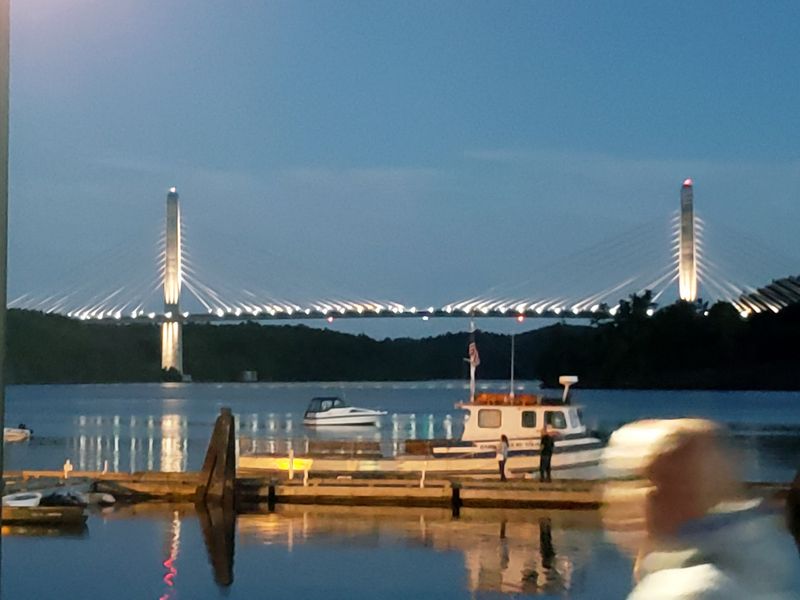
The moment I strolled along the Bucksport waterfront, I could tell this coastal town had found its second wind.
Perched on the Penobscot River in Hancock County, Bucksport spent years defined by its large paper mill near the water.
After the mill shut down, the town made a bold choice to reinvent itself and celebrate its beautiful riverside setting.
A scenic waterfront walkway now invites visitors to stroll, watch boats, and enjoy views of the towering Penobscot Narrows Bridge.
Across the river sits historic Fort Knox, a granite fort where families explore tunnels, ramparts, and cannons from long ago.
You can also ride an elevator up the bridge observatory for sweeping views of the river, forests, and distant coastline.
Downtown shops, bakeries, and restaurants give the main street a friendly, welcoming energy that keeps growing each year.
New businesses have moved into the former mill site, signaling that Bucksport is serious about building a brighter future.
A quirky local legend tells of a strange mark on the memorial to town founder Jonathan Buck, a spooky story that curious visitors love to hunt down. Fall is a wonderful time to visit, when the surrounding trees blaze with red and orange along the water.
Chatting with shopkeepers, I felt their excitement about the changes reshaping their once-quiet town.
As I left, the bridge glowing in the evening light, Bucksport struck me as a town confidently sailing toward better days.
Rumford, Maine
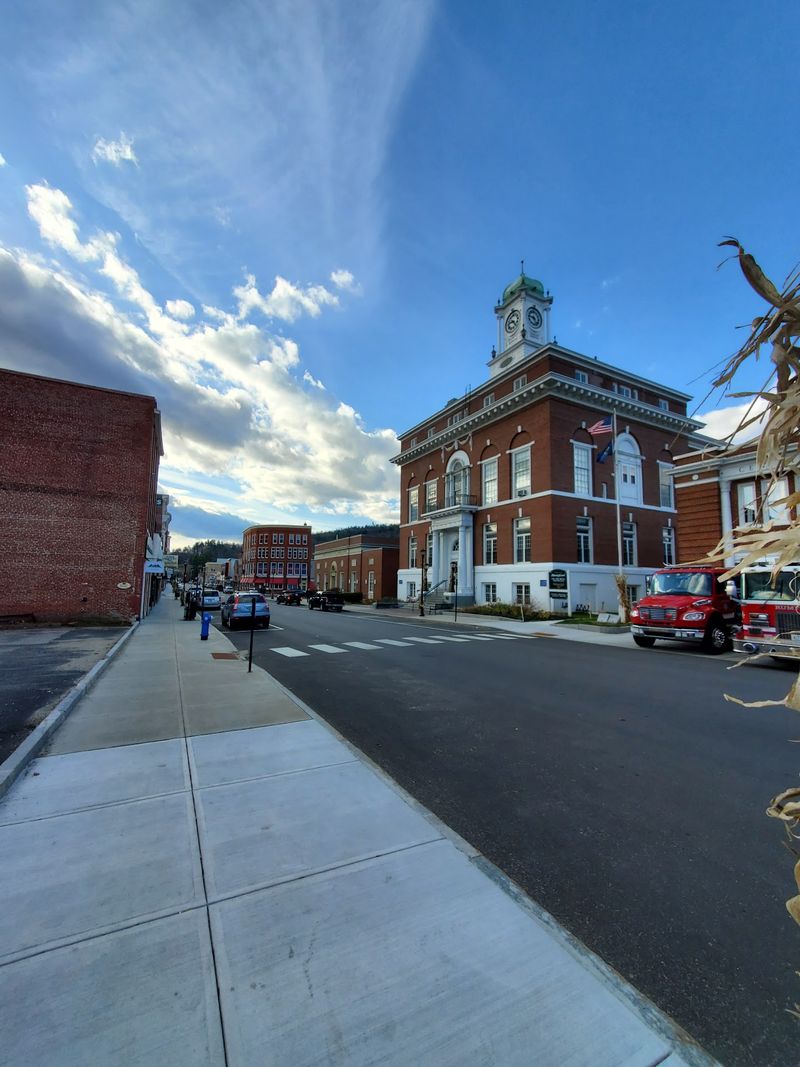
Roaring falls greeted me first in Rumford, where rushing water tells the story of a town built on power and grit.
Set in Oxford County in western Maine, Rumford grew up around a huge paper mill fed by the mighty Androscoggin River.
The falls here are among the tallest east of Niagara, and they still put on a thundering show for anyone who visits.
While Rumford has worked to diversify its economy, its paper mill remains active and continues to be a major local employer. Outdoor recreation is a big draw, with nearby ski slopes, hiking trails, and rivers perfect for paddling adventures.
Downtown features handsome old buildings, local eateries, and a statue honoring the legendary lumberjack Paul Bunyan.
Rumford is also famous as the hometown of a well-known United States senator, a fact locals mention with pride.
The Black Mountain ski area brings winter fun, offering affordable slopes for families and beginners learning to ski.
In warmer months, the surrounding hills fill with hikers chasing waterfalls and wide mountain views.
I noticed new murals and small businesses adding color and life to streets that once felt sleepy.
Talking with residents, I sensed a stubborn optimism, the kind that keeps a town fighting for its future.
By the time I left, with the falls still echoing behind me, Rumford felt like a rugged town steadily climbing back up.
Dover-Foxcroft, Maine
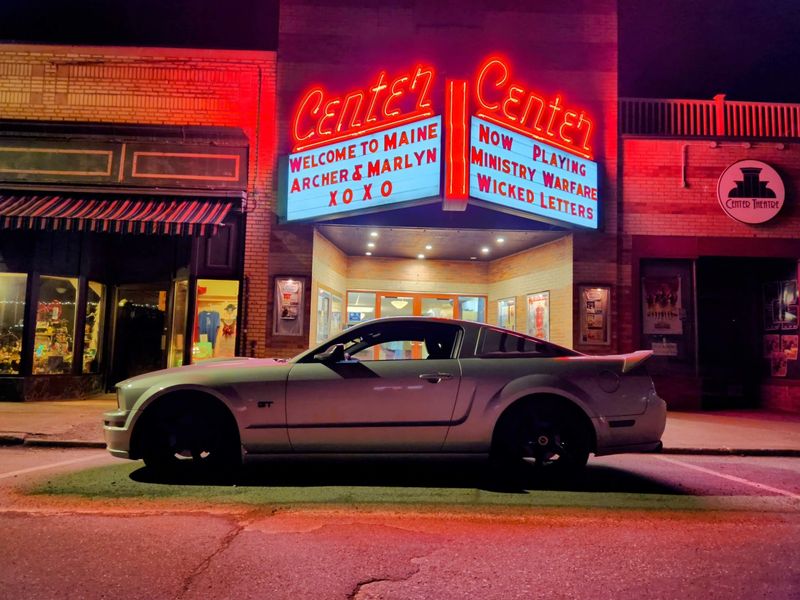
There is something instantly comforting about Dover-Foxcroft, a town that wears its history like a favorite sweater.
Found in Piscataquis County, this central Maine community once relied on woolen mills and other small factories along its river.
As industry faded, the town leaned into its friendly character and beautiful countryside to attract new visitors and residents.
The restored Center Theatre anchors downtown, hosting films, concerts, and community events that keep the main street lively.
Nearby Sebec Lake offers swimming, boating, and peaceful shorelines that draw families throughout the warm summer months.
Local shops and cafes serve up homemade treats and the kind of warm greetings that make you feel like a regular.
Every autumn, the Piscataquis Valley Fair brings livestock, rides, and cheerful crowds to celebrate rural traditions.
History lovers enjoy the local museum, where old photos and artifacts share stories of the town’s working past. Outdoor fans use Dover-Foxcroft as a launching point for exploring nearby forests, trails, and quiet ponds.
A charming detail is how two former towns, Dover and Foxcroft, joined together in 1922, giving the community its unique double name. I appreciated how residents work together on projects that keep their downtown vibrant and welcoming.
What stuck with me was the genuine warmth of the people I met on the sidewalks.
Pulling away from Dover-Foxcroft, I felt certain this cozy town has plenty of good chapters still ahead.
Lincoln, Maine
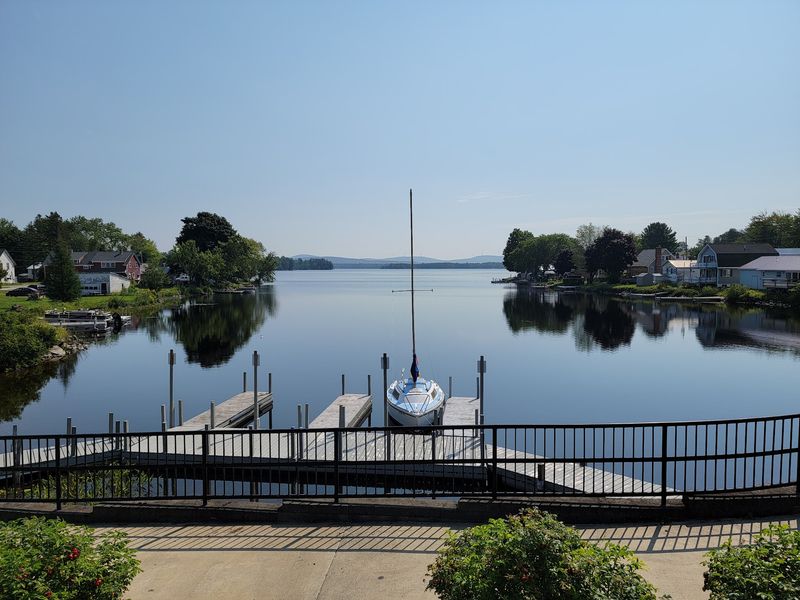
Water is everywhere in Lincoln, a town so laced with lakes that it almost feels like it floats.
Located in Penobscot County, this northern Maine community grew around a paper mill that shaped its economy for generations.
When the mill closed, Lincoln faced tough times, yet its stunning collection of lakes offered a path toward renewal.
The area boasts more than a dozen lakes and ponds, making it a paradise for anglers, boaters, and swimmers.
Summer visitors rent cabins along the shorelines and spend lazy days casting for bass or gliding across calm water.
Downtown Lincoln has worked to refresh its main street with local shops, restaurants, and community gathering spots. Snowmobiling and ice fishing keep the town active through the long, frosty winters that blanket the region.
The nearby forests invite hikers and wildlife watchers hoping to spot moose, deer, and soaring eagles.
A neat fact is that Lincoln’s lake-filled landscape earned it a reputation as a true four-season outdoor destination.
Efforts to redevelop the old mill site show a town determined to turn its past into future opportunity.
I met folks who spoke happily about fishing tournaments, family camps, and the peaceful rhythm of lakeside living. The quiet beauty of the water at sunset made it easy to see why people fall for this place.
Heading home, I felt sure Lincoln’s lakes will keep carrying this town toward brighter and busier days.