
Vintage Tractors, Steam Engines, And A Massive Flea Market Take Over This Michigan Fairground For Four Days
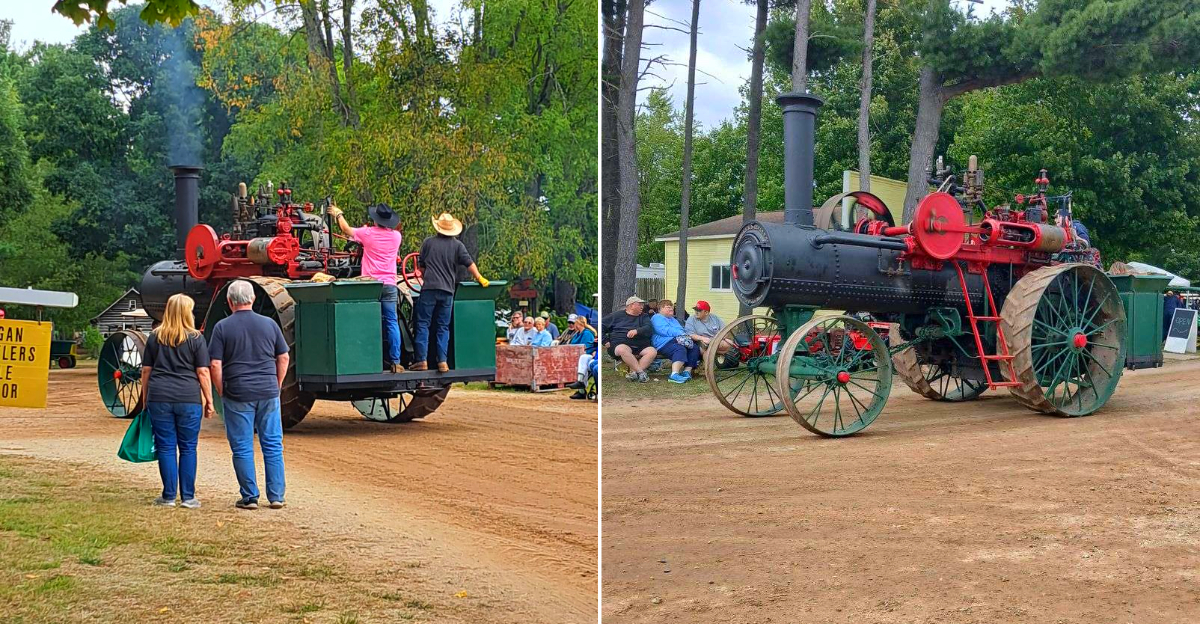
Nobody told me that watching a hundred-year-old steam engine run would make my chest vibrate, but here we are. The noise hits you first.
Chug, hiss, whistle. Then the smell of oil and funnel cake tangled together.
I walked through the gates expecting a quiet antique show and found a county fair for machines older than my grandfather. Blacksmiths hammering.
A threshing demonstration that sent chaff into my hair. Tractors lined up in rows so long I lost count entirely.
The flea market alone could eat a whole afternoon, and I bought a brass candlestick and a jar of local honey from the same vendor while a steam whistle blew in the distance.
Four days of this, and I still did not see everything. This massive antique engine show brings vintage tractors, working steam engines, and a flea market worth every dusty step to Michigan.
Give Steam Engines Room
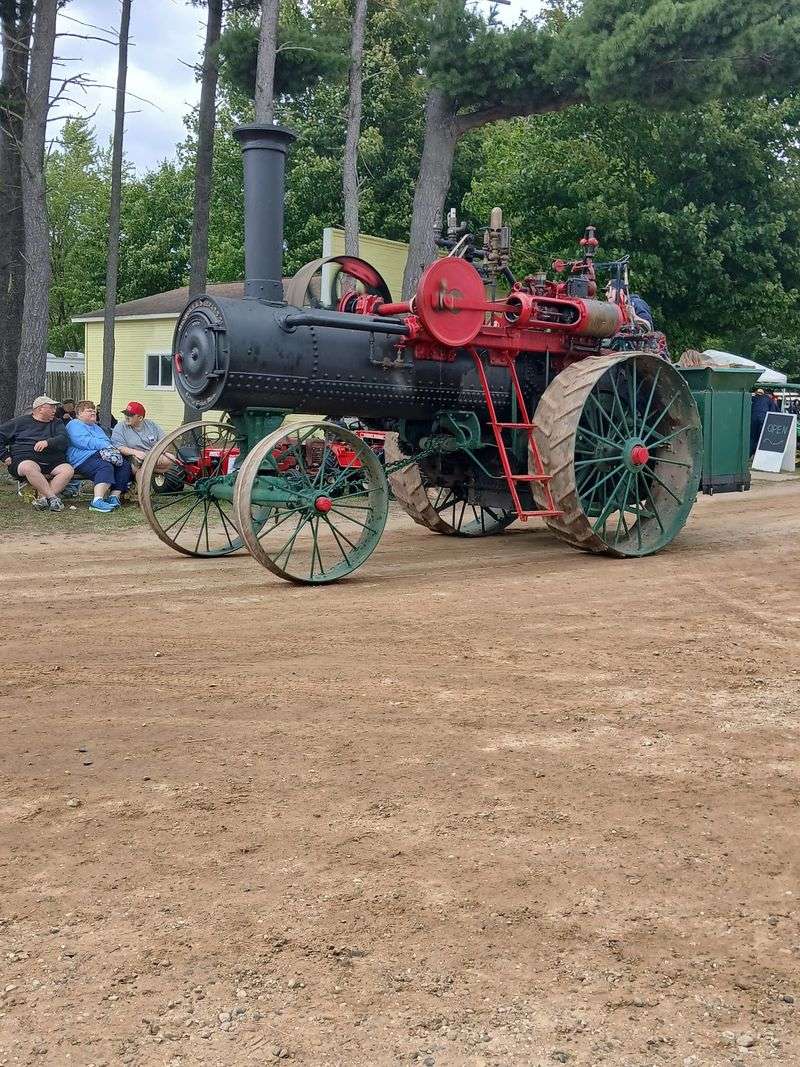
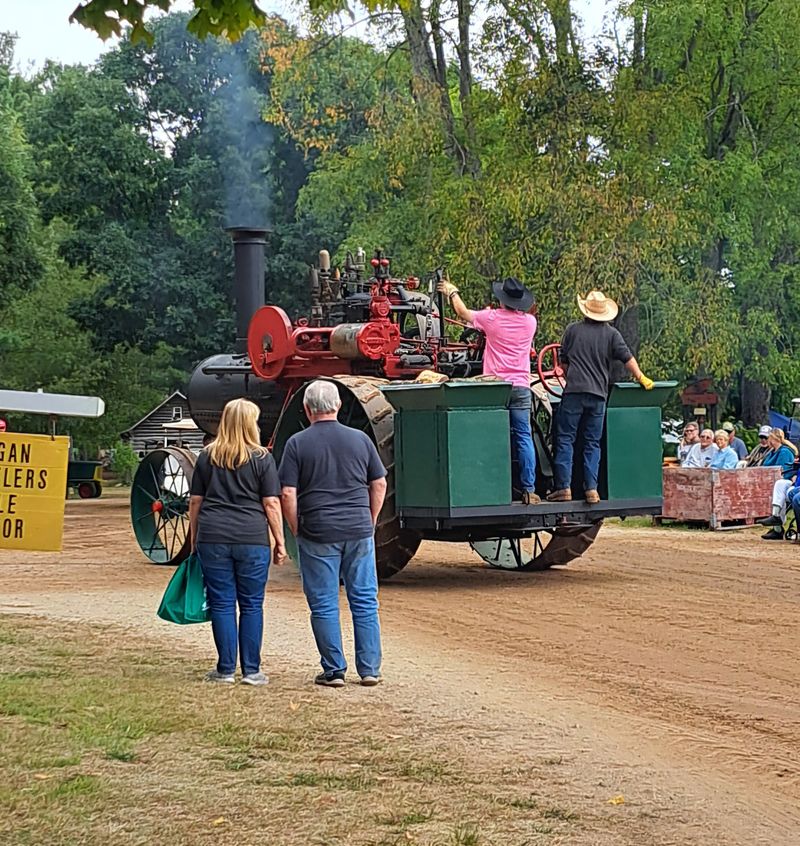
Steam is not background decoration here. Massive traction engines move, breathe, and show how farms once powered demanding jobs before modern equipment took over.
Their whistles and warm mechanical pulse can surprise anyone standing too close.
Give operating machines a respectful buffer and follow every barrier or volunteer instruction. Loose clothing, curious fingers, and distracted walking do not mix well with belts, wheels, or hot machinery.
Pause long enough to watch a full operating cycle rather than snapping one photo and leaving. The change from quiet iron to purposeful motion explains more than a label can.
Ask an exhibitor a focused question when they are free; many volunteers preserve both the equipment and the practical knowledge needed to run it.
Phoenix Road Hands The Wheel To 68th Street
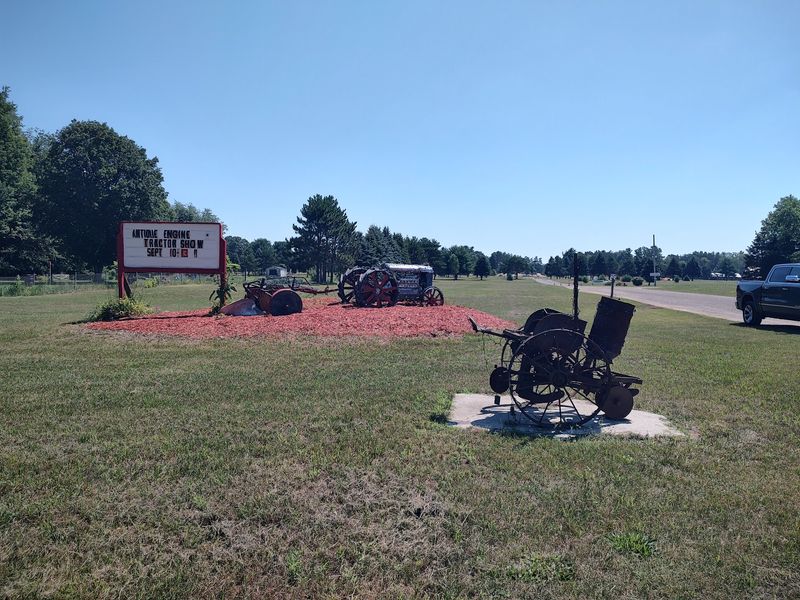
The Michigan Flywheelers Antique Engine & Tractor Show takes place at the Michigan Flywheelers Museum, about 2.3 miles east of South Haven, Michigan. From I-196, use Exit 20 and follow Phoenix Road, also signed as CR 388, east toward 68th Street.
Turn south onto 68th Street and continue roughly half a mile, with the museum driveway on the east side of the road. The 2026 show runs September 10 through 13, so expect the approach to get busier as you near the grounds during the four-day event.
Pull into the museum property for show parking rather than stopping along 68th Street, where event organizers specifically prohibit parking. Once inside the grounds, follow the event traffic flow from the parking area toward the show entrance.
Time The Mill Demonstrations
A log enters the sawmill as rough weight and leaves with clean, useful edges. That transformation gives the show one of its clearest lessons: antique power was practical, noisy, and built around real work.
Stand where operators direct visitors, keeping clear of marked work zones and flying debris. The shingle mill offers a smaller but equally sharp look at how buildings gained weatherproof roofs.
Demonstration times may not match your arrival, so ask at the entrance or an information point before crossing the grounds. Hearing the blade bite into timber is worth arranging the day around.
Bring hearing protection for sensitive ears, especially for children, and never assume an idle machine will stay quiet for long once its operator returns.
Browse The Flea Market Methodically
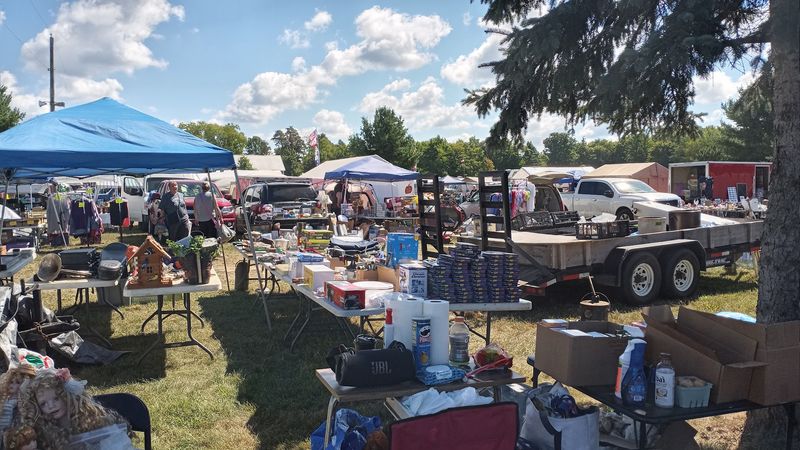
More than 200 vendors can turn the outdoor flea market into a treasure hunt with farm parts, antiques, tools, produce, and unexpected household finds. Its roots lie in collectors swapping machinery pieces, though today’s selection reaches far beyond engines.
Walk one aisle at a time and photograph the row marker before chasing a tempting object elsewhere. Small bills, a reusable bag, water, and measurements for any needed part make shopping easier.
Vehicles are generally kept out of the market area from 10 a.m. to 4 p.m. during show days, helping foot traffic move more safely. Early browsing brings cooler air and tidier tables, while later rounds may reward patient comparison.
Decide on a spending limit beforehand, because rusty mysteries become persuasive here.
Claim A Safe Parade View
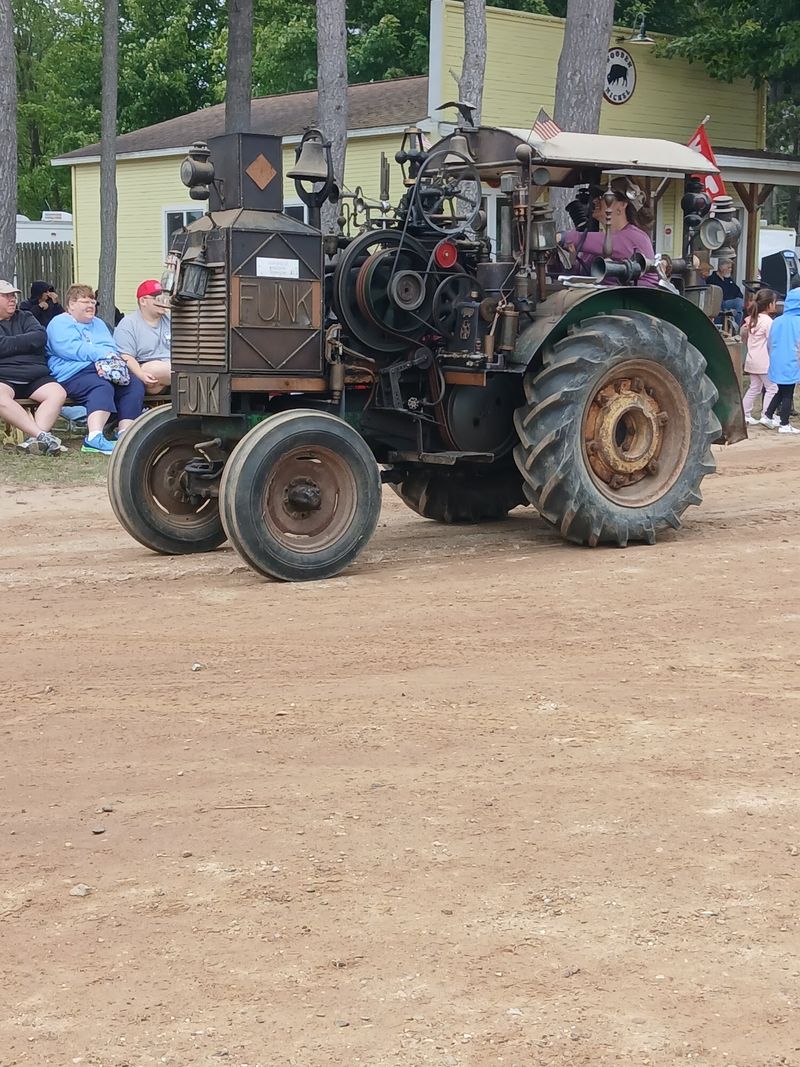
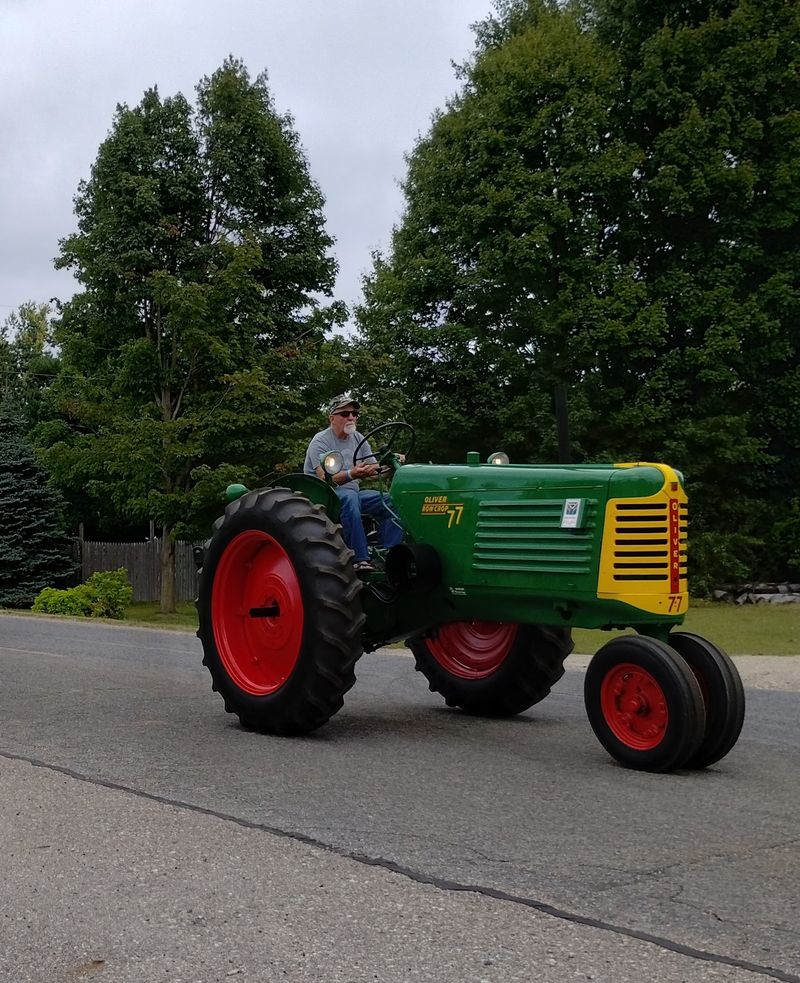
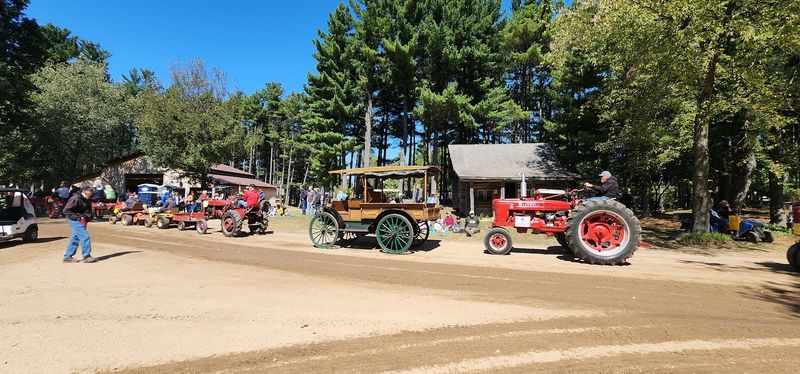
When rows of vintage tractors begin rolling, the grounds become a moving timeline of farm design. Colors, engine notes, wheel sizes, and driver habits shift from machine to machine, making the daily equipment parade useful even for visitors who cannot name a single model.
Choose a viewing place early, remain behind the safe edge, and watch children closely around traffic. A spot near another planned attraction saves a long walk afterward.
Photograph identification signs along with tractors so the images still make sense at home. I also like listening for the pauses between engines, when volunteers exchange quick stories and hand signals.
Those small moments reveal a community keeping old machines active, rather than placing history behind silent museum glass.
Slow Down In Olde Town
Olde Town shifts the focus from horsepower to everyday life in a recreated 1920s farming community. The Old Tyme Jail, Pearl’s Millinery Shop, Over The Hill Forge, farm machinery repair building, and century-old Standard Oil gas station give the engines a human setting.
Read signs slowly and notice practical details, such as where work happened and what services neighbors needed. The buildings are more meaningful when treated as connected parts of one small town, not separate photo stops.
Visit between louder demonstrations for a calmer change of pace. Volunteers created this museum setting after the organization acquired its current Geneva Township property in 1995.
That ongoing preservation effort turns a pleasant walk into context for every tractor outside nearby.
Plan Ahead For Children’s Events
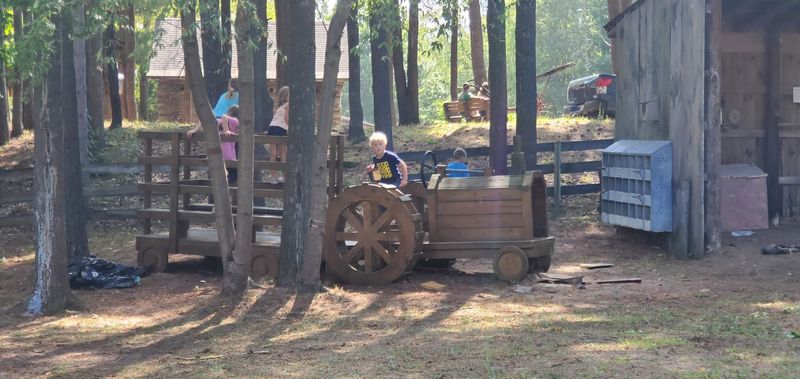
A pedal tractor can become serious business when a child reaches the starting line. The Kiddies Pedal Pull and Kids Nighttime Tractor Cruise add hands-on energy to a show filled with machines that young visitors usually must observe from a distance.
Check age rules, registration details, and start times on the current schedule before making promises. Pack hearing protection, water, wipes, and one bright layer for evening activities.
Set a simple family meeting point in case the crowd separates, and teach children to stop before crossing paths used by tractors or carts. Free admission for children 12 and under with a paid adult can help family budgets under the general policy.
Balance scheduled fun with breaks, because excitement gets loud.
Try The Steam-Cooked Sweet Corn
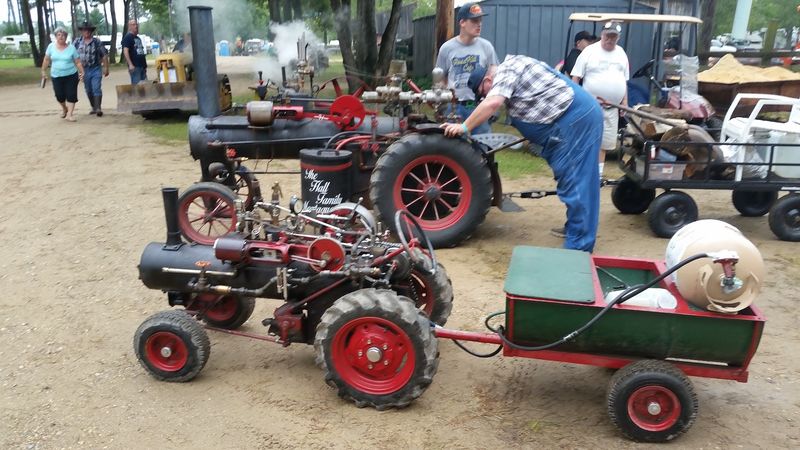
Sweet corn cooked with an old steam engine sounds like a fairground stunt, yet it fits the museum’s practical spirit. Steam becomes more than spectacle when it helps prepare a simple Michigan favorite for hungry visitors.
Look for current serving details on site, since availability and prices may change. Carry cash for small purchases, wash hands before eating, and find a settled place away from moving equipment.
The corn makes a pause between the flea market and demonstrations, especially when September air turns cool. Watch the cooking setup from the allowed viewing area and ask how the steam is used if a volunteer is available.
Few snacks explain the event’s mix of engineering, agriculture, tradition, and community quite so neatly.
Choose The Best Admission Day
Ticket timing can stretch a travel budget without cutting the experience short. Published show information lists adult admission at $10, children 12 and under free with a paid adult, Thursday admission at $5 for visitors 62 and older, and Sunday admission at $5 for everyone.
Confirm current prices before traveling, because event policies can be updated. Thursday suits seniors seeking a full opening-day visit, while Sunday offers lower entry for a shorter final-day plan.
Arrive with enough time to park, enter, and orient yourself before a must-see activity. Admission supports a volunteer-run nonprofit devoted to preserving antique engines and tractors.
That mission becomes visible whenever restored iron starts moving and a volunteer patiently explains why one odd little lever matters.
Prepare For Plenty Of Walking
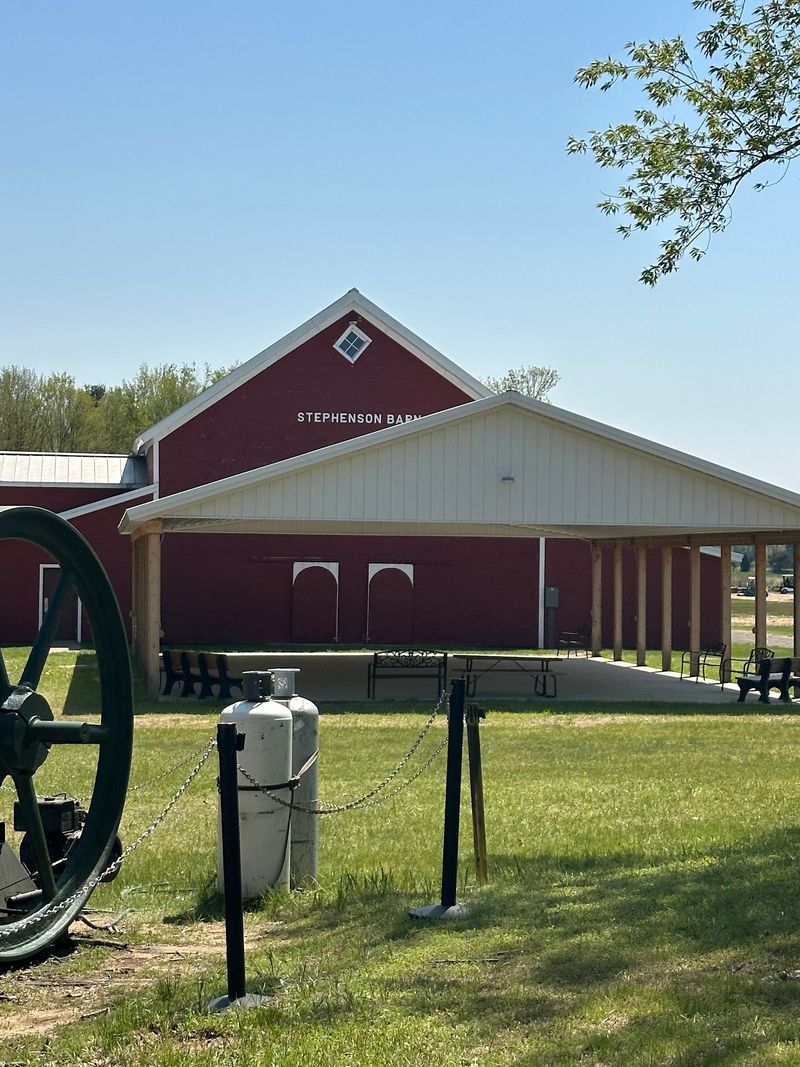
Eighty acres feel much larger after several hours on dirt and grass. Supportive closed-toe shoes, sunscreen, a hat, and refillable water bottle matter more here than a matched outfit.
Plan the grounds in loops, grouping the flea market, Olde Town, mills, and parade viewing instead of zigzagging. Short seated breaks protect energy for late activities and reduce rushed crossings near moving equipment.
Personal transportation vehicles such as golf carts require show registration, listed at $30 for all four days in provided information. Market access is restricted during busy daytime hours, so wheels do not erase every walk.
Pedestrians should stay alert, keep children close, and avoid sudden direction changes near carts, tractors, or exhibit traffic. Comfort and awareness belong together.
Pack For September Conditions
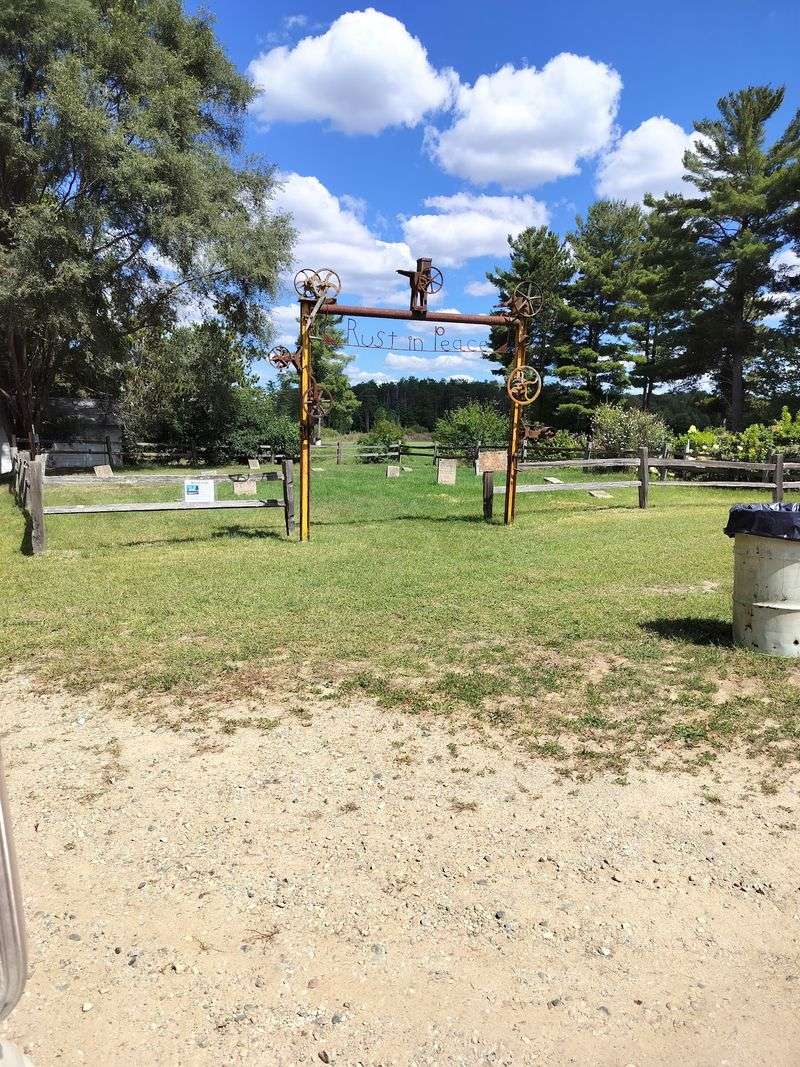
September mornings can begin chilly, afternoons may warm quickly, and open grounds offer little protection from sudden weather. Dress in layers and check South Haven conditions before leaving, since the annual show begins Thursday after Labor Day and runs through Sunday.
Rustic camping is available for an added nightly fee plus daily admission, making all four days easier to explore. Confirm current camping rules and arrival procedures with the museum.
General admission visitors are asked to leave pets at home. Exceptions apply to campers, exhibitors, and vendors, whose pets must remain at campsites.
Pack rain protection, spare socks, and a vehicle layer even under a forecast. Michigan weather enjoys editing plans without asking, but preparation keeps the machinery day enjoyable.