
11 Ohio Wetland Refuges That Come Alive As Summer Starts To Wind Down
The reeds usually move before you see what caused it. A heron lifts off, ducks chatter somewhere beyond the marsh grass, and the whole wetland starts feeling much busier than the trailhead suggested.
Across Ohio, late summer turns these refuges into quiet stages for migrating birds, river otters, beavers, bald eagles, shorebirds, swans, and dragonflies skimming over the water.
Boardwalks, observation towers, dike trails, and slow wildlife drives give you just enough room to watch without disturbing the show.
This is the sort of trip that rewards patience more than speed. Around here, summer does not end all at once.
It slips into the marsh, rustles the reeds, and brings the wild things out where careful visitors can see them.
1. Ottawa National Wildlife Refuge, Oak Harbor
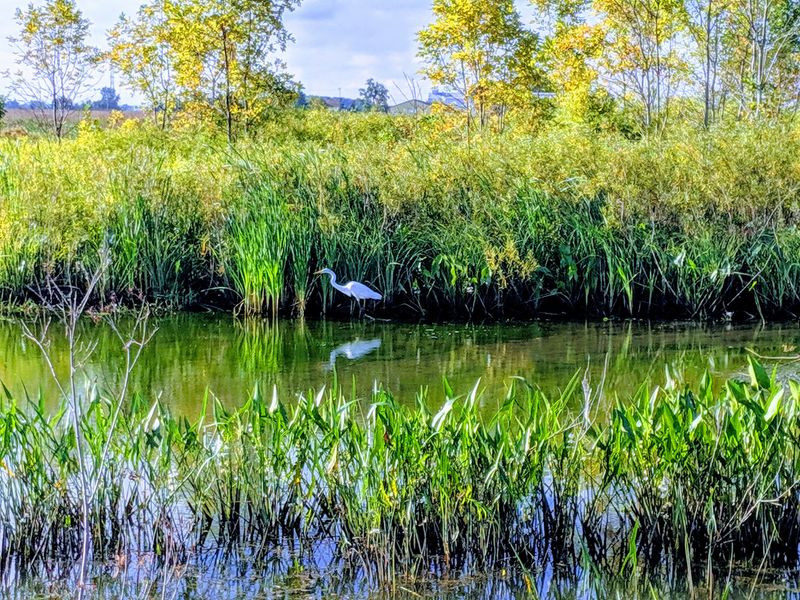
Soft rustling reeds and distant duck calls greet you the moment you step onto the trails at this Lake Erie sanctuary in Oak Harbor. The refuge protects endangered species alongside countless migratory birds.
As summer slides toward fall, shorebirds steal the spotlight, foraging near the Boss Unit and along the Wildlife Drive right through September. Early risers and evening wanderers may spot river otters, beavers, and night herons.
Ten miles of hiking trails weave through changing habitats, and the popular Wildlife Drive lets you tour the wetlands from your car. You might catch songbirds, deer, or even pelicans depending on the day.
Always peek at the refuge calendar before you go, since the Wildlife Drive follows a set schedule and does not open every day.
The lodge-style Visitor Center welcomes guests warmly and shares the story behind this special place. Inside, a Nature Store run by the Friends group funnels its proceeds into education and restoration work.
Come at dawn or dusk for the richest wildlife encounters and pack your patience along with your binoculars. This quiet corner of Ohio rewards every visitor willing to slow down and simply watch.
2. Magee Marsh Wildlife Area, Oak Harbor
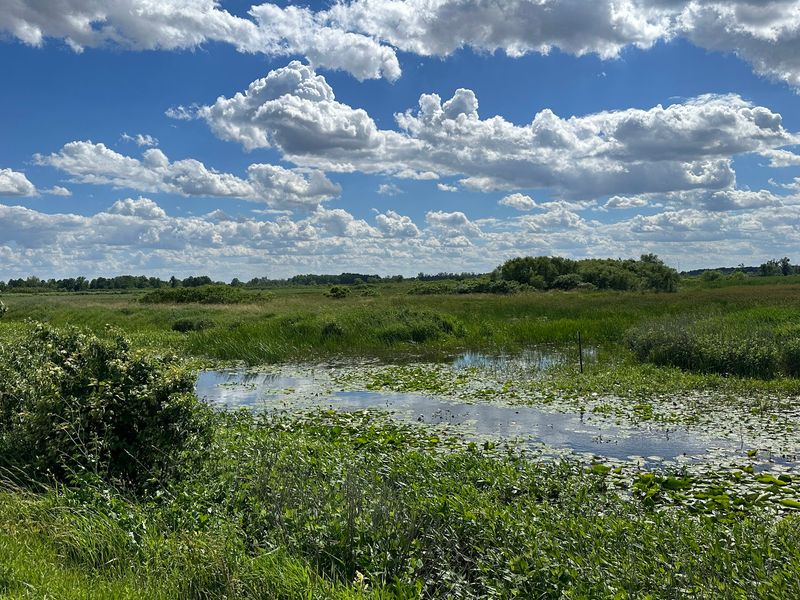
Birders around the world whisper about this 2,202-acre marsh, and once you visit, you will understand why. Over 300 bird species have been recorded across these wetlands near Oak Harbor.
Spring gets most of the attention, but late summer and early fall bring their own parade of raptors, shorebirds, and waterfowl. Bald eagles, ospreys, and owls can all be spotted here, depending on the season.
The star attraction is the accessible boardwalk that curves through a forested beach ridge. This slim strip of habitat feeds and shelters more than 150 species of migrating songbirds, including a jaw-dropping 36 kinds of warblers.
A small boat ramp at the Turtle Creek access opens the door to Lake Erie for anglers and paddlers. The boardwalk and trails welcome visitors daily from sunrise to sunset.
Keep in mind that hours can tighten during controlled waterfowl hunts, usually from mid-October into early December.
History runs deep here too, since the Ohio Division of Wildlife purchased the marsh back in 1951 and even ran a Canada goose reintroduction program in the 1960s. Every visit connects you to that long conservation legacy.
3. Metzger Marsh Wildlife Area, Bono
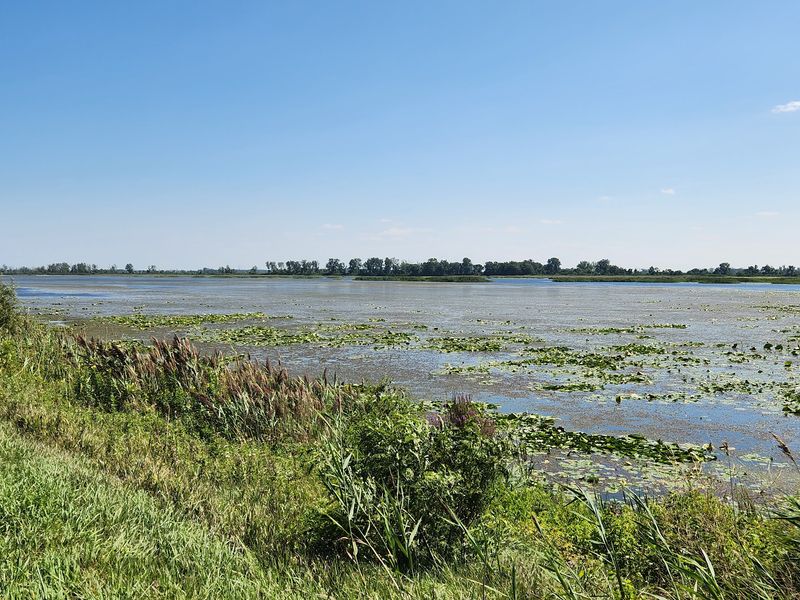
Farther east along the Lake Erie shoreline sits a marsh with a comeback story worth telling. This 558-acre area links with 182 acres of the Ottawa refuge to form a 740-acre wetland right at the lake’s edge.
Autumn is prime time here, when huge flocks of waterfowl swirl through during migration. Tundra swans, nearly every dabbling duck, and most diving ducks show up in impressive numbers.
Hoping to spot a bald eagle? Winter often brings them into the wooded eastern portions of the marsh.
Paddlers can enjoy the water from March through November.
The land here was once part of a massive 300,000-acre marsh system. Settlers drained it into Metzger Farms with dikes and canals, but high waters in 1929 collapsed the dike and let nature reclaim the ground.
After stints as a hunting club and an open-water cove, the Ohio Division of Wildlife bought the property in 1955. A 1995 restoration rebuilt the outer dike so water levels could be managed again.
Today you can fish, kayak, and watch wildlife, with primitive ramps for easy access and a long concrete pier stretching into Lake Erie for shore anglers.
4. Pickerel Creek Wildlife Area, Vickery
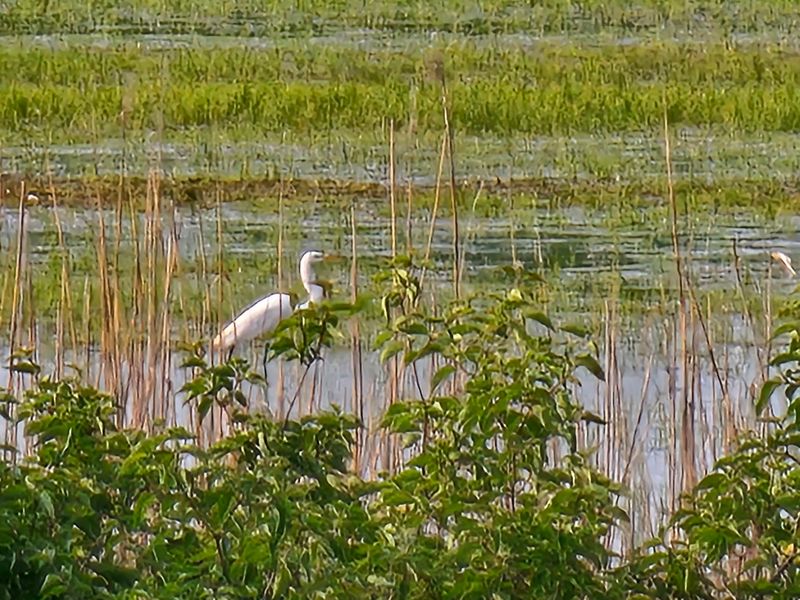
Along the southern shore of Sandusky Bay stretches a 3,200-acre patchwork of restored wetlands, woods, brush, and native grasslands.
Pickerel Creek itself winds through the western half, creating a high-quality freshwater estuary.
Mid-summer into fall is a treat for anyone who loves shorebirds and herons, which are the true headliners here. With nearly 250 bird species recorded, sightings stay exciting all season long.
Watch for bald eagles, marsh wrens, and even rarities like yellow-headed blackbirds and sandhill cranes. White-tailed deer often appear during the calm early morning and late afternoon hours.
Miles of dikes crisscross the property, giving you plenty of ground to cover in search of songbirds and waterfowl. A year-round observation tower delivers sweeping views of the wetland.
Anglers do well too, with bullhead best in late March and April, crappie and perch strong in spring and October, and catfish biting from June through September.
Long ago this land was a sprawling wet prairie. The Ohio Division of Wildlife acquired it in 1987 and has managed it for waterfowl and wetland wildlife ever since.
Bring boots and a keen eye, because the surprises keep coming.
5. Howard Marsh Metropark, Curtice
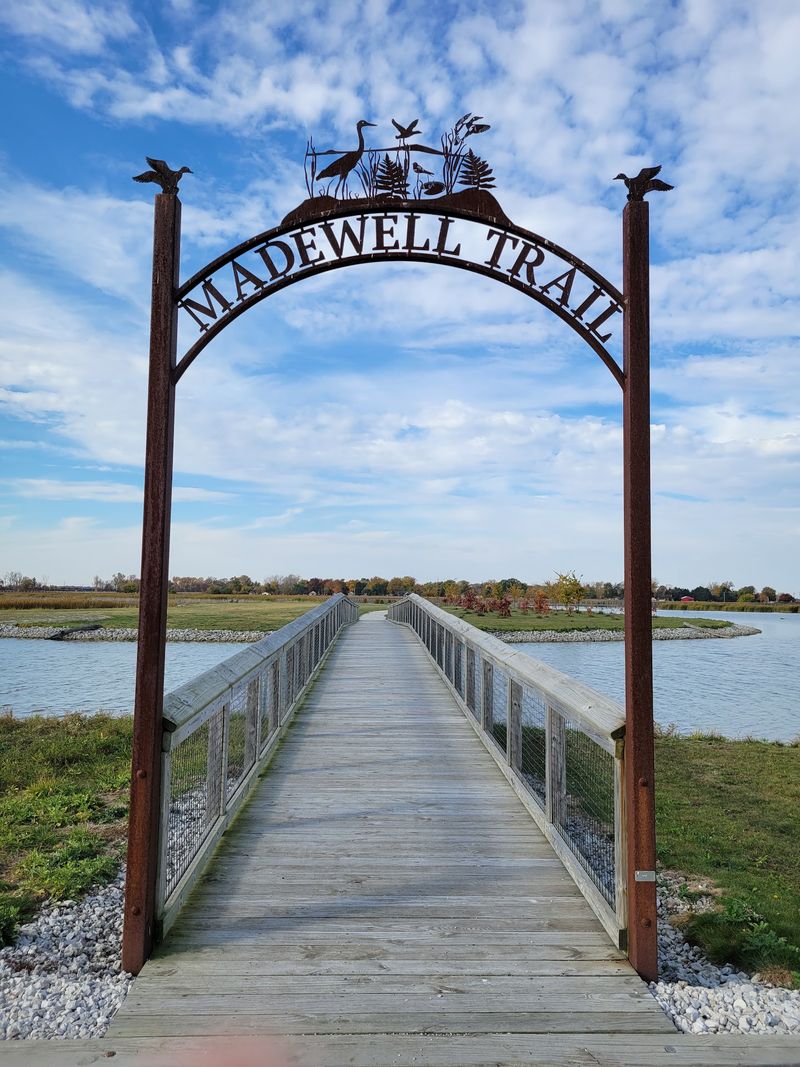
A former farm turned thriving wetland waits just down the road in Curtice, and its transformation is truly remarkable.
Once called Howard Farms, this 1,000-acre property now buzzes with life near the Lake Erie shore.
Its position beside Metzger Marsh, Magee Marsh, and Ottawa refuge places it inside one of North America’s finest birding regions. More than 230 bird species have been logged here.
When autumn’s crispness settles in, the marsh really shines with waterfowl and shorebirds. Trumpeter swans, ducks, ospreys, and songbirds arrive in waves, with occasional sandhill cranes and pelicans dropping by.
Paddlers get six miles of water trails to explore the marsh from the inside out. If you prefer dry footing, five miles of dike-top trails welcome hikers and cyclists.
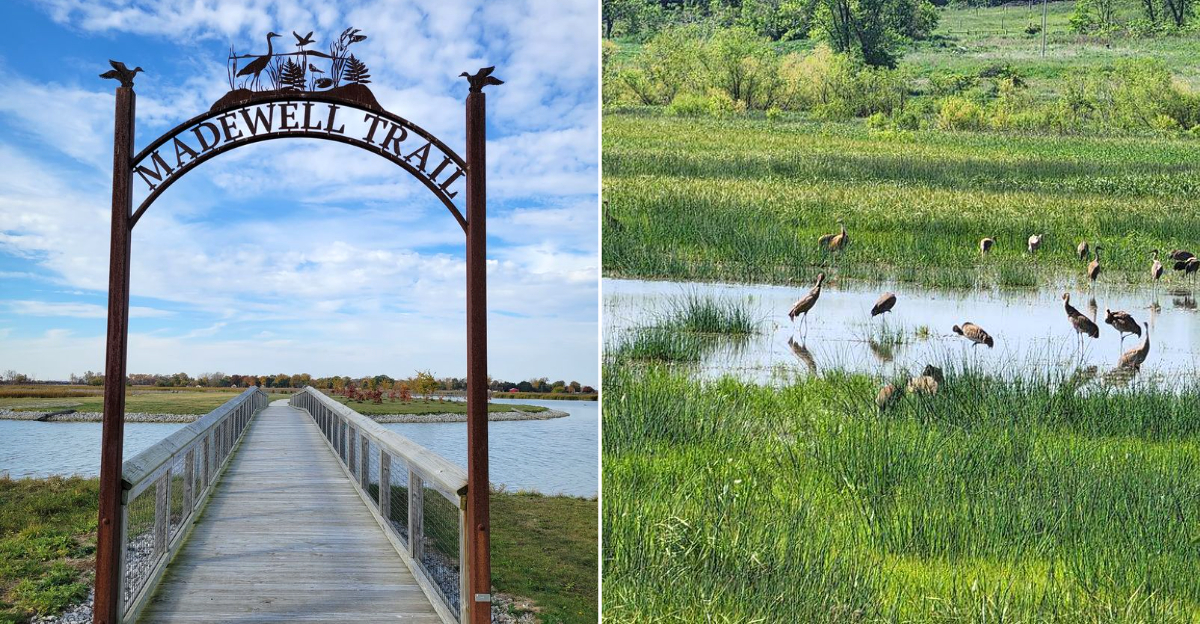
The quarter-mile Madewell Trail pushes right into the wetland for close-up birding and scenic overlooks. Kayak rentals run through a smartphone app from Memorial Day weekend to Labor Day.
This restoration does double duty, filtering runoff before it reaches Lake Erie and boosting water quality along the way. It is a shining example of what thoughtful conservation can accomplish in a short time.
6. Big Island Wildlife Area, New Bloomington
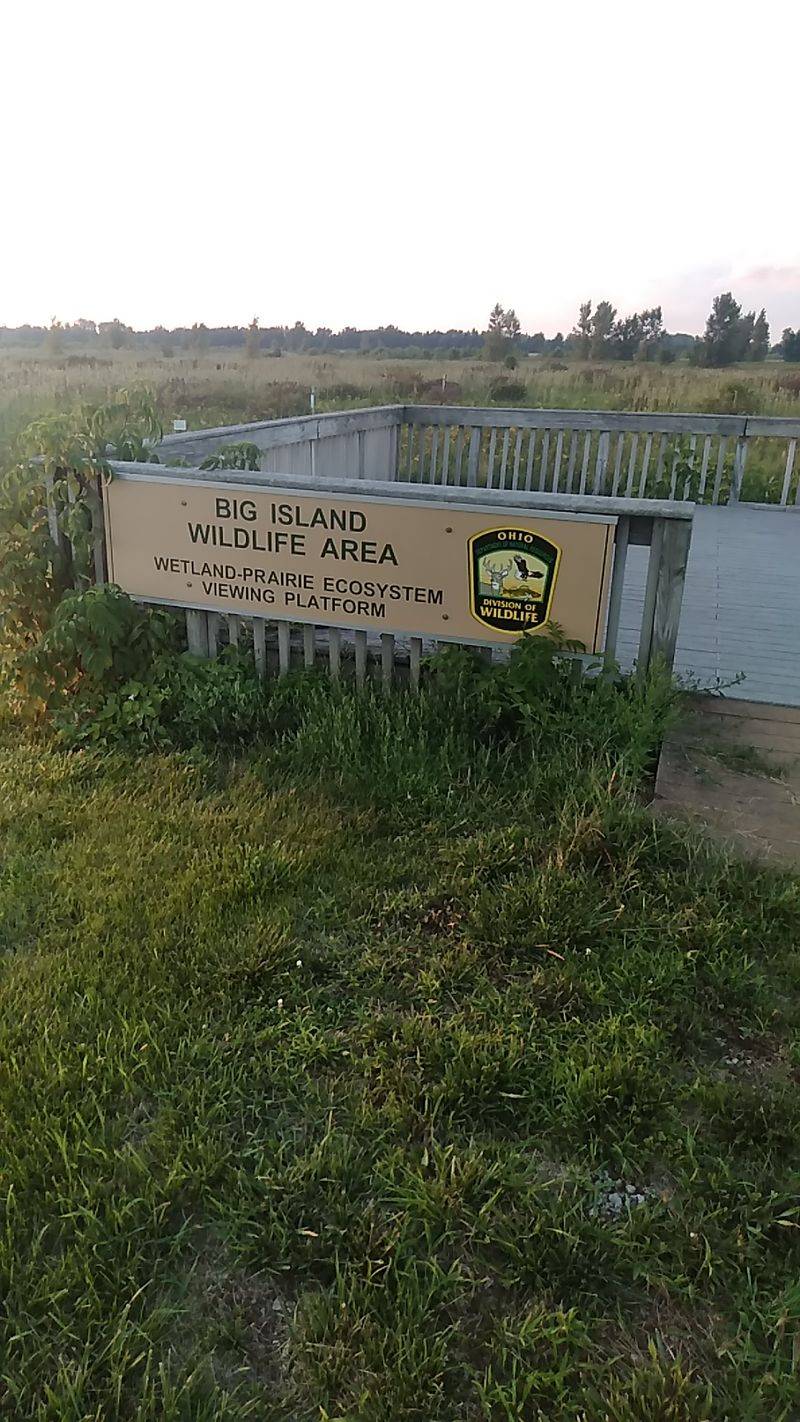
Head inland to New Bloomington and the landscape shifts to a sweeping 5,872-acre expanse that feels wonderfully wild.
This was once a vast wetland prairie, and restoration has brought much of that character roaring back.
The centerpiece is a 382-acre marsh flooded each fall with water pumped from the Scioto River. That flooding creates prime habitat right as migration heats up.
Before hunting season opens around September 1st, late summer offers a real treat: hundreds of wood ducks gathering in the southern marshes. The viewing deck along State Route 95 gives you a front-row seat over the open prairie and wetland.
Winter turns the sky into a raptor showcase, with bald eagles, short-eared owls, northern harriers, and rough-legged hawks on patrol. March brings a full parade of waterfowl species.
Beyond birding, the varied terrain draws hunters after rabbit, pheasant, deer, and wild turkey. Bitterns, bobolinks, herons, and trumpeter swans frequent the grasslands and wetlands.
One friendly warning before you set out: mosquitoes can be fierce in mid-summer, so bring plenty of repellent. Come prepared and this inland refuge will treat you to a genuinely different kind of Ohio wetland adventure.
7. Killbuck Marsh Wildlife Area, Shreve
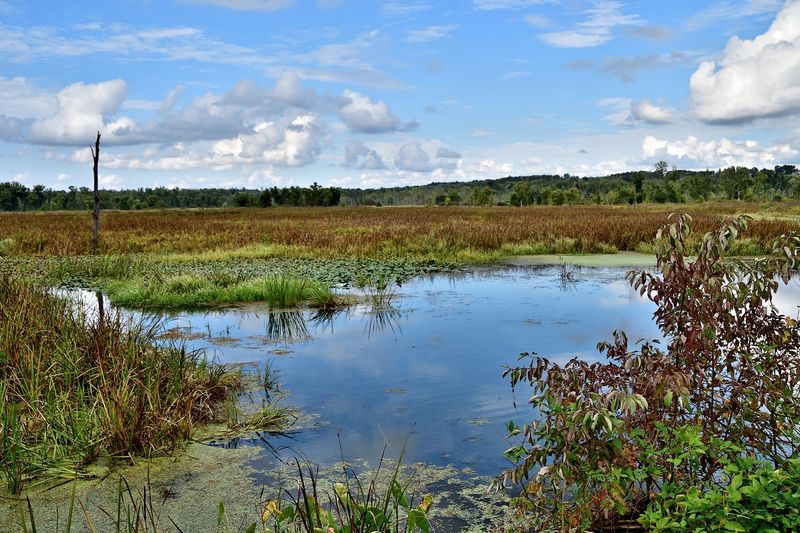
Deep in the heart of the state lies Ohio’s largest remaining marshland outside the Lake Erie region, sprawling across 5,671 acres near Shreve. When the seasons shift, these wetlands practically overflow with birds.
March draws crowds for the sheer numbers of ducks, geese, and swans, but late summer and fall deliver their own migration magic. Waterfowl and shorebirds move through again in fall, while the biggest concentrations of gadwall, American wigeon, northern shoveler, and tundra swans are associated with spring migration.
Raptor fans have plenty to celebrate too, since nesting bald eagles and wintering rough-legged hawks call this place home. It even ranks among Ohio’s few dependable spots for nesting sandhill cranes.
The spectacular prothonotary warbler is the signature bird of these swamp forests, singing away in April and May. Common moorhens, marsh wrens, soras, and Virginia rails round out the cast.
Waterproof boots are your best friend on the muddy marsh trails. Access points along roads like SR 226 lead you into impoundments and marshland.
Even in winter, Butler Spring on SR 83 draws crowds of waterfowl because its waters often stay open through much of the season. With roughly 275 species on the checklist, birding stays thrilling in every season imaginable.
8. Funk Bottoms Wildlife Area, Wooster
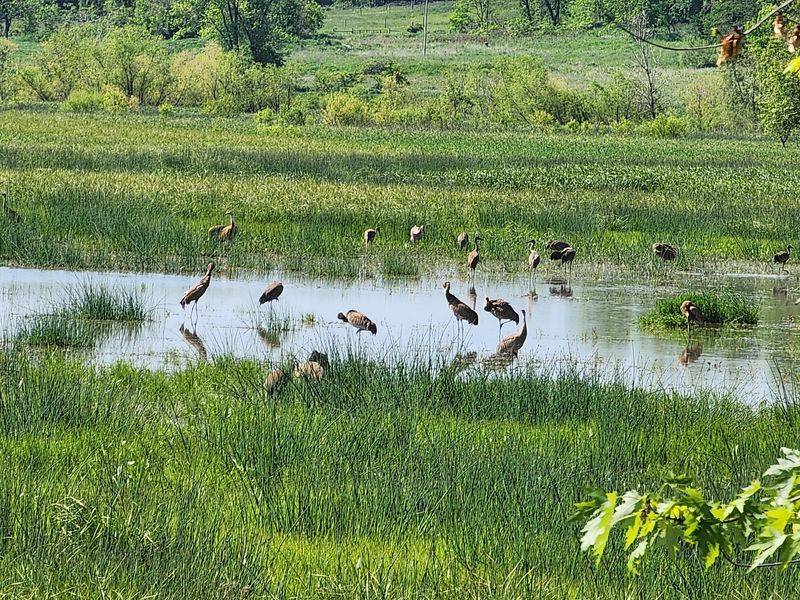
Sitting behind Mohicanville Dam near Wooster is a low, easily flooded landscape that can become a stage for wildlife when water levels cooperate.
This nearly 2,000-acre preserve is shaped by seasonal flooding throughout the year.
Spring migration puts on a dazzling show of waterfowl and shorebirds, yet the area stays important as summer winds down. In fall, large flocks of swallows and blackbirds are more dependable than waterfowl, because wetter conditions determine whether big duck, goose, and shorebird concentrations develop.
When water levels are favorable, tundra swans can also appear, and the observation deck off State Route 95 gives you a wide window onto the wetlands during floods and migrations. Winter adds rough-legged hawks, northern harriers, and the occasional short-eared owl.
Funk Bottoms is more than a birding stop. Waterfowl hunters harvest mallards, wood ducks, and blue-winged teal, while small game keeps the uplands busy during drier stretches.
Anglers and frog hunters find plenty of action in the deeper creeks and ditches. Primitive walking trails wind through the preserve, though they sometimes slip underwater when the land floods.
Nesting sandhill cranes underscore just how ecologically valuable this wetland has become. Much of the management here is fueled by the state’s Wildlife Diversity Income Tax Checkoff, a true community effort worth celebrating.
9. Sandy Ridge Reservation, North Ridgeville
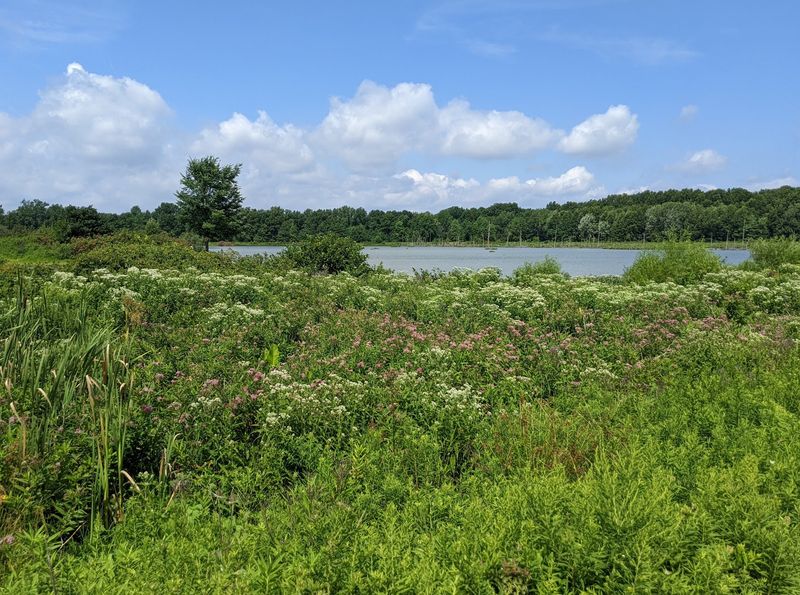
Over in North Ridgeville, a welcoming preserve blends forest, meadow, and marsh into one delightful package.
Since opening in 1999, Sandy Ridge has become one of Lorain County’s most beloved birding spots.
The slide from summer into fall is a wonderful time to wander here. Wooded areas fill with songbirds while the wetlands attract shorebirds, and the breeding list already tops 100 species.
Visitors have tallied more than 250 different birds since the park began, including nesting bald eagles, owls, jays, and geese. Arriving right at the 8 a.m. opening helps you beat the crowds.
A crushed-stone loop of about two miles circles two lakes and a marsh, while a shorter meadow loop stays lively with birds. An observation mound gives you a lofty view, complete with benches for resting.
The Perry F. Johnson Wetland Center offers a screened-in porch overlooking a garden and ponds full of aquatic life.
Summer weekends even bring tram rides courtesy of Friends of the Metro Parks volunteers.
Warm months fill the air with dragonflies, adding sparkle to the wetlands. Just remember that pets and bicycles stay off the sensitive Wet Woods and Marsh Loop Trails.
10. Spring Valley Wildlife Area, Spring Valley
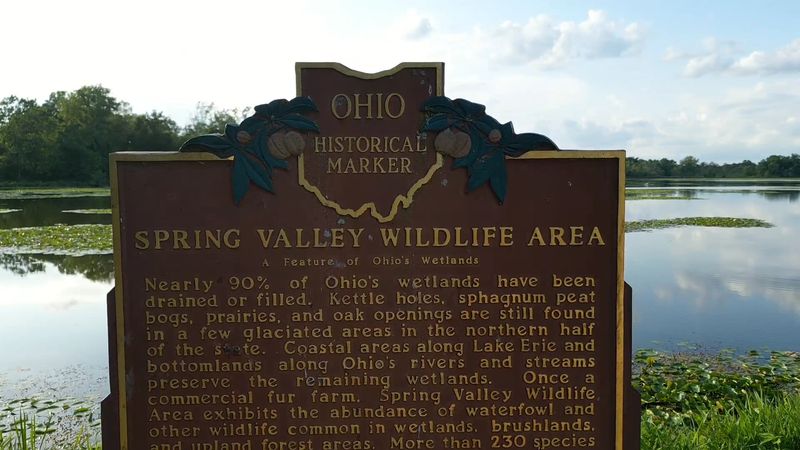
Down in southwest Ohio waits a compact refuge that punches far above its 842 acres.
Spring Valley mixes upland hardwoods, old fields, brushy brambles, grasslands, croplands, and a 150-acre wetland complex.
Even as summer ebbs, this place stays dynamic. Nesting prothonotary and yellow-throated warblers linger, red-headed woodpeckers rap on the trees, and migrants trickle in as fall approaches.
Shorebird viewing can be excellent when water levels cooperate. July and August bring a butterfly explosion around blooming milkweed, including monarchs whose caterpillars feast on the plant.
The marsh, with 70 acres of open water, anchors most of the birdwatching. An easy trail encircles the wetland, and an accessible boardwalk leads to an observation tower with panoramic views.
That 2.5-mile observation loop stays relatively dry, making it comfortable for casual walkers. More than 230 species have been identified, with at least 74 confirmed as nesters.
Anglers can chase bass and bluegill around the lake’s logs, stumps, and vegetation. One honest heads-up: mosquitoes can be brutal in spring and summer, and poison ivy grows thick along the marsh trail, so dress smart and enjoy the show.
11. Grand River Wildlife Area, West Farmington
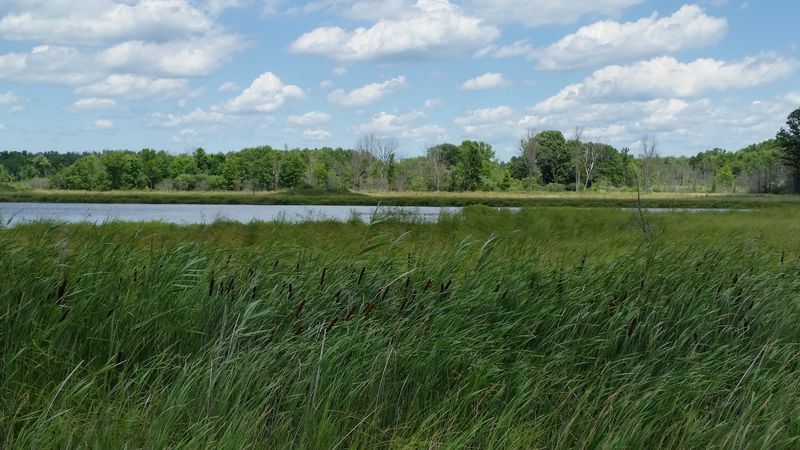
Tucked into the northeast corner of the state, just east of West Farmington, lies a wild expanse that few travelers ever discover.
At 7,664 acres, the Grand River Wildlife Area is one of northeast Ohio’s largest semi-wilderness wildlife areas.
Hardwood forests, wetlands, and open meadows blend together across the property. The winding Grand River and its five tributaries feed numerous beaver impoundments and more than forty man-made marshes.
As summer gives way to autumn, activity stays high. Winter is superb for northern harriers and rough-legged hawks, while fall migration sends waves of songbirds through the varied habitats.
A three-quarter-mile observation trail on Hoffman Norton Road includes a boardwalk crossing a beaver impoundment. Along the way you may glimpse beavers, river otters, and a chorus of songbirds.
Hikers, anglers, and hunters all find plenty to enjoy, with deer, turkey, and squirrels among the prized forest game. Rabbit, pheasant, and woodcock hunting round out the offerings.
The river otter reintroduction that began in the late 1980s became a genuine success story. Do watch for abundant poison ivy and ticks, plus the rare and secretive eastern massasauga rattlesnake, as you explore.