
13 Foods That Reveal Just How Different Louisiana Cooking Really Is
Louisiana does not do boring. It does not do shy.
And it definitely does not do bland. Give the state a pot, some seasoning, and enough time, and suddenly you’ve got a dish people will defend like family. Gumbo. Po’ boys.
Pralines. Crawfish étouffée.
The list keeps going, and every dish seems to come with its own little plot twist. What makes Louisiana cooking so fascinating is how many different influences ended up sharing the same table.
French, African, Spanish, Caribbean, Native, and Creole traditions all left their mark, but the result became something that feels completely its own. You can taste the history without anyone handing you a textbook.
And that’s really the fun of eating here. The food isn’t trying to impress you with fancy tricks. It just has personality.
Big personality. These foods are a pretty good introduction to what makes Louisiana cooking unlike almost anywhere else.
1. Gumbo

Gumbo is not just a dish. It is the official state cuisine of Louisiana, a title earned through centuries of layered cultural storytelling in a single, magnificent pot.
West African okra stews, French bouillabaisse, and Choctaw filé powder all converge here in one deeply satisfying bowl.
The foundation is always a roux, a careful blend of flour and fat cooked low and slow until it reaches a rich, dark, nutty color.
Then the famous “holy trinity” of onions, celery, and bell peppers joins the party, building that unmistakable flavor base that Louisiana cooking is known for worldwide.
Creole Gumbo often features tomatoes and a generous heap of seafood like shrimp and crab. Cajun Gumbo, found deeper in the countryside, leans toward chicken, duck, or smoky sausage with a darker, more robust roux.
Every family has their own treasured version, and every bowl is a unique, soulful experience that feels like a warm hug you never want to put down.
2. Jambalaya

Picture this: one pot, a mountain of flavor, and absolutely zero dishes to regret. Jambalaya is Louisiana’s answer to the question nobody asked but everybody needed, a one-pot rice dish that somehow manages to be hearty, spicy, and deeply comforting all at once.
Its roots reach back to Spanish paella and West African jolloff rice, both of which found a new home in Louisiana’s melting pot of cultures.
Cajun Jambalaya skips the tomatoes entirely, relying on deeply browned meat and the holy trinity to build a rich, savory, slightly smoky flavor profile that is wonderfully rustic.
Creole Jambalaya, born in New Orleans, brings tomatoes into the mix, giving the dish a beautiful reddish hue and often includes a festive combination of shrimp, ham, and sausage.
The rice cooks directly in the seasoned broth, soaking up every bit of flavor until each grain is plump and perfectly infused. It is a dish that turns any ordinary Tuesday into a genuine celebration worth remembering.
3. Crawfish Etouffee
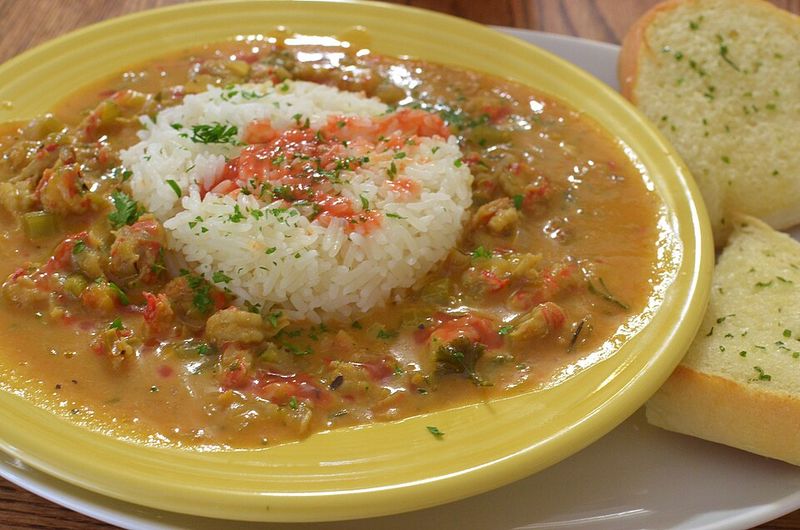
Breaux Bridge, Louisiana calls itself the Crawfish Capital of the World, and after one bite of Crawfish Etouffee, you will understand exactly why that claim holds up.
The word “etouffee” means “smothered” in French, and that is precisely what happens here: tender crawfish tails get smothered in one of the most luxurious, buttery sauces you have ever encountered.
It starts with a lighter roux, much paler than the dark base of a Gumbo, which creates a velvety, silky sauce rather than a deeply smoky one.
The holy trinity of onions, celery, and bell peppers cooks down slowly, building a profound aromatic base before the crawfish arrive.
The real secret weapon is the crawfish fat, a creamy yellowish inclusion that adds an unparalleled depth of flavor that no substitute can replicate. Unlike Gumbo, Etouffee is thick and gravy-like, designed to cling lovingly to every grain of white rice beneath it.
Crawfish season runs roughly from February through mid-May, making every bowl feel like a precious, time-limited gift from the bayou itself.
4. Boudin
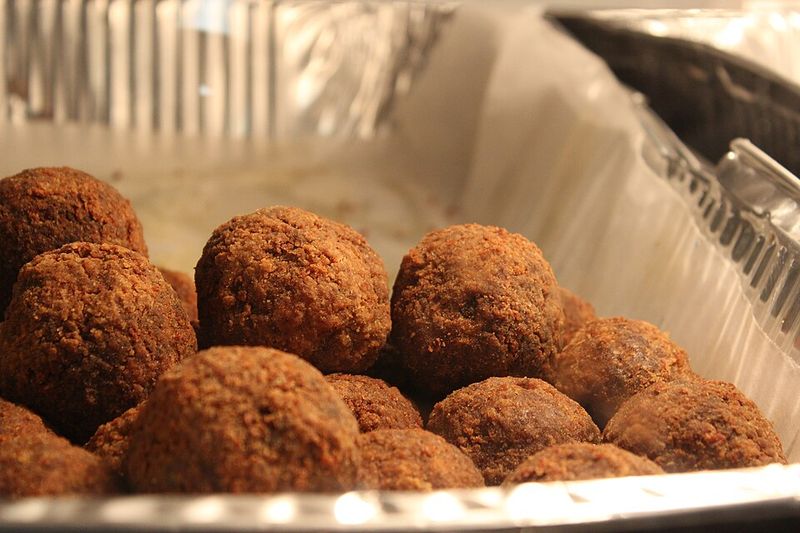
Boudin might just be the most underrated road trip snack in all of America, and Louisiana knows it. This is not your standard sausage.
Inside that natural casing lives a savory, seasoned blend of cooked pork, rice, the holy trinity of vegetables, and enough Cajun spice to make your taste buds sit up straight and pay attention.
Its roots trace directly to the Acadian French settlers, who embraced a philosophy of using every part of the animal with creativity and respect. The boucherie, a communal hog butchering tradition, is where Boudin was born, a flavorful product of community, resourcefulness, and serious culinary skill passed down through generations.
Some versions incorporate pork liver for a richer, earthier depth, while coastal variations swap in crawfish or shrimp for a seafood twist that feels completely at home in Louisiana’s ingredient landscape. Boudin balls, where the filling is rolled up and fried to golden perfection, have become a beloved snack in their own right.
Whether steamed, grilled, or fried, Boudin is proof that humble ingredients, handled with care, can become something absolutely extraordinary and crave-worthy.
5. Cochon De Lait
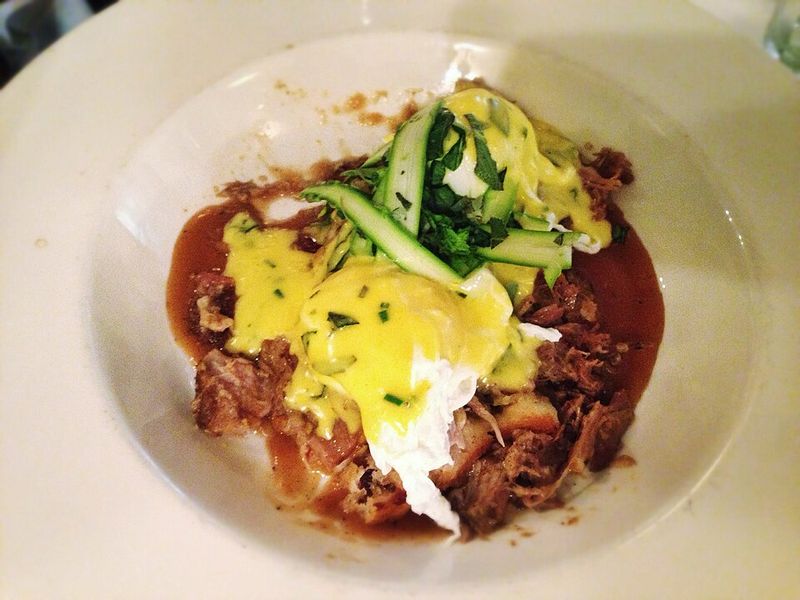
Some meals are just food. Cochon de Lait is an event.
This French phrase translates to “pig in milk,” referring to a whole young pig slow-roasted over an open hardwood fire in a tradition so deeply Cajun it practically has its own heartbeat in Louisiana culture.
The process is gloriously unhurried. The pig is seasoned inside and out, then rotated slowly over a fire often fueled by local pecan wood, which lends a subtly sweet, nutty smoke to the meat.
Hours later, what emerges is impossibly tender, juicy pork beneath a crackling, golden skin that shatters with every bite like a savory dream come true.
Mansura, Louisiana, proudly carries the title of “La Capital du Cochon de Lait,” hosting an annual festival that draws crowds from across the region to celebrate this beloved tradition.
The pulled pork often finds its way onto Po’ Boy buns, creating a sandwich so outrageously good it deserves its own standing ovation.
Cochon de Lait is not just a meal shared around a table, it is a living, breathing piece of Louisiana’s cultural identity.
6. Red Beans And Rice
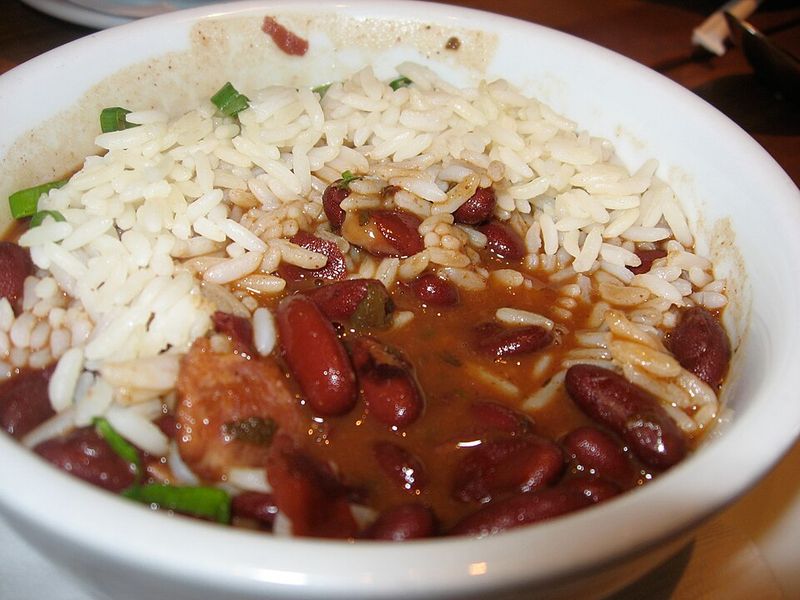
Monday in New Orleans has a flavor, and it tastes exactly like Red Beans and Rice. This dish is so deeply woven into the city’s weekly rhythm that it practically functions as a cultural institution, a comforting constant in a city that never stops moving or celebrating.
The tradition began practically. Mondays were wash days, when hands were too busy for elaborate cooking.
A pot of red beans could simmer all day with minimal attention, often enriched by a leftover ham bone from Sunday’s meal, building a smoky, deeply savory depth that rewards patience in the most delicious way possible.
Small red kidney beans are cooked low and slow with the holy trinity, thyme, cayenne, and bay leaf, until they become wonderfully creamy, almost melting into the rich cooking liquid around them.
Served over fluffy white rice, the dish carries the culinary fingerprints of African, Caribbean, French, Spanish, and Indigenous traditions all at once. It is a bowl that speaks less about fancy technique and more about the profound, enduring power of simple ingredients cooked with real intention and soul.
7. Muffuletta
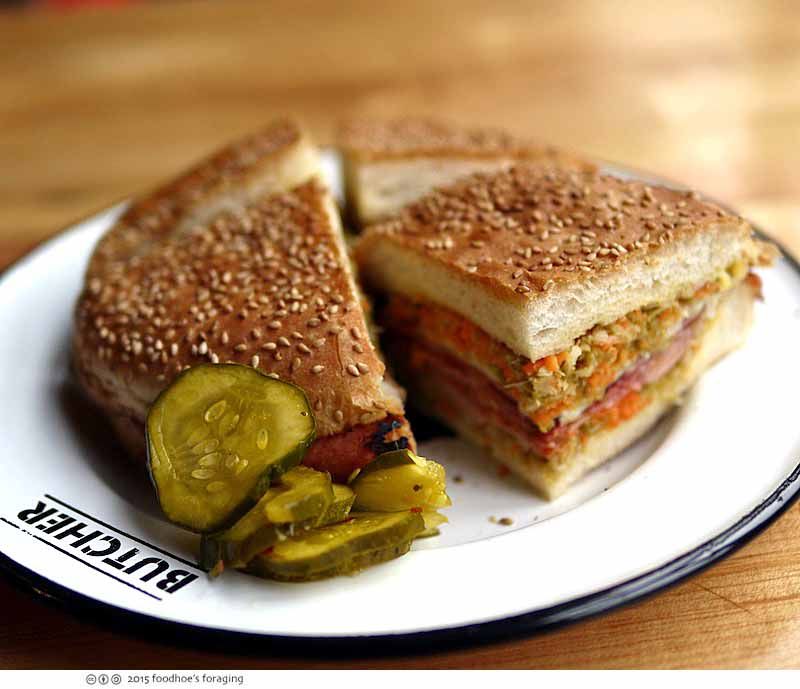
The Muffuletta is the kind of sandwich that makes every other sandwich feel slightly inadequate, and it has been doing exactly that since 1906.
The story leads to Central Grocery in New Orleans, where Salvatore Lupo, a Sicilian immigrant, assembled the very first one for the Sicilian workers shopping at the French Market nearby.
The bread is non-negotiable: a large, round, sesame-seeded Italian loaf with a soft interior and a slight crust, sturdy enough to hold everything together without losing its charm.
What truly separates this sandwich from anything else is the olive salad, a zesty, briny, gloriously messy mixture of chopped green and black olives, capers, pickled vegetables, garlic, and generous olive oil.
Layered inside are cured meats like Genoa salami, ham, and mortadella alongside provolone and mozzarella, all pressed together until the olive oil soaks deep into every corner of the bread.
The magic happens during the resting period, when flavors meld into one harmonious, outrageously satisfying bite after another.
Sharing a Muffuletta is practically a love language in New Orleans, and once you try one, you will understand why completely.
8. Po Boy
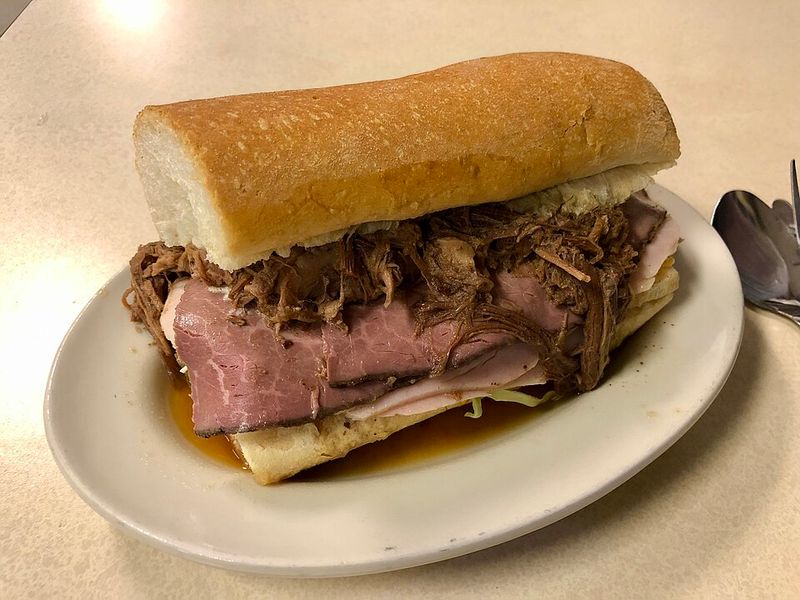
Born from solidarity and generosity, the Po Boy is one of the most iconic sandwiches in American food history, and Louisiana wears that title with absolute pride.
The name traces back to 1929 New Orleans, when brothers Bennie and Clovis Martin, former streetcar conductors, offered free sandwiches to striking streetcar workers. Every time a striker approached, the call rang out: “Here comes another poor boy!”
The bread is the backbone of everything. New Orleans French bread has a crispy, shattering crust that gives way to a pillowy, tender interior, perfectly engineered to absorb flavorful fillings without falling apart under pressure.
Classic fillings range from expertly fried shrimp, oysters, or catfish to slow-roasted beef drenched in rich debris gravy made from pan drippings.
Ordering it “dressed” is the only correct way to experience a Po Boy for the first time. That means crisp lettuce, ripe tomatoes, tangy pickles, and creamy mayonnaise piled on with zero restraint.
It is messy, magnificent, and deeply satisfying in a way that feels both unpretentious and completely irreplaceable in Louisiana’s culinary story.
9. Crawfish Boil
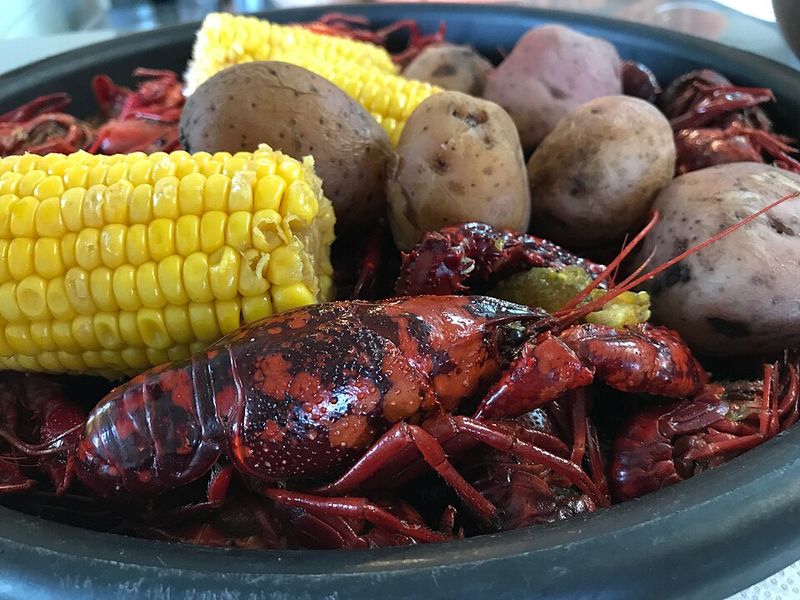
A Crawfish Boil is not a meal you eat quietly alone. It is a full-on social event, a Louisiana ritual that turns a backyard into a festival and a pile of crustaceans into the centerpiece of one of the most joyful dining experiences imaginable.
Propane burners, massive pots, and newspaper-lined tables are the only decor you need.
Fresh crawfish are plunged into boiling, heavily seasoned water loaded with citrus, spices, corn on the cob, red potatoes, and smoked sausage, all of which absorb the boldly seasoned broth as they cook.
The aroma alone is enough to draw a crowd from several houses away without any formal invitation needed.
Once cooked, the steaming heap gets dumped directly onto the table and everyone digs in with their bare hands, peeling shells, pulling tender meat, and savoring every bite.
“Sucking the heads” for the extra seasoned fat inside is a Louisiana tradition that separates the enthusiasts from the newcomers.
The crawfish boil season peaks from late winter through spring, making each gathering feel like a seasonal celebration that reminds you why Louisiana living feels so extraordinary and alive.
10. Maque Choux
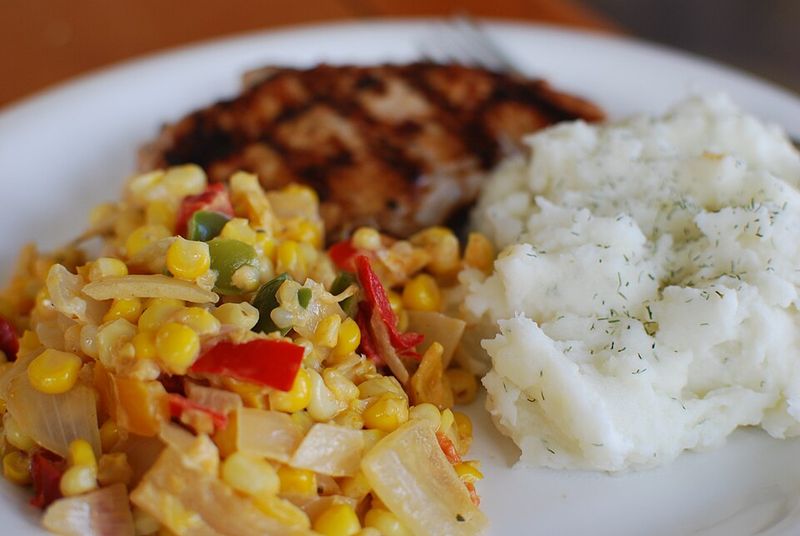
Maque Choux is the dish that quietly steals the spotlight every single time it shows up at the table, and it has been doing so for centuries.
The name itself is believed to blend French and Native American language roots, a fitting origin for a dish that perfectly represents Louisiana’s deep cultural layering and agricultural abundance.
At its heart, Maque Choux is a celebration of corn, particularly the sweet, fresh-picked corn that thrives in Louisiana’s warm growing season.
The corn is slow-cooked down with the holy trinity of onions, bell peppers, and celery in a generous amount of fat, traditionally bacon grease, which builds a rich, savory foundation that elevates every ingredient involved.
Some versions add garlic, ripe tomatoes, or a splash of cream for an extra layer of richness that makes the dish feel almost indulgent despite its simple roots.
While it traditionally accompanies grilled meats or fried fish, Maque Choux is flavorful enough to carry a meal entirely on its own. It is a beautiful reminder that the most memorable dishes are often built from the most straightforward, honest ingredients treated with genuine care and creativity.
11. Yakamein
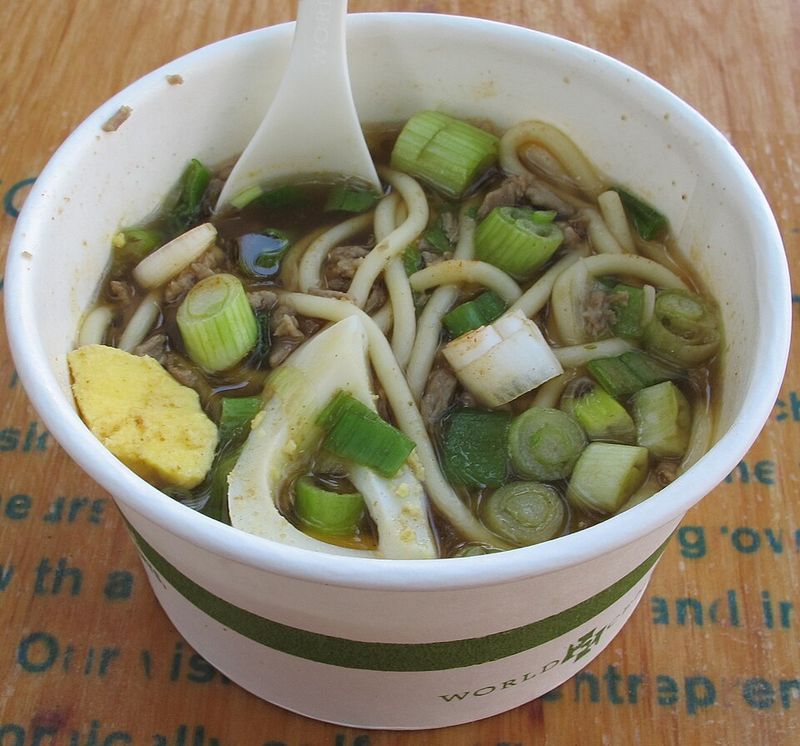
Yakamein goes by many names in New Orleans, but “Old Sober” is the one that really captures its legendary street food reputation.
This deeply comforting beef noodle soup is unlike anything else in the Louisiana food canon, a dish that sits at the fascinating crossroads of Creole cooking and Asian culinary tradition in a way that feels completely natural.
Theories about its origins are wonderfully layered. One popular account suggests Chinese immigrants in the mid-1800s adapted their traditional noodle soups using locally available spaghetti in place of Asian noodles.
Another theory points to African American soldiers returning home after the Korean War, bringing a taste for Pacific Rim flavors back to their New Orleans kitchens.
Whatever its true beginning, the result is a rich, savory beef broth brimming with tender stewed beef like brisket or chuck roast, piled generously over spaghetti noodles and crowned with a hard-boiled egg and fresh green onions.
Splashes of soy sauce, hot sauce, or Worcestershire sauce are common finishing touches. Found at festivals, parades, and neighborhood kitchens across the city, Yakamein is one of New Orleans’ most beloved and endearingly unexpected culinary treasures.
12. Dirty Rice
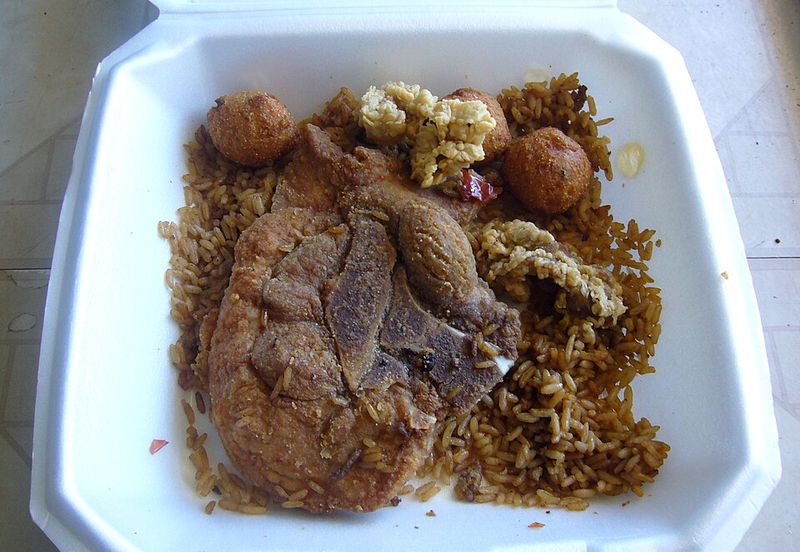
The name sounds a little suspicious, but one forkful of Dirty Rice and you will immediately understand why this dish has been a Louisiana staple for generations.
Its “dirty” appearance comes from finely chopped or ground meat, often chicken liver or giblets, cooked directly into the rice, giving it that signature speckled, deeply seasoned look that is impossible to mistake for anything else.
The origins of Dirty Rice are rooted in the history of enslaved people in Louisiana, who transformed less desirable cuts of meat into something profoundly flavorful through creativity, skill, and necessity.
The holy trinity of onions, celery, and bell peppers forms the aromatic base, sauteed until tender before meeting the seasoned meat and raw rice in the same pan.
As everything simmers together, the rice absorbs the rich, savory juices and bold spices surrounding it, developing a depth of flavor that plain rice could never dream of achieving on its own.
Served as a side dish or a satisfying main, Dirty Rice is a testament to how culinary ingenuity, born from limitation, can produce something far greater than the sum of its humble, honest parts.
13. Pralines
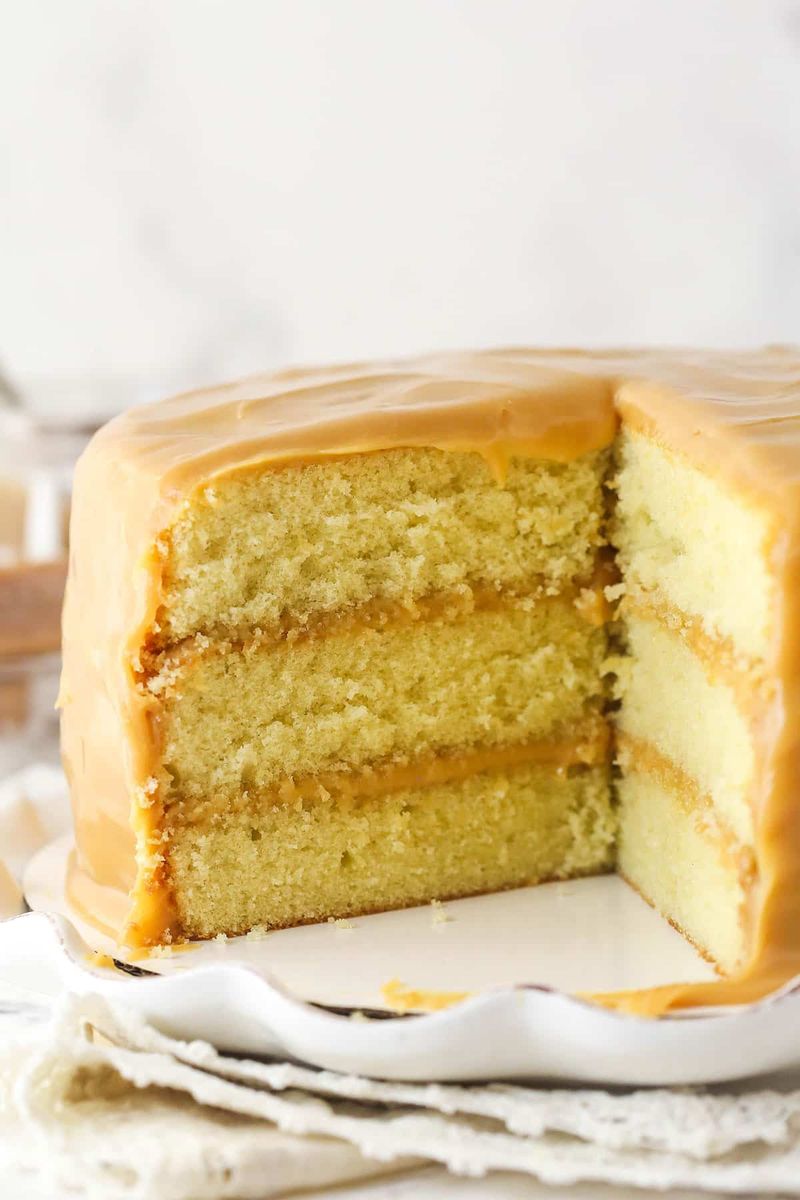
Louisiana Pralines are the kind of sweet that ruins all other candy for you permanently, and that is meant as the highest possible compliment.
These creamy, melt-in-your-mouth confections are a direct product of cultural adaptation, a story that travels from 17th-century France all the way to the streets of New Orleans with a beautifully delicious detour along the way.
French settlers originally made pralines with almonds coated in caramelized sugar. When they arrived in Louisiana, almonds were scarce, but native pecans were plentiful.
It was the ingenious African American cooks in colonial kitchens who made the inspired substitution, adding cream to create the rich, buttery, fudge-like patty that became a New Orleans icon recognized around the world.
Historically, Creole women known as pralinières sold these golden treats on the streets of New Orleans, particularly around Jackson Square, becoming beloved figures in the city’s culinary landscape.
Each praline is generously studded with crunchy pecans that contrast beautifully against the smooth, caramelized candy surrounding them.
If Louisiana’s food story needed a sweet final note, Pralines deliver it with elegance, history, and enough sugary joy to make you wonder why you ever ate anything else for dessert.