
11 Restaurant Specialties Across Kentucky That You Won’t See On Typical Menus
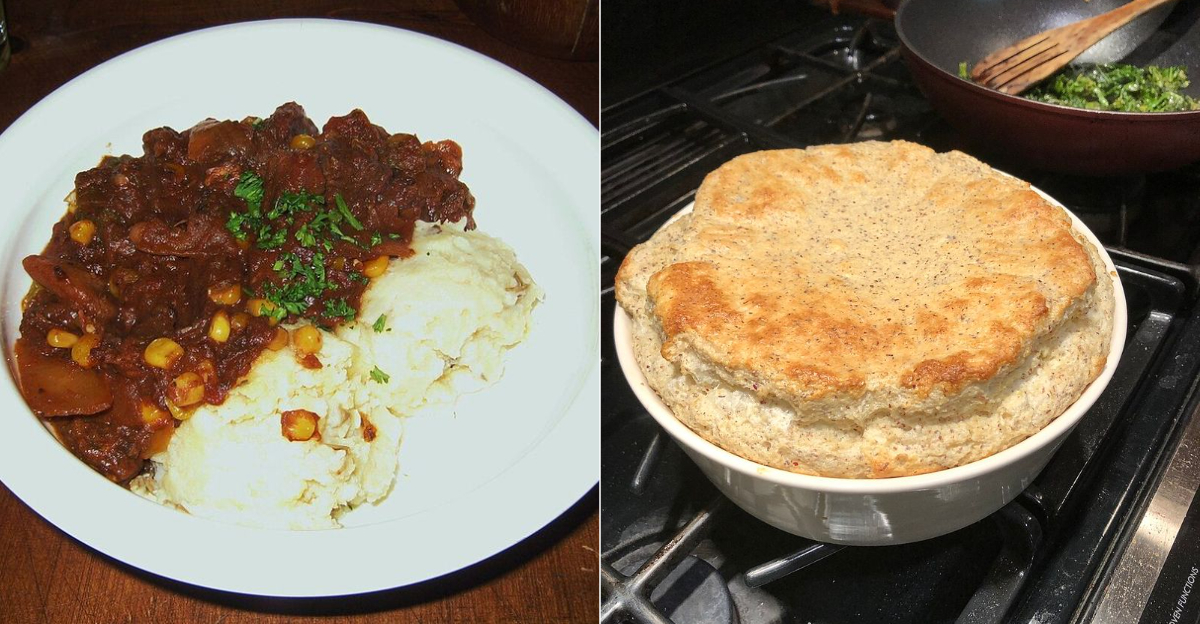
You could eat pretty well in Kentucky without ever touching the dishes tourists hear about. In fact, some of the best orders might leave you asking, “Why don’t people everywhere eat this?”
A Hot Brown is basically an open-faced sandwich that looked at restraint and walked in the opposite direction. Benedictine sounds fancy until you realize it’s a cool, creamy cucumber spread that somehow became a Kentucky classic.
Then there are soup beans and cornbread, the kind of meal that proves you don’t need a long ingredient list to make a plate disappear fast.
These foods aren’t trying to be trendy, and that’s exactly their charm. They come from old hotel kitchens, church suppers, family tables, and local habits that stuck around long after everyone forgot who started them.
Some are oddly specific, some are gloriously simple, and a few sound like inside jokes until you actually taste them.
1. Kentucky Hot Brown
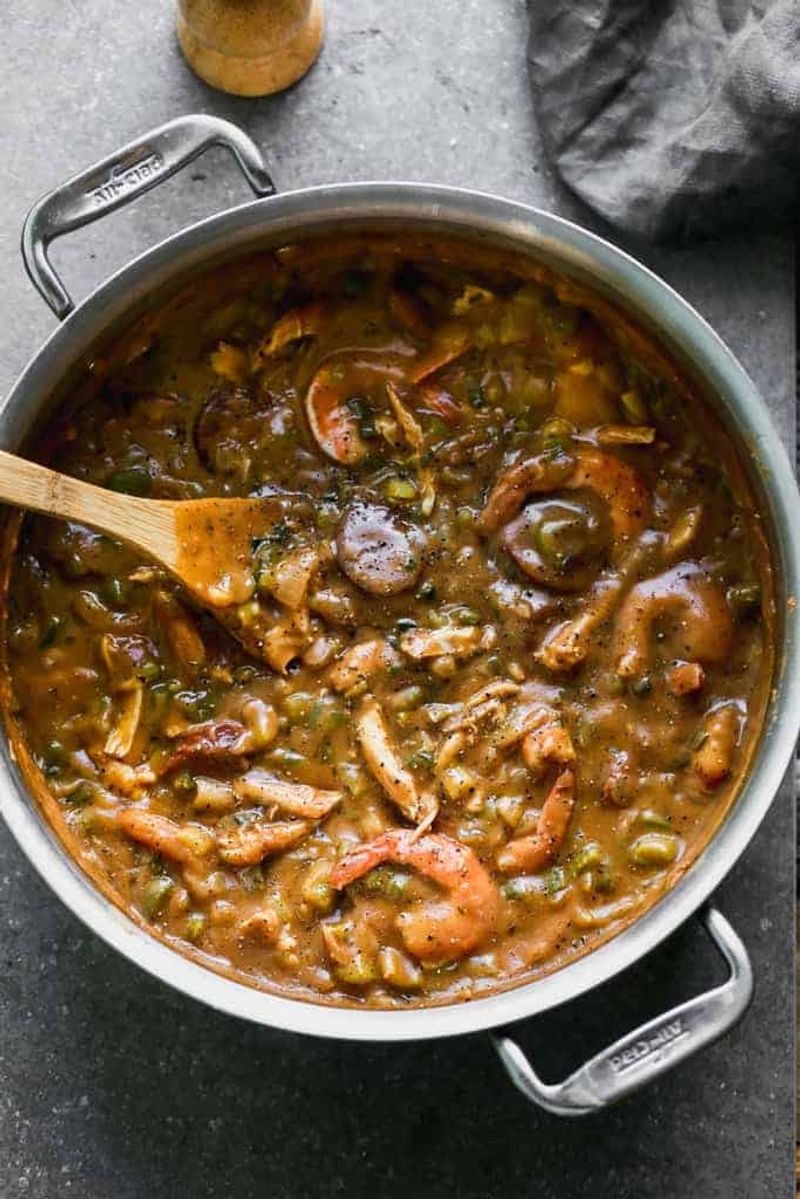
Back in 1926, the Brown Hotel in Louisville was the place to be. Jazz Age dancers packed the ballroom every night, and after hours of moving to the music, they needed something far more exciting than plain ham and eggs.
Chef Fred K. Schmidt answered that call with something nobody had ever tasted before.
The Hot Brown is an open-faced sandwich built on thick Texas toast, piled high with roasted turkey breast. A rich, creamy Mornay sauce made with Pecorino Romano cheese and a hint of nutmeg gets poured over everything.
Then the whole thing goes under the broiler until it is golden, bubbly, and absolutely irresistible.
Crispy bacon is crisscrossed on top, and ripe Roma tomato halves add a bright pop of color and freshness. The original version is still proudly served at the Brown Hotel today.
Many Kentucky restaurants now put their own spin on it, using pulled chicken or different cheeses.
One thing stays the same though: that first bite always hits different. The Hot Brown is not just a dish.
It is a full-on Kentucky moment you carry with you long after the plate is empty.
2. Mutton Barbecue
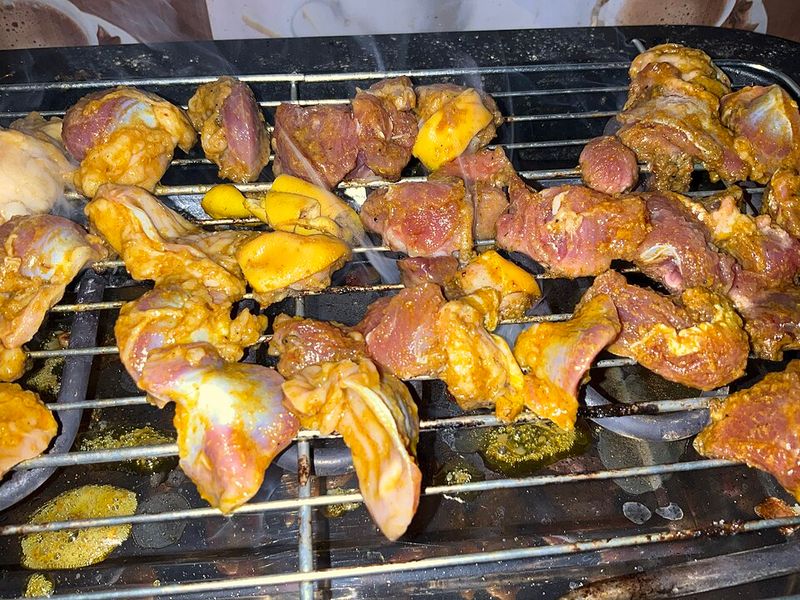
Most barbecue lovers think of pork or beef when they picture a smoky pit. But in Owensboro, Kentucky, the conversation starts and ends with mutton.
This is not a trend or a gimmick.
Mutton barbecue has been the centerpiece of western Kentucky cooking for well over a century.
Mutton comes from mature sheep, and that age gives the meat a bold, distinctive flavor that younger lamb simply cannot match.
The meat is slow-cooked over hickory wood for many hours until it becomes fall-apart tender. What makes Owensboro’s version truly iconic is the accompanying dip sauce, a thin, tangy, Worcestershire-heavy condiment that cuts right through the richness of the meat.
Every year, the International Bar-B-Q Festival in Owensboro draws massive crowds who come specifically for this regional specialty. Local spots like Moonlite Bar-B-Q Inn have been perfecting their mutton recipe for decades.
The flavor profile is unlike anything else in American barbecue culture.
Bold, smoky, slightly gamey in the best possible way, and completely addictive. If you have only ever had pork ribs at a cookout, mutton barbecue in Owensboro will genuinely expand your idea of what barbecue can be.
3. Burgoo
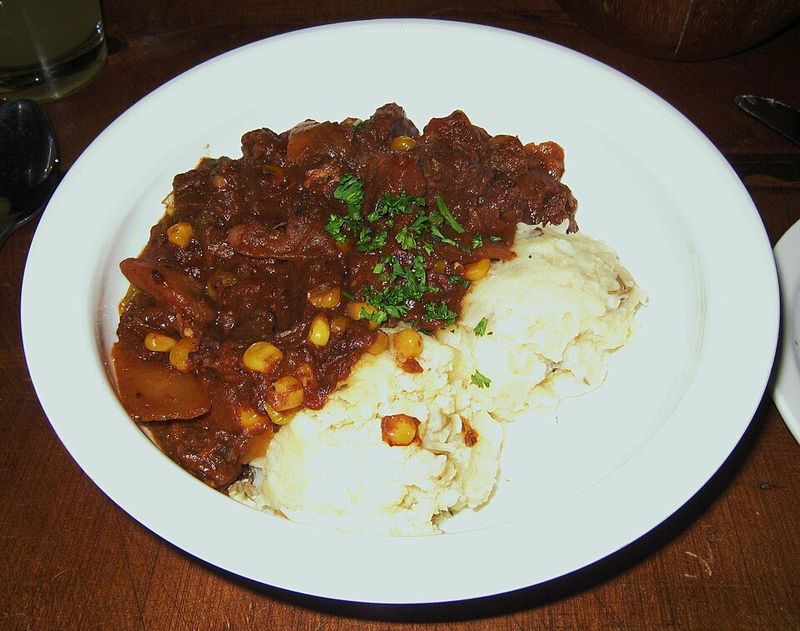
Burgoo sounds like something a cartoon character might say, but the dish itself is deeply serious Kentucky business.
This thick, hearty stew has roots going all the way back to the Civil War era, when cooks made it from whatever meat and vegetables were available. It was practical, filling, and surprisingly delicious.
Traditional burgoo is a slow-cooked mixture of multiple meats, often mutton, chicken, and sometimes pork, combined with vegetables like corn, lima beans, okra, tomatoes, and potatoes.
The whole pot simmers for hours, sometimes even a full day, until everything melds into one gloriously thick, deeply flavored stew. Every cook has a slightly different recipe, and that variety is part of the charm.
Burgoo is closely tied to Kentucky’s horse racing culture and is often served at large outdoor gatherings and community events. It has been a fixture at Derby parties and political rallies alike.
Some restaurants in central Kentucky keep a pot going year-round because demand never really drops off. Eating burgoo feels like being welcomed into someone’s home kitchen.
It is comforting, unpretentious, and packed with flavor that builds with every spoonful. This is the stew that Kentucky proudly calls its own.
4. Benedictine Sandwich
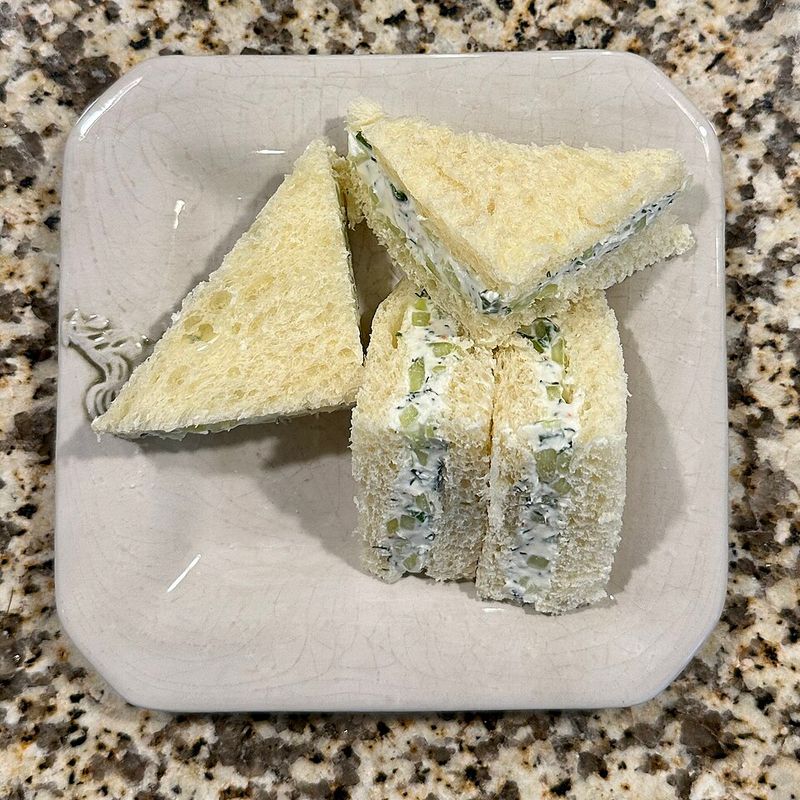
Louisville has a sandwich spread so beloved that it has been showing up at tea parties, picnics, and bridal showers for over a hundred years. Benedictine is a smooth, creamy mixture of cream cheese, cucumber, and onion, tinted a soft green and impossibly refreshing.
It sounds simple, and it is, but that simplicity is exactly the point.
The spread was created by Jennie Benedict, a Louisville caterer and cookbook author, around the turn of the twentieth century. She developed it as a light, elegant option for gatherings, and it caught on immediately.
Today, Benedictine is considered a true Louisville institution, appearing at everything from casual lunches to formal events.
The flavor is cool, creamy, and gently savory, with a texture that spreads beautifully on soft white bread or crackers.
Some versions add a touch of hot sauce for a subtle kick, while others keep it completely mild. You can find it at delis, specialty food shops, and restaurants throughout Louisville.
It is the kind of food that makes you wonder why every city does not have its own version.
Benedictine is proof that the most elegant things in life are often the most straightforward. Louisville figured that out a long time ago.
5. Rolled Oysters

Here is a food that almost nobody outside of Louisville has ever heard of, which makes it one of the most exciting things on this entire list.
Rolled oysters are a hyper-local Louisville specialty that has been around since the late 1800s, and they are nothing like the oysters you might find on a raw bar menu.
The preparation is surprisingly straightforward. Small oysters are rolled in a seasoned cracker crumb coating and then pan-fried until they are perfectly golden and crispy on the outside.
The result is a bite-sized, crunchy little package with a tender, briny oyster inside. They are typically served as an appetizer with a tangy dipping sauce.
The history of rolled oysters in Louisville is tied to the city’s old tavern culture, where they were a popular snack alongside other light fare.
A handful of Louisville restaurants still keep the tradition alive, and finding them feels like discovering a secret. Kunz’s The Dutchman is one of the most well-known spots associated with this dish.
Rolled oysters are the kind of thing that food historians get genuinely excited about.
Once you try them, you will completely understand why this little-known Louisville gem deserves so much more attention.
6. Chili Spaghetti
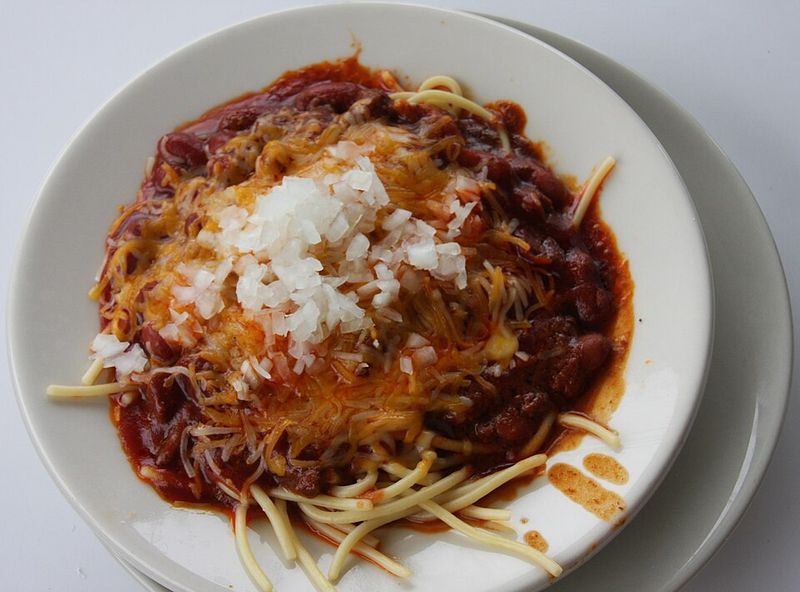
Chili on spaghetti sounds like something a creative ten-year-old would invent on a dare. But in northern Kentucky and the greater Cincinnati area, this combination is an absolute way of life.
Locals call it a “two-way” when it is just chili on spaghetti, and it only gets more layered from there.
The chili itself is unlike Texas-style chili. It is thinner, more sauce-like, and seasoned with a unique blend of spices that includes cinnamon, allspice, and sometimes chocolate.
That warm, aromatic flavor profile sets it completely apart from anything else called chili in America. Piled over a bed of spaghetti noodles, it becomes something genuinely unexpected and wonderful.
Add a mountain of finely shredded cheddar cheese on top and you have a three-way, which is the most popular way to order it.
Northern Kentucky spots like Dixie Chili in Covington have been serving this regional specialty since 1929. The dish has a devoted following that borders on passionate.
First-timers often raise an eyebrow at the menu description.
Then they take one bite and immediately start planning their next visit. Chili spaghetti is the dish that turns skeptics into believers faster than almost anything else on this list.
7. Soup Beans And Cornbread
Some dishes do not need a fancy origin story because the food itself speaks loudly enough.
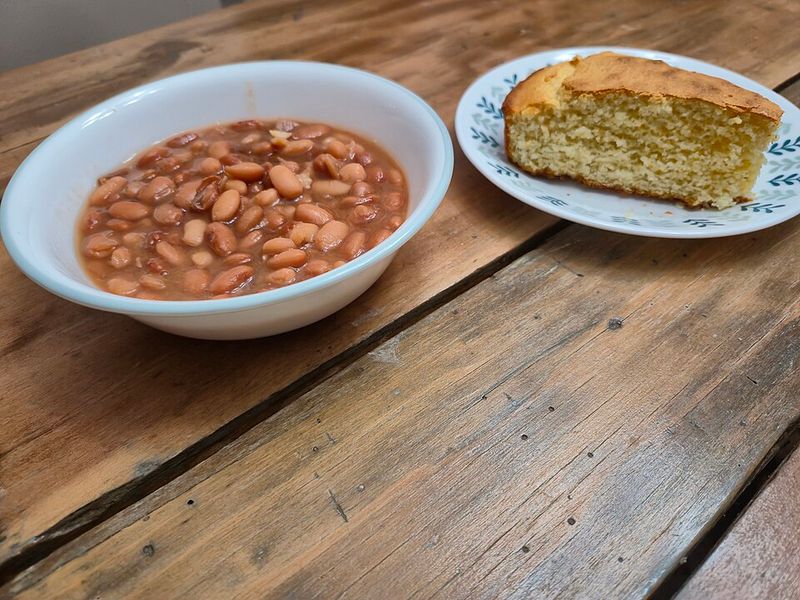
Soup beans and cornbread is the heartbeat of Appalachian Kentucky cooking, born from necessity and perfected through generations of cooks who knew how to make something extraordinary from humble ingredients.
The beans are typically pinto beans, slow-simmered for hours in a rich, seasoned broth until they become tender and deeply flavorful.
A piece of cured pork is often added during cooking, giving the broth a savory, smoky depth that no shortcut can replicate. The cornbread comes out of a cast iron skillet, golden and slightly crispy on the outside, soft and crumbly inside.
The two together create one of the most satisfying meals imaginable. You crumble the cornbread right into the bean broth, and suddenly you have a bowl of something that feels like a warm embrace on a cold afternoon.
In eastern Kentucky, this meal is cultural currency.
It shows up at family tables, church gatherings, and community events without fail. Restaurants in the region that still serve proper soup beans with honest skillet cornbread are doing something genuinely important.
This dish is Kentucky history in a bowl, and it tastes like home.
8. Transparent Pie

If you grew up in Kentucky, transparent pie probably feels as normal as apple pie. But mention it almost anywhere else in the country and you will get a very puzzled look.
The name alone is enough to make anyone curious, and the flavor is enough to make them come back for more.
Transparent pie is a simple, old-fashioned custard-style pie made from sugar, butter, cream, and eggs. The filling bakes up smooth and slightly glossy, with a delicate sweetness that is rich without being overwhelming.
The name comes from the clear, almost translucent appearance of the filling before it sets in the oven.
This pie is deeply rooted in central and eastern Kentucky, where it has been a staple of home kitchens and church potlucks for well over a century.
It is similar in concept to a chess pie but has its own distinct texture and flavor that regular chess pie fans will immediately notice. Finding it on a restaurant menu is a genuine treat, because it signals that the kitchen respects old Kentucky traditions.
Transparent pie is the kind of dessert that makes you slow down and pay attention. Every bite is a quiet reminder that the simplest recipes often carry the most history.
9. Country Ham Biscuits
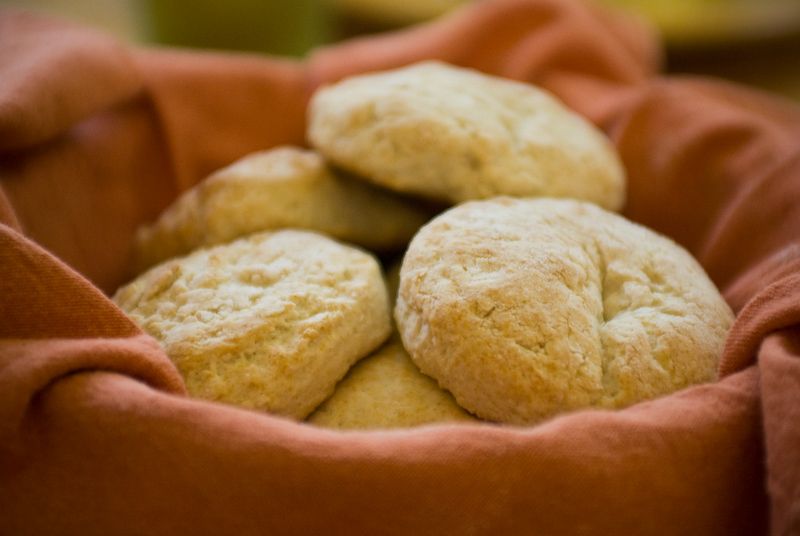
No breakfast in Kentucky is complete without a country ham biscuit. This is not deli ham.
It is not Canadian bacon.
Kentucky country ham is a whole different category of cured meat, and once you understand that, the biscuit situation starts to make a lot more sense.
Country ham is dry-cured with salt for months, then aged until it develops a deep, intense, almost funky flavor that is genuinely unlike anything else.
It is saltier than what most people are used to, and that boldness is exactly why it works so perfectly tucked inside a warm, fluffy buttermilk biscuit. The biscuit softens the saltiness and adds a buttery richness that rounds everything out beautifully.
Kentucky has a long tradition of country ham production, with places like Broadbent’s in Kuttawa earning serious recognition for their curing process. Many small diners and roadside spots across the state serve country ham biscuits as a morning staple, and the line out the door on a Saturday morning tells you everything you need to know.
A drizzle of honey on top is an optional but highly recommended move. Country ham biscuits are the kind of breakfast that makes you want to move to Kentucky permanently.
10. Spoonbread

Spoonbread sounds like something from a fairy tale, and honestly, eating it feels a little bit like one too. This is not cornbread in the traditional sense.
Spoonbread is a soft, custardy, souffle-like dish made from cornmeal, eggs, milk, and butter, and it gets its name from the fact that you eat it with a spoon rather than picking it up with your hands.
The texture is somewhere between a savory pudding and a light, airy cornmeal souffle. It puffs up beautifully in the oven and has a gentle, slightly sweet corn flavor that pairs wonderfully with roasted meats, stews, and braised greens.
It is simultaneously a side dish and a statement about Kentucky’s deep relationship with corn as a culinary ingredient.
Spoonbread has roots in Native American cooking and was later adopted and refined by Southern Appalachian communities.
In Kentucky, it remains a beloved side dish at traditional restaurants and holiday tables alike. The Beaumont Inn in Harrodsburg is one of the most celebrated spots for spoonbread in the state, having served it for generations.
Spoonbread is the dish that quietly steals the show at the table every single time it appears.
11. Fried Bologna Sandwich
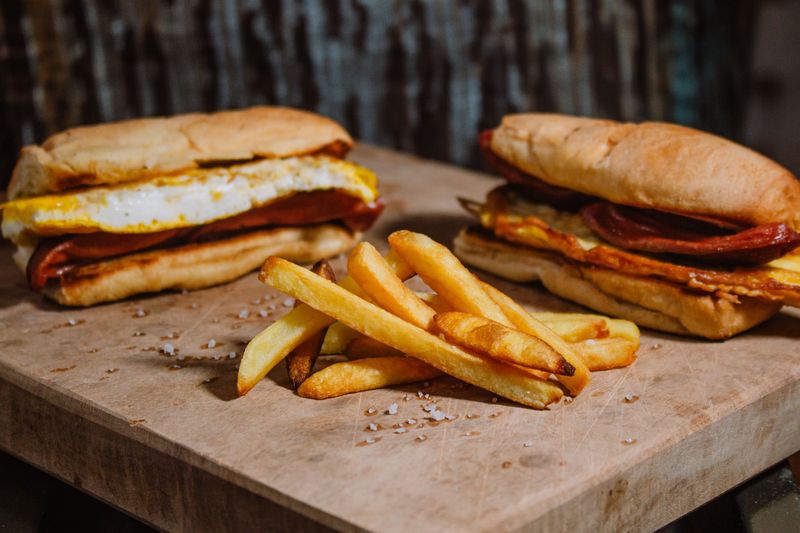
Before you scroll past this one, hear it out. A fried bologna sandwich done right is one of the most satisfying things you can eat, and Kentucky has been quietly perfecting it for decades.
This is working-class comfort food at its most honest and unapologetic, and it absolutely belongs on this list.
The key is thick-cut bologna, sliced generously and tossed into a hot cast iron skillet. The edges curl up as it fries, creating a slightly crispy rim around a juicy, savory center.
That curl is the sign of a properly made fried bologna sandwich.
A slice of American cheese melts over the top, and the whole thing goes onto toasted white bread with yellow mustard and pickle chips.
It is simple, it is unpretentious, and it is deeply delicious in a way that catches people off guard every single time. In Kentucky, you will find fried bologna sandwiches at old-school diners, lunch counters, and small-town meat-and-three spots throughout the state.
It represents a kind of cooking that does not try to impress anyone. It just delivers on flavor, every time, without fail.
If Kentucky had a comfort food hall of fame, the fried bologna sandwich would have a plaque with its name on it. Have you ever had a bite that instantly reminded you of something good?