
A Coffee Stand Is Waiting Inside This Long-Running Washington Garden Center
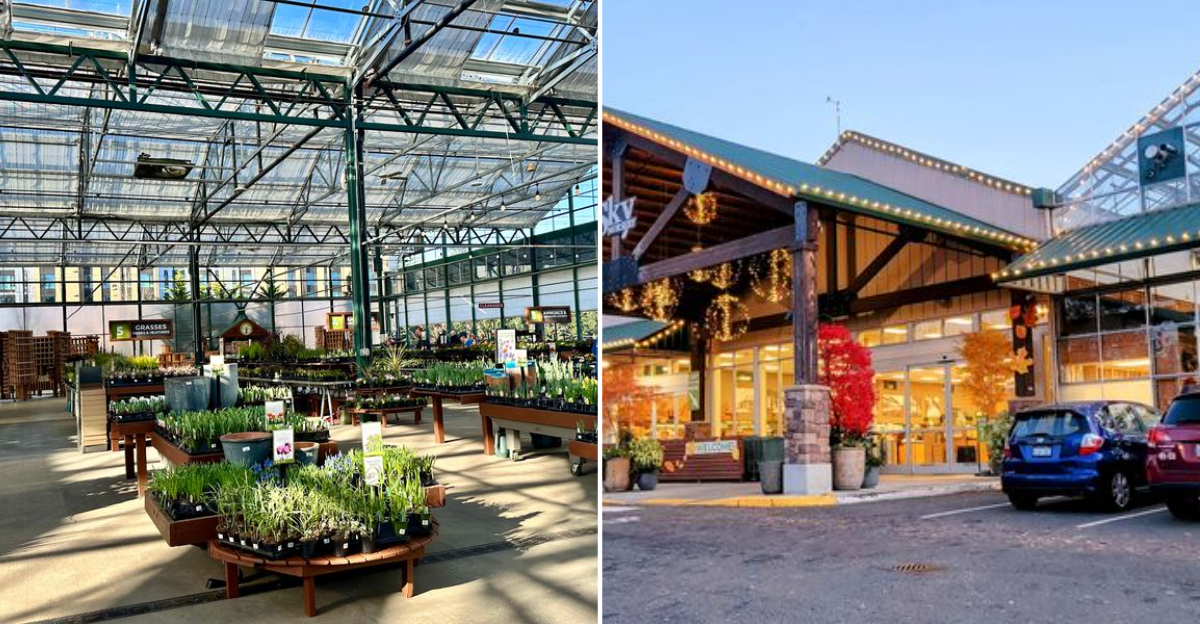
Coffee and plants are two things I can rarely say no to, so putting them under one roof is a dangerous idea for my wallet.
This long-running Washington garden center makes an ordinary plant run feel more like a little outing. I can browse rows of greenery, compare pots, convince myself I absolutely need another houseplant, and then stop for coffee without leaving the store.
That combination is exactly what gets me. A quick errand turns into an hour, then somehow I am still wandering with a cup in one hand and a plant tag in the other.
I like places that make everyday chores feel less routine, and this Washington favorite does that without trying too hard. Even if I arrive with a short list, I usually leave with more than I planned and absolutely no regrets.
It Makes Plant Shopping Feel Like A Date
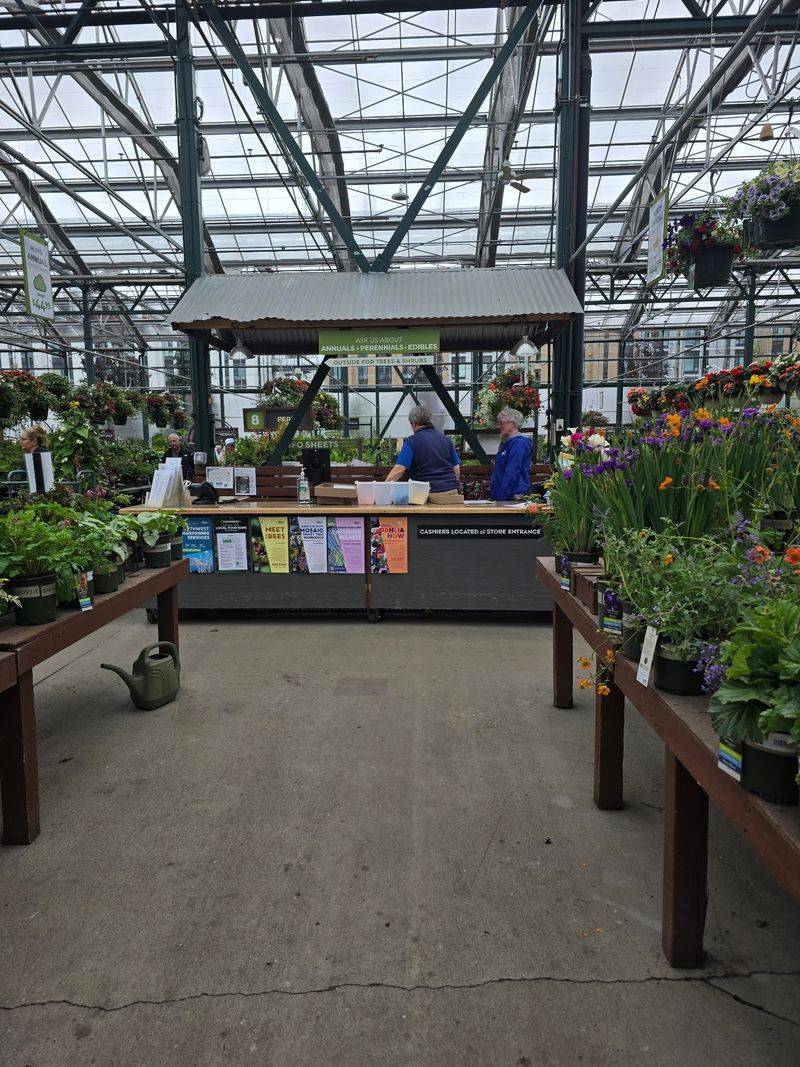
Caffeine and chlorophyll turn out to be a shockingly good pairing. Right inside Sky Nursery sits a small coffee counter, ready with espresso drinks, teas, and something sweet to nibble.
Shoppers grab a cup first, then wander the aisles at a slower pace. That slower pace matters more than it sounds. Instead of rushing to grab one bag of soil, you actually read plant tags and notice the weird, wonderful stuff on the clearance rack.
Rainy Washington mornings practically demand a warm drink, and holding one while strolling past blooming primroses feels like a small luxury. Couples treat it as a low-key date. Parents use it as a bribe for patient kids.
Gardeners nursing early spring ambition use it as fuel before hauling home flats of vegetable starts. The setup also encourages conversation, because people linger near the counter and swap tips about what is thriving in their yards.
Cup in hand, you are no longer a customer on a mission. You are a visitor enjoying a greenhouse, and that shift is the whole charm.
Rooted In Shoreline Since The 1950s
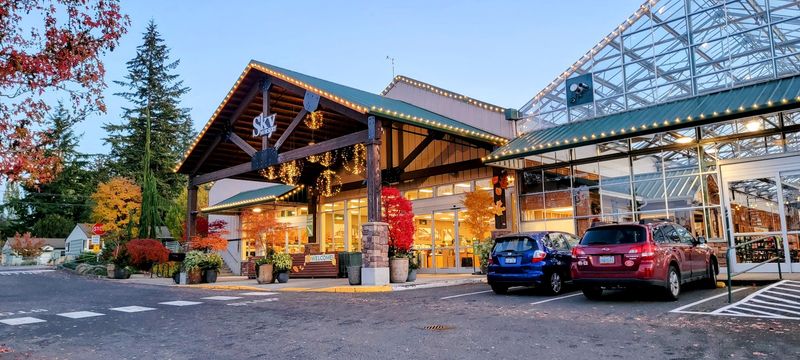
Longevity in retail is impressive, and this place has stacked up decades of it. You will find it at 18528 Aurora Avenue North in Shoreline, just north of Seattle, where the parking lot fills fast on sunny spring weekends.
The business traces back to the 1950s, growing from a modest operation into one of the region’s best-known independent garden destinations. Generations of local gardeners learned the basics here.
Staying independent for that long is no small trick, especially with big chain stores selling plants down the road. What keeps people loyal is depth: unusual varieties, healthy stock, and employees who actually know the difference between two similar-looking hydrangeas.
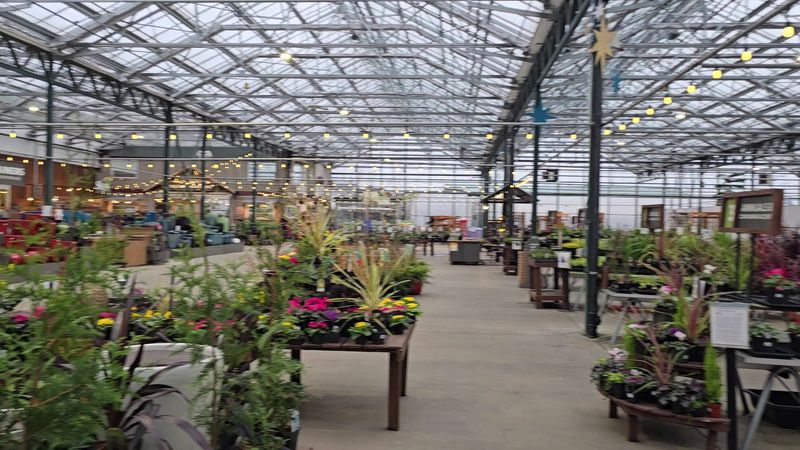
The buildings have expanded over the years, adding greenhouses, covered areas, and indoor departments. That patchwork layout gives the space a delightful maze quality.
You turn a corner expecting bird feeders and find yourself among tropical houseplants instead. History hangs around in the details, from the well-worn concrete floors to the regulars who greet staff by name every single visit.
Greenhouses Packed With Pacific Northwest Favorites
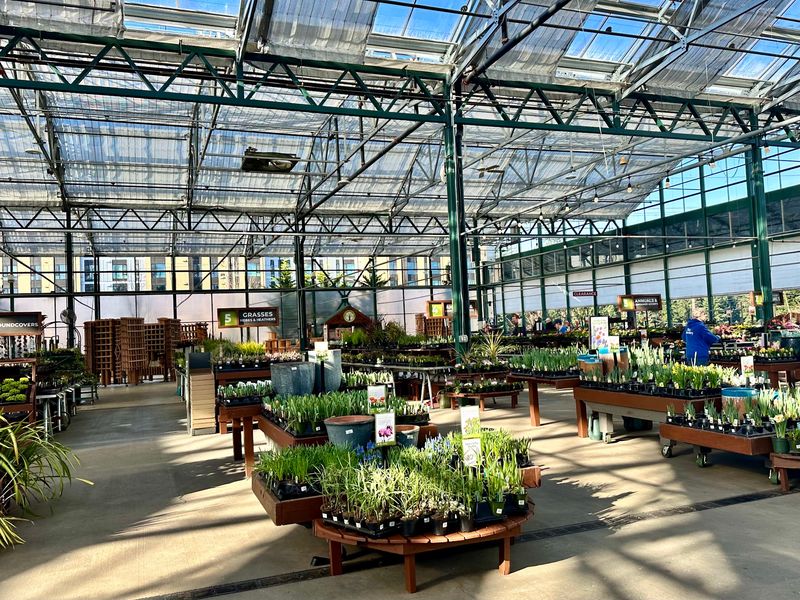
Step into the greenhouse and the air changes instantly: warmer, damper, faintly sweet. Rows of annuals, perennials, and hanging baskets stretch out like a paint palette that someone knocked over in the best possible way.
Because this is western Washington, the selection leans into plants that shrug off gray skies. Hellebores, hostas, hardy fuchsias, heucheras, and ferns all show up in force.
Shade lovers get real respect here, which is a relief for anyone gardening under towering Douglas firs. Rhododendrons and Japanese maples also fill plenty of space, since both practically define regional yards.
Signage helps enormously, telling you sun needs, mature size, and bloom season. That saves rookies from the classic mistake of planting a sun worshipper beside a fence in permanent shadow.
Seasonal rotations keep things interesting, so a February visit looks nothing like a July one. Spring means vegetable starts and berry canes. Fall brings mums, bulbs, and ornamental grasses waving in the breeze near the doors.
Houseplant Heaven For Indoor Jungle Builders
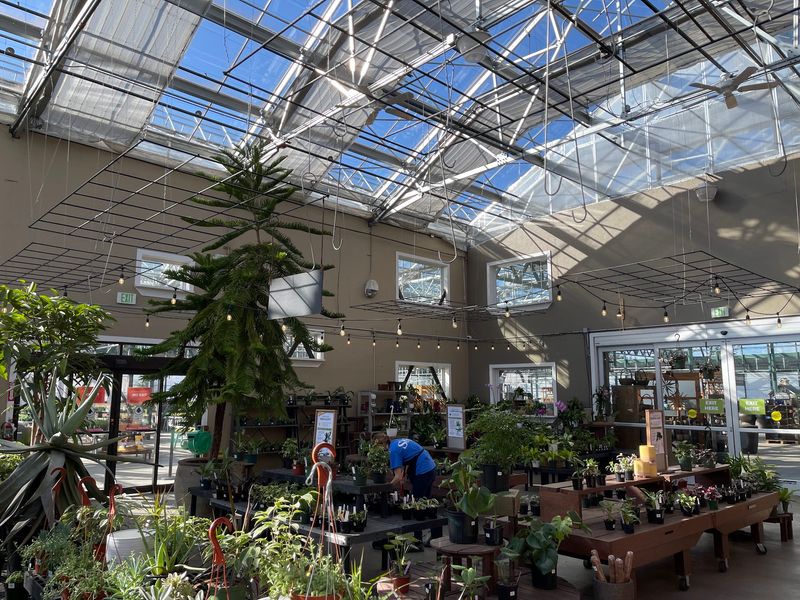
Anyone raising an apartment jungle should budget extra time, and probably extra trunk space. The indoor plant section runs deep, with monsteras, pothos, philodendrons, snake plants, and enough succulents to make a desert jealous.
Sizes range from tiny two-inch starters to floor plants tall enough to need a seatbelt. Prices span the same range, so a small treat is always possible.
Pots, saucers, decorative covers, and hanging hardware sit nearby, which makes the whole project easy to finish in one trip. Staff will happily explain why your fiddle-leaf fig keeps dropping leaves, usually involving overwatering or a chilly draft.
Air plants and terrarium supplies attract crafty types looking for a weekend project. Cacti fans get a spiny little corner of their own.
What sets the department apart is condition: plants look cared for, not neglected under fluorescent lights. Healthy roots mean fewer sad surprises at home.
Bring a photo of your window light, and someone will steer you toward something that survives your specific situation.
Staff Who Answer Your Weirdest Plant Questions
Bring the mystery leaf in a plastic bag. Seriously, people do it constantly, and the staff barely blink before diagnosing the problem.
Employees here tend to be genuine plant nerds, many with horticulture backgrounds or decades of hands-on soil time. Ask about clay soil, slug patrols, deer-resistant shrubs, or pruning timing, and you get specific answers rather than vague shrugs.
That knowledge is the real reason independent nurseries survive. A big box store might sell the same rose bush, but nobody there will explain black spot prevention in your particular microclimate.
Questions about pest identification get taken seriously, often with a magnifying look at the actual sample. Recommendations lean practical: right plant, right place, less heartbreak later.
New gardeners sometimes feel embarrassed asking basics, and there is no need. Everyone kills a plant or twelve while learning.
The friendly back-and-forth also turns errands into small social events. You arrive with one question and leave with three tips, a soil recommendation, and surprising confidence about your neglected side yard.
A Gift Shop Full Of Charming Distractions
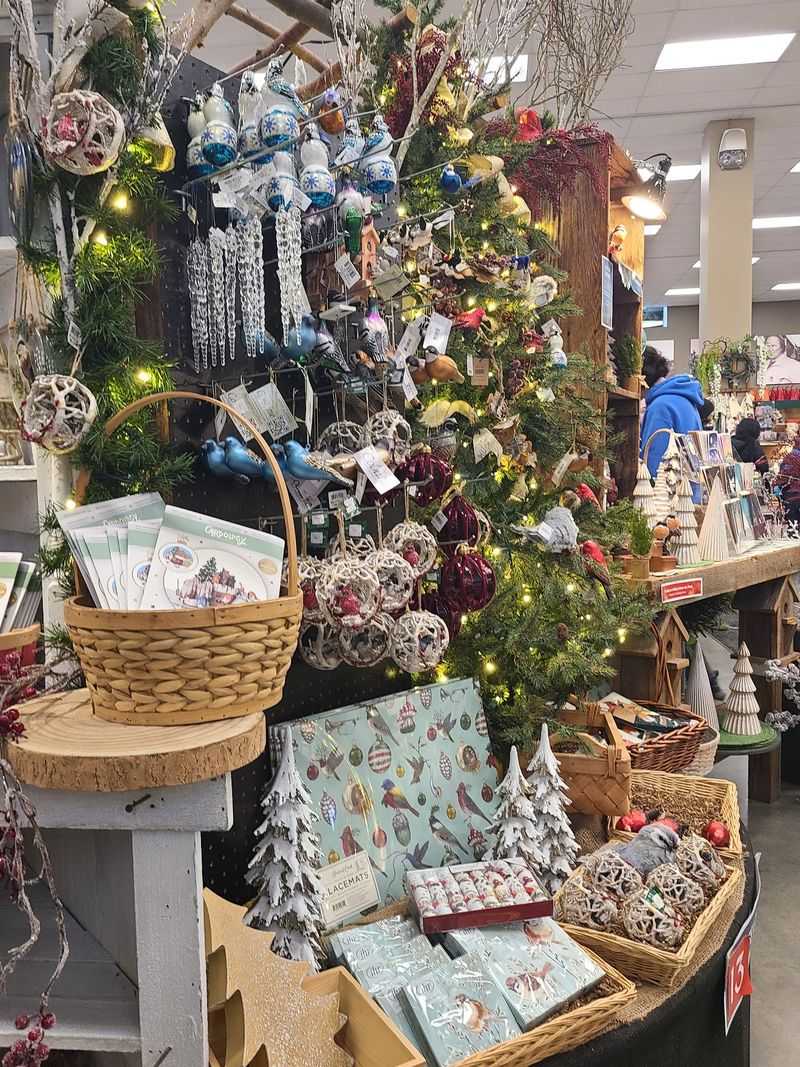
Warning: you came for compost and you are now holding a ceramic frog. The gift area sprawls pleasantly, stocked with wind chimes, candles, cards, tote bags, garden art, and gadgets you did not know existed.
Holiday seasons crank the charm up considerably, with ornaments, wreaths, and decorations filling the shelves. Shoppers who barely garden still show up for the browsing.
Practical goods share the space too. Gloves, pruners, trowels, watering cans, and gardening books all wait for anyone building a starter kit.
Bird lovers get feeders, houses, and seed blends aimed at local species like chickadees and juncos. Squirrel-resistant options exist, though the squirrels remain optimistic.
Kids gravitate toward the tiny fairy garden supplies: miniature benches, doors, bridges, and mushrooms. Building one on a rainy afternoon beats screen time easily.
Gift shopping here is nearly foolproof, since almost everyone appreciates a nice pot or a bag of tulip bulbs. Just budget a few extra minutes, because the shelves do not let you leave quickly.
Bulk Soil, Bark, And The Serious Backyard Stuff
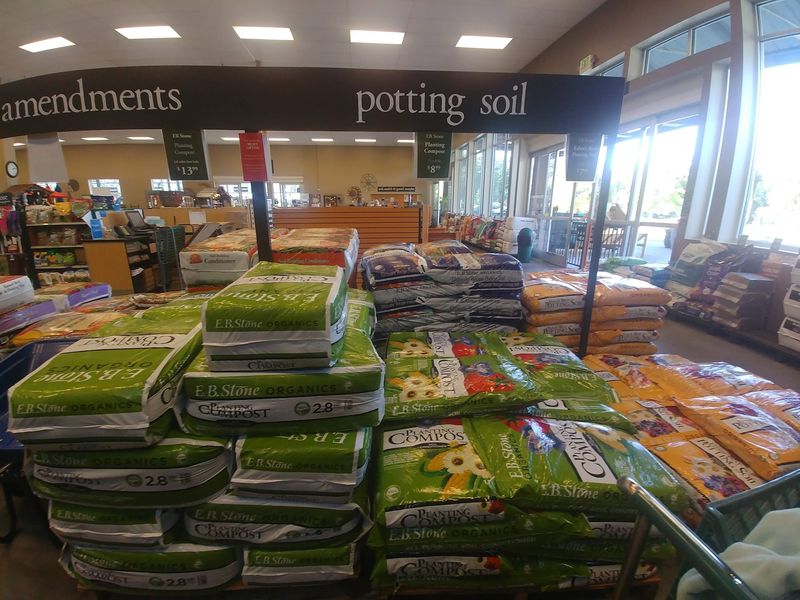
Somewhere past the pretty flowers, the heavy-duty section begins. Outdoors you will find bagged and bulk soil, compost, bark mulch, gravel, pavers, and stone for real landscaping projects.
Contractors and ambitious homeowners load trucks here on weekend mornings. Nothing says commitment like a yard of topsoil.
Choosing the right blend matters more than beginners expect. Vegetable beds want rich compost-heavy mixes, while native shrubs often prefer leaner ground.
Staff can calculate roughly how much material your project needs, which spares you from three separate trips. Bring measurements, and the math gets easy.
Fertilizers, amendments, lime, and organic pest solutions fill nearby shelves. Given how acidic Northwest soil tends to be, lime moves briskly in spring.
Tools for tough work sit close at hand: shovels, rakes, wheelbarrows, and hoses. Pond supplies and irrigation parts round things out.
Finishing a big dirt run and then walking inside for coffee feels earned. Muddy boots, satisfied grin, warm cup: a perfectly Washington kind of victory lap.
Classes, Seasonal Events, And Community Buzz
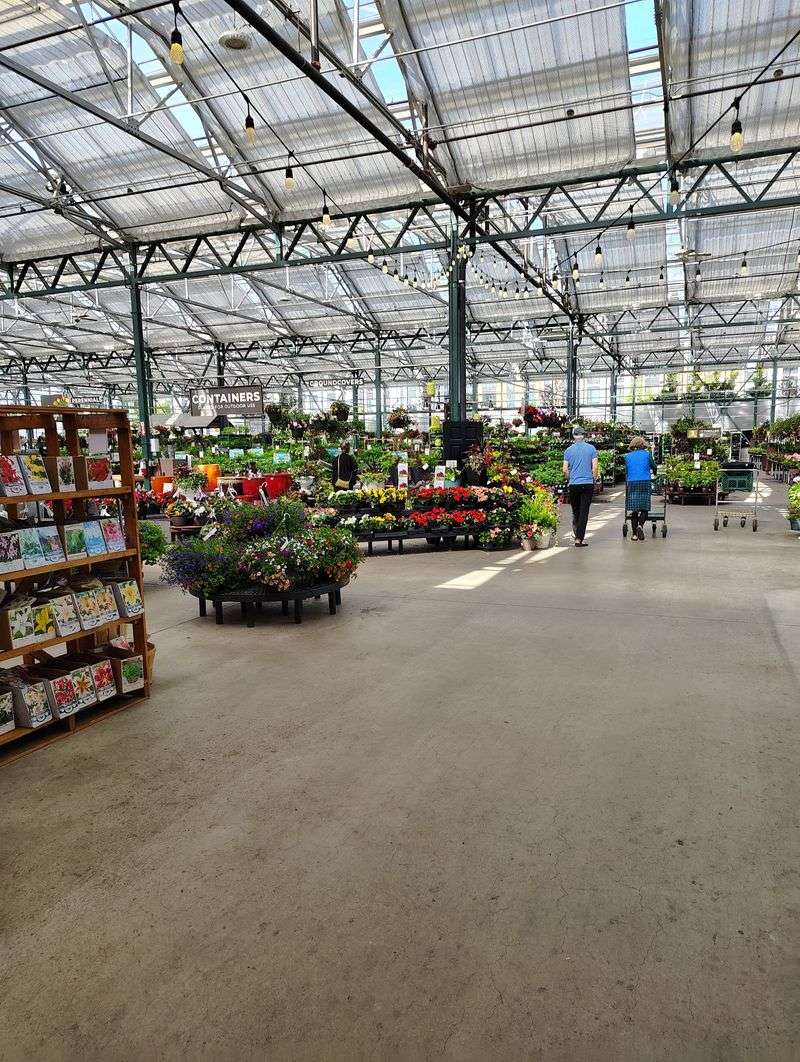
Learning beats guessing, and the calendar here reflects that. Workshops and demonstrations pop up through the year, covering pruning, container design, vegetable timing, and getting houseplants to behave.
Sessions stay approachable, aimed at hobbyists rather than experts. Questions are encouraged, and note-taking is common.
Seasonal happenings give the place a neighborhood-gathering feel. Spring brings a rush of tomato and pepper varieties, plus advice on frost dates.
Autumn shifts toward bulbs and cool-weather crops, while winter fills the aisles with trees, greenery, and holiday sparkle. Each visit offers a different mood.
Regulars run into neighbors constantly, comparing notes on which dahlia survived and which one absolutely did not. Community knowledge spreads fast in a place like this.
Checking the schedule before visiting pays off, especially if a specific topic interests you. Popular classes fill up.
Wrap up your day with a warm drink, a cart full of green ambition, and a plan for the weekend. Gardening here feels less like work and more like an invitation.