
This Massive Washington Vintage Shop Has Endless Bargains Just Waiting to Be Found
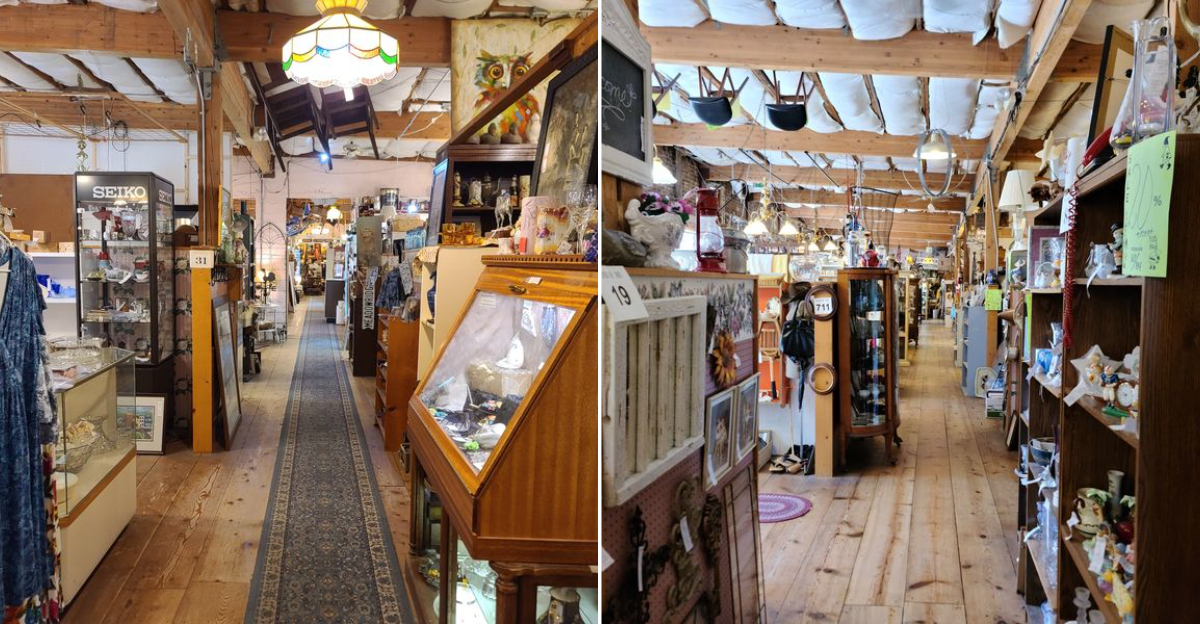
I walked into this massive Washington vintage shop with five dollars in my pocket and walked out an hour later holding a dented oil can, a chipped metal sign, and a story I have retold far too many times since.
The place sits in a historic downtown district and is packed so tightly with old treasures that you have to slow down and look carefully.
That is exactly what I love about shops like this. Nothing feels too polished or predictable, so the best finds seem to hide in plain sight and reward anyone willing to dig.
Some visitors come for furniture, others hunt for smaller pieces they can easily carry home, and plenty simply enjoy spotting things that remind them of another era.
What follows is my walkthrough of what makes this Washington shop worth an afternoon, plus the little tips I wish I had known before my first visit.
A Storefront On First Street That Pulls You Right In
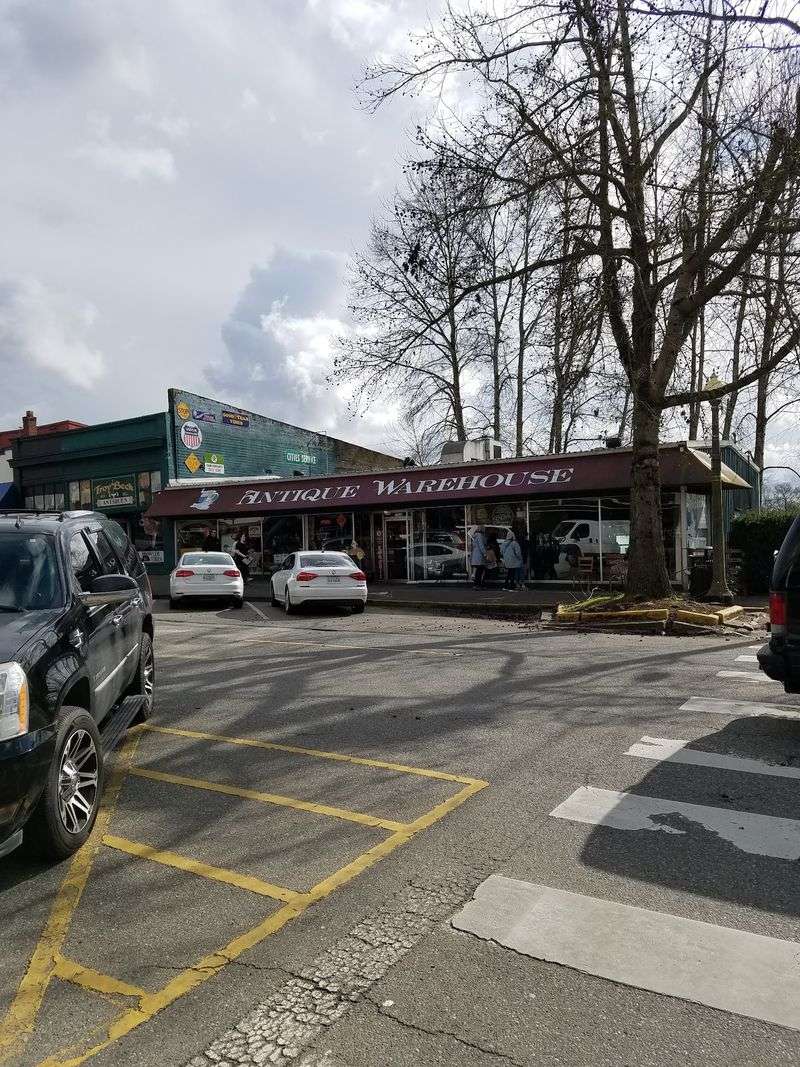
My first clue that I was in for a long visit came before I even opened the door. Old signs were propped along the window, furniture crowded the glass, and the whole display looked like a hint rather than a full sales pitch.
Antique Warehouse Inc sits at 1019 1st St in Snohomish, Washington, right in the middle of the historic downtown strip. Parking along First Street fills up quickly on weekends, so I circled once, gave up, and found a spot a block away without any trouble.
What I like about the location is how easy it makes a full day. You can browse here, wander out for a coffee, then wander back in when you remember the thing you almost bought.
Snohomish has a reputation across the region as an antique town, with dealers stacked up along the same few blocks. Starting at this shop gave me a good sense of local prices before I explored anywhere else, which saved me from overpaying later.
Shelves So Full You Slow Down Without Meaning To
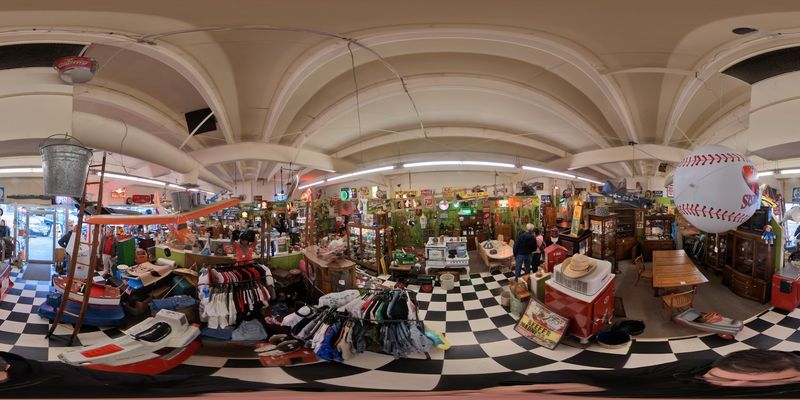
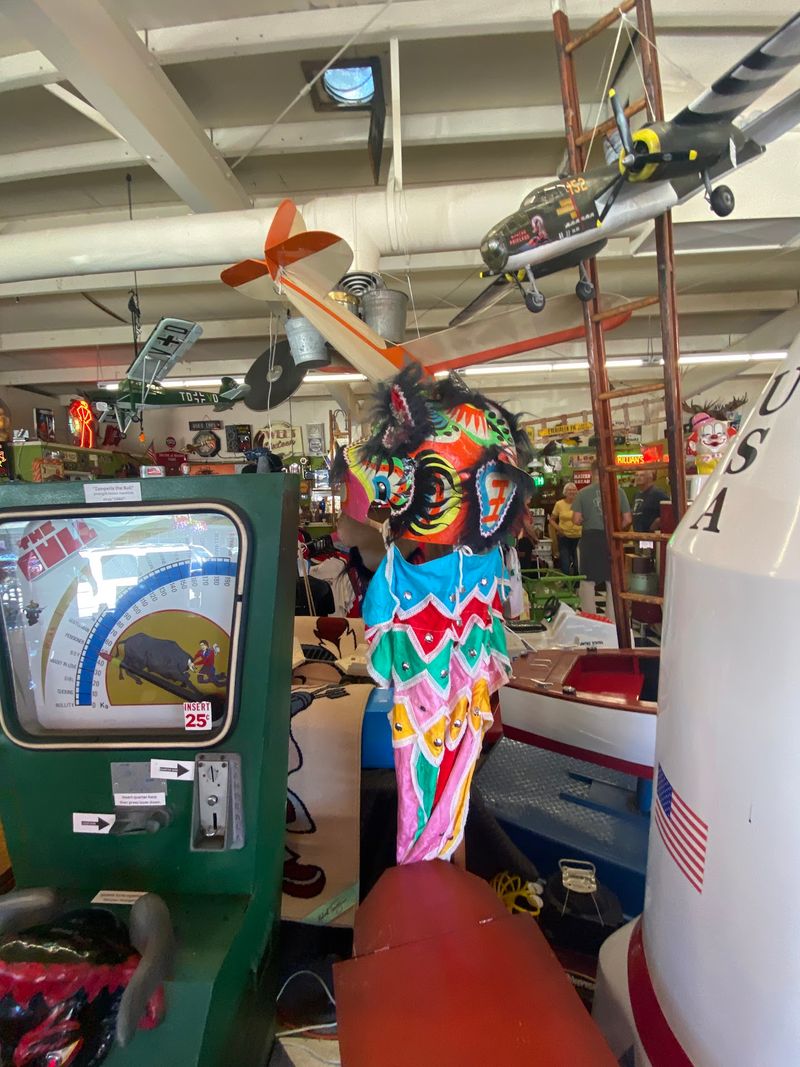
Packed is the word the shop itself uses, and honestly that undersells it. Shelves climb toward the ceiling, aisles narrow into single file paths, and objects sit in layers so that moving one item reveals three more behind it.
I started walking fast, the way I do in most stores, and lasted about ninety seconds before slowing to a crawl. That is the trick with a place this dense. Speed makes everything blur together, while a slow lap lets shapes and colors separate into actual items.
My advice is to pick one aisle and finish it before moving on. Jumping around means you will circle the same corner four times and still miss the good drawer pull or the small brass box.
Bring a bag you can carry on your shoulder rather than a wide tote, because tight spaces and fragile glass do not mix well. I also recommend leaving big coats in the car during winter visits for the same practical reason.
Vintage Signs and Oil Cans for the Garage Crowd
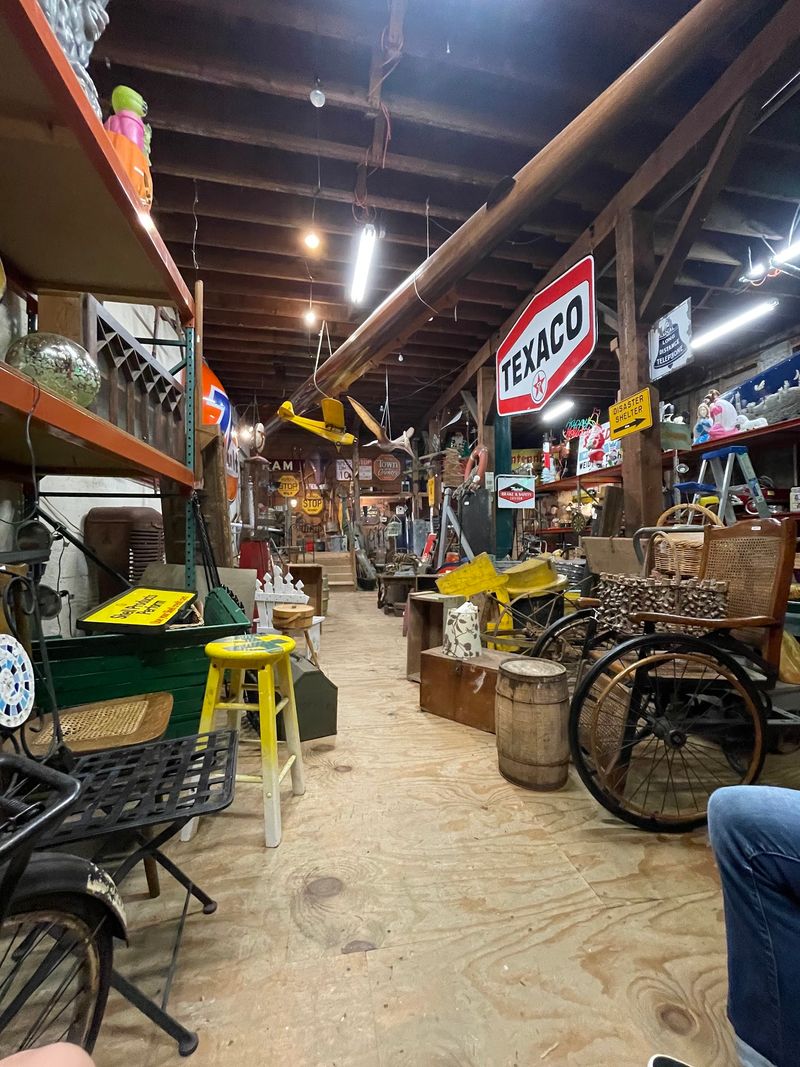
Anyone building out a garage wall will find their people here. Metal signs and old oil cans show up regularly, and they are exactly the kind of items that vanish fast once collectors hear a shipment arrived.
I spent a solid twenty minutes turning cans over to check the seams and read the faded labels. Some had that soft rust that looks great on a shelf, while others were dented in ways that actually added character rather than taking it away.
Prices on this category swing widely depending on brand, condition, and how rare the graphics are. A common can might cost you pocket change, while a scarce one with sharp lettering climbs quickly.
My honest tip is to decide before you shop whether you want display pieces or investment pieces. Display shoppers can grab the scuffed bargains happily, while serious collectors should study reference prices at home first.
That small bit of homework turns guessing into confident buying, and it makes the checkout counter feel a lot better.
New Arrivals Keep the Hunt Feeling Fresh
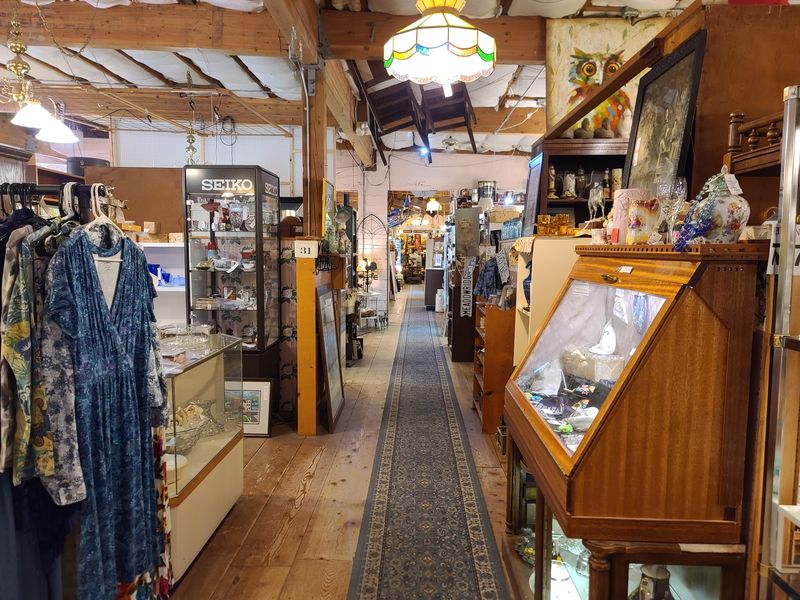
Restocking happens often here, and that single detail changes how you should shop. A store with static inventory rewards one careful visit, while a store with steady new arrivals rewards repeat trips.
Regulars figure this out quickly. I overheard two shoppers comparing notes about what had appeared since the previous weekend, which told me everything about how the place operates.
Alongside the older material, the shop mixes in newer gift items, so a browsing session can produce both a 1940s tin and a present for someone whose birthday you nearly forgot. That combination makes it easier to visit with friends who are not antique people.
If you live within driving distance, my suggestion is to check the shop social pages before heading over, since fresh finds sometimes get posted. For travelers passing through once, go in with an open mind instead of a strict shopping list.
Flexibility is what turns a good antique day into a great one. The item you did not plan for is usually the one you keep.
Friendly Help That Actually Knows the Stock
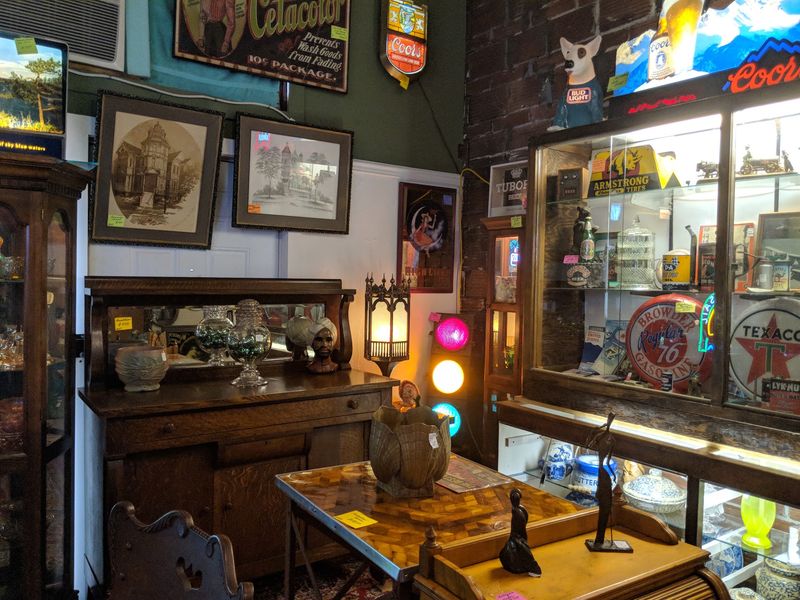
Service gets mentioned again and again in reviews of this place, and I understand why after my visit. Somebody who knows a crowded shop can point you toward the right corner in seconds, which beats forty minutes of wandering.
I asked about smaller kitchen items, expecting a vague gesture. Instead I got a direct answer, a suggestion about a second area I had skipped, and a quick comment about what had come in recently.
Asking questions is the single most underused shopping strategy in dense antique stores. Staff know where things live, what just arrived, and occasionally what has been sitting long enough to be worth discussing.
Be specific when you ask. Saying you collect blue glassware or old hand tools gets a far better result than saying you are just looking around.
Politeness matters too, especially in shops where the same faces return week after week. A friendly conversation once earned me a heads up about a box that had not been unpacked yet.
Bargains Hide In The Corners Nobody Checks
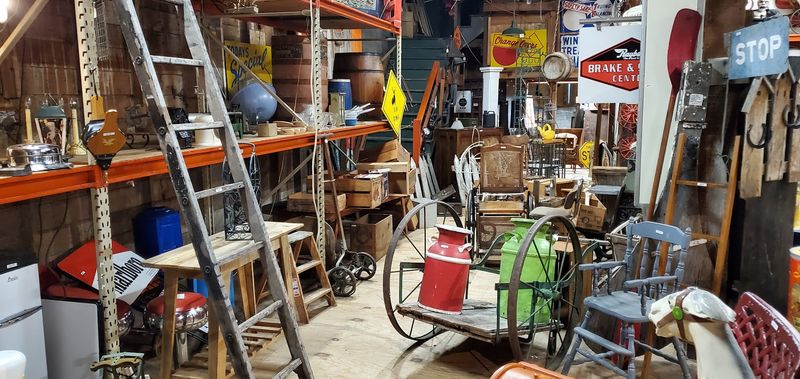
Here is the pattern I have noticed in every warehouse style shop, and it held true here. The eye level shelves get picked over first, while the bottom rows and back corners stay untouched for weeks.
Crouching down feels silly for about four seconds and then it pays off. My favorite find of the day was sitting behind a stack of picture frames near the floor, priced well below what I expected.
Dust is a useful signal, oddly enough. An item with a thick layer on top has been waiting a while, which sometimes means the seller is more open to a conversation about price.
Speaking of that, asking politely about a price on multiple items is normal practice in antique shops. Bundling three small pieces together often works better than haggling over one.
Cash can help in some situations, so I keep a little folded in my pocket. Nothing fancy, just enough to make a small deal simple for everyone involved.
Making A Full Day Out Of Historic Downtown Snohomish
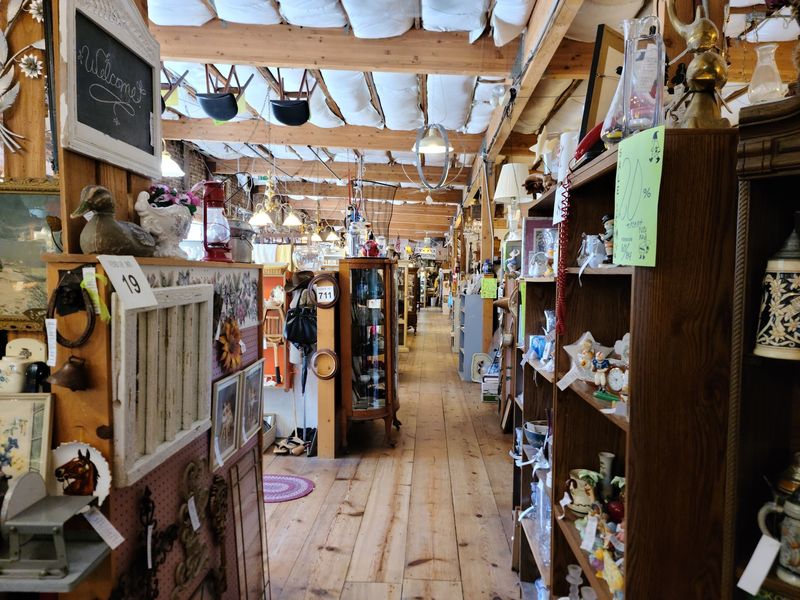
One shop turned into an afternoon almost by accident, which is how Snohomish tends to work. Historic Downtown sits along First Street with old brick buildings, and antique dealers cluster close enough together that you can hop between them on foot.
Comfortable shoes matter more than you would think. Concrete floors, tight aisles, and repeated bending over low shelves add up in a way that surprises first timers.
Timing is worth planning. Mornings are calmer, weekends bring the crowds, and arriving early gives you first look at anything freshly unpacked.
I keep a note on my phone with measurements from my home, including shelf widths and the space beside my couch. That habit has saved me from hauling furniture that would never fit through a doorway.
By the time I headed out with my oil can and my chipped sign, I understood why people drive here specifically for this stretch of street. Antique Warehouse Inc gives you the thrill of searching, and Snohomish gives you the excuse to stay all day.
Parking, Hours, And A Few Tips
A little planning saves a lot of frustration here. Street parking along First Street fills up fast on sunny weekends, so I usually loop around to the side streets and walk a block instead.
Weekday mornings feel calmest, with room to open drawers and inspect furniture without bumping elbows. Bring a tape measure, a flashlight for dark bottom shelves, and cash, since some booth sellers prefer it.
Comfortable shoes matter more than you would think. And if you spot something heavy, ask about loading help before hauling it out yourself.
Weekday afternoons can work too, especially once the lunch crowd clears out. I like to start with a quick lap before slowing down for a second pass. That helps me spot the sections worth revisiting without getting overwhelmed.
A small reusable bag is handy for fragile finds and loose paper items.
Keep an eye on corners and lower shelves, where some of the best bargains tend to hide. If you are shopping for furniture, snap a photo of your doorway measurements before leaving home. A little preparation makes the whole hunt much easier and leaves more time for the fun part.