
This Scenic 6.3-Mile Hike In Maine Will Awaken The Outdoor Adventurer In You
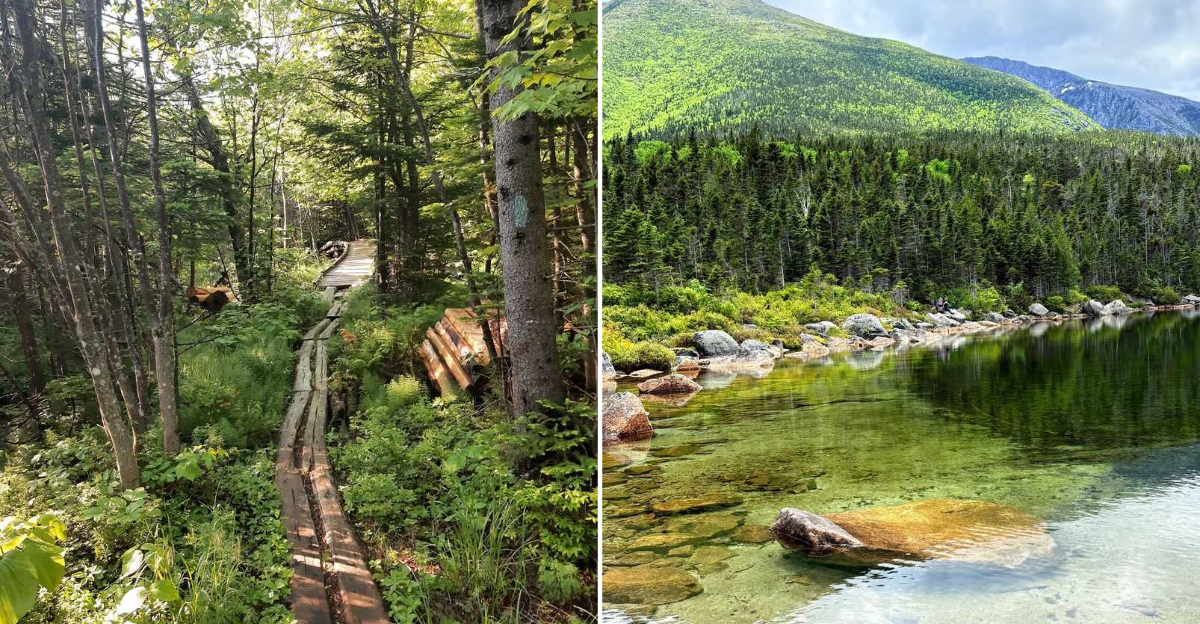
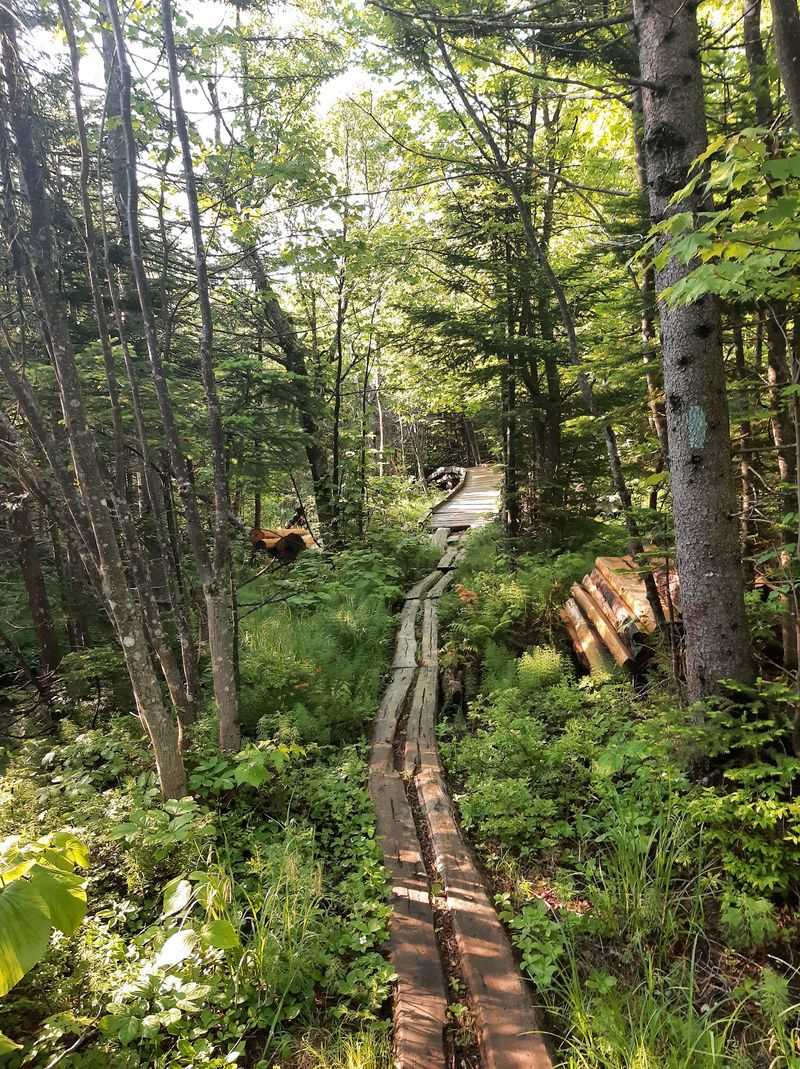
The trail gives you almost no warning before the big reveal. For miles, the woods keep the scenery close, with roots underfoot and rocky stretches demanding your attention.
Then the trees open, and a glassy mountain pond appears beneath enormous granite ridges. It is the kind of view that makes you stop talking for a second.
This Maine hike feels remote without needing an epic expedition, though the climb still asks for steady legs and careful footing. The reward is a landscape shaped by glaciers, with steep walls rising sharply above the water.
Wildlife can add another surprise along the way, while the quiet makes the whole setting feel even bigger. By the time you reach the pond, sore legs suddenly seem like a fair trade for the view waiting ahead.
An Out-And-Back Hike That Keeps You Guessing
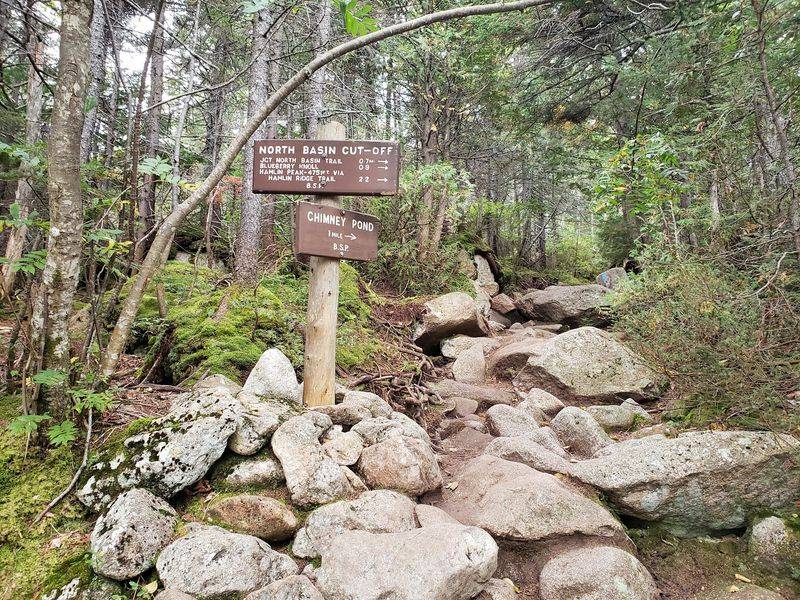
Right away, I noticed this trail plays fair but keeps things interesting the whole way through.
The Chimney Pond Trail is an out-and-back route, meaning you walk the same path to the pond and then back to your car. Round trip, it measures about 6.6 miles, so plan for a solid half day of movement.
Most hikers rate it as moderate, which felt honest to me. The early miles are gentle and forgiving, letting your legs warm up without complaint.
Things change as you climb higher. Certain sections grow rocky and steep, forcing you to watch your footing and slow down a bit.
I found trekking poles helpful for balance across the stony stretches, and sturdy boots saved my ankles more than once. Take breaks, sip water often, and do not rush the tricky parts.
Because you retrace your steps, the return trip feels familiar, which is oddly comforting when your legs are tired. Every rock you passed becomes a small landmark cheering you home.
A Glacial Pond With Postcard-Worthy Peaks
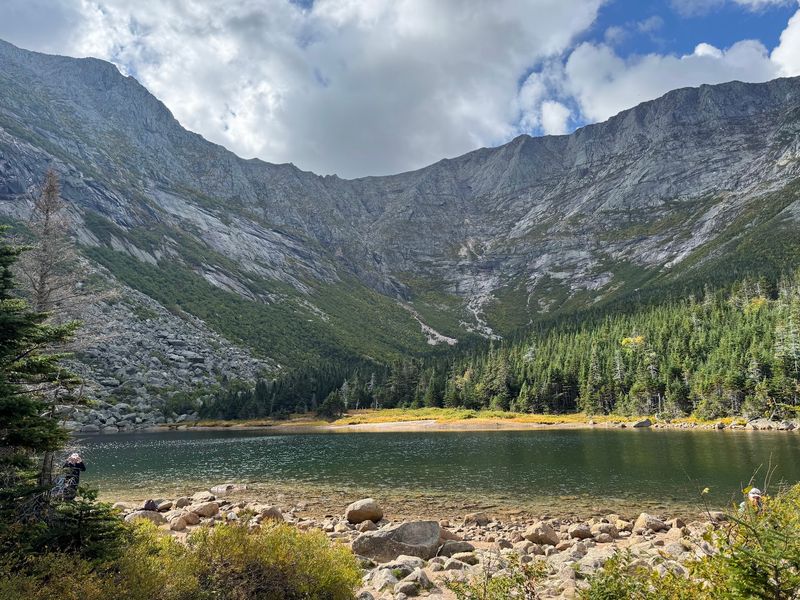
Nothing prepared me for the moment the trees parted and Chimney Pond appeared like a mirror set into the mountains.
This clear-water glacial pond sits nestled in a cirque, which is a bowl carved into the rock at the base of Mount Katahdin. The clear water seems to glow, reflecting the sky and stone above it.
Standing at the edge, I could see dramatic mountain features rising all around me. Pamola Peak and Hamlin Ridge loomed overhead, and I honestly forgot to keep walking because the view held me still.
Photographers will love this spot, especially in soft morning light when the water lies calm. I snapped far too many pictures and regretted none of them.
Bring a snack and give yourself time to simply sit here. The quiet feels earned after the climb, and the scenery rewards patience.
Of everything along the trail, this pond became the memory I carried home most proudly, tucked safely beside my sore feet and full heart.
Base Camp For Bigger Mountain Dreams
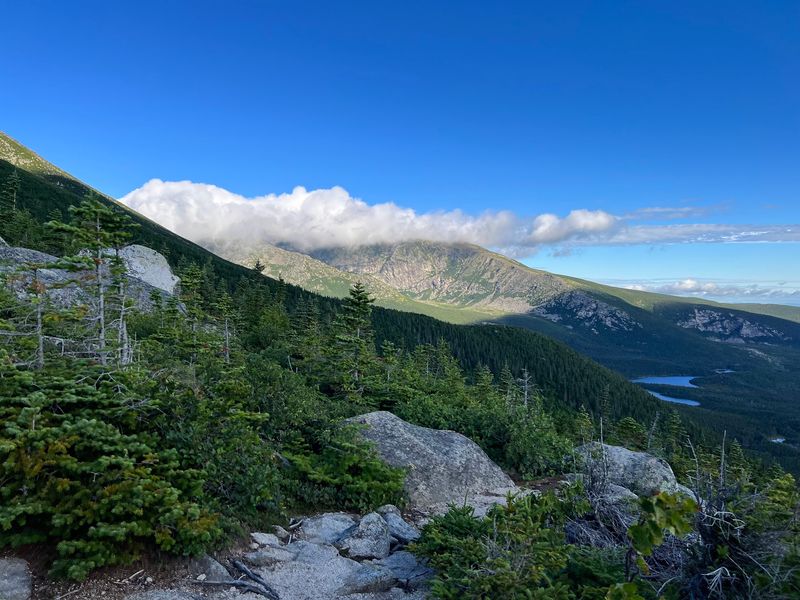
For hikers with mountain-sized ambitions, the end of this trail is really just the beginning.
Chimney Pond Campground sits at the trail’s finish and works as a popular base camp for adventurers preparing to summit Mount Katahdin. I met several people there who planned to tackle the peak the next morning, buzzing with nervous excitement.
From this launch point, several challenging routes branch out. The Saddle Trail, the Cathedral Trail, and the Dudley Trail all start nearby, each offering its own flavor of adventure.
The Dudley Trail connects to the famous Knife Edge, a narrow rocky spine that thrills experienced hikers. I stared at it from below and felt both wonder and a healthy dose of respect.
If you dream of standing on Katahdin’s summit, staying here overnight makes the climb far more manageable. You wake up already deep in the wilderness, saving your energy for the real work.
Even if summiting is not your goal, watching others prepare gave me a jolt of inspiration I did not expect.
Ancient Rock With A Fiery Past
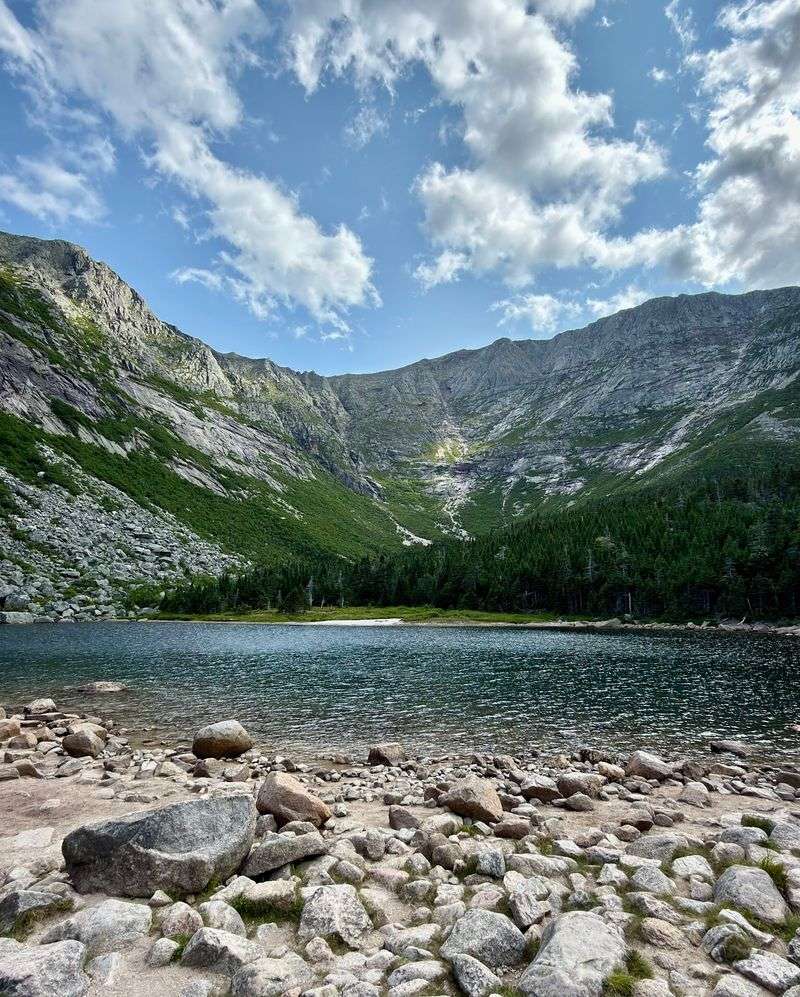
Walking beneath these cliffs, I kept thinking about how unbelievably old everything around me really was.
The area the Chimney Pond Trail crosses is packed with alpine glacial features, shaped by ice that carved and polished the land long ago. You can spot smooth rock faces and scattered boulders that hint at that frozen history.
Mount Katahdin itself has a jaw-dropping backstory. It formed from a granitic pluton over 400 million years ago, meaning the stone beneath your boots predates almost everything you can imagine.
A pluton is a mass of rock that cooled slowly deep underground before being exposed over ages of erosion. Knowing this made each step feel a little more meaningful to me.
I am no geologist, but standing among rocks that ancient shifted my whole mood. It reminded me how small a single hiking day is compared to the mountain’s story.
If you enjoy learning while you wander, read up on the park’s geology before you go. The trail suddenly transforms into an open-air lesson written in stone.
Wildlife Encounters In The Early Light
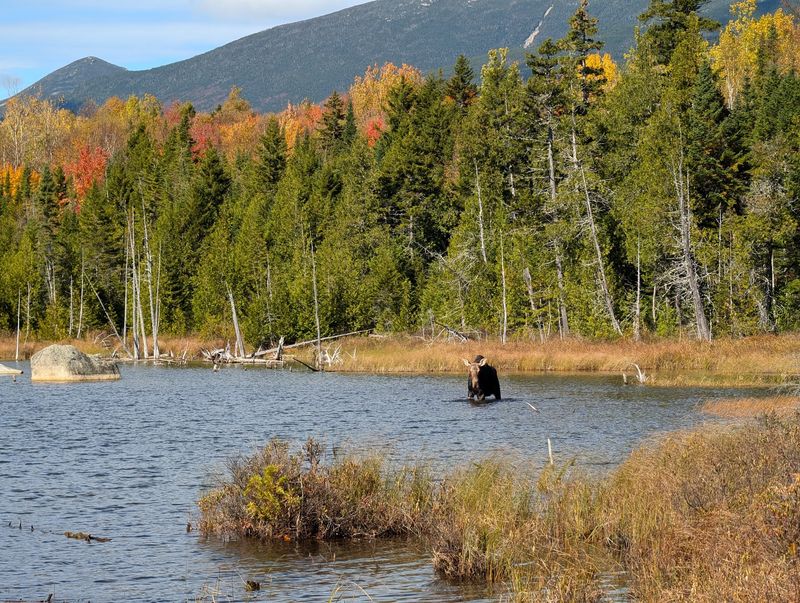
Early one morning, I froze mid-step when a shape moved through the brush near the water.
Hikers along the Chimney Pond Trail and at the pond itself often get chances for excellent nature watching. The park is home to diverse wildlife, and keeping your eyes open turns an ordinary walk into a treasure hunt.
Moose live throughout Baxter State Park, and spotting one along the way can be a memorable surprise. Sightings are never guaranteed, so keep your eyes open while giving any wildlife plenty of space.
I recommend moving slowly and speaking softly if you hope to see them. Loud voices and quick movements tend to send animals hurrying away before you get a good look.
Bring binoculars if you have them, and always keep a respectful distance. Wild animals deserve their space, and crowding them ruins the moment for everyone.
Even smaller creatures like birds and squirrels added charm to my hike. That surprise moose sighting, though, remains one of my favorite Maine memories, proof that patience in nature truly pays off.
Primitive Camping That Feels Truly Wild
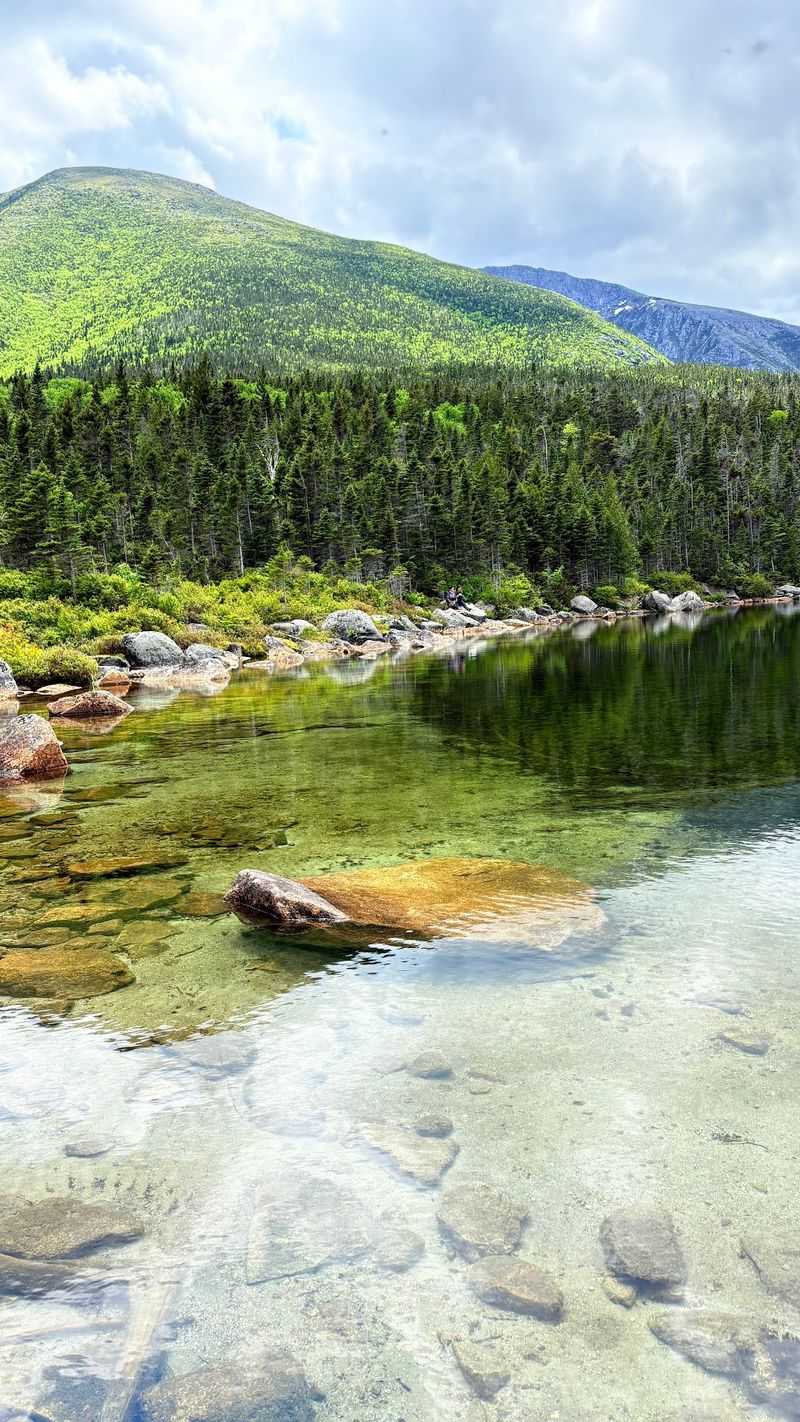
Spending a night at Chimney Pond taught me what real backcountry simplicity feels like.
Camping here offers a primitive experience in lean-tos or a bunkhouse, and everything is accessible only on foot. There is no driving up to your site, so you carry in whatever you need on your own back.
Because of the limited space, advance reservations are a must. I learned quickly that planning ahead is the difference between a magical night and a disappointing turnaround.
One important rule surprised me at first. Open fires are strictly prohibited, so campers must bring a camp stove for cooking and warm meals.
Packing smart makes all the difference out here. I brought lightweight food, extra layers, and a reliable stove, and I was grateful for every ounce I chose carefully.
The reward for all this effort is silence you rarely find anywhere else. Falling asleep beneath the peaks, with no engines or bright lights around, felt like a gift.
If you crave a night that strips travel down to its purest form, this campground delivers beautifully.
A Governor’s Bold Vision For Wild Land
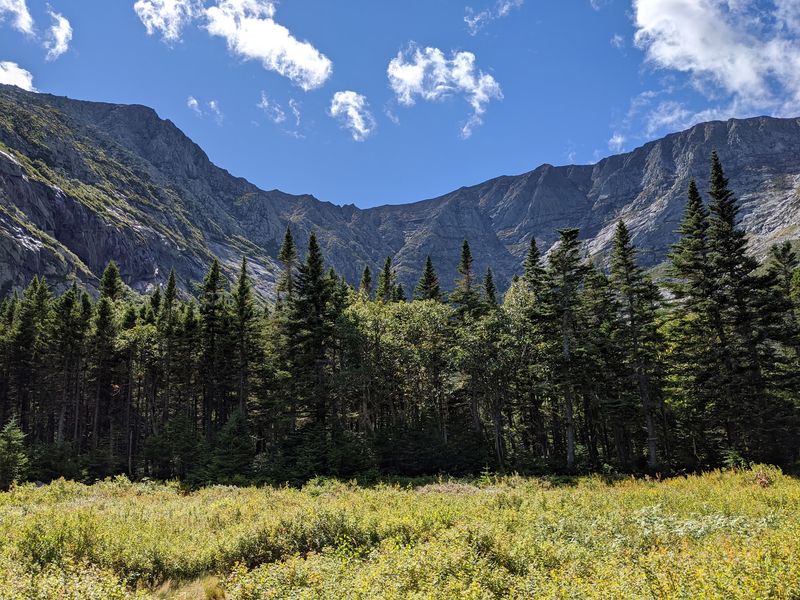
Learning the human story behind this park made my visit feel richer than I expected.
Baxter State Park was built around a powerful idea, that the land should stay “forever wild.” That vision was shaped in large part by Governor Percival P. Baxter and his 1920 expedition to Katahdin.
During that trip, Baxter was guided by Roy Dudley, the game warden stationed right here at Chimney Pond. Their journey through this rugged country planted seeds that would protect the area for generations.
I love that the trail I walked connects directly to that history. The Dudley name even lives on in one of the routes near the campground.
Because of Baxter’s dedication, the park avoids heavy development and keeps its raw character intact. That commitment is exactly why the scenery still feels untouched today.
Knowing this backstory changed how I treated the place. I picked up every scrap of trash and stepped carefully, honoring the promise made a century ago.
Sometimes a hike is about more than views, and this one carries a legacy worth respecting with every mile you walk.
Smart Planning For A Wilderness Trailhead
Trust me, a little homework before this trip saves a mountain of stress later.
Day visitors who want guaranteed parking at the Roaring Brook trailhead during the main hiking season should reserve a Katahdin Trailhead Pass in advance. Spots fill fast, so I booked mine well ahead and slept easier knowing my day was locked in.
Getting there is part of the adventure too. Baxter State Park uses dirt roads that can be slow and bumpy, so drive carefully and give yourself extra time.
The park proudly keeps a wilderness philosophy, which means limited amenities inside. Do not expect stores or fancy facilities, and pack everything you might need for the day.
I brought plenty of water, snacks, sunscreen, and a paper map just in case. Cell service is unreliable out here, so old-fashioned preparation goes a long way.
Arriving early also helps you snag good light and beat the crowds. For navigation, plan your route to Baxter State Park’s Togue Pond Gate and continue on the park road to Roaring Brook Campground.
With reservations set and gear ready, you can relax and soak in the wild beauty that makes this Maine trail unforgettable.