
12 No-Reservation Colorado Campgrounds Where You Can Show Up And Claim A Spot
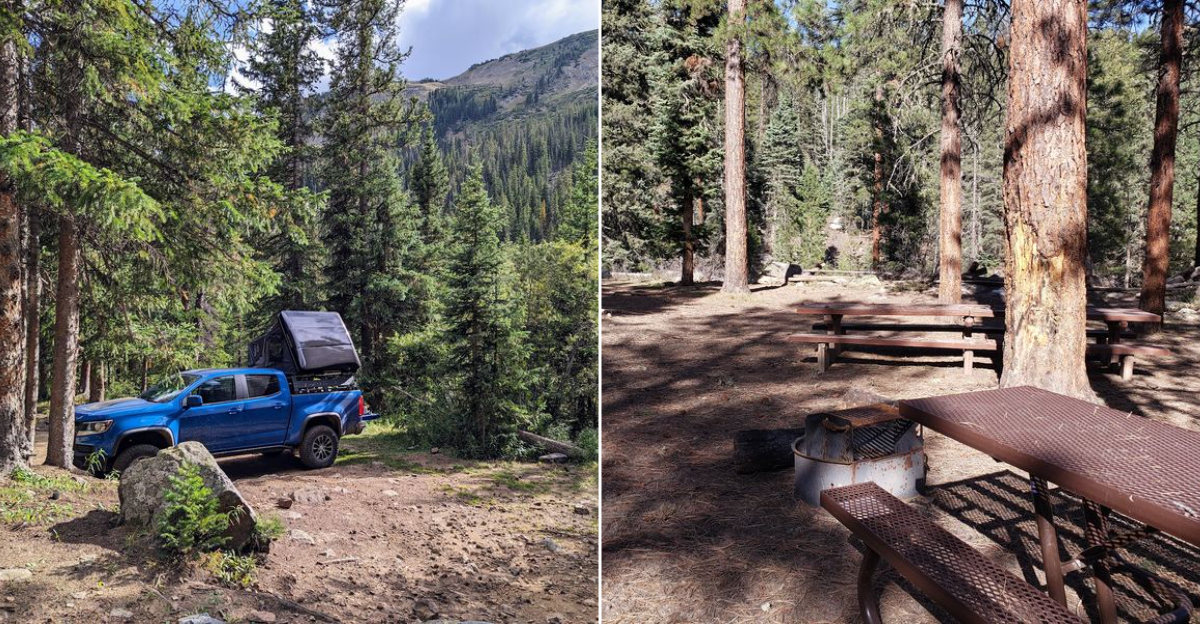
The best camping plans sometimes begin with absolutely no plan at all. No spreadsheet, no six-month countdown, no alarm set for the exact second reservations open.
First-come campgrounds keep the door open for travelers who would rather watch the forecast, toss gear in the car, and see where the weekend goes. That flexibility can feel surprisingly rare during camping season in Colorado, especially when popular sites disappear from booking calendars long before summer arrives.
Of course, spontaneity comes with a little uncertainty. You might need an early start, a backup campground, and enough patience to change course when every fire ring is claimed.
But that is part of the adventure. Bring options, stay flexible, and resist turning the trip into another scheduling exercise.
For anyone craving a night under the stars without months of preparation, camping across Colorado can still leave room for a wonderfully last-minute decision.
1. Echo Park Campground, Dinosaur National Monument
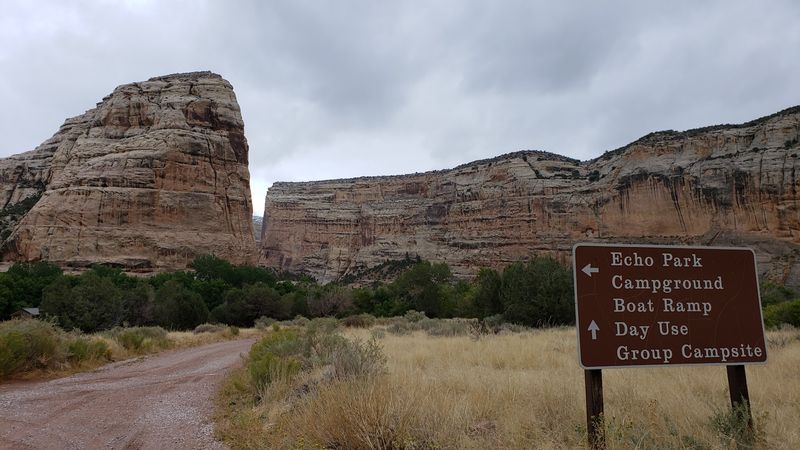
Red rock country has a way of making a tent look small, and Echo Park Campground takes that idea seriously. Located inside Dinosaur National Monument near the confluence area of the Green and Yampa Rivers, Echo Park Campground sits in a remote canyon setting reached by rough roads that can become impassable when wet.
The National Park Service describes Echo Park as a primitive campground, and all sites are first come, first served. Visitors should expect vault toilets, seasonal water, picnic tables, and fire rings, not a polished resort with a snack counter and someone selling novelty mugs.
The big reason to aim here is the landscape. Steamboat Rock rises nearby, and the campground puts travelers deep in the Colorado side of a monument better known by many people for its Utah dinosaur quarry.
Road conditions matter more here than at many campgrounds on this list. High-clearance vehicles are commonly recommended for the access road, and checking with the monument before going is smart, especially after storms.
Arrive prepared with fuel, food, and water, because last-minute errands are not part of the Echo Park plan.
2. Rainbow Lakes Campground, near Nederland
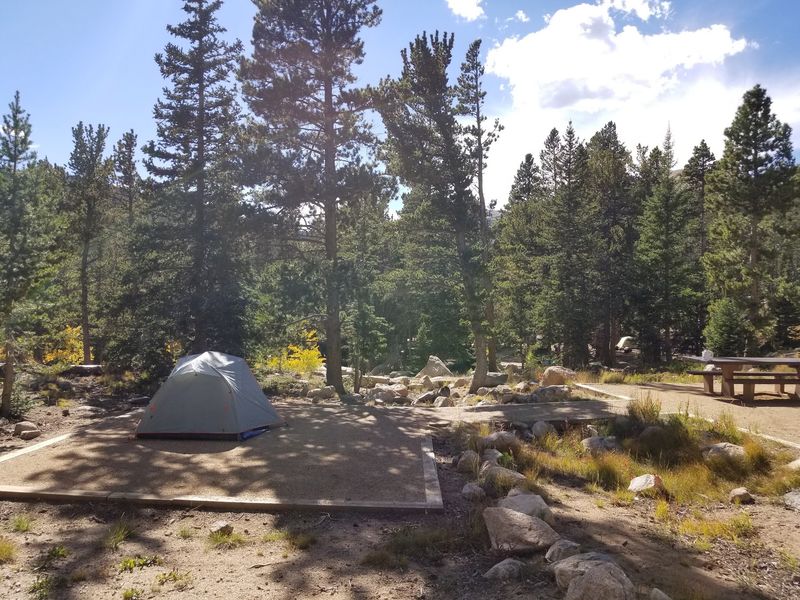
A short camping plan can still feel like a mountain trip, which is why Rainbow Lakes Campground stays on many Front Range lists. The campground is in the Arapaho and Roosevelt National Forests near Nederland, along the road to the Rainbow Lakes Trailhead in the Indian Peaks area.
Rainbow Lakes Campground is a small, first-come campground with basic sites, picnic tables, fire rings, vault toilets, and no hookups. Its elevation is over 10,000 feet, so summer nights can feel much cooler than the weather down in Boulder or Denver suggests.
The nearby Rainbow Lakes Trail is the practical star. It leads to a chain of small lakes, giving campers an easy reason to lace up shoes without turning the day into a mountain survival documentary.
Because the campground is small and close to a busy recreation corridor, having a backup option is sensible. Colorado weather also likes to add plot twists above treeline and near high passes, so pack layers, rain gear, and a real sleeping bag.
For campers who want first-come access near Nederland without a long drive into the backcountry, Rainbow Lakes Campground is straightforward and scenic without needing a reservation password.
3. Idlewild Campground, near Winter Park
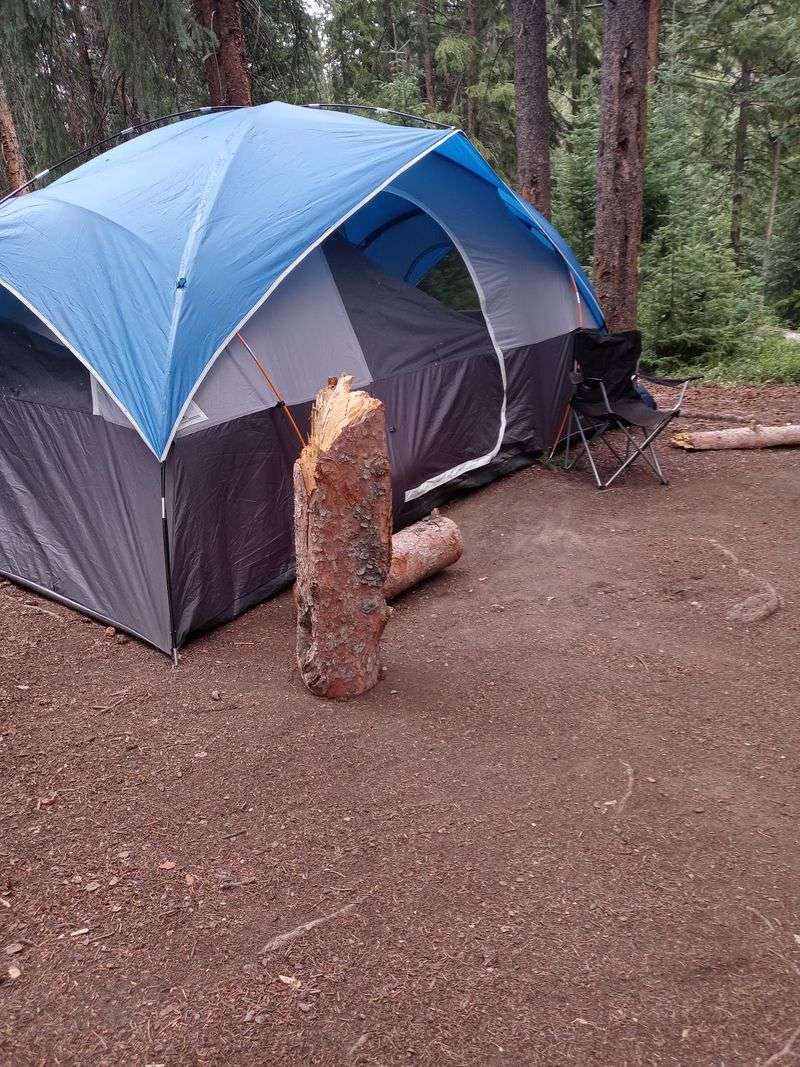
Not every no-reservation campground feels far from a coffee refill, and Idlewild Campground is useful for that exact reason. Sitting near Winter Park in the Arapaho National Forest, Idlewild Campground gives campers a forest base close to a well-known mountain town.
The campground is first come, first served and typically offers single-family sites with picnic tables, campfire rings, vault toilets, and drinking water during the operating season. It is not designed for people who need electric hookups, but it works well for tents, small trailers, and travelers who understand that camping sometimes means reorganizing the cooler three times.
One practical advantage is access to the Fraser Valley recreation scene. Winter Park is known for mountain biking, skiing in winter, and trail access in warmer months, though campground use is generally a summer season matter.
Because Idlewild Campground is near a popular Colorado resort area, the first-come system rewards flexibility. A midweek arrival may improve your odds, but no site is guaranteed until you claim it.
Check current Forest Service information for open dates, water status, and fire rules before leaving home, since mountain operations can change with snowpack and maintenance.
4. Hall Valley Campground, near Grant
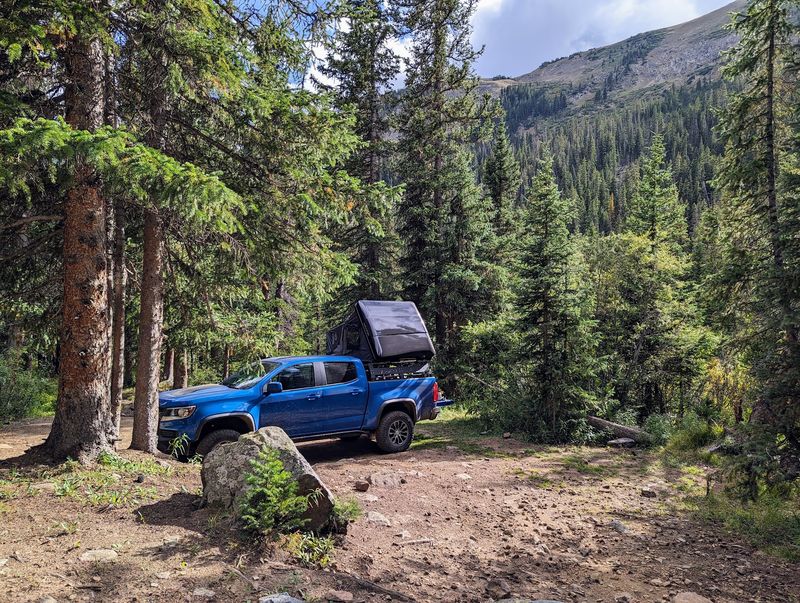
Hall Valley Campground has the pleasingly practical feel of a place built for people who want trees, a creek, and no appointment. It lies in Pike National Forest near Grant, off the Guanella Pass area, a part of Colorado where weekend planners often learn that elevation is not just a number.
The campground is first come, first served and generally includes basic Forest Service comforts: tables, fire rings, vault toilets, and drinking water when available in season. Hall Valley Campground sits along Hall Valley Road near the North Fork of the South Platte River drainage, so checking road and weather conditions is more than polite research.
Anglers often know this region because the South Platte system is a major Colorado fishing area, though anyone fishing needs the proper state license and current regulations. Campers also use Hall Valley as a base for nearby forest roads and trail access.
Come prepared for a rustic setup rather than a campground with staffed programs or full hookups. Fire restrictions can change quickly in dry periods, and high-elevation nights can surprise anyone who packed like they were going to a backyard barbecue.
Hall Valley rewards the camper who brings layers, water, and a flexible attitude.
5. Green Mountain Campground, Buffalo Creek area
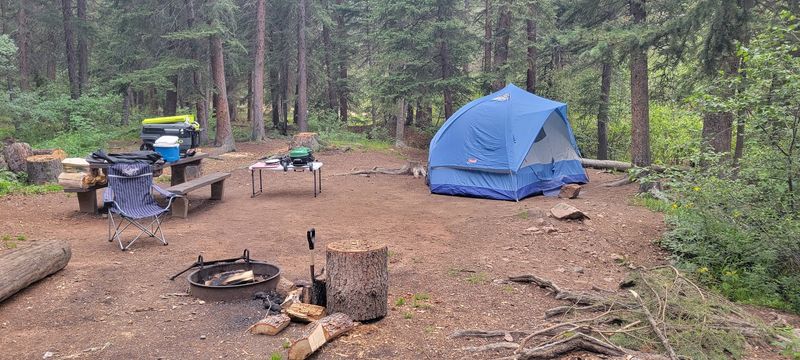
Green Mountain Campground belongs to the Buffalo Creek world, where ponderosa pines, sandy soil, and granite outcrops give the landscape a drier, more open character than the high alpine campgrounds farther west. It is located in Pike National Forest, southwest of the Denver metro area.
Sites at Green Mountain Campground are first come, first served, with a simple setup that commonly includes picnic tables, fire rings, and vault toilets. Campers should not count on hookups or the kind of amenities that make an RV feel like a small apartment wearing tires.
The Buffalo Creek area is especially known for mountain biking, with an extensive trail system managed in the national forest. That gives Green Mountain Campground a strong identity for riders who want to sleep close to the dirt instead of loading bikes again after breakfast.
Water availability can be limited or absent at some Pike National Forest campgrounds, so checking the current listing before departure is important. Fire rules also deserve attention in this dry foothill zone.
Green Mountain Campground makes sense for campers who want a first-come site near trails, but it asks for self-sufficiency rather than last-minute optimism.
6. Twin Eagle Campground, near Lake George
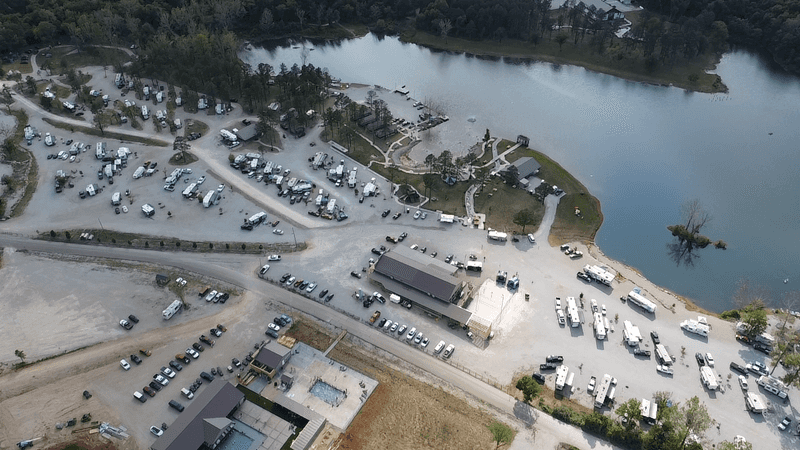
A campground does not need to be large to be useful, and Twin Eagle Campground proves the point quietly. Near Lake George in Pike National Forest, Twin Eagle Campground sits in the South Platte River country, a region that has long drawn anglers, campers, and road trippers crossing central Colorado.
The campground is first come, first served and offers a small number of basic sites. Typical Forest Service features include picnic tables, fire rings or grills, and vault toilets, while hookups and polished campground extras are not part of the arrangement.
The nearby Eleven Mile Canyon and Lake George area help explain the campground’s appeal. This part of the South Platte is widely associated with trout fishing, though regulations vary by water section and anyone casting a line should check Colorado Parks and Wildlife rules first.
Twin Eagle Campground works best for travelers who pack as if stores and services may not be around the next bend. Bring drinking water unless the current Forest Service page says it is available, and have a backup campground in mind.
With only limited sites, the first-come system can feel like musical chairs, except the chairs are campsites and everyone brought a cooler.
7. North Fork Campground, near Salida
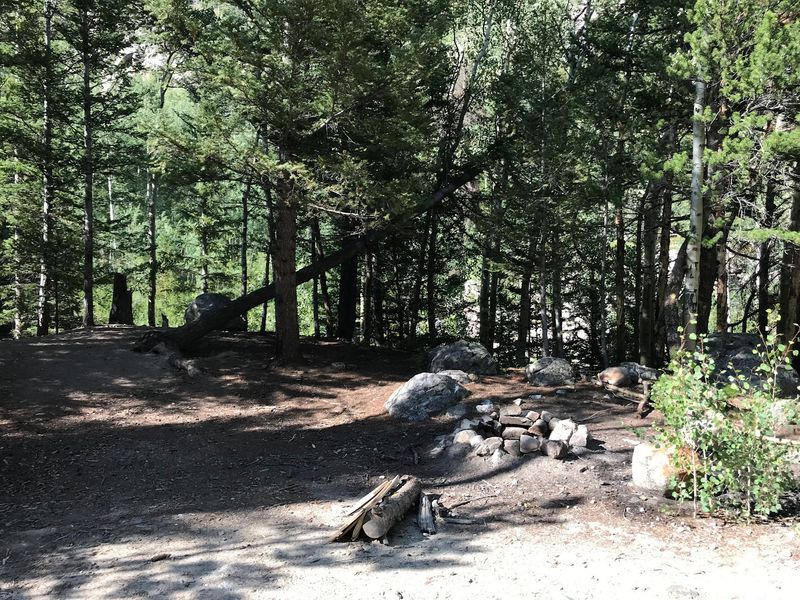
Salida has a habit of making outdoor plans multiply, so a first-come campground nearby can be a useful anchor. North Fork Campground is in the San Isabel National Forest near Salida, along the North Fork of the South Arkansas River in the Sawatch Range area.
North Fork Campground is managed as a first-come, first-served site with a modest number of campsites and basic facilities such as picnic tables, fire rings, vault toilets, and seasonal drinking water when available. It is a forest campground, not a serviced lodging property, which is good news for anyone allergic to check-in desks.
The setting places campers near Monarch Pass country, where U.S. Highway 50 climbs through some of central Colorado’s most recognizable mountain terrain.
Salida itself is known for Arkansas River recreation, but North Fork feels more tied to cool forest drainage and mountain access.
Because the campground operates seasonally, snow and road conditions can affect opening dates. Confirm current status before aiming the car west, especially in early summer.
A flexible arrival plan helps, since first-come campgrounds near popular highway corridors can fill when travel weekends line up with good weather and collective denial about Monday morning.
8. Ward Lake Campground, Grand Mesa
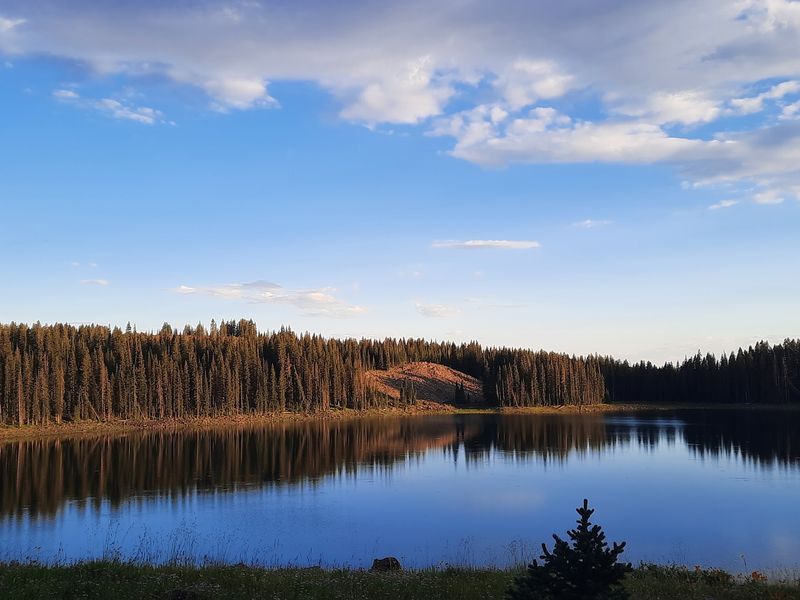
Grand Mesa is not shaped like most people’s mountain fantasy, and that is exactly the fun of it. Instead of sharp peaks, this huge flat-topped landform rises above western Colorado with forests, lakes, and a noticeably different camping mood.
Ward Lake Campground sits on Grand Mesa near Cedaredge, close to Ward Lake and the Grand Mesa Scenic and Historic Byway. The campground has first-come, first-served sites and usually offers tables, fire rings, vault toilets, and access to lake-centered recreation during the summer season.
Grand Mesa is often described as the largest flat-topped mountain in the world, and the area contains hundreds of lakes and reservoirs. That fact makes Ward Lake Campground stand apart from creekside or canyon campgrounds elsewhere on this list.
Fishing is a common draw around Grand Mesa lakes, and a valid Colorado fishing license is required. Campers should also expect high-elevation conditions, since Grand Mesa campgrounds sit well above the warmer valleys below.
Check current Forest Service updates for water service, seasonal dates, and fire restrictions. Ward Lake is a good fit for travelers who want a no-reservation campground where the map looks less like a summit chase and more like a lake puzzle.
9. Big Cimarron Campground, near Cimarron
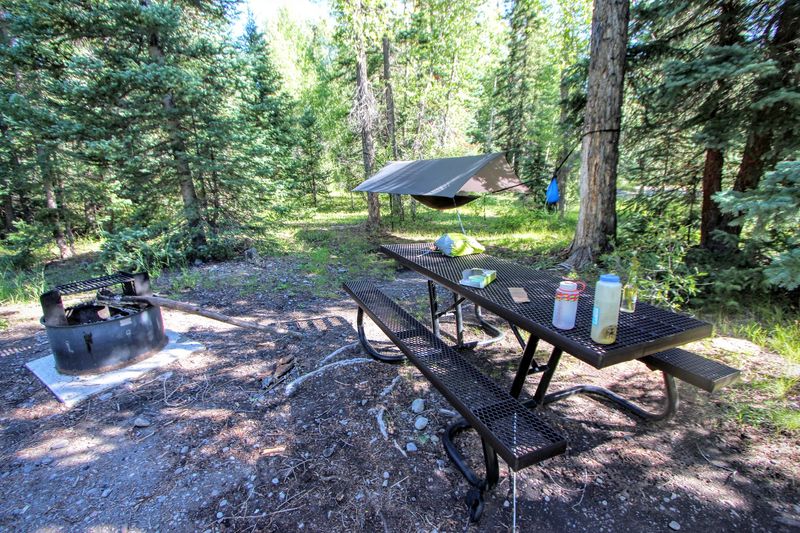
The name Big Cimarron sounds like it should come with a campfire story, but the practical details are the real reason to pay attention. Big Cimarron Campground is in the Uncompahgre National Forest near Cimarron, along the Big Cimarron River north of U.S.
Highway 50.
Big Cimarron Campground is a first-come, first-served Forest Service campground with basic facilities, including picnic tables, fire rings, vault toilets, and seasonal drinking water when operating conditions allow. The sites sit in a mountain drainage that connects visitors to the Cimarron area of the San Juan Mountains.
This is not the same Cimarron as the New Mexico town that often shows up in western travel searches, which is a useful distinction when planning. The Colorado campground belongs to a quieter slice of the Uncompahgre Plateau and San Juan region.
Access roads, snowmelt, and seasonal maintenance can affect when the campground opens, so checking current Forest Service information is wise. Anglers should review state rules before fishing the river.
Big Cimarron Campground suits campers who prefer a first-come site with mountain water nearby and enough distance from major resort bustle to make the cooler organization feel like an actual accomplishment.
10. Transfer Park Campground, near Durango
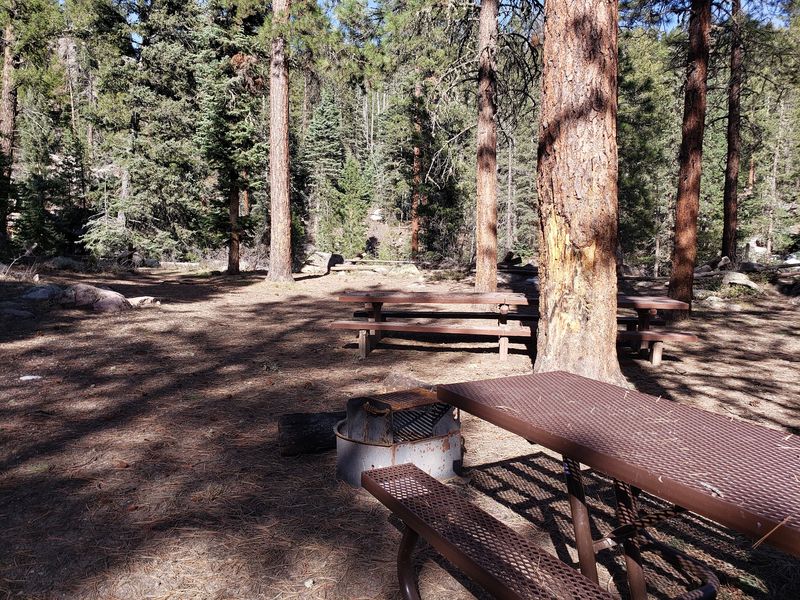
Durango can pull a trip in several directions at once: trains, trails, old mining roads, and the sudden need for another breakfast burrito. Transfer Park Campground gives campers a first-come base in the San Juan National Forest northeast of town, near Florida Road and the Lemon Reservoir area.
The campground is divided into Upper and Lower loops in a forested setting, with sites available on a first-come, first-served basis. Facilities are basic and typically include picnic tables, fire rings, vault toilets, and seasonal drinking water, depending on current operation notices.
Its location near Lemon Reservoir and the Florida River drainage distinguishes Transfer Park Campground from campgrounds closer to downtown Durango or the busy U.S. Highway 550 corridor.
It feels more connected to the forest roads and water-based recreation east of town.
Travelers should confirm the current open season and any road advisories before heading up, since San Juan National Forest conditions shift with snow, rain, and maintenance. Bring supplies from Durango or Bayfield rather than assuming a nearby store will solve forgotten items.
Transfer Park Campground works nicely for a loose Colorado plan, provided that loose does not mean unprepared.
11. Cimarrona Campground, near Pagosa Springs
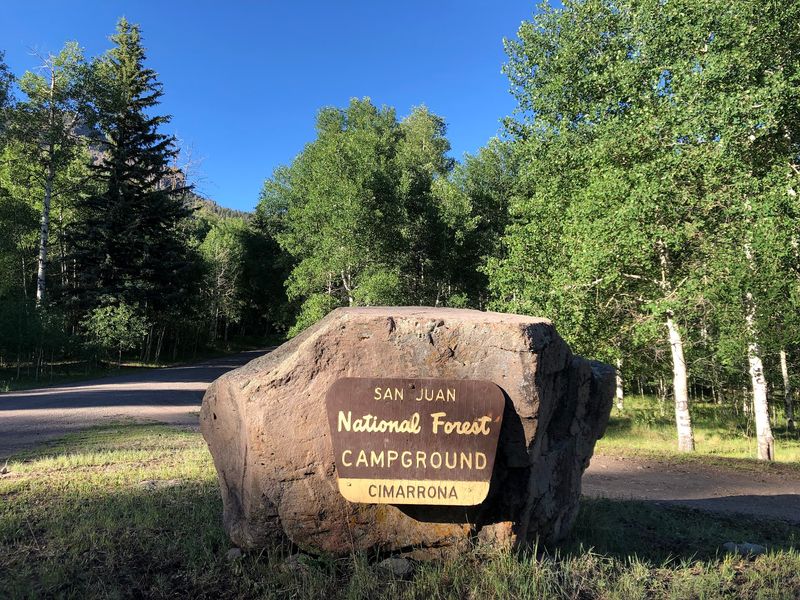
Cimarrona Campground is the sort of place that reminds planners to spell carefully. It is not Big Cimarron, and it is not Cimarron in another state.
Cimarrona Campground is in the San Juan National Forest north of Pagosa Springs, along the Williams Creek and Piedra River side of southwest Colorado.
The campground is first come, first served and provides a rustic Forest Service setup with picnic tables, fire rings, vault toilets, and seasonal services that should be checked before travel. It sits near Williams Creek Reservoir, a known recreation area north of Pagosa Springs.
That reservoir connection gives Cimarrona Campground a different identity from the hot springs and downtown lodging that many visitors associate with Pagosa Springs. Campers are choosing forest access and a simpler overnight plan, not a spa robe with room service.
Road conditions, open dates, and fire restrictions can change in this part of the San Juan National Forest. A current check with the Forest Service is the sensible move, especially early or late in the season.
Cimarrona Campground is best approached with full water containers, a stocked food bin, and the understanding that first come really does mean no polite campsite holding by wishful thinking.
12. Bear Lake Campground, near Cuchara and La Veta
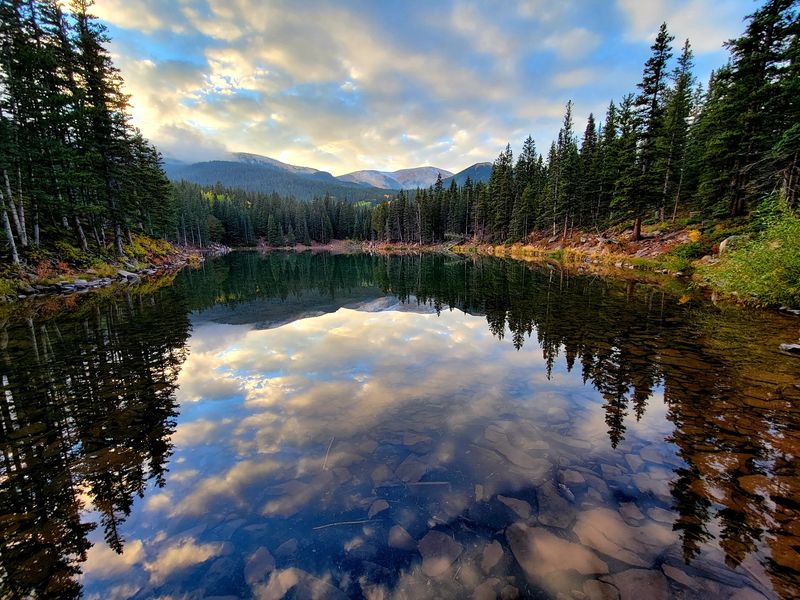
Bear Lake Campground sits in a southern Colorado landscape that feels different from the I-70 mountain parade. Located in the San Isabel National Forest near Cuchara and La Veta, Bear Lake Campground is part of the Cucharas River and Spanish Peaks region.
The campground is first come, first served and is associated with Bear Lake and nearby Blue Lake recreation areas. Basic facilities generally include picnic tables, fire rings, vault toilets, and seasonal drinking water when available, but current Forest Service details should guide final packing.
Bear Lake itself is a high-country lake setting, and the surrounding area offers access to fishing and forest roads. Anyone fishing needs a valid Colorado license and should check current rules, because regulations are not improved by guessing at the shoreline.
The campground’s location near Cuchara gives travelers a no-reservation option in a part of the state that is less discussed than Rocky Mountain National Park or Summit County. Seasonal access matters, especially with snow, road conditions, and changing fire restrictions.
Bear Lake Campground is a practical choice for campers who want mountain water, forest shade, and a plan simple enough to fit on a sticky note.