
Florida’s Tick Map Highlights The Counties Around These 12 Wooded Destinations
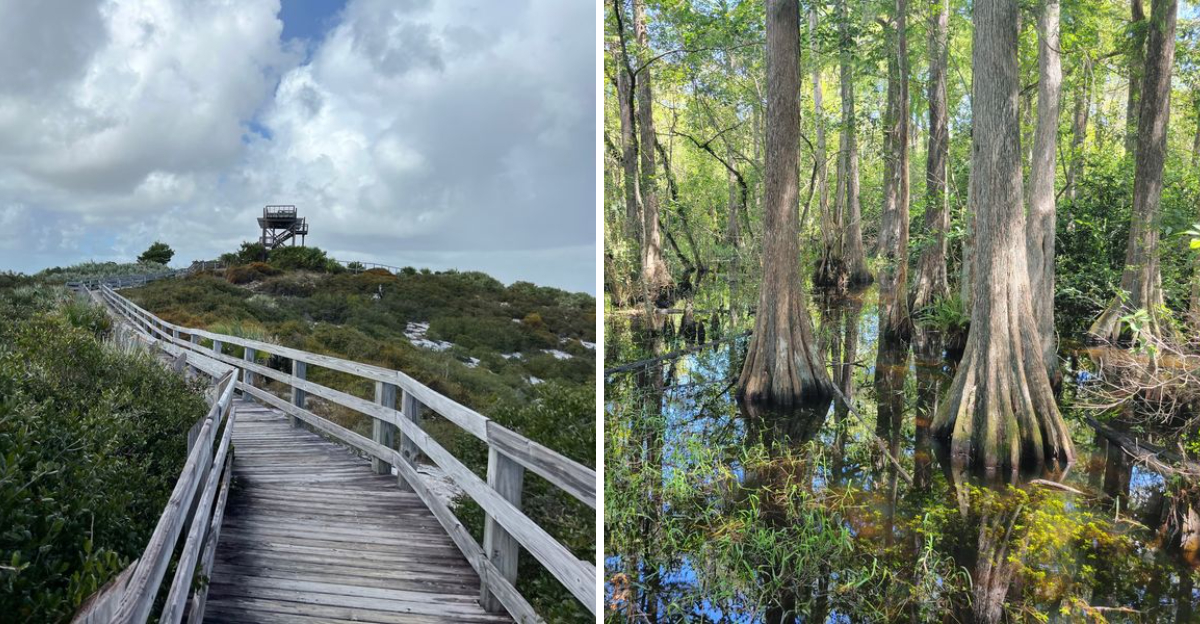
In Florida, a forest trail can come with an uninvited companion smaller than a freckle.
Beneath oak canopies and beside fern-lined paths, adventure waits nearby. Unfortunately, so do ticks, and they rarely respect personal space.
A look at the Florida tick map reveals a pattern. Certain counties overlap with wooded parks, wildlife preserves, and trails that outdoor lovers cannot resist.
The scenery deserves attention, but so does the underbrush brushing against your ankles.
Can you still enjoy these wild places without spending the entire hike staring nervously at your socks?
Absolutely.
The key is knowing where tick activity tends to be higher, when to visit, and how to prepare before stepping onto the trail. These twelve destinations offer towering trees, quiet paths, wildlife, and enough beauty to justify extra bug spray.
Explore confidently, check yourself afterward, and remember one rule: in Florida, the smallest wildlife sometimes makes the boldest introduction.
1. Torreya State Park, Liberty County
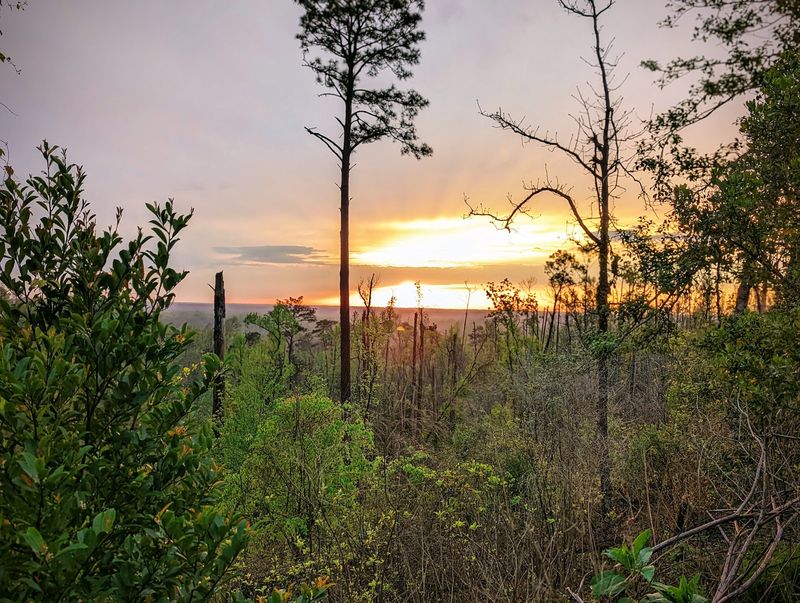
High bluffs and twisting ravines greeted me the first time I wandered into Torreya State Park, tucked into Liberty County in the Florida Panhandle.
The land here rolls in ways most people never expect from this flat state, with slopes dropping toward the Apalachicola River below.
Rare torreya trees give the park its name, and walking beneath their branches feels like stepping into a quiet chapter of natural history.
I like visiting in cooler months when the leaves change color and the trails feel crisp underfoot.
Ticks thrive in the leafy shade, so I always tuck my pants into my socks and check my skin after every hike.
Camping spots sit near shady groves, and the ranger talks add fun details about the plants and animals living here.
Photographers love the overlooks, especially when morning fog settles into the valleys.
Every time I leave Torreya, I feel like I unlocked a secret slice of Florida that most travelers drive right past without ever knowing it existed.
2. Apalachicola National Forest, Leon County
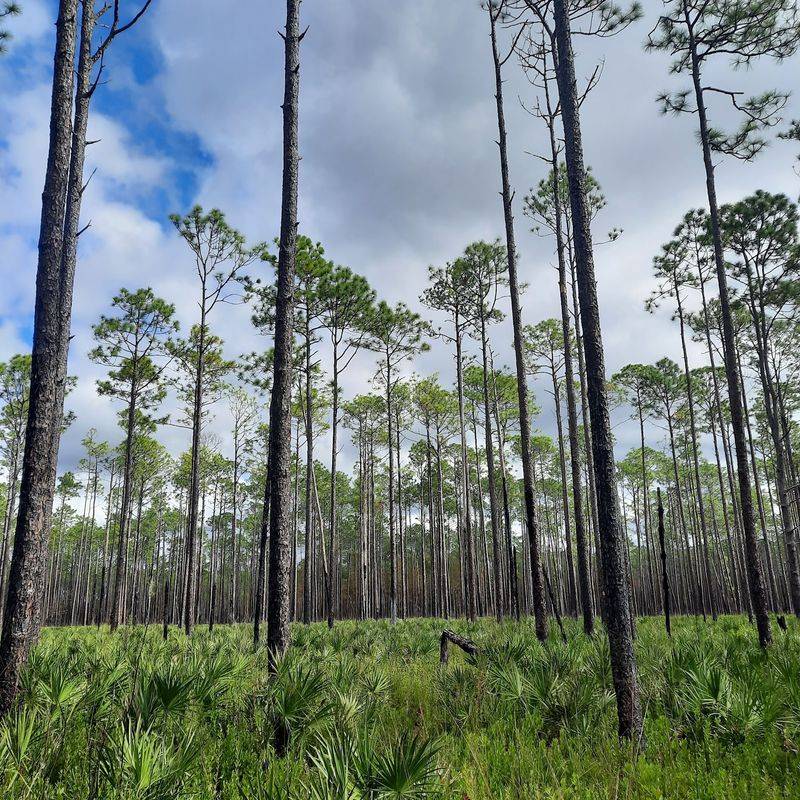
Sprawling across more than half a million acres, Apalachicola National Forest reaches into Leon County and gave me some of my quietest days outdoors.
Longleaf pines stretch toward the sky while palmetto plants crowd the forest floor, creating a landscape that feels both open and wild.
I paddled slow rivers, spotted red-cockaded woodpeckers, and lost track of time on trails that seemed to go on forever.
Because the underbrush stays thick and damp, ticks find plenty of places to wait, so I keep bug spray handy and inspect my gear before heading home.
Fall and winter bring cooler air and fewer bugs, which makes those my favorite seasons to explore.
Fishing spots dot the waterways, and campsites let you fall asleep to the sound of frogs and owls.
Hikers on the Florida Trail pass through here, adding a friendly buzz to the remote setting.
Leaving this forest, I always feel refreshed and a little proud that I braved the bugs to see it.
3. Osceola National Forest, Baker County
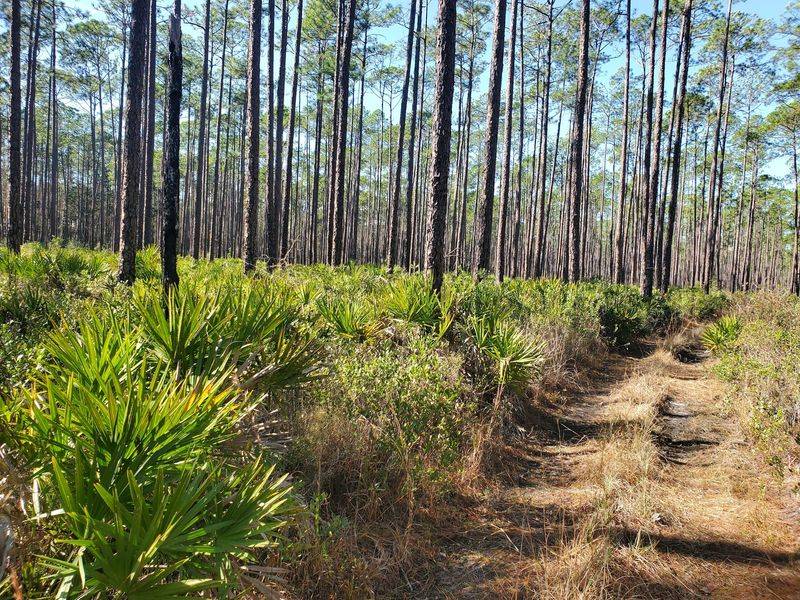
Pine flatwoods stretched out in every direction the day I first explored Osceola National Forest, resting in Baker County near the Georgia line.
This forest carries a peaceful, unhurried mood, with cypress swamps and slow blackwater creeks weaving through the trees.
I wandered the boardwalks at Ocean Pond and watched herons stalk the shallows with patient focus.
Since the ground stays moist and shaded, ticks love hiding in the tall grasses, so long sleeves and a good check afterward became part of my routine.
Anglers cast lines into the pond, and campers gather around fire rings as evening rolls in.
Cooler months make hiking far more comfortable and cut down on the buggy visitors.
History buffs enjoy learning about the old battlefield nearby, which adds depth to the visit.
Birdsong fills the mornings here, and the wide skies feel enormous once you find a clearing.
By the time I packed up, Osceola had earned a permanent spot on my list of return trips.
4. Blackwater River State Forest, Santa Rosa County
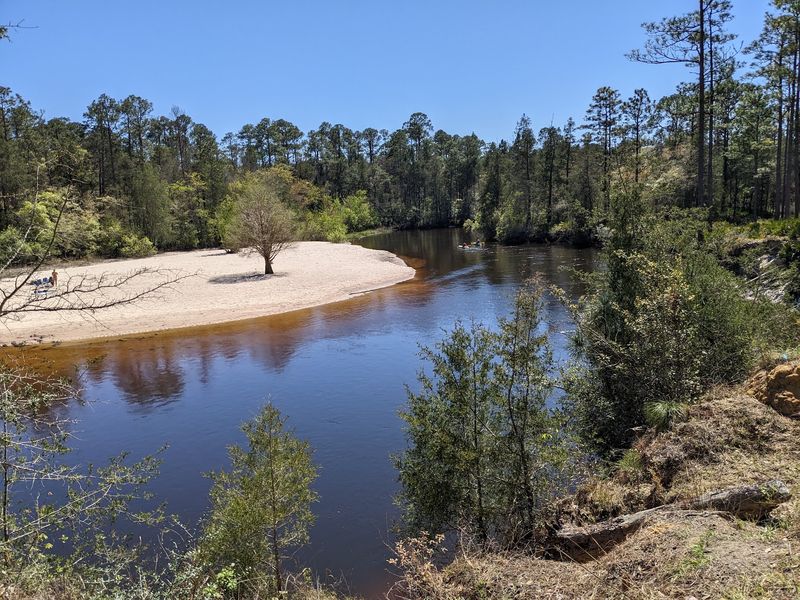
Clear, sandy-bottomed water was the first thing that grabbed me at Blackwater River State Forest, spread across Santa Rosa County in the western Panhandle.
Despite its name, the river runs surprisingly clean, making it a dream for paddlers who want gentle floats and cool dips.
Towering longleaf pines shade the trails, and I always feel calmer once I step beneath their canopy.
The shady, grassy edges are exactly where ticks like to hang out, so I spray my shoes and socks before every walk.
Spring and fall offer mild weather that makes canoeing and camping downright delightful.
Equestrian trails wind through the forest too, so you might spot riders sharing the paths.
Sandbars along the river make perfect picnic stops when the sun climbs high.
I once spent a lazy afternoon here watching the current sparkle, completely forgetting the hours slipping by.
Whenever someone asks me about hidden Panhandle escapes, Blackwater is the name that rolls off my tongue first.
5. Paynes Prairie Preserve State Park, Alachua County
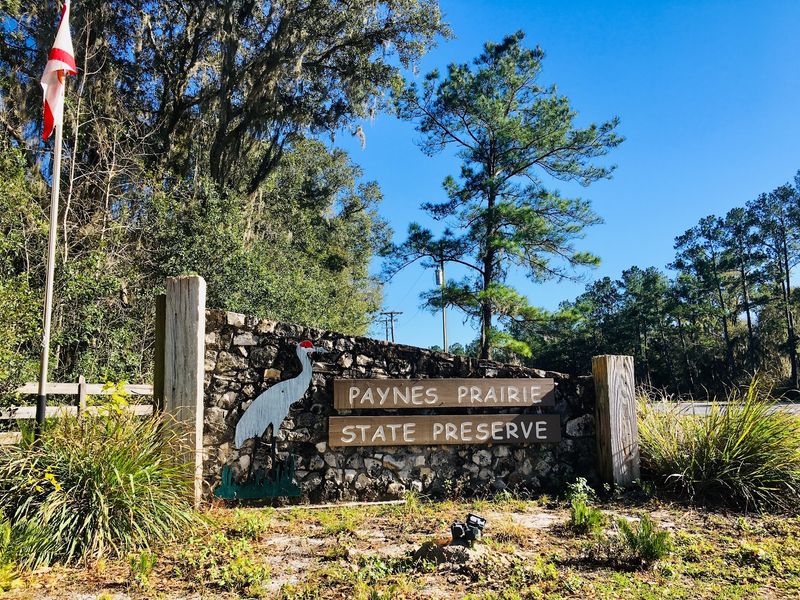
Wild horses and bison wandering across a broad savanna made my jaw drop the first time I visited Paynes Prairie Preserve State Park in Alachua County.
This place feels like a slice of the American plains dropped right into north-central Florida.
An observation tower lets you scan the grasslands, and I spotted alligators sunning near the water without even trying.
The wooded edges and tall grasses give ticks plenty of cover, so I always double-check my legs after exploring the trails.
Cooler seasons bring migrating birds by the thousands, turning the prairie into a birdwatcher’s paradise.
The La Chua Trail is my go-to route for close-up wildlife views, though I keep a respectful distance from the gators.
Cyclists enjoy the paved paths that skirt the preserve’s boundaries.
Sunrise here paints the grass gold, and the quiet makes the moment feel almost sacred.
Each visit reminds me how surprising Florida can be when you least expect it, and Paynes Prairie never fails to deliver that jolt of wonder.
6. Ocala National Forest, Marion County
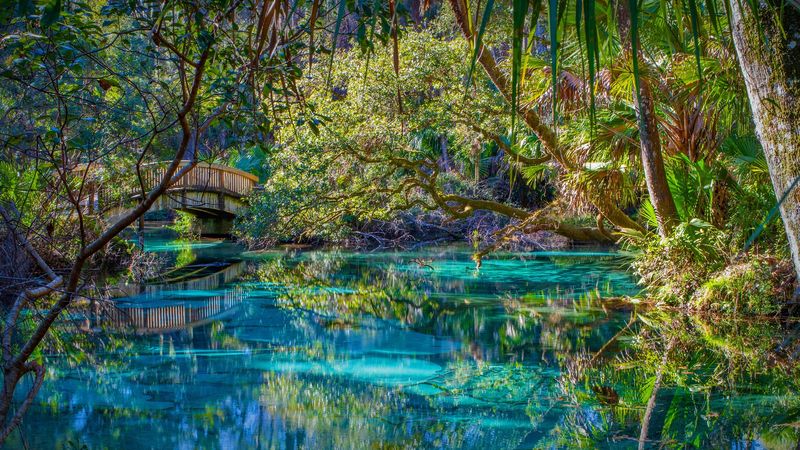
Crystal springs bubbling up in the middle of a sand pine forest sold me on Ocala National Forest the very first afternoon I explored Marion County’s wild heart.
The water at spots like Juniper and Salt Springs stays refreshingly cool all year, which is a treat during warm Florida days.
Miles of trails cut through scrub and hammock, and I never grow tired of the changing scenery.
Because the brush grows dense and shady, ticks are common here, so I tuck in my clothing and scan my skin after each outing.
Paddlers glide down spring runs while divers explore the clear pools below.
Camping options range from primitive sites to fuller campgrounds, so everyone finds a fit.
Wildlife pops up often, from deer to the occasional black bear seen at a safe distance.
Winter and early spring bring cooler air that makes long hikes far more pleasant.
Ocala remains one of my favorite Florida escapes, and I always leave already dreaming about my next dip in those glassy springs.
7. Withlacoochee State Forest, Citrus County
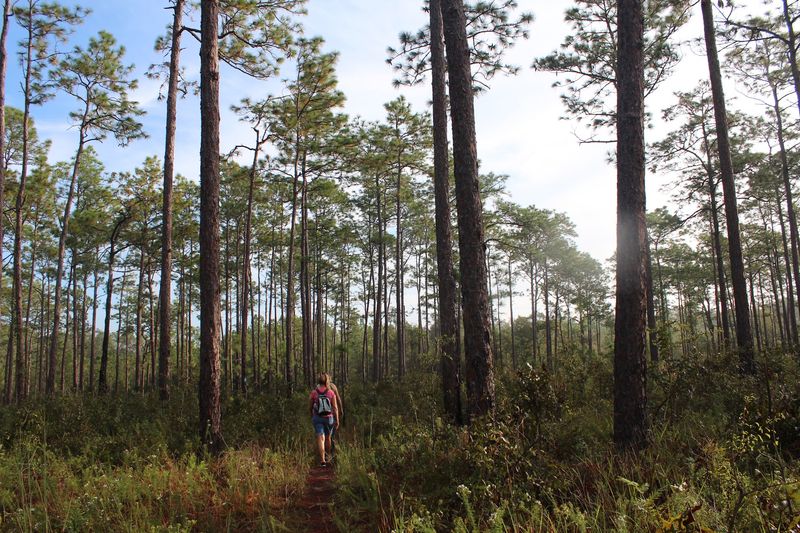
Rolling hills and shady hammocks surprised me during my first trip to Withlacoochee State Forest, nestled in Citrus County along Florida’s Nature Coast.
This forest breaks into several tracts, each offering its own mix of pines, hardwoods, and winding river views.
I hiked, biked, and even watched horseback riders share the sandy trails without a hint of crowding.
The thick vegetation and leafy shade make it prime tick territory, so I always slather on repellent and check thoroughly afterward.
Cooler months turn the trails crisp and inviting, perfect for long treks.
The Croom area draws mountain bikers who love its surprising ups and downs.
Paddlers enjoy the Withlacoochee River, where turtles bask on logs and birds flit between branches.
I stumbled onto a quiet overlook once and simply sat, soaking in the stillness for a good half hour.
Withlacoochee proved that even lesser-known forests can steal your heart, and I keep finding new corners of it to fall for on every return visit.
8. Little Big Econ State Forest, Seminole County
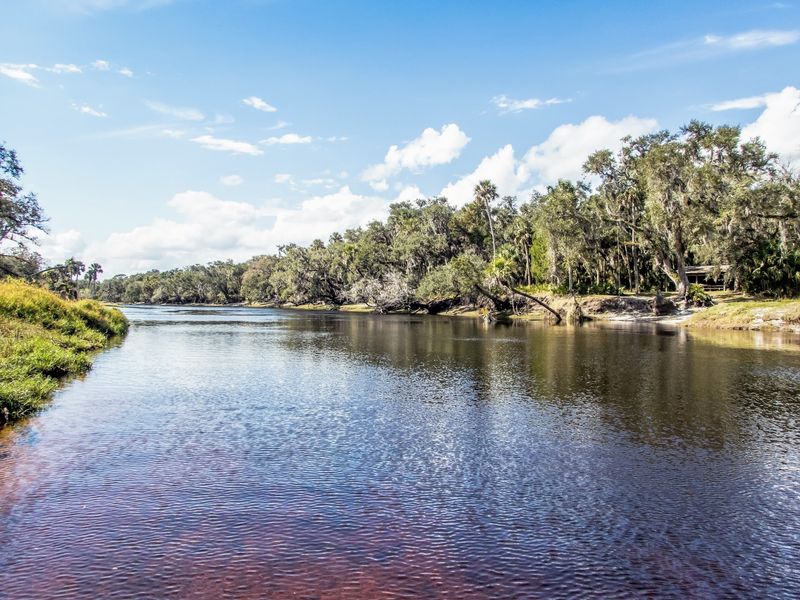
Winding along the Econlockhatchee River, Little Big Econ State Forest quickly became my favorite quick escape near Seminole County’s busy suburbs.
This pocket of wilderness feels wonderfully remote even though towns sit just minutes away.
Trails hug the river beneath oaks and cypress, and I love spotting deer stepping quietly through the brush.
The shady banks and grassy patches give ticks a cozy home, so I dress smart and inspect my ankles once I’m back at the car.
Cooler seasons make the trails comfortable and keep the bugs a bit calmer.
Cyclists and joggers use the Flagler Trail section, which adds a friendly rhythm to the woods.
Photographers chase golden light as it filters through the branches near the water.
I once watched an osprey dive for a fish here and felt like I had front-row seats to a nature show.
For anyone craving greenery without a long drive, Little Big Econ delivers big adventure in a compact, welcoming package.
9. Myakka River State Park, Sarasota County
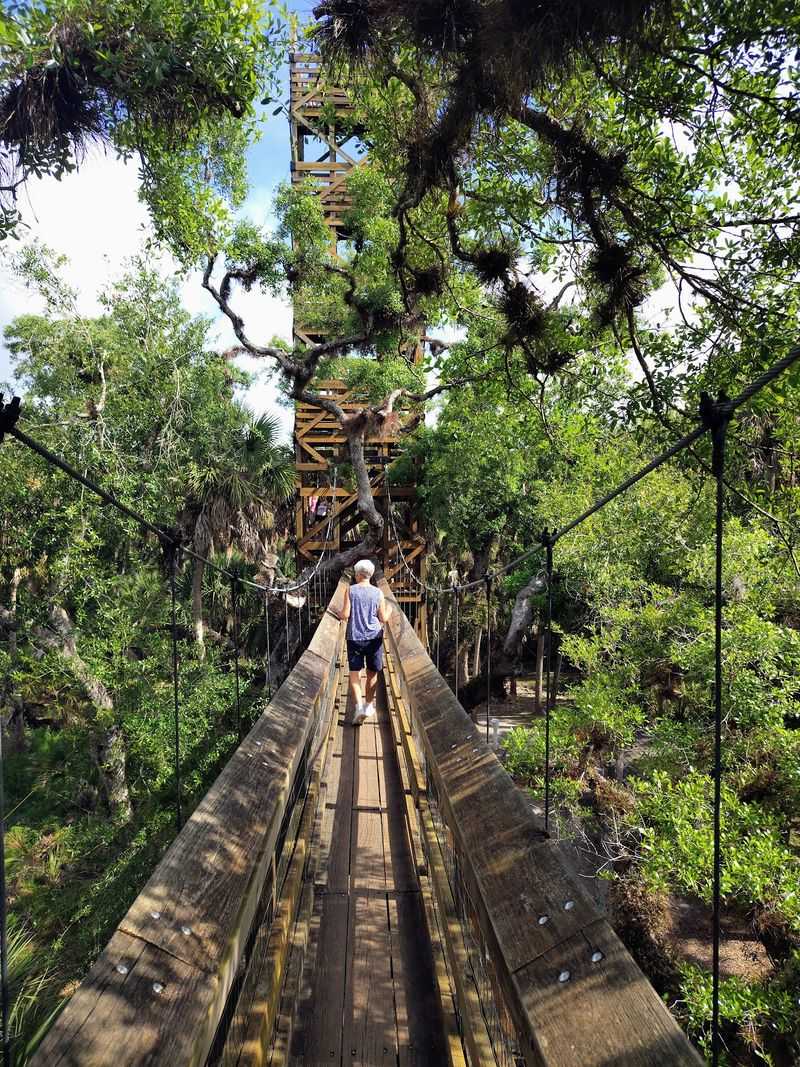
Alligators sunning along the riverbanks made my heart race the first time I explored Myakka River State Park in Sarasota County.
This is one of Florida’s oldest and largest state parks, packed with wetlands, prairies, and shady oak hammocks.
I climbed the canopy walkway and felt like I was floating above the treetops, scanning for birds in every direction.
Since the hammocks and grasslands stay leafy and moist, ticks show up often, so I keep repellent close and check myself after hiking.
Winter draws huge numbers of birds, making it a top season for wildlife lovers.
Airboat and tram tours give an easy way to spot gators and wading birds up close.
Paddlers drift along the river while cyclists roll down the park’s scenic drive.
I picnicked near the lake one afternoon and watched herons stalk the shallows with amazing patience.
Myakka has a way of making every visit feel like a real safari, and I never leave without a camera full of memories.
10. Jonathan Dickinson State Park, Martin County
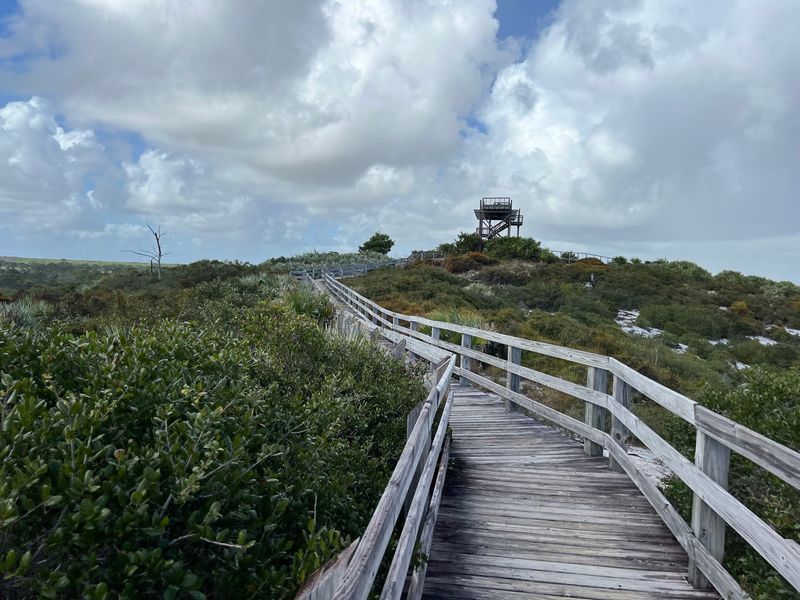
Climbing Hobe Mountain for a wide view of untouched wilderness hooked me on Jonathan Dickinson State Park in Martin County.
That sandy peak is one of Florida’s highest natural points, and the panorama stretches all the way to the coast.
The wild Loxahatchee River flows through the park, and paddling it feels like slipping into old, undeveloped Florida.
Because the scrub and riverbanks stay brushy, ticks hide in the low plants, so I spray up and check carefully after exploring.
Cooler months make hiking and kayaking far more enjoyable.
Campers settle into shady sites while cyclists explore the many miles of trails.
Wildlife appears often, from gopher tortoises to ospreys circling overhead.
I rented a kayak once and drifted past cypress trees, feeling completely tucked away from the world.
The mix of scrub, river, and sweeping views makes this park feel like several destinations rolled into one, and it keeps pulling me back for more discoveries.
11. Fakahatchee Strand Preserve State Park, Collier County
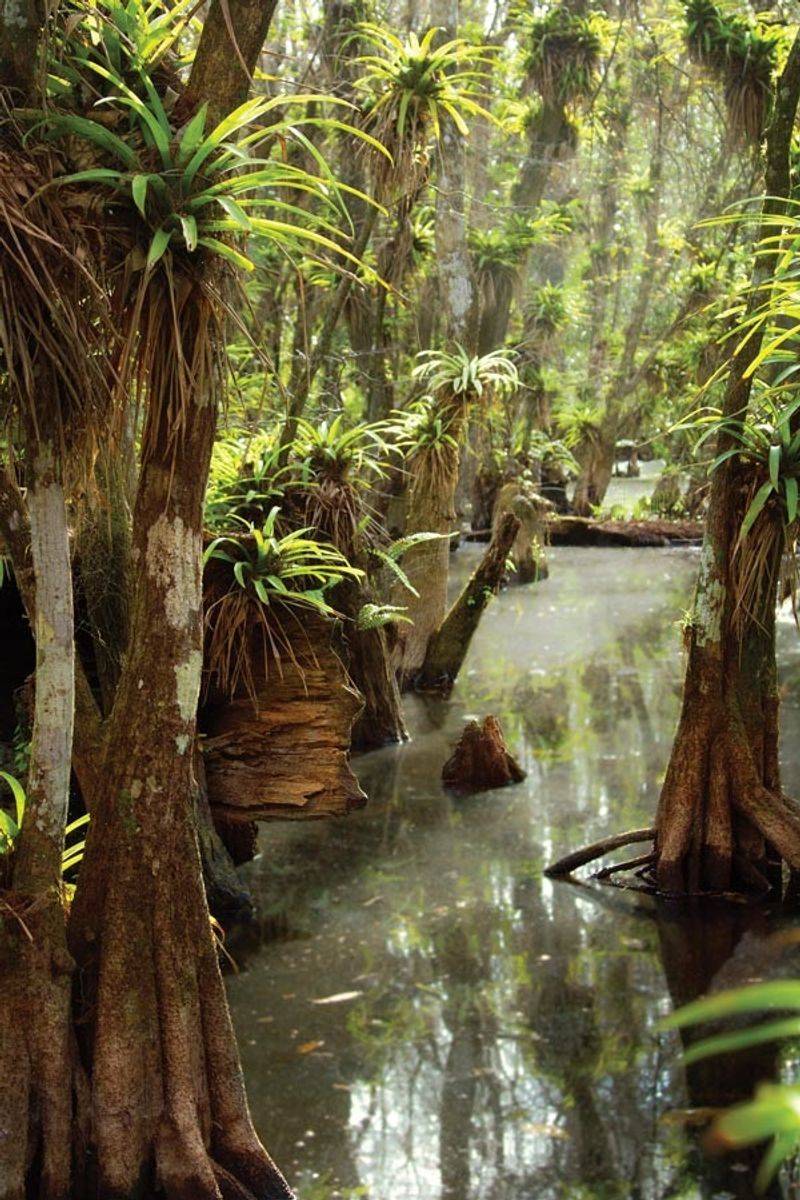
Rare orchids clinging to swampy cypress trees made Fakahatchee Strand Preserve State Park feel almost magical when I first ventured into Collier County’s wild interior.
Folks call this place the Amazon of North America, and the dense, dripping forest lives up to that reputation.
I strolled the Big Cypress Bend Boardwalk and spotted alligators, wading birds, and plants I had never seen before.
The humid, shaded swamp is exactly where ticks and other bugs thrive, so I wore long sleeves and checked myself thoroughly afterward.
Winter offers drier trails and cooler air, making it the smartest time to explore.
Guided walks help you find the hidden orchids and ferns tucked deep in the strand.
Photographers adore the misty light filtering through the towering cypress.
I paused on the boardwalk once and simply listened to the swamp humming with life around me.
Fakahatchee rewards curious travelers with sights found almost nowhere else, and it left me eager to keep learning about Florida’s rarest corners.
12. Big Cypress National Preserve, Collier County
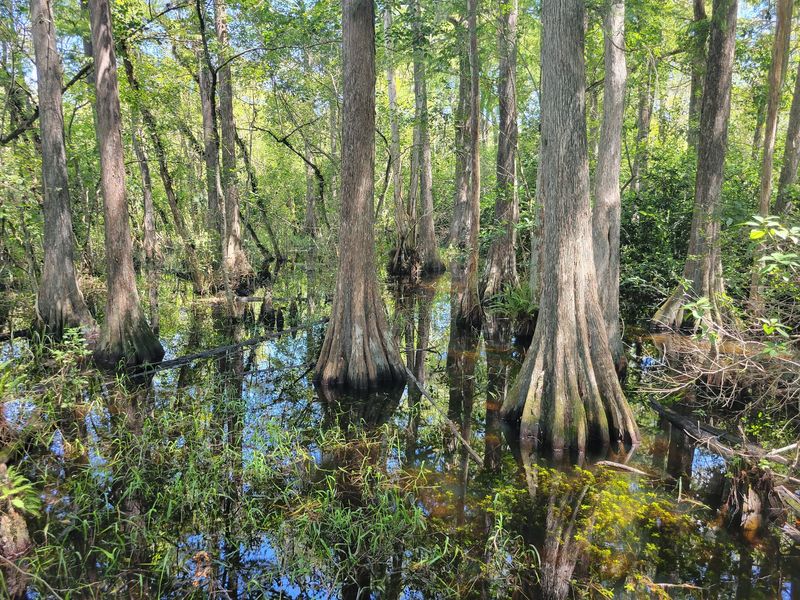
Endless swamp stretching toward the horizon left me speechless the day I explored Big Cypress National Preserve in Collier County.
This enormous wetland borders the Everglades and shelters a stunning range of wildlife, from wading birds to elusive panthers.
I drove the scenic loop, walked short boardwalks, and watched alligators glide silently through the shallows.
Since the sawgrass and cypress stands stay wet and shady, ticks and other insects are common, so I kept repellent handy and inspected my clothing later.
The dry winter season brings comfortable temperatures and easier access to trails.
Ranger programs share fascinating details about the plants, animals, and cultures tied to this land.
Stargazers love the dark skies here, where the night glitters far from city lights.
I pulled over one evening and simply marveled at how huge and quiet the preserve felt.
Big Cypress showed me a wilder, wetter side of Florida, and it capped off my wooded journey with a sense of awe I still carry with me.