
This Pennsylvania Lake Shore Is Getting Too Snake-Filled For Its Own Good
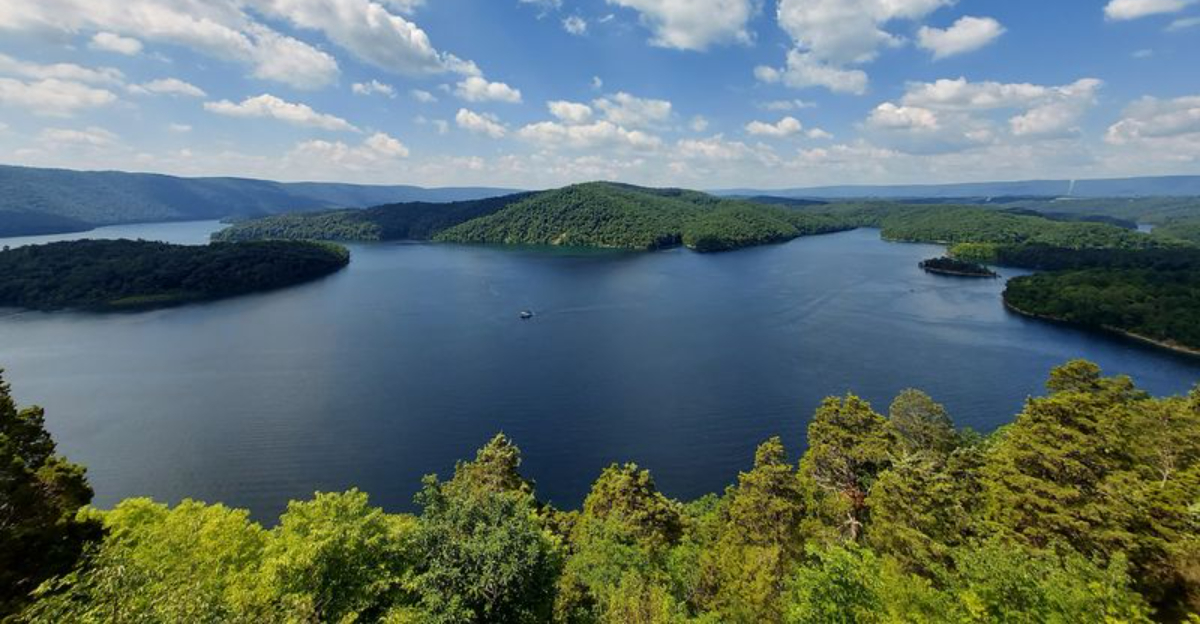
A quiet lake day changes fast when the shoreline starts making you watch every step.
This Pennsylvania lake has drawn attention for frequent snake sightings along parts of the water, especially when warmer weather brings more activity near the shore.
The scenery may still look peaceful, but the experience becomes a little more alert than relaxing once you know something could be moving through the grass nearby.
That does not mean the lake suddenly loses its appeal. It just adds a wilder edge to a place people usually visit for an easy day outside. Sometimes nature makes sure you remember whose territory you are sharing.
I know exactly how one snake sighting can change my entire mood.
After that, every branch looks suspicious and every ripple gets a second glance. I still enjoy the view, but I definitely stop wandering around on autopilot.
Pennsylvania lake days can be beautiful, but occasionally they come with a reminder to keep your eyes open.
A Reservoir Built In 1973 Created Perfect Snake Real Estate
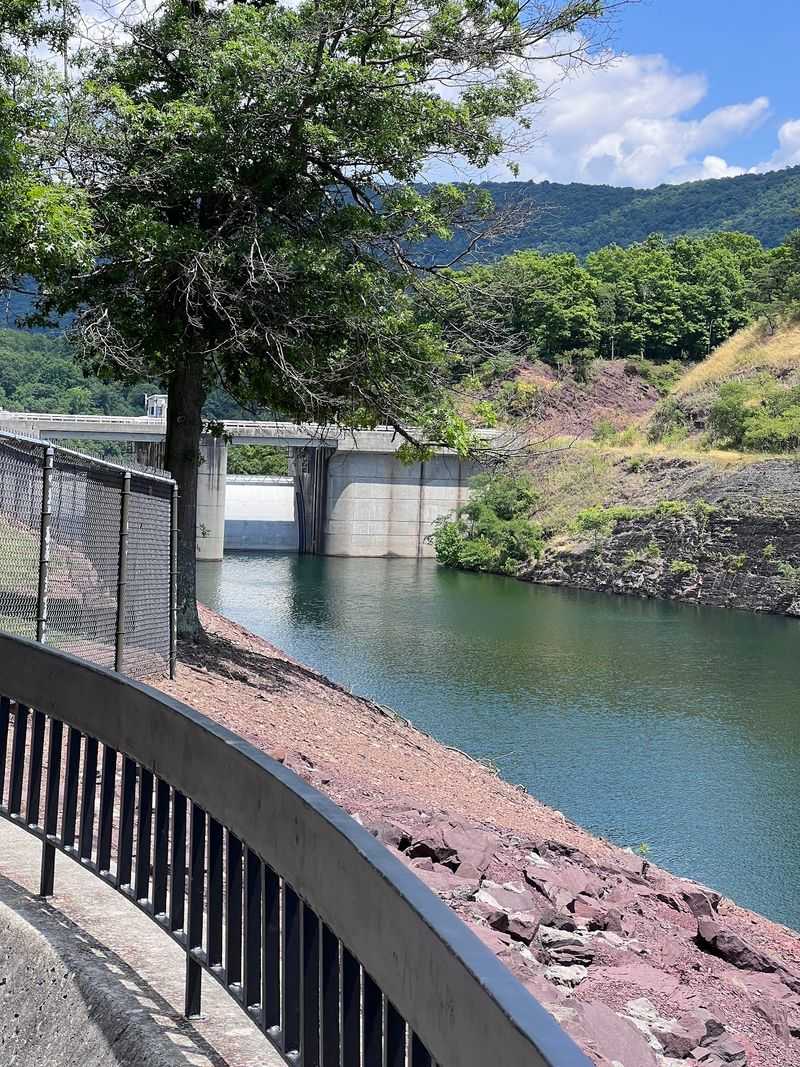
Back in 1973, the Army Corps of Engineers finished the present dam that created today’s Raystown Lake, the largest lake entirely inside Pennsylvania.
Native snakes were already part of the surrounding landscape. Flooding the river valley changed the shoreline dramatically.
Water reached steep, rocky hillsides and created miles of coves, forested banks, fallen timber, and other varied habitat. Some of those features suit snakes found naturally in central Pennsylvania.
Rocks can provide basking sites and shelter, while water supports fish, frogs, and other prey used by northern water snakes and several other species.
Raystown Lake now stretches through Huntingdon and Bedford counties and has roughly one hundred eighteen miles of shoreline.
That provides plenty of places where wildlife and visitors may occasionally cross paths. Understanding that history helps.
The snakes are not invading anything.
They are native animals using suitable habitat around a reservoir that humans created in a landscape where snakes already lived before the modern dam was ever completed.
Northern Water Snakes Rule The Coves
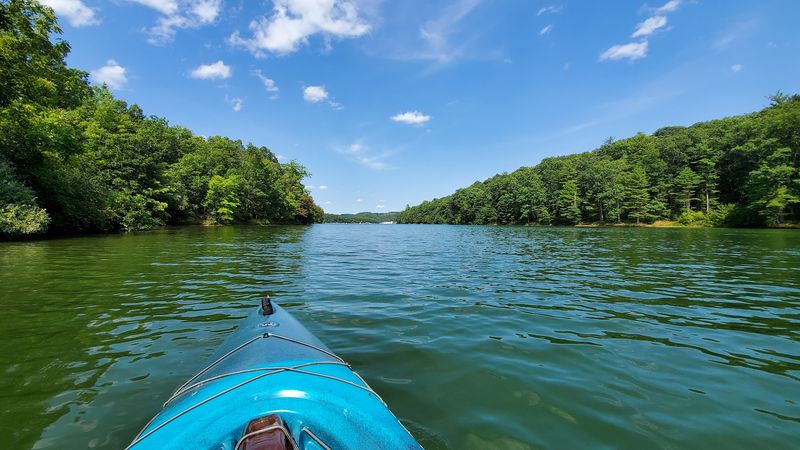
If you spot a snake swimming near the surface, a northern water snake is one possibility.
This species is common throughout Pennsylvania around ponds, lakes, rivers, streams, and other suitable waterside habitat.
Coloring runs from dark brown to gray with blotchy bands, and older ones can look almost solid black when wet.
Adults can reach more than four feet, which sometimes makes them look more intimidating than they are.
Here is the important truth about them. They are not venomous, they eat fish and frogs, and they usually try to escape when given room.
That said, a cornered water snake can bite repeatedly, so trying to pick one up is a bad idea. Give any unidentified snake space and let it leave on its own rather than approaching for a closer look.
Northern water snakes also bask on rocks, logs, and tree limbs near water. Observe from a distance instead of assuming every swimming snake is this species.
Copperheads Do Live In Huntingdon County
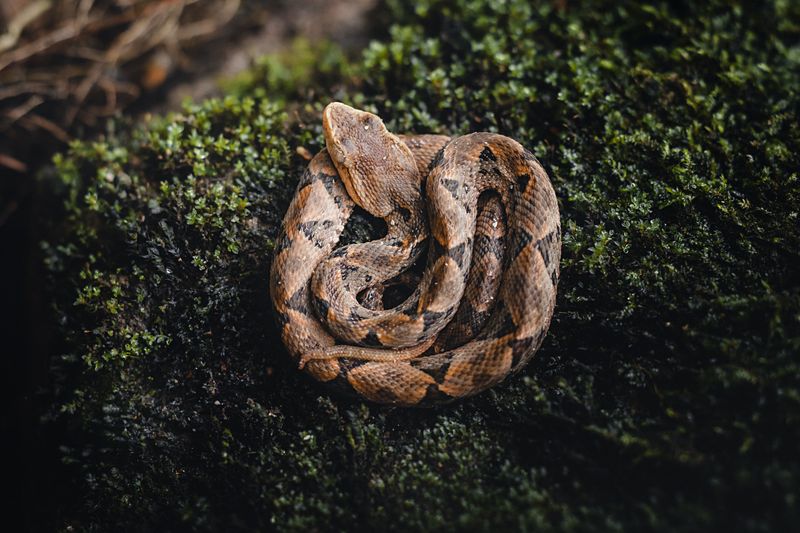
Let us handle the one everybody worries about.
Eastern copperheads occur across much of Pennsylvania, including suitable habitat in central Pennsylvania around the Raystown Lake region.
They are not primarily aquatic snakes. Copperheads use rocky wooded slopes, leaf litter, stone walls, brush piles, stream edges, and other places that provide shelter, prey, and warmth.
Their camouflage is genuinely excellent. Tan and copper hourglass bands blend into fallen leaves and forest floors so well that people can pass surprisingly close without noticing one.
Bites can happen when a snake is stepped on, handled, or otherwise threatened, so watching where you place hands and feet matters around rocks, logs, and dense ground cover.
Copperhead venom can cause a painful bite that requires prompt medical attention.
Closed shoes and staying alert reduce exposure, but they do not eliminate risk. If you see one, back away calmly and give the snake plenty of room to leave safely nearby.
Timber Rattlesnakes Prefer The High Ridges
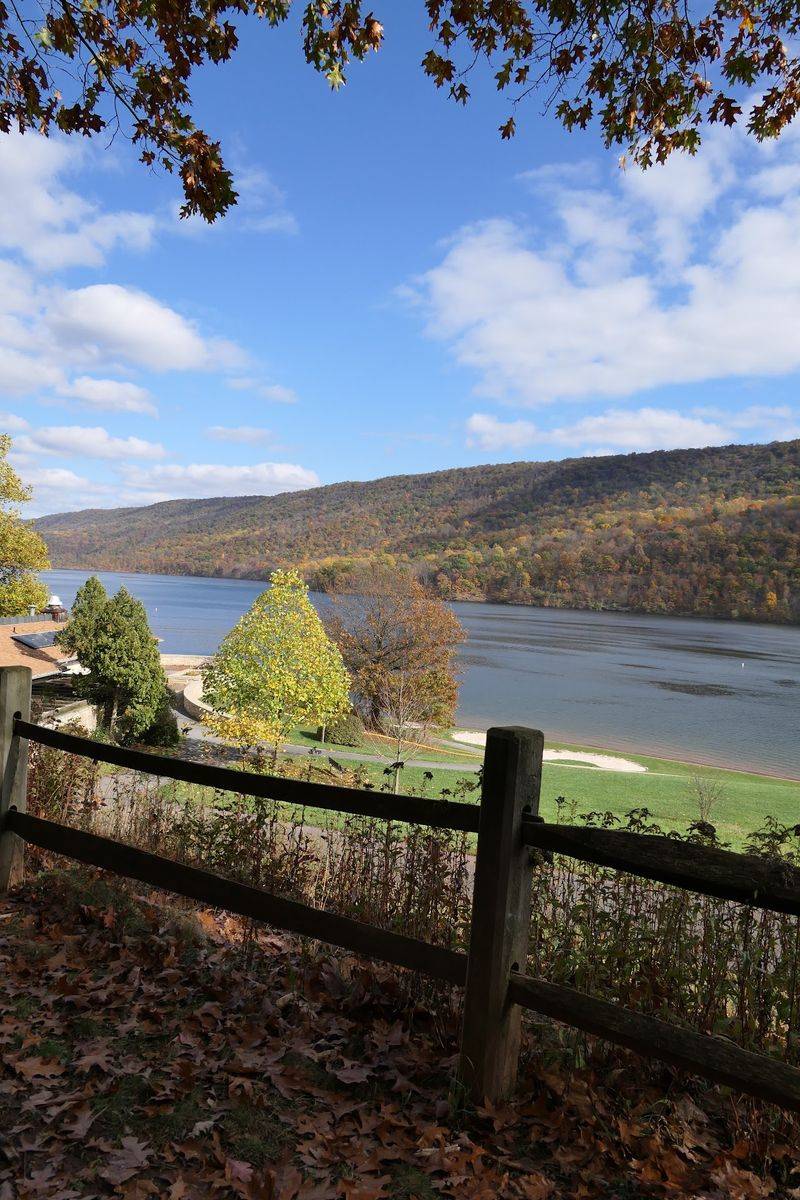
Timber rattlesnakes occur in forested, mountainous parts of central Pennsylvania, where rocky outcrops and denning habitat can support them.
Nearby Trough Creek State Park specifically notes that rattlesnakes may be found sunning on rocks.
Pennsylvania no longer classifies the timber rattlesnake as a candidate species. It was removed from that list in 2016, although it remains legally protected and managed as a species of special concern.
They come in two color phases, a yellow form and a much darker black form, and adults commonly measure about three to four feet long.
Temperament wise, timber rattlers usually prefer to remain still or move away when given the opportunity. They also do not always rattle before a defensive strike.
If you encounter one on a trail, do not approach, handle, or try to move it. Give the snake a wide berth, wait if necessary, and let it continue on its own schedule safely.
Riprap And Boulder Fields Are Snake Magnets
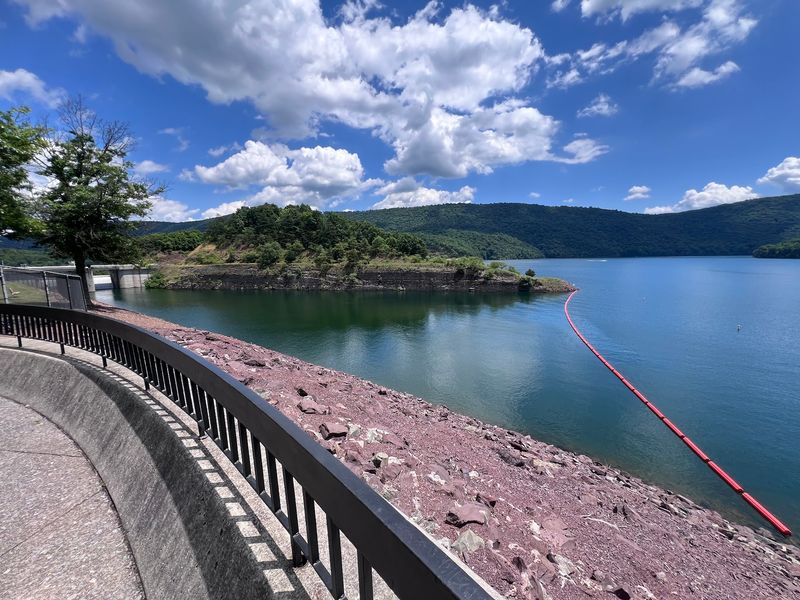
Walk along engineered stone banks near the dam and you may notice habitat that can appeal to snakes. Those angular rocks are called riprap and are there to control erosion.
Gaps between stones can provide shelter, while exposed surfaces offer places for reptiles to bask. Rocky habitat is used by several Pennsylvania snake species.
A reptile can regulate its body temperature by moving between warmer and cooler spots. Frogs, small mammals, and other prey may also use shoreline cover, making rocky areas worth watching carefully.
Anglers and other visitors spending time directly on rocks may have more opportunities to notice snakes because they are closer to suitable cover.
There is no evidence that riprap is the single best snake habitat around Raystown Lake.
A sensible habit is to watch where you place hands and feet around rocks and avoid reaching blindly into crevices. Give any snake you notice plenty of room to move away.
Warm Summer Water Pushes Activity Way Up
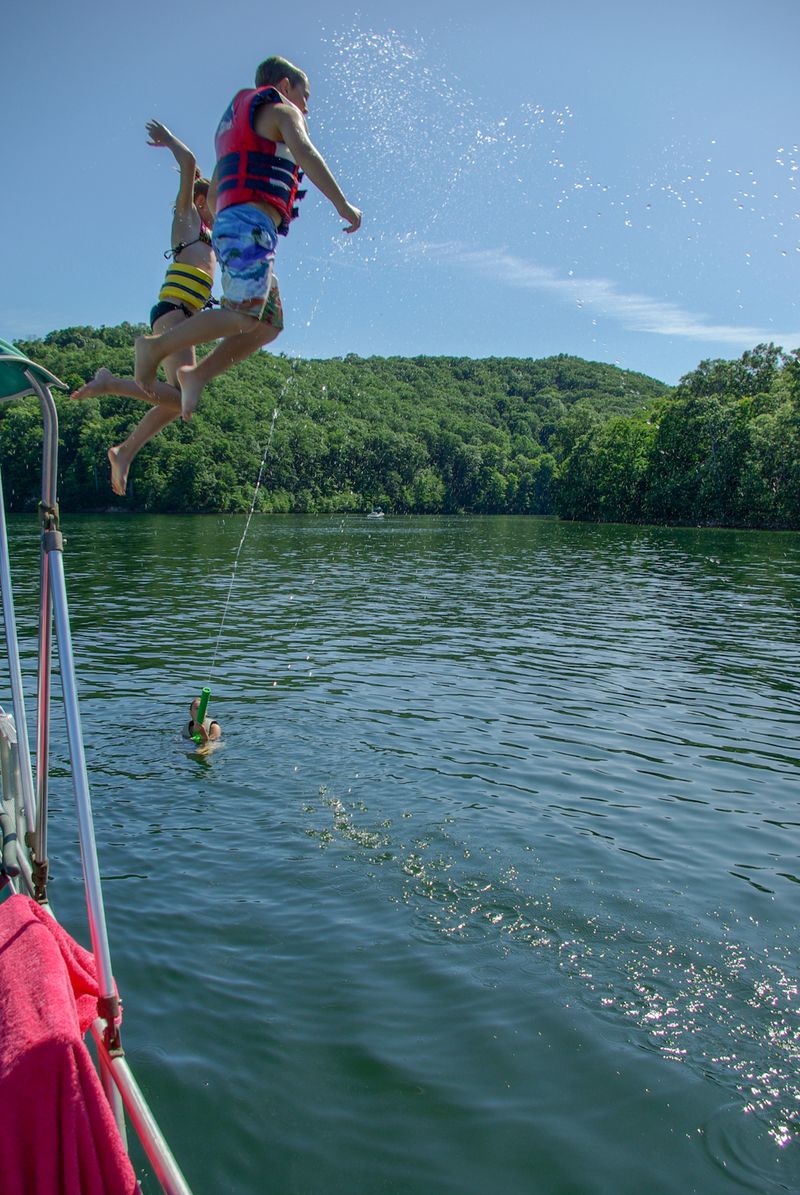
Warm weather increases reptile activity, but Raystown snake encounters cannot be predicted from lake temperature alone.
Northern water snakes emerge from hibernation in spring and remain active through the warmer months.
Penn State notes that northern water snakes are most active from May through July, rather than identifying July and August as the peak encounter period at Raystown Lake.
There is a second detail. Female northern water snakes give birth to live young in late summer or early fall, so juveniles may appear around shoreline habitat during that period.
Young water snakes are often more strongly patterned than older adults, with bands and blotches that can make identification confusing for visitors who are not familiar with the species.
Cooler weather reduces reptile activity, but a warm day in spring or fall can still bring snakes out to bask. Sightings depend on weather, habitat, and luck.
Plan outdoor time with awareness rather than expecting a guaranteed snake season.
Most Sightings Are Cases Of Mistaken Identity
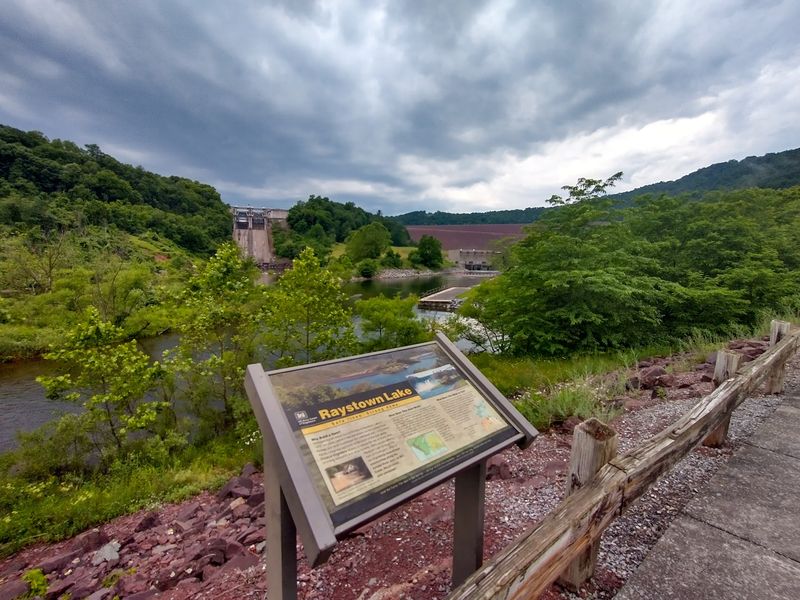
Ask around campgrounds and somebody may say they saw a water moccasin.
Here is the thing. Cottonmouths do not occur in Pennsylvania anywhere in the state.
Their natural range reaches only as far north as extreme southern Virginia.
Northern water snakes are common around Pennsylvania waterways, but not every dark snake seen swimming should be identified as one.
Size can be misleading too. A moving snake in water is difficult to judge from shore or a boat.
Head shape, pupil shape, and swimming posture are not safe shortcuts for identifying a snake at a distance. Northern water snakes can flatten their heads when threatened, making them appear more triangular.
The safest approach is simple. Do not handle an unidentified snake just to prove what it is.
Knowing cottonmouths are absent from Pennsylvania removes one common worry, while keeping a distance avoids turning identification into a risky guessing game.
Snakes Keep The Rodent Population In Check
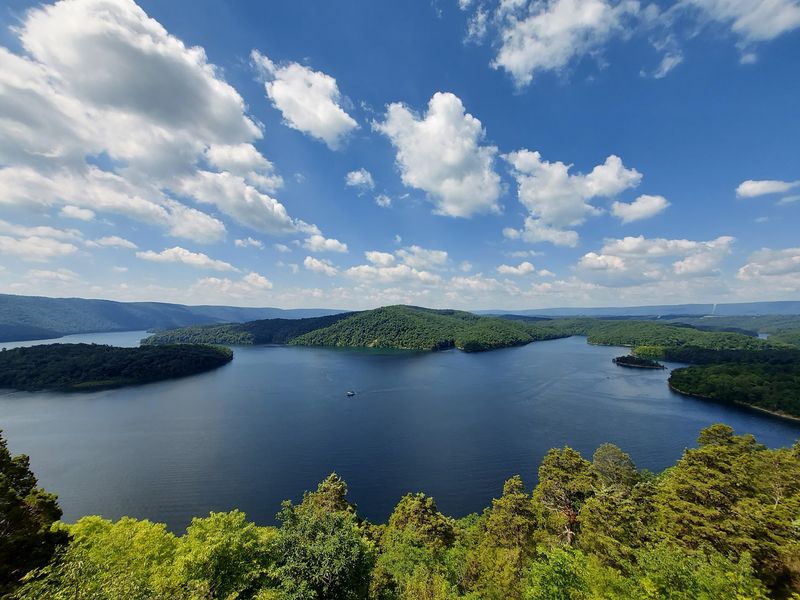
Campers may be wary of snakes, but these reptiles are predators that play a role in Pennsylvania food webs. Different species eat different kinds of prey.
Central ratsnakes, often called black rat snakes, feed on small mammals and birds and eggs. Eastern garter snakes eat worms, amphibians, and other small animals than rodents.
That does not mean more snakes automatically produce fewer ticks. White-footed mice can host ticks associated with Lyme disease, but tick abundance depends on many wildlife, habitat, and environmental factors.
Eastern garter snakes are common throughout Pennsylvania and may turn up around grassy areas. Slim and striped, they are nonvenomous and pose little concern when left alone.
Central ratsnakes can grow well beyond five feet, and they are skilled climbers that sometimes appear in trees, barns, or rafters while searching for prey.
Snakes provide ecological services, but the relationship between predators, rodents, and ticks is more complicated than a simple chain reaction.
Trail Etiquette That Actually Works
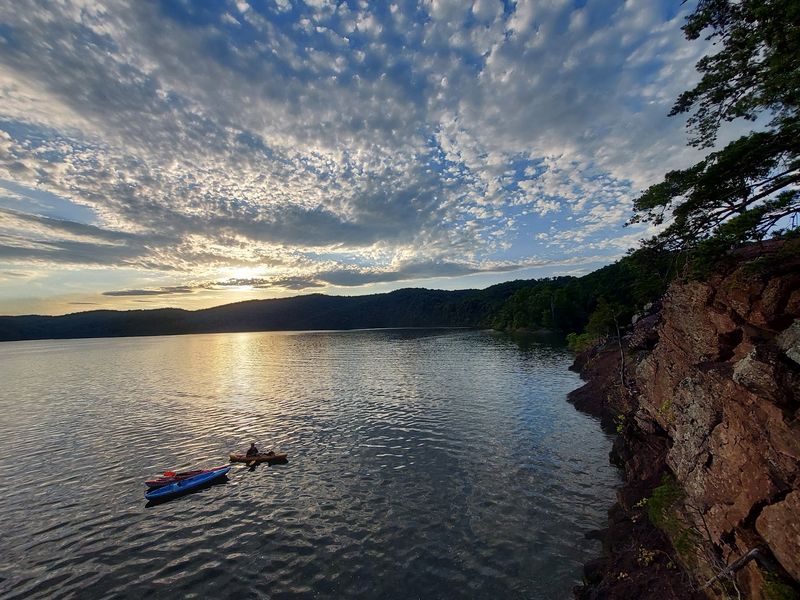
More than sixty-five miles of hiking and biking trails cross the Raystown Lake project, and avoiding wildlife problems mostly comes down to awareness and giving animals space.
Closed toe shoes are sensible on rocky sections. Long pants can also help on overgrown trails, especially where vegetation crowds the path.
Stay on marked routes when possible. Going off trail increases your chances of stepping into rocks, brush, or other places where a snake may be difficult to see.
Hands matter as much as feet. Before grabbing a rock ledge, log, or other surface to pull yourself up, look at it first.
Trekking poles can help with balance and footing, but they should not be treated as a guaranteed way to make snakes leave before you arrive.
Bikers should watch the trail ahead during warm weather and slow down if wildlife appears. If a snake is crossing, stop at a distance and let it move away.
What The Law Says About Leaving Them Alone
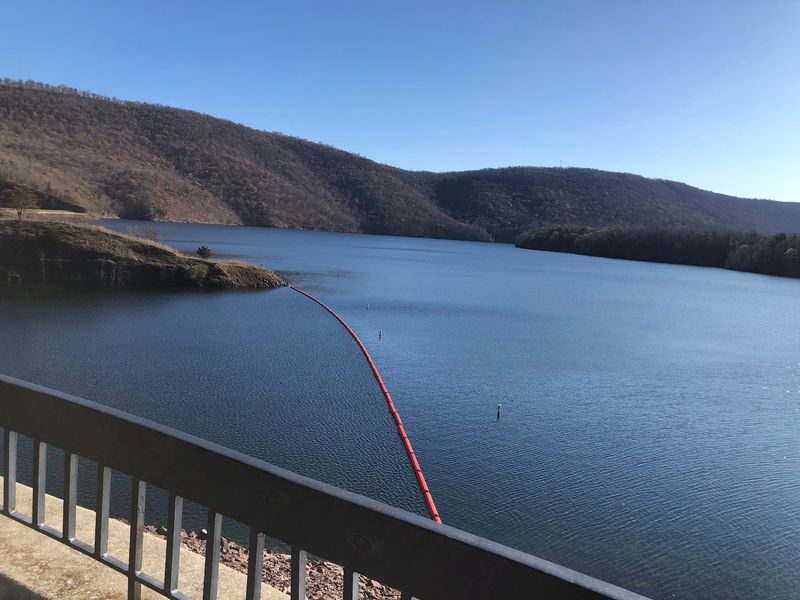
Pennsylvania Fish and Boat Commission regulations cover reptiles, and the rules do not simply ban disturbing or harming snakes.
A venomous snake permit and valid fishing license are required to hunt, take, catch, harm, or possess a timber rattlesnake or eastern copperhead. Seasons and limits also apply.
Some nonvenomous snakes may legally be taken under state rules, while protected species have no open season. Regulations differ by species, so visitors should not assume identical legal status.
Federal rules also apply on Army Corps of Engineers project lands at Raystown Lake. Hunting is generally permitted unless restricted in areas, and applicable state, federal, and local laws remain in force.
If a venomous snake is somewhere that creates a problem, Pennsylvania officials advise contacting a Waterways Conservation Officer rather than attempting to capture or move it yourself.
The practical takeaway is simple. Leave wild snakes alone, keep your distance, and check current regulations before attempting to take any native reptile.