
This Hidden Michigan Garden Features Musical Sidewalks, A Hedge Maze, And A Human Sundial
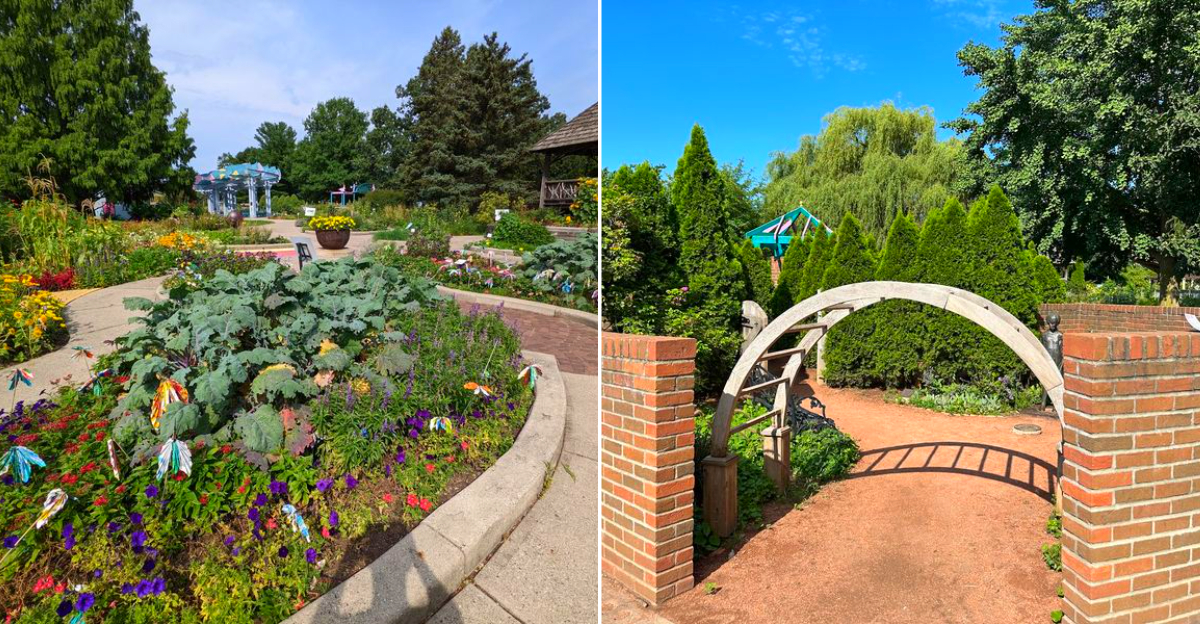
Stepping on a sidewalk that plays a note when you jump on it was not something I expected at a garden. My daughter ran across the stones tapping out a melody while I read the sign. The hedge maze came next.
She disappeared inside for ten minutes, emerging with twigs in her hair plus the biggest grin I have seen this summer. The human sundial uses your shadow to tell time. You stand on a stone, look at where your silhouette falls, plus read the hour.
We checked it against my phone. It was right. Each section is built at a scale that makes kids feel like the whole place was designed just for them. The butterfly garden.
The pizza garden where every ingredient grows in its own bed. The treehouse you can climb without an adult. Curiosity drives every path in this Michigan garden, plus the discoveries never stop.
Let The Maze Set The Pace
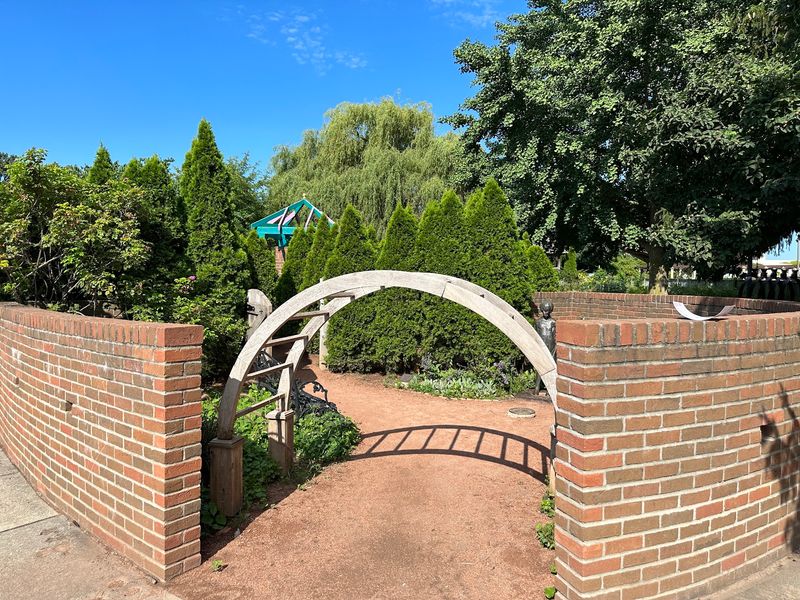
Green walls turn a short walk into an adventure inside the Alice in Wonderland Maze. Its winding route gives young explorers choices, hidden corners, and the satisfying thrill of finding their way toward the Secret Garden.
Resist the urge to direct every turn from outside. Children build confidence by testing routes, backtracking, and solving the leafy puzzle themselves, while adults can stay close enough to help anyone who feels uncertain.
The maze belongs to the themed area called Around the Maze, where imagination and plant learning overlap. Agree on a meeting point before entering if your group includes independent older children.
For younger visitors, travel together and let them lead. A calm pace protects the hedges and leaves time to notice their textures, shapes, and seasonal changes.
Bogue Street Opens Into The Gardens
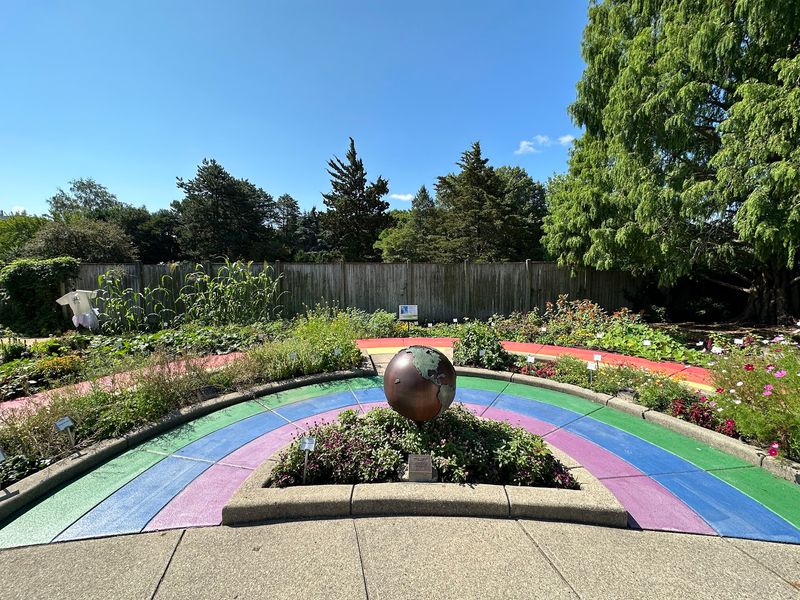
Michigan 4-H Children’s Garden sits at 1066 Bogue Street on the Michigan State University campus in East Lansing, Michigan. Bogue Street is the road to aim for, with the gardens clustered beside the Plant and Soil Sciences Building near Service Road.
Stay on Bogue Street as you move through campus and look for the Horticulture Gardens area rather than navigating to a room number inside the academic building. The Children’s Garden sits beside the visitor parking area, with campus signs and garden entrances marking the final approach.
Use the designated Garden Visitor Parking spaces in Lot 54 and pay through the posted Pay by Plate system during required hours. From the lot, follow the pedestrian path directly into the Michigan 4-H Children’s Garden.
Become The Sundial Pointer
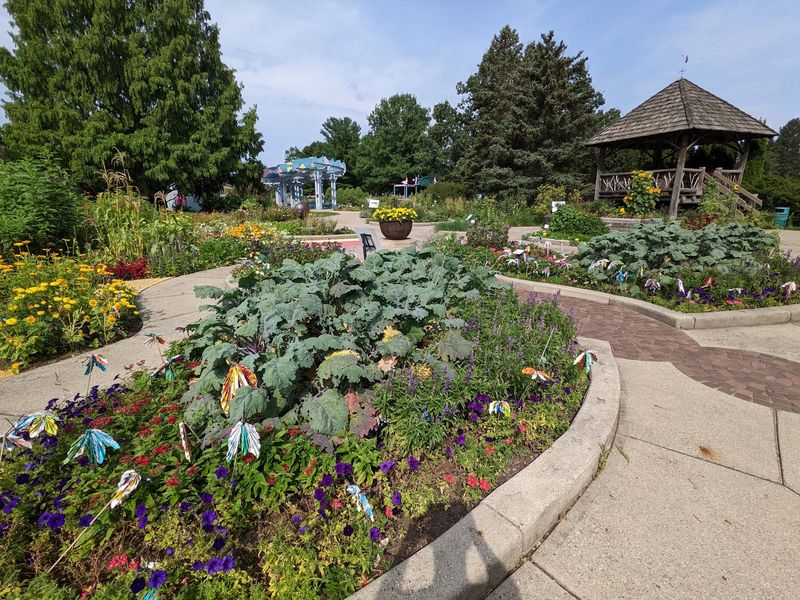
On a sunny day, your own shadow becomes the working part of the garden’s human sundial. Stand on the marked position in the Sundial Garden, then watch where the shadow falls to estimate the time.
Try comparing the result with a watch or phone, but allow for differences linked to daylight saving time and solar time. The activity opens an easy conversation about Earth’s rotation, changing sunlight, and why shadows shift throughout the day.
Clouds can hide the effect, so treat this feature as a sunny-weather bonus rather than a guaranteed stop. Photograph the shadow instead of only the person, since its direction tells the scientific story.
Returning at another hour reveals how a simple patch of pavement can quietly measure movement across the sky.
Follow Ingredients Through The Pizza Garden
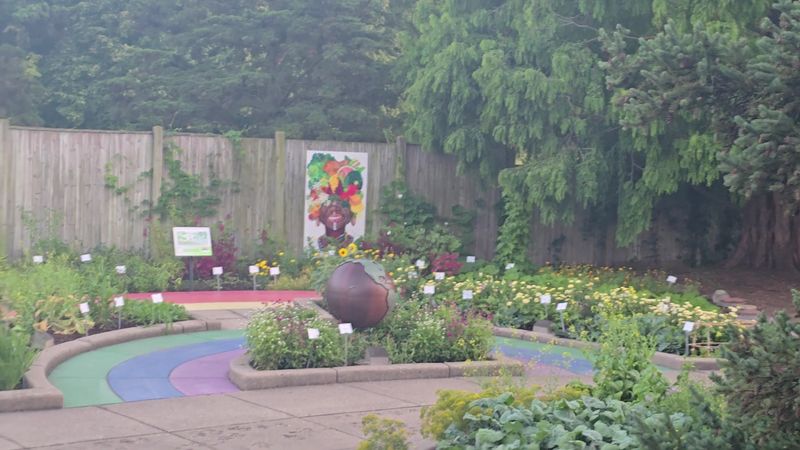
Tomatoes and wheat feel more interesting when children connect them with a familiar meal. The Pizza Garden presents plants used in pizza, helping visitors trace everyday food beyond the grocery shelf and back to soil.
Ask children to identify an ingredient before reading its label, then discuss which plant part people eat. Leaves, fruits, seeds, and stems offer a quick botany lesson without making the visit feel like schoolwork.
Growth changes across the season, so not every ingredient will look equally impressive during every trip. Remind young hands to treat living plants carefully, even in a space that welcomes close exploration.
I like leaving this plot with one simple challenge: choose an herb or vegetable seen here and find a way to use it at home.
Read Plants From A To Z
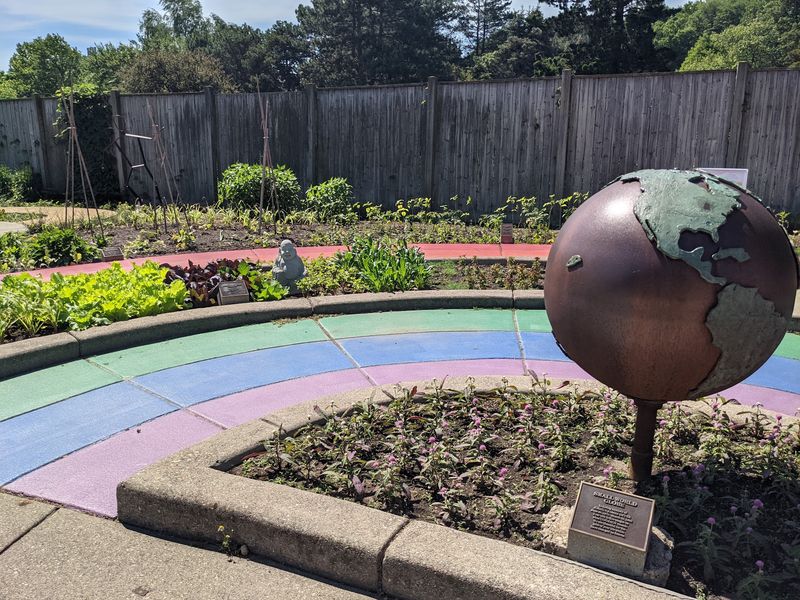
An alphabet becomes a living scavenger hunt in the ABC Kinder Garden. Plants linked to different letters help beginning readers connect printed names with real colors, shapes, scents, and textures growing directly in front of them.
Choose several letters rather than racing through the entire alphabet. A child might search for a plant matching an initial, sketch a favorite leaf, or compare two specimens that begin with neighboring letters.
Because gardens change, some examples may be flowering while others appear quieter or smaller. That variation is useful: plants do not perform on command, and careful observation matters more than checking every box.
Bring paper and a pencil for notes, but keep the task relaxed. The strongest lesson may simply be that words and nature belong together.
Pause Where Butterflies Gather
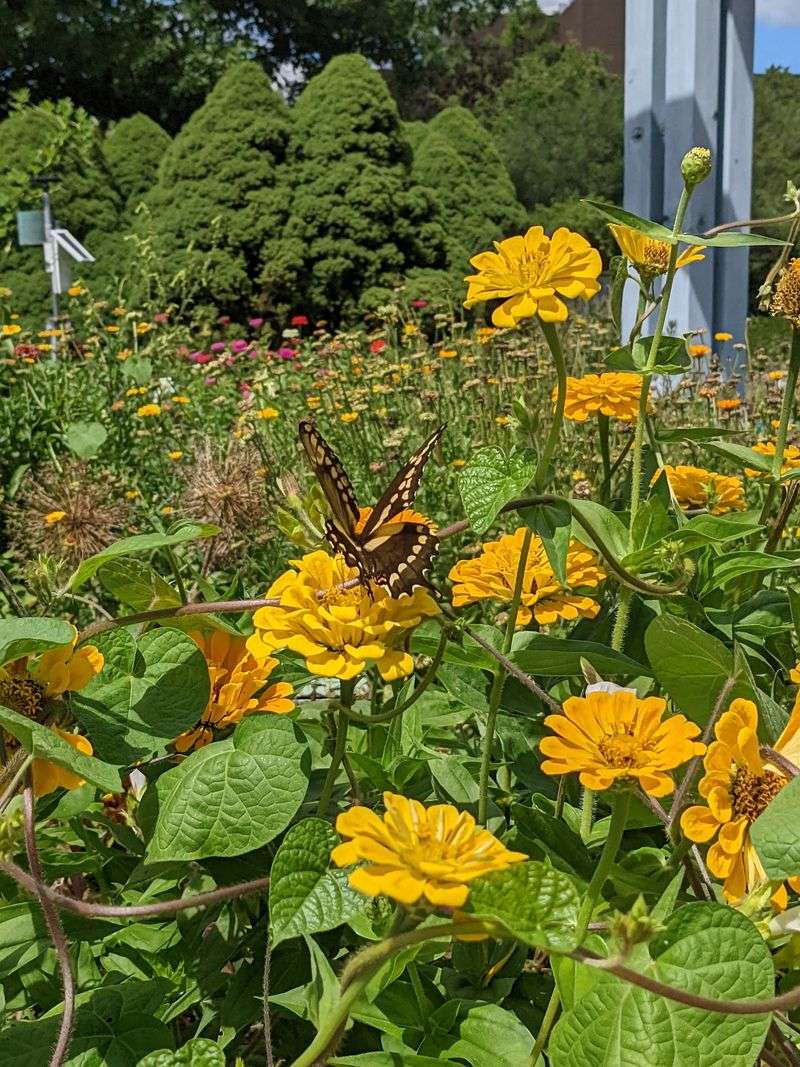
Fluttering wings can stop a busy child faster than almost any sign. In the Butterfly Garden, flowering plants offer opportunities to observe visiting pollinators and notice how insects move from bloom to bloom.
Late summer often brings abundant flowers, although butterfly activity always depends on weather, season, and time of day. Warm, calm conditions generally make patient watching more rewarding than chilly, rainy moments.
Stand quietly near the planting instead of chasing insects for photographs. Look for feeding behavior, wing patterns, and the different flower shapes that attract attention.
Adults can explain how pollinators help many plants make seeds and fruit, while children practice stillness without being told to sit down. Keep fingers away from wings, and let every visitor leave on its own schedule naturally.
Pair Storybook Memories With Herbs
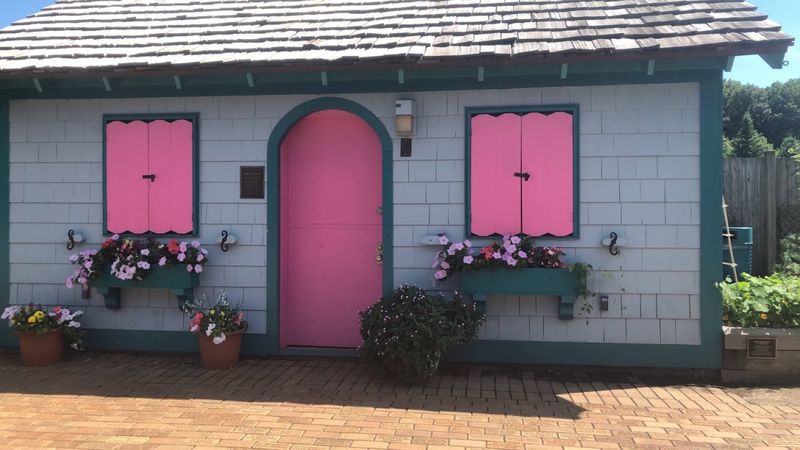
Storybook charm settles comfortably among the leaves in the Peter Rabbit Herb Garden. Inspired by a familiar children’s tale, the plot gives families a bridge between reading and the scents, forms, and uses of herbs.
Invite children to compare aromas gently, using one plant at a time so the smells remain distinct. Describing a scent as sweet, sharp, earthy, or surprising builds vocabulary while keeping the activity light and personal.
Labels help identify what is growing, but appearance varies as plants develop through Michigan’s season. Touch only where garden guidance allows, and never taste a plant unless staff or posted instructions clearly say it is permitted.
Reading the Peter Rabbit story before or after visiting can extend the experience and give younger guests familiar details to remember.
Save Time For Ponds And Wildlife
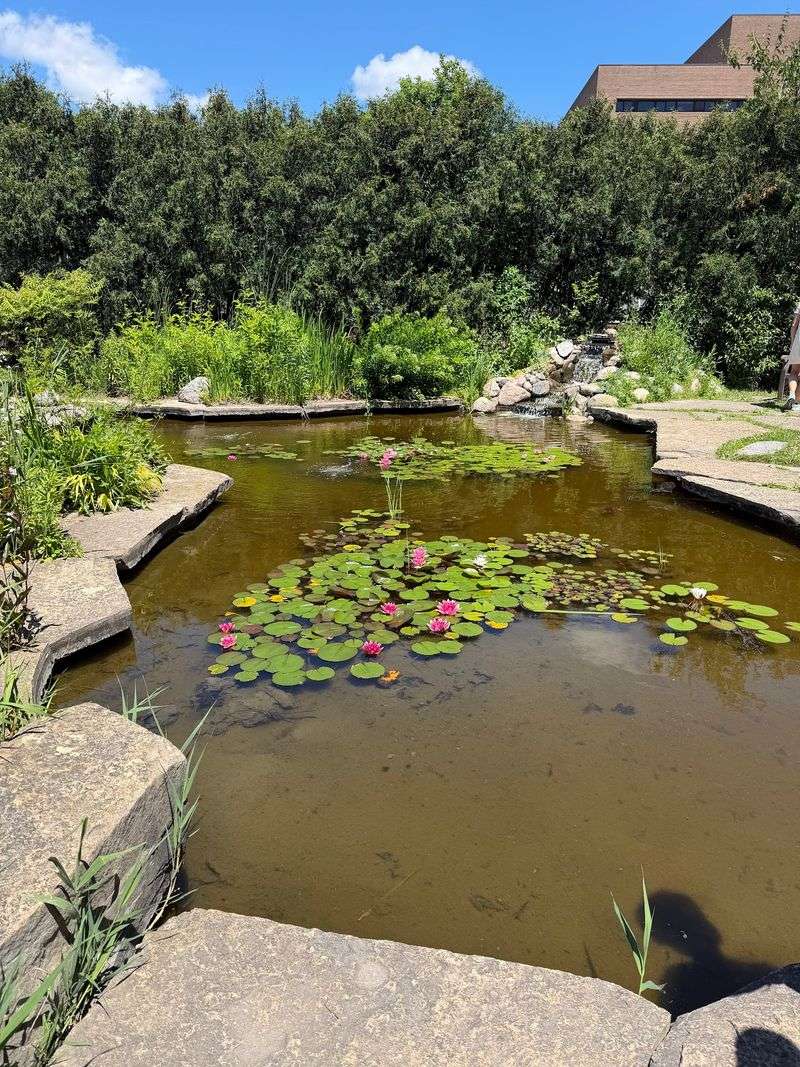
A tiny ripple may signal more excitement than the brightest flower. Small ponds within the garden support close observation of aquatic plants and wildlife, including frogs or tadpoles when conditions and seasons cooperate.
Approach the water slowly and listen before speaking. Quiet visitors have a better chance of spotting movement along the edge, while children learn that wildlife watching rewards patience rather than quick hands.
Keep everyone on designated paths and supervise young children closely near water. Pond residents should remain untouched, and nothing should be tossed into their habitat.
A compact magnifier can help with nearby leaves, but binoculars are rarely necessary at such close range. Set aside several unplanned minutes here because living creatures ignore schedules, and waiting often produces the day’s most absorbing discovery.
Arrive With A Seasonal Plan
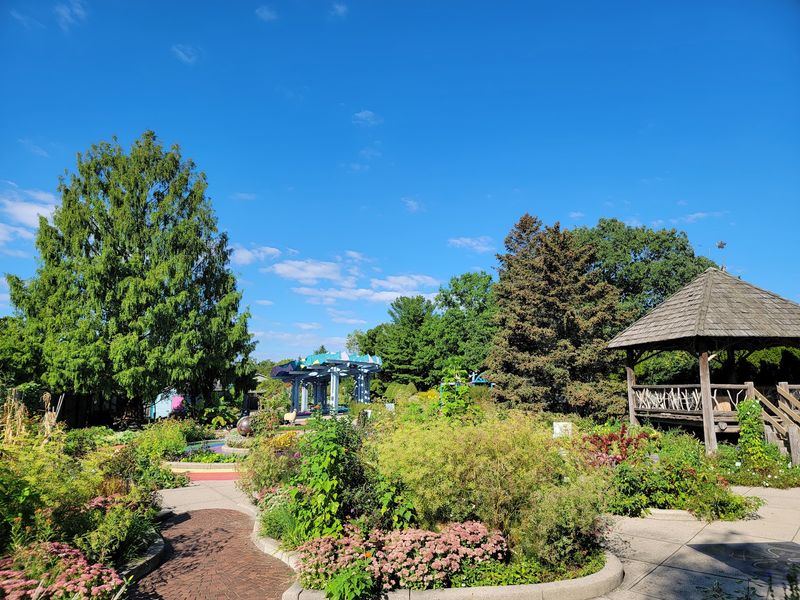
Michigan’s growing season decides much of what visitors see, from fresh spring shoots to fuller late-summer beds. The outdoor garden is generally available daily from sunup to sundown between April 1 and October 31, according to garden information.
Check the official website before leaving because events, weather, maintenance, or campus operations can affect access. Seasonal restrooms are normally available from May 1 through October 31, making advance planning especially useful for spring visits.
Comfortable walking shoes, water, sun protection, and clothing suited to changing weather keep attention on discovery. Allow at least an hour, with extra time for children who examine every pond and pathway.
Bloom levels vary naturally, yet foliage, structures, and interactive features provide interest even when fewer flowers are open.
Handle Parking Before Playtime
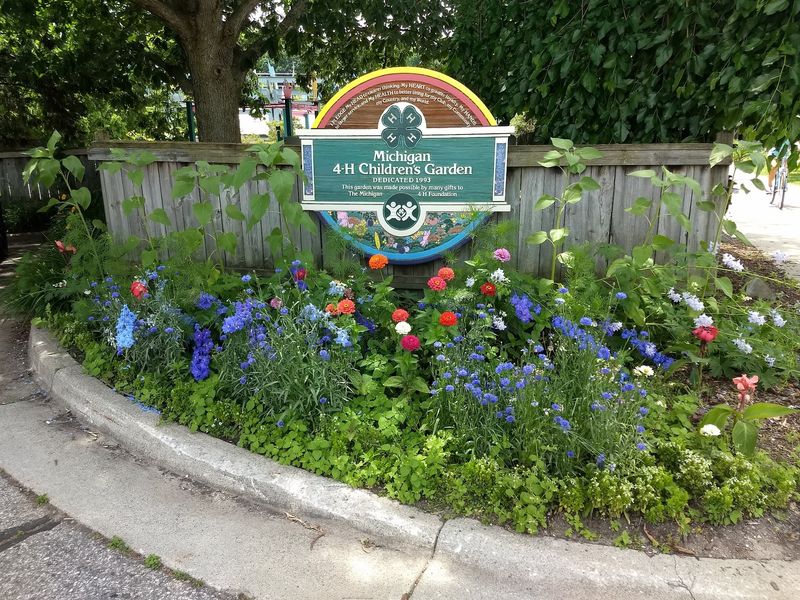
Nothing flattens garden excitement quite like puzzling over campus parking with eager children in the back seat. Visitors commonly use Michigan State University Lot 54, a pay-by-plate facility near the gardens.
Payment enforcement has been listed for weekdays from 7 a.m. to 10 p.m., while weekend parking is generally free. Campus rules can change, so read signs at the lot and verify current details through official MSU sources rather than relying only on an older screenshot.
Save the vehicle’s license plate number before walking to a payment station. The garden is associated with the Plant and Soil Sciences area, although navigation services may display the public location near 1066 Bogue Street.
Confirm your route before departure to avoid circling busy campus roads.
Explore Slowly And Leave No Trace
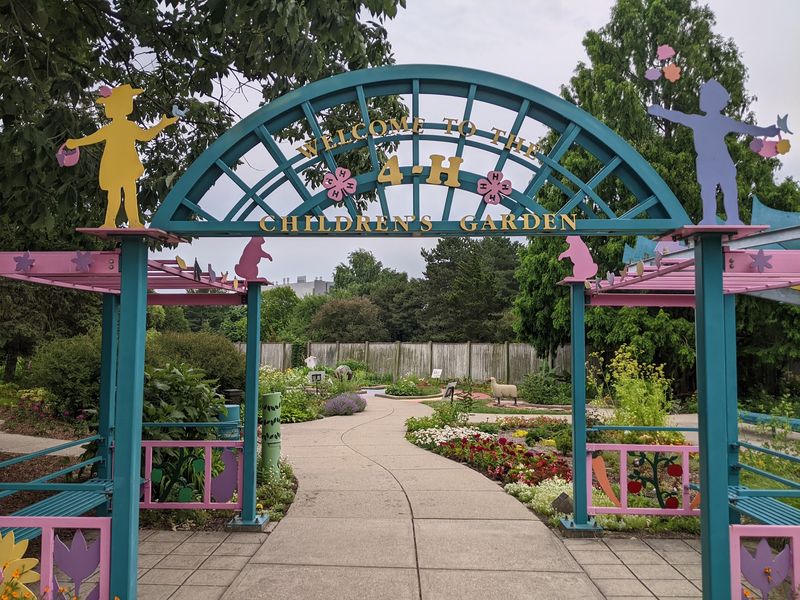
Free admission makes it easy to rush in casually, but the half-acre outdoor garden rewards a slower rhythm. Opened in 1993, it was the first American university-campus garden designed specifically to teach children through plants.
Nearly 100 themed areas fit into the broader experience, so following every side path can reveal details missed on a hurried loop. Accessible design helps visitors of different abilities join the exploration, while bright structures and interactive elements keep attention moving.
Use bins, stay on appropriate routes, and leave plants, wildlife, and displays ready for the next family. Adults without children can enjoy the horticulture and design too.
Before departing, ask everyone to name one sound, scent, plant, or surprising idea they want to remember from the day.