
This Michigan Garden Offers Free Tours, A Secret Tunnel, And 10 Unique Themed Spaces
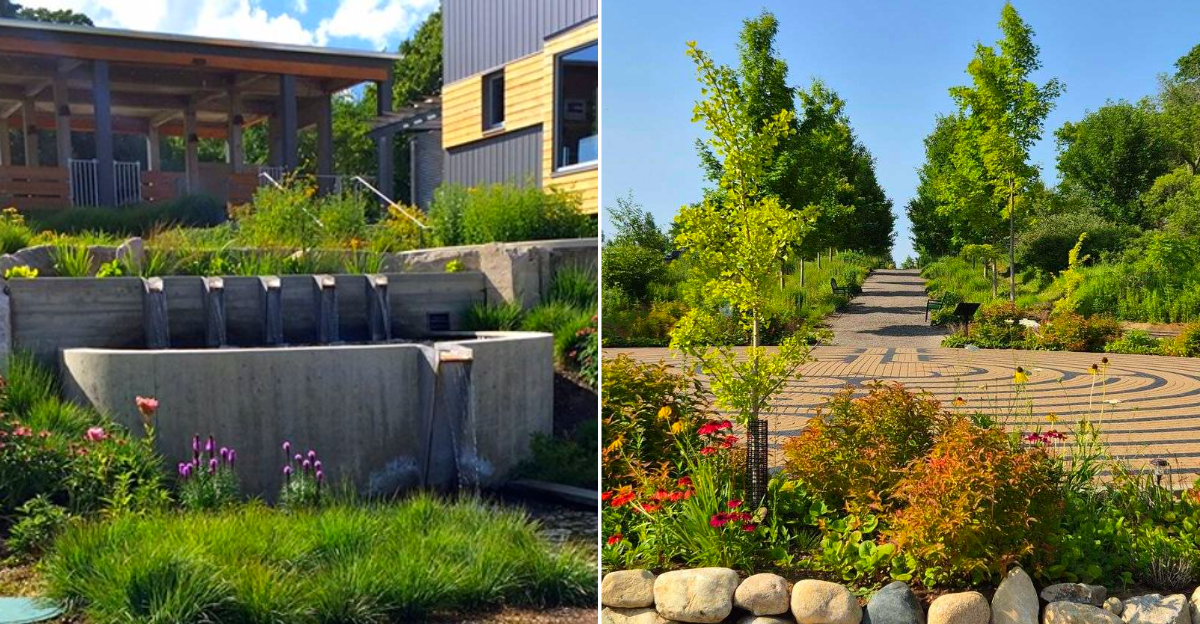
Volunteers at the entrance handed me a map and told me not to skip the tunnel. I almost did.
The secret passage runs beneath a hedge, just wide enough for one person, plus opens into a garden room I would have walked past.
That moment set the tone for the afternoon. Each themed space offers something different.
The medicinal herb garden smells like a pharmacy from another century. The bamboo grove rustles in a way that makes you stop talking.
The walled garden holds shade plants that look like they belong in a rainforest. Restored barns house educational displays.
The trails connect everything without making you feel like you are following a prescribed route.
I spent two hours and covered maybe half the grounds. Tours are free.
Parking is free. Themed garden spaces, a hidden tunnel, plus restored barns make this Michigan destination impossible to explore in a single visit.
Look Inside The Hidden Brick Tunnel
Beneath the polished Visitor Center waits a wonderfully unexpected piece of farm engineering. A brick passage about 50 feet long once linked the Granary basement with a root cellar, where produce stayed cool before traveling to the hospital kitchens.
Workers backed wagons toward the passage and loaded vegetables grown across the institution’s working farm.
Today, visitors enter during gift shop hours rather than arriving with potatoes and wagon wheels. Notice the handcrafted gate before stepping inside: its wheat shafts and flowers connect the agricultural past with the garden’s present purpose.
The tunnel is historic, compact, and more interesting with context, so ask a volunteer about it. Check Visitor Center hours first, since access depends on the building being open that day.
Red Drive Leads Back To The Old Farm
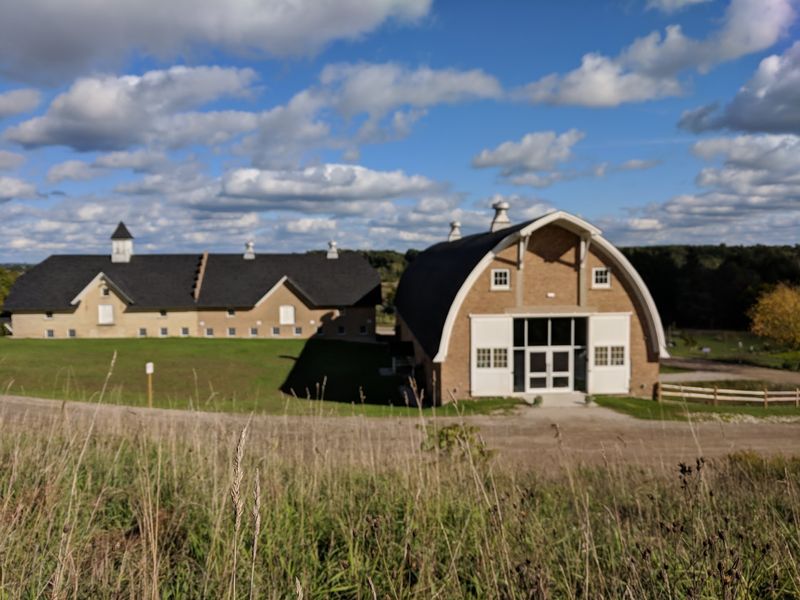
The Botanic Garden at Historic Barns Park sits at 1490 Red Drive in Traverse City, Michigan, on the grounds of Historic Barns Park beside the Grand Traverse Commons. From central Traverse City, head toward the Commons and use Red Drive for the final approach into the park.
Once you enter the Historic Barns Park area, continue along Red Drive toward the restored farm buildings and garden grounds. The Visitor Center is the most useful arrival landmark, and the same address serves the garden rather than a separate downtown office.
Use the designated parking areas within Historic Barns Park and finish the trip on foot toward the Visitor Center and garden paths. Parking inside the park is limited, so stick to marked spaces rather than stopping along Red Drive.
Engage Every Sense In The Children’s Garden
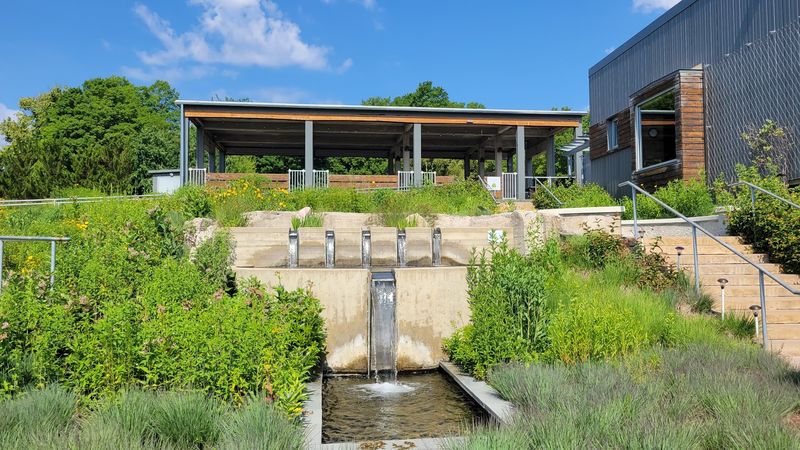
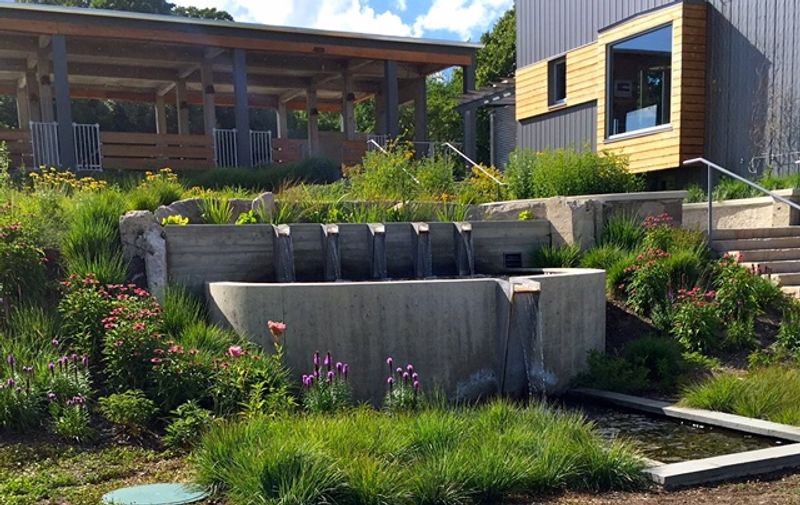
Water splashes, leaves rustle, and a garden kaleidoscope turns flowers into shifting patterns here. The Children’s Sensory Garden encourages visitors of different ages and abilities to investigate nature through sight, sound, scent, touch, and other carefully planned experiences.
Its waterfall adds movement and a cool note on warm northern Michigan afternoons.
Accessibility shaped the design rather than appearing as an afterthought. The kaleidoscope can be used from different heights, including by children who use wheelchairs, so discovery feels shared.
Let young visitors set the pace instead of rushing toward every feature at once. Adults should also try the visual tools and study the plant textures.
A few unhurried minutes reveal how thoughtful design can make a relatively small space feel adventurous, welcoming, and lively.
Notice The Stable Garden’s Horse Details
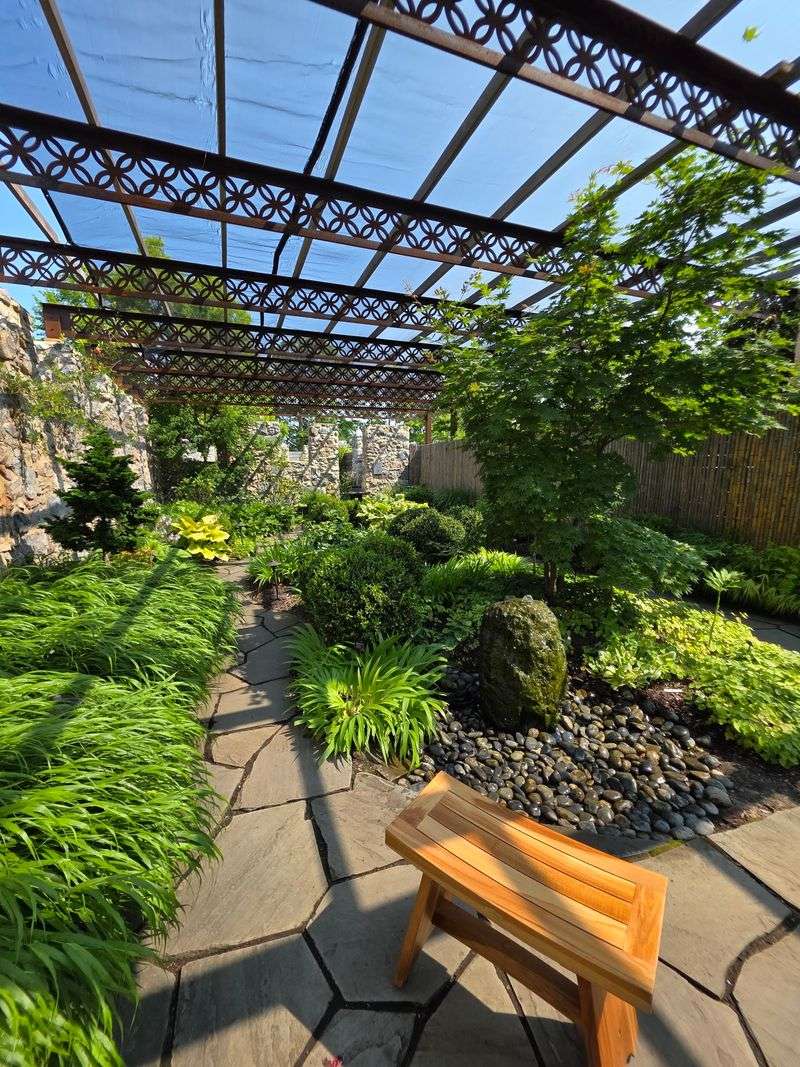
Stone walls give the Stable Garden the hush of an outdoor room. Horses once occupied a three-story barn on this footprint and supported the large hospital farm.
After the structure deteriorated, preservation work transformed its remains into a formal garden, with original masonry carefully repointed instead of erased.
Pause at the entrance gates, designed by landscape architect and board member Maria Tucker. Their shapes borrow from horse tack, offering a clever clue to the site’s former job.
Inside, plants associated with the 45th parallel meet an Asian-influenced layout honoring Traverse City’s sister-city relationship with Koka City, Japan. Visit slowly, look through framed openings, and compare rough stone with precise plant beds.
The contrast makes this one of the grounds’ most composed spaces.
Learn Respectfully In The Anishinabek Garden
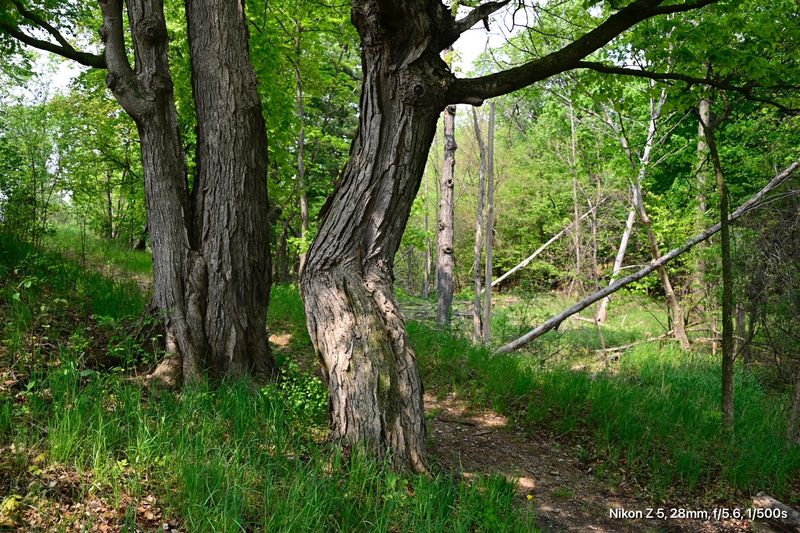
Local culture becomes part of the landscape in the Anishinabek Garden. Created through collaboration with the Grand Traverse Band of Ottawa and Chippewa Indians, the space recognizes Indigenous knowledge, regional plants, and enduring relationships between people and the land.
Its purpose reaches beyond providing another attractive collection of greenery.
Read available interpretation carefully and allow the garden to introduce ideas rather than treating it as decorative scenery. Native flora can carry food, medicine, material, cultural, and ecological importance, although visitors should avoid assuming every use without reliable guidance.
Quiet observation suits the setting well. Notice which plants attract insects, tolerate local conditions, or gather in natural communities.
The experience offers a grounded reminder that responsible land care has deep roots in northern Michigan.
Walk The Sky-Reflecting Stone Labyrinth
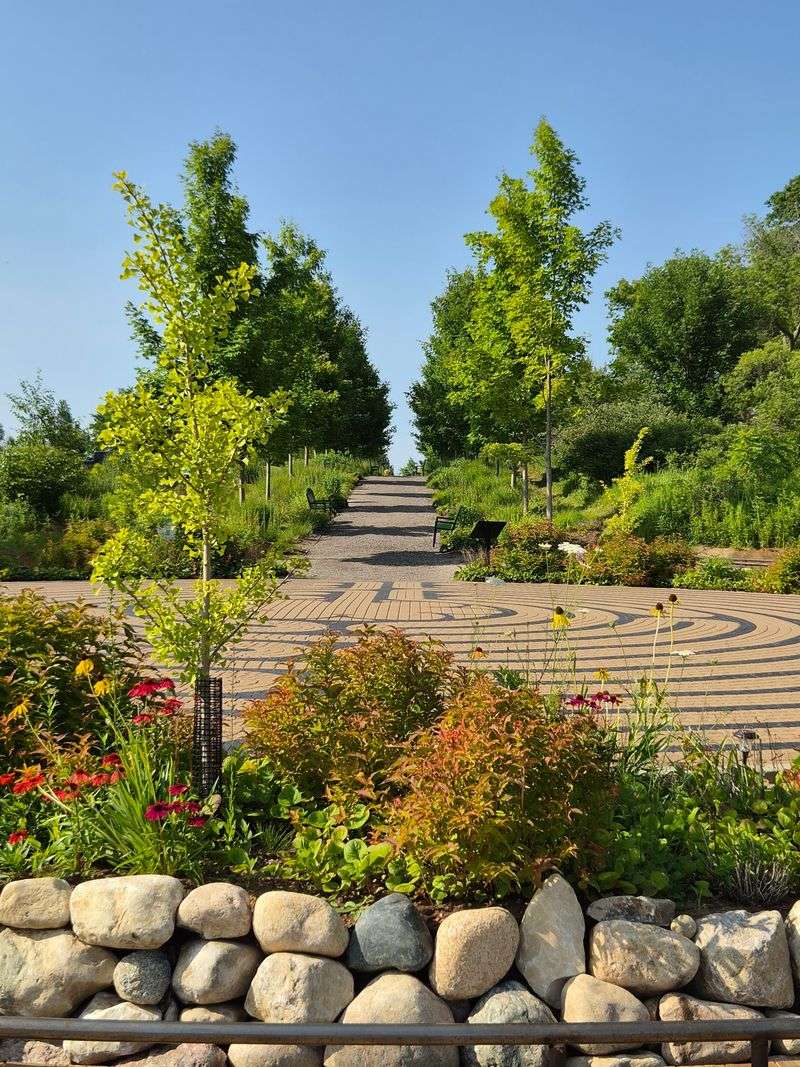
Ten thousand hand-cut pavers turn a simple walk into measured, looping movement. Located north of the Visitor Center, the permanent labyrinth follows an 11-circuit pattern inspired by the medieval Chartres design.
Manganese-coated clay gives its lines a changing appearance, and the pavers can seem to borrow color from the sky above.
A labyrinth is not a maze, so there are no wrong turns or hidden exits. Follow the single route toward the center, pause if others need room, and return along the same course.
Walking quietly creates a more restful experience for everyone nearby. Cloudy and sunny conditions produce different visual moods, making repeat visits worthwhile.
Future surrounding features are planned to include a healing garden and medicine wheel, so consult current maps for updates.
Study The Sustainable Visitor Center
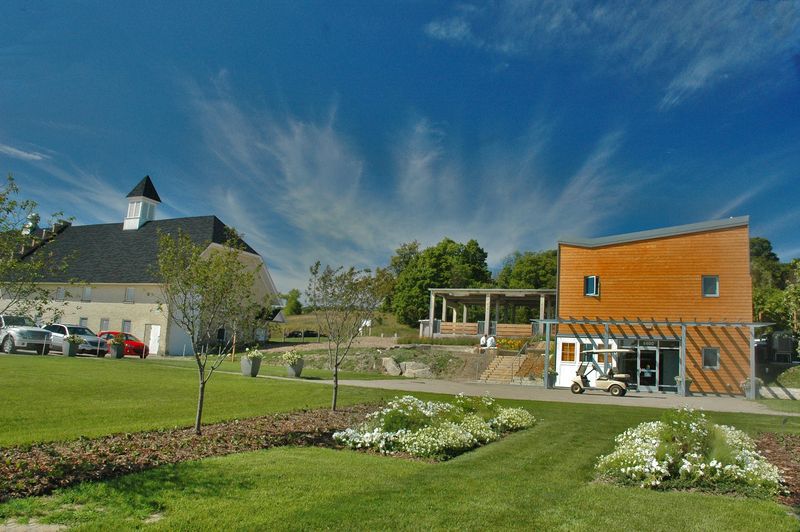
The 1886 Granary now handles a remarkably modern set of duties. Inside are restrooms, visitor information, a gift shop, and the Three Seasons Gallery, which displays and sells two-dimensional work by local artists from April through October.
Historic character remains visible, but the renovation also earned LEED certification for environmentally responsible choices.
Look upward outside to understand one practical feature: the V-shaped roof gathers rainwater for irrigation. Energy-saving systems and water conservation reduce demands on resources, while reused materials add stories indoors.
Some wood paneling came from the former Vogue Theater in Manistee. Begin or finish here, allowing enough time for art and architecture rather than treating the building as merely a restroom stop.
Gallery and shop access follows posted seasonal hours, so confirm them before visiting.
Explore The Medicinal Garden Carefully
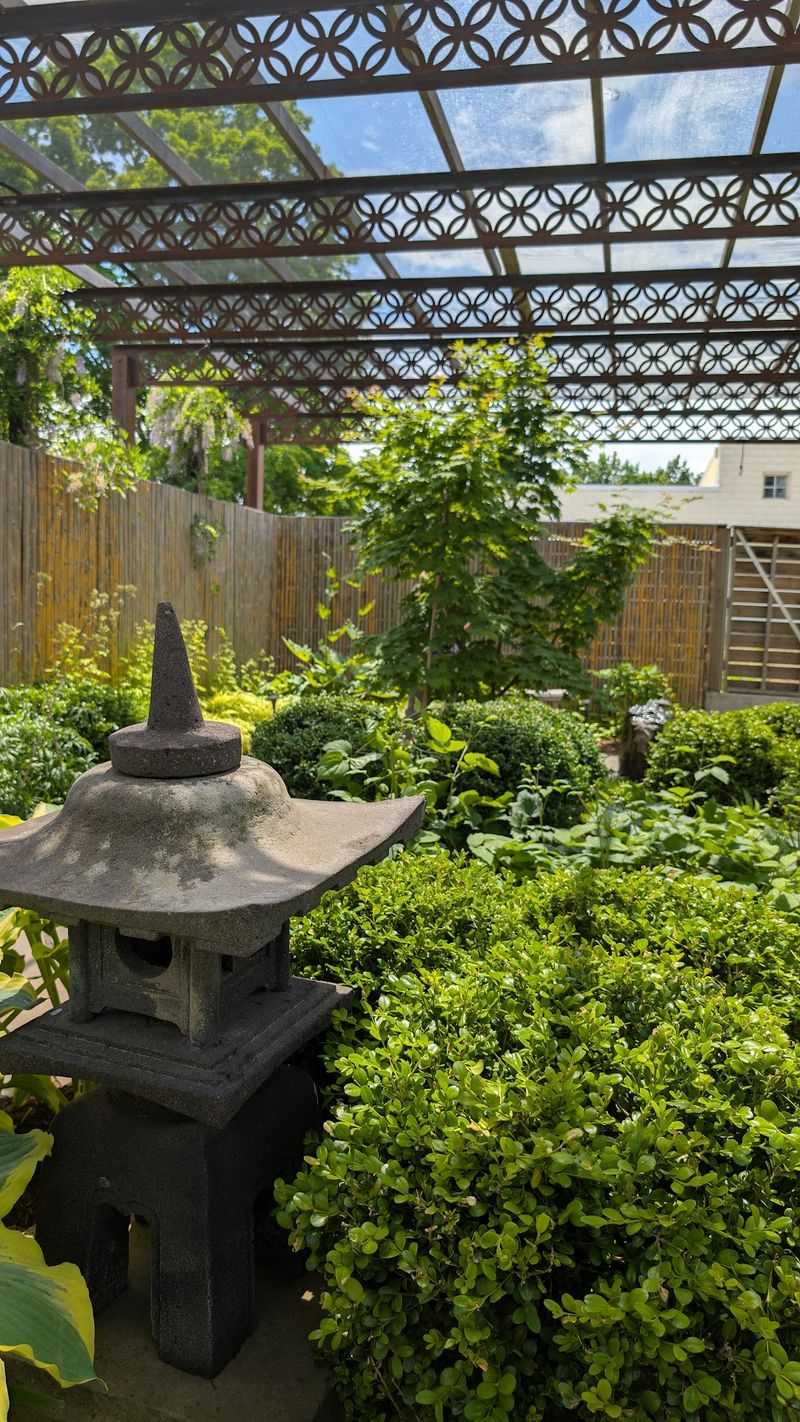
Plant labels take on extra weight in a garden devoted to healing traditions. The Medicinal Garden presents species valued historically for therapeutic uses, connecting horticulture with the property’s earlier role in the Traverse City State Hospital system.
Dr. James Decker Munson promoted beautiful surroundings, fresh air, and purposeful activity as parts of patient care.
Enjoy the collection as an educational display, not as instructions for self-treatment. A familiar leaf may have complicated effects, and natural does not automatically mean safe to eat or use.
Reading labels, photographing names, and researching them later is the sensible approach. I found the strongest lesson in the broader idea behind the beds: green surroundings can encourage calm and curiosity even when nobody picks a single stem.
Follow The Fairy Trails Through The Woods
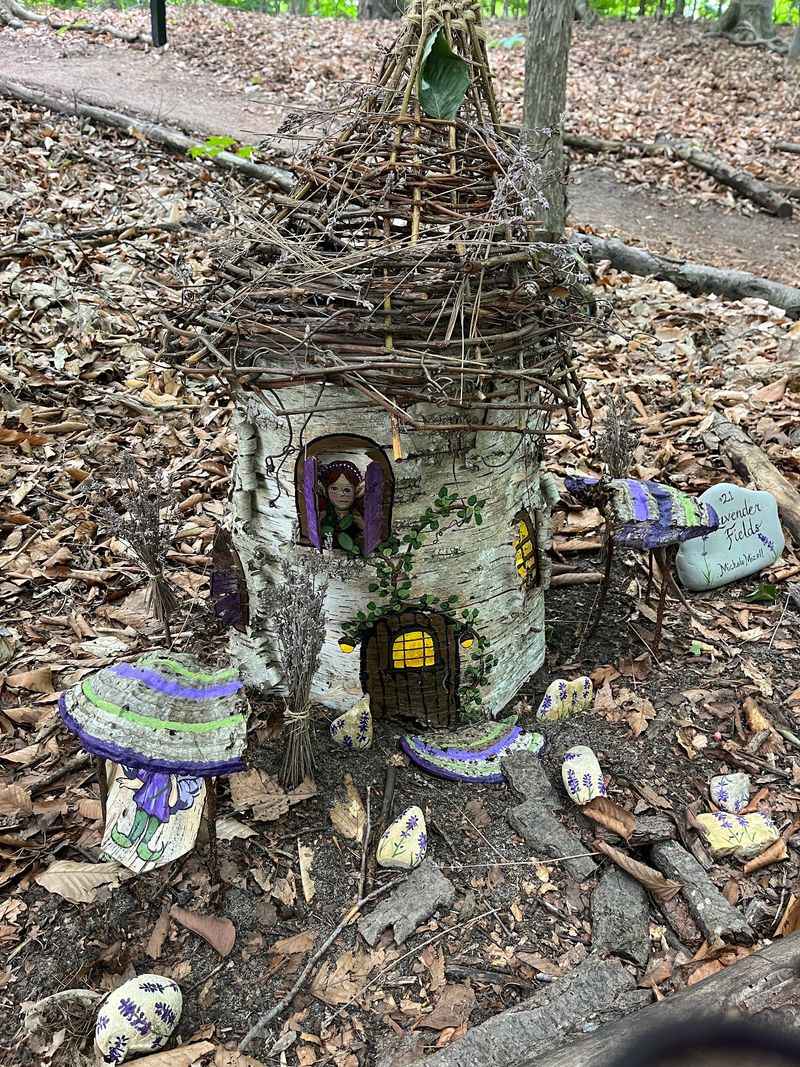
Tiny doors and twig roofs reward anyone willing to scan the forest floor. The free, year-round Fairy Trails form a woodland loop near the Butterfly Garden and Meadow’s Loop, where community-made houses appear among roots and trees.
Most creations use natural materials, helping the playful structures settle comfortably into their surroundings.
A giant bird’s nest supplies the trail’s boldest surprise. First built as an Eagle Scout project in 2015, it receives yearly repairs and makes an amusing scale change after so many miniature homes.
Families can build with loose natural objects found nearby, but should avoid damaging living plants or disturbing finished displays. Wear shoes suited to shaded woodland paths, allow children time to look closely, and leave each discovery ready for the next explorer.
Enter The Walled Garden Through History
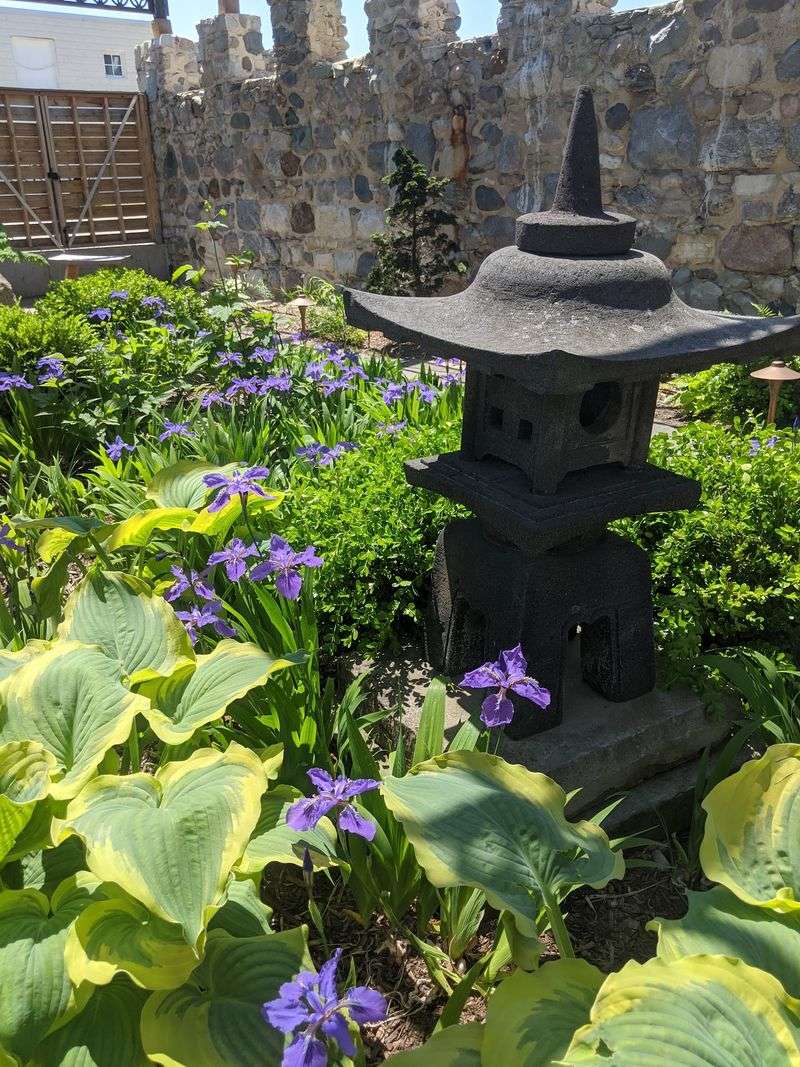
An old foundation can hold more than memories, as the Walled Garden neatly proves. Preserved stone from a former horse barn now frames planted beds and creates a sheltered outdoor enclosure.
Rather than rebuilding the lost farm structure, the design gives its surviving walls a useful second chapter.
Search for the distinctive entrance gate, whose equestrian details echo the horses once housed nearby. Inside, changing light, old masonry, and concentrated plantings create a more intimate mood than the broad lawns beyond.
The walls also make sightlines fun, revealing fragments before the full space comes into view. Photograph stonework without climbing it, and examine how new growth meets carefully repaired surfaces.
Visiting after other open areas makes the sudden sense of enclosure especially noticeable and memorable.
Watch For Native Michigan Plants
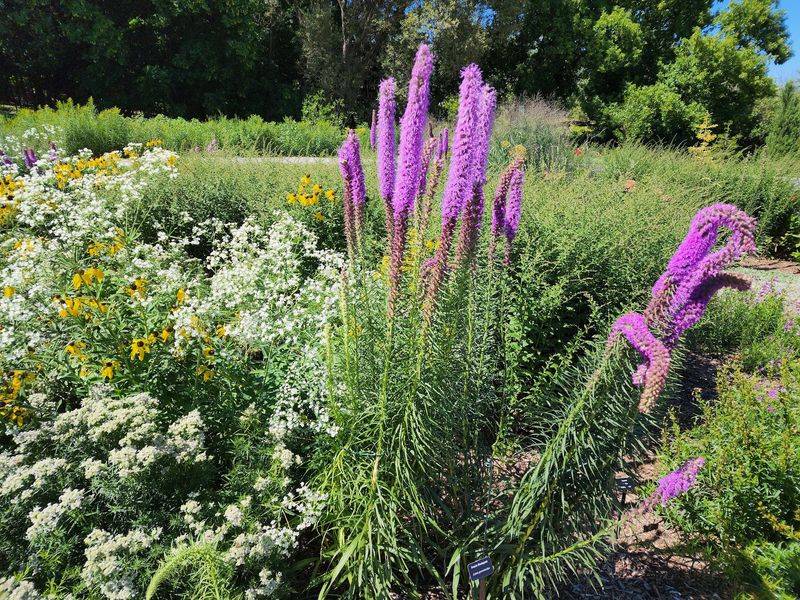
Not every treasure announces itself with a huge blossom. Native Michigan plants appear throughout the grounds, supporting the garden’s focus on education, conservation, and regional ecology.
Their varied forms also provide food and habitat for insects, birds, and other wildlife that share this 25-acre landscape.
Bring a camera or notebook and record labeled species that thrive in conditions resembling your yard. Garden staff can provide better guidance than guessing from leaves alone, especially when several plants look similar.
Seasonal timing matters too: spring growth, summer flowers, seed heads, and autumn color each tell a different story. Resist picking samples, stay on marked routes, and watch quietly for pollinators.
Native collections may look less formal than clipped beds, but their layered activity rewards patient attention throughout the year.