
2026 Could Be The Best Year Yet To Visit This Alpine Lake In Colorado
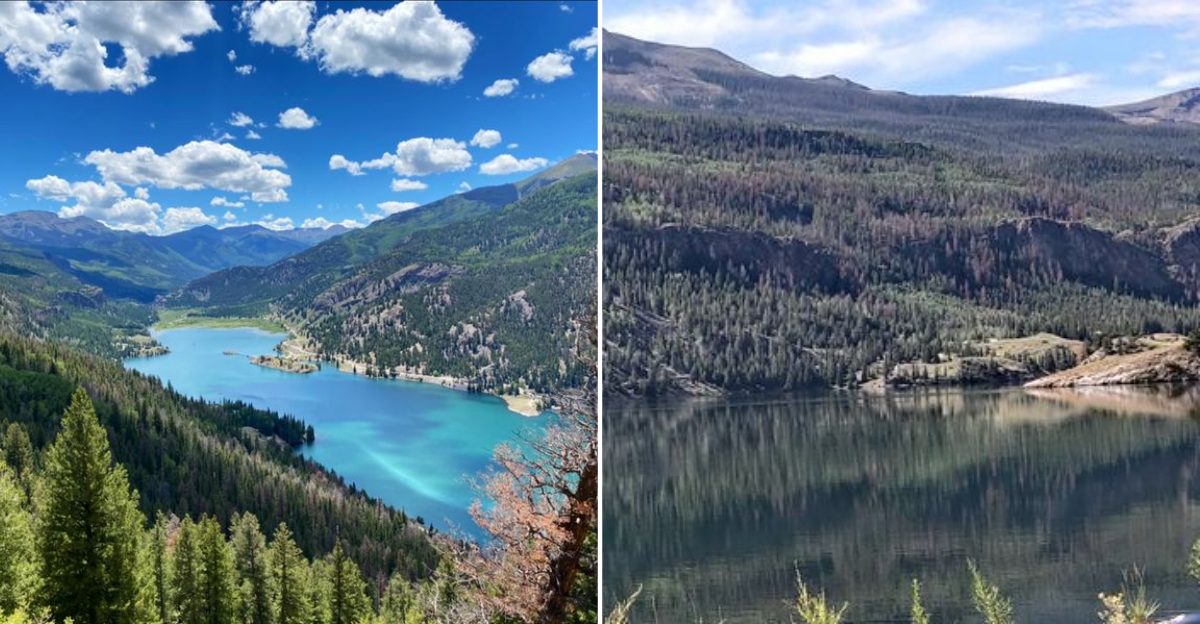
A great mountain escape should give you more scenery and fewer logistics. That is exactly the appeal here, where glassy water, towering peaks, and wide-open views do most of the vacation planning for you.
High in the Colorado mountains, this alpine lake offers the kind of setting that makes an unhurried afternoon feel like a perfectly good itinerary. You can spend the day on the water, wander along the shoreline, or simply find a quiet spot and let the landscape steal your attention for a while.
There is no need to cram five activities into every hour. In 2026, that simplicity could make it especially appealing for travelers who want meaningful outdoor time without turning the trip into a scheduling marathon.
Pack layers, though, because high-country weather rarely cares what your forecast app promised. And for anyone craving mountains without an overcomplicated agenda, this corner of Colorado makes slowing down feel like the main event.
A Lake City Plan That Practically Organizes Itself
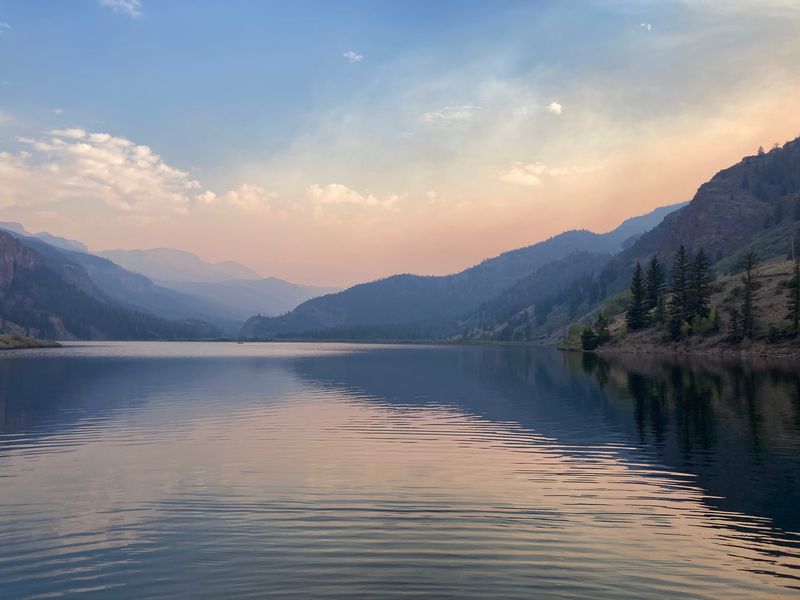
The nice thing about this spot is that it answers the hardest travel question before anyone starts debating lunch. At 1201 County Road 33, Lake City, CO 81235, the lake sits in a clear mountain setting where the main attraction is obvious: water, peaks, sky, and enough room to exhale.
Lake San Cristobal is widely recognized as Colorado’s second largest natural lake. That fact matters because it gives the visit scale without making it feel like a national park campaign.
You are not planning a maze of timed entries and shuttle puzzles. You are heading toward a high country lake with public access points and simple outdoor choices.
For 2026, that simplicity may be the selling point. Families can plan around short shoreline time.
Couples can build a quiet afternoon around the view. Solo travelers can use it as a pause on a longer Colorado road trip.
Nobody needs a laminated agenda, which is always a small mercy.
Colorado’s Second Largest Natural Lake Has Real Presence
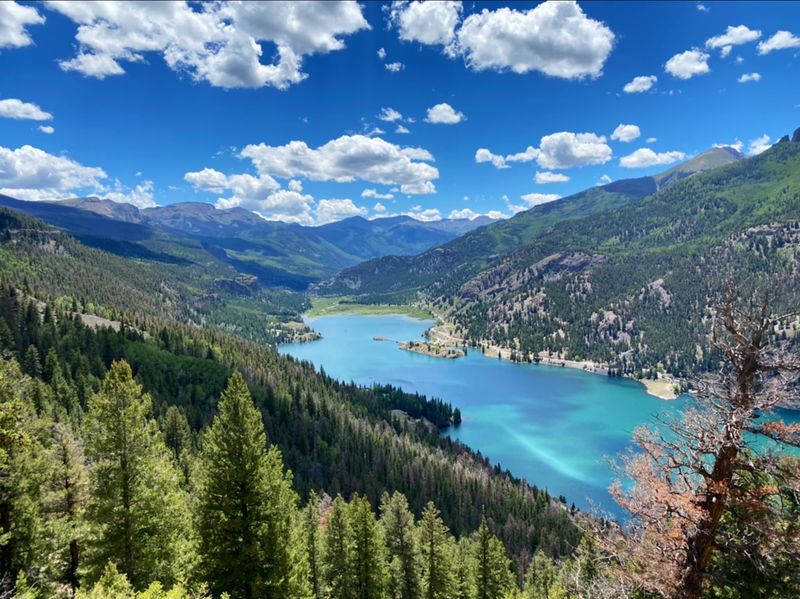
Some lakes look good in a photo and feel smaller in person. Lake San Cristobal has the opposite advantage.
Its size gives the eye somewhere to travel, so a short stop can still feel like you have entered a larger Colorado story.
The lake covers more than enough water to support boating, paddling, fishing, and shoreline exploring where access is allowed. Because it is natural rather than a typical reservoir, it carries a different kind of identity.
The surrounding San Juan Mountains do much of the decorating, and frankly, they are not shy about it.
That scale also helps different visitors use the place in different ways. One person may want a quiet fishing setup.
Another may care more about watching the light change on the slopes. A family may simply need a place where the scenery does not require constant explanation.
Lake San Cristobal works because its main feature is immediately understandable, even to the kid in the back seat asking how much longer.
The Slumgullion Earthflow Gave The Lake Its Shape
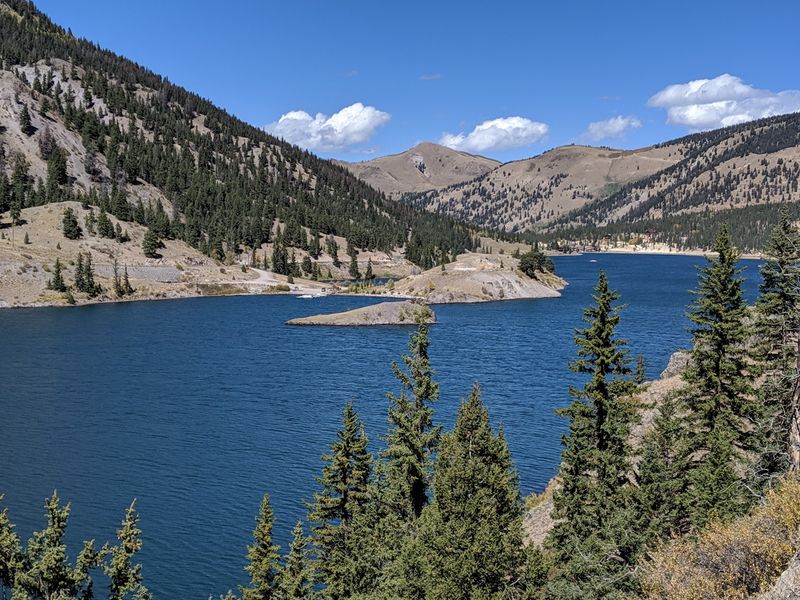
Here is the part that makes the view more interesting than a pretty blue oval on a map. Lake San Cristobal was formed when the Slumgullion Earthflow blocked the Lake Fork of the Gunnison River hundreds of years ago.
Nature, apparently, has always had a flair for large scale rearranging.
The Slumgullion Earthflow is recognized as a National Natural Landmark, and it remains one of the major geologic features tied to the Lake City area. Knowing that background changes how the lake reads.
The basin is not just scenic; it is the result of a major earth movement that reshaped the valley.
That history gives Lake San Cristobal an extra layer for curious travelers in 2026. Parents get a science lesson that does not require a museum voice.
Road trippers get a reason to linger instead of taking one quick photo. The landscape becomes a reminder that Colorado’s high country was built by slow forces, sudden shifts, and time doing what time does best: making humans look very small.
Peninsula Park Makes Shoreline Time Easier
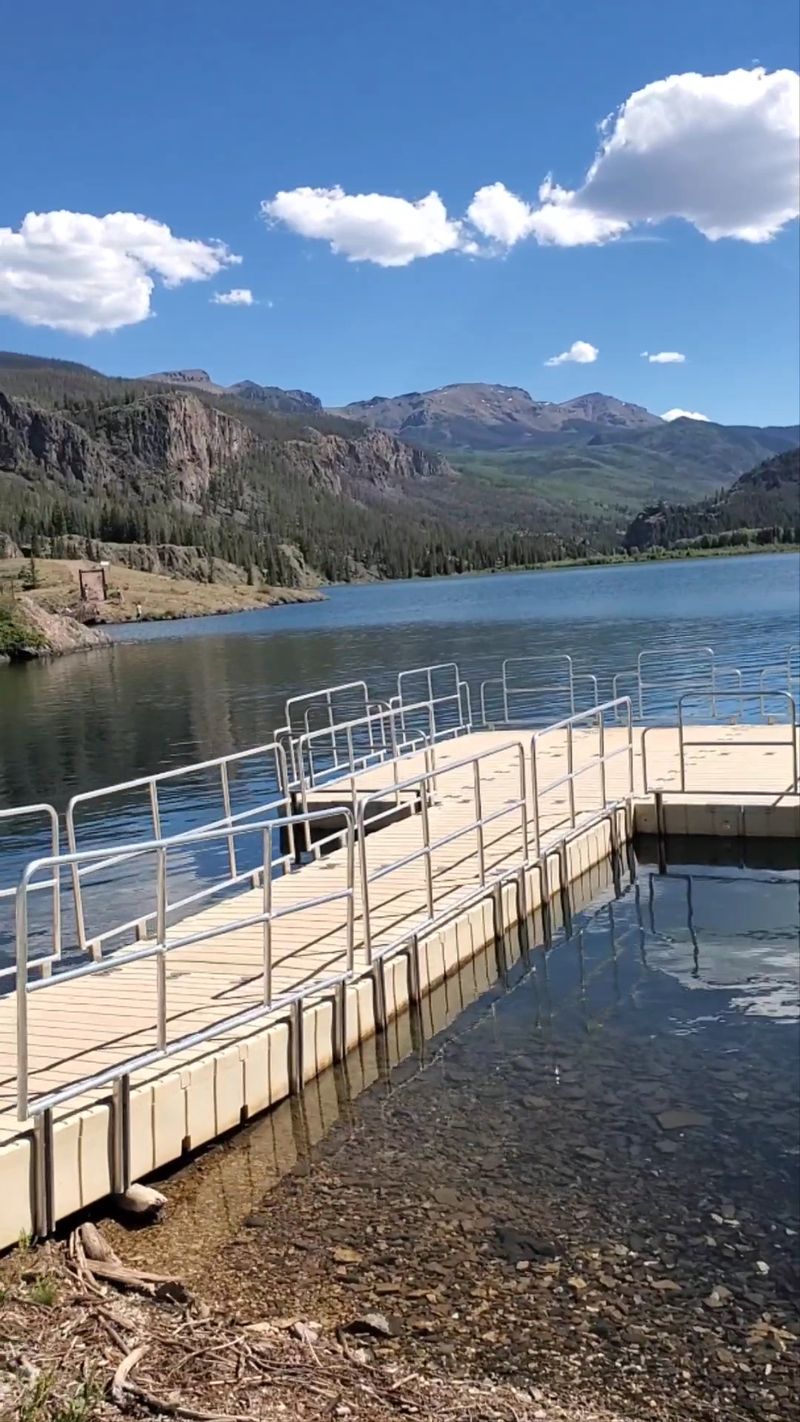
A lake can be beautiful and still mildly confusing if visitors cannot tell where to go. Peninsula Park helps solve that problem at Lake San Cristobal.
Created as a public access area, it gives travelers a clearer way to enjoy the shoreline without needing to decode every bend in the road.
The park includes an accessible pier and picnic areas, making it useful for visitors who want a manageable stop rather than a full outdoor expedition. That matters for families with mixed energy levels, travelers with limited time, and anyone who has learned that lunch tastes better when eaten near water.
Lake San Cristobal is not only for people hauling gear. A simple shoreline visit can be enough, especially at high elevation where pacing yourself is sensible.
Bring layers, water, and patience with mountain conditions. In Colorado, the smartest visitor is often the one who does not try to turn every outing into a heroic achievement.
Sometimes sitting near the lake and letting the view do the heavy lifting is the better plan.
Fishing Keeps The Visit Rooted In The Water
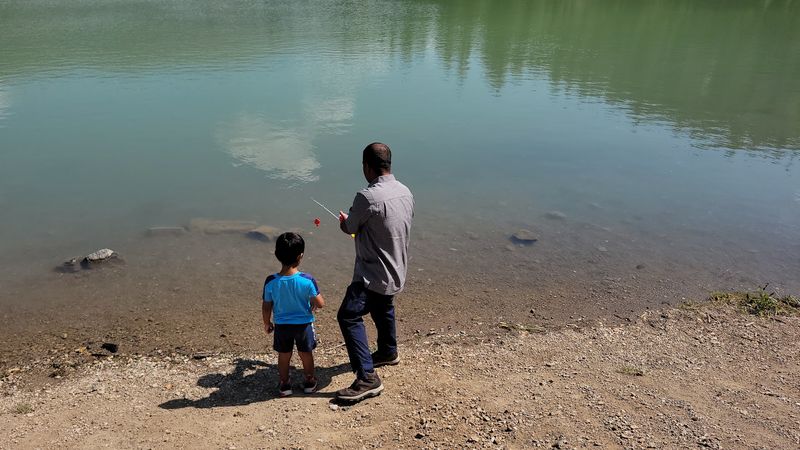
Fishing gives Lake San Cristobal one of its most practical reasons to appear on a 2026 travel plan. The lake is known for trout fishing, and Colorado Parks and Wildlife rules apply, including license requirements for anglers who need them.
That is the unglamorous part, but it is also the part that keeps plans from getting awkward.
Travelers should check current state regulations before casting a line, since rules can change by season, species, and water. The lake has supported trout species, and fishing is one of the activities commonly associated with public use there.
It is not necessary to be dramatic about it. A rod, the right paperwork, and a little patience are already a respectable start.
For families, fishing can turn a lake stop into something with a rhythm. For solo visitors, it offers quiet structure.
For couples, it provides a shared task that does not require constant conversation. Lake San Cristobal gives anglers a scenic setting, but the real gift may be the permission to stand still for a while.
Paddling Gives The Lake A Slower Clock
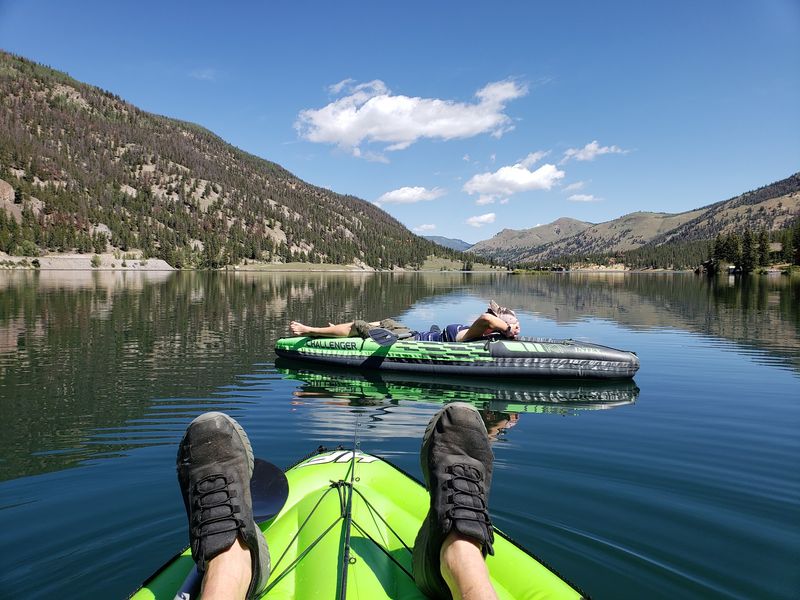
Paddling changes the scale of Lake San Cristobal in a useful way. From shore, the lake looks broad and composed.
From a kayak or paddleboard, every crossing takes more attention, and the mountains stop being background scenery and become part of the route.
Non motorized boating is part of the lake’s outdoor appeal, and visitors can look to Lake City area outfitters for current rental options when available. As always in the high country, conditions matter.
Wind, afternoon weather, water temperature, and personal ability should shape the decision more than vacation optimism, which has been known to overpromise.
For 2026 travelers, paddling is appealing because it can be simple without feeling dull. It suits couples who want a shared activity, solo visitors who like quiet movement, and families with older children who can follow safety rules.
Lake San Cristobal rewards a slower pace. The goal is not to conquer the water.
The goal is to move across it carefully, look around often, and return with dry shoes if luck and balance cooperate.
Wupperman Campground Keeps Overnight Plans Close By
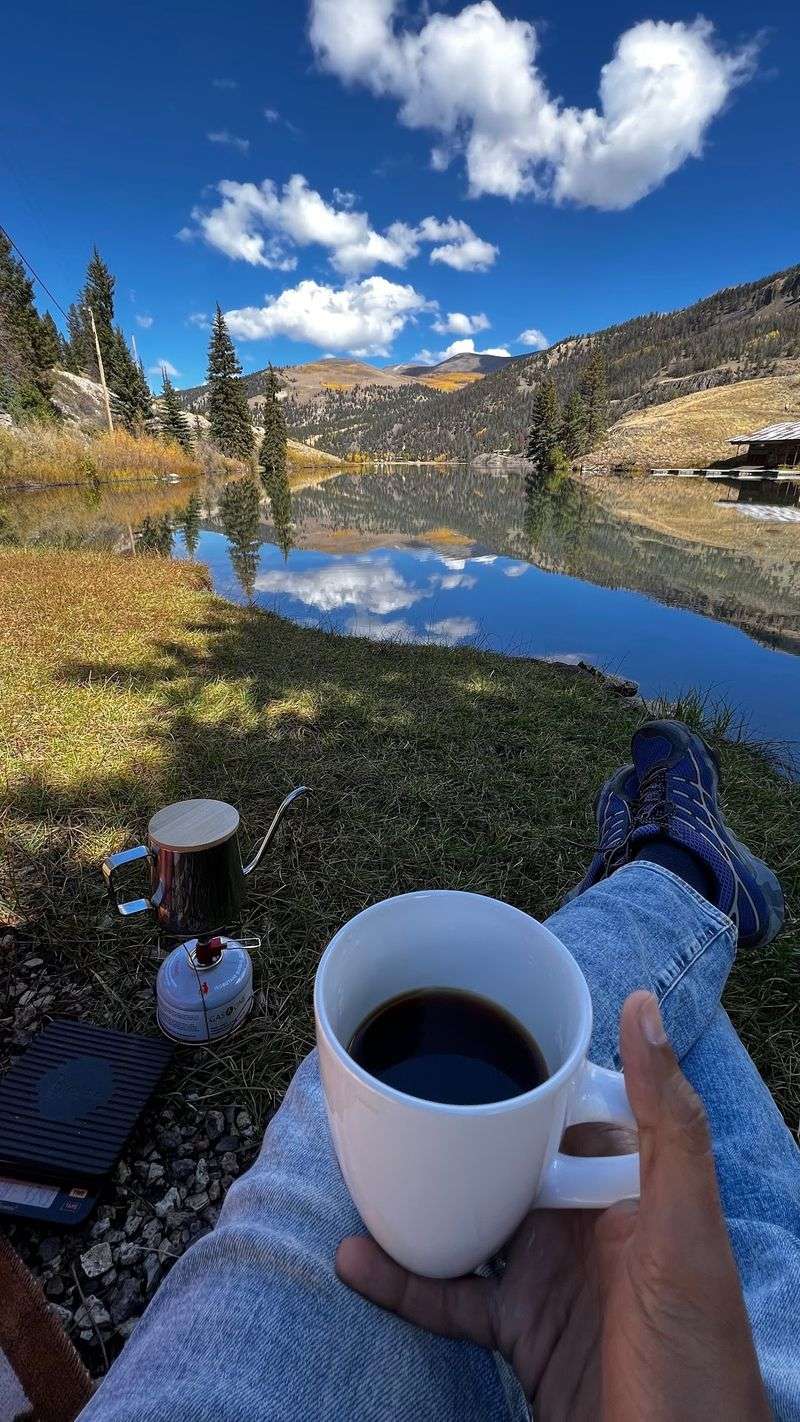
Not every visitor wants to leave when the afternoon starts fading. Wupperman Campground, operated by Hinsdale County, gives campers a way to stay near Lake San Cristobal during its operating season.
The campground is generally associated with summer use, so 2026 travelers should confirm current dates before building a trip around it.
The campground is known for basic camping amenities such as picnic tables and vault toilets, which is useful information for people who like the outdoors but also like knowing where the practical things are. It is not a resort setup, and that is part of the point.
Camping near the lake keeps the focus on weather, meals, gear, and the old human question of whether anyone remembered the flashlight.
For families, close camping can reduce the back and forth driving that wears everyone down. Weekend travelers get more time near the water without adding a complicated lodging search.
Lake San Cristobal becomes less of a quick stop and more of a base for slow mornings, simple meals, and plans that can change without ruining the day.
Winter Visits Belong To Prepared Travelers
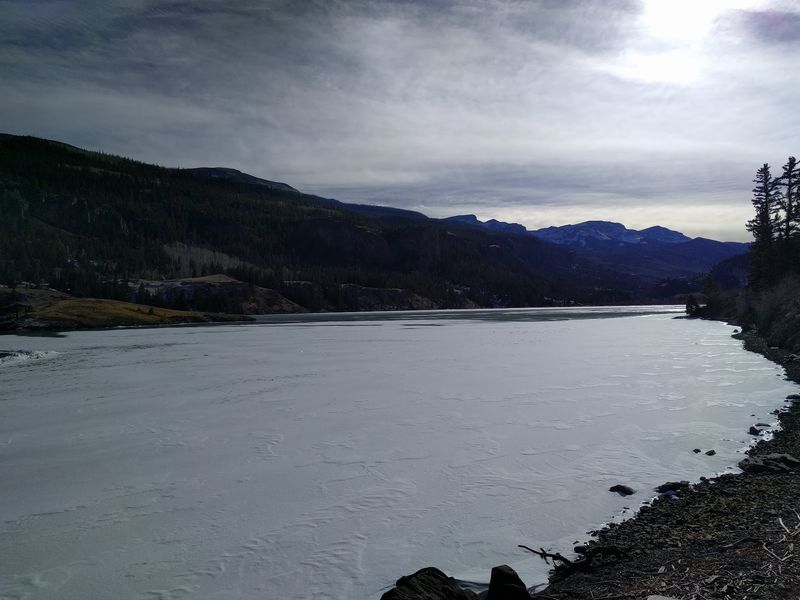
Summer gets most of the easy attention, but Lake San Cristobal is also known for cold season recreation when conditions allow. Ice fishing and skating have been associated with the lake, though safe use depends on current ice conditions and local guidance.
Mountain winter does not care about anyone’s calendar invite.
That makes preparation the main story for a 2026 winter visit. Travelers should check current conditions through reliable local sources before going, carry proper gear, and understand that access can be affected by snow and weather.
At around 9,000 feet in elevation, the area asks visitors to take the season seriously.
For the right traveler, winter can make Lake San Cristobal feel quieter and more stripped down. There is less emphasis on doing every possible activity and more attention on choosing one reasonable plan.
A chilly afternoon outing can still be memorable if it is built around safety, warm clothing, and flexible expectations. Colorado rewards the prepared, not the stubborn.
That is a useful rule for lakes, roads, and most group text decisions.
Lake City Adds Just Enough Context
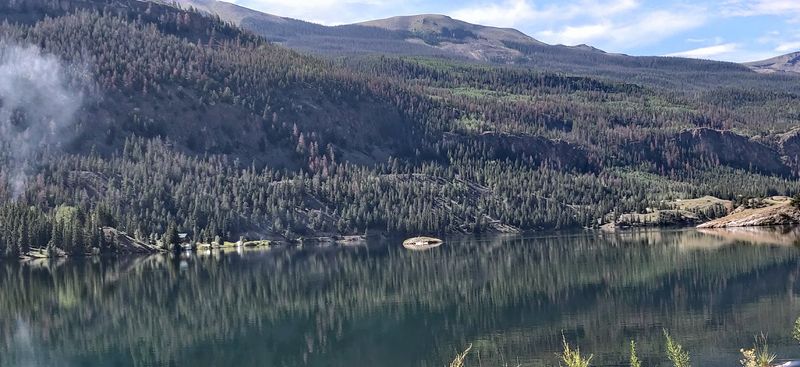
Lake San Cristobal benefits from being close to Lake City, a small mountain community in Hinsdale County. The town gives travelers a practical point of orientation before they head toward the water.
That matters because remote beauty is better when someone can still find basic services without conducting a wilderness opera.
Lake City is tied to the San Juan Mountains and to scenic travel routes in this part of Colorado. The lake fits naturally into that setting.
It is not a stand alone attraction dropped randomly into the map; it belongs to a larger high country landscape shaped by mining history, rugged roads, public lands, and long views.
For weekend planners, the town and lake combination is especially useful. A visitor can keep the day simple, perhaps making a quick stop while already in town rather than constructing a full itinerary.
Couples can slow the pace. Families can keep expectations realistic.
Solo road trippers can use Lake San Cristobal as a natural pause point before continuing through mountain country. The relationship between town and lake makes the visit easier to understand, and easier is underrated.
Why 2026 Could Be The Year To Go
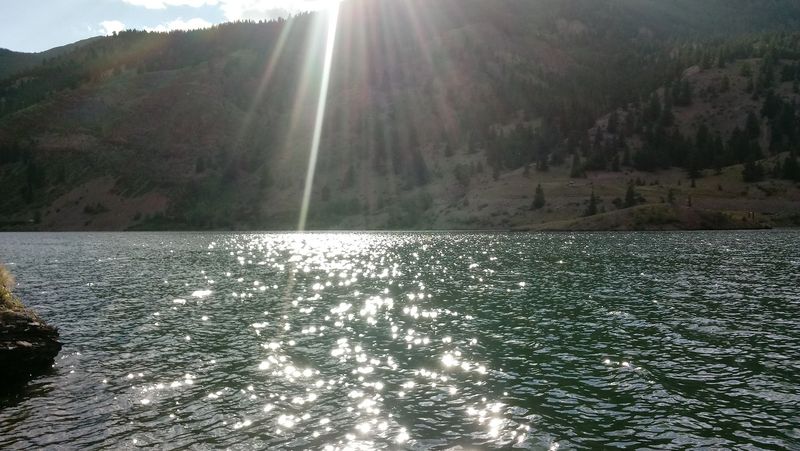
The case for visiting Lake San Cristobal in 2026 is not built on flash. It is built on a rare combination of clear identity, public access, outdoor activities, geologic interest, and a location that feels removed without being impossible to understand.
That is a useful formula for modern travel.
At 1201 County Road 33, Lake City, CO 81235, the lake offers a direct kind of reward. You can fish with the right license, paddle when conditions suit, picnic at public access areas, camp seasonally nearby, or simply let the San Juan Mountains occupy your attention for a while.
Not every good trip needs a packed schedule. Some only need a sensible road, a lake, and people willing to put their phones down occasionally.
Lake San Cristobal stands out because its best qualities are not invented for brochures. Colorado’s second largest natural lake was shaped by the Slumgullion Earthflow, framed by high country terrain, and still used for straightforward outdoor time.
For a 2026 trip, tell the group this: drive to the lake outside Lake City, bring layers, and do not overcomplicate the good part.