
This Washington Arboretum Has A Tower With Seriously Amazing Views
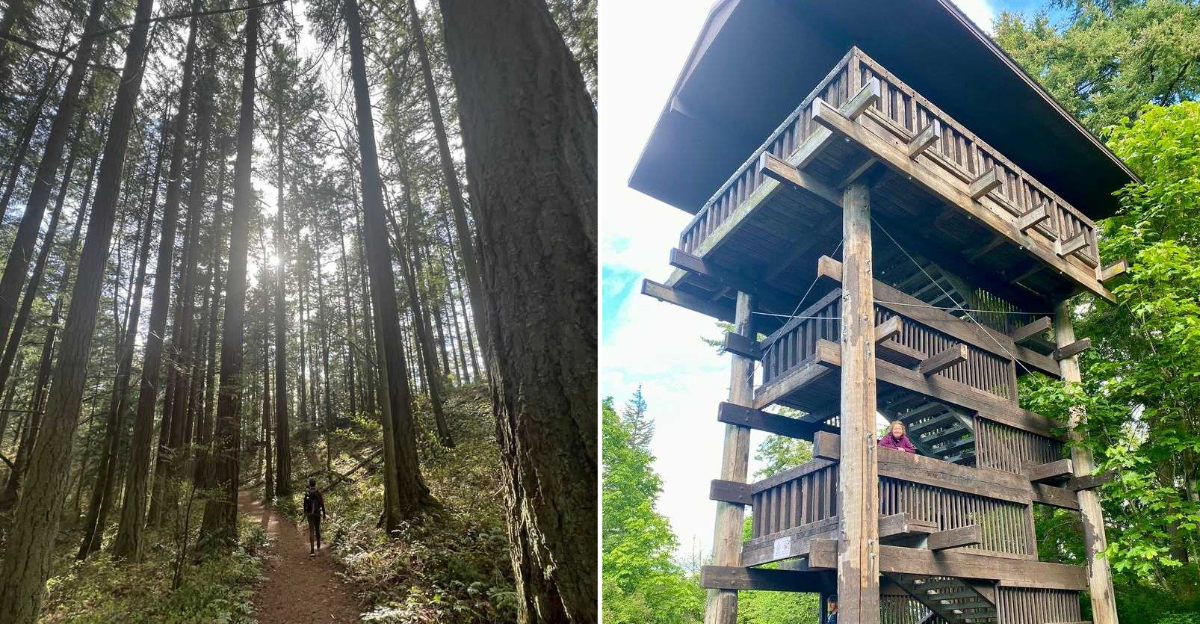
On a quiet morning walk through Bellingham, I found myself climbing a wooden tower that suddenly opened up to sparkling water, layered mountains, and a whole city spread below.
Sehome Hill Arboretum sits right beside Western Washington University, and it feels like stepping into a peaceful forest hidden in plain sight. There are winding trails, an old rock tunnel, and plenty of birds to spot along the way.
If you love easy adventures with a big payoff at the top, this place delivers in a big way. I want to share the corners that surprised me most, the spots worth lingering, and the little tips that made my visit smoother.
Come along and picture the mossy paths, the cool sandstone cliffs, and that unforgettable view from the tower. By the end, you will know exactly why locals treat this forest like a treasured backyard, and why you should carve out an afternoon to explore it yourself.
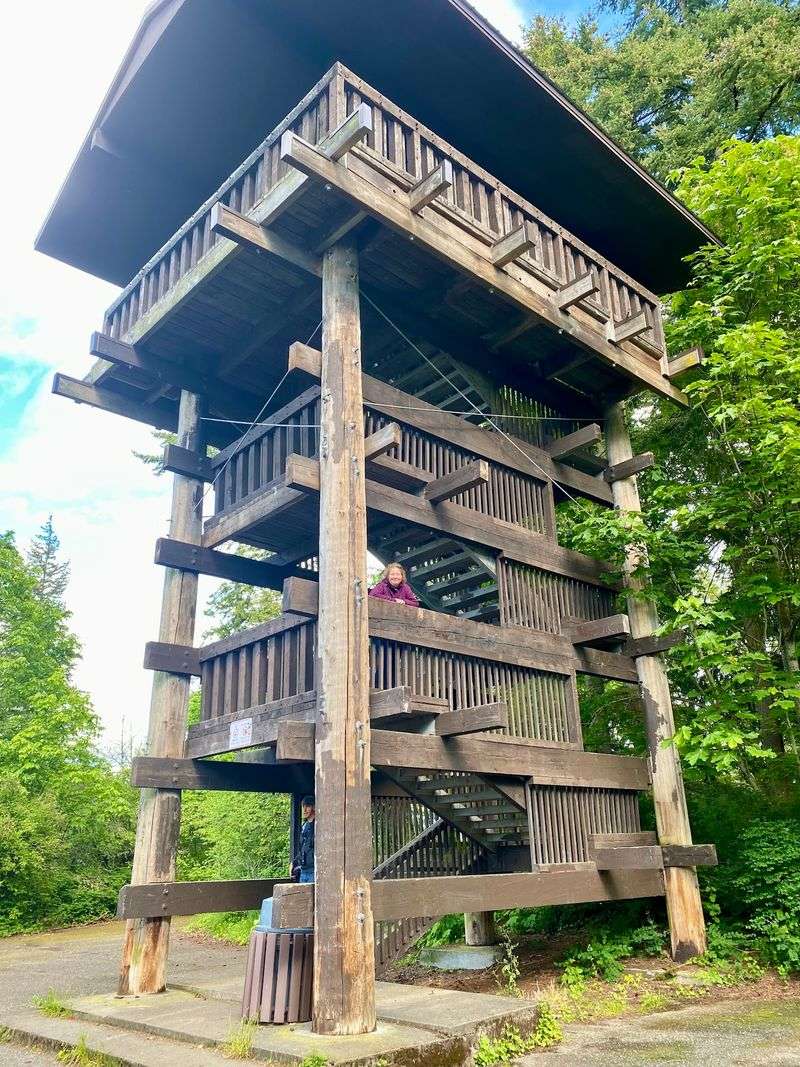
The 80-Foot Observation Tower And Its Views
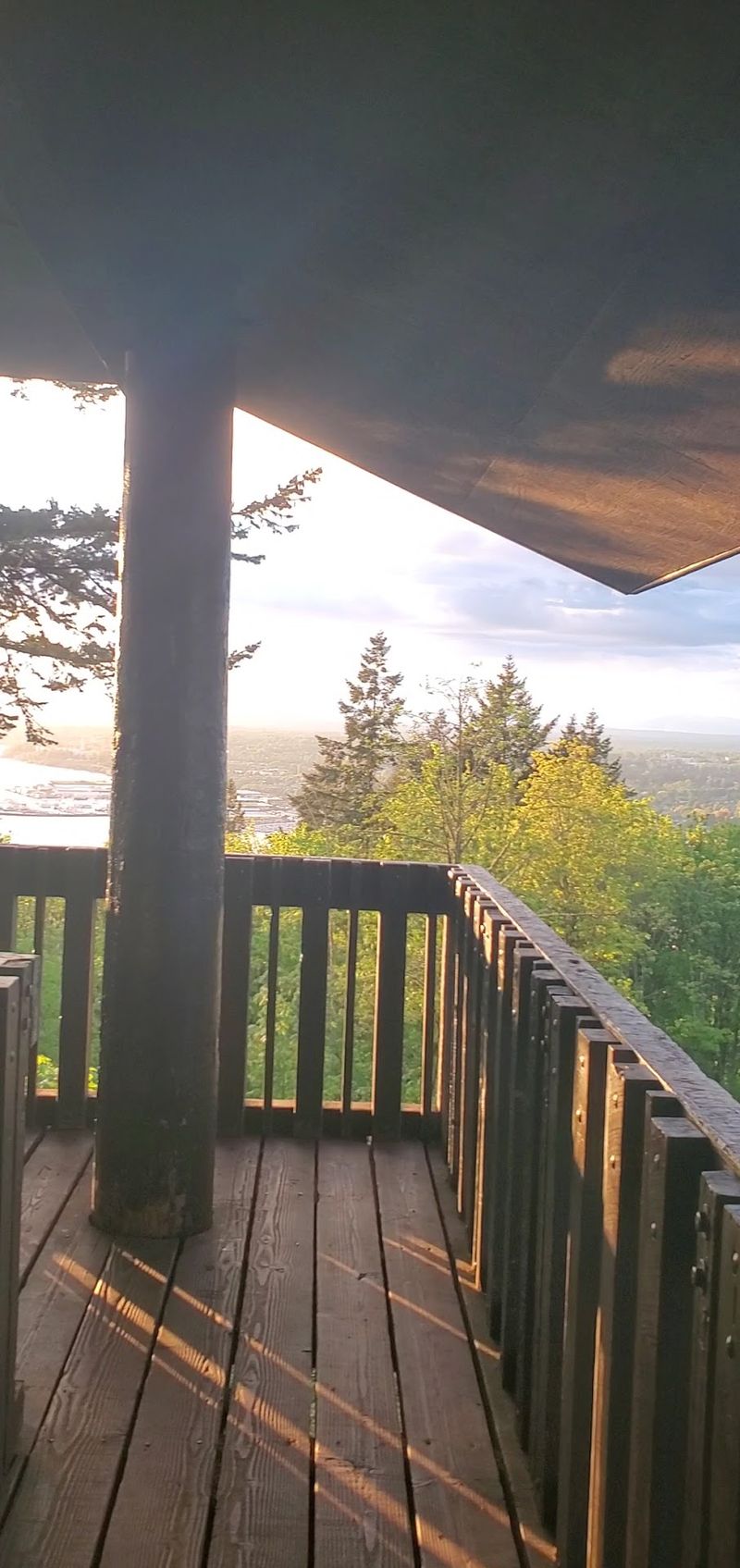
Climbing to the top of that tall wooden tower was the highlight of my whole trip. Rising 80 feet above the treetops, it rewards you with sweeping views that stretch in every direction.
From the platform, I could spot the Bellingham cityscape, the shimmering water of Bellingham Bay, and the Olympic Mountains sitting far to the south. Look north and you might catch the Canadian mountains, plus a peek-a-boo glimpse of snowy Mount Baker on a clear day.
A nice surprise is how reachable it feels, since at least one paved path leads right up to the base. That makes it friendly for visitors who prefer smoother ground under their shoes.
If you can time your visit for evening, do it, because sunsets here are truly special as the sky turns gold over the bay. Bring a light jacket, since the breeze at the top can feel cooler than down below. Take your time, snap some photos, and just breathe in that wide-open scenery.
Miles Of Trails For Every Skill Level
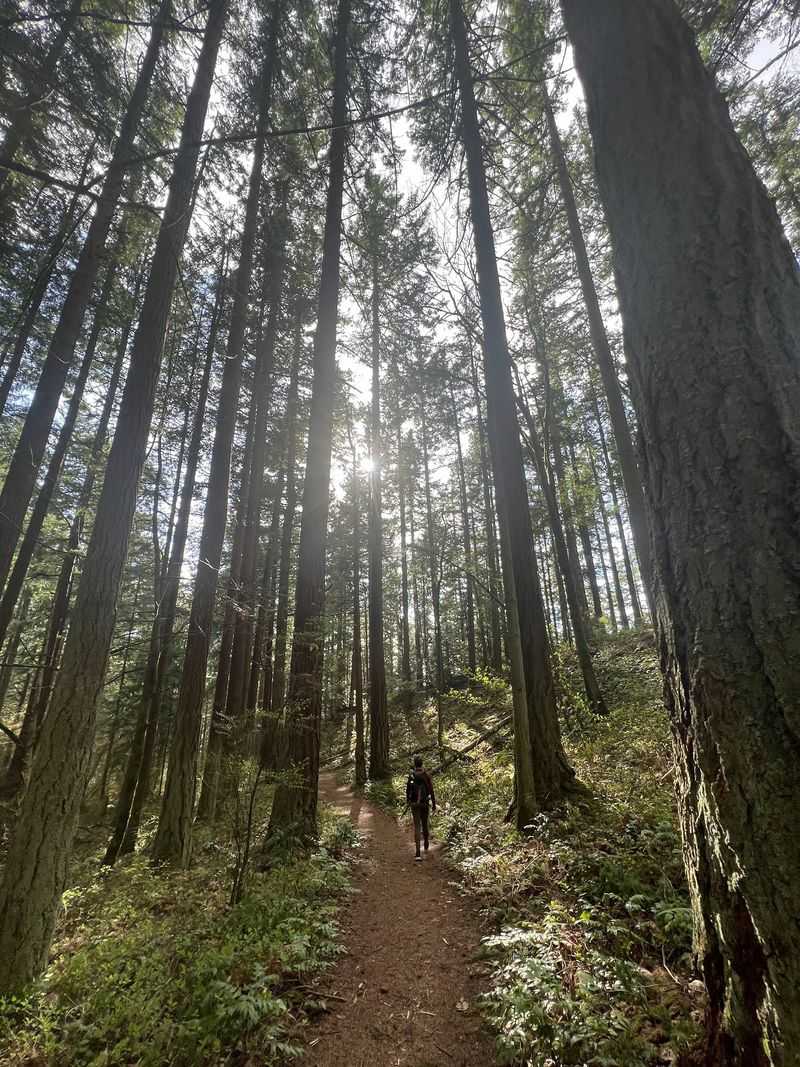
What kept me exploring for hours was the sheer variety of paths woven through the forest. With more than five to six miles of trails, there is room to wander whether you want a short stroll or a longer trek.
The mix is generous, offering paved, dirt, and gravel routes that suit different comfort levels. I appreciated being able to pick a gentle paved loop one moment and a rougher dirt path the next.
Trail runners will feel right at home here, and hikers can string together several paths for a fuller loop. Just remember that bicycles are generally not allowed on all trails, so plan to travel on foot.
Signs and junctions help you find your way, though a quick photo of a trail map at the entrance never hurts. Wear shoes with decent grip, especially after rain when roots and gravel turn slick. Give yourself permission to slow down and enjoy the mossy, green surroundings as you go.
The Historic 1923 Rock Tunnel
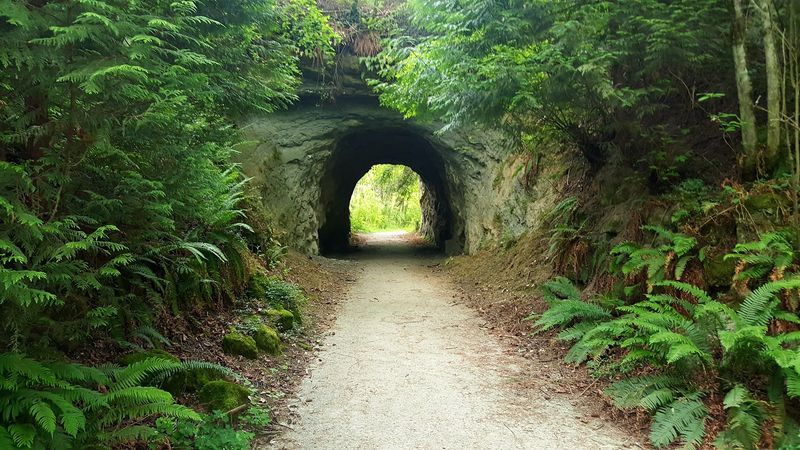
Turning a corner on the trail, I walked straight into a piece of history carved right through the hillside. The hand-cut rock tunnel dates back to 1923 and instantly makes you feel like an explorer.
Long ago, this passage was built for car traffic, which is wild to imagine as you stand inside its cool, stony walls. Today it belongs to the hiking trail system, so you get to stroll through it on foot.
Inside, the temperature drops a little and the light shifts, giving the whole moment a quiet, tucked-away feeling. I ran my hand along the rough surface and thought about the workers who shaped it by hand.
It is a favorite photo stop, so have your camera ready before you step through. The tunnel connects nicely with other paths, making it easy to fold into a bigger loop. Take a beat here to appreciate how the past and present share the same trail.
Sandstone Cliffs And Bouldering Spots
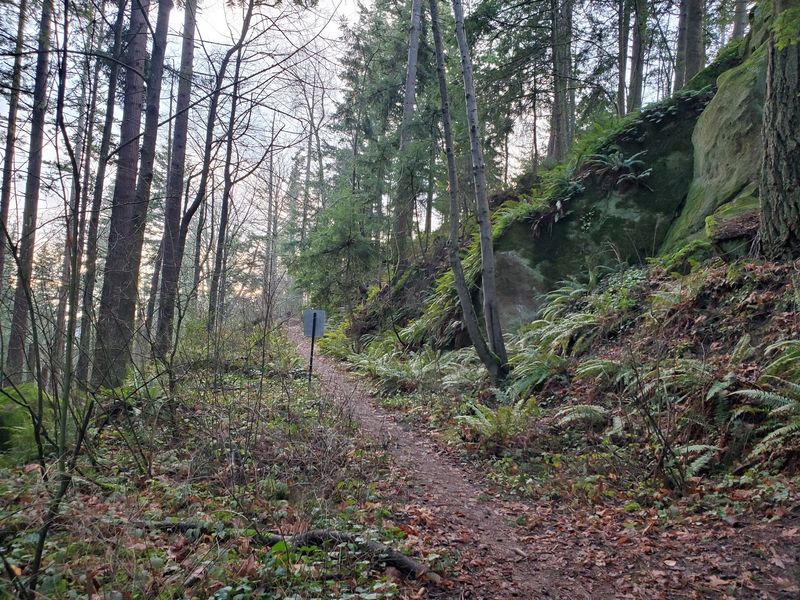
For anyone who likes a little grip-and-climb excitement, the sandstone cliffs here are a real draw. Made of Chuckanut sandstone, these exposed rock faces invite bouldering and rock climbing fans to test their skills.
I watched a climber work carefully up a low wall, and the setting felt adventurous yet welcoming. The rock has a warm, tan color that stands out against the surrounding green.
There is one big rule you must respect, though. Only climb when the rock is completely dry, because this sandstone becomes fragile and easily damaged when wet.
That means saving your climbing plans for stretches of clear, dry weather in the region. Bring proper gear, know your limits, and treat the stone gently so it lasts for future visitors.
Even if you are not a climber, the cliffs make a striking backdrop for a rest stop. Sit nearby, watch the action, and enjoy how these ancient rock beds tell the story of the land beneath your feet.
A Living Open-Air Museum Of Plants
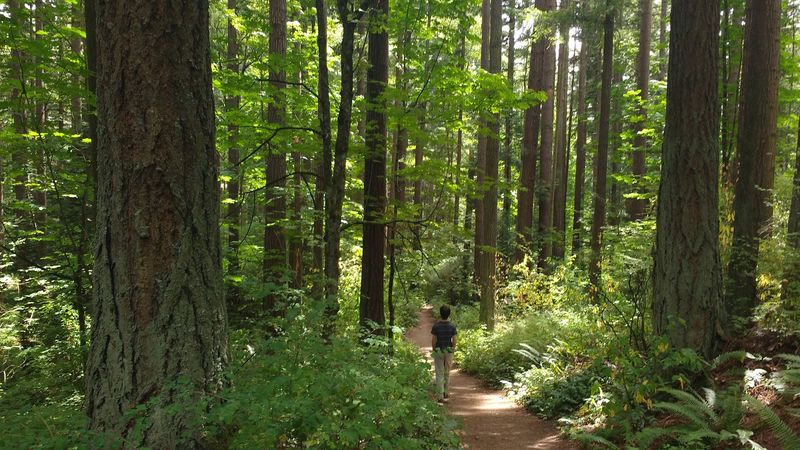
Wandering these trails feels like touring a garden that nature planted itself. Folks often call this 175.5-acre spot an oasis or a living open-air museum, and once you see the greenery, you understand why.
The forest here is second-growth, packed with both native and non-native plants typical of the Pacific Northwest. I spotted classic locals like Oregon-grape, Indian Plum, and Snowberry tucked along the path edges.
Several types of berries grow here too, adding pops of color throughout the seasons. Each bend revealed a new leaf shape or texture, which made the walk feel endlessly interesting.
Because it is jointly cared for by the City of Bellingham and Western Washington University, the area stays healthy and well loved. That partnership helps protect the plant life for everyone to enjoy.
Bring a plant guide or a phone app if you like identifying species as you stroll. Stay on the trails so the delicate undergrowth keeps thriving, and let the layered green world work its quiet magic on you.
Birdwatching Among The Trees
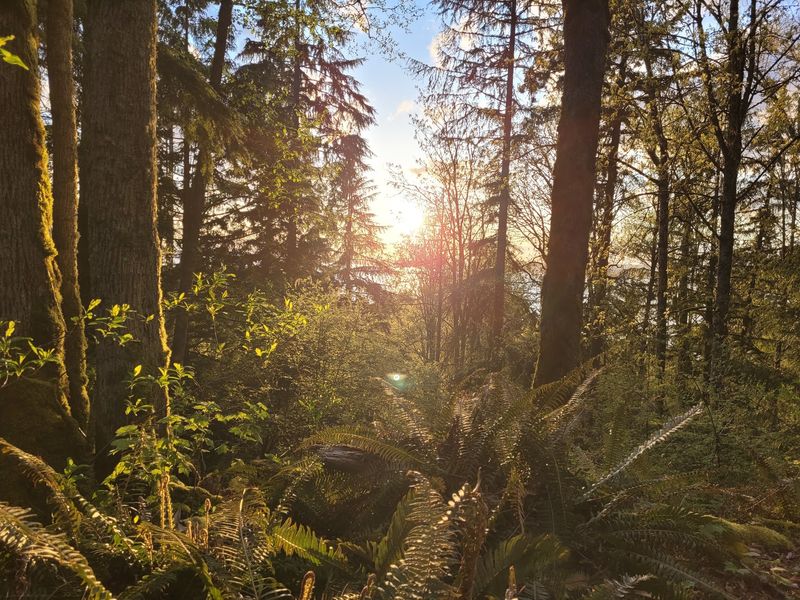
Some of my favorite moments came from simply standing still and listening. The forest buzzes with birdsong, and patient watchers get treated to some real feathered stars.
Keep your eyes peeled for black-headed grosbeaks, which add cheerful color to the branches. You might also hear the loud drumming of a pileated woodpecker before you ever see it.
Western tanagers show up too, and their bright feathers make them a thrill to spot. Each sighting felt like a small reward for slowing down and paying attention.
Early morning tends to be the busiest time for bird activity, so an early start pays off. Bring binoculars if you have them, since the canopy can be tall and thick.
Move quietly and give the birds their space, and you will likely see more than you expect. Even casual visitors can enjoy the constant chatter overhead. This is a wonderful place to fall in love with backyard birding, one song at a time.
Quiet Rocks And The Outdoor Learning Classroom
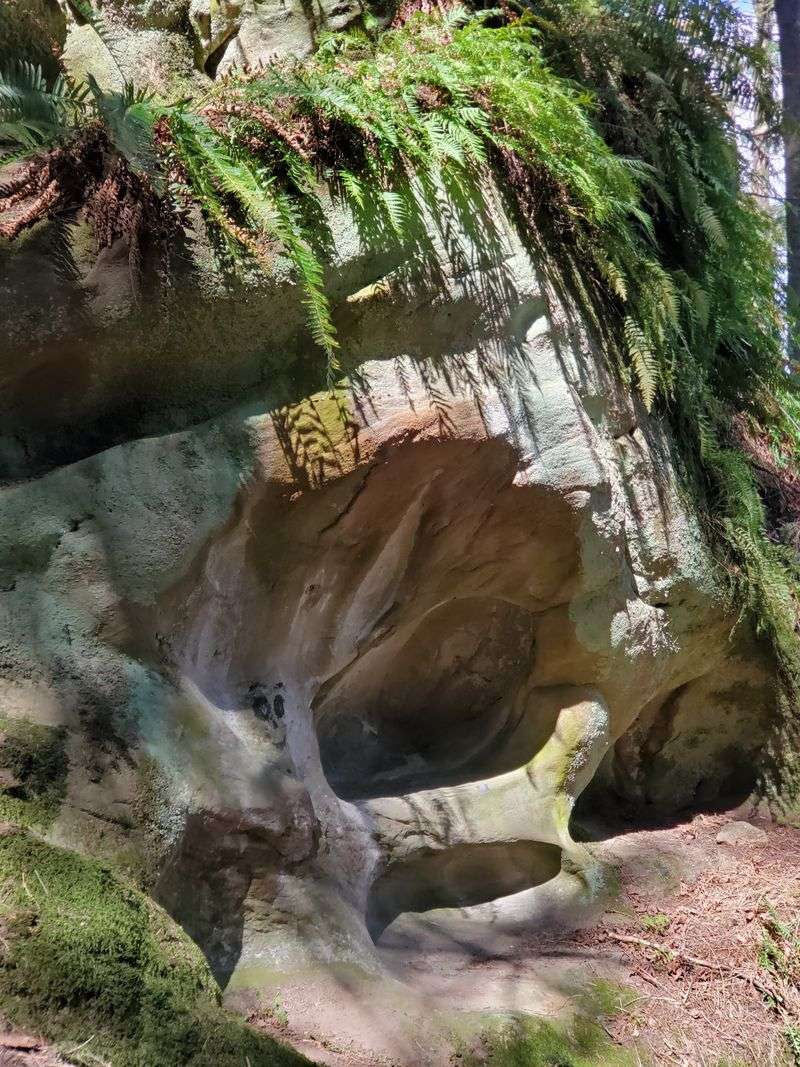
Not every stop needs a big view to feel special, and this peaceful nook proves it. The Quiet Rocks sitting area invites you to pause, rest your legs, and soak up the calm of the woods.
I settled onto the stone for a few minutes and felt my whole pace slow down. Birds chirped, leaves rustled, and the busy world seemed far away.
Nearby, the Outdoor Learning Classroom gives visitors and students a place to gather and learn about the forest. It is a thoughtful touch that shows how much the community values this natural space.
Families with curious kids will find these areas especially handy for a snack break or a nature lesson. Teachers sometimes bring groups here to explore hands-on.
Pack a small picnic and enjoy a mindful moment surrounded by greenery. Respect any signs and keep noise low so others can savor the stillness too. Spots like these remind you that the arboretum is built for reflection as much as adventure.
Layers Of Local History
Digging into the backstory of this hill made every trail feel richer. Long before it became a park, this land buzzed with hard work and industry.
Coal mining took place here back in the 1850s, and logging continued from the 1800s into the early 1900s. Walking the same ground where all that activity happened gave me a real sense of connection to the past.
The Sehome Quarry, active in the 1890s, produced Chuckanut sandstone used in local building foundations. Some of that very stone went into Western Washington University’s historic Old Main.
Seeing exposed rock beds and geologic outcrops along the trails brings that history to life in a tangible way. You are literally touching the materials that helped shape the city.
Take a moment to imagine the miners, loggers, and quarry workers who once filled this hillside. Learning these stories turns a simple hike into a walk through time. It is a reminder that beautiful places often carry deep, hardworking roots.
Planning Your Visit And Getting There
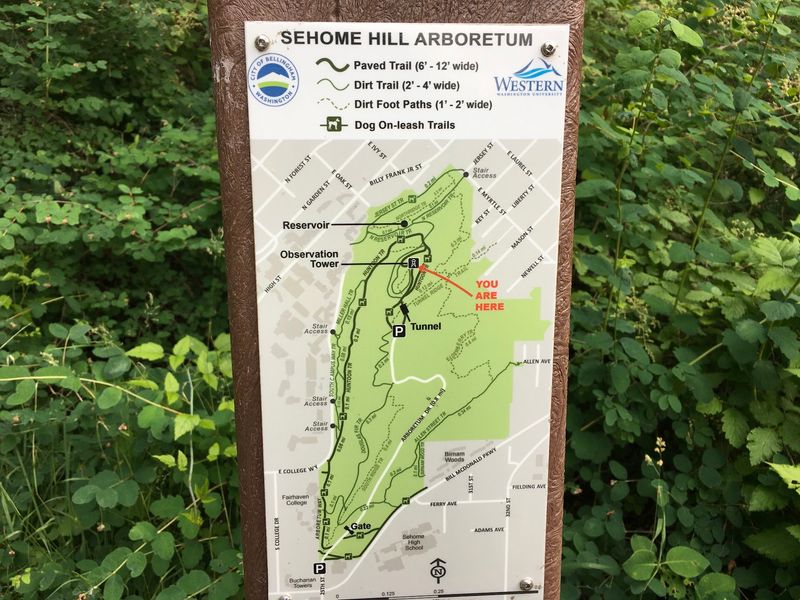
A smooth visit starts with a little planning, and this park makes it easy. The main entrance sits at 600 25th St, Bellingham, WA 98225, right next to the Western Washington University campus in the Sehome neighborhood.
Gates are open daily from 6 am to dusk, so early birds and evening wanderers both get their turn. I always suggest checking the official website first, since seasonal changes to hours can happen.
Parking is available on site, which takes the stress out of arriving. If you prefer not to drive, Whatcom Transportation Authority buses stop nearby at the university campus.
The arboretum welcomes visitors year-round, so there is no bad season to explore. Pack water, wear sturdy shoes, and dress for the changeable Pacific Northwest weather.
Give yourself a couple of hours to reach the tower, wander the trails, and rest at a quiet spot. With a bit of prep, your trip to this leafy Bellingham retreat will feel relaxed and rewarding from start to finish.