
Birds Fly Overhead And Armadillos Come Looking For Treats At This Washington Experience

I still remember the moment a curious armadillo trundled toward me hoping for a snack, its tiny nose twitching with hope. That kind of close, unexpected encounter is exactly what makes this gem in Tacoma, Washington such a happy surprise.
Sitting inside a 700-acre park with views of Mount Rainier and Puget Sound, it place blends a zoo, an aquarium, and a botanical garden into one wonderful day out. I visited ready to see fish and left with a heart full of stories about wolves, penguins, and playful sea otters.
Come along as I walk you through the sights, the animals, the practical tips, and the small details that made my trip feel like more than an ordinary outing. Whether you love ocean life or land creatures, there is something here that will make you smile.
Let me share what I found so you can plan your own adventure with confidence and excitement.
A Park Setting With Mountain And Sea Views

Before I even reached the front gate, the surroundings had already won me over. The Point Defiance Zoo & Aquarium tucks itself inside the sprawling 700-acre Point Defiance Park, located at 5400 North Pearl Street in Tacoma, Washington.
Tall evergreen trees line the paths, and gaps between them reveal glimpses of Puget Sound shimmering in the distance. On a clear morning, I caught sight of Mount Rainier looming softly over the horizon, with the Olympic Mountains adding their own rugged charm.
What struck me most was how peaceful everything felt. The salty air, the sound of birds, and the mix of gardens and animal habitats made walking around a genuine pleasure.
This spot holds a special title as the only combined zoo, aquarium, and botanical garden in the Pacific Northwest. That means flowers, fish, and furry friends all share the same beautiful grounds.
If you arrive early, take a slow stroll and soak in the scenery before the crowds gather. It sets the perfect mood for the day ahead.
Armadillos That Waddle Over Looking For Treats

Meeting the Southern three-banded armadillos was easily one of my favorite moments. These little rolled-up wonders have a knack for waddling straight toward guests, noses working overtime in search of a tasty reward.
The zoo is home to armadillo parents named Vespa and Scooter, and they have raised several pups over the years. Baby Bocce arrived in January 2026, while an earlier pup named Segway showed up in late 2021.
Young armadillos start out behind the scenes near the Wild Wonders Outdoor Theater, where they nurse and bond with their family. Once they grow strong enough, keepers introduce them to visitors during special Close Encounters.
Here is a fun tidbit: the three-banded armadillo is one of the few armadillo types that can roll into a complete ball for protection. Watching one unroll and scurry about is oddly delightful.
Ask a keeper about encounter times when you arrive, since these gentle diggers are part of a conservation program worth learning about.
Live Bird Shows At Wild Wonders Outdoor Theater

Few things made me duck and grin like a bird gliding just above my head. The Wild Wonders Outdoor Theater hosts live animal presentations that sometimes feature soaring birds swooping across the seating area.
I found a spot on the benches, and within minutes a feathered performer was showing off its flight skills. The keepers narrated the whole time, sharing facts about wingspans, hunting habits, and how each animal fits into the wild world.
These shows are included with your admission, which makes them an easy addition to any visit. I appreciated how the trainers kept the energy fun while sneaking in real lessons about wildlife and conservation.
Seating fills up quickly during busy seasons, so I recommend arriving a little early to grab a good view. Sitting toward the front gives you the best chance of feeling the whoosh of wings passing overhead.
Check the daily schedule near the entrance so you do not miss the next feathered spectacle.
Puffins And Sea Otters At Rocky Shores
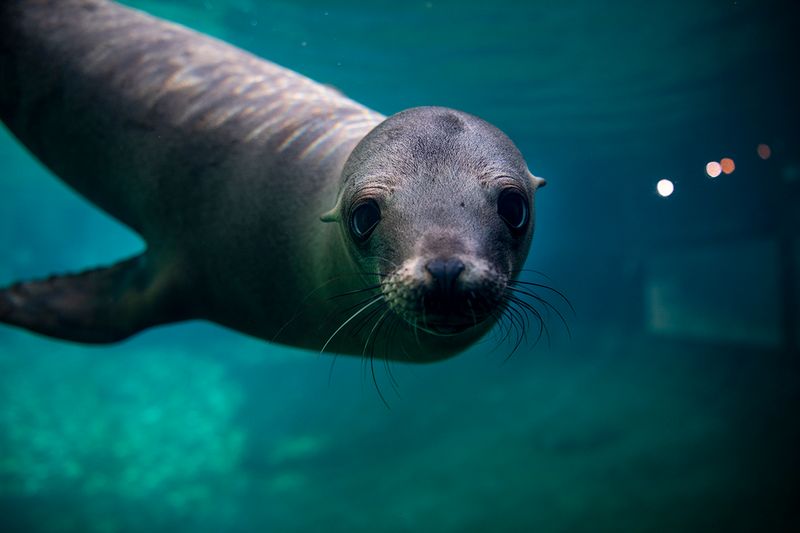
The Rocky Shores area gave me a front-row seat to some of the most charming ocean animals around. Sea otters twirled and floated with such ease that I could have watched them for hours.
At the time of my visit, the outdoor puffin aviary was temporarily closed because of an avian disease investigation. That did not spoil the fun, though.
Through the underwater viewing deck, I still spotted both puffins and sea otters gliding gracefully past the glass. Seeing these creatures from below the waterline felt like peeking into their secret world.
Puffins are surprisingly speedy swimmers, using their wings almost like paddles beneath the surface. The otters, meanwhile, seemed to treat the whole tank like their personal playground.
If closures affect your visit, remember that the underwater viewing area often keeps the experience alive. I left this stop feeling thankful for the chance to observe such lively animals so closely.
Bring your camera, because these swimmers make wonderful photo subjects.
Hands-On Touch Zones In The Aquariums
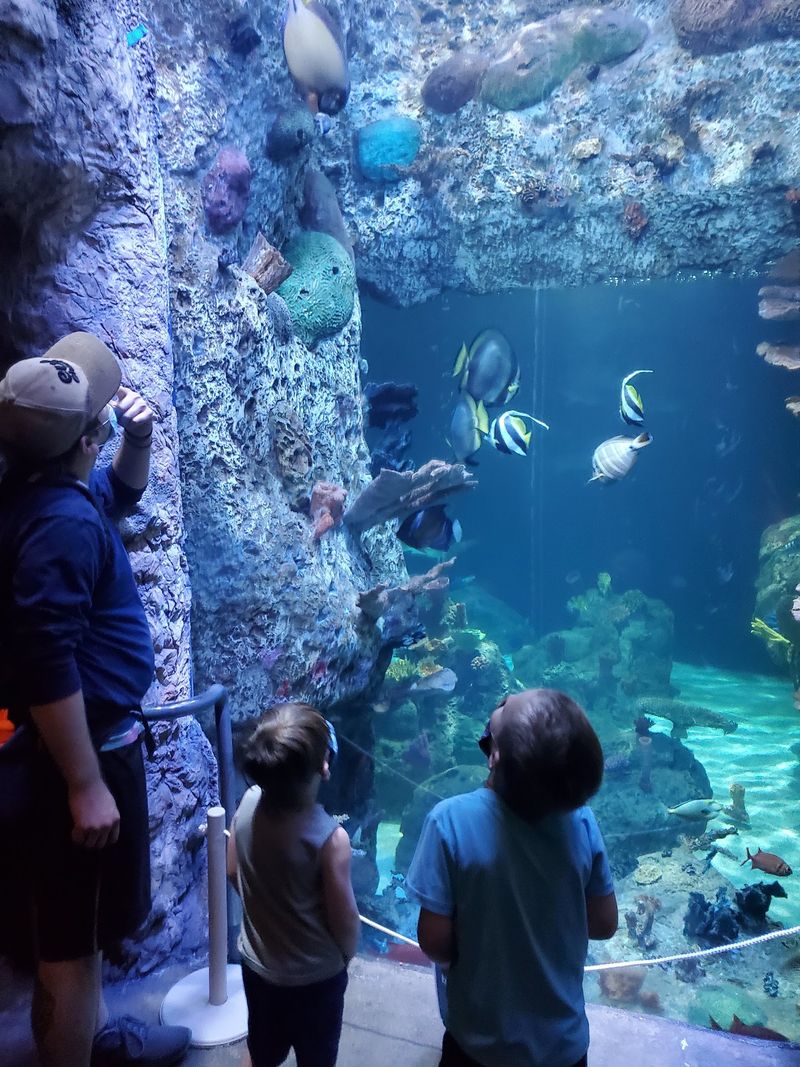
Rolling up my sleeves for the touch pools turned out to be a highlight I did not expect. The aquariums offer interactive spots like the Tidal Touch Zone and the Tropical Shallows, where gentle touching is welcome.
I ran my fingers softly along the water and felt the cool textures of sea creatures up close. Staff members stood nearby, offering tips on how to touch respectfully and sharing details about each animal.
Kids around me were absolutely thrilled, their faces lighting up with every new discovery. These moments make marine life feel real instead of just something behind glass.
The Pacific Seas Aquarium and Tropical Reef Aquarium round out the underwater fun with colorful fish and dazzling displays. Between the two, you get a taste of both cold Pacific waters and warm tropical reefs.
Wash your hands before and after, follow the guides, and let curiosity lead the way. It is a friendly reminder that oceans are full of life worth protecting.
Red Wolves And The Conservation Mission
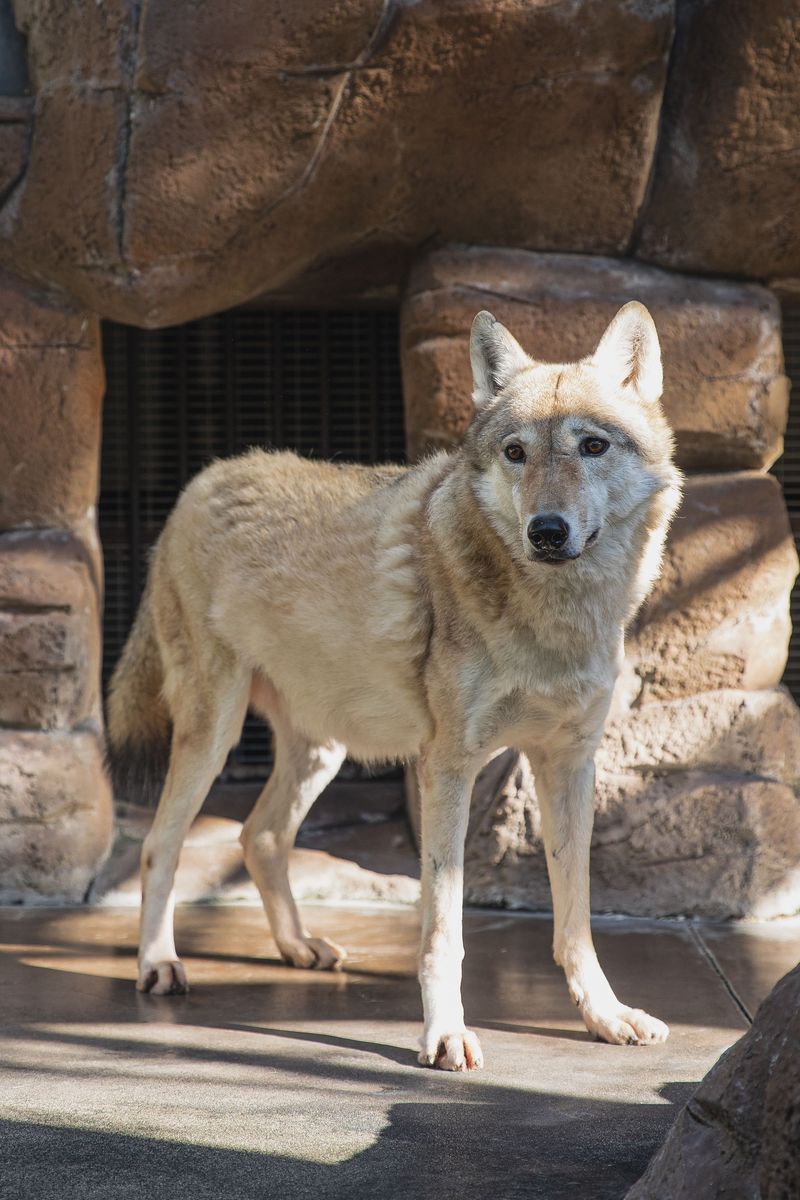
Standing quietly near Red Wolf Woods, I felt a hush fall over me as one of these rare animals appeared. Red wolves are among the most endangered canines in the world, and seeing one in person felt like a real privilege.
The zoo takes part in Species Survival Plans, which are coordinated efforts to help protect animals facing serious threats. Both red wolves and the three-banded armadillos benefit from this important work.
Point Defiance has grown from a simple bear pit built in 1905 into a modern institution focused on conservation. That long history shows how much the mission has deepened over time.
Learning about these programs added meaning to my day beyond just watching cute animals. Every ticket helps support breeding, research, and education that keeps struggling species going.
The zoo holds national accreditation from the Association of Zoos and Aquariums, a mark of serious care standards. I walked away inspired to learn more about protecting wildlife at home and abroad.
Practical Tips For A Smooth Visit
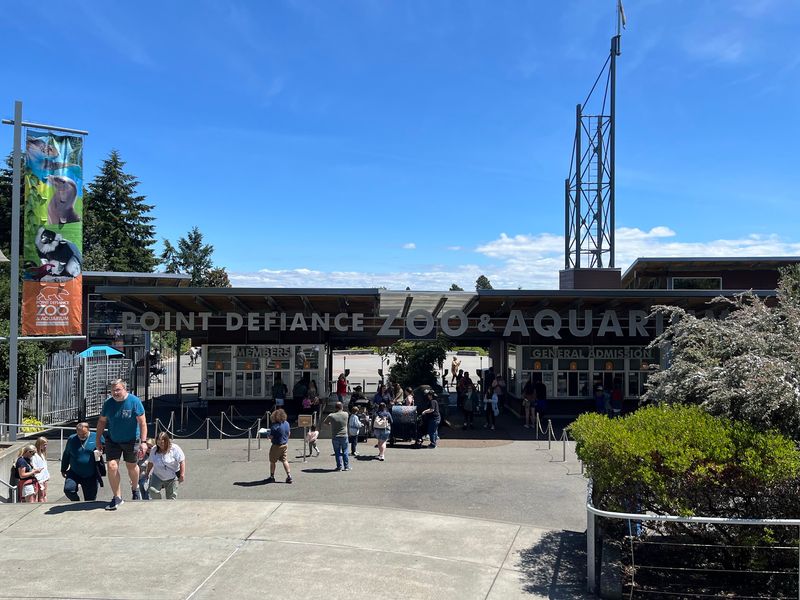
Planning ahead made my trip far more relaxed, so let me pass along what worked. Parking here is free, which is a welcome surprise and saves you from hunting for a paid lot.
The grounds are ADA accessible, and you can rent wheelchairs, strollers, powerchairs, and even umbrellas right on site. That kind of flexibility helps everyone enjoy the day comfortably.
Do not skip the Antique Carousel or the Kids Zone if you have little ones along. There is also Penguin Point, Arctic Tundra, and the Asian Forest Sanctuary to fill out your route.
Daily presentations, keeper chats, and animal encounters come included with admission, so build your schedule around them. For something extra special, you can book exclusive Wild Tours or behind-the-scenes experiences.
Hours shift with the seasons, with daily openings during the busiest months, so check ahead before you go. Wear comfy shoes and give yourself plenty of time, because this place rewards a slow, curious pace.
Tigers And Big Cats Of The Asian Forest

Nothing stops visitors in their tracks quite like the sight of a tiger padding silently across its habitat. The zoo is home to Sumatran tigers, one of the rarest big cats left on Earth.
You can watch them prowl, splash in pools, or nap in the shade behind large viewing windows. Their powerful build becomes much easier to appreciate when one passes close to the glass. Even a slow walk across the habitat can draw a crowd in seconds.
Keepers often share feeding times and talks that explain how these striped hunters survive. Those presentations can also help visitors understand the threats wild tiger populations still face. Every tiger has its own markings, since no two stripe patterns are exactly alike.
Fun fact: unlike most cats, tigers actually love water and are strong swimmers. They can use water to cool down, play, or move comfortably through their surroundings. Watching one step into a pool is often just as memorable as seeing it stalk across dry ground.
Seeing them here reminds guests why protecting Asian forests matters so much for their future. That conservation message gives the encounter more meaning long after you leave the exhibit.