
This Colorado Restaurant In Denver Hides Inside A Reclaimed Midcentury Gas Station
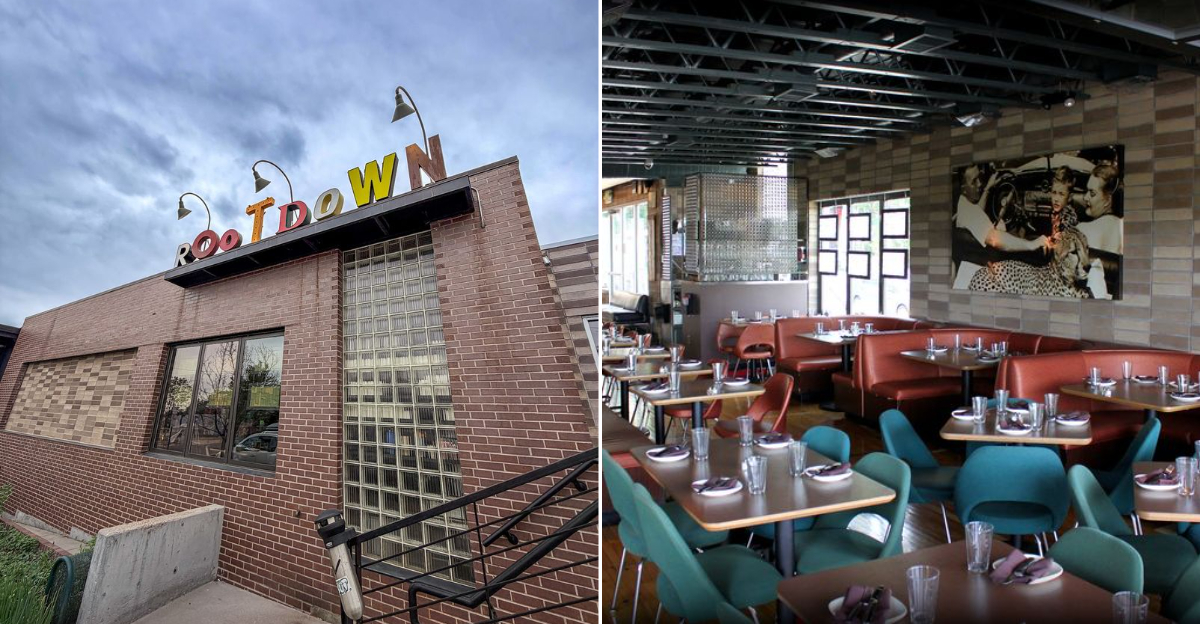
Some of the best dining rooms begin with a building nobody would have expected to save. Here, an old gas station has been reworked into a lively restaurant where traces of its auto-service past still give the room personality.
That contrast is what makes the experience memorable. Across Colorado, adaptive reuse has become part of the dining story, but this example feels especially playful because the original purpose of the building is still easy to imagine.
You can see where practical, industrial bones have been turned into something colorful, social, and completely current. The food may be what brings people in, but the setting gives them another reason to remember the meal.
There is a satisfying sense that nothing important had to be erased to make the place feel new. In a state like Colorado, where old structures often carry strong local character, that kind of reinvention can be just as compelling as the menu.
A Former Filling Station Finds A Second Act In LoHi
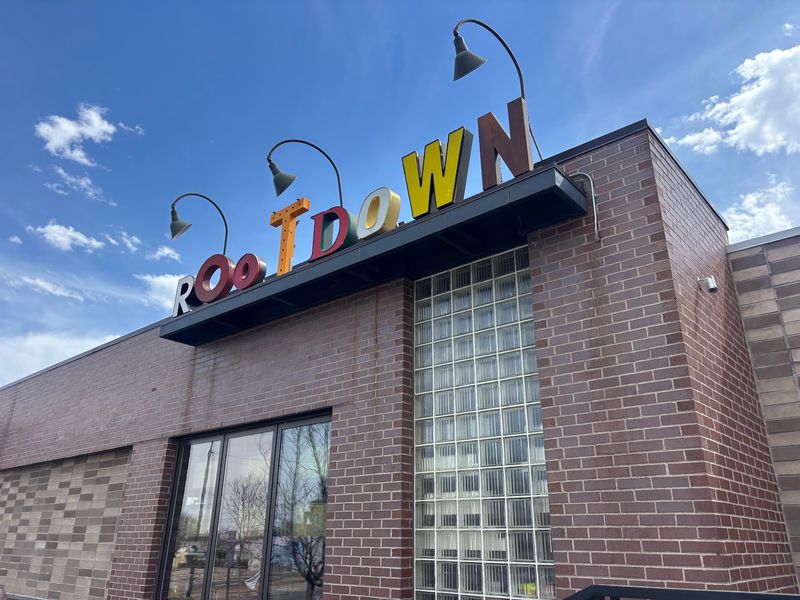
Not every restaurant announces itself with a fresh coat of sameness. At this Denver corner, the shape and history of the old service station still do some of the talking, and that is exactly what gives the place its character.
The building does not try to hide what it once was. Instead, its earlier life remains part of the dining experience.
That past gives the meal a head start before a menu even appears. In Colorado, where rapid growth and redevelopment can sometimes smooth away the details that make neighborhoods distinctive, a reused gas station can feel like a small architectural victory.
The former automotive space was not buried beneath artificial polish or stripped of every recognizable feature. It was adapted into a restaurant that encourages guests to notice the curves, corners, materials, and slightly unexpected pleasure of eating in a place where cars once pulled in for service.
That kind of adaptive reuse can give an ordinary weekend plan a little more meaning. Dinner here feels less like simply checking another restaurant off a list and more like noticing a city changing while still holding onto pieces of its past.
The setting is playful, practical, and well suited to LoHi’s mix of residential streets, neighborhood activity, and busy dining energy.
Root Down Opens The Door At 1600 W 33rd Ave
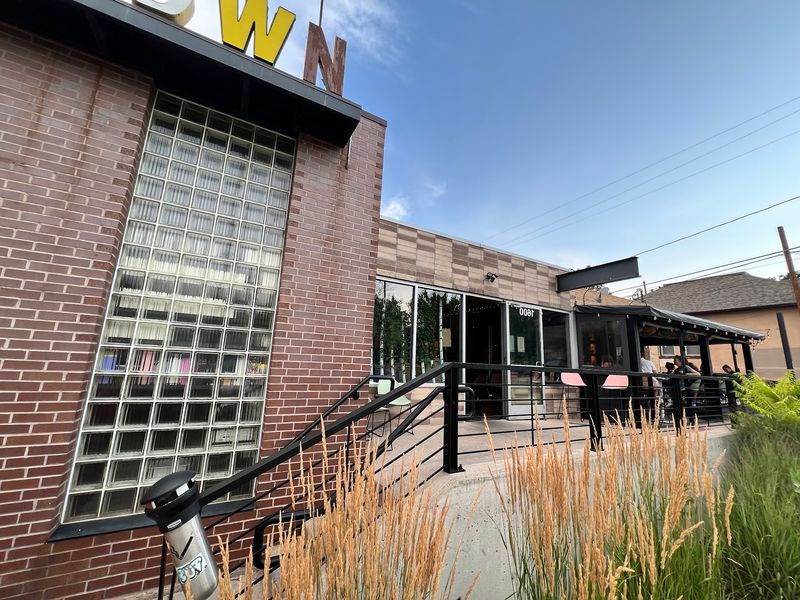
Root Down is the name behind the clever second life at 1600 W 33rd Ave, Denver, CO 80211. The restaurant opened in December 2008 in Denver, Colorado, with founder Justin Cucci shaping it around reuse, sustainability, and a menu built with seasonal thinking.
That combination could have become a lecture in less graceful hands. Instead, Root Down makes the idea easy to understand: keep the building interesting, pay attention to sourcing, and let the restaurant feel connected to its place.
It is part of the Edible Beats restaurant group, which is known in Denver for design heavy spaces with distinct personalities.
The appeal is not only that the restaurant occupies an old gas station. Plenty of buildings have strange past lives.
The stronger hook is that Root Down keeps the origin visible while making the space useful today. It gives diners a clear reason to remember the address after the plates are cleared.
Reclaimed Details Keep The Old Garage In The Conversation
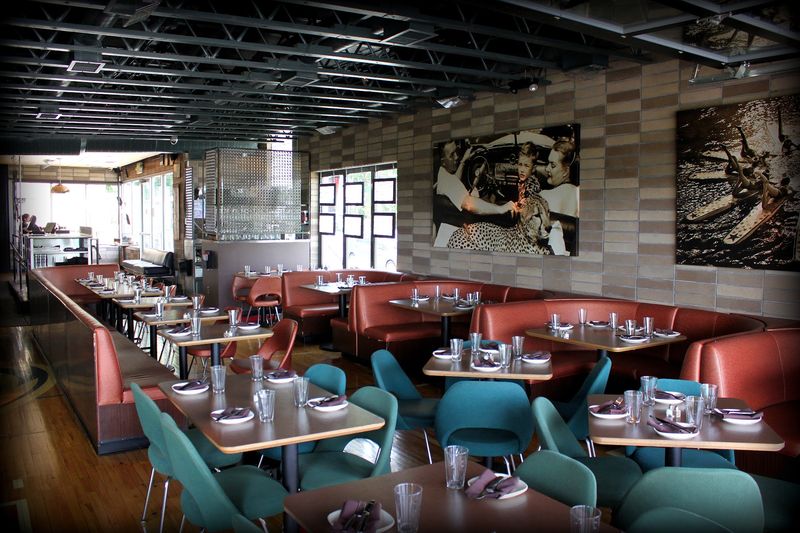
Look closely and the room starts acting like a scavenger hunt for grownups. Root Down has been documented with design details that nod to the building’s earlier life and to midcentury collecting habits that got delightfully out of hand.
The host stand uses the original air compressor tank, a smart wink to the former service station. Other reported design pieces include flooring made with reclaimed basketball court material, a counter surface formed from a 1960s bowling lane, walls using oil tin can lids, and a display of rotary phones.
None of that needs a museum label to work. It simply gives the room texture.
The layout is more substantial than a tiny corner cafe. Event information describes multiple dining areas, including patios and a private dining room, with capacity reaching up to 250 guests.
That matters for planning. Root Down can handle different kinds of meals without losing the oddball personality that makes the place memorable.
The Menu Leans Seasonal Without Making Dinner Feel Like Homework
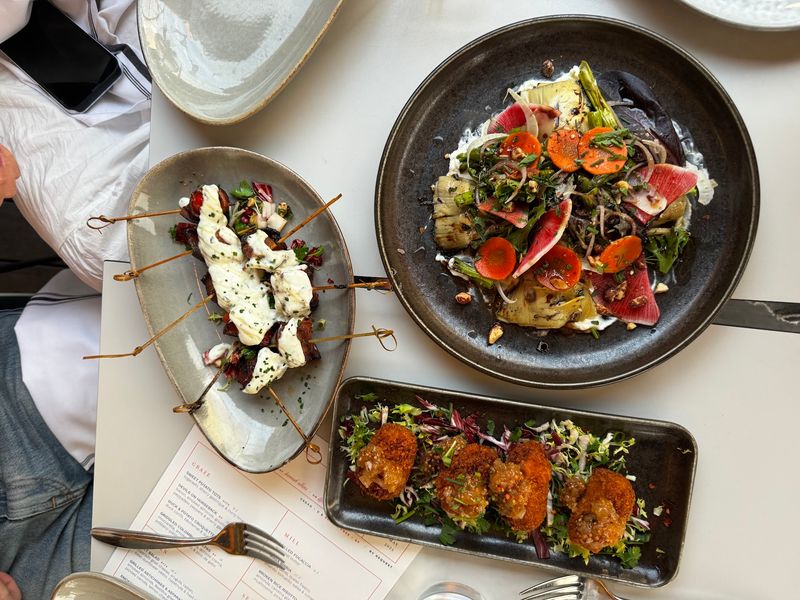
A restaurant can talk about sourcing until everyone at the table quietly studies the ceiling. Root Down takes a better path by putting the idea into a globally influenced menu that changes with the season and gives diners a range of choices.
The kitchen describes its approach as field to fork, with attention to local, organic, and natural ingredients when possible. Current public menu information and visitor feedback point to a broad selection that includes vegetable focused plates, seafood, meat dishes, and desserts.
Root Down is also known for offering vegetarian, vegan, and gluten free options, which helps when a group arrives with different needs and one person is already bracing for sad side dishes.
Good To Know: check the current menu before building your heart around one specific plate. Seasonal cooking is useful because it keeps things moving, but it also means dishes can rotate.
In Colorado’s changing weather, that flexibility feels right, especially for diners who enjoy seeing what a kitchen does with the moment.
Different Plans Can Fit Around One Lively Dining Room
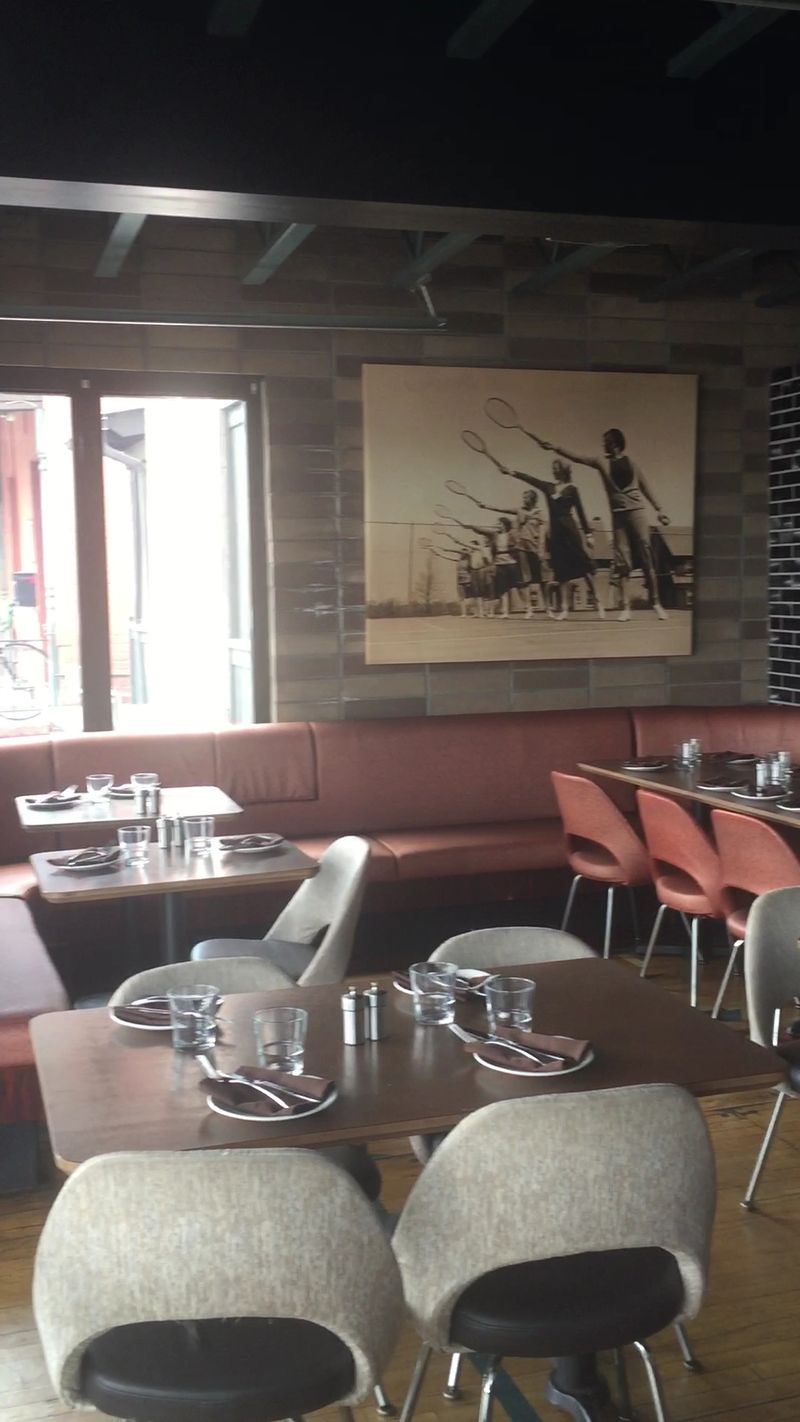
Some restaurants make people negotiate the plan before they even leave home. Root Down has an advantage because its strengths, a flexible menu, varied seating, and a distinctive setting, can work for several kinds of outings without requiring everyone at the table to want exactly the same experience.
That makes it useful for groups with different tastes, schedules, and expectations.
Families may appreciate having more than one route through the menu, especially because plant-based and gluten-free choices are clearly part of the restaurant’s identity rather than an afterthought. Couples get a dining room with enough visual character to carry the first few minutes of conversation, which can be surprisingly helpful on a tired weeknight.
Solo diners can settle in comfortably, order something thoughtful, and enjoy the space without needing to turn the meal into a special occasion.
For weekend travelers, Root Down offers a distinctly Denver snapshot: adaptive reuse, neighborhood energy, and food connected to Colorado’s interest in seasonal sourcing. The restaurant does not need a formal celebration to justify a visit.
A relaxed dinner, weekend brunch, casual date, or meal after a full day of errands can all make sense at the same address. That kind of flexibility is more valuable, and less common, than it may sound.
A Low Effort Stop On A Denver Weekend
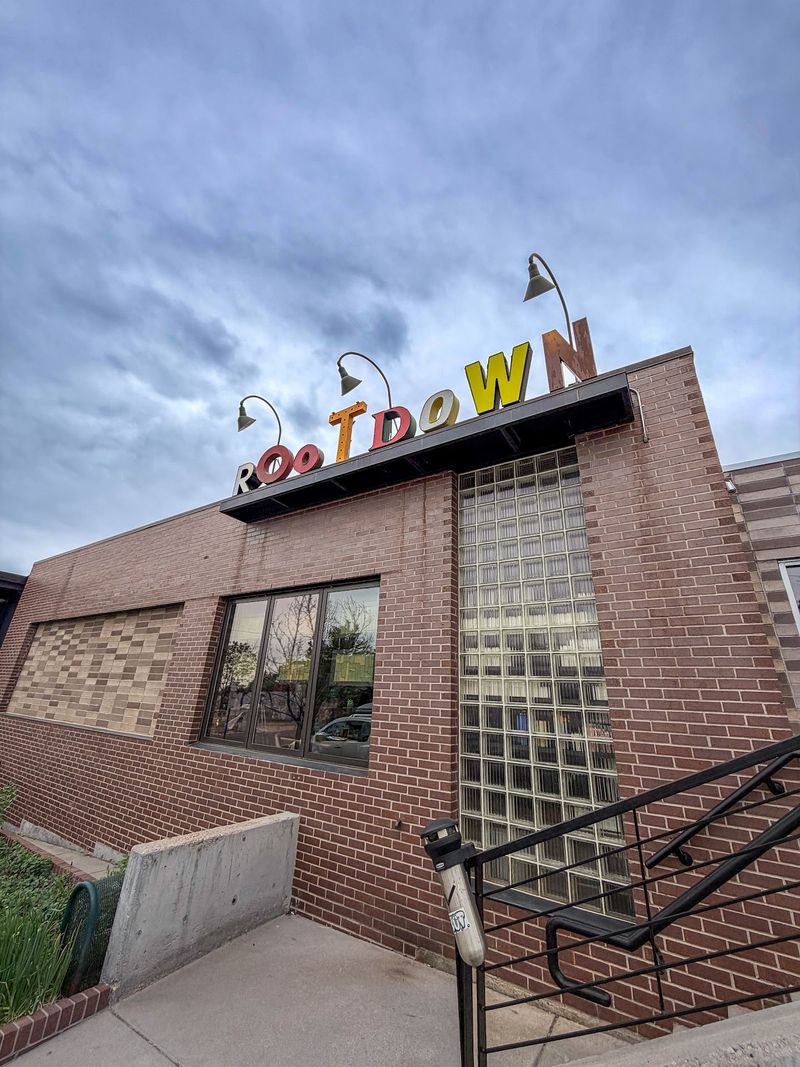
Planning does not have to become a spreadsheet with shoes. Root Down sits at 1600 W 33rd Ave, Denver, CO 80211, and its current schedule supports dinner during the week plus weekend brunch hours, making it workable for several ordinary Denver rhythms.
A simple local move would be to pair it with errands or a casual LoHi outing, then let the meal become the part of the day that feels less routine. No grand itinerary is required.
The restaurant’s patios, when weather cooperates, add another option for those mild Colorado stretches when everyone suddenly remembers outside exists.
Because Root Down is a known name with a busy reputation and substantial visitor feedback, reservations are a sensible idea for peak times. That is not meant to scare anyone off.
It is just the difference between a relaxed plan and a sidewalk discussion about hunger. Check current hours before heading over, since schedules can change, and seasonal menus mean the smartest order is the one matched to the day you actually arrive.
Why The Gas Station Story Still Sticks
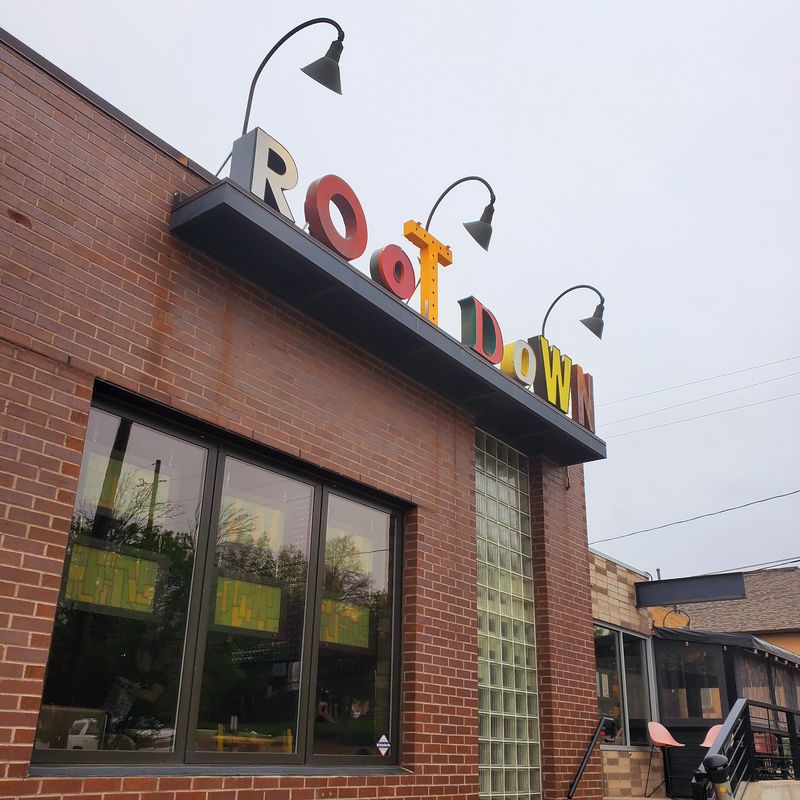
Root Down stays interesting because its story is immediately understandable and difficult to confuse with another Denver dinner reservation. A midcentury gas station was transformed into a restaurant, but the most appealing part of that change is that the renovation did not completely erase the building’s original purpose.
Instead, the restaurant allows pieces of its past to remain visible, giving the space character before the first plate even reaches the table.
Reused materials, automotive references, and a seasonal approach to cooking all support the same idea. Root Down does not treat Denver like a city frozen in a nostalgic postcard.
It reflects a version of Colorado dining that can combine old buildings, modern tastes, sustainability-minded choices, and practical neighborhood needs without making the final result feel overly designed or artificial.
That balance is a major reason the restaurant stays memorable. The food gives diners a current reason to visit, while the building gives them a story worth repeating afterward.
Root Down works especially well for travelers who appreciate a strong sense of place and for local diners who want more personality than another anonymous dining room. Long after the meal ends, one image remains clear: a neighborhood gas station, no longer fueling cars, now fueling meals, conversations, and memories around the table.