
The World’s Largest Rhododendron Collection Is Hiding In A Washington Forest
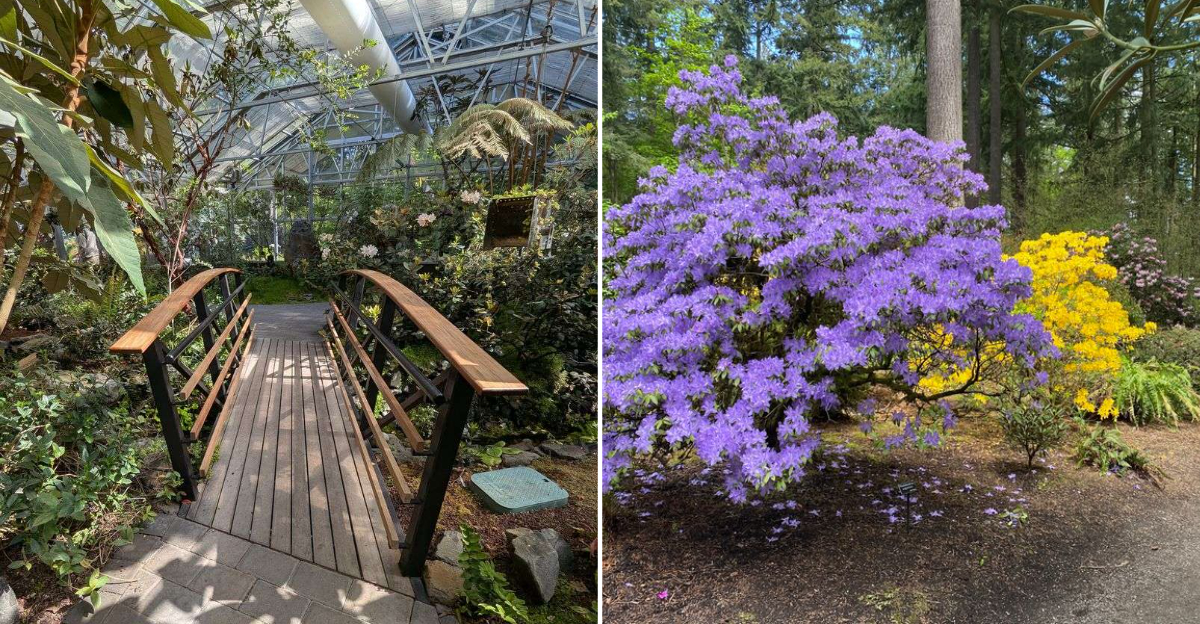
Some Washington forests are impressive enough on their own, but this one hides something even more unexpected.
Among the trees sits an extraordinary collection of rhododendrons, with plants representing species and varieties from around the world.
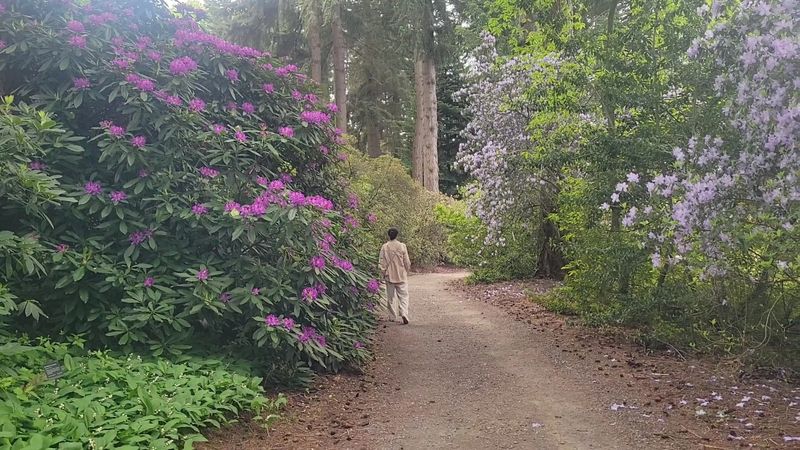
Paths wind through towering greenery, bright seasonal blooms, and quiet garden sections that can make the setting seem much farther from everyday life than it really is.
The scale is what catches you off guard. Rhododendrons that might look familiar in an ordinary yard suddenly become the main attraction, showing off wildly different colors, shapes, and sizes. Spring brings the biggest burst of blooms, but the woodland setting gives visitors plenty to notice beyond a single season.
Washington has no shortage of dramatic outdoor spaces, yet finding a collection this extensive inside a forest adds a completely different kind of surprise. It turns a simple garden walk into something that feels part botanical adventure and part scavenger hunt.
A Record-Breaking Collection Hidden In The Trees
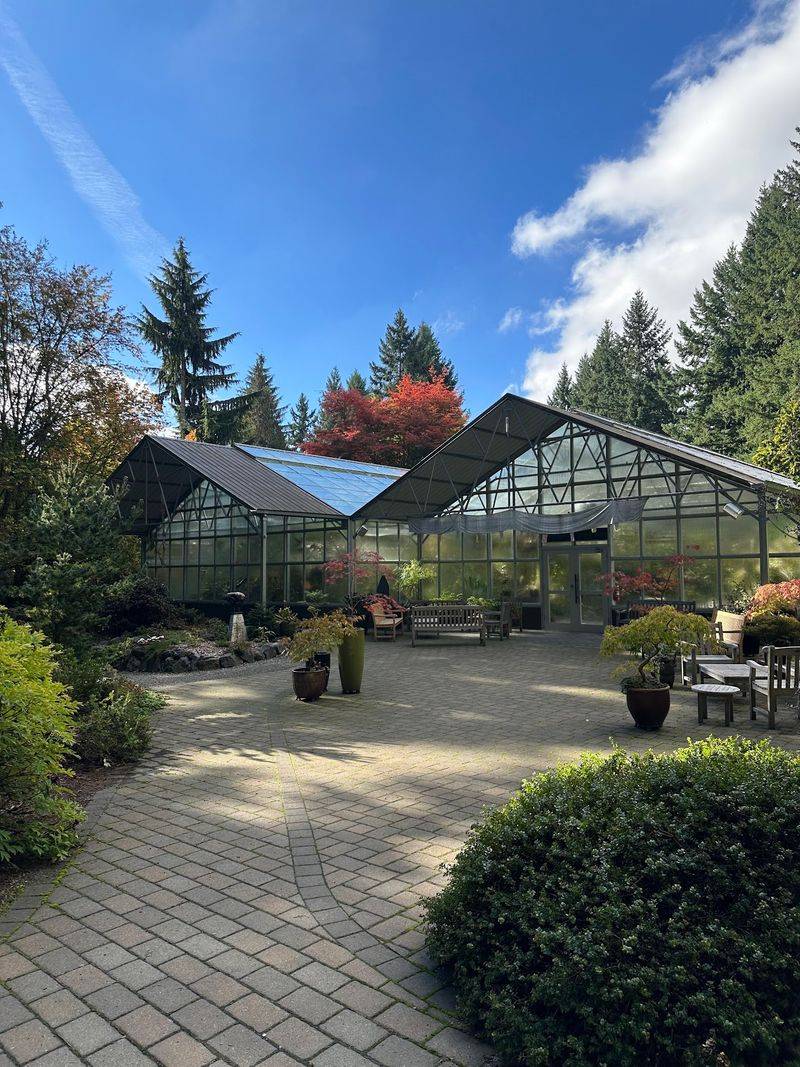
Not many spots can claim a world title, but Rhododendron Species Botanical Garden does it with quiet confidence. Somewhere around 700 different rhododendron species grow here, out of roughly 1,000 known in the wild.
I kept stopping to read the little labels, amazed that so many types could live in one shady forest. Some blooms were tiny and delicate, while others spread out like enormous bouquets on woody branches.
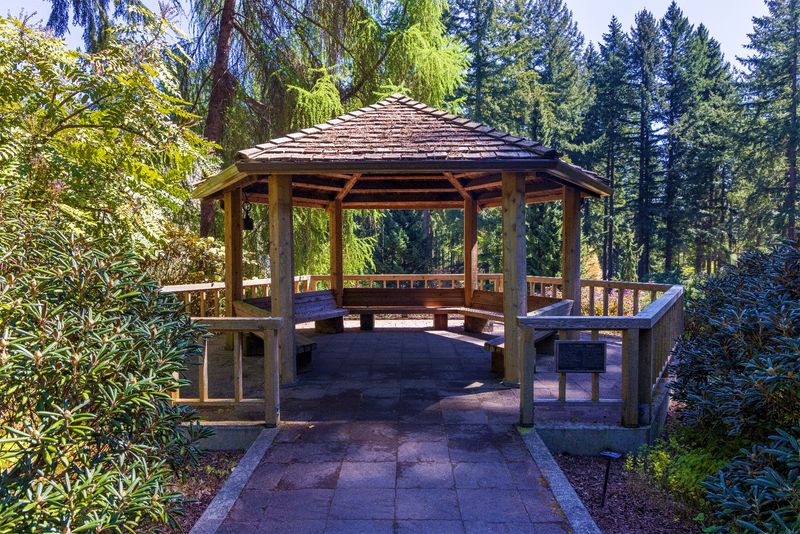
What struck me most was how natural everything felt. The plants were not lined up in stiff rows but scattered beneath native firs, cedars, and hemlocks, as if they had always belonged there.
The garden covers somewhere between 22 and 33 acres, so you get plenty of room to roam without crowds pressing in. Bring comfortable shoes and give yourself at least two hours to soak it in.
If you love plants or simply enjoy peaceful walks, seeing the biggest collection of its kind on Earth turns an ordinary afternoon into something you will remember.
How A 1960s Dream Grew Into A Living Museum
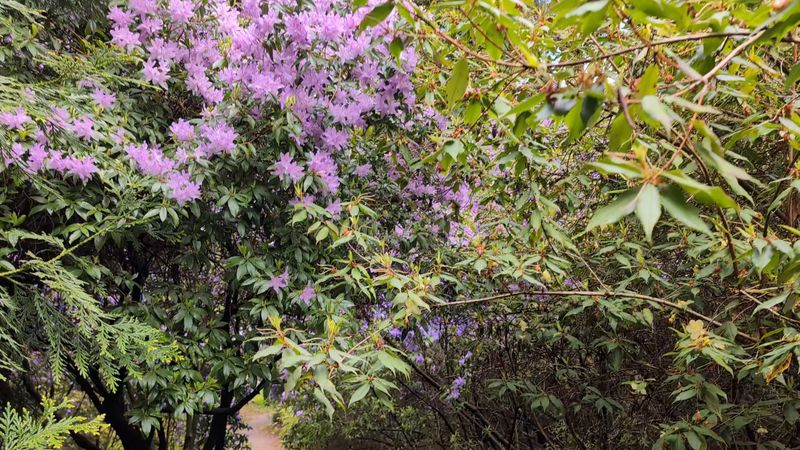
Every great garden starts with a stubborn idea, and this one began back in 1964. Members of the American Rhododendron Society in the Pacific Northwest decided to gather and protect true, authentic forms of these plants before they slipped away.
They created the Rhododendron Species Foundation with a clear goal: save the real thing, not mixed-up garden versions. For ten years the collection moved around before finding its forever home.
In 1974, the Weyerhaeuser Company generously offered land in Federal Way, and the plants finally settled in for good. I found it touching that a timber company helped protect a forest treasure.
Over the decades, wild rhododendron habitats around the world have shrunk, so preservation moved to the heart of the mission. Today the garden works like a living museum, keeping species safe for research and public wonder.
Knowing this backstory made my walk feel richer, like I was visiting decades of patient care rather than just pretty flowers.
Blue Poppies And Other Botanical Neighbors
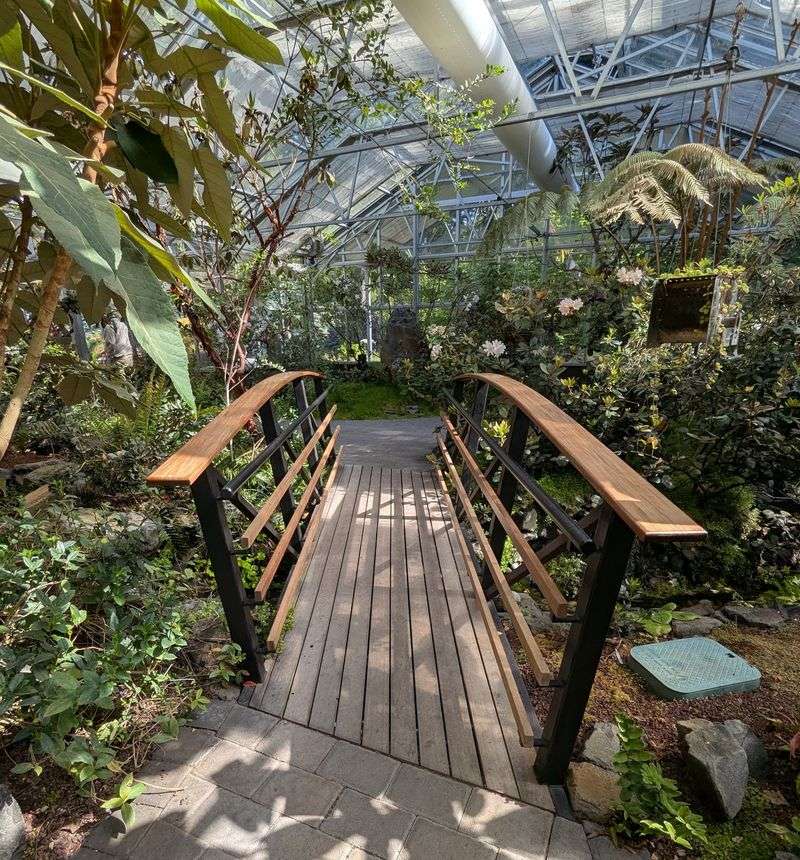
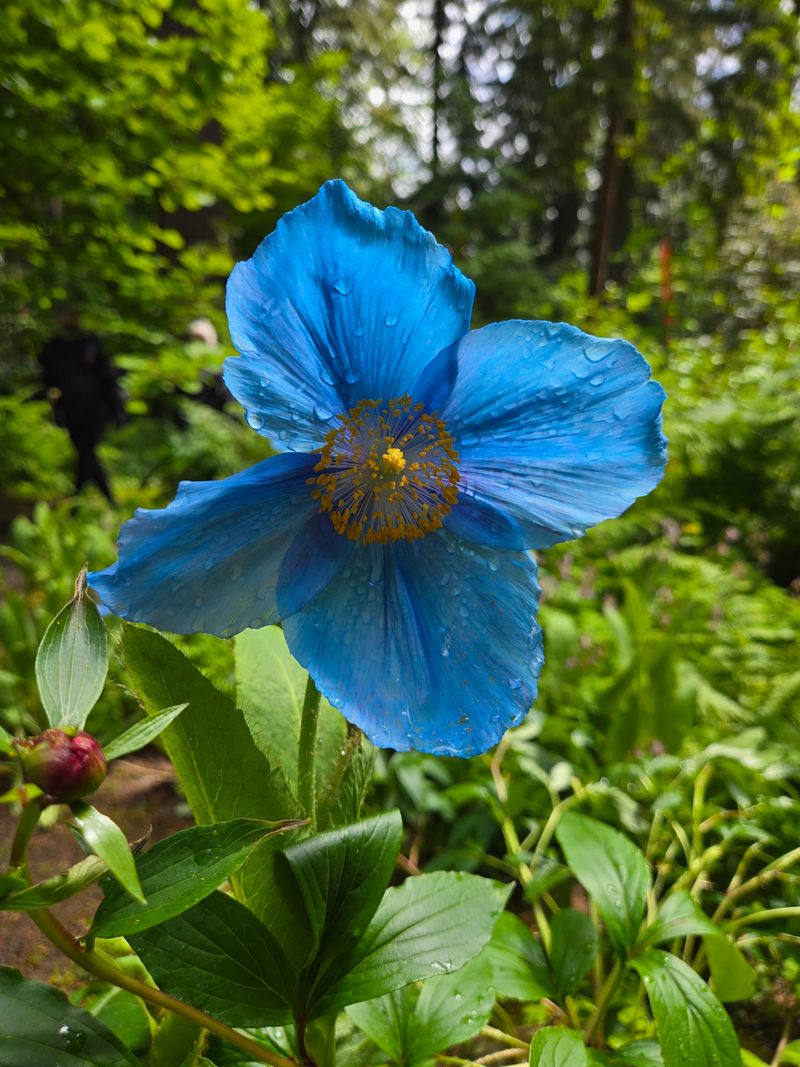
Rhododendrons may hog the spotlight, but the supporting cast steals plenty of glances too. The famous Himalayan Blue Poppies were the first thing I hunted for, and their almost electric blue petals did not disappoint.
Scattered throughout the grounds you will spot glossy camellias, graceful magnolias, and delicate Japanese maples that glow when sunlight slips through the branches. Each one adds color and texture that keeps your eyes busy.
These companion plants are not random extras. They share the cool, shady conditions rhododendrons love, so the whole forest works together as one balanced community.
I loved how the mix meant there was always something worth photographing, no matter which path I chose. Even leaves and bark had their own quiet beauty.
If you visit, take a moment to notice these neighbors instead of rushing past them. They prove the garden is far more than a one-flower show, and they give every season its own fresh personality.
Stepping Inside The Rutherford Conservatory
Rainy Pacific Northwest days do not stop the blooms here, and the Rutherford Conservatory is the reason why. Behind its glass walls, warmth wraps around a collection of tropical rhododendrons called vireyas.
I ducked inside on a gray afternoon and immediately felt the temperature shift, cozy and humid like a faraway jungle. Bright vireya flowers hung in colors I had never seen on outdoor rhododendrons.
Around them, orchids showed off exotic shapes, while ferns and begonias filled every gap with green. It felt like a secret room where summer never leaves.
The best part is that something is always flowering in there, regardless of the calendar. So even a winter visit rewards you with living color when the rest of the garden rests.
Photographers will find dreamy light filtering through the glass, and curious kids will enjoy spotting the odd, tropical plants. I walked out feeling warmer in more ways than one, ready to explore the outdoor paths again.
Ponds, Ferns, And A Whimsical Stumpery
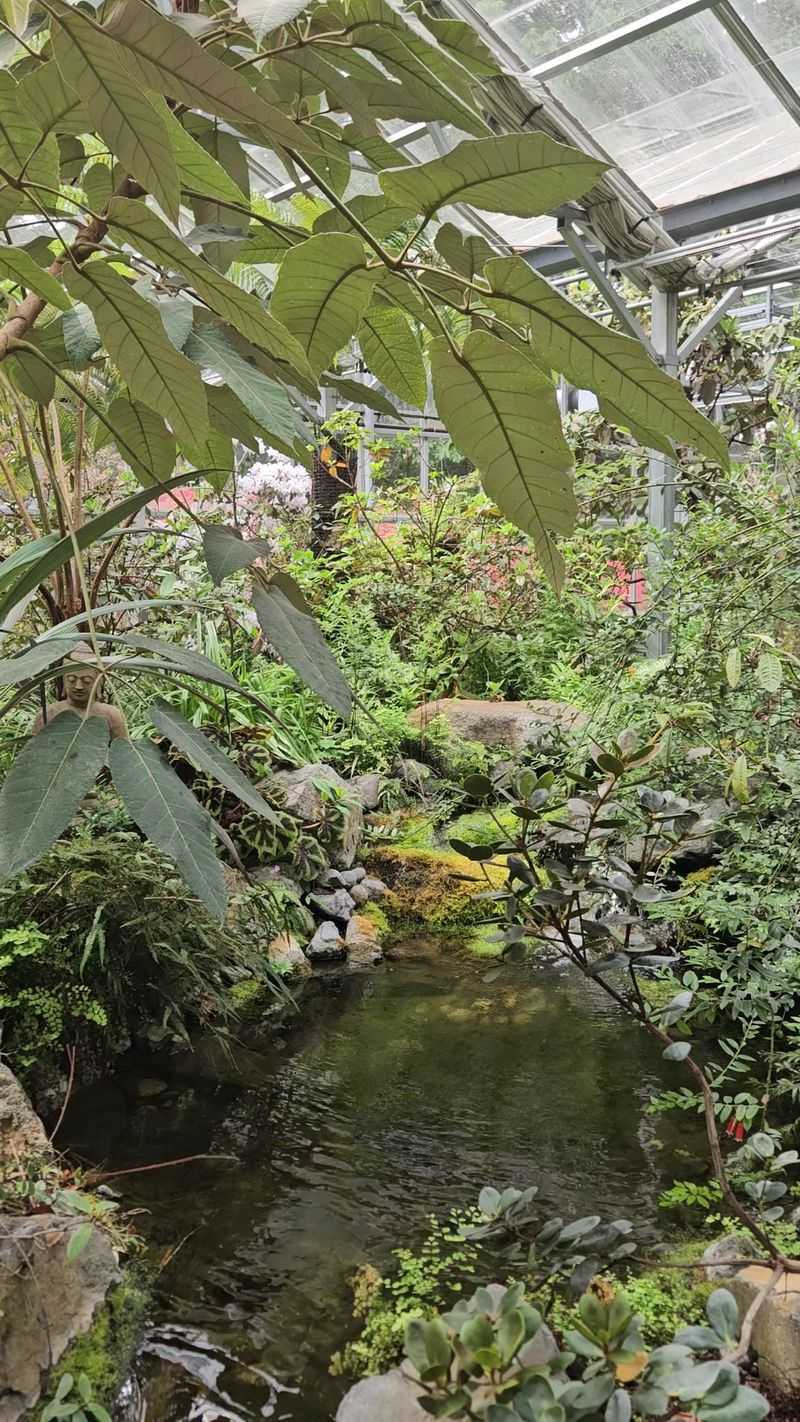
Just when I thought I had seen the highlights, the garden pulled out its quirky and calming corners. The serene Pond Garden gave me a mirror of still water reflecting sky and leaves, the kind of spot where you slow your breathing without meaning to.
Nearby, the sprawling Hardy Fern Collection turned an ordinary patch of ground into a soft green carpet of curling fronds. Ferns rarely get much credit, yet here they earn a starring role.
Then came my favorite oddity, the Victorian Stumpery. Old tree stumps and roots are arranged on purpose, creating a playful, slightly wild landscape draped in mosses and ferns.
The peaceful Alpine Garden rounds things out, showcasing tough little plants that thrive in rocky, mountain-style conditions. Each area feels like its own tiny world.
Wandering between these spaces kept the visit feeling fresh, never repetitive. If you enjoy discovering unexpected garden themes, give yourself extra time to linger among the ferns and roots.
Take A Plant Home From The Nursery
Falling in love with a plant and being able to buy it right there is a rare treat. The onsite nursery lets you do exactly that, offering many of the same varieties you just admired along the trails.
I browsed the potted rhododendrons like a kid in a toy shop, tempted to fill my whole car. Staff members were happy to share tips on which types suit shady yards and cool climates.
The Visitor Center sits nearby and makes a handy first or last stop. Restrooms, a shop, and helpful information all wait there to keep your trip smooth.
Keep one detail in mind before you go: only credit cards are accepted for admission and purchases, so leave the cash at home. That small heads-up can save an awkward moment at checkout.
Buying a plant felt like carrying a piece of this peaceful forest back to my own garden, a living souvenir far better than a keychain.
Planning Your Visit The Easy Way
A little planning turns a good trip into a great one, and this garden makes it simple. Doors are open Tuesday through Sunday from 10 am to 4 pm, so aim for a mid-morning start to enjoy the full day.
Peak bloom usually runs from mid-March through mid-May, when hundreds of species burst into color. Still, winter brings early bloomers and autumn delivers glowing foliage, so no season leaves you empty-handed.
General admission is $12.00, with discounts for seniors and students, and free entry for members, kids under 12, school groups, and military. Remember, cards only, no cash.
The address is 2525 S. 336th Street, Federal Way, WA 98003, but type the garden’s name into your GPS since the street number sometimes drops you in an empty field.
Accessible paths reach several key areas, and only vested service animals may enter. When you finish, the Pacific Bonsai Museum next door makes a perfect encore to a lovely day.
The Best Blooming Season To Catch The Colors
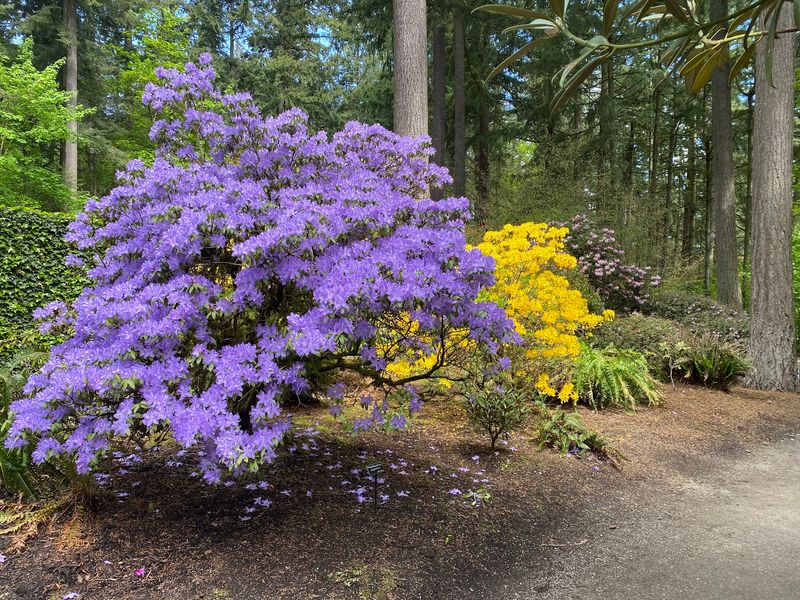
Timing your trip can turn a nice walk into an unforgettable one. Late April through May is when the forest truly wakes up, with rhododendrons exploding in pink, red, purple, and creamy white.
I visited in early May and could barely take three steps without pulling out my camera. The colors seemed to glow, especially where sunlight slipped through the tall trees.
Some species bloom earlier, others later, so there is almost always something opening if you come in spring. For the fullest show, aim for a mild, dry weekend and arrive early before the crowds gather.
Cooler mornings can also make the walk more comfortable before afternoon temperatures rise. Recent rain may leave some paths damp, so sturdy shoes are a smart choice.
Bringing a light layer can help because shaded sections stay noticeably cooler. Weekday visits are usually better for anyone hoping to linger around the most colorful displays. Checking current bloom updates before leaving can also help you catch the collection near its seasonal peak.