
10 Pennsylvania Hiking Trails Locals Avoid In Late Summer Because Of Active Black Bears
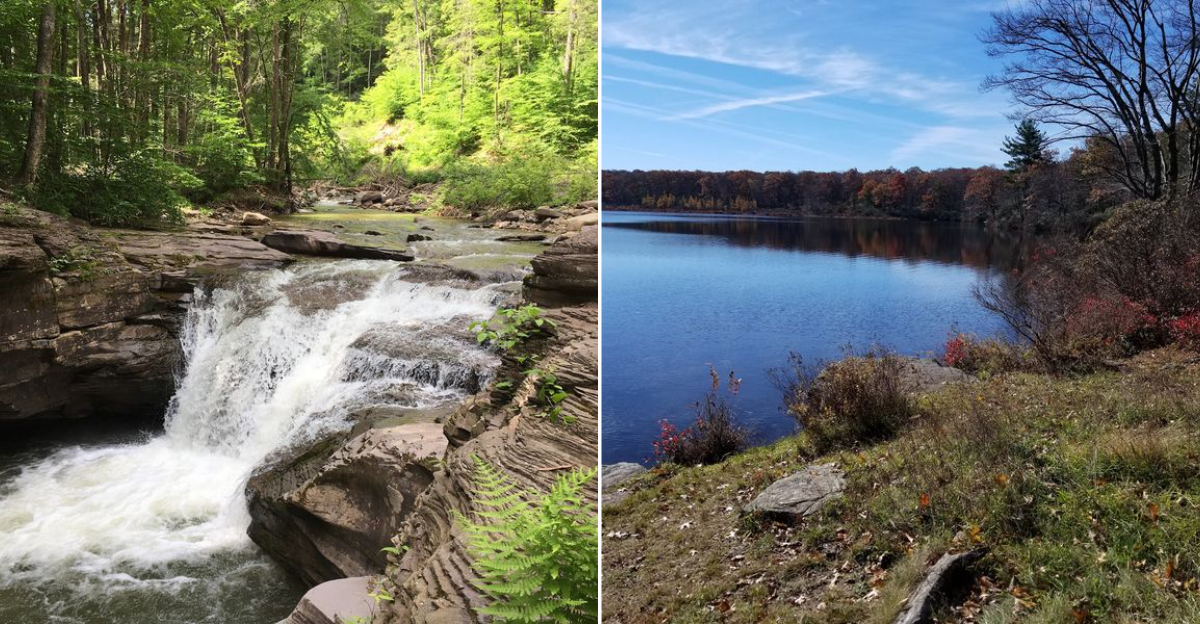
Late summer changes the mood on some Pennsylvania trails, especially when black bear activity becomes part of the conversation.
A route that felt completely routine in spring can demand more attention once food sources shift and bears start moving through familiar wooded areas. That does not mean every hike turns into a close encounter.
It simply means timing, awareness, and a little extra caution matter more than usual. For some locals, that is enough reason to save certain trails for another season.
The scenery will still be there later, and sometimes the smarter adventure is the one you postpone. I remember reaching a trailhead once and noticing fresh bear warnings posted near the entrance.
My first thought was that I could probably handle it. My second thought was much better: there are plenty of other places to walk today.
I changed plans, found another route, and enjoyed the hike without spending every quiet moment wondering what might be moving beyond the trees.
1. Boulder Field Trail, Hickory Run State Park
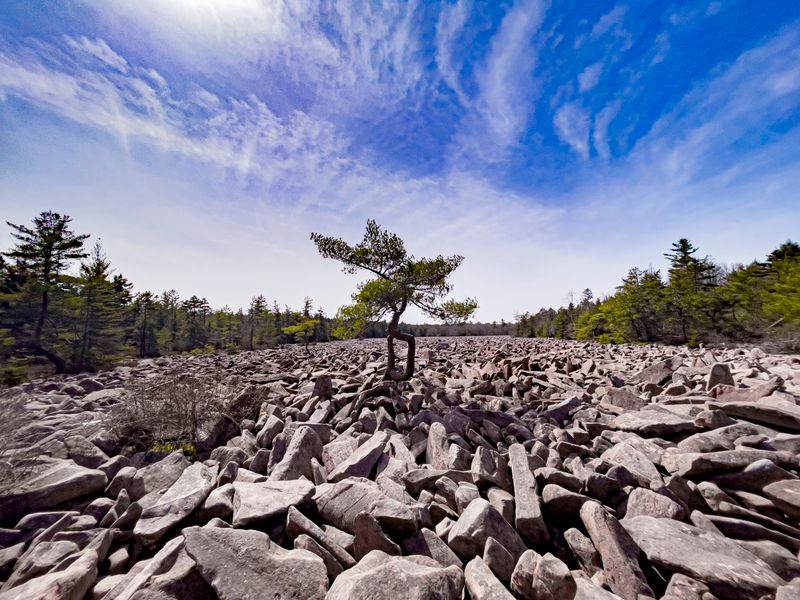
Sixteen acres of bare rock sitting in the middle of thick forest makes for one strange destination, and the walk in is where bear awareness matters.
The Boulder Field Trail at Hickory Run State Park in Carbon County is a 3.5-mile out-and-back route through forest where DCNR specifically says hikers may see black bears along with deer, turkeys, and other wildlife.
There is no reliable evidence that locals routinely save this route for October because of bears. Hickory Run instead advises visitors to respect wildlife and secure food and scented items, especially when camping.
The boulder field itself is a National Natural Landmark measuring about 400 by 1,800 feet. It has remained mostly unchanged for more than twenty thousand years.
Black bears are part of the park’s wildlife, and blueberries provide food during summer, but sightings are never guaranteed.
Stay on the trail, keep food secured, and give any bear plenty of room rather than approaching it. Hickory Run State Park’s current office address is 3 Family Camp Road, White Haven, Pennsylvania 18661.
Bring sturdy boots, because some boulders wobble underfoot and DCNR specifically recommends proper footwear during warm-weather visits to the field.
2. Falls Trail System, Ricketts Glen State Park
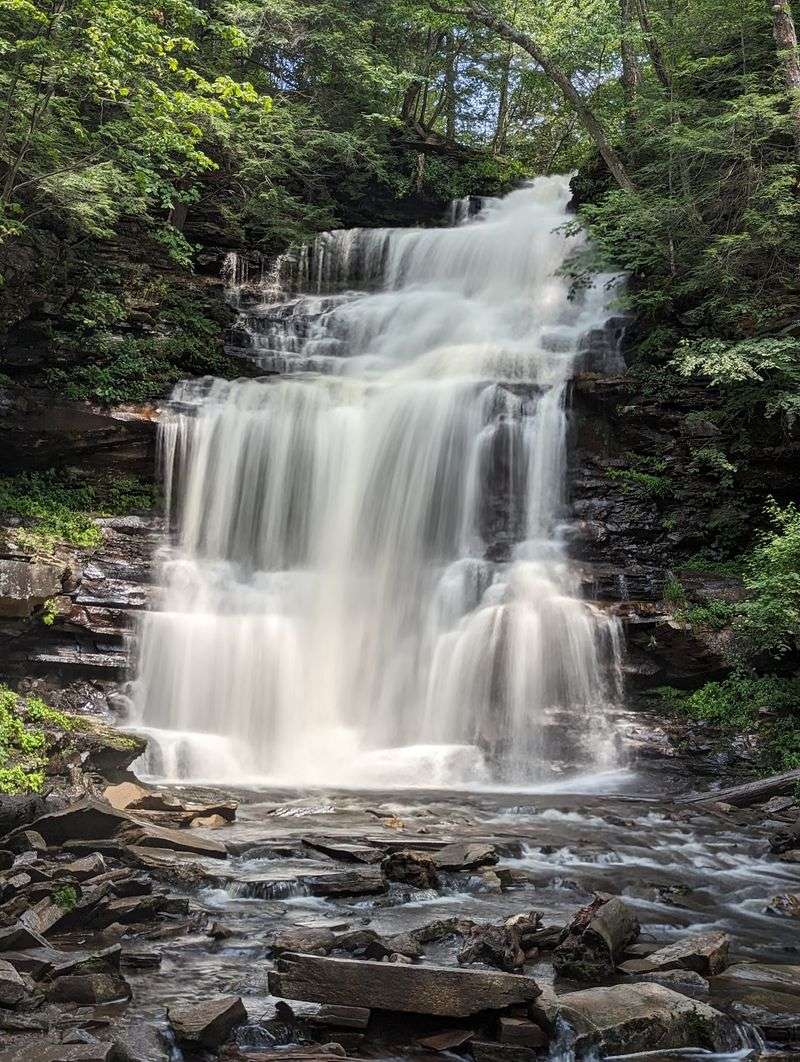
Twenty two named waterfalls in one state park sounds like a fantasy, but the Falls Trail System passes twenty one of them.
Ricketts Glen State Park spans Luzerne, Sullivan, and Columbia counties, and its 7.2-mile Falls Trail System descends through the Glens Natural Area past old-growth timber and steep, rocky terrain.
Black bears are present in the park, but current DCNR information does not say late summer brings unusually heavy bear traffic into the gorge or that experienced visitors avoid the trail then.
The park’s wildlife guidance focuses instead on keeping food and scented items secured, never approaching bears, and giving animals room if an encounter occurs.
Ganoga Falls is the tallest, dropping ninety four feet. The trail is genuinely steep and often slippery, so careful footing is a more predictable concern regardless of wildlife.
Ricketts Glen State Park is reached from Route 118 or Route 487 near Benton, Pennsylvania, with the park office at 695 State Route 487.
Autumn still brings spectacular foliage, but bears remain active and feed heavily before denning, so October should not be presented as a bear-free alternative.
3. Frank Gantz Trail, Tobyhanna State Park
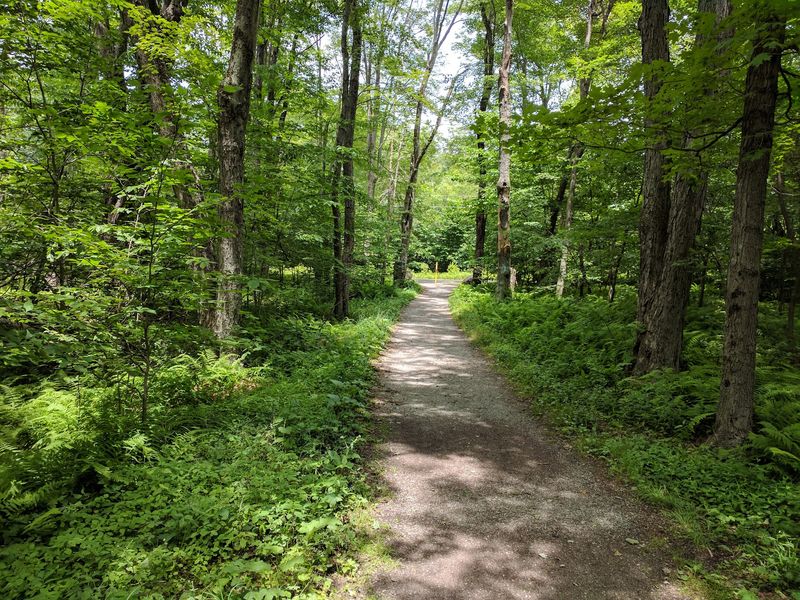
Some paths feel remote the second you step onto them, and the Frank Gantz Trail is one of those.
Running between Tobyhanna State Park and Gouldsboro State Park in Monroe and Wayne counties, the trail covers 3.2 miles total, including 1.9 miles inside Tobyhanna State Park, and passes through the Black Bear and Bender Swamps Natural Area.
Black bears are common in both parks, and highbush blueberries provide summer food, but DCNR doesnot say locals avoid this trail in late summer or that bear activity specifically peaks during August.
The swamps and wet ground do make insect repellent a sensible addition during warm weather.
If you encounter a bear, keep your distance, never approach it, and follow current park guidance rather than relying on a particular hiking hour to prevent encounters.
Tobyhanna State Park’s current office is at 114 Campground Road, Tobyhanna, Pennsylvania 18466, not the older Route 423 address.
The trail remains a legitimate year-round hiking route, with autumn offering cooler temperatures rather than any guarantee of fewer bears and fewer mosquitoes along the swamp corridor.
4. Bruce Lake Trail, Promised Land State Park
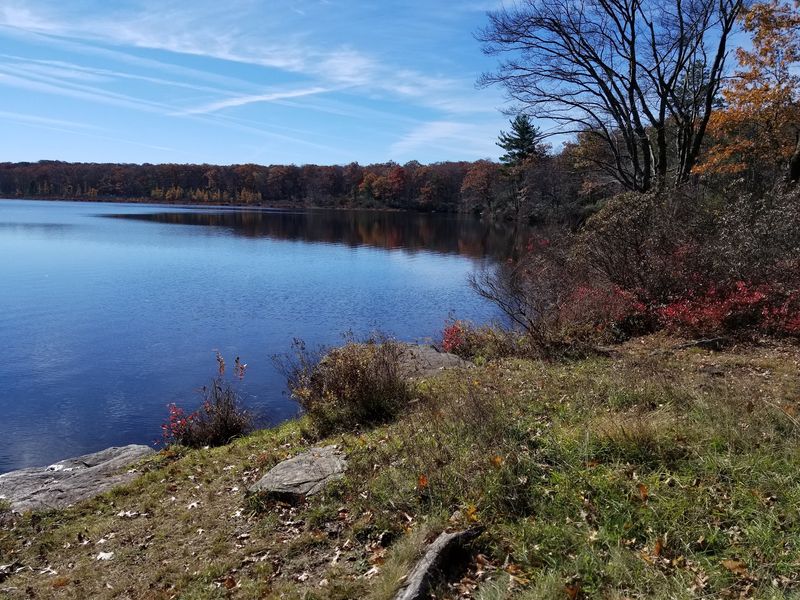
A glacial lake with no direct road access has a way of feeling remote, and Bruce Lake certainly delivers that impression.
The Bruce Lake Trail begins at Route 390 and follows an old Delaware State Forest road 2.5 miles to Bruce Lake, a natural glacial lake in the 2,845-acre Bruce Lake Natural Area.
Black bears are documented in the natural area, and Promised Land State Park says bears are common throughout the surrounding Poconos.
Blueberries are an important summer food, but current sources do not support claims that locals routinely reroute August hikes here.
Bruce Lake is described by DCNR as spring-fed, not simply as a lake filled by rain and groundwater. The old road makes for easy walking, though the surrounding natural area remains wild and wet in places.
Keep food secured, never feed wildlife, and give any bear a clear path away. Promised Land State Park’s office remains at 100 Lower Lake Road, Greentown, Pennsylvania.
Late September and October bring cooler hiking weather, but bears continue feeding heavily in autumn, so later dates do not guarantee fewer encounters.
5. Laurel Highlands Hiking Trail, Laurel Ridge State Park
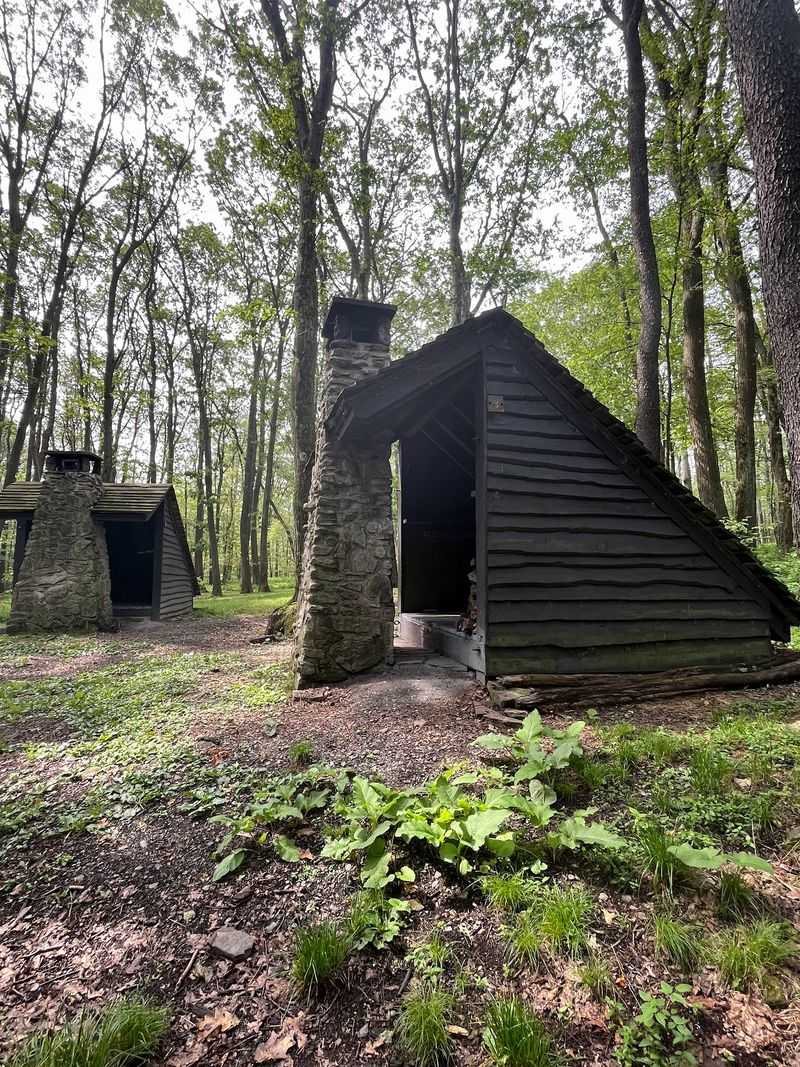
Seventy miles of ridge walking is a serious commitment, and black bear awareness belongs in the planning along this route.
The Laurel Highlands Hiking Trail runs from Ohiopyle to the Seward area near Johnstown through Laurel Ridge State Park and adjoining public lands in southwestern Pennsylvania.
Eight overnight shelter areas make multi-day trips possible, with reservations required for overnight stays.
DCNR says Laurel Ridge provides excellent black bear habitat and that bears roam freely through the park, but they normally avoid people.
Current park guidance does not say late summer thru hikers face the year’s highest bear activity or that shelters routinely attract bears because campers leave food behind.
Backpackers should store food well away from camp and suspend it between two trees, ten feet above the ground and three feet from either tree.
Laurel Ridge State Park is administered from 1117 Jim Mountain Road in Rockwood, Pennsylvania.
The trail remains open year-round, and careful food storage matters in every season when bears are active, including autumn when they feed heavily before winter as well.
6. Black Bear Trail, Cook Forest State Park
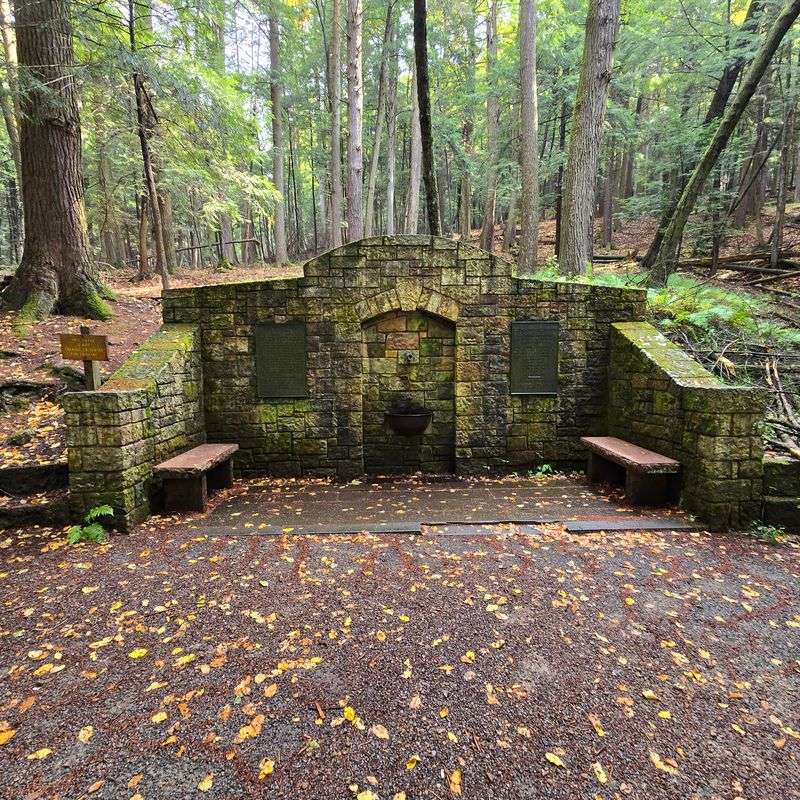
The name is memorable, but Black Bear Trail is not the old-growth Forest Cathedral route described in the original article.
Black Bear Trail at Cook Forest State Park is a flat 1.1-mile loop at the Sawmill Center for the Arts. DCNR suggests looking for black bear claw marks on trees along the route.
The Forest Cathedral, with its ancient white pines and hemlocks, is a separate trail area elsewhere in the park. Those trees do not line Black Bear Trail.
Black bears are native to Cook Forest, and park guidance tells visitors to secure food, never feed wildlife, and keep pets controlled.
There is no reliable evidence that August hikers routinely switch to wider Clarion River routes because of bears. The trail is short, easy, and open for hiking as part of the park’s trail system.
Cook Forest State Park is found along Route 36 near Cooksburg, Pennsylvania, with the office at 100 Route 36.
If you want the ancient-tree experience, choose one of the designated Forest Cathedral trails instead and keep the same wildlife awareness there.
7. Black Forest Trail, Tiadaghton State Forest
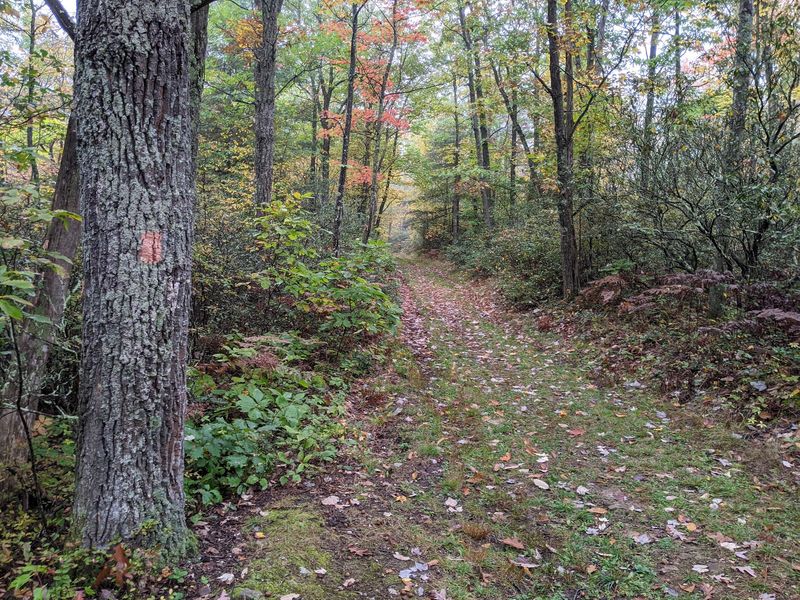
Forty two miles of steep climbs and deep canyons have earned this loop a serious reputation among Pennsylvania backpackers.
The Black Forest Trail is a 42.1-mile loop in Tiadaghton State Forest near Slate Run, using old railroad grades, logging trails, and rugged footpaths through Lycoming County.
Elevation changes come constantly, the footing can be rocky, and remote sections require careful planning.
Black bears occur throughout Pennsylvania, and Lycoming County is regularly among the counties with the highest bear harvests.
That supports treating the trail as bear country, but it does not prove late-summer hikers face unusually high encounter rates here.
Torn logs, overturned stones, and shrinking August water sources may occur, but current official trail information does not document those patterns as reliable bear indicators on this route.
Backpackers should secure food and trash, avoid attracting wildlife, and follow state-forest camping rules.
Access begins near Slate Run off Route 414 along Pine Creek.
The Tiadaghton District Office is at 10 Lower Pine Bottom Road in Waterville. Respect the terrain and wildlife, and the overlooks remain the trail’s most dependable reward.
8. Quehanna Trail, Moshannon And Elk State Forests
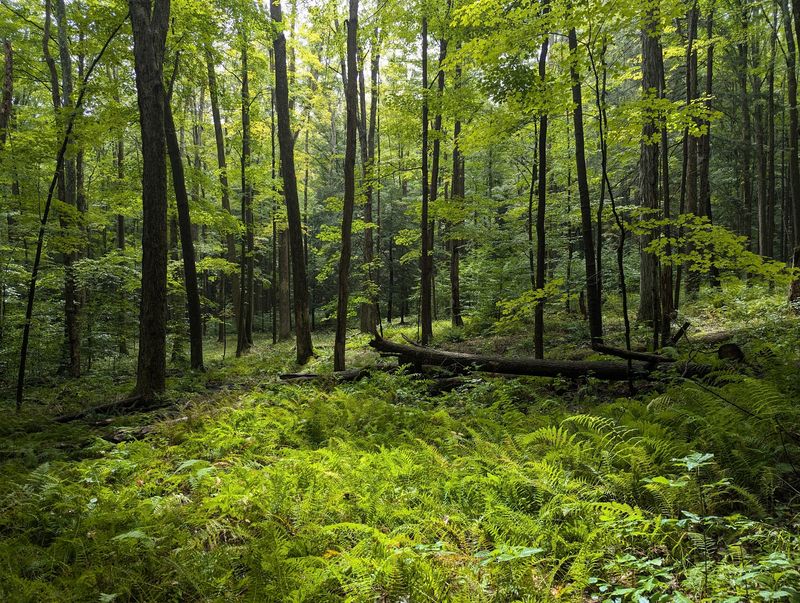
Elk may steal the headlines in this region, but black bears are part of the Pennsylvania Wilds landscape.
The Quehanna Trail forms a seventy five mile loop through Moshannon and Elk State Forests, with seventeen miles in Elk State Forest and fifty eight in Moshannon.
The route crosses remote forest and the Quehanna Wild Area, so hikers should treat it as bear country.
However, official information does not say bear sightings become common from midsummer onward or that locals avoid the trail in late summer.
Reclaimed areas can support berries and other wildlife foods, but the specific claim that backpackers routinely see unconcerned bears crossing at dawn and dusk is not documented.
Keep food and trash secured, camp responsibly, and give wildlife plenty of room wherever you encounter it.
Trail access points are scattered around the Quehanna region, while Moshannon State Forest headquarters is at 3372 State Park Road in Penfield.
Autumn brings elk activity and foliage, but bears also feed heavily before winter, so fall should not be presented as a reliably lower-bear season.
9. Old Logger’s Path, Loyalsock State Forest
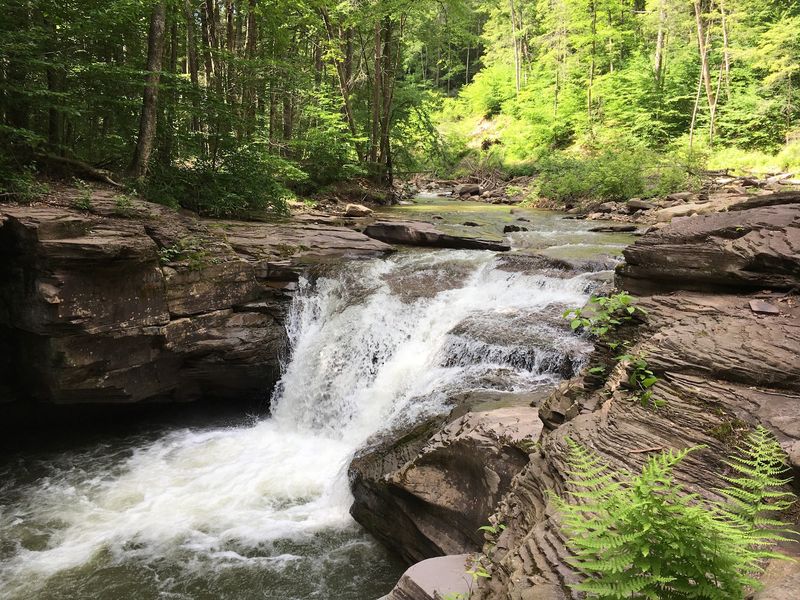
Built partly on old logging railroad grades, this twenty seven mile loop still carries industrial history underfoot.
Old Logger’s Path runs through Loyalsock State Forest near the former lumber town of Masten in Lycoming County, following old logging trails and railroad grades through Rock Run and Pleasant Stream valleys.
The route is 27 miles long and remains one of the forest’s established backpacking trails.
Black bears occur in this region, and nearby Worlds End State Park notes that bears are regularly sighted in the Loyalsock landscape.
Berries, acorns, and other natural foods are part of bear diets, but current sources do not document a special late-summer spike along Old Logger’s Path.
Backpackers should secure food and trash, avoid feeding wildlife, and follow primitive camping rules rather than assuming a particular season removes bear concerns.
A current bridge project also creates a short detour and stream crossing on the trail. The main trailhead is near Masten, while the Loyalsock District Office is at 6735 Route 220 in Dushore, Pennsylvania, not Hillsgrove.
History underfoot and big views overhead remain reasons to make the trip.
10. Appalachian Trail, Delaware Water Gap Section
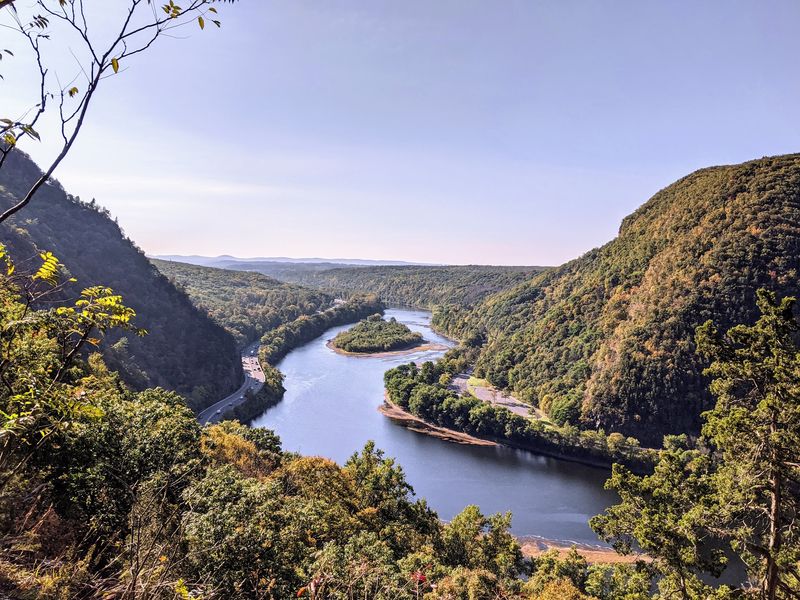
Rocks, ridgelines, and river views define this stretch, and black bears are wildlife throughout the recreation area.
The Appalachian Trail runs 28 miles through Delaware Water Gap National Recreation Area across Pennsylvania and New Jersey.
The Pennsylvania side includes the Mount Minsi section above the Delaware River.
Black bears live in the park, but National Park Service guidance does not describe this corridor as having one of the densest populations in the eastern United States or say bears track late-summer thru hikers for their food.
The original shelter claim is also wrong. NPS says there are no Appalachian Trail shelters inside the recreation area, so there are not park shelters here equipped with bear boxes or cables.
Backcountry hikers should secure food and trash, use a bear-resistant container when possible, and never feed or approach wildlife.
Day hikers toward Mount Minsi should keep food secured and pets on a six-foot leash.
Current visitor information is available through the park’s seasonal visitor centers and official channels rather than a guaranteed desk at Kittatinny Point.
Handle the area with care and the ridge still rewards hikers with exceptional Delaware River views.