
If You Grew Up In Wisconsin, These 12 Foods Probably Feel Like Home
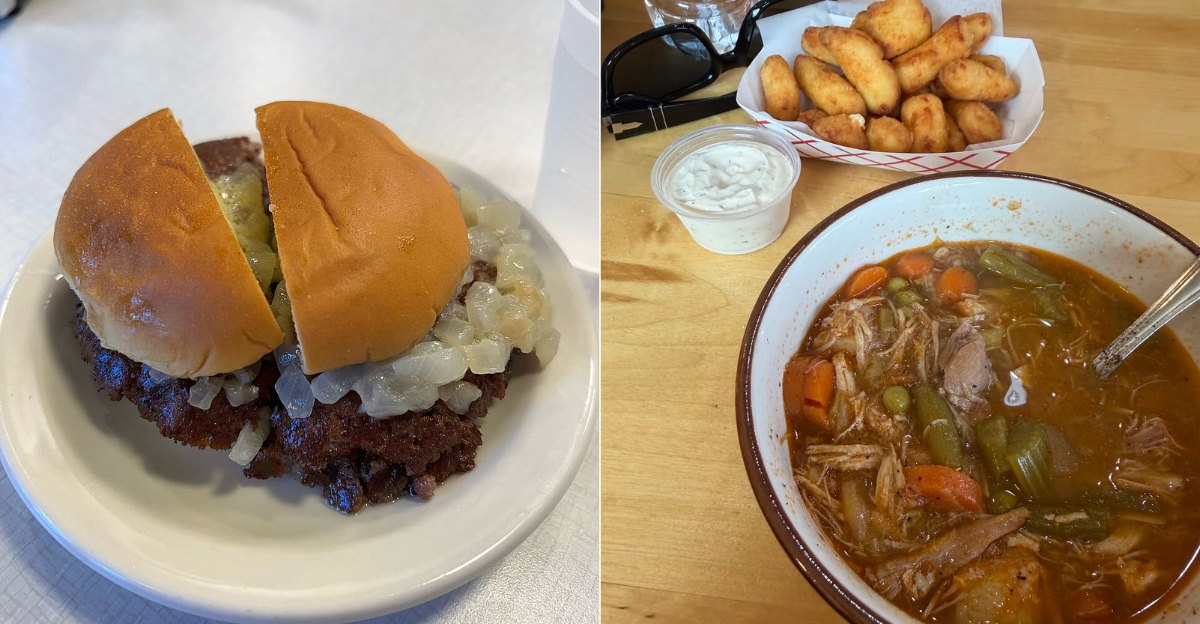
You can move away from Wisconsin, but try telling a Wisconsinite they’ve outgrown cheese curds and see how that conversation goes.
Some foods don’t really count as food anymore, they’re childhood memories with a plate underneath them.
Maybe it was a brat sizzling on the grill while somebody argued about the Packers, a bowl of booyah disappearing at a family gathering, or that first bite of a Racine Danish Kringle that made you wonder why every pastry couldn’t be shaped like a giant edible hug.
You know the feeling.
These are the foods that showed up at church suppers, Friday nights, summer cookouts, and kitchen tables long before anyone cared about food trends.
So if you grew up in Wisconsin, chances are a few of these won’t just make you hungry. They’ll make you homesick, in the best possible way.
1. Cheese Curds
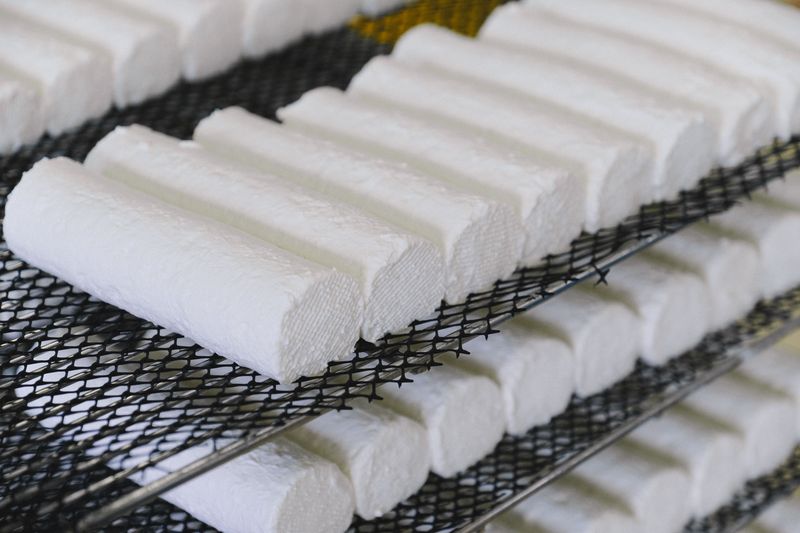
Fresh cheese curds are basically Wisconsin’s version of a love language. They are a natural byproduct of the cheddar-making process, and Wisconsin has been perfecting that process since European dairy farmers arrived in the 1800s.
By the 1880s, the state had already earned the title “America’s Dairyland,” and curds were the delicious proof.
The squeak is everything. That little sound when you bite into a truly fresh curd is the gold standard of quality.
It signals the curd is at peak freshness, usually within 24 to 48 hours of being made.
Wisconsin produces over 25% of all U.S. cheese, so fresh curds are never hard to find here.
You will spot them at tailgates, fish fries, county fairs, and just about every gas station worth stopping at. Eat them plain from the bag, or go full Wisconsin and get them battered and fried until golden.
Either way, no apologies needed.
2. Bratwurst

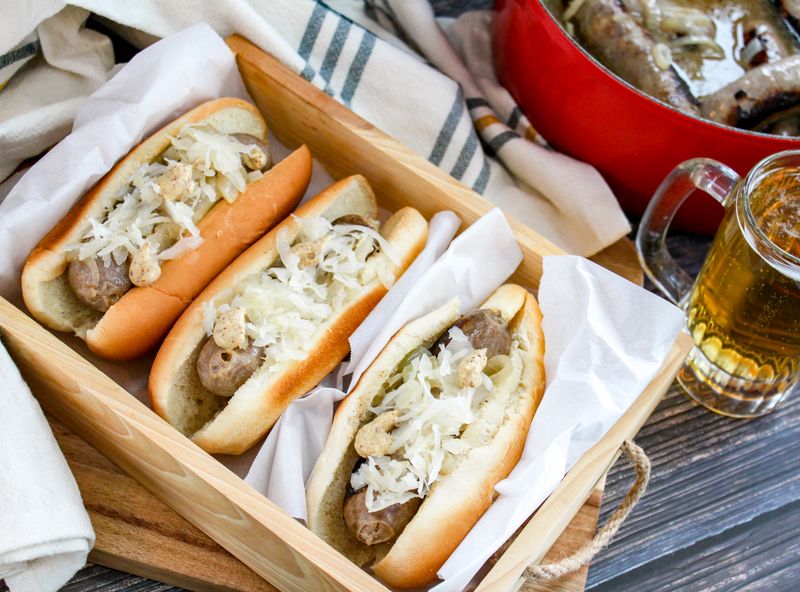
Sheboygan County did not just embrace bratwurst, it claimed it. Known as the “Bratwurst Capital of the World,” this corner of Wisconsin helped turn a German sausage into a full-blown cultural institution.
German immigrants brought brats over in the 19th century, and by the 1920s, Sheboygan was already making them its own.
Wisconsin brats evolved from their European cousins with a coarser grind and bolder spice blends featuring ginger, coriander, and nutmeg. They made their official stadium debut at Milwaukee County Stadium in 1954, and Madison hosts what is recognized as the world’s largest Brat Fest every year.
That is not a small claim.
The classic preparation involves simmering them in a savory broth with onions before finishing them on the grill. Tuck one into a fresh bun, add a swipe of mustard, and you have Wisconsin’s soul food in its purest form.
Brats are not just food here, they are a ritual.
3. Frozen Custard
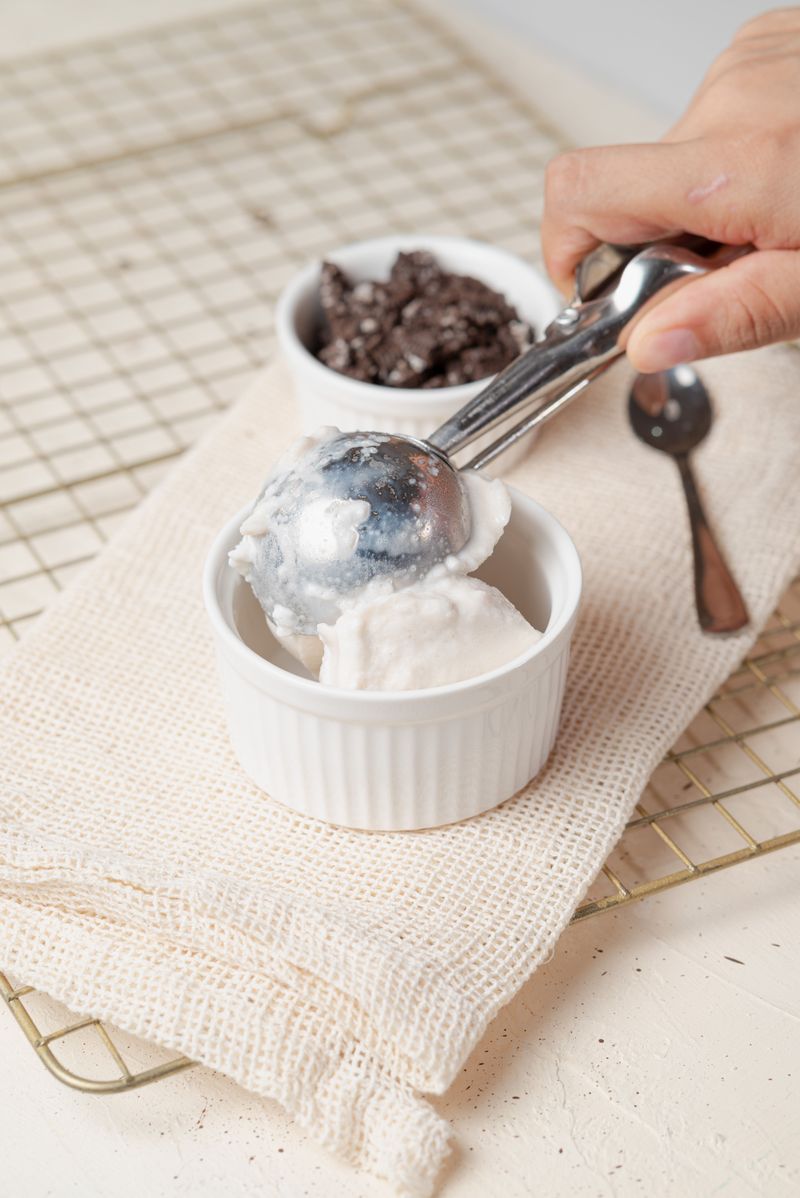
Milwaukee takes frozen custard seriously, and honestly, the city has earned the right to. With more custard shops per capita than anywhere else in the world, it is not just a dessert here, it is a lifestyle.
Iconic spots like Leon’s, Gilles, and Kopp’s have been scooping since the mid-20th century, and the lines still form every summer.
Frozen custard traces its roots to Coney Island in 1919, when vendors added egg yolks to ice cream for a richer, slower-melting texture. The 1933 Chicago World’s Fair pushed it into the Midwest spotlight, and Wisconsin grabbed onto it and never let go.
FDA standards require at least 1.4% egg yolk solids and 10% milkfat, making it noticeably denser than regular ice cream.
Slow churning means less air, which means every bite is thick, velvety, and deeply satisfying. Frozen custard is best enjoyed fresh, ideally on a warm Wisconsin evening.
It is the kind of treat that turns a regular Tuesday into a memory.
4. Butter Burgers
Slapping a generous pat of butter onto a burger sounds indulgent, but in Wisconsin, it sounds like Tuesday. The butter burger has deep roots here, with some tracing it back to Charlie Nagreen, who reportedly served butter-fried burgers at a Wisconsin fair as far back as 1885.
Solly’s Grille and Kroll’s helped cement the tradition in the 1930s.
Culver’s, the Wisconsin-born chain, brought butter burgers to a national audience by buttering the crown of the bun and using fresh, never frozen beef.
The result is a burger that is juicy, rich, and unapologetically dairy-forward. It makes total sense in a state where cows practically outnumber people.
A butter burger is not trying to be fancy. It is simple, satisfying cooking that reflects the honest values of Wisconsin’s dairy culture.
Every bite carries a warmth that feels less like fast food and more like something a proud home cook would make. Wisconsin put butter on a burger and made it iconic.
5. Friday Fish Fry

Friday fish fry is not just a meal in Wisconsin, it is a weekly event with the energy of a hometown celebration. Its roots run deep, tracing back to 19th-century Catholic immigrants who abstained from meat on Fridays.
Wisconsin’s abundant freshwater lakes provided the perfect alternative, and a tradition was born that never really stopped.
The spread is always generous. Golden battered cod, perch, walleye, or bluegill arrives alongside crispy coleslaw, potato pancakes or fries, rye bread, tartar sauce, and a squeeze of lemon.
More than half of all Wisconsin restaurants serve a fish fry, making it one of the most consistent culinary experiences in the state.
During Prohibition, taverns leaned on fish fries to keep customers coming through the door, and the tradition grew even stronger from there. Now it is a year-round staple, especially packed during Lent.
Walking into a Wisconsin tavern on a Friday night and smelling that fryer is one of the most grounding sensory experiences this state offers.
6. Kringle
Wisconsin made Kringle its official state pastry in 2013, and if you have ever tasted one, you completely understand why. This flaky, buttery, oval-shaped pastry came to Wisconsin through Danish immigrants who settled in Racine in the 1800s.
Racine now proudly holds the title of “Kringle Capital of the World,” and the bakers there take that seriously.
The dough is hand-rolled and layered dozens of times to create that signature flakiness. Fillings range from classic almond and pecan to seasonal fruit varieties, all finished with a sweet icing that makes it nearly impossible to eat just one slice.
Each Kringle is typically large enough to share, though sharing is entirely optional.
Beyond the pastry itself, Kringle represents something bigger. It shows up at holiday breakfasts, Sunday mornings, office gatherings, and wedding brunches.
It is a quiet celebration of Wisconsin’s immigrant heritage, a reminder that the people who built this state brought incredible flavors with them. Kringle is tradition wrapped in dough.
7. Booyah
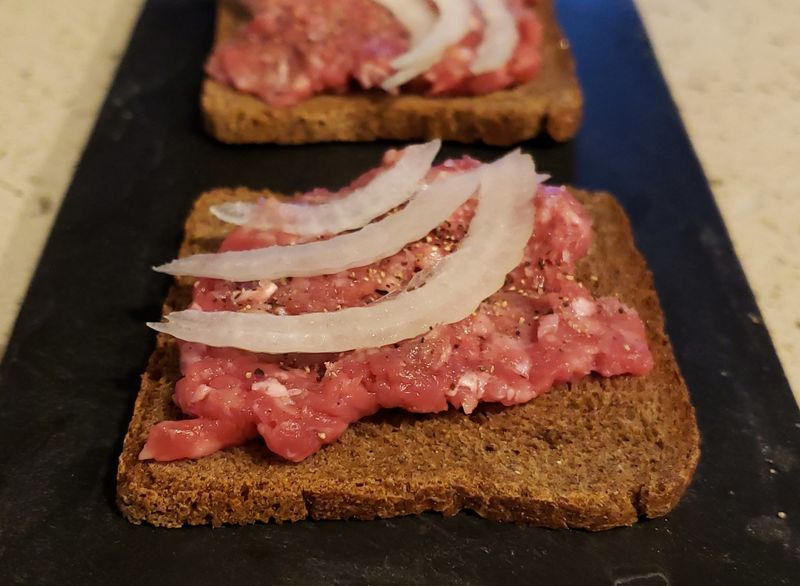
Booyah is the kind of food that requires a crowd, a giant kettle, and a whole lot of patience. This thick, hearty stew has deep roots in northeastern Wisconsin, brought over by Belgian Walloon immigrants in the 1800s.
The name itself is believed to come from the French word “bouillon,” though some trace it to Walloon words meaning “boil” and “broth.”
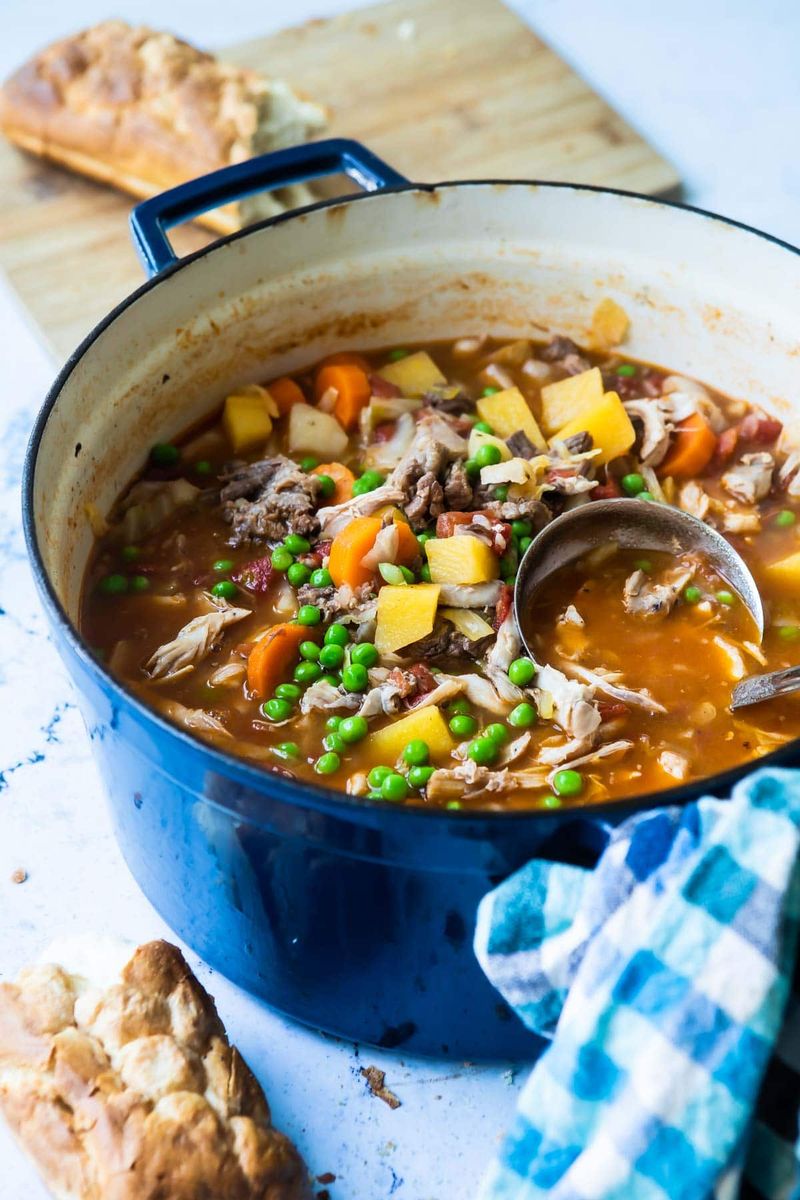
The recipe has an anything-goes spirit. Beef, pork, and chicken go into the pot along with carrots, peas, potatoes, cabbage, and rutabaga.
It simmers low and slow, often outdoors over a wood fire, in kettles large enough to feed hundreds of people at once. Booyah is not a weeknight dinner, it is a community event.
Church picnics, fundraisers, and neighborhood festivals across northeastern Wisconsin have served Booyah for generations.
It is affectionately nicknamed “Belgian penicillin” for its restorative, soul-warming qualities. When a pot of Booyah is going, people gather, and that gathering is the whole point of making it.
8. Door County Cherry Pie
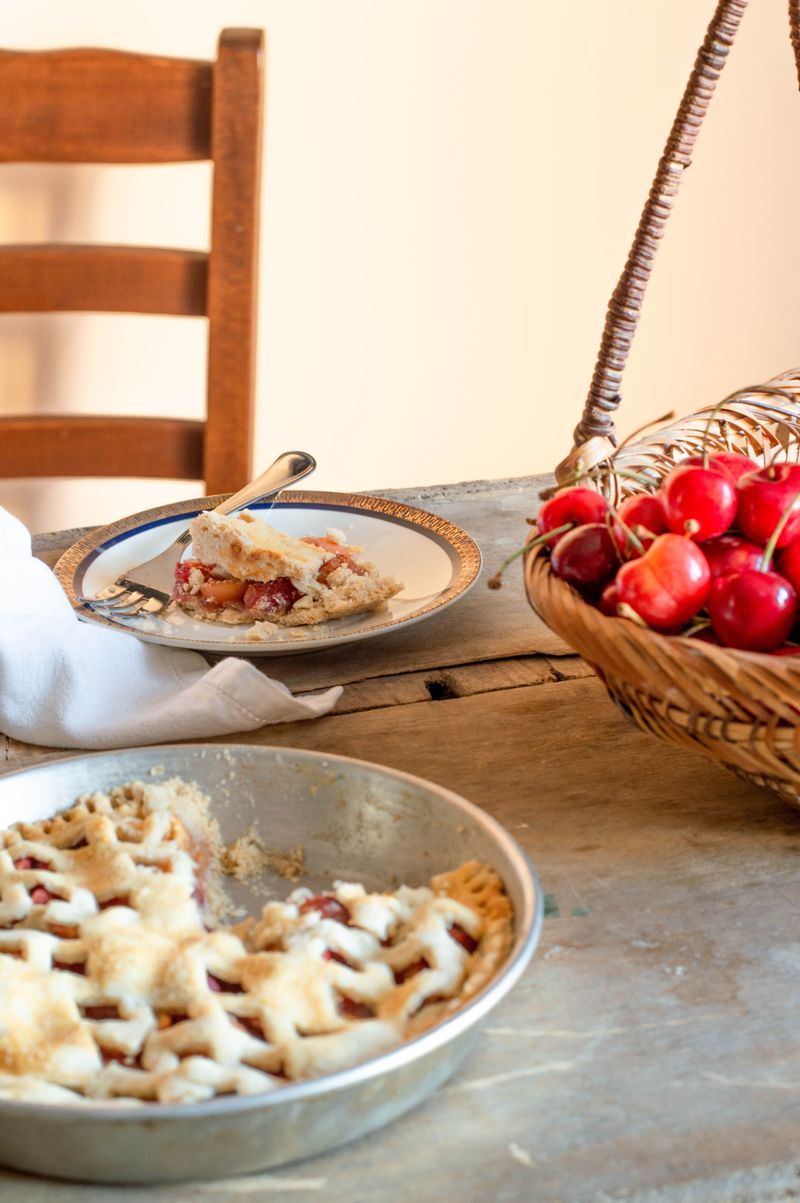
Door County cherry pie is a dessert with a sense of place so strong you can almost taste the lake breeze in every bite. The commercial cherry industry took root here in the late 1800s, and by the 1920s, Door County had earned the title “Cherry Capital of the Midwest.”
The region’s unique microclimate, shaped by Lake Michigan on one side and Green Bay on the other, creates ideal conditions for tart Montmorency cherries.
At its peak, Door County produced millions of pounds of cherries each season. Harvesting was a multi-generational tradition, with families returning year after year.
The Cherry Blossom Festival became a beloved annual celebration of the orchards and their bounty, drawing visitors from across the Midwest.
The pie itself strikes a perfect balance between sweet and tangy. Some even serve it alongside a slice of local cheddar, a pairing that sounds unusual but somehow works beautifully.
Door County cherry pie is not just dessert, it is a postcard from one of Wisconsin’s most beloved places.
9. Cream Puffs
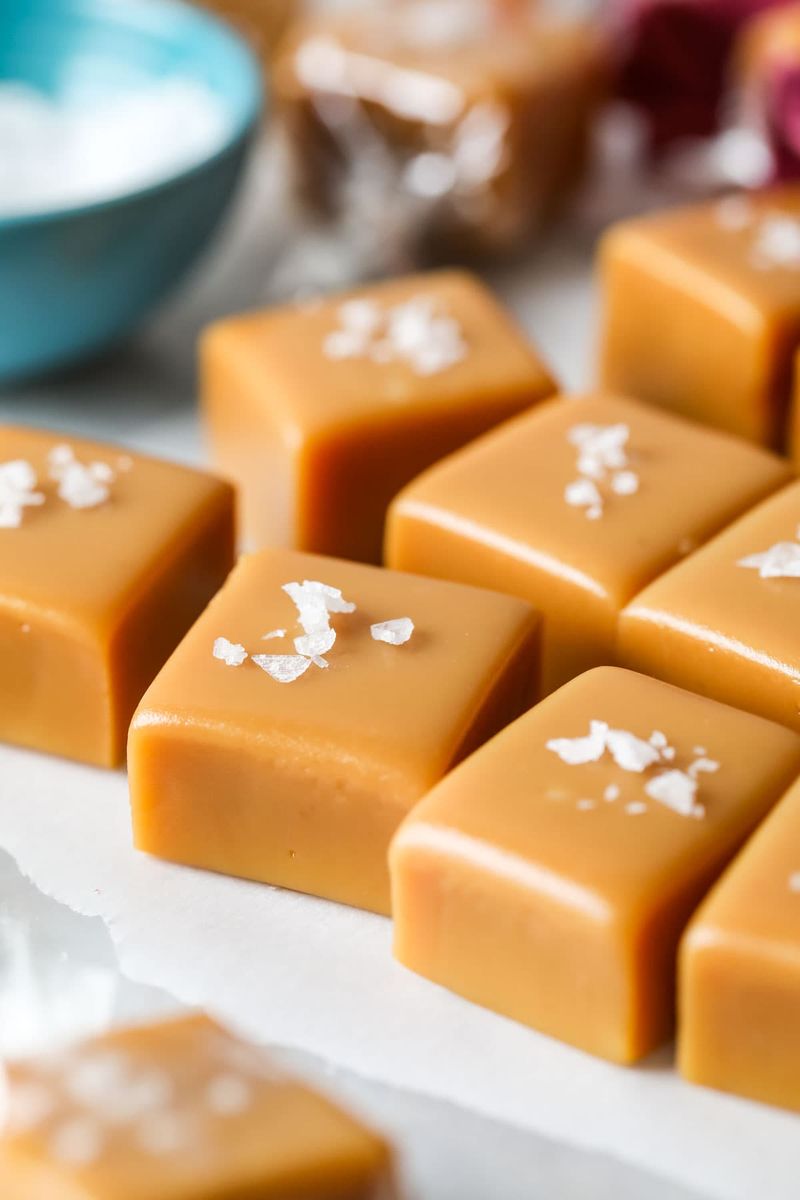
The Wisconsin State Fair cream puff is not just a dessert, it is a pilgrimage. Since making their debut at the fair in 1924, cream puffs have grown into the single most iconic food at the event.
By the 1940s, they had already reached what historians generously call “icon status,” and fairgoers have been lining up for them every August since.
The concept of the cream puff dates back further than you might expect. A chef reportedly created the choux pastry for Catherine de Medici in the 1500s, destined for King Henry II’s table.
Centuries later, it landed in Wisconsin and became a symbol of summer indulgence and dairy pride.
Each shell is light and flaky, filled to bursting with sweet, fluffy whipped cream. Hundreds of thousands are consumed during the fair’s 11-day run.
There is even a cream puff emoji, which feels entirely appropriate. If you have never eaten one while wandering the fairgrounds on a warm August afternoon, put it at the top of your list.
10. Hot Ham And Rolls

Hot ham and rolls is the kind of Sunday tradition that does not need a fancy explanation. It emerged in Milwaukee and Sheboygan in the 1930s as a post-church meal, when Polish and German churchgoers would stop at local bakeries and grocers on the way home.
Bakers started warming sliced ham and pairing it with fresh hard rolls, and the ritual stuck.
The ham is typically a cooked or boiled variety, served warm and sliced thin enough to pile generously onto a roll. Some grocers would even throw in free rolls with a pound of ham, which is the kind of community generosity that feels very Wisconsin.
Build your own sandwich with mustard, pickles, and a slice of cheese, and you have something deeply satisfying.
Hot ham and rolls shows up at family gatherings, Packers watch parties, and Sunday afternoon spreads across the state. It is humble, filling, and completely unpretentious.
No reservation required, no garnish necessary, just good bread, warm ham, and people you like sitting around the table.
11. Supper Club Relish Trays
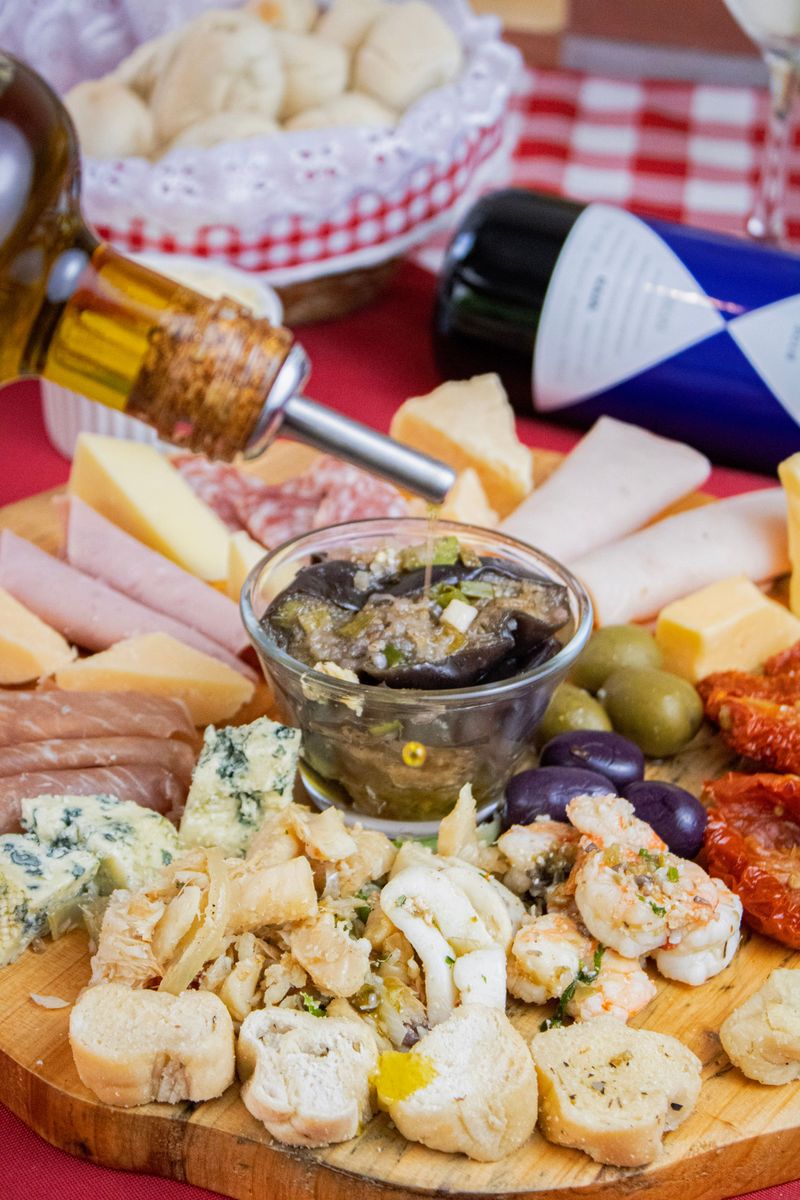
Walking into a Wisconsin supper club and being greeted by a relish tray before you even look at the menu is one of the most distinctly Wisconsin experiences imaginable.
Supper clubs began popping up in the 1930s as social outposts, often tucked along rural highways, offering full evenings of dining and community in equal measure.
The relish tray is the unofficial ambassador of the supper club. It arrives complimentary before the main meal, loaded with crisp celery, carrots, radishes, pickled beets, and often something more adventurous like pickled asparagus or herring.
Eggs and cheese spreads make appearances too. The contents shift with the season, which keeps things interesting.
It all comes presented on a compartmentalized dish, sometimes nestled in crushed ice to keep everything crisp and cool.
The relish tray is not just an appetizer, it is a signal that the evening is meant to be savored slowly. Some say a supper club without a relish tray is not really a supper club at all.
Which Wisconsin supper club relish tray memory is yours?
12. Racine Danish Kringle
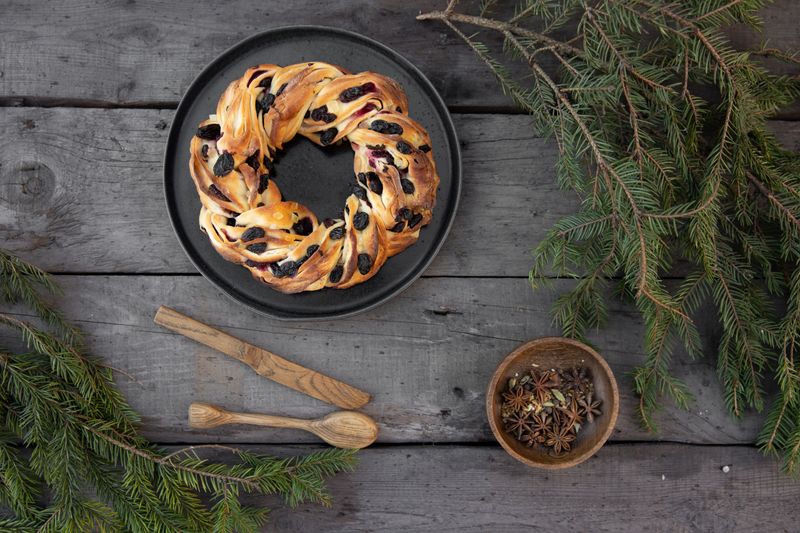
Racine’s Danish Kringle deserves its own spotlight separate from every other pastry conversation. While Kringle exists in various forms across Scandinavia, the Racine version became something entirely its own after Danish immigrant bakers settled in the city throughout the 19th century.
The techniques they carried across the Atlantic took root in Wisconsin soil and flourished.
What makes Racine Kringle distinctive is the labor-intensive process behind it.
The dough is folded and rolled dozens of times to build up thin, buttery layers that shatter beautifully when you break through them. Traditional fillings like almond paste and pecan are the most beloved, though seasonal variations keep regulars coming back to discover what is new.
Racine bakeries like O&H Danish Bakery have been shipping Kringles across the country for decades, introducing the rest of America to what Wisconsin has known for generations.
It became Wisconsin’s official state pastry in 2013, a well-deserved recognition. Every oval of Racine Kringle carries the story of a community that honored its heritage one flaky, iced layer at a time.