
10 West Virginia Towns Where A Heritage Food Tradition Still Shapes Local Life
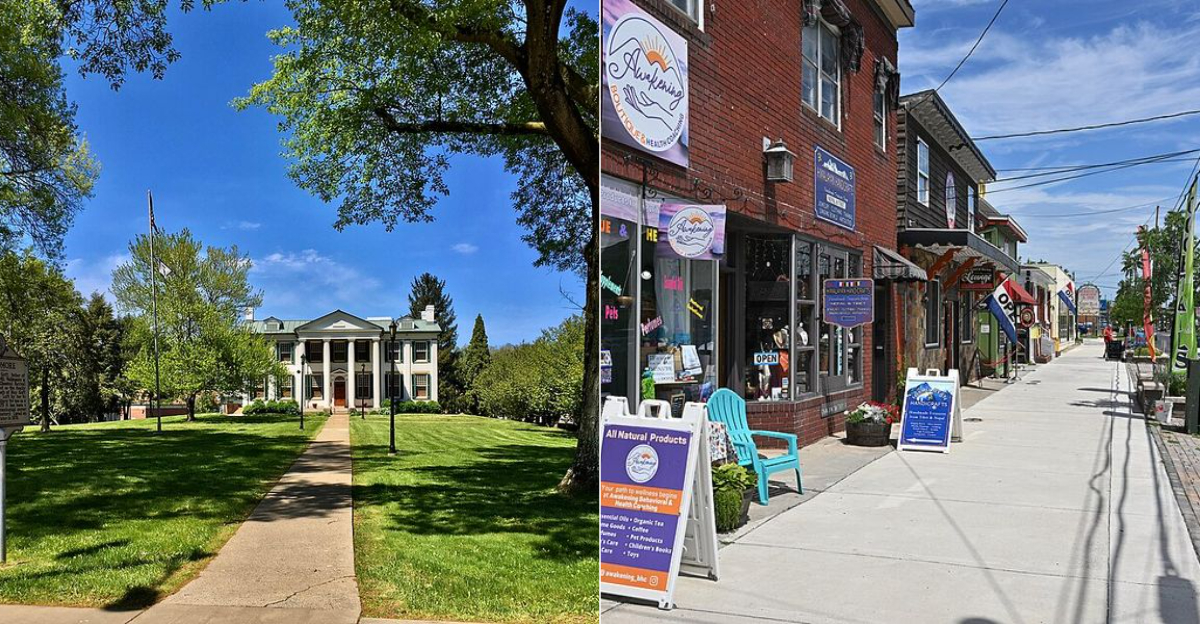
What happens when a recipe becomes bigger than dinner? In parts of West Virginia, it becomes part of the town itself.
A dish gets made the way somebody’s grandmother taught them, neighbors argue, lovingly, over whose version is best, and suddenly food is carrying stories that have been around longer than most of the buildings on Main Street.
That’s the fun part about these places.
You don’t have to visit a museum to find local history, sometimes it’s sitting on a plate, simmering in a kitchen, or being passed around at a community gathering.
From Appalachian staples to traditions shaped by families who arrived generations ago, these foods say a lot about where people came from and why they stayed.
We found West Virginia towns where heritage food is still woven into everyday life. Come hungry, because the history here tastes a whole lot better than it reads.
1. Fairmont
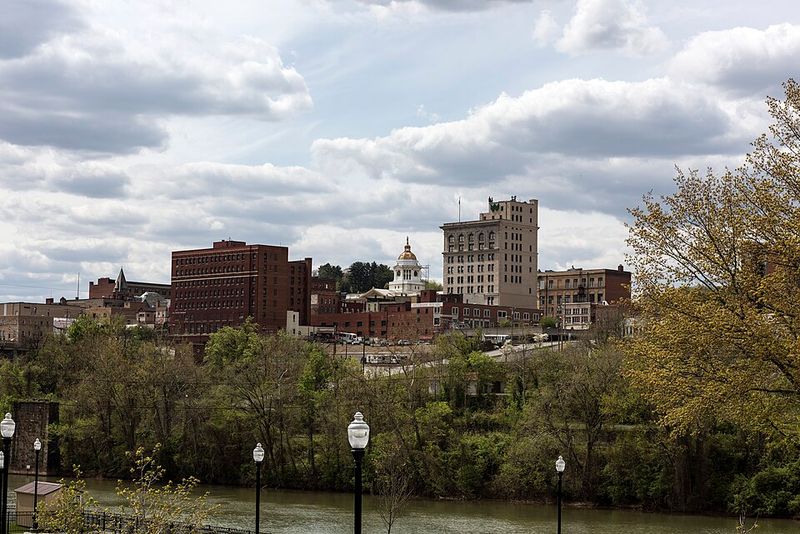
If West Virginia had an official snack food, Fairmont would be taking a very proud bow right now. This town is the birthplace of the pepperoni roll, a humble yet iconic creation that has fueled the Mountain State for nearly a century.
Born from necessity and immigrant ingenuity, it is the kind of food that tells a whole story in just one bite.
Italian immigrant miners needed something portable, hearty, and shelf-stable to take underground for long shifts. The solution was brilliantly simple: spicy pepperoni tucked into soft, pillowy white bread dough and baked until the oils from the meat soaked into every inch of the loaf.
An Italian immigrant and former miner is widely credited with commercializing this creation at his Country Club Bakery around 1927.
Today, pepperoni rolls are found in bakeries, gas stations, and school cafeterias all across West Virginia. Fairmont wears its title as the birthplace with genuine pride.
Local bakeries still hand-roll them fresh every morning, honoring the original recipe with the same care it has always deserved. No fancy ingredients, no reinvention needed.
The pepperoni roll is perfect exactly as it is, and Fairmont made sure the whole world eventually knew it.
2. Richwood
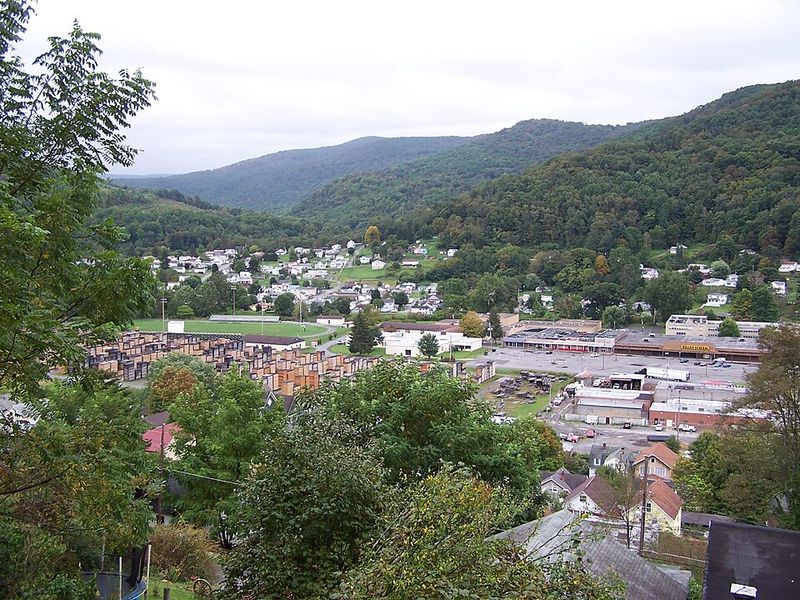
Forget truffles and saffron. In Richwood, the most prized ingredient of spring grows wild in the forest, and it smells absolutely nothing like a fancy French kitchen.
Ramps, the pungent wild leek native to Appalachian woodlands, are celebrated here with a fervor that would make any food festival jealous. Richwood calls itself the Ramp Capital of the World, and nobody is arguing.
The Feast of the Ramson has been running since 1938, making it one of the oldest food festivals in West Virginia. After long, cold winters, ramps were among the first edible plants to push through the soil, offering early settlers a fresh, flavorful lifeline.
Fried with potatoes, stirred into cornbread, or served alongside ham and beans, ramps were sustenance and celebration rolled into one wild, garlicky package.
Attending the festival feels like being welcomed into someone’s family reunion, complete with the kind of food that makes you close your eyes with every bite. Sassafras tea pairs beautifully with the bold ramp flavor, adding a herbal sweetness to the experience.
Richwood does not just honor this Appalachian tradition. It turns it into a full-blown springtime party that draws visitors from across the region every single year.
3. Kingwood
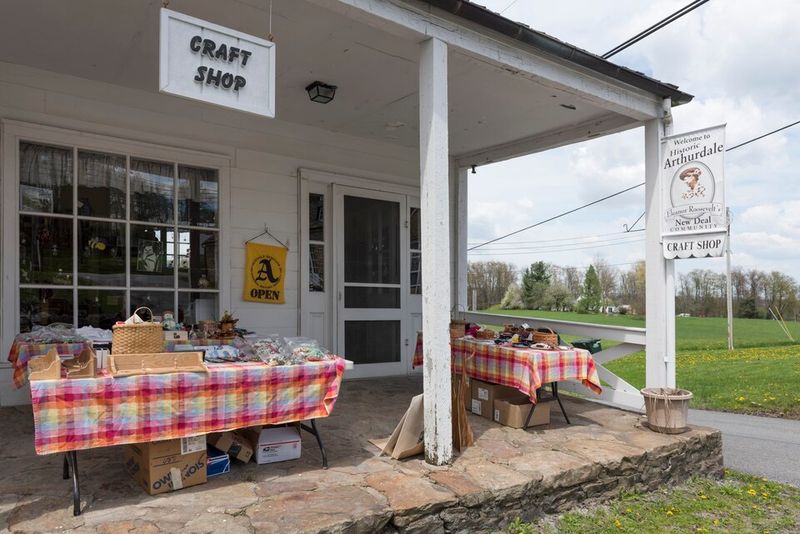
Every autumn, Kingwood transforms into a buckwheat paradise, and the whole of Preston County shows up hungry and happy.
The Preston County Buckwheat Festival has been a community tradition since 1938, and it is the kind of event that small towns build their entire identity around. Buckwheat may not get the glamour of quinoa or chia seeds, but it has been quietly feeding Appalachian families for generations.
Here is a fun fact worth knowing: buckwheat is not actually a grain at all. It is a gluten-free fruit seed with a rich, nutty flavor that makes the most incredible thin pancakes you have ever tasted.
Served with locally made maple syrup and savory sausage on the side, a buckwheat cake breakfast at this festival is the kind of meal that stays with you long after the fair is packed up.
Preston County farmers even showcased their buckwheat cake expertise at the New York World’s Fair, putting this small mountain town on a surprisingly big stage.
Kingwood does not need a flashy food scene to prove its culinary worth. One bite of those dark, wholesome cakes dripping with syrup is all the argument anyone needs.
Buckwheat season here is practically a religious experience.
4. Helvetia
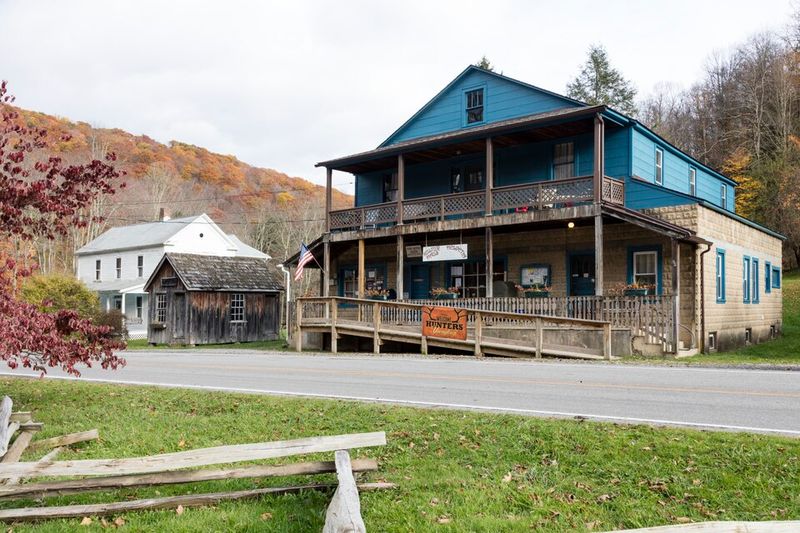
Tucked so deep into the Appalachian Mountains that it feels like a secret, Helvetia is the kind of place that makes you wonder if you accidentally stumbled into a fairy tale.
Swiss and German immigrants founded this tiny village in 1869, and somehow, against all odds, it has kept its cultural identity beautifully intact.
The food here is not just heritage. It is a full-on time capsule.
The Hutte Restaurant is the heart of the culinary scene, serving authentic Swiss-German inspired dishes that feel genuinely transported from another era.
Rosti, sauerbraten, and spiced sausages share the menu with homemade Swiss cheese and a peach cobbler so good it should probably be classified as a landmark.
The community also celebrates Fasnacht, a pre-Lenten tradition where rich, hearty foods are front and center before the fasting season begins.
What makes Helvetia so extraordinary is that this is not a performance for tourists. These are real traditions, lived and maintained by a community that genuinely values where it came from.
Walking through this village and sitting down to a meal at the Hutte feels like being trusted with someone’s most treasured family heirloom. And that peach cobbler?
Absolutely worth the winding mountain drive to get there.
5. Clarksburg
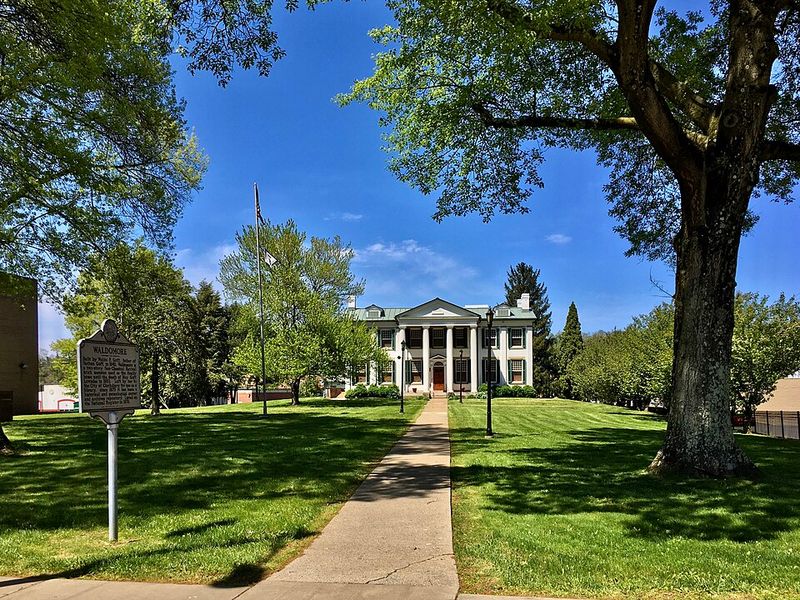
Clarksburg has a certain energy that hits you the moment you arrive, especially when the annual West Virginia Italian Heritage Festival is in full swing. Italian immigrants settled here in large numbers, bringing with them a culinary tradition so rich and layered that it has never faded.
It has only deepened with time, becoming one of the most beloved food celebrations in the entire state.
The festival is a magnificent showcase of pasta dishes, perfectly seasoned meatballs, roasted peppers, and enough garlic to keep vampires away from the entire tri-state area.
A pasta cook-off draws competitors who arrive armed with recipes that have been guarded and passed down through multiple generations. Watching someone plate their grandmother’s Sunday sauce with total confidence is genuinely one of the most beautiful things food culture has to offer.
Beyond the festival, Clarksburg carries its Italian heritage in everyday life, from family-run restaurants to community gatherings built around shared plates.
The food here is not a novelty. It is a living tradition that continues to shape how the community connects, celebrates, and remembers where it came from.
Clarksburg proves that heritage food is not just about the past. It is about keeping the table set and the sauce simmering for generations to come.
6. Weirton
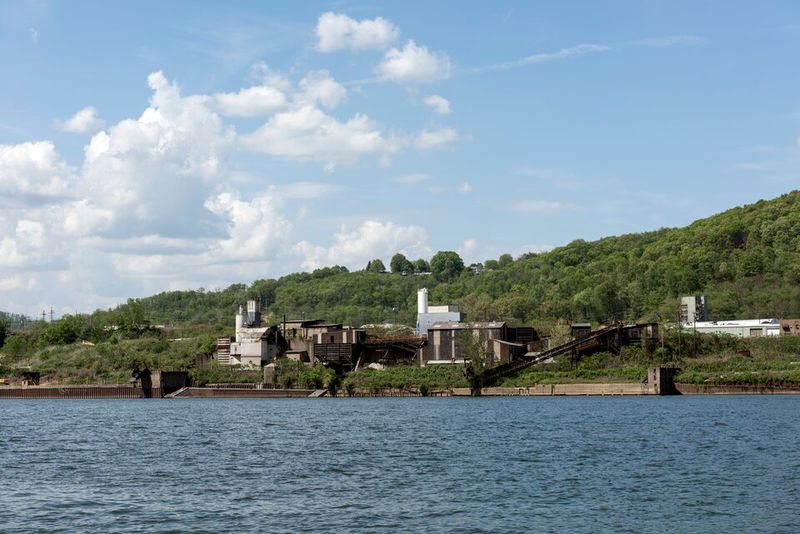
Some food traditions start as necessity and evolve into something so beloved that the community cannot imagine life without them.
In Weirton, the Serbian Eastern Orthodox Church Men’s Club began roasting chickens over wood fires in 1969, originally as a way to feed the area’s hardworking steelworkers. More than five decades later, the weekly Chicken Blast is practically a local institution.
Hundreds of chickens are slow-roasted on wooden spits, naturally basted as the fat from the upper birds drips down onto those below.
The result is a deeply savory, smoky, fall-off-the-bone masterpiece that sells out within hours every single week. There is something almost meditative about watching those birds rotate over an open fire, the aroma drifting through the neighborhood like a warm invitation.
Weirton’s Serbian culinary identity extends well beyond the famous chicken. Pogacha, a traditional Serbian bread, shares the spotlight with haluski, a satisfying combination of cabbage and noodles, and cevaps, a flavorful sausage made from a blend of lamb, pork, and beef.
Sweet nut rolls and layered strudels round out a food culture that is rich, generous, and unapologetically soulful. Weirton does not just preserve its Serbian heritage.
It serves it piping hot every single week.
7. Wheeling
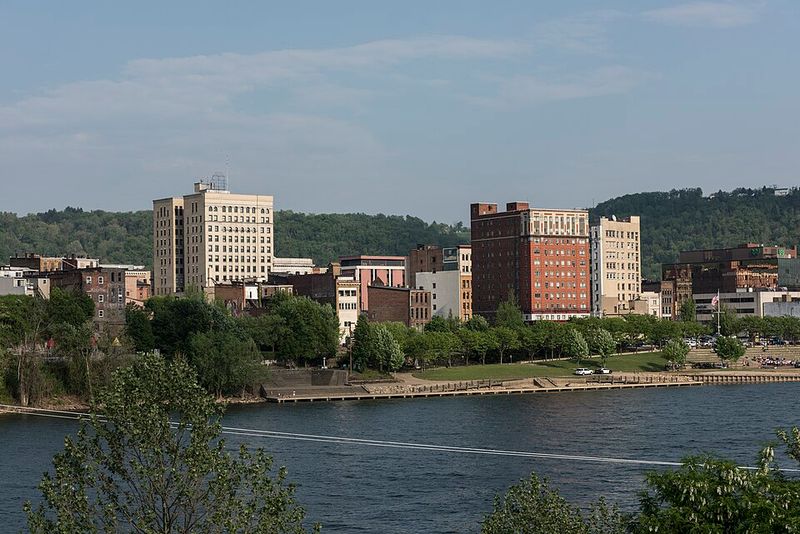
Wheeling is a city that wears its immigrant roots like a badge of honor, and nowhere is that more deliciously apparent than in its Eastern European food traditions.
Polish and Ukrainian communities settled here and brought with them recipes so comforting and precise that they have survived generations without needing a single update. The pierogi, in particular, has become a symbol of that enduring culinary devotion.
Our Lady of Perpetual Help Ukrainian Catholic Church continues the tradition of making pierogies by hand each week, filling delicate dough pockets with potato and cheese, or a tangy sauerkraut mixture, and finishing them with a generous pour of melted butter.
Making pierogies is a labor-intensive act of love, and the community leans into that process with remarkable consistency and pride.
Cabbage rolls stuffed with seasoned meat and simmered in tomato sauce are another cornerstone of Wheeling’s Eastern European table. German influences also peek through in traditional meat pies and flavorful sausages that reflect the city’s layered immigrant history.
Every bite in Wheeling feels like a conversation between cultures, a delicious dialogue that has been ongoing for well over a century. This city proves that the most meaningful recipes are the ones built from community, memory, and an extraordinary amount of butter.
8. Berkeley Springs
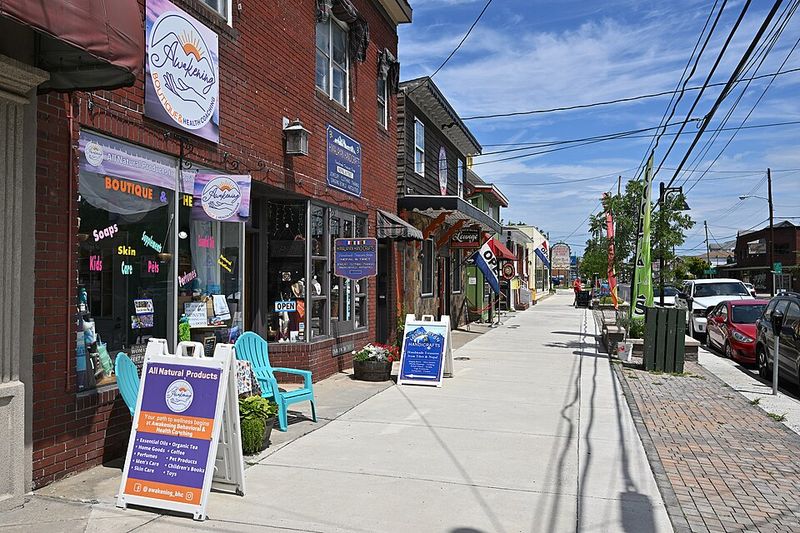
When fall arrives in Berkeley Springs, the whole town smells like something your grandmother would have simmering on the stove all day Sunday.
The annual Apple Butter Festival has been a community tradition since 1974, and it transforms this already charming town into a full sensory experience that is nearly impossible to resist. Apples, open fire, copper kettles, and pure Appalachian tradition come together in the most spectacular way.
The centerpiece of the festival is the traditional open-kettle apple butter making, held right in the town square.
Bushels of local apples are slow-simmered over crackling wood fires in giant copper kettles, stirred constantly with long-handled wooden paddles to prevent burning.
Passers-by are often invited to take a turn at the stirring, making it one of those rare food experiences where the community literally participates in the making.
The finished apple butter is dark, spiced with cinnamon and cloves, and spreadable in the most satisfying way imaginable.
Jars of it become treasured souvenirs, carried home by visitors who know they have tasted something genuinely irreplaceable. Berkeley Springs understands that food is not just sustenance.
It is a reason to gather, to slow down, and to stir something together that is bigger than any one person. That is a tradition worth traveling for.
9. Pickens
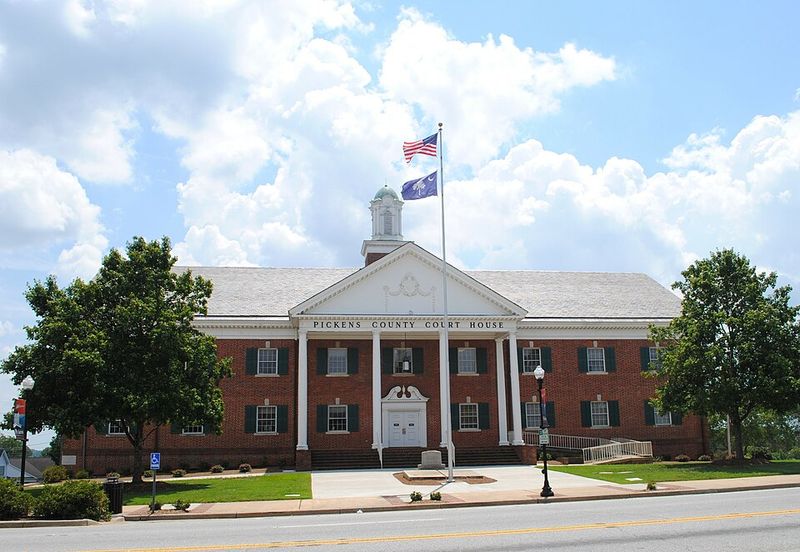
Pickens is the kind of tiny mountain town that quietly does everything right. Every late winter, when freezing nights give way to warmer days, the maple sap begins to flow and Pickens springs into action.
The annual Maple Syrup Festival, held on the third full weekend in March, celebrates this ancient and deeply satisfying craft with all-you-can-eat pancakes and buckwheat cakes drenched in golden, locally made syrup.
Visitors can tour Richter’s Maplehouse to witness firsthand the fascinating process of transforming tree sap into that amber liquid gold.
The tradition of maple sugaring dates back to Native Americans and early Appalachian settlers, who relied on maple syrup as their primary sweetener long before refined sugar was widely available.
Watching the process unfold in a working sugarhouse connects you to something genuinely ancient and meaningful.
Pickens also hosts an annual Ramp Supper each spring, featuring those beloved pungent wild leeks served with ham, home fries, and golden cornbread.
Two heritage food traditions in one small town is not something you come across every day, and Pickens handles both with quiet, unpretentious confidence.
This town reminds you that the best things in life are often the simplest: fresh syrup, a warm stack of pancakes, and a mountain morning that smells like the sweetest version of everything.
10. Spencer
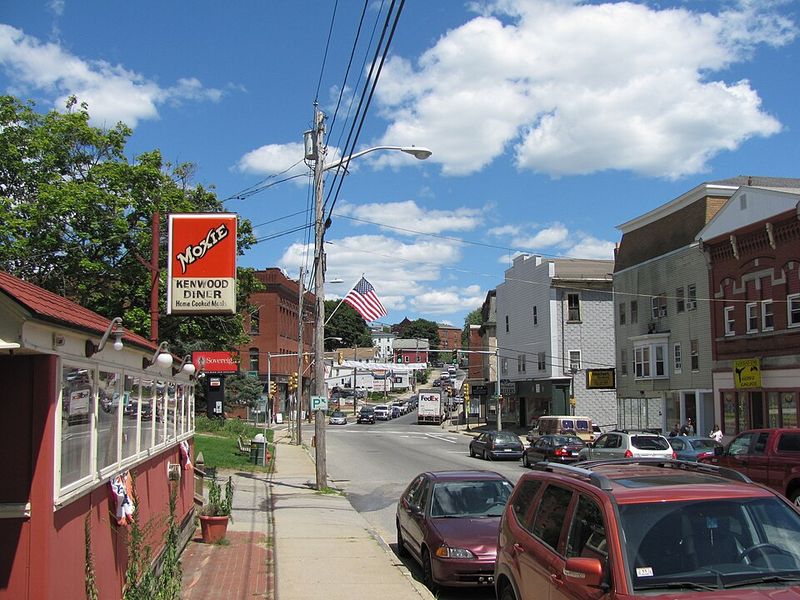
Spencer has been going absolutely nuts, in the best possible way, since 1954. The West Virginia Black Walnut Festival is one of the oldest and most beloved harvest celebrations in the state, a five-day extravaganza that transforms this small mountain town into a full-on autumn party.
What started as a practical way for farmers to sell their walnuts to a nut company has grown into something far more meaningful and joyful.
Black walnuts are distinctly Appalachian, with a bold, earthy flavor that is entirely different from the milder English walnut most people know.
At the festival, that unique flavor shows up everywhere. Rich black walnut cakes compete in baking contests, black walnut pancakes stack up at breakfast stands, and black walnut syrup gets poured over everything with gleeful abandon.
Craftspeople, live music, and parades round out an event that celebrates far more than just a nut.
Spencer understands something fundamental about food heritage: the ingredient itself is almost secondary to what it represents.
The black walnut is a symbol of Appalachian resourcefulness, of communities that knew how to find abundance in the forest and turn it into something worth celebrating year after year.