
This Dreamy Florida Island Has Bahamas-Blue Beaches And No High-Rises In Sight
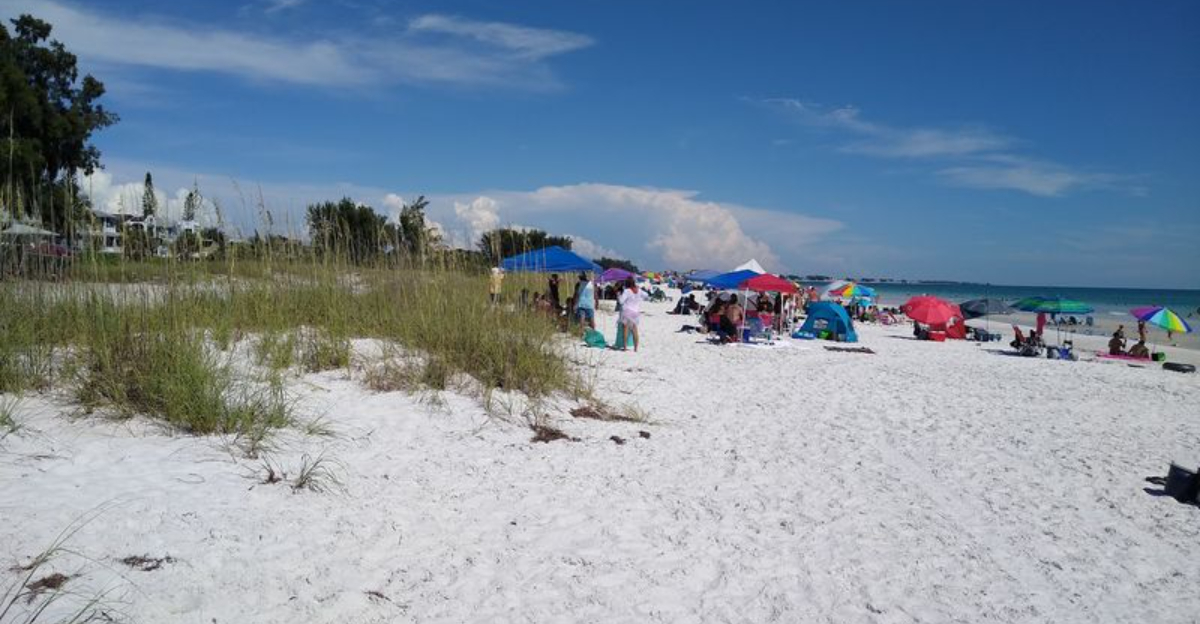
What if the Bahamas were hiding just off the coast of Florida, with no passport and no towering hotels required?
Beyond Bradenton, a seven-mile island stretches between turquoise water and powdery sand. Colorful cottages line quiet streets, bicycles roll past palms, and sunsets arrive with enough drama to stop conversations halfway through a sentence.
Where are the high-rises, packed elevators, and rows of matching resorts?
They are not here, and that is precisely the point.
Strict building rules have helped this corner of Florida hold onto the relaxed character many beach towns traded for bigger skylines. Days move between swimming, shell hunting, seafood lunches, and wondering whether shoes are still necessary.
The island feels polished by nature rather than developers, creating a getaway that looks tropical without trying too hard.
Pack sunscreen, leave the tight schedule at home, and follow the Gulf breeze. This dreamy Florida escape proves paradise feels even better when nothing blocks the view.
The Water Really Does Look Like The Bahamas
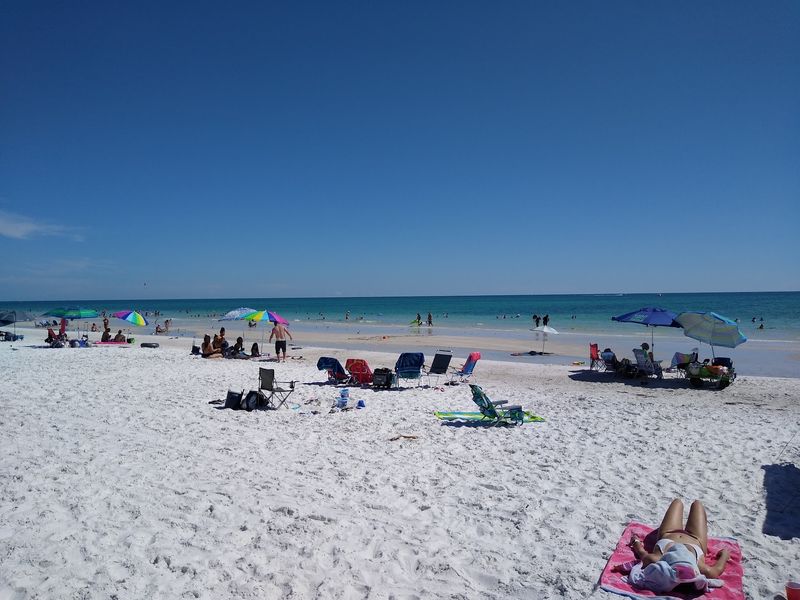
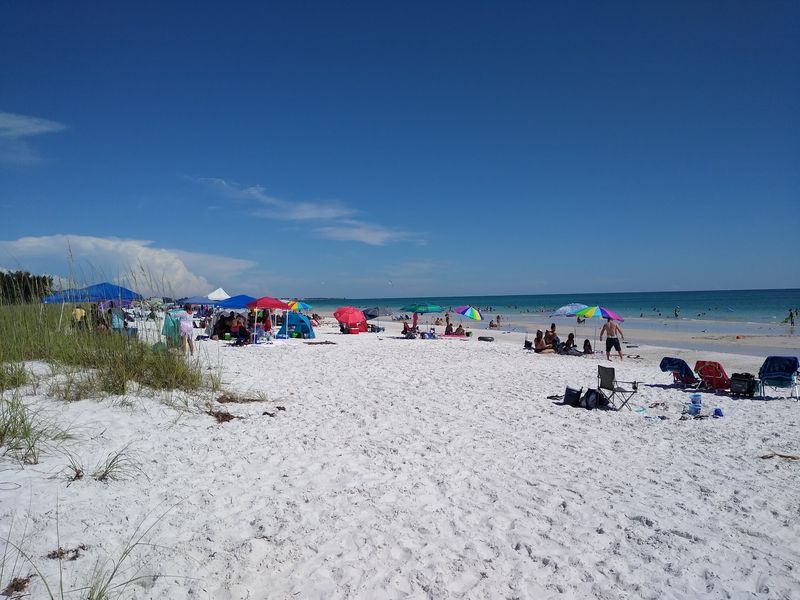
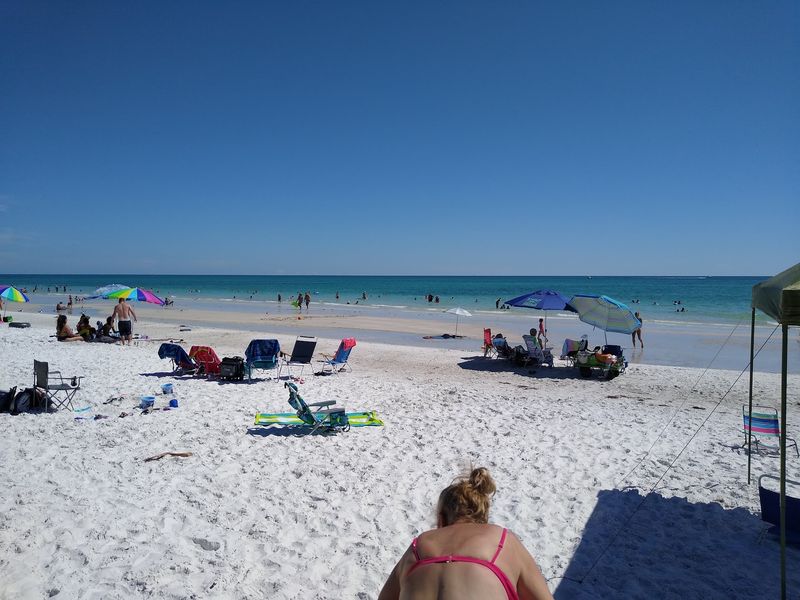
People say the Gulf of Mexico looks like the Caribbean around Anna Maria Island, and honestly, they are not exaggerating. The shallow, calm water takes on a distinctive blue-green color that can make you do a double take the first time you see it.
Soft white sand reflects the sunlight and makes those tropical colors appear even brighter. When the wind stays gentle and the waves remain small, the water can become clear enough to see your feet while standing waist-deep.
The colors shift throughout the day. Early mornings bring soft shades of turquoise, while the midday sun makes the Gulf appear almost electric blue.
From the shore, sandbars create lighter streaks in the water that resemble scenes from the Bahamas. Boats sometimes appear to be floating above the bottom because the water around them is so clear.
It is genuinely breathtaking and even more impressive in person than it appears in photographs.
No High-Rises, Ever – That Is the Law
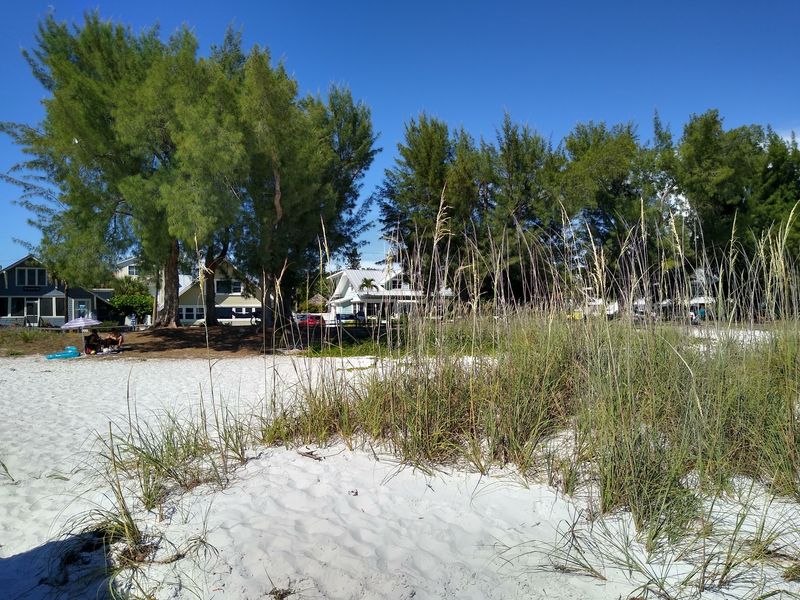
Anna Maria Island communities enforce building-height restrictions intended to protect the island’s low-rise character. In the City of Anna Maria, structures are generally limited to 37 feet above the crown of the road, helping preserve open views and a small-town atmosphere.
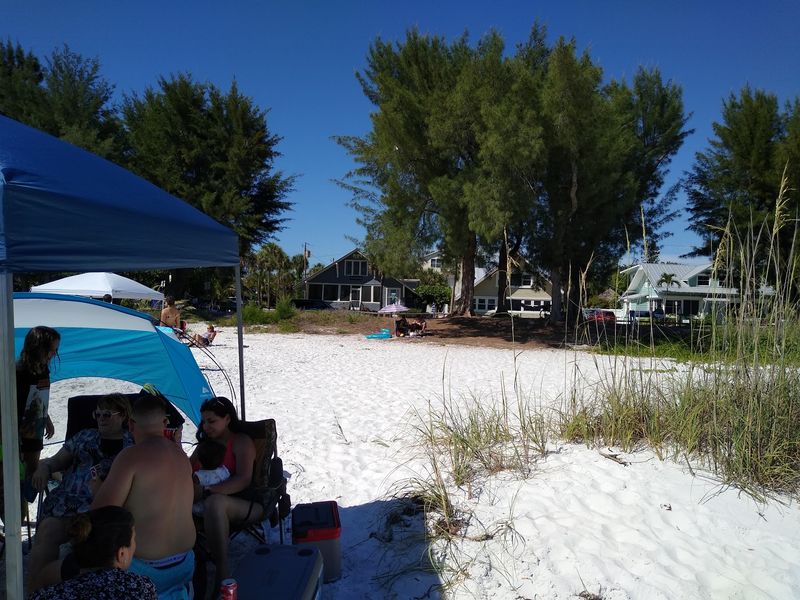
Walk around the island and you will not find walls of towering condominiums dominating the shoreline. Colorful cottages, compact inns, and private homes remain part of the landscape instead.
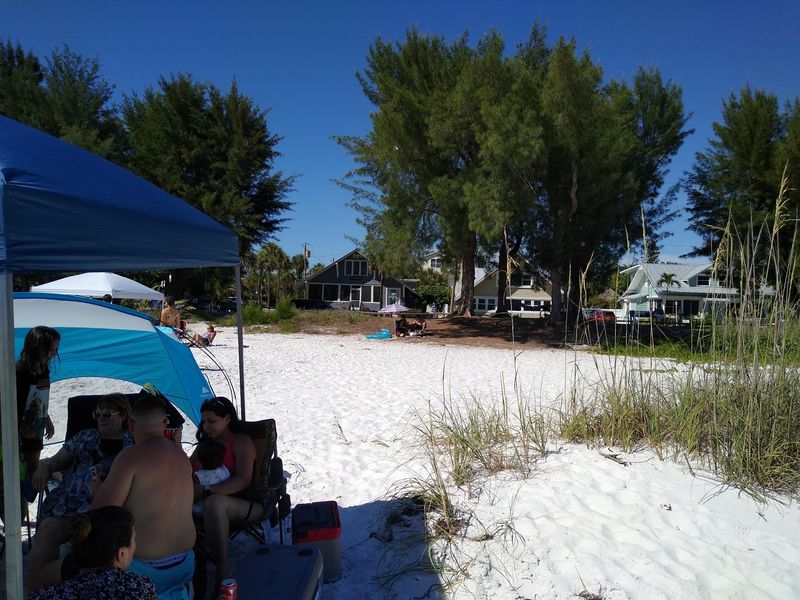
The difference becomes especially noticeable when you stand on the beach and look inland. Palm trees, rooftops, and open sky fill the view rather than rows of concrete towers.
This commitment to maintaining a low skyline separates Anna Maria from many other Florida beach destinations. It allows more sunlight to reach the streets and helps neighborhoods retain a residential feeling.
Visitors often say the island resembles Old Florida, before large-scale development transformed much of the state’s coastline. Protecting that character requires effort, but the result is visible almost everywhere you look.
Seven Miles Of Pure, Crowd-Free Shoreline
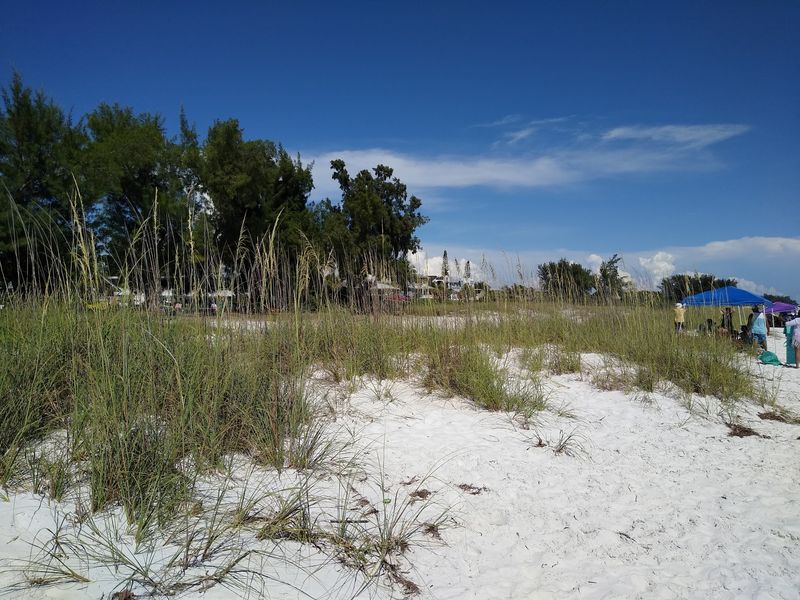
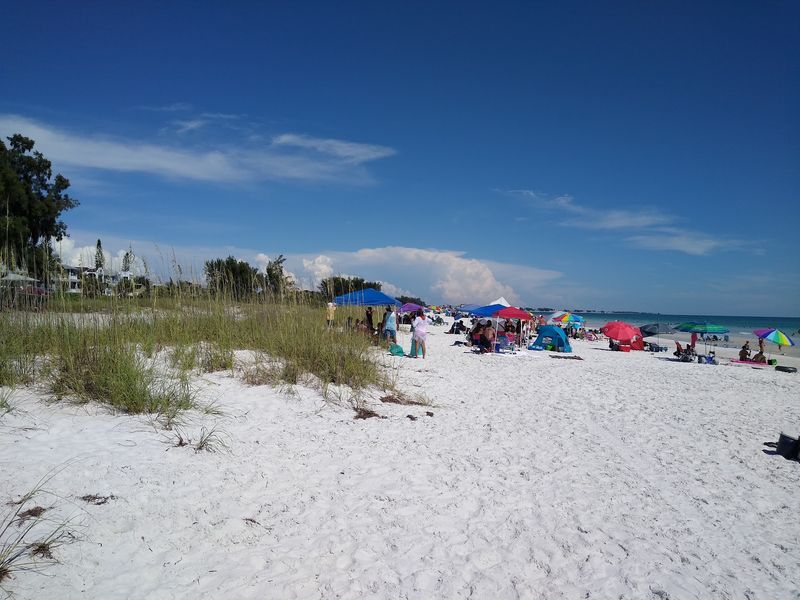
Stretching for roughly seven miles from north to south, Anna Maria Island offers a surprising variety of beaches for such a compact destination. Public access points are scattered along the coastline, allowing visitors to experience different sections without relying only on the largest beach parks.
Bean Point at the northern tip is a favorite for peaceful walks and views across the channel. Dolphins may appear offshore, while currents meeting near the point create an especially dramatic stretch of water.
Farther south, Manatee Public Beach offers facilities, food, and easier access for families. Coquina Beach provides shaded areas, picnic tables, and a long shoreline where visitors can spread out.
Some sections feel lively, while others are quiet enough to hear little beyond the waves and shorebirds. Exploring more than one beach reveals how much the atmosphere changes across the island.
Although popular areas can become busy during peak season, the absence of enormous beachfront resorts helps the shoreline feel more relaxed than many major Florida destinations.
Anna Maria City Pier – A Historic Landmark Worth The Walk

Originally established in 1911, the Anna Maria City Pier has served as a gathering place for locals and visitors for more than a century. Its position on the bay side of the island provides expansive views of Tampa Bay and the Sunshine Skyway Bridge in the distance.
Pelicans often rest nearby like feathered regulars at a neighborhood gathering place. Anglers traditionally come to cast their lines and watch boats move through the surrounding water.
The pier has endured storms, rebuilding projects, and changing generations of visitors. That history gives it an importance that extends beyond its beautiful setting.
Even a short walk near the pier area provides a different perspective from the island’s Gulf-facing beaches. The water is calmer, the horizon feels wider, and the activity of working boats adds local character.
Because storms and restoration work can affect access, check the City of Anna Maria’s current updates before visiting. Whether fully accessible or viewed from the waterfront, the pier remains one of the island’s most recognizable landmarks.
The Island Runs On Golf Carts And Bicycles
Forget spending the entire day circling for parking. On Anna Maria Island, bicycles and street-legal golf carts are popular ways to get around, and that tells you almost everything about the pace of life here.
Rental businesses operate across the island, and many beaches, restaurants, and shops are within a relatively short ride. Traveling slowly also allows you to notice colorful cottages and little side streets that are easy to miss from a car.
The island is compact enough to explore a large portion of it in a single afternoon. Families enjoy the novelty of riding together in a golf cart, while cyclists appreciate the flat terrain.
Visitors should still follow traffic laws, use designated routes, and remain alert around busy intersections. The island becomes congested during peak periods, so patience is essential regardless of the vehicle you choose.
A free island trolley offers another convenient option for moving between major stops. Traffic may not disappear completely, but breezy rides past flowering hedges and painted fences make getting around feel like part of the vacation.
Pine Avenue – The Sweetest Little Main Street In Florida
Pine Avenue in the City of Anna Maria is one of those streets that immediately makes you want to slow down and stay awhile. It is lined with local boutiques, galleries, ice cream shops, and inviting restaurants inside small, colorful buildings that look as though they belong in a storybook.
The street stretches between the Gulf side and the historic pier area, making it easy to combine shopping with waterfront exploration. Walking rather than driving allows you to notice murals, gardens, signs, and charming architectural details.
There is a strong sense of community here that can be difficult to find in heavily developed tourist towns. Locals actually shop and dine along Pine Avenue, giving it more character than a street created solely for visitors.
Street art appears on walls and fences, while bicycles and golf carts move steadily past. Weekends bring cheerful energy without completely overwhelming the small-town setting.
Stop for ice cream, browse a gallery, and leave room in your schedule for an unplanned discovery. Pine Avenue rewards visitors who wander without rushing toward a specific destination.
Wildlife So Close You Could Almost Touch It

Anna Maria Island is more than a beach town. It is also part of a thriving coastal ecosystem where wildlife regularly appears close to shore.
Bottlenose dolphins cruise through surrounding waters often enough that patient beachgoers have a good chance of spotting a fin. Manatees may drift through calmer bays and canals, moving with the slow, peaceful grace that makes every sighting special.
Roseate spoonbills, ospreys, pelicans, and great blue herons are among the many birds seen around the island. Look toward posts, rooftops, mangroves, and shallow water, and you may notice wildlife almost everywhere.
Sea turtle nesting season generally runs from May through October. Local volunteers monitor nests, while residents and visitors are encouraged to reduce artificial light and avoid disturbing marked areas.
Admire every animal from a respectful distance and never attempt to touch or feed it. The wildlife may appear close, but protecting that boundary is what allows these encounters to continue.
The Laid-Back Restaurant Scene That Punches Way Above Its Weight
For such a small island, Anna Maria has a food scene that genuinely surprises first-time visitors. Fresh grouper, stone crab claws, and Gulf shrimp appear on menus alongside creative dishes prepared by independently operated restaurants.
The Sandbar Restaurant is among the best-known choices, sitting directly beside the beach with tables only steps from the sand. Other local establishments range from casual seafood counters to intimate dinner spots and cheerful breakfast cafés.
The dress code is usually as relaxed as the island itself. Sandy shoes, sun-faded shirts, and windblown hair rarely look out of place at casual waterfront restaurants.
Dining outside adds another layer to the experience. A simple plate of fish tacos can feel exceptional when accompanied by salt air, sea birds, and a Gulf sunset.
Popular restaurants become crowded during high season, so make reservations when possible or arrive outside peak dining hours. The best meals here often combine excellent seafood with a setting that makes nobody want to leave.
Sunsets Here Are Genuinely In A Different League
Sunsets along Florida’s Gulf Coast are already famous, but Anna Maria Island possesses a particular advantage. Its low-rise skyline allows the evening light to spread across the beach without rows of tall buildings interrupting the view.
Standing on the sand during golden hour feels cinematic. The sky may shift from pale gold to fiery orange before fading into pink, lavender, and deep blue.
Coquina Beach, Bean Point, and nearly any west-facing stretch of shoreline can provide a beautiful view. Locals bring beach chairs, while families remain in the water until the final light disappears.
Boats become dark silhouettes against the horizon, and the Gulf reflects every color overhead. Even people who have watched hundreds of sunsets often pause when the sky begins changing here.
Some evenings end with strangers applauding as the sun slips below the water. It is a simple shared moment, but Anna Maria Island somehow makes it feel like a nightly celebration.
Getting There And Making The Most Of Your Visit
Anna Maria Island sits west of Bradenton and is connected to the mainland through bridges serving different sections of the island. Sarasota-Bradenton International Airport is the closest major airport, while Tampa International Airport provides a larger selection of flights.
Peak season generally runs from winter through early spring, when cooler temperatures and Florida sunshine attract seasonal residents and vacationers. These months offer beautiful weather but also bring higher accommodation prices, heavier traffic, and crowded restaurants.
Late spring and fall can provide warm weather with fewer visitors, although travelers should monitor hurricane forecasts during the Atlantic storm season. Summer is hot and humid, but afternoon thunderstorms may bring brief relief.
Parking at major public beaches is free but can fill early on weekends and holidays. Arriving before 9 a.m. can save considerable frustration and give you time to enjoy a quieter shoreline.
Once parked, consider using the free trolley, renting a bicycle, or exploring on foot. Plan enough time to slow down because Anna Maria Island is not a destination that rewards rushing.