
This Pennsylvania State Park Gets Zero Crowds And All The Beauty
Silence can be part of the scenery, especially when a state park never seems to attract the rush you expect. In Pennsylvania, this quiet escape offers the kind of day that feels almost borrowed.
You can follow the trail at your own pace, stop when something catches your eye, and enjoy the rare pleasure of not hearing another group right behind you.
The beauty is still there, but the usual crowd noise is not.
That changes the whole mood. Instead of planning around busy overlooks or packed parking areas, you get more room to notice the place itself.
I remember visiting a nearly empty park once and realizing halfway through the walk that I had not checked the time in ages.
There was no pressure to keep moving and no reason to hurry back. By the time I reached the car, I had barely spoken above a whisper.
That kind of Pennsylvania outing does not need much else to feel special.
A Tiny Park Swallowed By An Enormous Forest
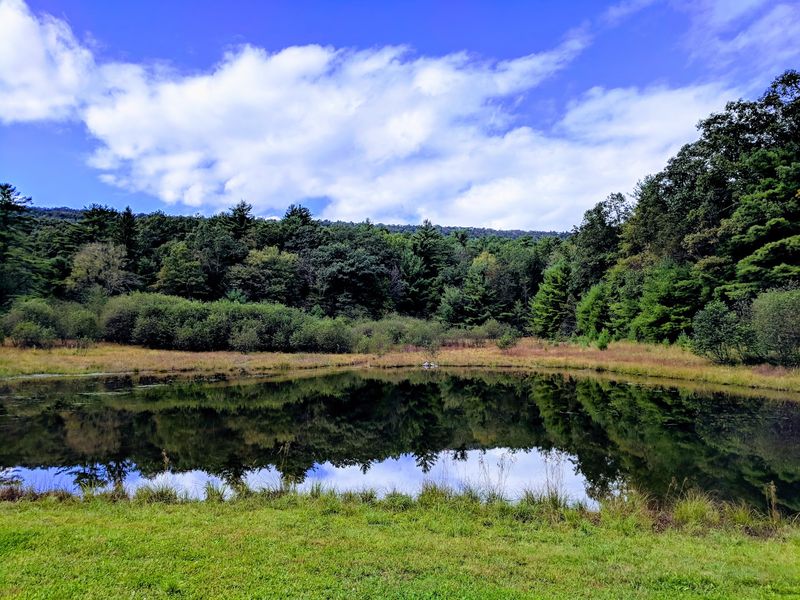
Only forty one acres make up this park, which sounds small until you realize what surrounds it.
Rothrock State Forest wraps around every side with roughly eighty thousand acres of ridge and hollow.
Penn-Roosevelt State Park sits in Centre County, Pennsylvania, in the isolated Seven Mountains region known as the Stone Creek Kettle.
Its street address is Penn-Roosevelt Park Road, Huntingdon, PA 16652, despite the park itself being in Centre County.
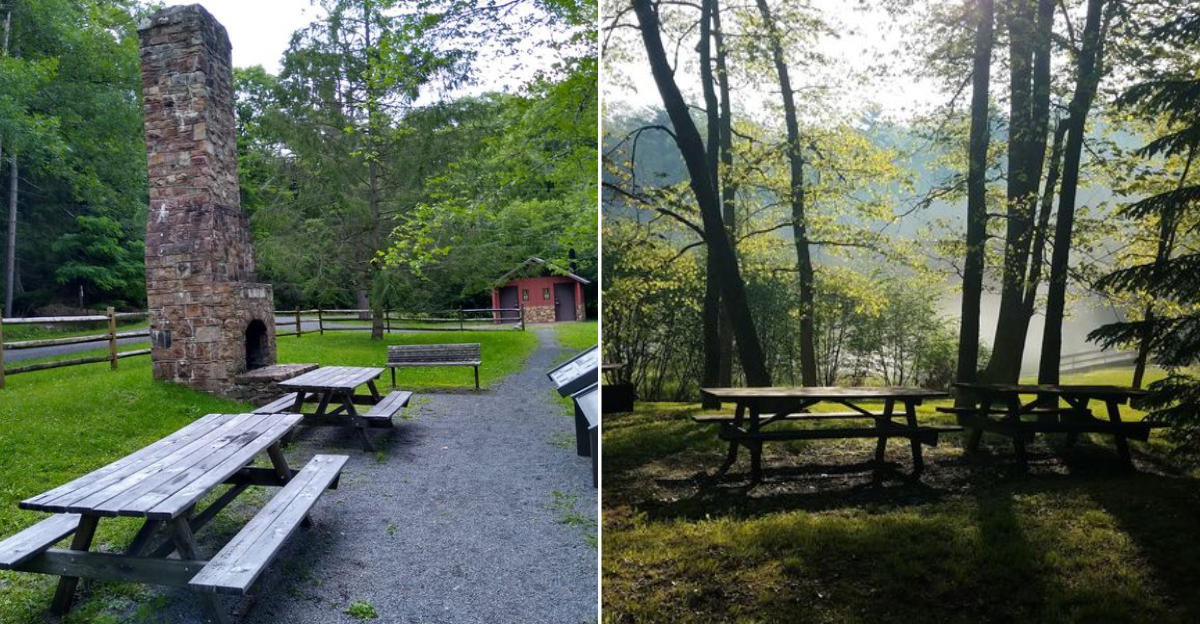
I like thinking of the place as a doorway rather than a destination. The developed area gives you parking, picnic tables, non-flush restrooms, and access to drinking water, and then the forest takes over completely.
Trails leave the clearing and connect with miles of Rothrock State Forest routes. The Mid State Trail itself bisects the park before continuing deep into central Pennsylvania.
Plan your visit knowing the developed park is tiny, while the surrounding public forest is large enough to keep hikers, cyclists, and campers exploring for days.
Built By The Civilian Conservation Corps In The 1930s
Long before campers arrived, young men with shovels and canvas tents lived on this ground.
A Civilian Conservation Corps camp operated here during the Great Depression, and its workers built the dam, roads, trails, and recreational facilities visitors still recognize.
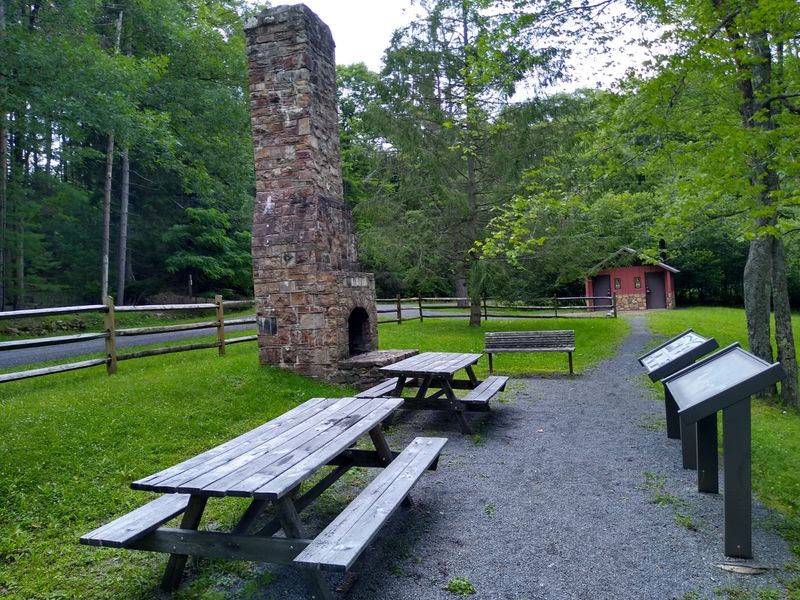
A stone fireplace near the day use area now serves as a CCC monument. I stood reading it for a while, trying to picture a busy work camp filling a valley that feels quiet today.
Scattered foundations and old stonework hide in the grass and brush if you slow down and look. Two fireplaces, a stone bake oven, and other camp ruins survive.
The history here is especially significant because Camp S-62 was one of only twelve Black CCC camps in Pennsylvania. Company 361-C arrived in June 1933 and helped shape the surrounding forest landscape.
Look closely along the clearing and trails, because much of the story survives in stonework left behind by workers who lived here almost a century ago.
Rustic Tent Camping With No Electric Hookups
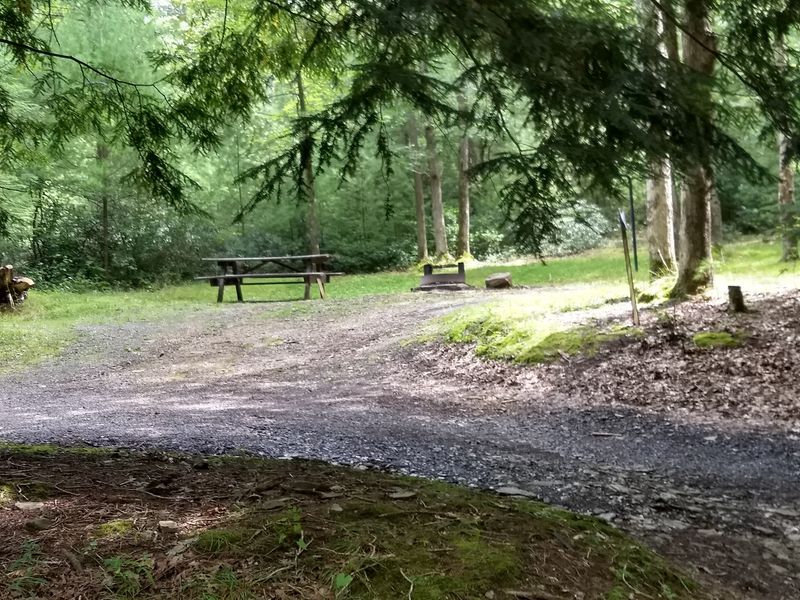
Eighteen rustic campsites fill the small campground, and every one of them is tent only.
No electric hookups, no pull through spots for big rigs, no glow of campground utility posts after dark.
Some sites are walk-ins, meaning you park and carry your gear a short distance into the trees. Those are appealing if you want another little layer of separation from the campground road.
Non-flush toilets serve the campground, and drinking water is available. A headlamp and hand sanitizer still make sensible additions when you are camping somewhere this intentionally rustic.
The campground stays open year-round, although winter road conditions can make reaching the park difficult.
Every campsite operates first come, first served. Penn-Roosevelt does not accept campsite reservations, and campers pay their fees through the park’s self-registration system.
The isolated setting is the real attraction. Once darkness settles over Rothrock State Forest, there are few artificial lights or other distractions competing with the woods around you.
The Mid State Trail Runs Right Through It
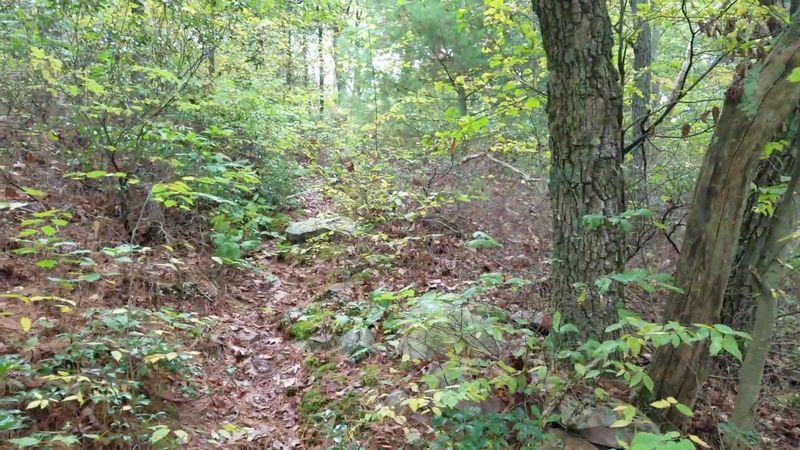
Backpackers know this valley for one reason above all others.
The 324-mile Mid State Trail passes through Penn-Roosevelt, with about half a mile of its route lying inside the park.
Orange blazes lead north and south into serious ridge country. I followed them uphill for about a mile and gained enough elevation to look back down on the whole park at once.
DCNR rates this section as more difficult hiking, and the trail continues through the Ridge and Valley region, including Thickhead Wild Area and other remote forest landscapes.
Rocks are a real feature of hiking in this part of Pennsylvania, so sturdy boots matter more than fancy gear.
Drinking water is available in the campground, but backpackers should still plan their water needs carefully before heading farther into the surrounding forest.
Whatever distance you choose, the trail turns a small park into the front door of a large backcountry playground.
Native Brook Trout In A Mountain Stream
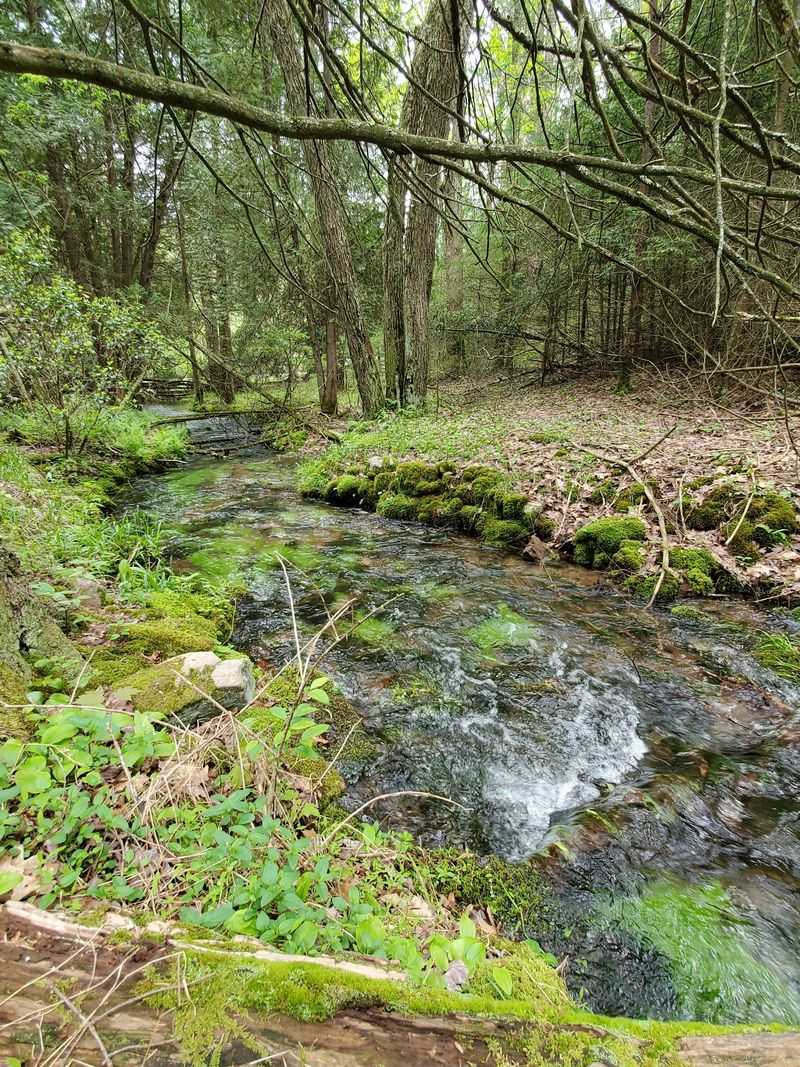
Standing Stone Creek carries something special through this valley.
Native brook trout live in these cold headwaters, small and brilliantly colored, and they are a genuine treat for anglers who prefer wild fish over stocked ones.
Do not expect trophy fishing. The pond is shallow and the stream is narrow, so light tackle and short casts are the name of the game.
I watched one flash under a log and it made my whole morning, even without a rod in hand.
Pennsylvania fishing regulations apply, so a valid license and knowledge of the current rules are required before you wet a line.
Early spring and late fall bring the best conditions, when water runs cold and clear.
Anglers chasing numbers will be happier at bigger lakes elsewhere. Those who enjoy creeping along a mossy bank hunting one perfect little fish will find exactly the kind of morning that keeps them coming back to these mountains.
Bears, Birds, And Other Neighbors
Black bears live here, and visitors have watched cubs trot across the road with a watchful mother somewhere close behind.
Seeing one is thrilling, provided you keep a respectful distance and never approach.
Store food in your vehicle or a proper container, and keep your campsite clean. Simple habits prevent almost every problem.
Deer wander through the picnic area at dusk like they own the deed. Wild turkeys, pileated woodpeckers, and barred owls all make appearances, and the dawn chorus in May is genuinely loud.
Insects deserve mention too, because the wet ground near the pond breeds mosquitoes and gnats in summer. Repellent is not optional in June and July.
Salamanders hide under damp logs, and kids love flipping rocks along the creek to find them.
Sitting still for ten minutes with a thermos taught me more about who lives in this Pennsylvania valley than any sign ever could, so give yourself permission to do absolutely nothing for a while.
The Dam And Spillway Everyone Talks About
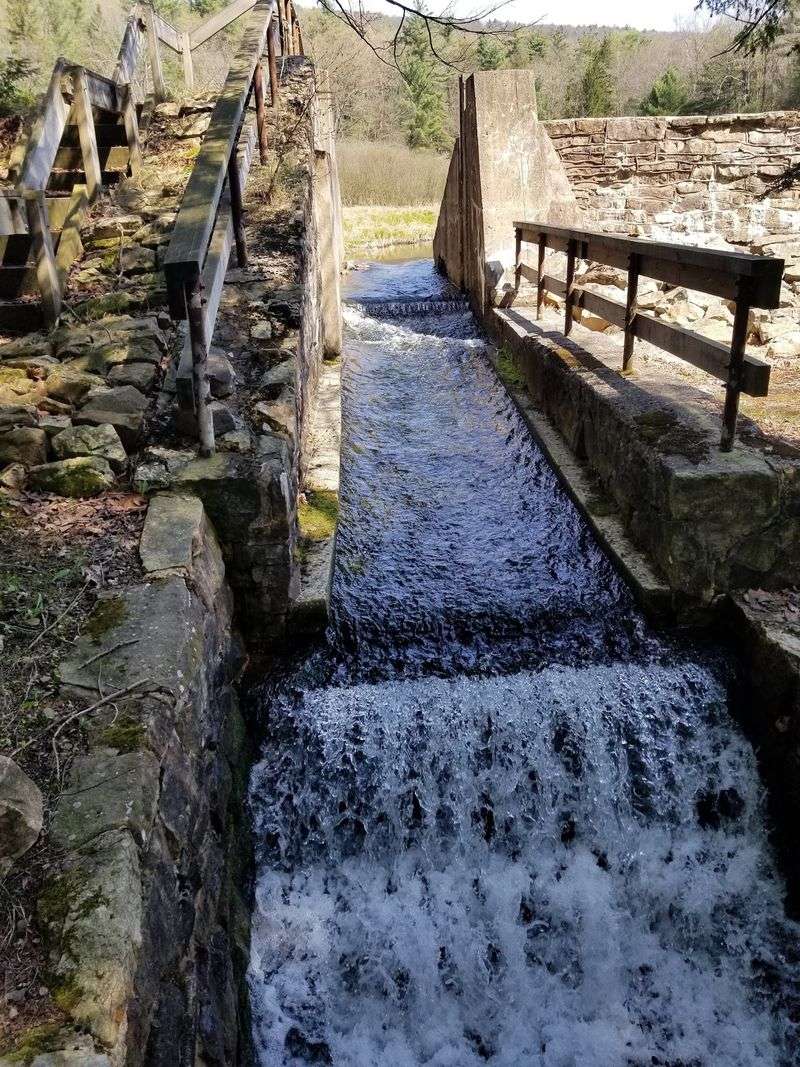
Ask anyone who has visited and the dam comes up first.
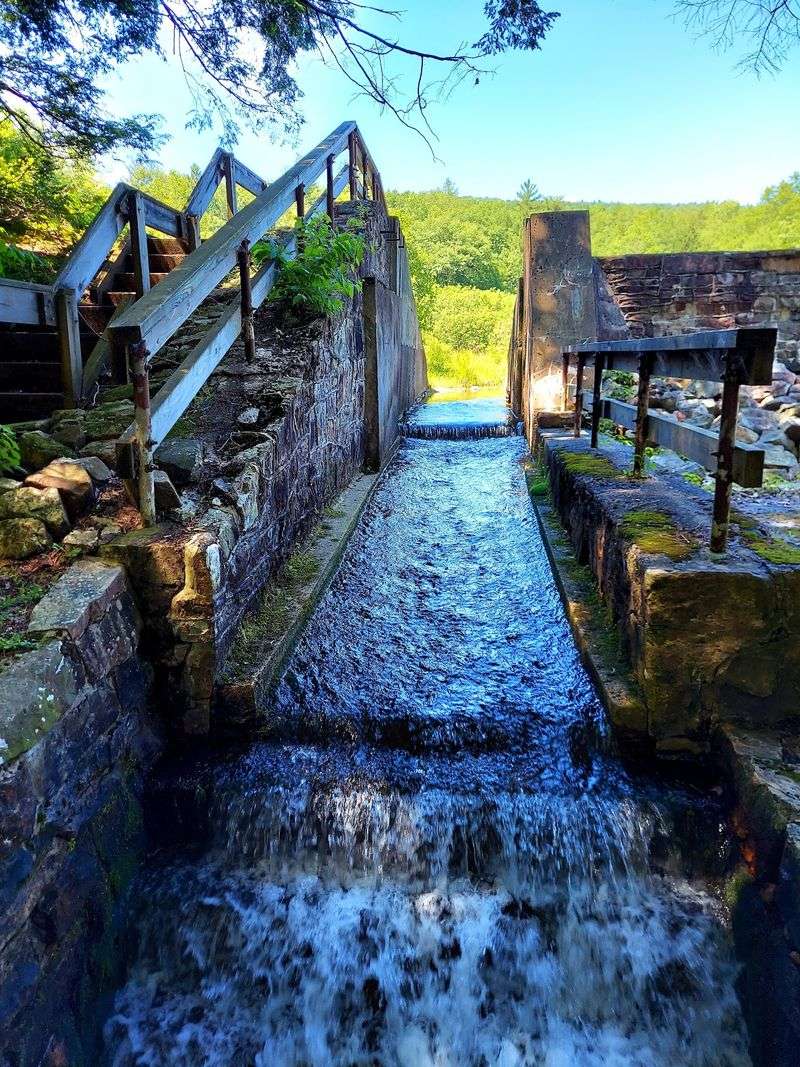
Built by Corps workers, it holds back Standing Stone Creek to form the park’s lake, and the spillway makes a satisfying rush of sound after rain.
Walking across the structure took me about a minute, but I lingered far longer.
There is something oddly enjoyable about watching water slide over old stonework with nobody else watching it with you.
The lake is about three and a half acres at the confluence of Sassafras Run and Standing Stone Creek.
It looks shallow in places, but park information does not describe a permanent drawdown caused by structural concerns.
Photographers still love it, especially in early morning when mist rises off the water. Kids enjoy watching the shoreline for frogs, insects, and small wildlife.
Come with the right expectation and the dam becomes a highlight instead of a disappointment, a surviving piece of CCC history in an exceptionally quiet setting.
Getting There Requires Gravel Roads And Patience
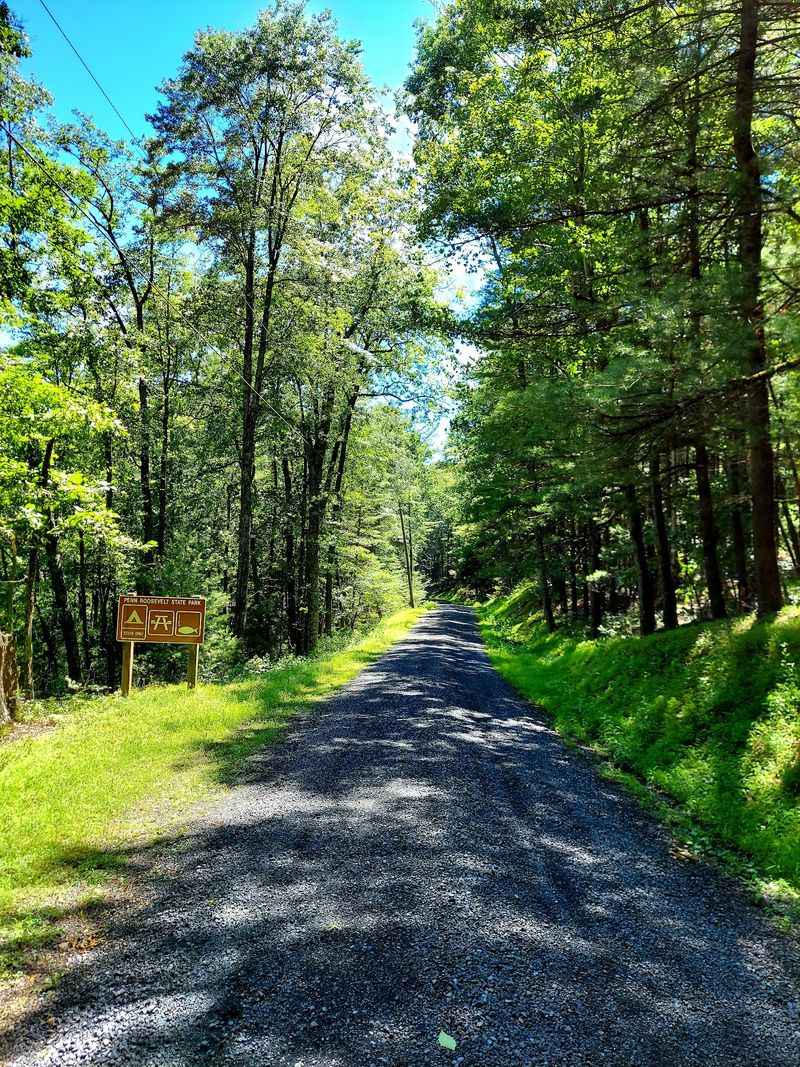
Nobody stumbles onto this place by accident.
Access comes by way of narrow forest roads, with gravel stretches and enough twists to make the final miles feel far from ordinary highway traffic.
From U.S. 322, the route turns onto Crowfield Road east of Potters Mills and follows it six miles to the park. Another route runs twelve miles from Greenwood Furnace State Park.
Cell service is unpredictable, so download maps before you leave pavement. I lost signal well before the final turn and was glad I had planned ahead.
State College sits within reasonable driving distance, making the park a useful escape for people who want deep forest without crossing the state.
The campground has drinking water, but fill your gas tank and carry supplies because services nearby are limited.
Winter requires extra caution. DCNR warns that roads to Penn-Roosevelt are not plowed, and access may not be possible when snow and ice settle in.
Biking And Horseback Riding Just Outside The Boundary
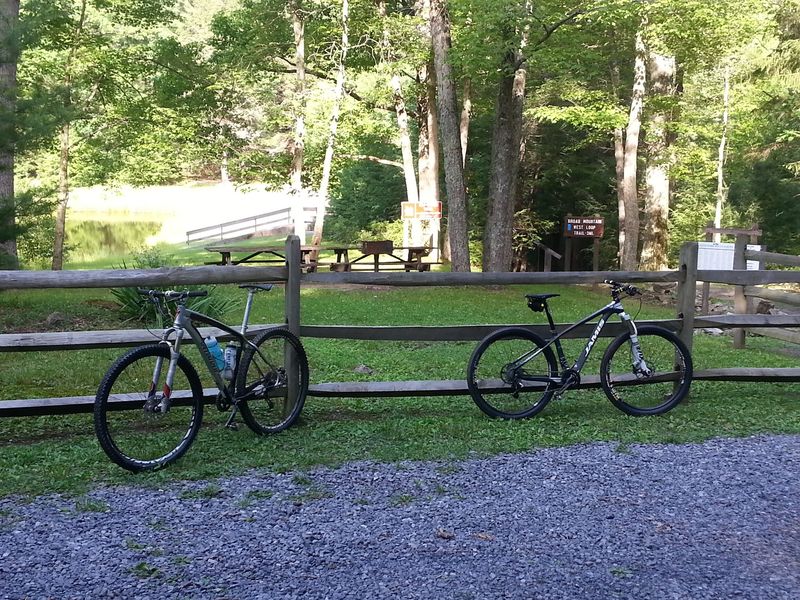
Mountain bikers have made this corner of Pennsylvania famous, and the rocky trails of Rothrock State Forest are the reason.
The park itself is small, but it works beautifully as a parking spot and staging area.
Rides around Tussey Mountain and the surrounding ridges range from gravel road cruising to technical rock gardens that demand real skill. Know your limits before dropping into something steep.
Equestrians use the forest road network too, and horses share space with hikers on many routes. A friendly hello and stepping aside goes a long way.
Trail runners love the area for the same reason, since you can string together long loops without seeing pavement.
Bring a spare tube, a basic tool kit, and more water than you think you need, because help is far away.
My legs complained for two days after one loop, and I would happily sign up for another round tomorrow.
When To Visit And What To Pack
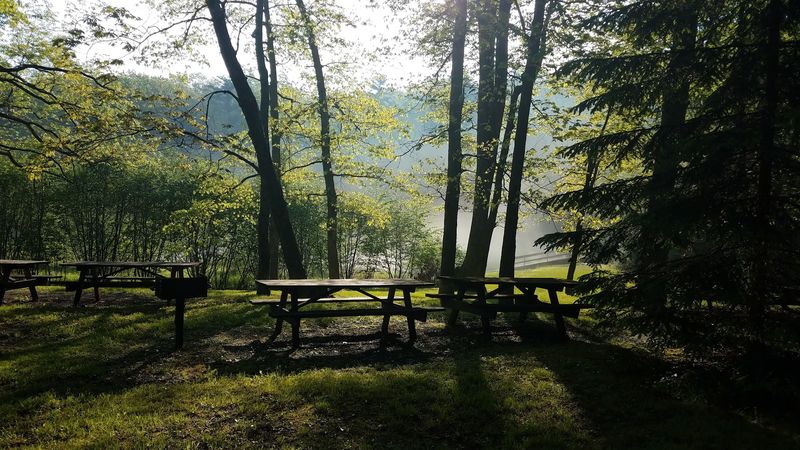
Timing changes everything here. October turns the surrounding ridges gold and red, and the cool air knocks the bugs down, making autumn the sweet spot for visitors.
Spring brings running water, wildflowers, and mud, so waterproof footwear earns its keep. Summer is green and buggy, best enjoyed with repellent and an early start.
Penn-Roosevelt State Park is open every day from sunrise to sunset, and its day use areas close at dusk.
Pack food, a first aid kit, extra layers, and a paper or map. Drinking water is available in the campground, but there are no stores or vending machines.
Leave no trace matters more in a place this lightly staffed. Penn-Roosevelt uses a carry-in, carry-out trash policy, so take every bit of garbage and recycling home.
Penn-Roosevelt State Park rewards visitors who show up prepared and unhurried, and the payoff is a Pennsylvania afternoon with little but wind, water, and trees for company.