
This Stunning Michigan State Park Is Throwing A Massive Stargazing Festival Next Month
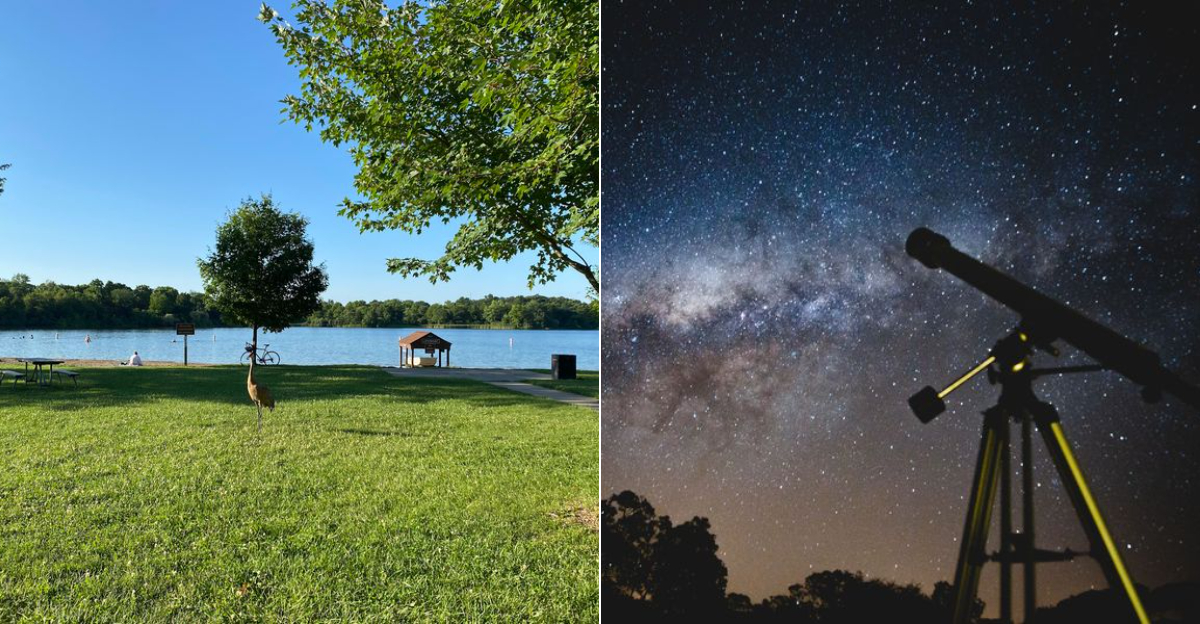
September nights at Kent Lake Beach bring a rare mix of sandy shoreline, quiet woods, and serious telescopes. Astronomy At The Beach returns to Island Lake Recreation Area on September 18-19, 2026, marking its thirtieth year as a major free astronomy gathering.
Visitors can study the Sun by day, watch stars after dark, and hear experts explain distant worlds in friendly language. The festival itself is free, but vehicles need a Michigan Recreation Passport for park entry.
Smart planning matters because lakeside air cools quickly, darkness changes how people move, and a large crowd can make simple choices surprisingly important.
Arrange Your Recreation Passport
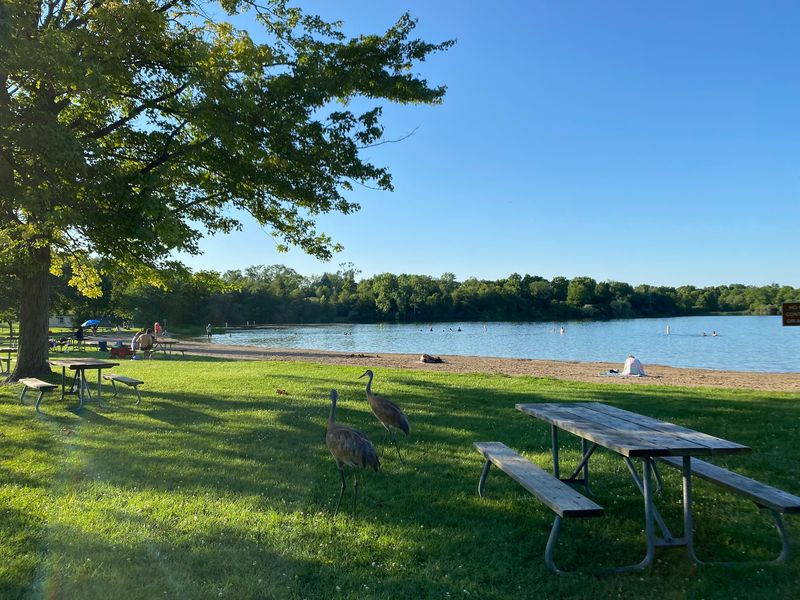
Free astronomy does not mean completely free entry when you arrive by vehicle. Island Lake Recreation Area requires a Michigan Recreation Passport, so inspect your license plate registration before joining the line at the park entrance.
Michigan residents can usually purchase the passport during vehicle registration or through approved state park procedures. Visitors without one should review current entry choices and prices on the Michigan Department of Natural Resources website, since fees and purchase rules can change.
Keep payment ready if you must buy access at the gate, and allow extra time during a popular event. One small check at home prevents an awkward surprise beside the entrance booth, when the sky is glowing and every telescope seems to be calling your name.
Exit 151 Trades The Freeway For Kent Lake
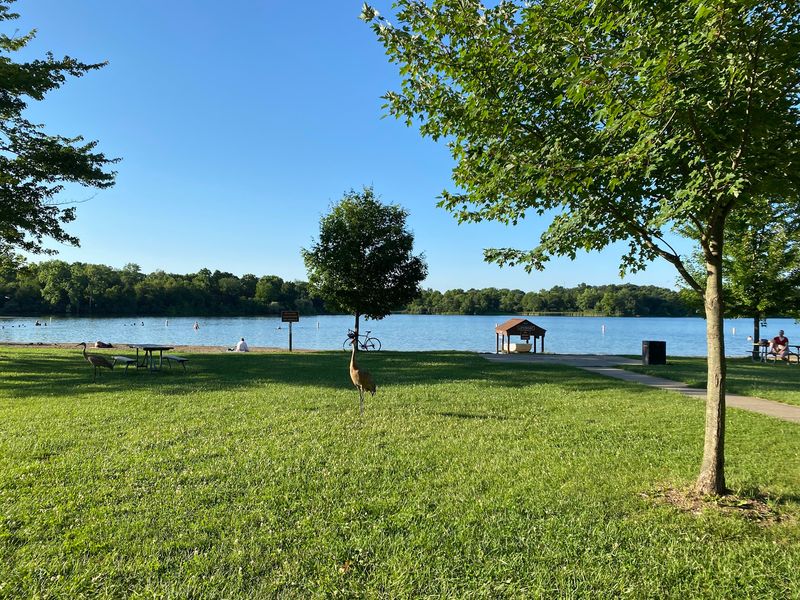
Kent Lake Beach sits inside Island Lake Recreation Area near Brighton, Michigan. From I-96, take Exit 151 for Kensington Road, head south, and enter the recreation area at 6301 Kensington Road.
After the entrance booth, follow the park roadway and signs toward Kent Lake Beach rather than the other lakes, trailheads, or shooting range. State Park Way leads through the recreation area to the Kent Lake day-use section, where the beach house, swimming area, and playground are grouped together.
Continue to the large parking area beside Kent Lake Beach and finish the short approach on foot to the sand and beach house. A Michigan Recreation Passport is required for vehicle entry into the recreation area.
Reach Kent Lake Beach Early
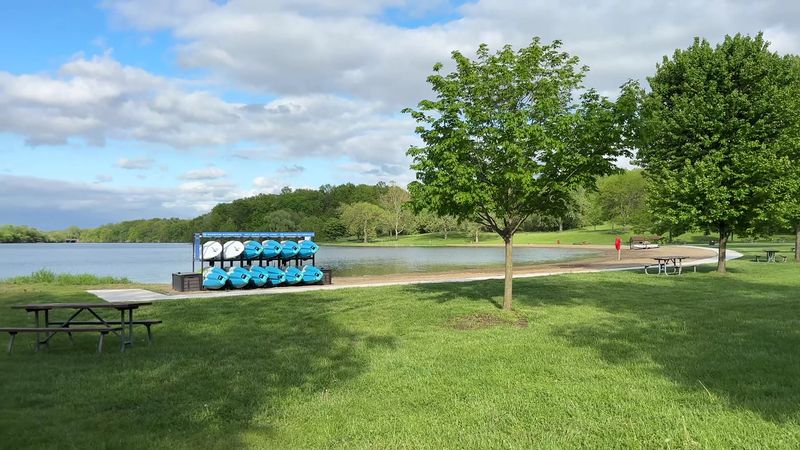
Late afternoon is the sweet spot for arriving at Kent Lake Beach. Daylight makes signs, parking areas, restrooms, pathways, and activity tents easier to locate, while the shoreline still has its cheerful daytime character.
The park covers about 4,000 acres, so entering Island Lake Recreation Area does not mean you have reached the festival field. Follow official event signs and staff directions rather than trusting a map pin to solve every turn.
Kent Lake Beach is associated with the State Park Way address listed for the event.
Early arrival also leaves room for a picnic or a quiet look across Kent Lake. Once darkness settles, moving crowds and protected telescope vision make casual wandering less convenient than it appeared under the afternoon sun.
Dress For A Chilly Shoreline
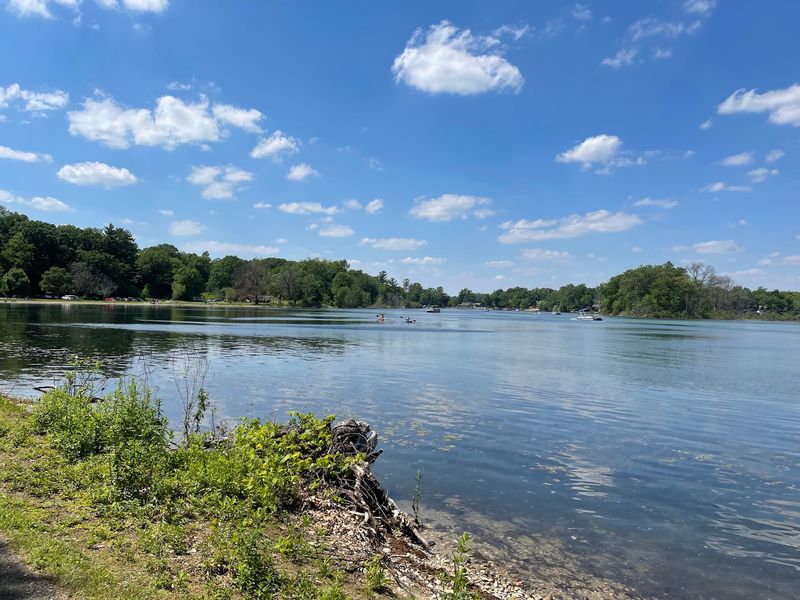
Sunset can play a sneaky trick beside Kent Lake: a comfortable afternoon becomes a cool night faster than expected. September air near open water may feel colder when visitors stand still for presentations or wait patiently at telescopes.
Wear layers that can be added without fuss, including a warm jacket, long pants, closed shoes, and a hat. A lightweight blanket helps younger visitors, while dry socks can rescue an evening after damp grass finds its way through unsuitable footwear.
Check Brighton weather and hourly temperatures on the event day, not merely the weekly forecast. Rain gear may be useful, but umbrellas can obstruct views in crowded areas.
Comfort is practical astronomy equipment because shivering makes even Saturn feel rather less charming.
Protect Everyone’s Night Vision
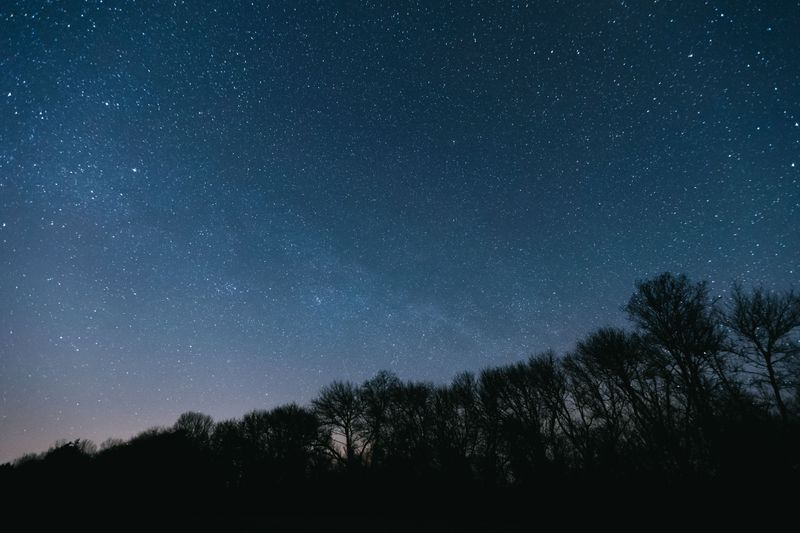
A bright phone screen can briefly become the loudest object on a dark telescope field, even though it makes no sound. White light reduces night vision and can disrupt observers who have spent time letting their eyes adjust.
Flashlights are typically not permitted on the telescope field, so follow current event instructions closely. Lower your screen brightness before arrival, disable the camera flash, and avoid shining vehicle headlights toward observers whenever staff are directing traffic nearby.
If event organizers allow red lights in designated spaces, keep yours dim and pointed toward the ground. Never cover a powerful flashlight with material that could overheat.
The courteous approach is simple: pause, ask a volunteer, and let trained organizers explain the safest way through darkness.
Try Solar Viewing Safely
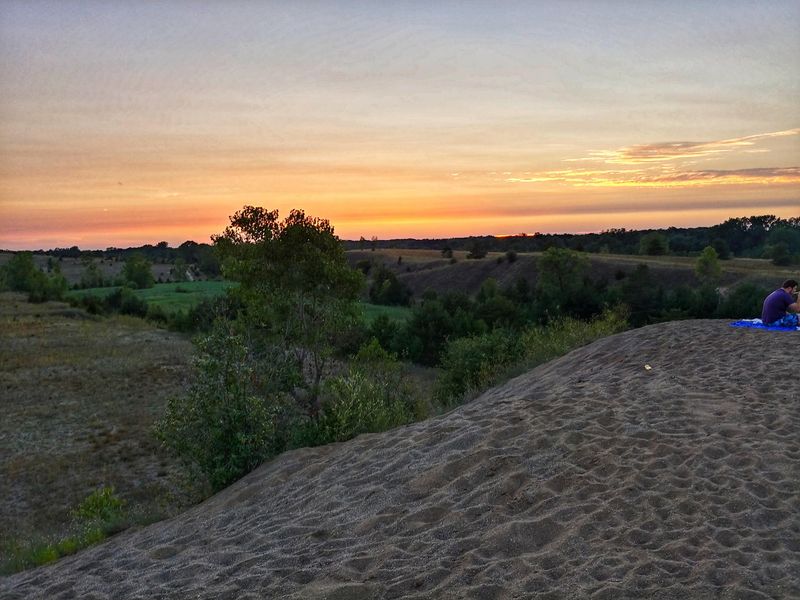
Daytime astronomy sounds like a contradiction until a properly filtered telescope reveals the Sun as a busy star. Festival programming has included solar observing, giving early visitors another reason to reach Kent Lake Beach before evening.
Only view the Sun through equipment supervised by knowledgeable astronomy volunteers and fitted with purpose-built solar filters. Ordinary sunglasses, camera lenses, binoculars, and unfiltered telescopes cannot protect your eyes, even when the Sun appears hazy or partly covered by clouds.
Ask the telescope operator what features are visible that day, because solar conditions constantly change. Children should remain beside a responsible adult and follow instructions without touching equipment.
The view may last seconds, yet it can completely rearrange how a familiar bright circle feels.
Ask Before Touching Telescopes
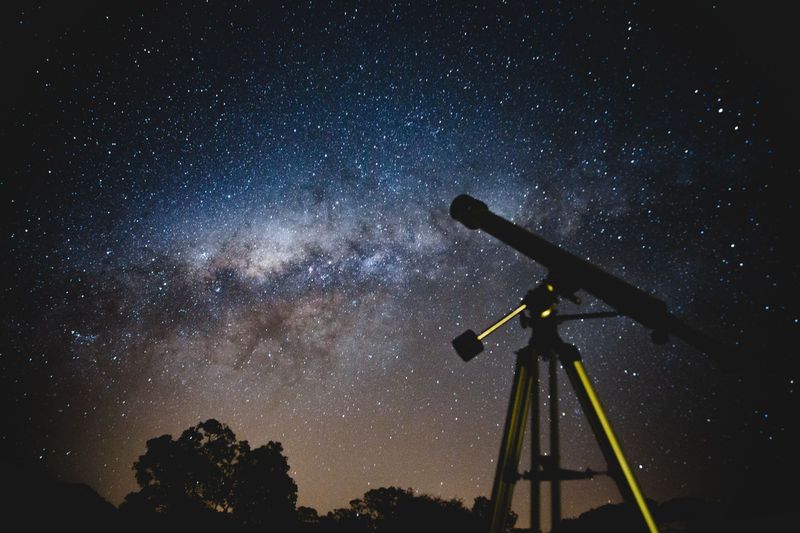
Rows of telescopes turn the beach area into something resembling a wonderfully polite science workshop. Many instruments belong to astronomy club members who volunteer their time, transport delicate equipment, and carefully aim each telescope at selected objects.
Wait for an invitation before looking through an eyepiece, and never adjust a knob, tripod, or lens. Stand clear of equipment legs and supervise children closely, since one excited backward step can disturb alignment.
Ask what you are viewing rather than assuming every bright dot is a planet.
Patient visitors often receive the richest explanations about galaxies, nebulae, planets, or star clusters. Move along when a line grows, then return later.
Sharing the eyepiece keeps the field welcoming and gives everyone a fair moment with the universe.
Catch The Evening Programs
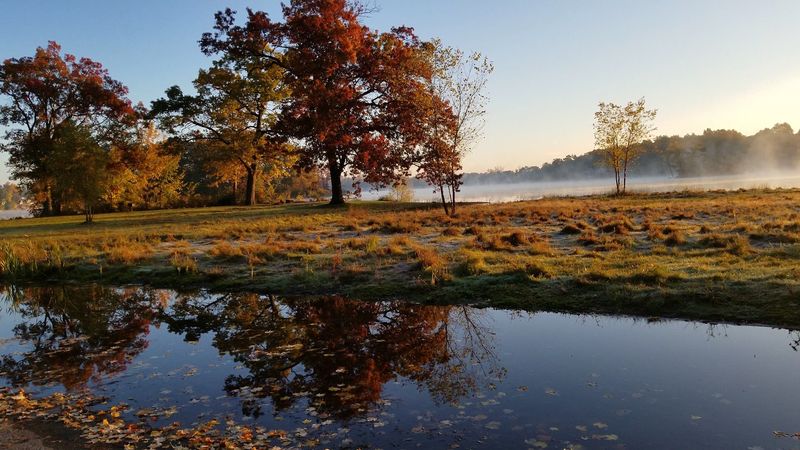
Telescopes receive much of the attention, but the enclosed presentation tent offers valuable context for everything overhead. Festival talks have explored subjects such as the Solar System, comets, auroras, and the possibility of life elsewhere in the universe.
Review the published program and choose several sessions rather than trying to attend everything. Seating and schedules can vary, so arrive ahead of a must-see talk and listen for announcements.
Families can split activities when interests differ, provided everyone agrees on a clear meeting place.
Keep conversations quiet near speakers and silence phone alerts before a program begins. A short explanation from an experienced presenter can transform a fuzzy telescope patch into a distant galaxy with size, structure, history, and genuine personality.
Join The Laser Sky Tour
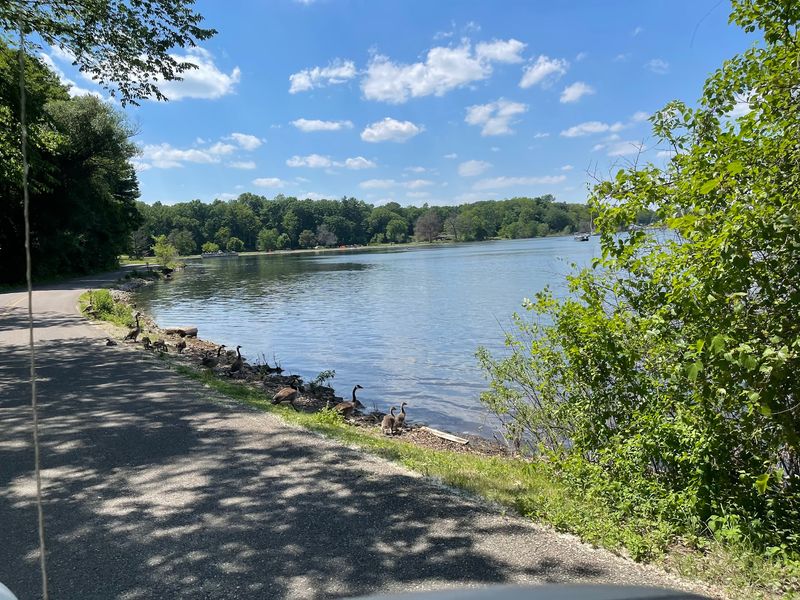
Near the end of each evening, a laser-guided sky tour can connect scattered stars into a readable map. The presenter points out constellations and celestial objects, helping beginners understand where telescope operators have been aiming all night.
Choose a place with a clear view and keep children close, since the group may be standing in deep darkness. Avoid using screens during the tour, and never bring your own laser pointer.
Lasers require responsible handling and should remain with authorized presenters.
Cloud cover may affect what can be identified, so treat the guide as weather-dependent programming. Listen for direction words tied to visible landmarks or the horizon.
Learning even one dependable constellation provides a useful starting point for future backyard stargazing.
Pack Food Water And Patience
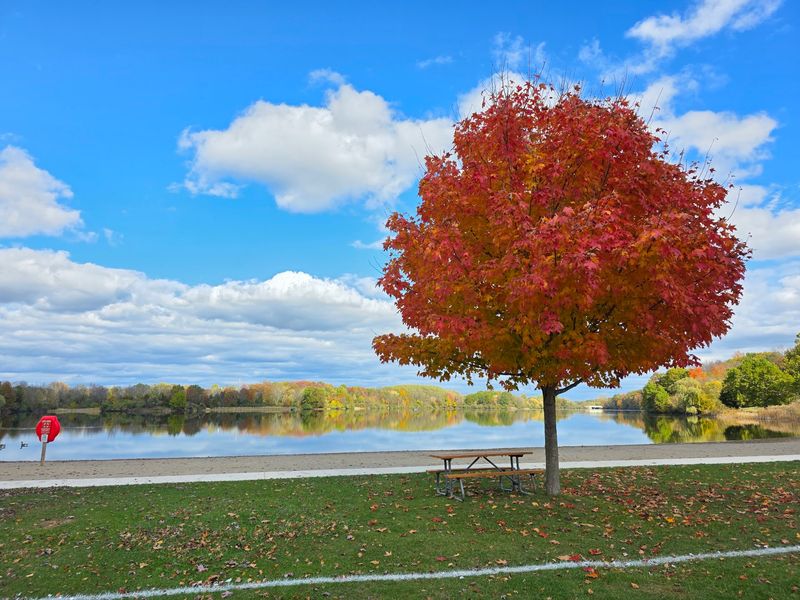
A long festival visit runs more smoothly when nobody becomes hungry halfway through a comet talk. Bring water and simple snacks, or plan an early picnic at an appropriate park area before darkness and astronomy programming take over your attention.
Pack food in containers that are quiet and easy to manage, then remove every wrapper and crumb. Use available waste bins where provided, or carry rubbish out.
Glass containers are a poor choice around a beach, pathways, children, and equipment with expensive lenses.
Add any needed medicine, insect repellent, and a small first-aid kit to your bag. Leave bulky extras at home because crowded spaces reward light packing.
Patience belongs on the list too, especially when popular telescopes develop lines.
Plan For Access And Weather
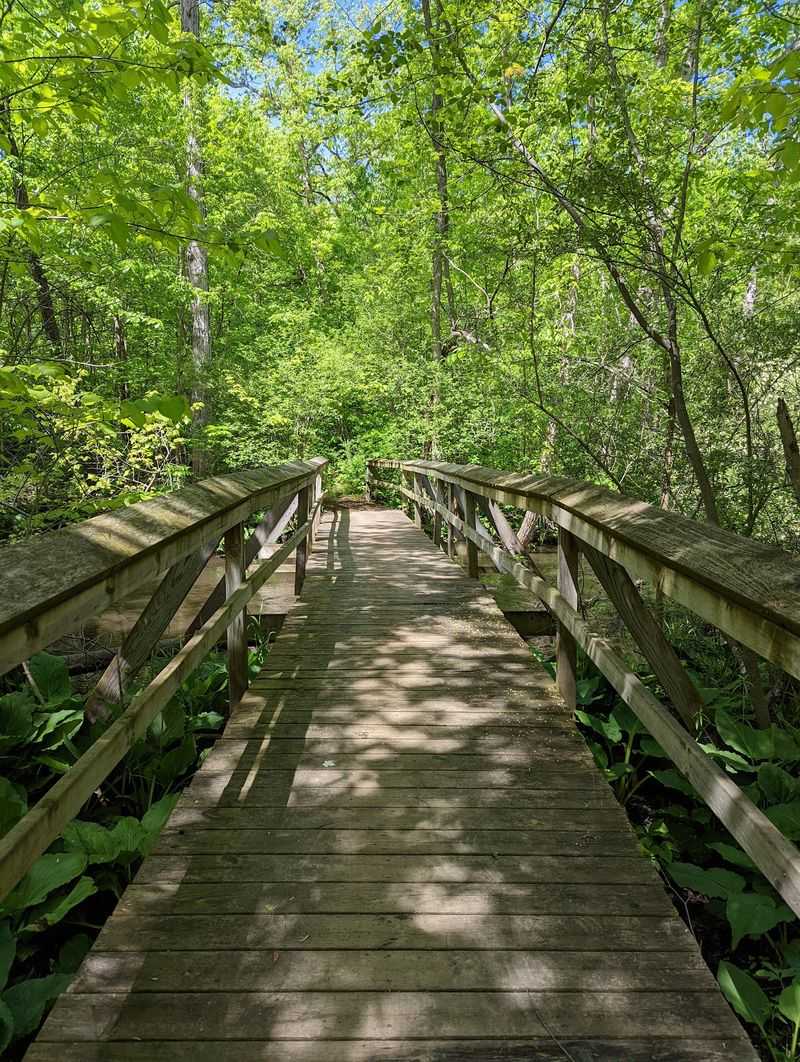
Clouds are the one festival guest nobody can manage, and astronomy events must adapt when weather blocks the sky. Check official GLAAC and park updates before driving, especially if rain, storms, or heavy cloud cover appears in the forecast.
Visitors with mobility needs can ask Island Lake Recreation Area about free track chairs, which are offered first come, first served and require advance planning. Confirm current availability, reservation procedures, operating limits, and suitable routes directly with park staff before the event.
Save the park phone number, 810-229-7067, and discuss specific access questions early. Program locations or conditions may change.
A flexible plan can include presentations and club tables when stars disappear, proving that a cloudy astronomy night can still brighten curious minds.