
12 Arizona Museums Keep Stories That History Books Quietly Leave Out
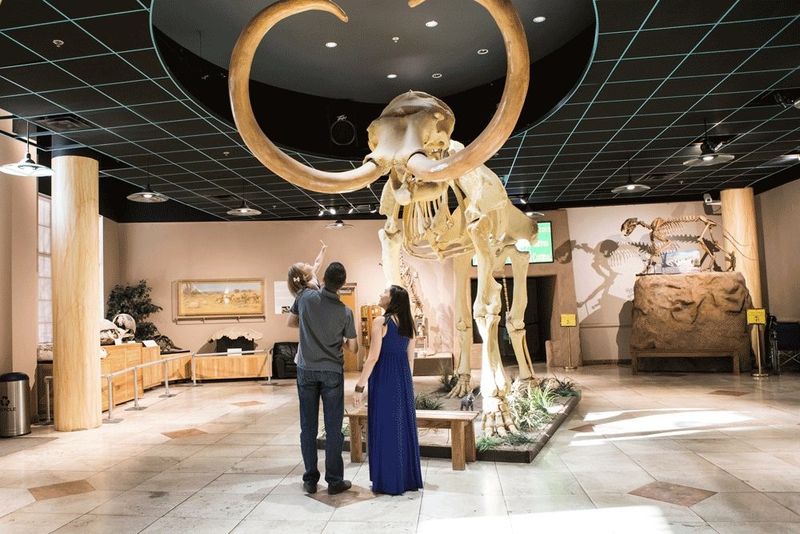
Arizona is packed with small museums that hold on to stories most textbooks skip right past. From ancient canal-builders to postal history and quiet mining towns, these places let you touch the past up close.
Best of all, many are affordable, easy day trips, and open to curious folks of every age. Here are twelve spots worth the drive when you want history that feels real.
1. George Washington Carver Museum and Cultural Center, Phoenix, AZ
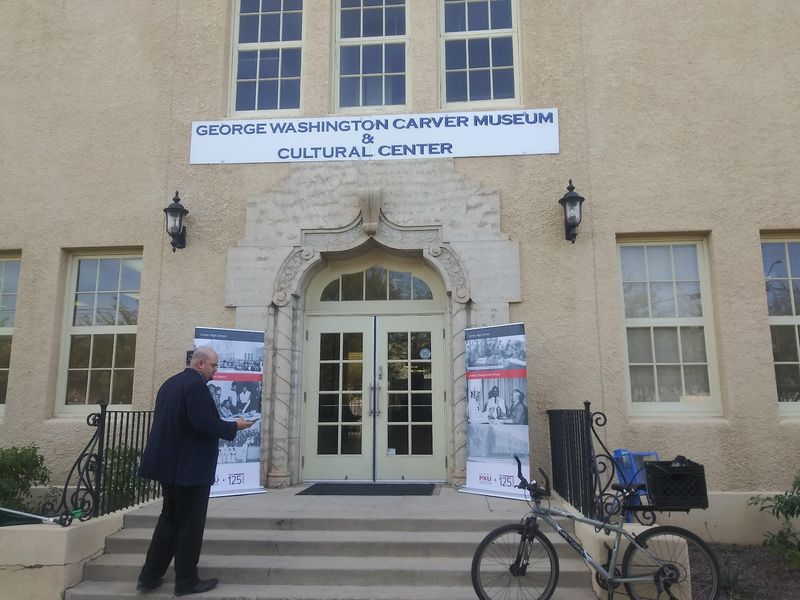
Tucked into downtown Phoenix on East Grant Street, this cultural center fills a beautiful historic building with African-American arts and heritage you rarely find in classroom lessons.
Walk through the galleries and you learn how the Phoenix Union District worked to stand up an African American high school during segregation, plus decades of local stories that shaped the community. The displays are clean and well cared for, and the staff share their knowledge with genuine excitement.
Regular programming keeps things lively, including live performances that turn a quiet gallery into a gathering place. Guided tours give the exhibits context, and the space works nicely for events too, with tidy restrooms and on-site parking.
Families are welcome, so it makes an easy stop for kids curious about local history. Ninety-two years of stories live inside these walls, offering a side of Phoenix that history books tend to skip.
Hours run Monday through Thursday from 9 AM to 2 PM, and Friday until noon, so plan a morning visit. It stands as an educational landmark that treats overlooked heritage with the care it deserves.
2. Fort Huachuca Museum, Sierra Vista, AZ
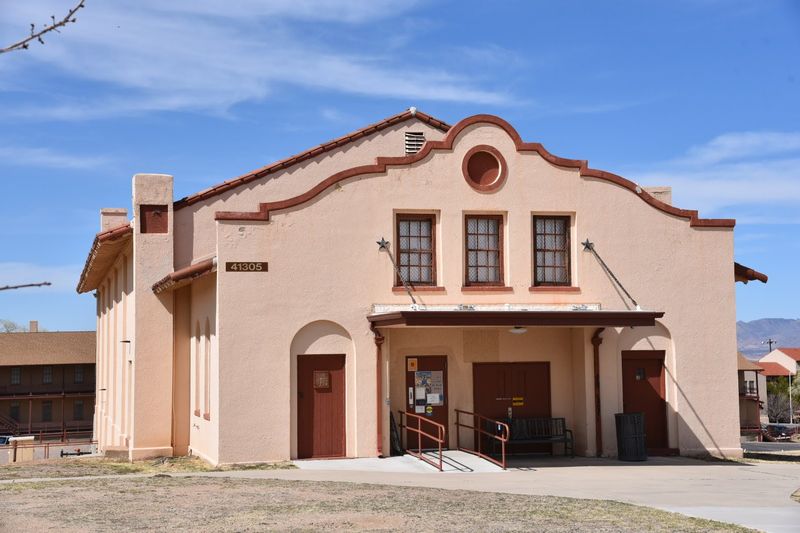
Getting inside takes a little effort, and that is part of the charm. You grab a free pass at the front gate, a quick 15 to 30 minute step, then explore a museum built on the grounds of a 19th-century army camp.
Newly renovated displays cover the history of the post, the many people stationed here, and what daily life was like on and around the fort. There is also a fascinating look at the use of drones, plus rows of interesting photographs that pull you into the past.
The setting alone rewards the trip, and the exhibits tell stories you simply will not find in most textbooks. Knowledgeable, courteous staff round out the experience.
Amenities include a gift shop, a theater, a cafe, guided tours, and restrooms, and the museum is a solid pick for kids. Free parking is available, with paid lots nearby too.
Open Tuesday through Saturday, 10 AM to 4 PM, with quieter Saturdays if you prefer fewer people. For anyone drawn to military and regional history, it is a genuine hidden gem in southern Arizona.
3. Bullion Plaza Cultural Center & Museum, Miami, AZ
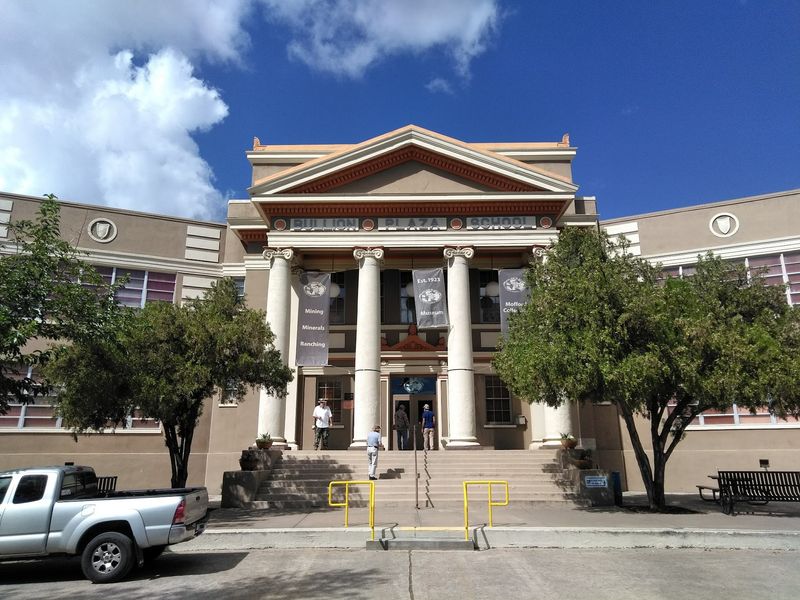
Copper country holds surprises, and this museum in the little town of Miami is one of them. Set in a handsome plaza-style building, it dives deep into the mining heritage of the Globe-Miami area and Gila County.
Inside, you will find well-curated exhibits tracing schools, mining, military, political, and cultural life since the mid-1800s. Old machinery and glittering gems make the industrial history feel tangible, and beautiful artifacts fill the cases.
What sets this place apart is its attention to the immigrant families who built the region. A standout Slavic collection honors Montenegrin families with their artifacts and stories, the kind of chapter most history books quietly skip.
The museum offers a gift shop, a theater, and guided tours, along with restrooms and on-site parking. It is welcoming for kids, making it a thoughtful family stop in the eastern Arizona highlands.
Plan your visit for Wednesday through Saturday, 10 AM to 2 PM. Many say it could be the standard for mining museums anywhere, and it makes an easy addition to a scenic drive through copper country.
4. Sharlot Hall Museum, Prescott, AZ
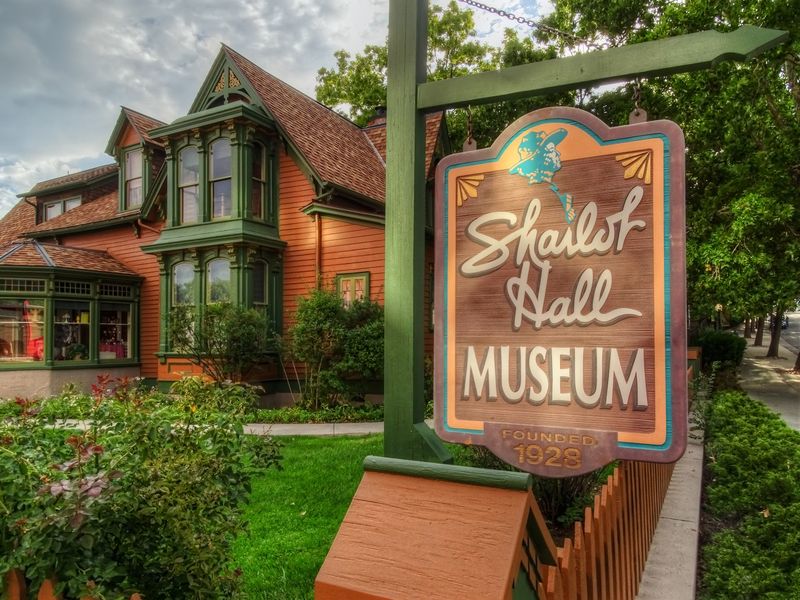
Behind the name is a remarkable woman. Sharlot Hall was a little-known Arizona pioneer who worked to preserve the state’s territorial history, and this Prescott museum carries her legacy through several historic buildings.
Set inside a former governor’s mansion, the grounds are beautiful and the atmosphere lively. Exhibits span Northern Arizona’s past, and a thoughtful Native American exhibition adds depth to the story.
Families get plenty to do here. Interactive displays and a scavenger hunt keep kids engaged, turning a history lesson into a treasure hunt across the property.
Guides are eager to share what they know, teaching visitors about Prescott’s roots and Sharlot Hall’s contributions. The entrance fee stays affordable, which fits a relaxed few hours of wandering.
You will find a gift shop, live performances, active military discounts, guided tours, and restrooms, plus free parking and street parking options. The vibe is genuinely family-friendly.
Open Tuesday through Saturday from 10 AM to 4 PM, and Sunday from noon to 4 PM. For anyone curious about who saved Arizona’s early stories, this is a warm and rewarding stop in Prescott.
5. Tubac Presidio State Historic Park, Tubac, AZ
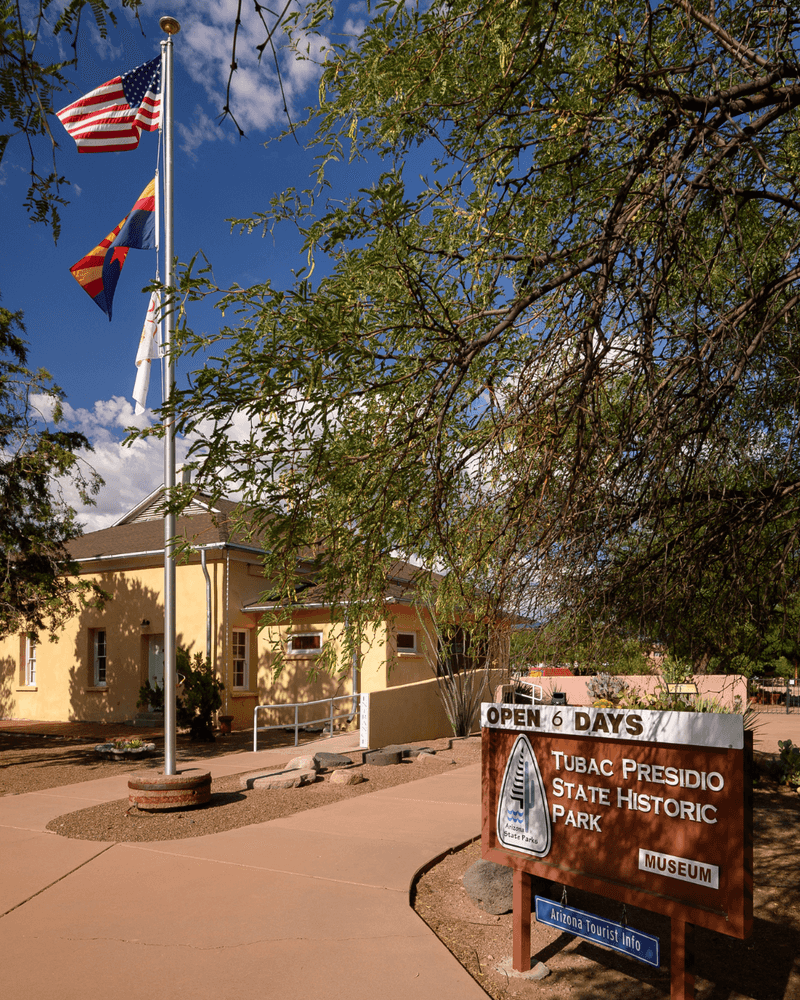
Two thousand years of history sit quietly in a small southern Arizona park, and Tubac Presidio holds it all together. The site commemorates Spanish colonial America with a museum, an excavated presidio, and an 1885 schoolhouse.
Start with the short video near the entrance to get your bearings. Then wander the archaeological dig area, where an underground excavation reveals the original building’s foundation and a timeline connecting Native, Spanish, and territorial Arizona history.
The exhibits keep things engaging, from wonderful artifacts to a surprising display on female rodeo stars. Walking trails wind through the grounds, giving you room to stretch and soak in the setting.
Families do well here, and the story moves from ancient peoples all the way through 20th-century life. Picnic tables, a barbecue grill, and public restrooms make it easy to linger, and dogs are welcome too.
Free parking and free street parking keep the trip budget-friendly. Open Tuesday through Sunday from 9 AM to 3 PM.
For a compact site packed with layered history, Tubac Presidio is well worth the time and the drive south.
6. Navajo Nation Museum, Window Rock, AZ
Out in Window Rock, the capital of the Navajo Nation, sits a museum that many drive hours out of their way to reach. The reward is a rich, first-hand look at Navajo history and culture.
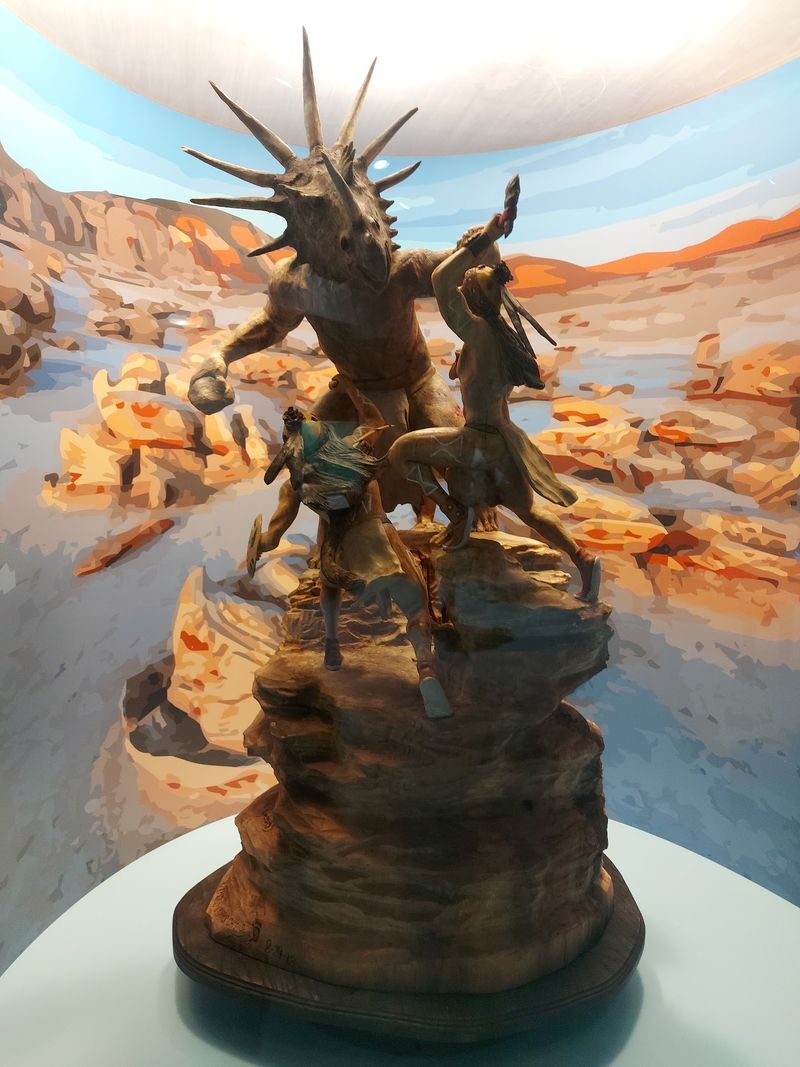
Exhibits stretch from traditional Native American history and artifacts to contemporary arts and crafts. Sculptures in the very first room tell strong, memorable stories about the Navajo people, setting the tone for everything that follows.
One highlight is the informative video on the Navajo Code Talkers, whose contributions shaped world events yet rarely fill textbook pages. The whole museum is thoughtfully done and gives visitors a fuller understanding of the nation.
Best of all, admission is free, making this an easy pick for curious travelers and families alike. A gift shop and cafe are on hand, along with restrooms.
Free and paid parking options keep the visit simple. The museum is open Monday through Friday from 8 AM to 5 PM, with afternoons tending to draw the most visitors.
For learning directly from a Native community about its own history, few places in Arizona feel as meaningful as this one.
7. Amerind Museum & Texas Canyon Nature Preserve, Dragoon, AZ
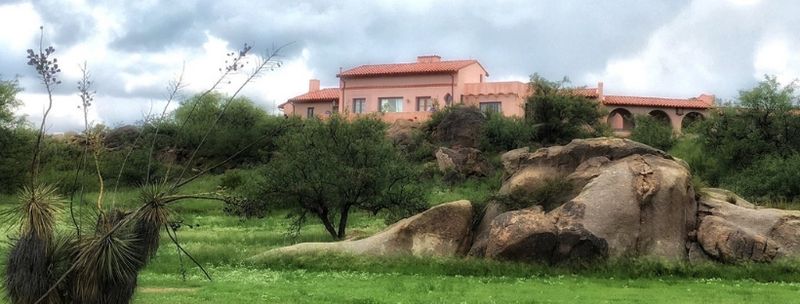
Picture a museum wrapped in the boulder-strewn beauty of Texas Canyon, and you have the Amerind. The Dragoon Mountains setting is gorgeous enough on its own, but the collection inside is what stops people in their tracks.
Expertly curated exhibits showcase Native cultures, archaeology, and Western art, with a large array of artifacts. The jewelry display is especially striking, and each piece carries just enough information to deepen your appreciation.
The story here honors how Indigenous peoples lived close to the land and made art for thousands of years. On some days, Native American crafts, dance, and music bring that heritage vividly to life.
Beyond the galleries, an art gallery, outdoor trails, and a picnic area let you turn a museum visit into a half-day outing. A gift shop and cafe are on site, along with guided tours and restrooms.
Free on-site parking makes arriving simple, and kids are welcome. Open Tuesday through Sunday from 10 AM to 4 PM.
For rare art, rich explanation, and a setting that feels like a secret, this southeastern Arizona find is worth every mile.
8. Fort Verde State Historic Park, Camp Verde, AZ
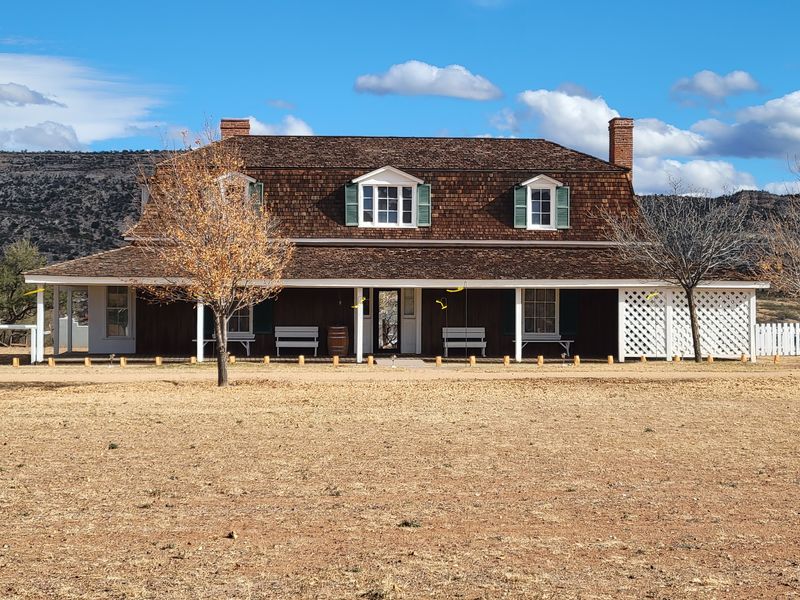
A hidden gem in Camp Verde, this scenic 10-acre park preserves restored 19th-century buildings and the story of frontier life over a century ago. It is the kind of place history buffs remember long after the visit.
Original living quarters for the fort’s officers still stand, furnished to show what daily life looked like in the old West. A well-stocked museum fills in the settler-era details of the Verde Valley.
Occasional reenactments bring extra energy, with informative reenactors and helpful park rangers ready to explain the fort’s history. Top-notch artifacts round out the experience.
What makes this stop stand out is its balance. Both settler and local Native American stories are preserved and honored here, giving a fuller picture than most single-sided accounts.
Families do well, with kid-friendly hikes, picnic tables, and public restrooms on the grounds, and dogs are welcome too. Saturdays draw the most people, while weekday mornings stay peaceful.
Open daily from 9 AM to 4:30 PM, so it fits easily into a Verde Valley road trip. For a genuine step into frontier Arizona, Fort Verde delivers.
9. S’edav Va’aki Museum (formerly Pueblo Grande Museum), Phoenix, AZ
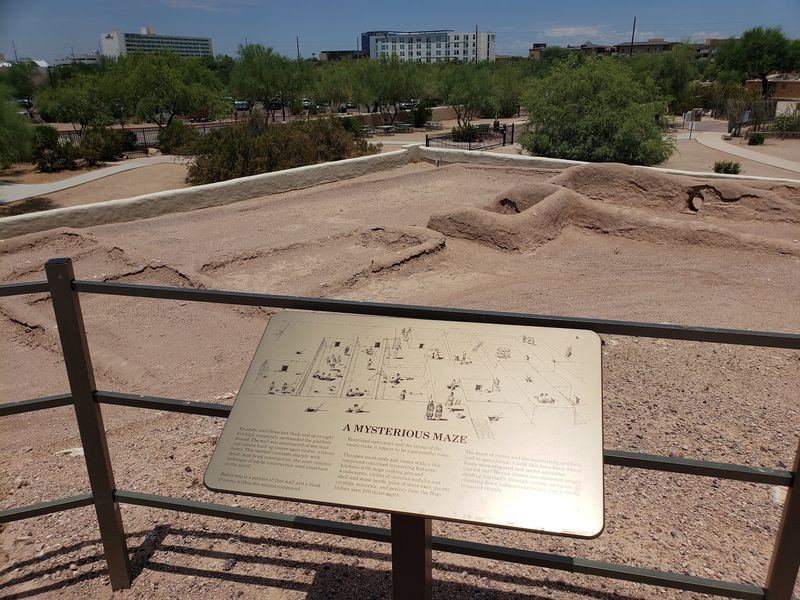
Long before modern Phoenix rose, the Hohokam people built a thriving village here, complete with an ingenious canal system. S’edav Va’aki Museum lets you stand right in the middle of that ancient story.
This pre-Columbian site includes trails that pass the village remains and irrigation canals, so you can walk where residents lived roughly a thousand years ago. It is a powerful way to understand the roots of central Arizona.
The museum itself is beautifully done and deeply informative, connecting the ancient canals to the modern valley that still relies on similar routes. For anyone visiting Phoenix, it is a genuine must-see.
Families are welcome, and the site offers a gift shop, live performances, active military discounts, and free Wi-Fi. Restrooms and free parking make the visit hassle-free.
Hours vary through the week, with Monday, Friday, and Saturday from 9 AM to 4 PM, Thursday until 8 PM, and Sunday from noon to 4 PM. Tuesday and Wednesday are closed.
To grasp who came before and how they shaped the desert, this Phoenix landmark is one of the most important stops in the state.
10. Presidio San Agustín del Tucsón Museum, Tucson, AZ
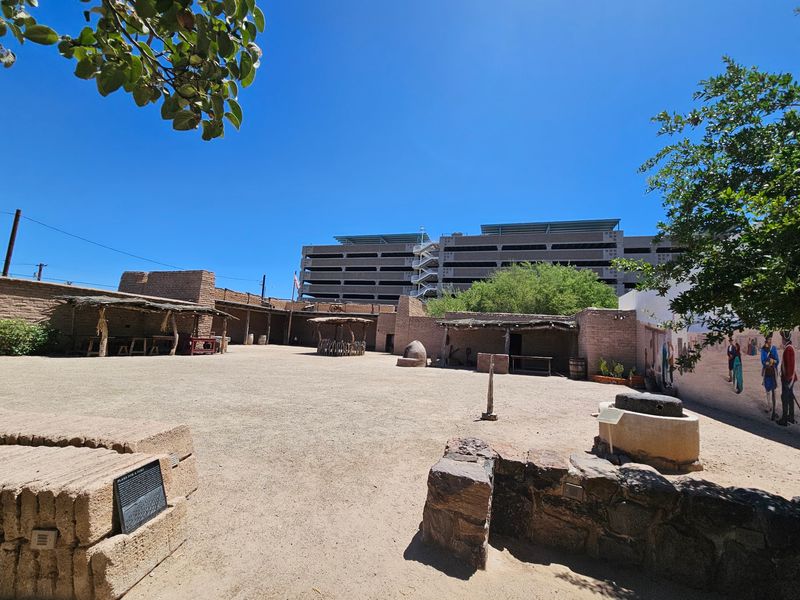
Tucson began right here, at the site of a Spanish fort that gave the city its start. The Presidio San Agustín del Tucsón Museum stands on that very ground and tells the story from the beginning.
Inside you will find original architecture on display from before Spanish colonization, along with exhibits on 18th-century life during the Spanish and Mexican periods. In one visit, you travel from Indigenous peoples of 2,000 years ago through the Spanish, Mexican, and American eras.
Friendly, knowledgeable docents lead engaging tours and demonstrations, and a cannon firing adds a memorable jolt of energy. Hands-on activities keep younger visitors busy and curious.
The museum welcomes families and hosts live performances, with a gift shop, cafe, guided tours, and restrooms on site. Parking is available in paid garages, lots, and street spots downtown.
Plan your trip for Thursday through Saturday, 9 AM to 3 PM. School groups sometimes visit, but there is plenty to enjoy at your own pace.
For a look at how a modern city grew from a single adobe fort, this well-preserved Tucson landmark is a standout.
11. Yuma Territorial Prison State Historic Park, Yuma, AZ
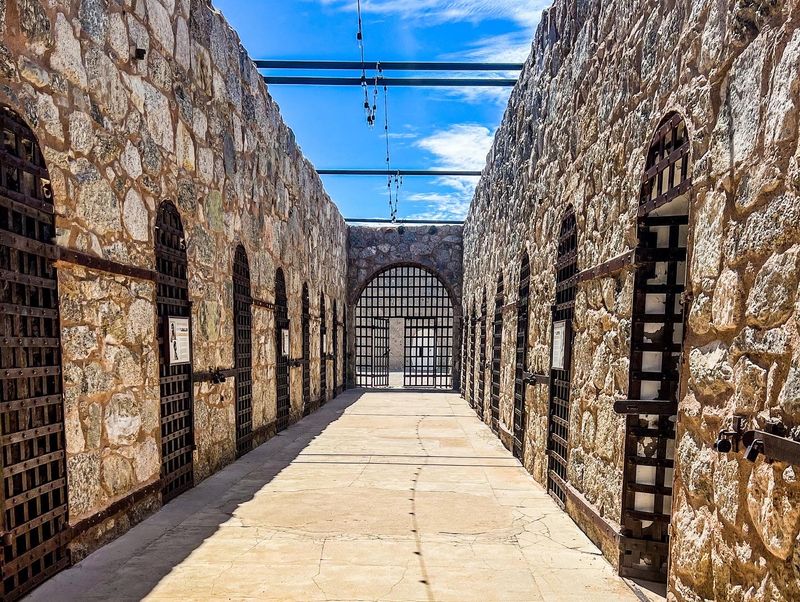
Opened in 1876 and closed in 1909, the Yuma Territorial Prison has traded locked cells for open exhibits, and the transformation is fascinating. Today it is a state historic park and museum with genuine old-west atmosphere.
Wander the well-kept stone-walled cells and picture past prison life through photos and the actual items once used here. An eight-minute video gives a clear, detailed overview before you explore.
The real draw is the storytelling. Artifacts from the wild-west era and personal stories of individual prisoners once held here bring the place to life in a way textbooks rarely manage.
You can take a self-guided tour at your own pace or join a guided one for extra context. Interactive exhibits and a gift shop round out the experience, and yes, it carries a spooky vibe that adds to the fun.
Picnic tables and public restrooms are on hand, with free and paid parking options. Families are welcome.
Open daily from 8:30 AM to 4 PM, with quiet weekday mornings if you prefer smaller crowds. For captivating, hands-on Arizona history, this Yuma landmark is unforgettable.
12. Postal History Foundation Inc, Tucson, AZ
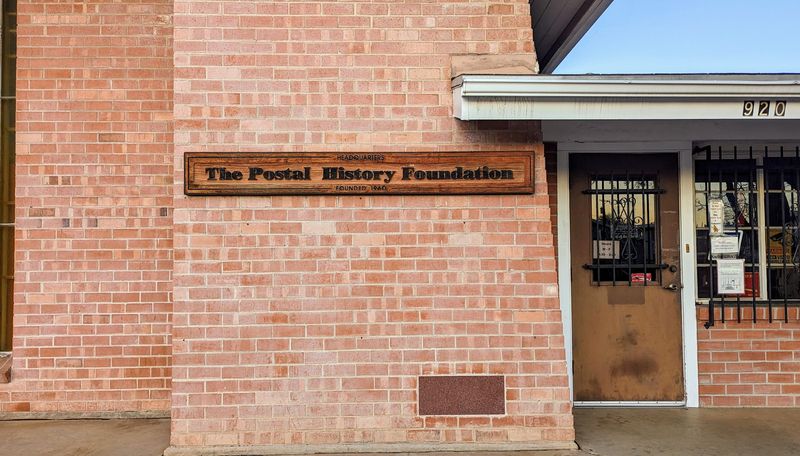
Who knew stamps could tell such big stories? The Postal History Foundation in Tucson turns tiny pieces of paper into a surprisingly rich window on the past, and it welcomes visitors with real warmth.
There is a lot packed inside. You will find a place to buy stamps for collections, a functioning post office to drop off mail, a replica old-time post office with vintage equipment, and a reference library for collectors.
The education department shines here, offering lessons that use postage stamps to teach students of all ages. Committed staff and volunteers work to preserve postal and philatelic history, and kids often leave with free vintage stamps.
Tours are friendly and knowledgeable, making even non-collectors curious about how mail shaped communities. It is a delightful, quirky stop that most people never think to seek out.
Amenities include a gift shop, free Wi-Fi, a gender-neutral restroom, and on-site parking. Families are welcome.
Open Monday through Friday from 8:30 AM to 2:30 PM. For a charming, offbeat slice of history hiding in plain sight, this Tucson gem proves that even everyday things carry stories worth saving.