
This Quiet Colorado Trail Might Be One Of The Best Places To Hear Elk Bugling This Autumn
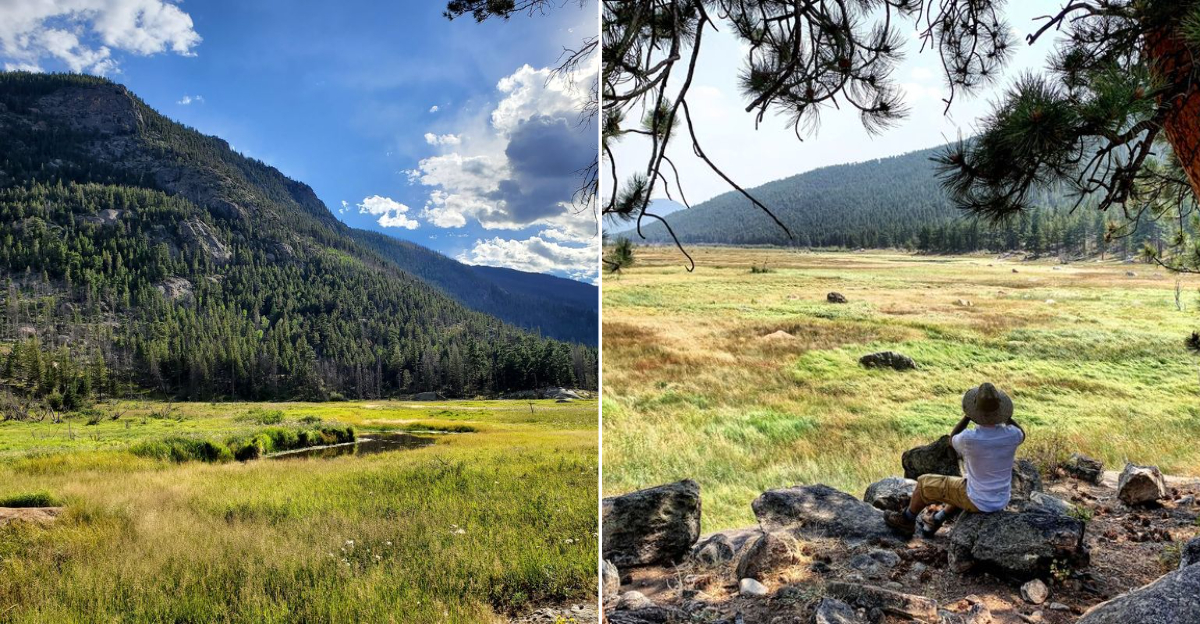
Autumn in the mountains comes with its own live soundtrack, and sometimes the best performer is hidden beyond the trees. On a quieter fall trail in Colorado, hikers can move through meadow, forest, and lakeside scenery while listening for the unmistakable bugle of elk somewhere in the distance.
There are no guarantees, which is part of the point. Wildlife does not keep an appointment book, and the most memorable moments usually arrive when you stop expecting them.
A patient pace helps here. So does a warm layer, a little silence, and the willingness to let the trail unfold without rushing toward a payoff.
By the time autumn settles across this part of Colorado, every bend feels charged with possibility, from golden grasses to sudden movement at the forest edge. Come for the hike, listen carefully, and remember that sometimes the reward is not seeing more.
It is simply noticing more.
Moraine Park Makes The Plan Feel Simple
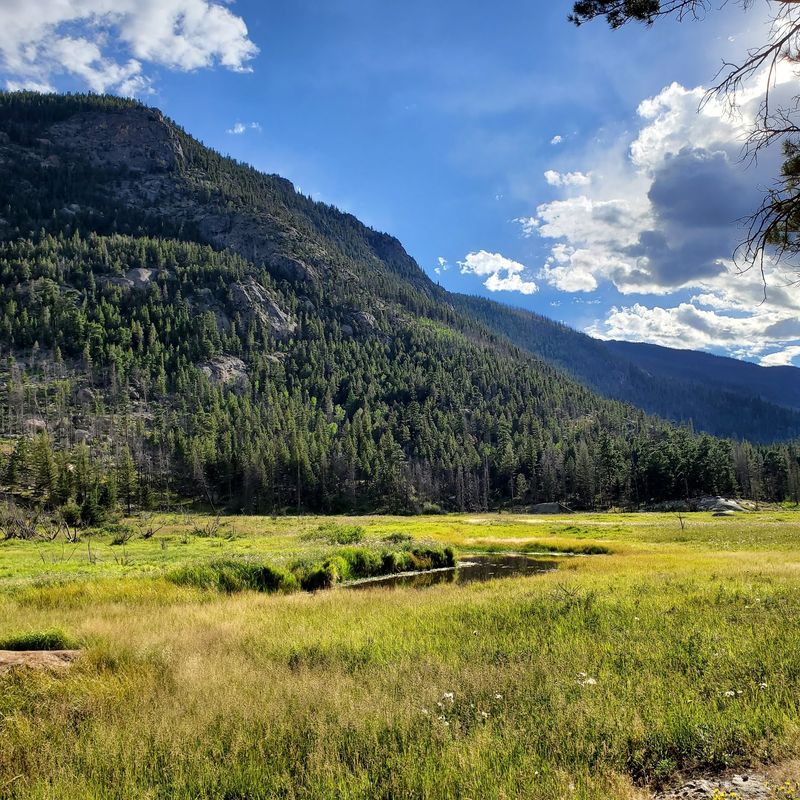
Some fall plans collapse under their own weight before anyone finds the car keys. Cub Lake Trail keeps the idea cleaner: enter Rocky Mountain National Park near Estes Park, aim for the Moraine Park area, and follow a real trail through elk country.
The Cub Lake Trailhead is reached from Cub Lake Road in the park, in the Colorado 80517 area, near Moraine Park Campground. That matters because Moraine Park is one of the park areas known for elk activity during the autumn rut, when bull elk bugle to gather cows and warn rivals.
Cub Lake Trail is commonly listed at about 4.6 to 4.8 miles round trip, depending on the route source, with moderate climbing. It is not a boardwalk stroll, but it also does not ask casual hikers to train like they are auditioning for a mountaineering documentary.
Start early or plan carefully in fall, since Rocky Mountain National Park uses timed entry during busy seasons and parking can be limited. The reward is a focused outing where the main event is not a gift shop, a line, or a complicated schedule, but the chance to hear Colorado elk across a mountain valley.
The Elk Rut Gives The Trail Its Autumn Pulse
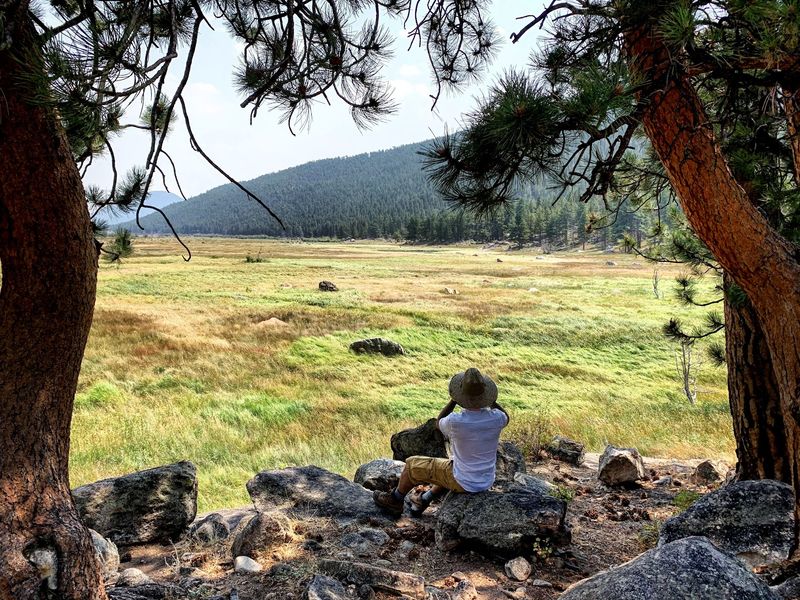
The sound people come hoping to hear is not subtle. During the elk rut, a bull elk bugle can rise from a low call into a high, carrying note that seems almost too strange to belong to such a sturdy animal.
Cub Lake Trail earns attention because it begins near Moraine Park, a broad valley where elk are often seen in fall. The National Park Service reminds visitors that rut season generally runs from mid September into mid October, with activity often strongest around dawn and dusk.
That timing shapes the visit. A midday hike can still be beautiful, but travelers hoping for bugling should understand that wildlife watching rewards patience more than optimism.
Bring binoculars, keep voices low, and resist the urge to close distance for a phone photo that will still look like a brown speck.
Rocky Mountain National Park requires visitors to stay at least 75 feet from elk, and more space is wiser during the rut. Cub Lake Trail gives you a way to be present in the right landscape without treating the animals like performers.
The best approach is simple: walk, pause, listen, and let the valley do its part.
A Lake Hike With Meadows Before The Climb
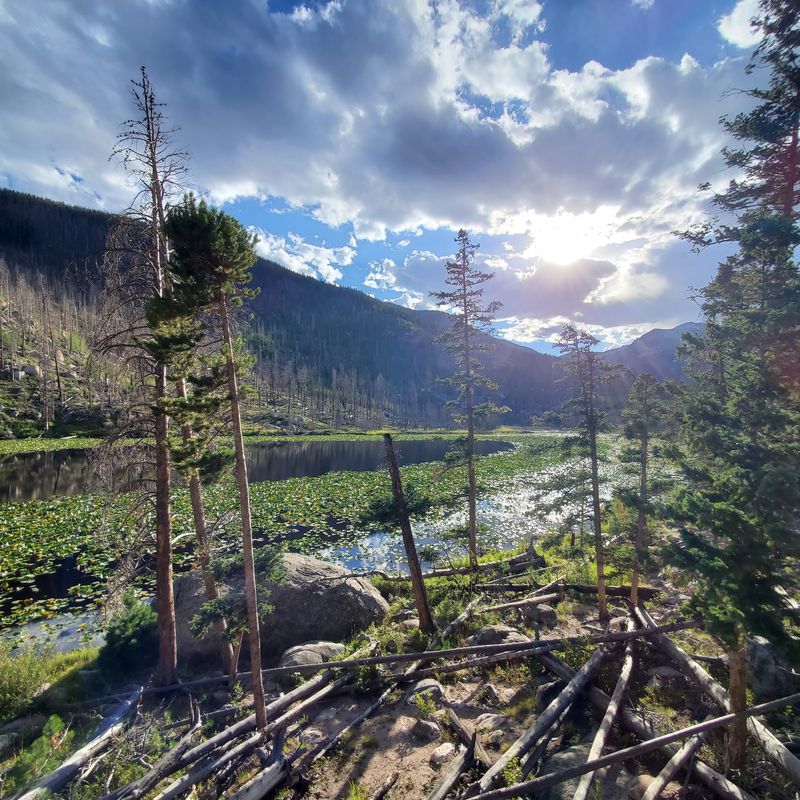
Not every trail reveals its personality all at once, which is polite of it. Cub Lake Trail begins with open views around Moraine Park before shifting toward forest, wetlands, and the gradual climb to Cub Lake.
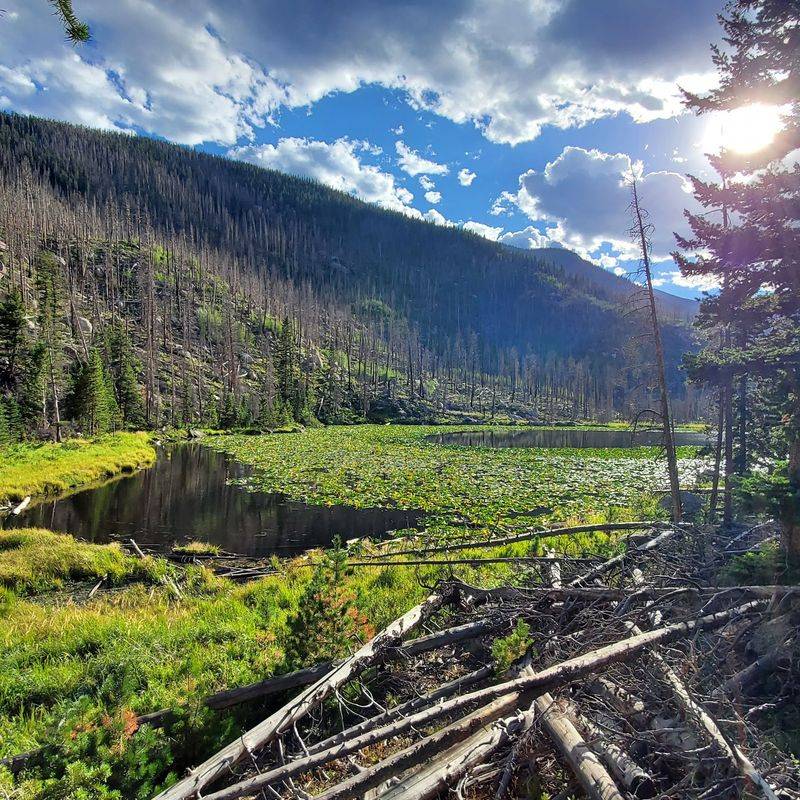
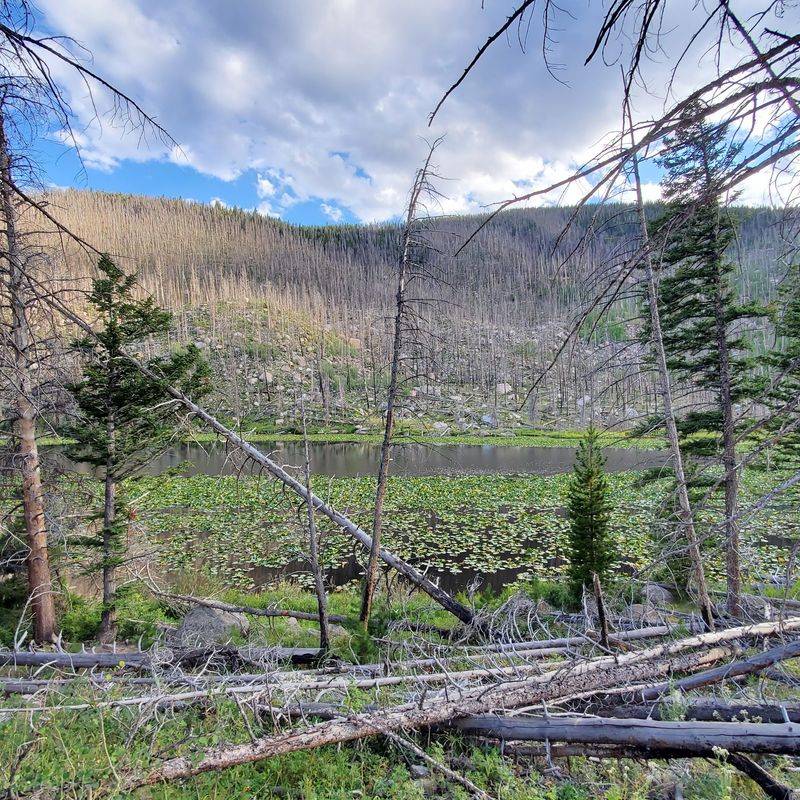
The route crosses the Big Thompson River near the start, then follows the edge of meadows where wildlife viewing is a real possibility. Farther along, hikers pass beaver ponds and sections affected by the 2012 Fern Lake Fire, where standing trees and newer growth show how slowly mountain landscapes write their second drafts.
Cub Lake itself sits at the end of the usual out and back hike, framed by trees and slopes inside Rocky Mountain National Park. In warm months the lake is known for pond lilies, while autumn changes the emphasis toward grasses, aspens, and the possibility of elk sounds carrying through the valley below.
The trail is rated moderate by many park and hiking sources, so footwear matters. Families with older children, couples, solo hikers, and weekend visitors can all make a reasonable plan here if they respect altitude, weather shifts, and daylight.
Colorado mountain trails have a way of reminding people that snacks are not a personality flaw.
Why Moraine Park Keeps Showing Up In Elk Conversations
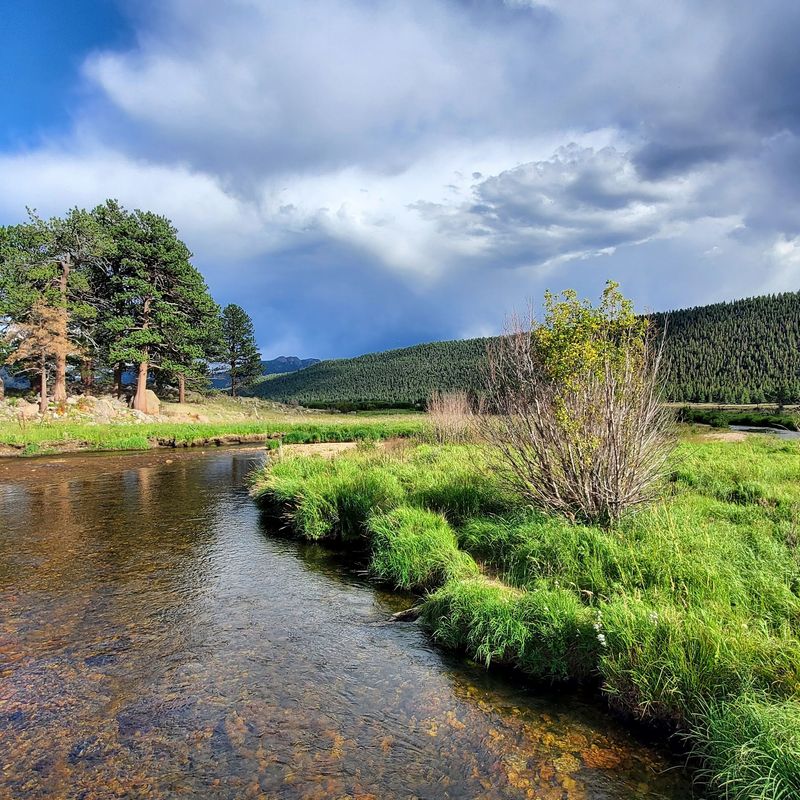
Moraine Park is not just pretty open space on the way to somewhere else. Its broad valley floor is one reason Cub Lake Trail keeps appearing in conversations about hearing elk bugling in Colorado.
Elk often move into lower park valleys during the rut, and Moraine Park is one of the best known viewing areas in Rocky Mountain National Park. The land gives visitors long sightlines, while the nearby trail adds movement and purpose beyond standing beside the road wondering whether every tan shape is an elk.
Good To Know: Bugling is most likely during the rut, especially from mid September into mid October, but no trail can promise a call on schedule.
That uncertainty is part of the appeal, even if modern travelers are not always emotionally prepared for nature refusing to sync with a calendar app. Cub Lake Trail offers a sensible balance: it puts hikers near suitable elk habitat, gives them a destination at Cub Lake, and avoids making the whole outing depend on one animal vocal performance.
Park rules also matter here. Keep distance, never feed wildlife, and give elk extra room during rut season.
A bull elk guarding a group of cows is not a background prop. The smarter move is to watch from afar and enjoy the rare moment when the mountains provide the audio.
Different Visitors Can Use The Same Trail Differently
A good trail does not need everyone to use it the same way. Cub Lake Trail works because the basic ingredients are clear: a moderate hike, a lake goal, Moraine Park scenery, and a real chance of elk activity in autumn.
Families can treat the route as a nature lesson with moving parts, where animal distance, trail manners, and changing habitats are easier to explain because they are right in front of you. Younger children may not complete the full hike, so turning around early can still count as a successful outing, despite what the imaginary committee of hiking achievement might say.
Couples and solo visitors may appreciate the slower rhythm. The trail gives enough length to feel like a genuine Colorado walk without requiring a full day of logistics.
Weekend travelers based in Estes Park can also fit Cub Lake Trail into a park visit, provided they check entry rules and weather before leaving.
The key is matching ambition to daylight and energy. Some people will want to reach Cub Lake, linger, and return.
Others may focus on the Moraine Park section during prime elk hours. Both choices make sense.
The trail does not demand one grand version of success, which is refreshing in a world that keeps trying to turn leisure into homework.
A Simple Saturday Detour From Estes Park
For a low fuss outing, Cub Lake Trail can be the kind of simple Saturday detour that starts with coffee, a jacket, and somebody asking whether everyone used the restroom before entering the park. Romance, as ever, has practical foundations.
The trailhead is in Rocky Mountain National Park in the Colorado 80517 area, reached by park roads near Moraine Park. Because access rules can change by season, check the current National Park Service information for timed entry, shuttle operations, road status, and any trail alerts before you go.
Pack as though plans may stretch. Water, layers, sun protection, and a small snack are sensible even for a moderate route, especially at mountain elevation.
Binoculars are useful for elk viewing because the safest wildlife photo is often the one taken without walking closer.
A late afternoon visit may improve the odds of hearing bugling during rut season, but daylight disappears faster than a group chat consensus. Give yourself enough time to hike out calmly.
Cub Lake Trail is not a place to rush just because a schedule got ambitious.
Keep the plan plain: arrive prepared, walk at a steady pace, pause in open areas, and listen. No elaborate itinerary is required.
The trail already has the main components, and none of them need a reservation for a table.
The Quiet Payoff Is More Than One Bugle
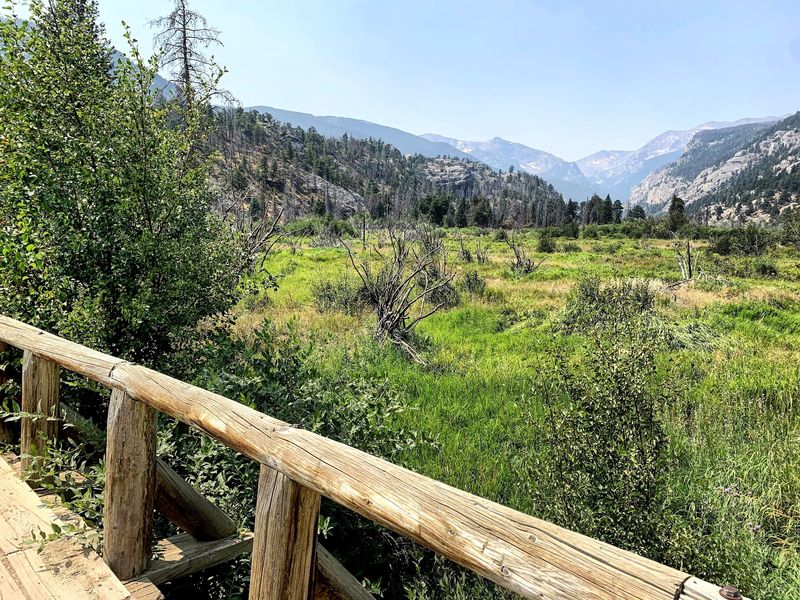
The headline promise is elk bugling, and that is a fair reason to pay attention. Still, Cub Lake Trail gives more than a single hoped for sound across a meadow.
Its strength is the combination of place and timing. In autumn, Rocky Mountain National Park brings elk into public awareness in a way that feels immediate and old at the same time.
Moraine Park supplies the open valley setting, Cub Lake Trail adds a manageable hike, and Colorado supplies the high country context that makes the whole scene feel specific rather than staged.
No responsible writer can promise that a bull elk will bugle on command. Wildlife has never been especially interested in customer service standards.
What can be said is that this trail puts visitors in one of the park areas most closely associated with the rut, while also offering a complete walk to a mountain lake.
That is a useful distinction. Even if the elk stay quiet, the outing still has shape, distance, scenery, and purpose.
If the bugling starts, the day gains the kind of detail people remember without needing to decorate it later.
Cub Lake Trail belongs on an autumn plan because it respects both sides of travel: the need for practical details and the hope that something unscheduled might happen. Go for the hike, listen for the elk, and bring the layer you almost left in the car.