
Antique Tractors Are Crossing The Mackinac Bridge For One Morning Only This September
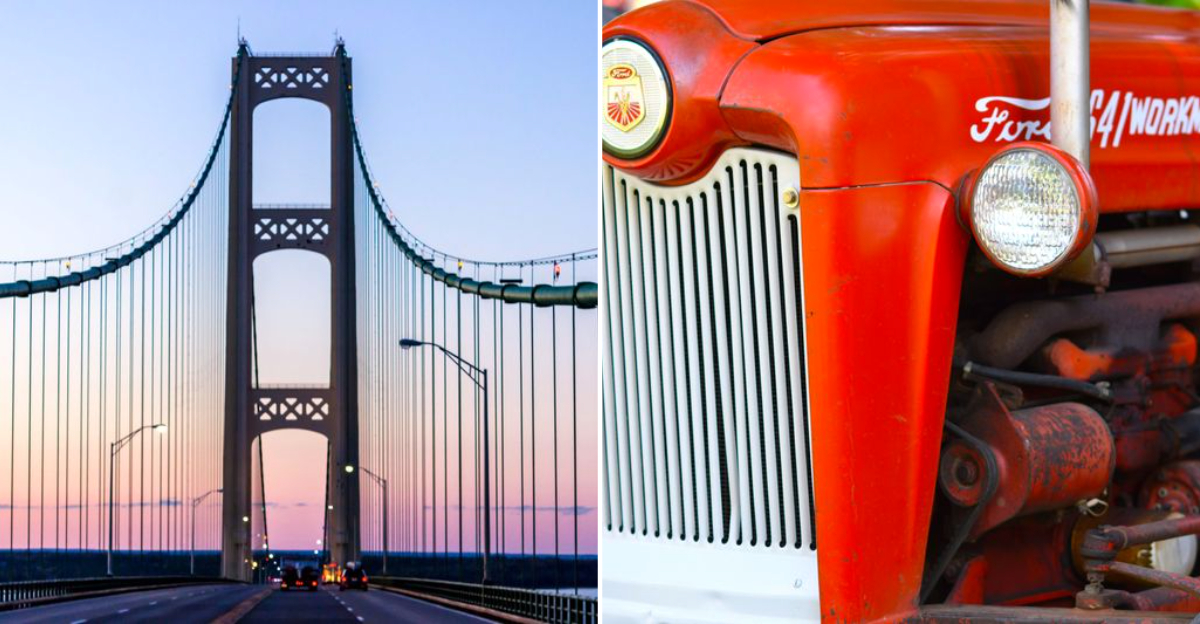
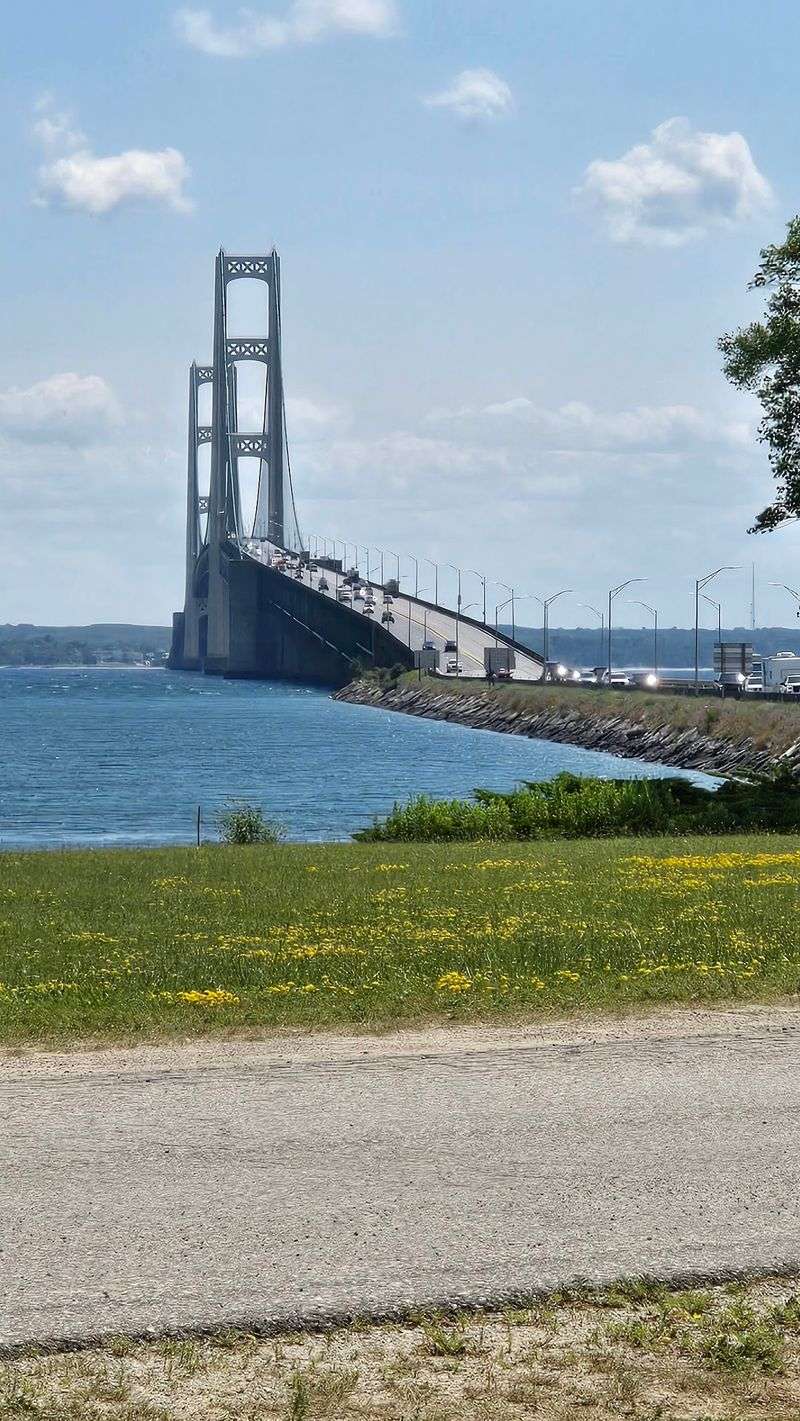
September around the Straits of Mackinac usually means cool lake air, changing leaves, and long views across the water. Then, for one wonderfully strange morning, hundreds of antique tractors take over part of the scenery and begin chugging across Michigan’s most famous bridge.
Started in 2008, the annual tradition has become a moving celebration of farm history, mechanical skill, and machines that families have kept running for generations.
Antique tractors crossing the Mackinac Bridge make this September tradition one of Michigan’s most unusual and nostalgic fall events.
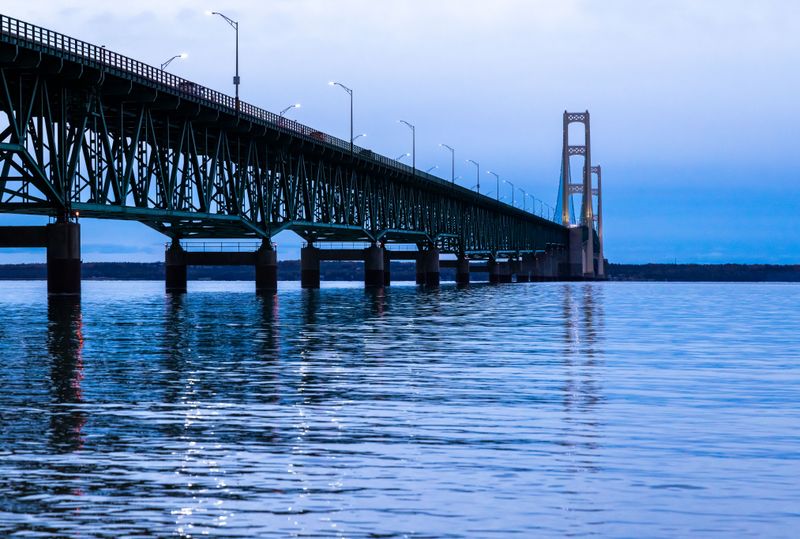
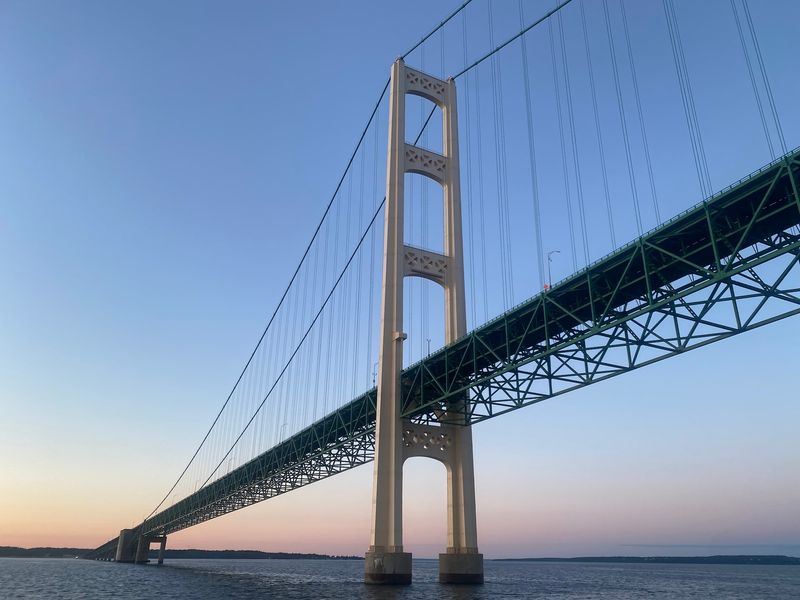
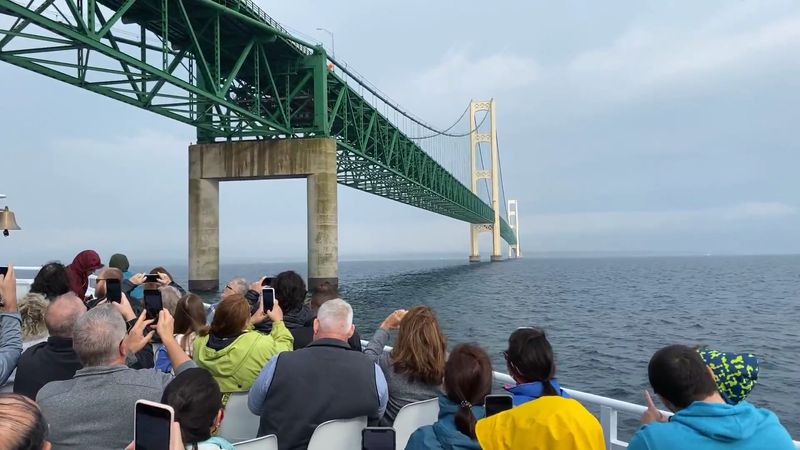
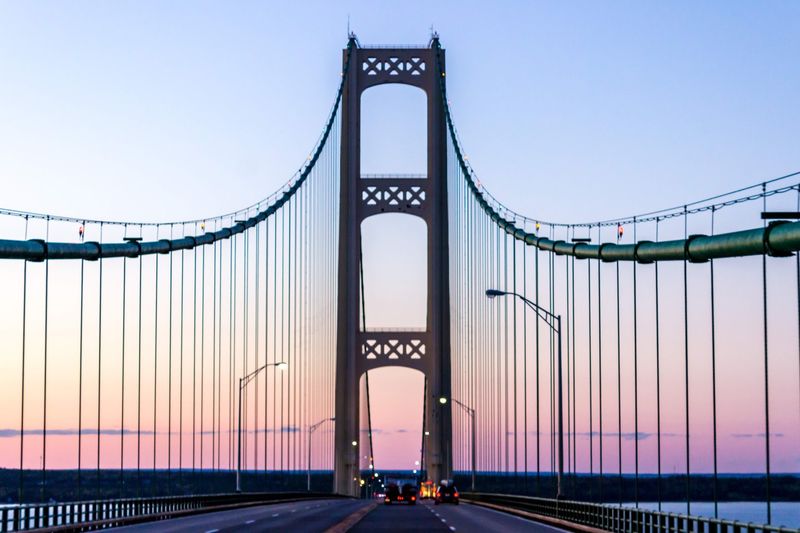
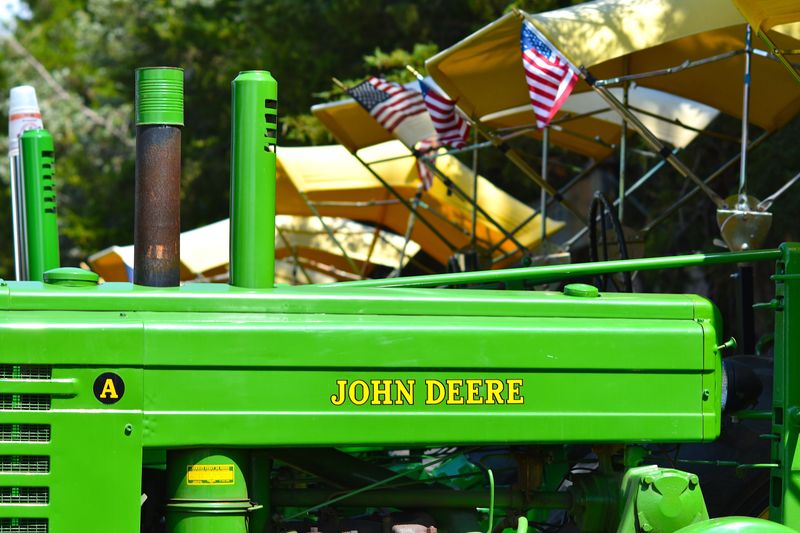
There is something oddly mesmerizing about seeing old farm equipment stretched across five miles of suspension bridge, with Lake Michigan and Lake Huron opening around it. Some tractors gleam like museum pieces; others proudly show every year they have worked.
Either way, the procession turns an already dramatic Michigan landmark into something far stranger, louder, and more memorable.
Arrive Earlier Than Feels Necessary
A quiet street can become tractor country remarkably quickly. Reach your chosen viewing area well before the announced departure, allowing time for parking, walking, and any temporary traffic controls.
Early arrival also offers softer morning light and a less hurried look at the machines assembling for their memorable trip north.
Participants stage west of Mackinaw City near Central Avenue before heading toward the bridge. Public access and parking rules may vary, so follow posted signs and directions from event workers.
Bring patience if you are driving through the region, because regular traffic continues during the crossing. I prefer leaving extra space in the schedule instead of chasing the procession between towns.
One comfortable viewing position usually beats several rushed, uncertain stops along the route that morning.
Central Avenue Sends The Tractors North
The Mackinac Bridge Antique Tractor Crossing begins from the Gravel Pit staging area at 1417 W Central Avenue in Mackinaw City, Michigan. Central Avenue is the road to aim for, carrying visitors west from downtown toward the gathering point before the tractors head for the Mackinac Bridge.
The 2026 crossing takes place Saturday, September 12, with tractors scheduled to leave the south staging area between about 8:30 and 8:45 a.m. They travel through Mackinaw City before joining the bridge northbound toward St. Ignace, while regular bridge traffic continues during the procession.
If you want to see the tractors before they roll out, drive into the Gravel Pit rather than parking along Central Avenue. Event staff directs spectators to designated parking at the back of the staging area; roadside parking on Central Avenue is specifically prohibited.
Choose Your Viewing Side Carefully
Two shorelines create two very different chapters of the spectacle. Mackinaw City shows the buildup as tractors leave the staging area and travel along Central Avenue toward the bridge.
St. Ignace provides the satisfying arrival, with vintage machines rolling through downtown before continuing toward the Little Bear East Arena.
Choose one side based on what interests your group most. Mechanical details and preparation favor the southern staging period, while downtown St. Ignace offers a lively welcome and access to later activities.
Avoid assuming you can watch the departure and then beat hundreds of tractors north. Bridge traffic remains active, and congestion can spoil that plan.
Study official route information, select a legal public viewing place, and settle in. The slower approach reveals details that hurried spectators easily miss.
Dress For The Straits
Wind near the Straits has a mischievous talent for finding every open collar. Wear light layers that can handle a chilly start and a warmer finish, even when the inland forecast looks mild.
A wind-resistant outer layer, comfortable shoes, and a hat that fits securely are sensible companions.
Pack sunscreen and sunglasses because open water can sharpen glare after sunrise. A small rain shell is more useful than an awkward umbrella in crowded or breezy viewing areas.
Standing still feels colder than walking, especially while waiting for a long procession to arrive. Children may appreciate gloves, while everyone benefits from dry socks and sturdy footwear.
Check the hourly forecast for Mackinaw City and St. Ignace separately, then prepare for conditions to shift beside the bridge without much warning.
Listen For More Than Engine Noise
Before the tractors appear, their chugs and clicks often announce them. Put the phone down occasionally and listen as different engines settle into distinct rhythms.
Some machines purr steadily, while others whistle, knock, or cough with the honest personality of equipment built for fields rather than silent roads.
The sound carries agricultural history across a bridge better known for ordinary highway traffic. Many tractors have been repaired, preserved, or passed through families, so each engine represents hours of practical care.
Protect sensitive young ears with suitable hearing protection, particularly near gathering areas where numerous machines idle together. Stay behind established boundaries and never step toward the route for a recording.
A clean audio clip captured from a safe position can preserve the morning’s character better than another distant photograph alone.
Respect The Working Bridge
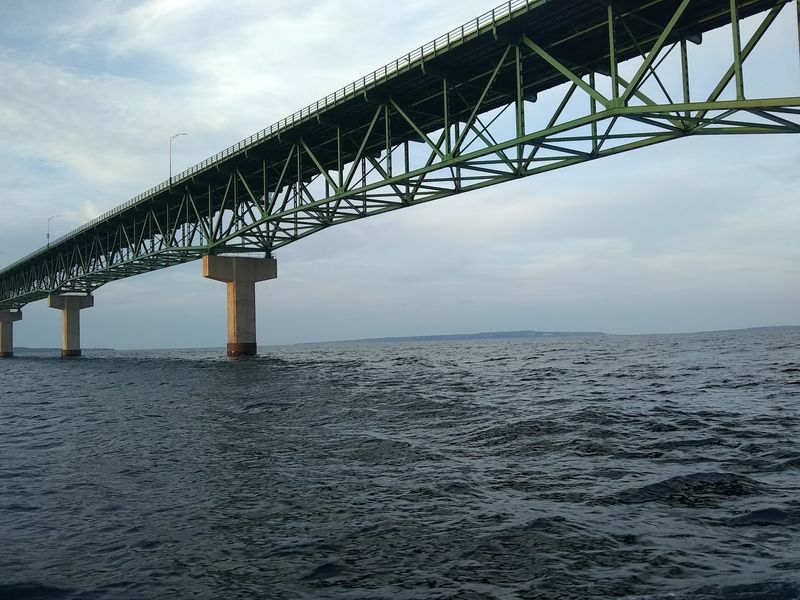
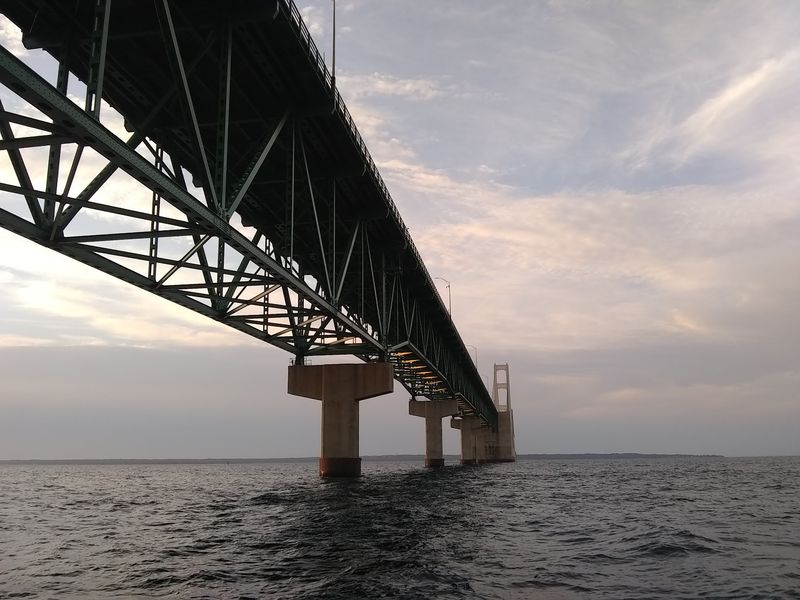
Vintage tractors may command attention, but the Mackinac Bridge remains an operating transportation link. During the event, tractors have used the outside northbound lane while regular vehicles continue crossing.
Follow all barriers, traffic instructions, and bridge rules without treating the roadway as a pedestrian viewing platform.
Never stop on the bridge, lean from a moving vehicle, or slow suddenly for photographs. Those choices endanger drivers and disrupt carefully managed spacing.
If crossing by car, expect unusual traffic and keep your attention on the road. Check current toll information and accepted payment methods through the Mackinac Bridge Authority before traveling to N 415 I-75 in St. Ignace.
Calm, predictable driving supports the crews, tractor operators, and other travelers sharing this remarkable piece of Michigan infrastructure that September morning.
Meet The Machines Before Saturday
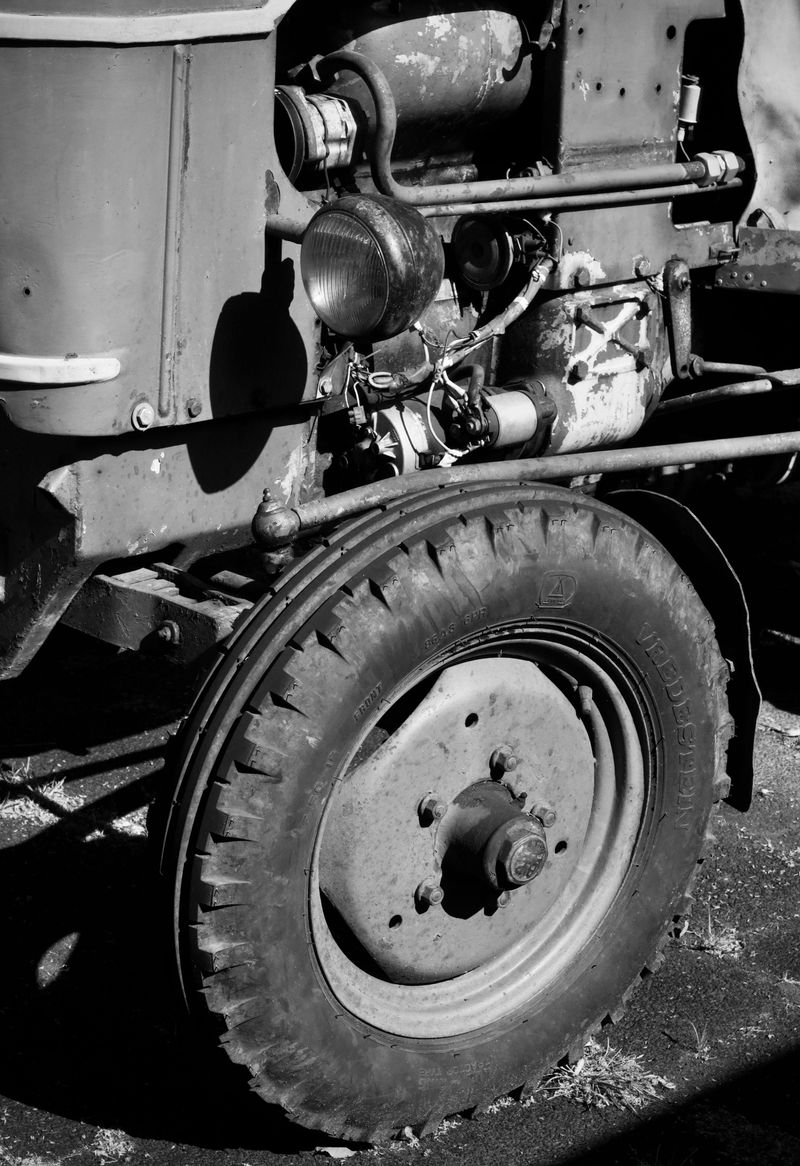
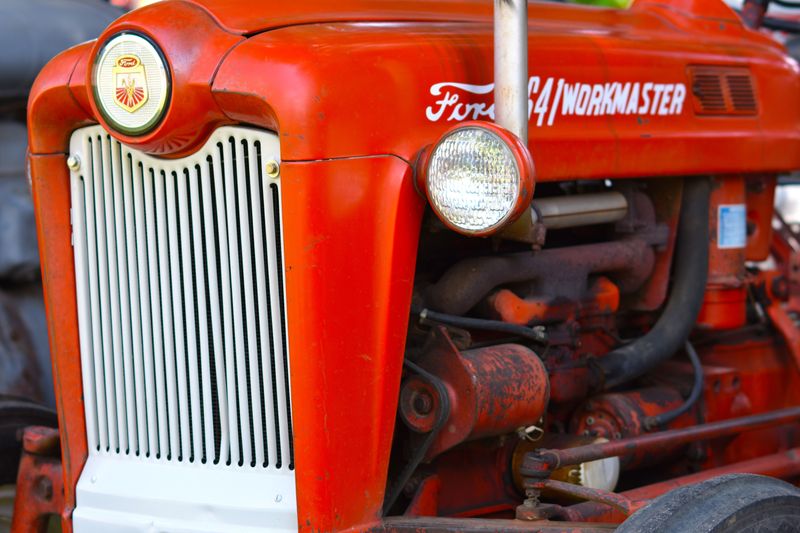
Paint, patched seats, and enormous rear tires deserve a slower inspection than parade speed allows. Organizers have welcomed tractors into the Mackinaw City staging area during the days before the crossing, giving visitors a chance to appreciate machinery from different brands and eras.
Verify current public access times before arriving.
Respect ropes, signs, and owners working on their equipment. A tractor that looks ready for a postcard may still need fuel checks, adjustments, or last-minute repairs.
Ask permission before photographing people closely, and avoid touching controls or climbing onto any machine. Friendly conversations often reveal whether a tractor worked local soil or traveled from another state or Canada.
Seeing these practical details beforehand adds meaning when the same machine later climbs onto the Mighty Mac with hundreds of companions.
Understand The Family History
Fresh paint is only the visible layer of many tractors here. Some machines are family keepsakes, maintained in memory of parents or grandparents who used them for farm work.
That personal history turns the procession into something warmer than a display of polished metal.
The crossing began with an idea from Bob Baumgras in 2007, followed by the first event in 2008. Its growth reflects both mechanical enthusiasm and the friendships built among participating clubs.
When an owner seems free to talk, ask what the tractor once did rather than how much it cost. Listen without interrupting work or departure preparations.
One short story about haying, restoration, or a stubborn engine can explain why hauling an old tractor across Michigan feels entirely reasonable to its caretaker.
Continue Toward Little Bear East
Crossing the bridge is the headline, not always the final scene. After entering St. Ignace, tractors traditionally continue toward Little Bear East Arena, where scheduled activities have included tractor games, a children’s pedal pull, and tug-of-war.
Confirm the current program because offerings and times can differ each year.
Downtown viewing lets the procession pass against storefronts rather than open water. The change of background makes the arrival feel like a community welcome after five exposed miles above the Straits.
Plan where your group will reconnect if crowds separate you, and identify restrooms and parking before settling down. Families should keep children close around moving equipment.
Staying for later activities rewards patient visitors with closer looks, cheerful competition, and conversations impossible to hear beside the active parade route.
Leave Room For A Slow Exit
When the last tractor passes, thousands of horsepower do not vanish neatly into a shed. Streets, parking areas, and bridge approaches may remain busy while participants move toward activities and spectators begin leaving.
Allow extra travel time instead of treating the final wave as a starting signal for a race.
Keep local access clear and carry away everything you brought. Nearby businesses and event crews handle an unusual rush, so simple patience helps the day end smoothly.
Before departing, pause for the fading engine sounds and the restored skyline beyond St. Ignace. The event works because drivers, organizers, bridge staff, residents, and visitors cooperate around active machinery.
Leaving carefully is part of that shared effort, and it protects the welcoming spirit that has sustained the crossing since 2008.