
One Of America’s Largest Animal Sanctuaries Is Hiding Right Here In Colorado
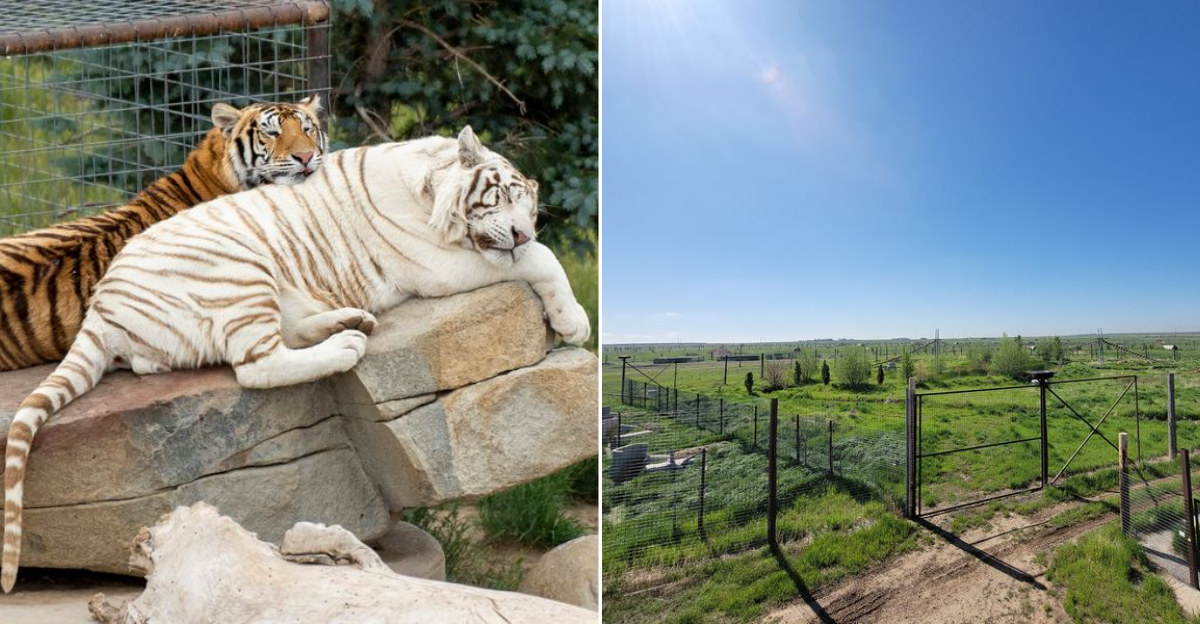
Some outings are better when the plan is simple enough to explain before everyone starts overthinking it. Here, the appeal comes from rescued animals, enormous stretches of open land, and a raised walkway that gives visitors a clear view without pushing into the animals’ space.
For families looking for something meaningful to do in Colorado, that balance matters. You get the excitement of seeing powerful animals up close enough to appreciate them, while the experience still keeps their comfort and recovery at the center.
The scale can surprise you too. This is not a quick lap past a few enclosures, but a place built around room, distance, and respect.
That makes the visit feel different from a typical animal attraction. By the time you are walking above those wide plains, it becomes easy to see why this kind of outing gives Colorado something both memorable and genuinely worth fully understanding.
A Keenesburg Stop With A Clear Purpose
Some outings earn attention because they are flashy. This spot earns it by being unusually direct about why it exists.
The sanctuary is a nonprofit refuge for rescued large carnivores and other animals that cannot return to the wild. The setting matters.
Keenesburg sits on Colorado’s eastern plains, where open land gives the organization room to build large habitats instead of tight display areas.
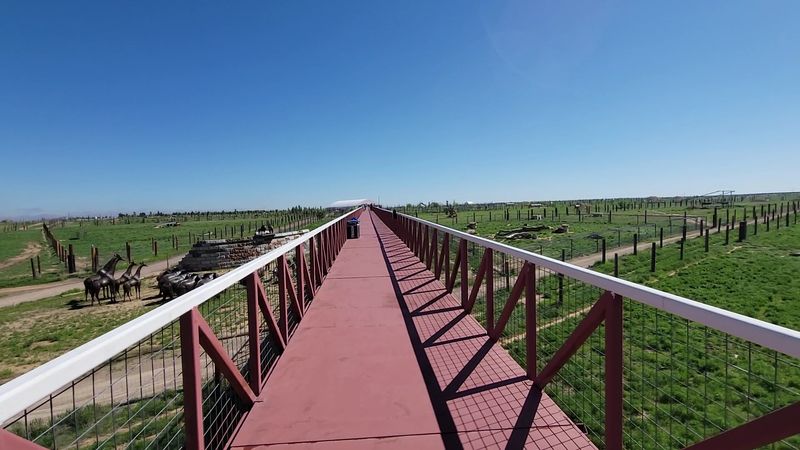
That makes the visit different from a standard zoo day. People come to observe animals such as lions, tigers, bears, wolves, and other rescued species from an elevated walkway, while the animals remain in roomy habitat areas below.
The Wild Animal Sanctuary is built around care first, with public education following close behind.
For travelers, that clear purpose makes planning easier. You are not choosing between rides, shows, and a dozen side attractions.
You are going to see how a working sanctuary handles rescued wildlife at a scale most visitors do not expect to find in Colorado.
Animals Are The Residents, Not The Performers
The first useful thing to know is also the thing that saves everyone from the wrong expectations. The Wild Animal Sanctuary is not designed around animal tricks, timed shows, or close contact photos.
Its mission is rescue and lifetime care. Many animals housed there came from situations where private ownership, illegal trade, roadside attractions, or inadequate facilities left them needing a safe permanent home.
The sanctuary’s public message focuses on the captive wildlife crisis, which is a sober phrase for a problem that does not fit neatly on a souvenir magnet.
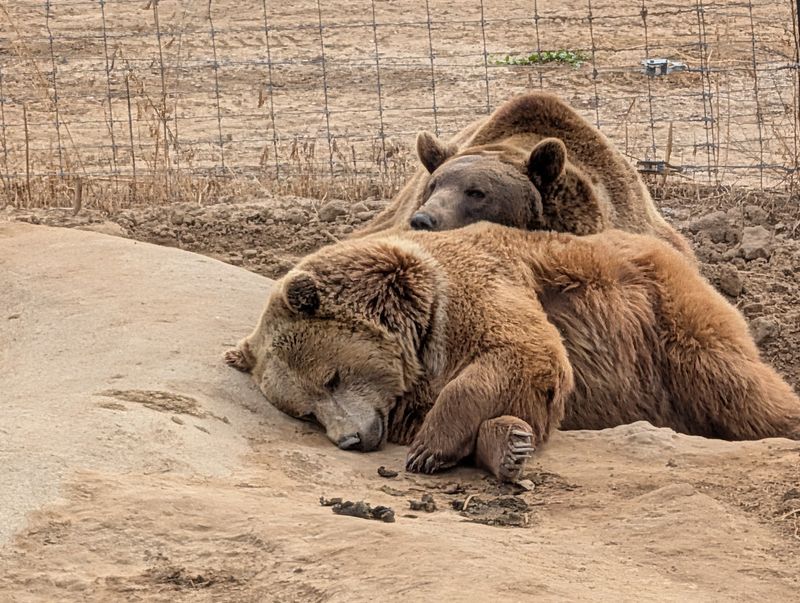
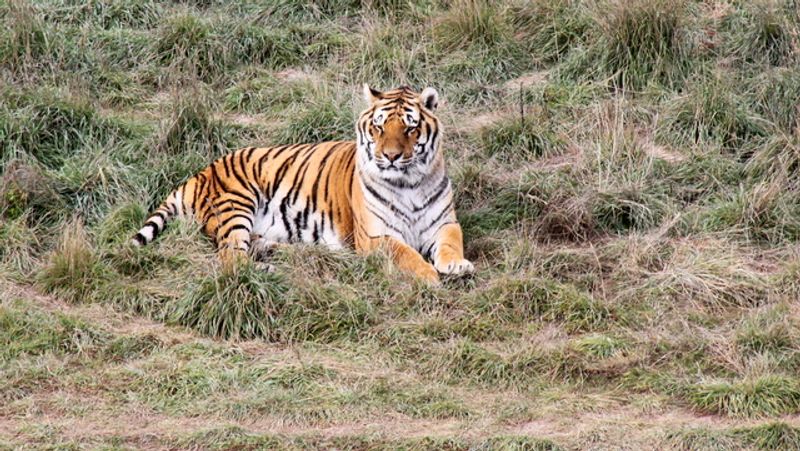
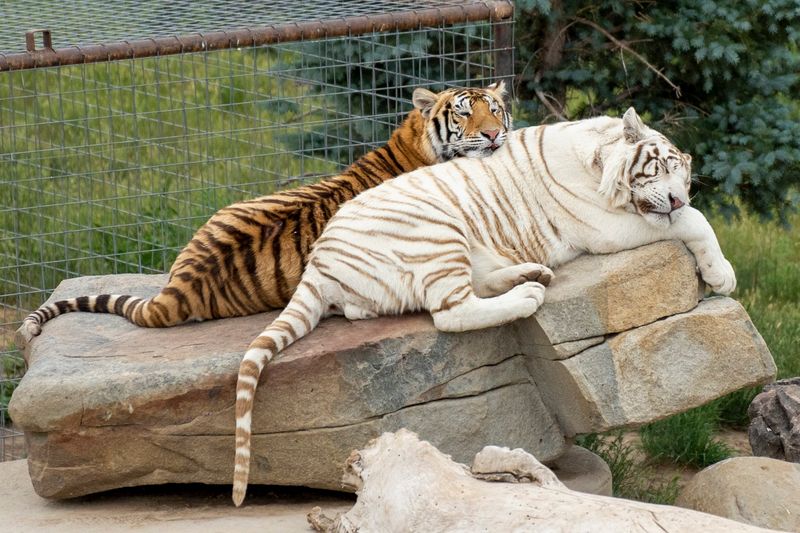
Visitors may see lions, tigers, bears, wolves, leopards, foxes, lynx, and other species, but sightings depend on animal behavior, distance, weather, and time of day. That is not a flaw in the plan.
It is part of the point.
At The Wild Animal Sanctuary, the animals are allowed to rest, move away, gather with their own kind, or simply ignore the humans above them. That can be a useful lesson for children and adults alike.
Respect sometimes looks like giving another living creature a lot of room.
The Walkway Changes The Whole Visit
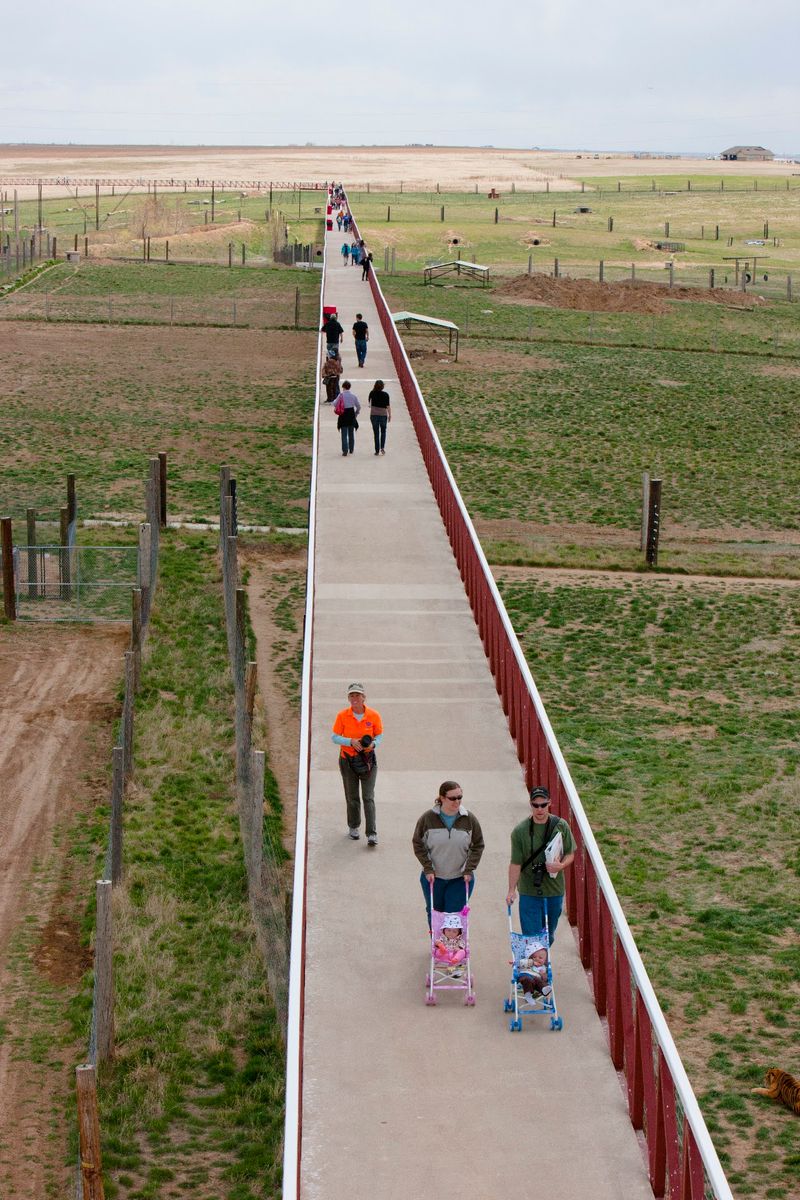
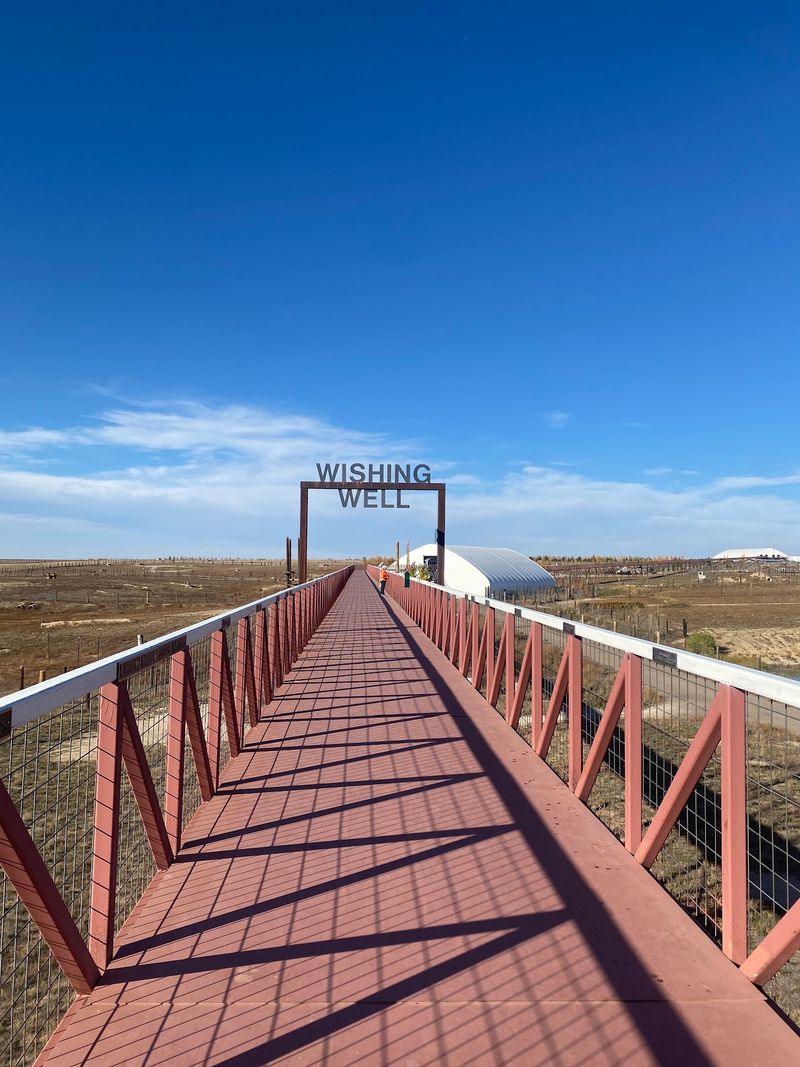
A clever walkway can do more than move people from one point to another. At The Wild Animal Sanctuary, the elevated route is the main visitor experience and the reason the visit feels so distinct.
The sanctuary is known for its Mile Into The Wild Walkway, an elevated path that extends more than 1.5 miles across the property. Visitors look out over large habitats from above, rather than standing directly along fence lines.
The design keeps people separated from the animals while still allowing broad views across the refuge.
Plan for walking. The full out and back route can take time, especially if your group pauses often to read signs, scan habitats, or let younger legs negotiate the ancient question of how much farther.
Comfortable shoes are not a personality statement here. They are simply wise.
Binoculars can also help because many animals may be far from the walkway. The scale is part of what makes The Wild Animal Sanctuary memorable, but it also means visitors should slow down and look carefully.
Rushing through defeats the best part of the design.
Colorado Plains Give The Sanctuary Its Scale
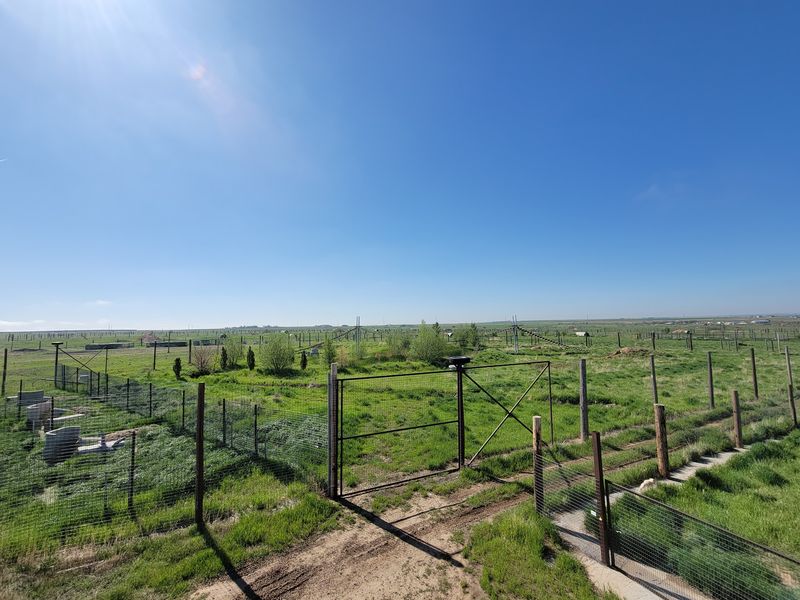
Colorado travel often gets reduced to mountains, which is unfair to the rest of the state and frankly rude to all that sky. The Wild Animal Sanctuary makes strong use of the eastern plains instead.
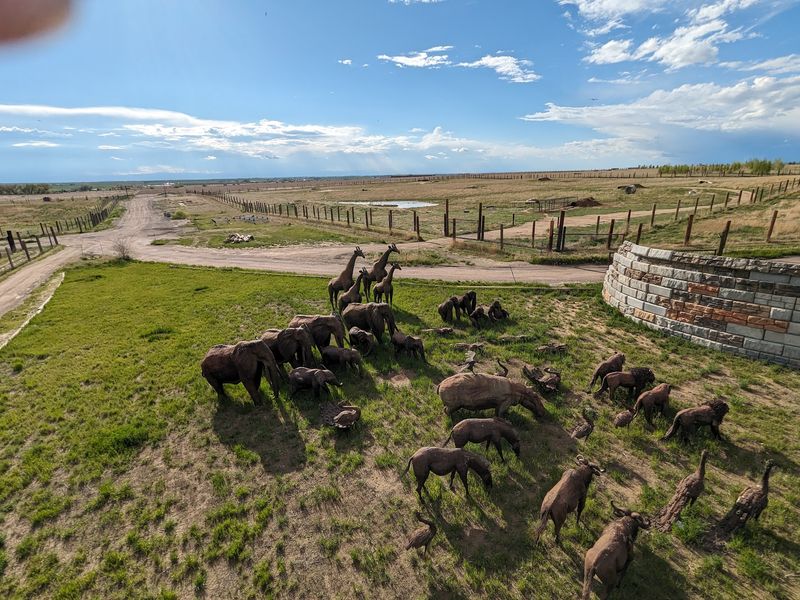
The Keenesburg facility covers about 1,450 acres, giving the organization space for large acreage habitats. That scale is not decorative.
It supports the sanctuary’s model of placing rescued animals into more open living areas, often with others of their own species, rather than keeping them in small public facing exhibits.
The location is roughly an hour northeast of Denver, depending on traffic and starting point. The drive brings visitors away from the city and into a more open part of Colorado, where distance becomes part of the experience.
You are not stepping into a compact urban attraction. You are arriving at a working refuge built around land, separation, and long term care.
The Wild Animal Sanctuary also operates other refuge properties, but the Keenesburg site is the visitor focused location tied to this address. Keeping that distinction clear matters.
This article is about the public sanctuary in Keenesburg, not a mix of every property the organization manages.
A Rescue Story That Started In 1980
Longevity adds weight here, not because old automatically means good, but because rescue work is not a weekend hobby with a cute logo. The Wild Animal Sanctuary was founded in 1980 by Pat Craig.
Since then, the organization has grown into one of the largest and oldest nonprofit sanctuaries of its kind. Its work centers on rescuing and caring for large carnivores and other animals from around the United States and beyond.
The animals are not brought in for novelty. They arrive because they need permanent care that ordinary homes, small roadside operations, or poorly prepared owners cannot provide.
That history gives the Keenesburg visit more depth than a simple animal viewing stop. Signs and staff information help explain why these animals are there and why sanctuary care differs from entertainment based display.
Good To Know: The Wild Animal Sanctuary is a refuge first, so the visit works best when people arrive ready to learn, walk, and observe patiently.
For adults, the backstory can be just as absorbing as the animal sightings. For children, it introduces animal welfare in concrete terms, without turning the day into a lecture with sneakers.
The Welcome Center Keeps Things Grounded
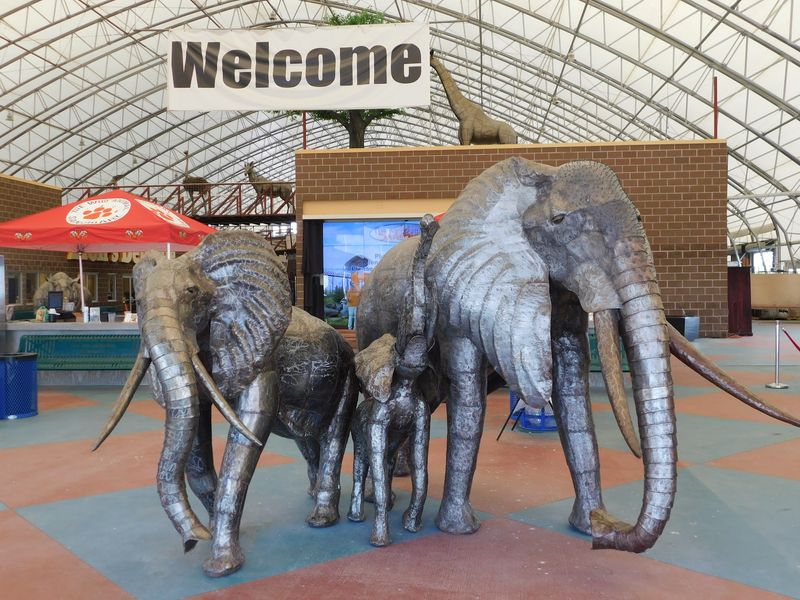
A place this large still needs a practical front door. The Wild Animal Sanctuary uses its Welcome Center to orient visitors before they head onto the elevated walkway.
The facility includes guest services, educational information, and the Lion’s Den Cafe, which gives people a way to pause before or after the long walk. That matters more than it sounds.
A sanctuary visit can take several hours, and nobody becomes a better learner because they forgot lunch and decided to be dramatic about it.
Current visitor information should always be checked before leaving home, especially for hours, admission, weather related updates, and seasonal adjustments. The sanctuary is generally open to visitors, but planning from the official website is the sensible move.
Large outdoor properties do not run like a corner shop with a bell on the door.
For a simple Saturday detour, aim for 2999 County Road 53, Keenesburg, CO 80643, and give the outing breathing room. The Wild Animal Sanctuary is not the kind of stop to squeeze between errands unless your errands are unusually patient.
Build in time to walk, look, read, rest, and return without turning the day into a forced march.
Families Can Learn Without A Classroom Feel
Children often understand animals before they understand policy, which is why The Wild Animal Sanctuary can be useful for families. The place turns a big topic into something visible.
Instead of only hearing that exotic animals should not be kept as casual pets, young visitors can see what long term sanctuary care looks like. They can compare the idea of a cramped cage with the reality of broad habitats, distance, and careful separation.
That lesson lands differently when there is a bear or tiger somewhere out on the land below.
Parents should prepare for the walking distance and the slower pace. Strollers or mobility plans may be worth considering for younger children, and water, sun protection, and comfortable shoes are practical choices.
The animals may be active or resting, close enough to spot easily or far enough that binoculars help.
The Wild Animal Sanctuary does not need to behave like a theme park to hold attention. Its value for families comes from giving kids a real example of rescue, responsibility, and patience.
Also, any outing where adults can say, “Please stop running, we are above the lions,” has a certain memorable efficiency.
Couples And Solo Visitors Get A Slower Kind Of Outing
Not every outing needs music, reservations, or a schedule broken into fifteen minute chunks. For couples and solo visitors, The Wild Animal Sanctuary offers a slower rhythm that still feels substantial.
The experience is built around walking, watching, and reading about animal rescue. That makes conversation easy for couples, because the place gives you something real to talk about besides work calendars and whose turn it is to deal with the recycling.
For solo visitors, the walkway offers a clear route and enough interpretive material to make the visit feel focused rather than aimless.
The sanctuary’s scale also helps. Large habitats invite people to pause and scan, and the distance encourages attention instead of quick photo collecting.
Some animals may be resting. Others may be moving through their habitat.
Either way, the visit rewards patience more than speed.
Colorado has plenty of outings that ask visitors to admire scenery. The Wild Animal Sanctuary adds a mission to that scenery.
It is not loud about it, but the message is steady: rescued animals need space, care, and people willing to support both. That gives the day a thoughtful center without making it heavy from start to finish.
Weekend Travelers Should Budget Time, Not Just Mileage
The drive from the Denver area may sound straightforward, and for many people it is. The larger planning issue at The Wild Animal Sanctuary is not mileage.
It is time on site.
The elevated walkway stretches far enough that a quick pop in visit can feel rushed. Add animal viewing, reading rescue information, pausing at overlooks, using the Welcome Center, and possibly stopping for food, and the outing becomes a real half day plan.
That is not a complaint. It is a warning against treating a 1,450 acre sanctuary like a roadside photo stop.
Weather also deserves attention because much of the visit takes place outdoors. Colorado can ask visitors to carry sunscreen in one season and extra layers in another, sometimes with the confidence of a state that enjoys keeping people humble.
Check current conditions and official guidance before heading out.
The Wild Animal Sanctuary works well for weekend travelers who want a meaningful stop without building an elaborate itinerary. It has one main reason to go, a clear route once you arrive, and enough substance to justify lingering.
Bring patience, practical shoes, and realistic expectations. The animals live there.
Visitors are the ones passing through.
Why This Colorado Sanctuary Stays With People
The lasting pull of The Wild Animal Sanctuary is not only its size, although the scale certainly helps. The stronger reason is how plainly the place shows the difference between display and refuge.
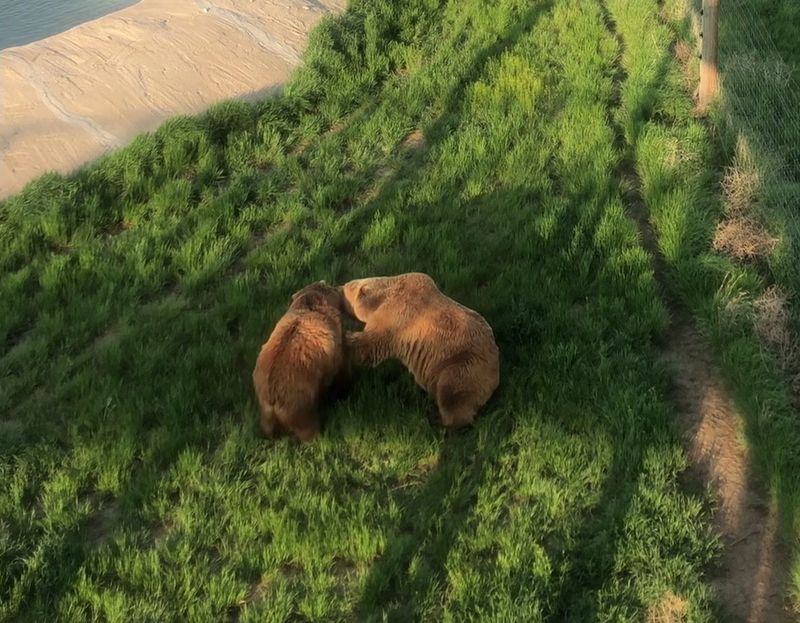
On the Keenesburg plains, rescued animals are given room, separation, and care designed around their needs. Visitors still get the rare chance to observe lions, tigers, bears, wolves, and other species, but the viewing system keeps human curiosity from becoming the center of the animals’ day.
That balance is the whole story.
For Colorado travelers, the sanctuary also expands the idea of what a day trip can be. It is not a mountain overlook, a museum wing, or a downtown stroll.
It is a working animal refuge where the main attraction is a better way of thinking about animals that have already had too much human interference.
The Wild Animal Sanctuary gives families, couples, solo visitors, and road trippers a clear reason to slow down and pay attention. Go for the scale, stay alert for the animals, read the rescue stories, and leave the place a little more thoughtful than when you arrived.
Tell the group to wear real shoes, because the lions are not coming closer just to save anyone steps.