
This Majestic Red Rock Park In Colorado Feels Like Another Planet
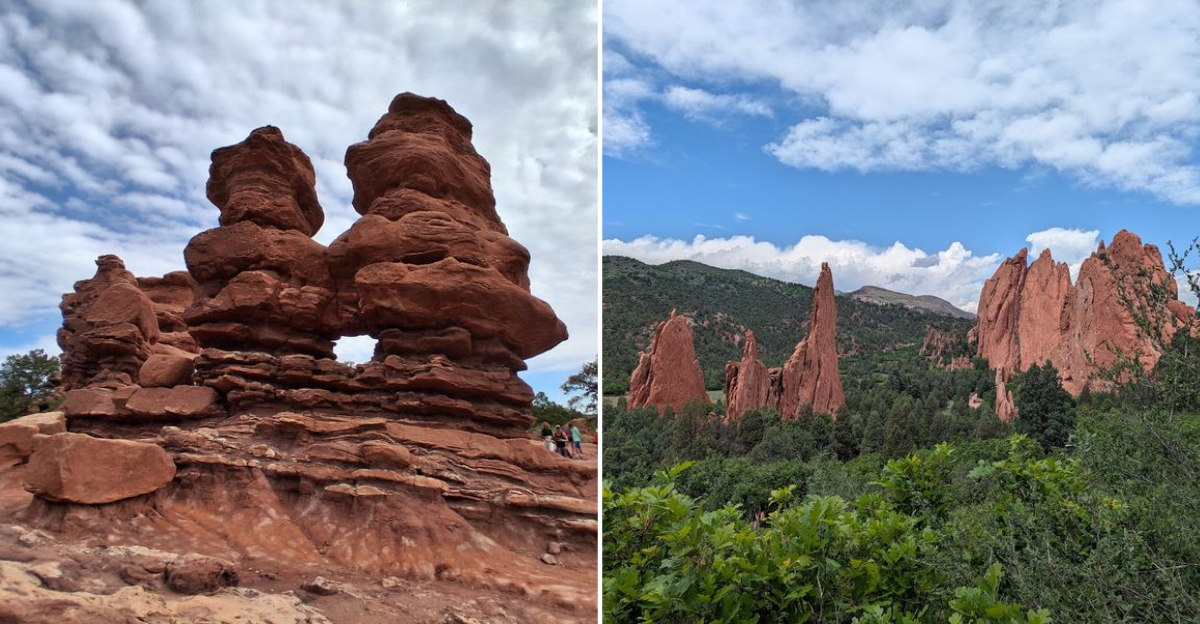
The best afternoons are often the ones that accidentally become the highlight of the whole trip. Here, towering red rock formations, open walking paths, and huge skies turn an easy outing into something that feels much more cinematic than planned.
For anyone spending time in Colorado, the appeal is immediate because there is no complicated setup, no admission fee, and no pressure to race through a checklist. You can wander, stop whenever a view catches you, and let the landscape set the pace.
That freedom gives the place its personality. One bend reveals a wall of stone glowing in the sun, while another opens onto a view that seems almost too perfectly arranged.
Even a short visit can stretch longer than expected, simply because leaving feels premature. By the end, a spare afternoon in Colorado can feel less like filler and more like the story everyone keeps happily retelling afterward.
Red Rocks That Look Like They Landed From Space
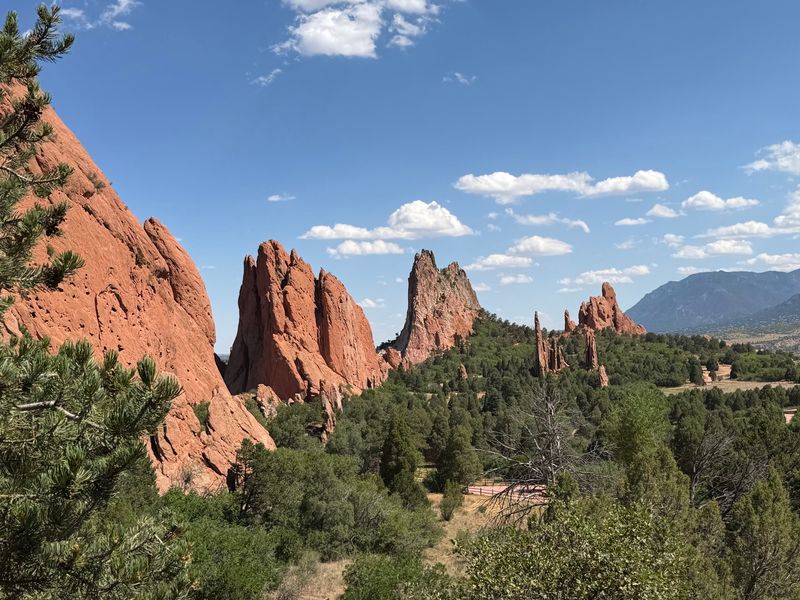
The first surprise at Garden of the Gods Park is how the red sandstone rises straight from the ground, as if the earth forgot to finish a normal hillside. The park’s best known formations stand in sharp contrast to the nearby foothills and open sky.
Those rocks are not props, even though they can look suspiciously theatrical. The formations were shaped over long geologic time, then lifted and tilted by forces connected to the same mountain building story that helped form the Front Range.
For visitors, the science lesson comes with very little homework. You can walk paved paths through the central area, stop at interpretive signs, and let the scale do most of the talking.
In Colorado, grand landscapes can sometimes require long drives, steep climbs, or a heroic amount of snack planning. Here, the drama starts close to the parking areas.
That makes the park useful for families, couples, solo travelers, and road trippers who want scenery without turning the day into an expedition. Bring water, wear shoes made for walking, and give yourself permission to stare.
The rocks are doing plenty already.
A Free Colorado Landmark With An Unusual Promise
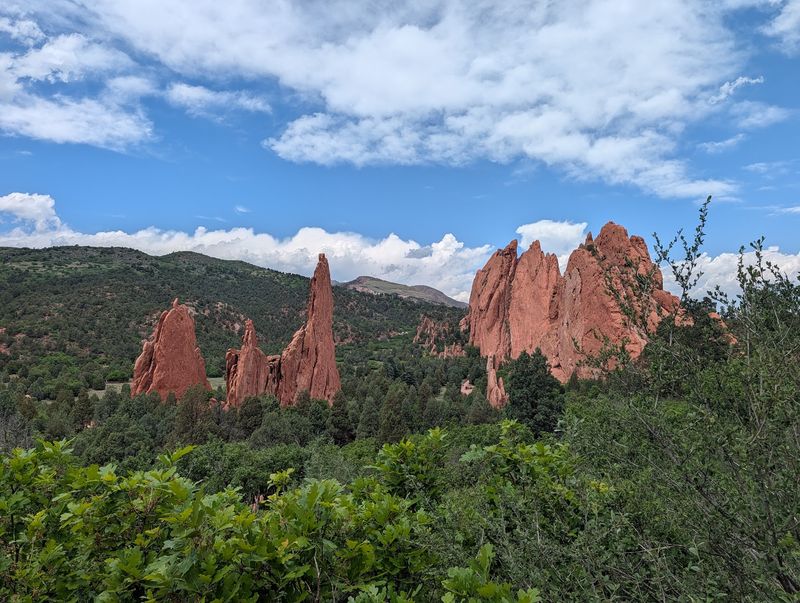
A park this dramatic could easily have become a place with gates, tickets, and a small fee for every little thing. Instead, Garden of the Gods Park remains free to the public, which is not an accident or a modern marketing trick.
The land was given to the City of Colorado Springs in 1909 by the children of Charles Elliott Perkins. The gift came with an important condition: the park would remain free for the public to enjoy.
That detail gives the visit a neighborly feel, even when the rocks look ready for a movie scene.
Free admission matters because it lowers the pressure. A family can stop without calculating whether every child will appreciate geology on command.
A couple can take a quiet walk without building the entire day around the cost. A solo visitor can wander for an hour and leave before overthinking the schedule.
The park also has official recognition beyond local pride. Garden of the Gods Park was designated a National Natural Landmark in 1971, a nod to its rare geologic value.
Colorado has many famous outdoor spaces, but this one pairs serious natural history with the rare pleasure of showing up without a ticket window standing between you and the view.
The Central Garden Trail Keeps The Big Scenery Simple
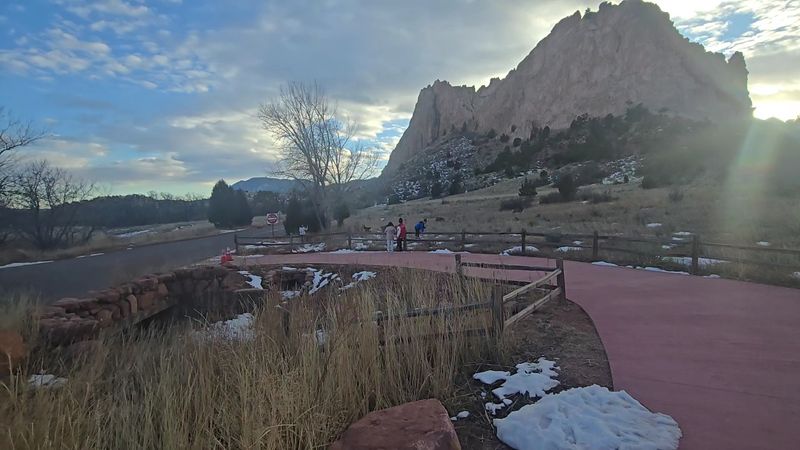
Not every beautiful place is kind to people who just want a manageable walk. Garden of the Gods Park does better than that with the Perkins Central Garden Trail, a paved route that brings visitors close to several major rock formations without demanding expert hiking skills.
The trail is often described by official park information as an accessible paved loop in the central garden area. That matters for travelers with strollers, mixed age groups, or relatives who enjoy scenery but do not wish to audition for a mountaineering documentary.
Because the route is direct and easy to follow, it works well as a first stop. You can get a strong sense of the park before deciding whether to explore more trails.
The central area also helps explain the park name, since the formations do feel arranged with strange care, like a garden planted by geology instead of a person with a shovel.
Practical advice is simple here. Start with the paved path, read the signs when you see them, and avoid rushing from formation to formation as though checking boxes.
The main event is the space between the rocks, the way the vertical slabs change shape as you move, and the odd pleasure of realizing the easy path was enough.
Trails Reach Beyond The Famous Formations
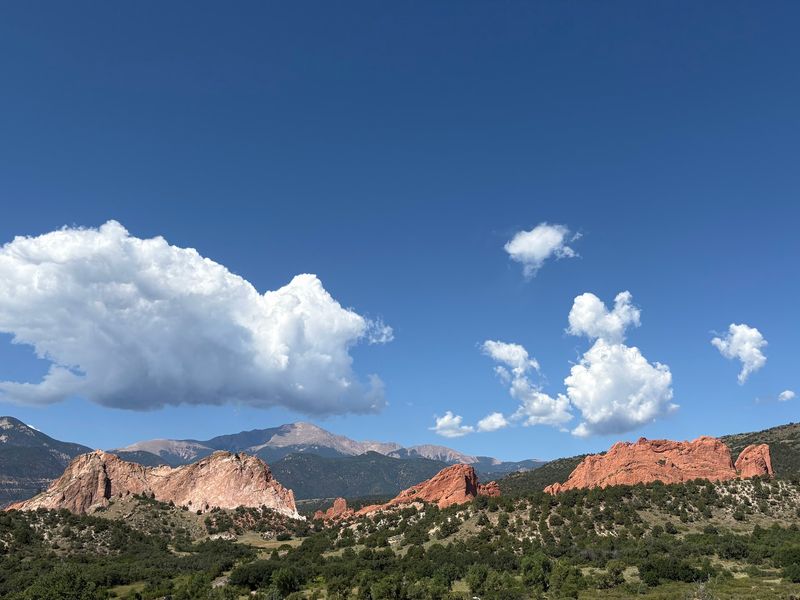
The central rocks get the attention, but Garden of the Gods Park is larger than one postcard angle. Official park information describes more than 1,300 acres and a trail system with over 20 miles of routes, which gives visitors choices once the main formations have done their dramatic introductory speech.
Some trails stay easy and close to the central area, while others move through quieter parts of the park and offer different views of the formations. That variety is useful because not every outing has the same energy level.
Some days call for a short walk. Other days can handle a longer loop and a little more dust on the shoes.
Trail choice also helps different groups stay realistic. Families can keep the route brief and still see the red rocks.
Solo visitors can add distance without leaving the park setting. Weekend travelers can stretch the stop into a half day if the schedule allows.
Good To Know: staying on marked trails protects the fragile landscape and keeps the visit simple for everyone. Colorado weather can also shift quickly, so water, sun protection, and layers are sensible even for a walk that begins with cheerful confidence.
Nobody wants their casual outing to become a lesson in poor hat decisions.
Rock Climbing Adds Drama Without Turning The Park Into A Circus
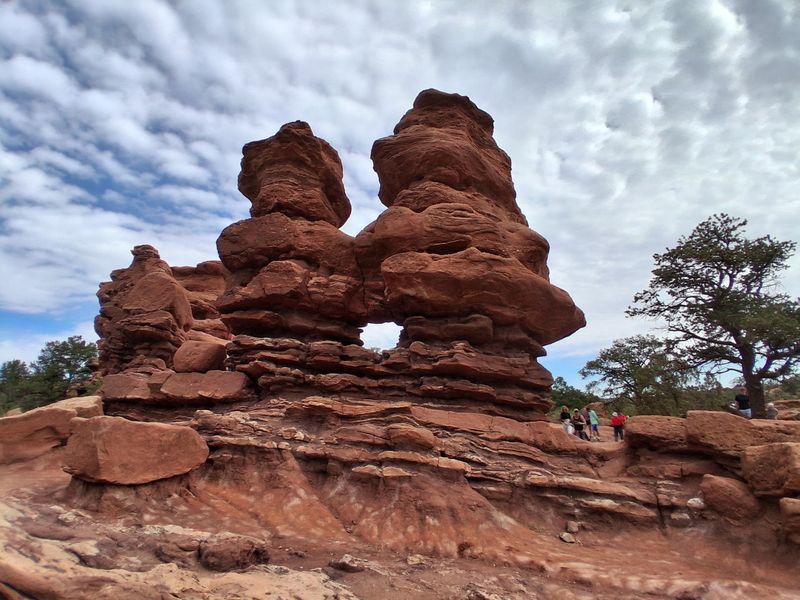
Look closely at some of the tall formations, and you may see why rock climbers are drawn to Garden of the Gods Park. The vertical sandstone fins create a setting that looks bold even from the walking paths, though climbing here is managed carefully rather than treated like a free for all.
The City of Colorado Springs requires climbers to follow park rules and obtain the proper permit. That is worth knowing even for people who have no plans to climb anything more ambitious than a curb after lunch.
The permit system helps balance recreation with protection of the formations, which are the reason everyone came in the first place.
For non climbers, the activity adds another layer of interest. Watching from approved areas can make the height of the rocks easier to understand.
It is one thing to see a red wall from a trail. It is another to realize that trained people need ropes, gear, and actual skill to move on it safely.
Garden of the Gods Park is not only a place for strolling past scenery. It is an active outdoor space where geology, recreation, and rules have to share the same stage.
That sounds less romantic than red rocks at sunset, but honestly, good management is what keeps the show running.
The Visitor Center Helps Turn Weird Rocks Into A Story
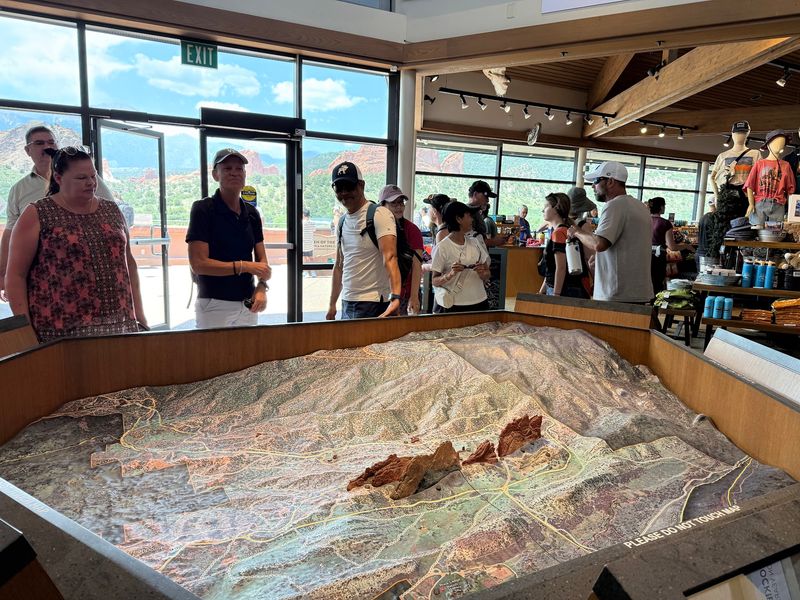
A strange landscape becomes more interesting when you understand even a little of what you are seeing. The Garden of the Gods Visitor and Nature Center, located near the park, helps connect the red formations to geology, ecology, and local history without making the outing feel like a school assignment with parking.
Exhibits and visitor information can help explain how the rocks formed, why they stand at such steep angles, and how people use the park today. For first time visitors, that context can make the walk through Garden of the Gods Park feel less like random amazement and more like reading a very old book with unusually large pages.
The center is also useful for practical planning. Travelers can check maps, learn about trails, and get oriented before deciding how much time to spend outside.
That is especially helpful when a group contains one person who wants a long hike and another who believes vacation should include sitting down at reasonable intervals.
Use the complete park address, 1805 N 30th St, Colorado Springs, CO 80904, when setting your navigation, then confirm current hours before heading out. For a simple Saturday detour or a quick stop while already in town, a little orientation can keep the visit relaxed instead of turning it into a parking lot conference.
Pikes Peak Gives The Red Rocks A Famous Neighbor
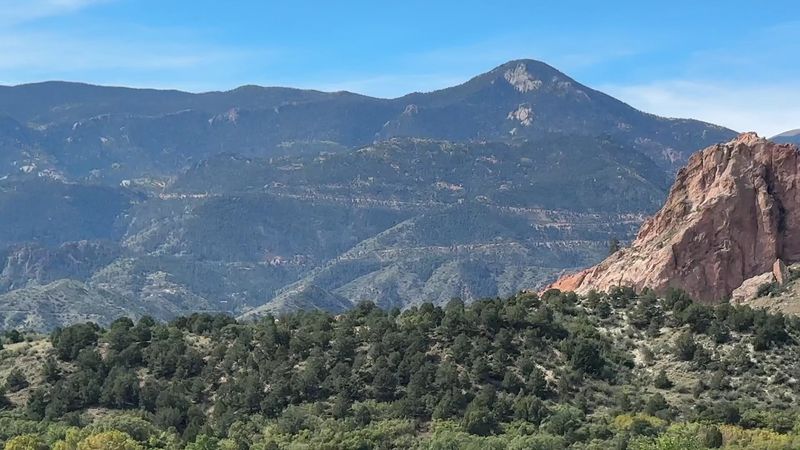
Part of the visual punch at Garden of the Gods Park comes from its place along the Colorado Front Range. The red sandstone formations stand in the foreground, while Pikes Peak can be seen from parts of the area, giving the park a layered look that is hard to confuse with anywhere flat.
That relationship matters because the scenery is not only about one rock group. The park sits within a larger Colorado Springs landscape shaped by mountains, foothills, and open spaces.
The result is a place where a short walk can include both close up geology and a broader sense of the region.
For road trippers, that makes the park a useful orientation point. You can see why Colorado Springs is often associated with outdoor access, but you do not need to commit to an all day mountain route to understand the appeal.
The red rocks deliver the immediate surprise, and the mountain backdrop supplies the bigger context.
Photos are popular here for obvious reasons, but the better plan is to leave room between pictures. Look at the formations from several angles.
Notice how the upright shapes change against the horizon. Garden of the Gods Park is generous to cameras, but it is even better when nobody in the group is being ordered to smile every twelve seconds.
Dogs Can Join The Outing With Sensible Rules
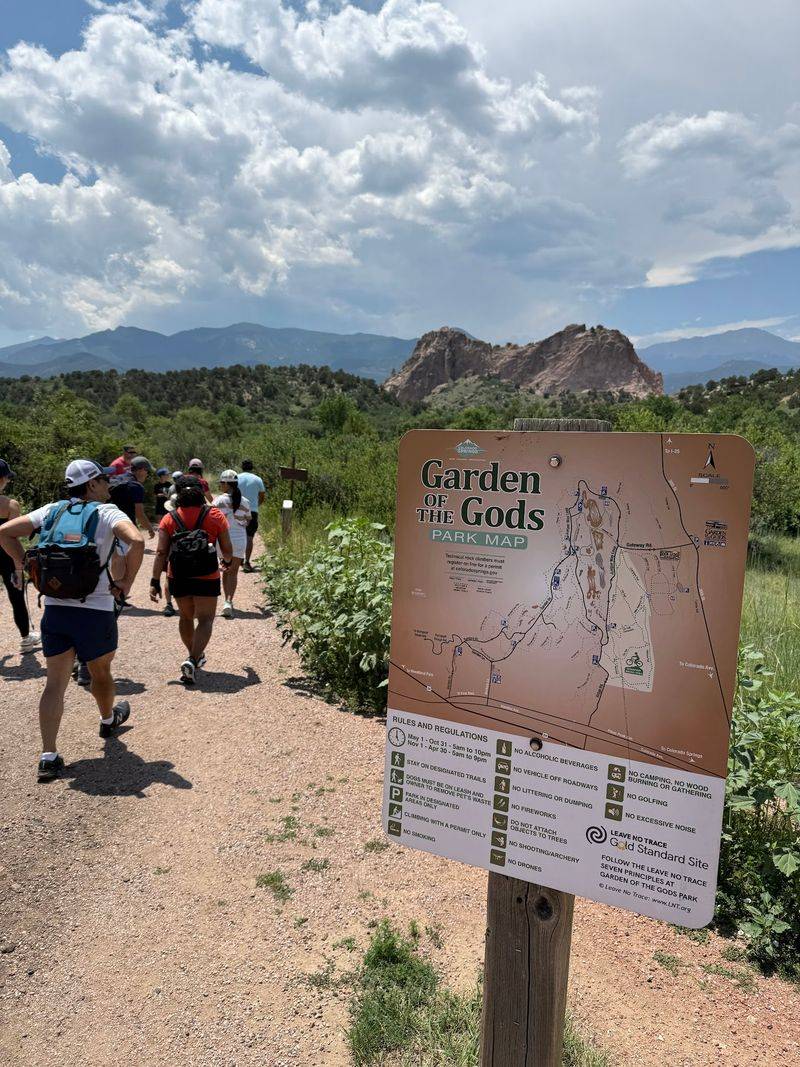
Plenty of outdoor plans get complicated when a dog is part of the household committee. Garden of the Gods Park allows leashed dogs in many areas, which makes it easier for travelers and local residents to include a pet without turning the day into a logistics puzzle.
The key word is leashed. The park protects sensitive land, busy paths, wildlife, and other visitors, so pet rules matter.
There is also a designated off leash area in the park, but visitors should check current city guidance and posted signs before assuming where that applies.
For families and couples traveling with a dog, the practical routine is straightforward. Bring waste bags, carry water, choose a route that matches the pet and the people, and stay alert around narrow paths or busier viewpoints.
A dog may admire ancient sandstone deeply, or may mostly admire interesting dirt. Both reactions are valid, within reason.
Including pets can make a visit feel more like an ordinary Colorado outing than a major production. Still, the landscape deserves care.
Garden of the Gods Park is free and open because public use and public responsibility are supposed to work together. Keeping dogs under control is one of those small civic acts that sounds boring until everyone gets to enjoy the trail without drama.
The Park Works For Short Visits And Slow Afternoons
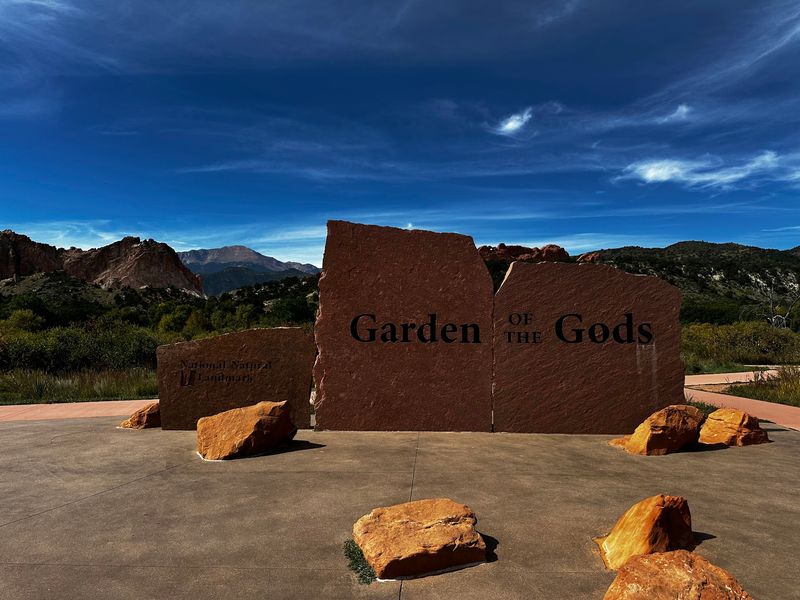
Some destinations punish the underplanned. Garden of the Gods Park is kinder than that, partly because its main features are visible without a long approach.
A visitor can stop for a short walk, while someone with more time can follow additional trails and make the outing stretch.
That flexibility helps different kinds of travelers. Families can keep expectations modest and still see the major formations.
Couples can take a low pressure stroll without turning the afternoon into a scheduled event. Solo visitors can move at their own pace, which is one of travel life’s underrated luxuries.
Weekend planners can use the park as the anchor for a day in Colorado Springs without building a fussy itinerary.
The park is open daily, with seasonal hours posted by the city, so checking current information before leaving is still smart. Free admission does not mean every detail should be left to chance, especially during popular travel periods when parking near central areas may take patience.
Even so, the basic plan remains refreshingly plain. Choose a trail, bring water, respect signs, and let the red rocks set the pace.
Colorado has many places where adventure requires gear, reservations, and a strong opinion about socks. Here, the barrier to entry is much lower, and the scenery does not seem offended by casual visitors.
Why The Other Planet Feeling Stays With You
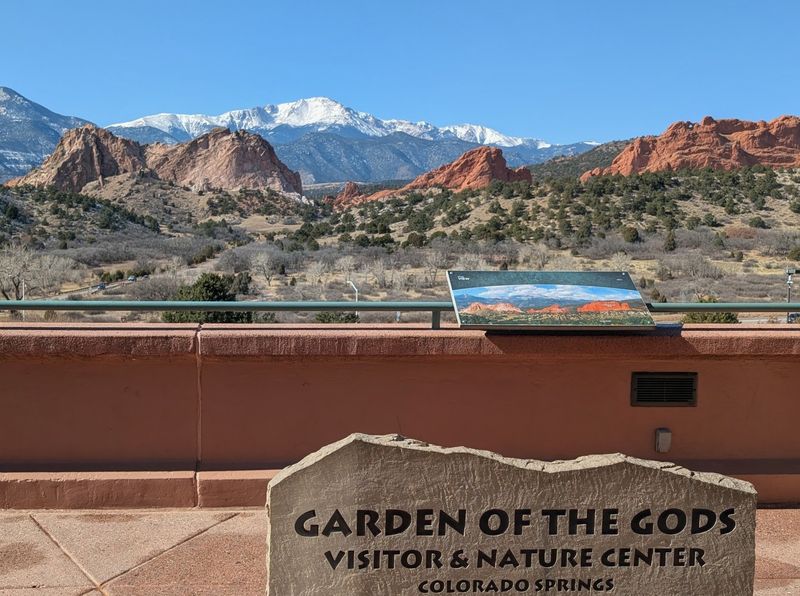
The other planet comparison works because Garden of the Gods Park looks both familiar and strange. It has trails, signs, parking areas, and families taking normal walks, yet the red formations rise with such odd confidence that everyday life seems to pause for a moment and check its map.
That mix is the park’s strongest quality. It is not remote wilderness, and it does not pretend to be.
It is a public Colorado Springs park with free access, managed trails, protected formations, and enough geologic drama to make a routine afternoon feel slightly unreal.
The verified facts are impressive on their own: more than 1,300 acres, over 20 miles of trails, National Natural Landmark status, and a public gift designed to keep the land open without an admission fee. Still, numbers only explain part of the effect.
The real memory is the contrast between simple access and huge stone shapes that look anything but ordinary.
For travelers moving through Colorado, the park offers a rare combination of low effort planning and high visual reward. For residents, it can be a reminder that familiar places still have the nerve to be remarkable.
Garden of the Gods Park does not need a complicated sales pitch. Text a friend the practical version: red rocks, easy walk, free entry, Colorado weirdness in the best possible way.