
The Eerie Ruins Of A Remote South Carolina Settlement Abandoned Centuries Ago
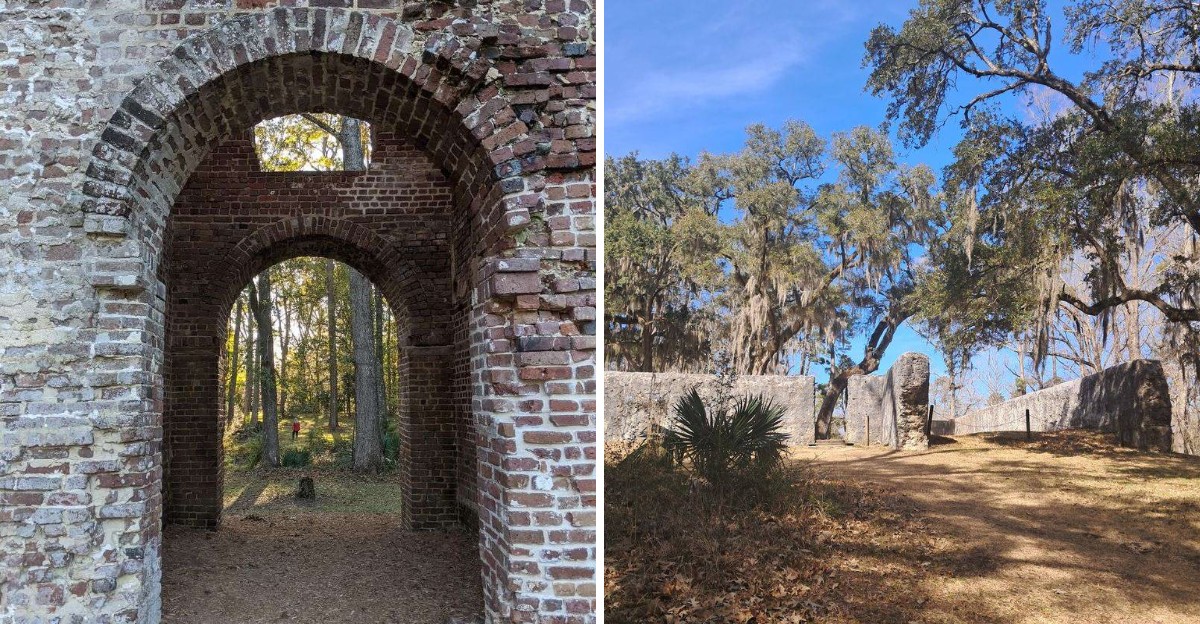
How does an entire town disappear while its bell tower remains standing?
Along the Ashley River, one of South Carolina’s quietest historic sites holds the answer in crumbling walls, weathered headstones, and paths that once carried the footsteps of a thriving community. The buildings are gone, the streets have faded, yet the settlement refuses to vanish completely.
Walk beneath the trees and the present begins to feel unusually far away. A ruined tower rises above the grounds, old bricks emerge from the grass, and every shadow seems attached to a forgotten story.
This is South Carolina history without glass cases or velvet ropes. The landscape itself has become the museum, with river breezes moving through a town abandoned centuries ago.
Can silence preserve a place better than walls?
Here, it almost seems possible.
Bring curiosity, comfortable shoes, and time to wander slowly. This hauntingly beautiful South Carolina treasure proves some vanished towns still have plenty left to say.
A Town Founded In 1697 That Vanished
Back in 1697, a group of settlers from Massachusetts packed their hopes and traveled south to build a brand-new town on the Ashley River. They named it Dorchester after their old home, and it quickly grew into a busy trading center full of families, shops, and dreams.
For decades, the town thrived as goods moved up and down the river and people gathered for church and market days. Yet by the time the American Revolution ended, most residents had already moved away, leaving their homes and streets behind.
Why did they leave? Historians point to sickness, poor soil, and better opportunities in nearby Charleston as reasons folks slowly abandoned the place.
What was once a lively community became a ghostly collection of ruins.
Today you can stand in those very fields and imagine the sounds of a working town that has long gone silent. It gives you a strange, thoughtful feeling to walk where so many lives unfolded.
That mix of history and mystery is exactly what makes this quiet corner of South Carolina so unforgettable for visitors.
The Mysterious Tabby Fort Made Of Shells
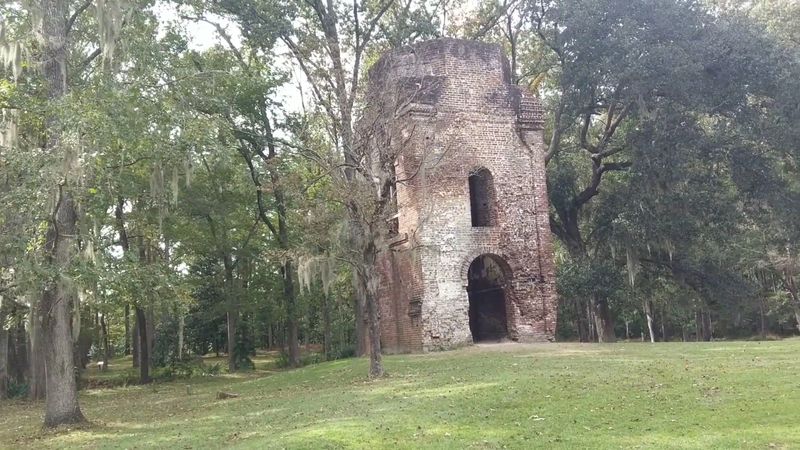
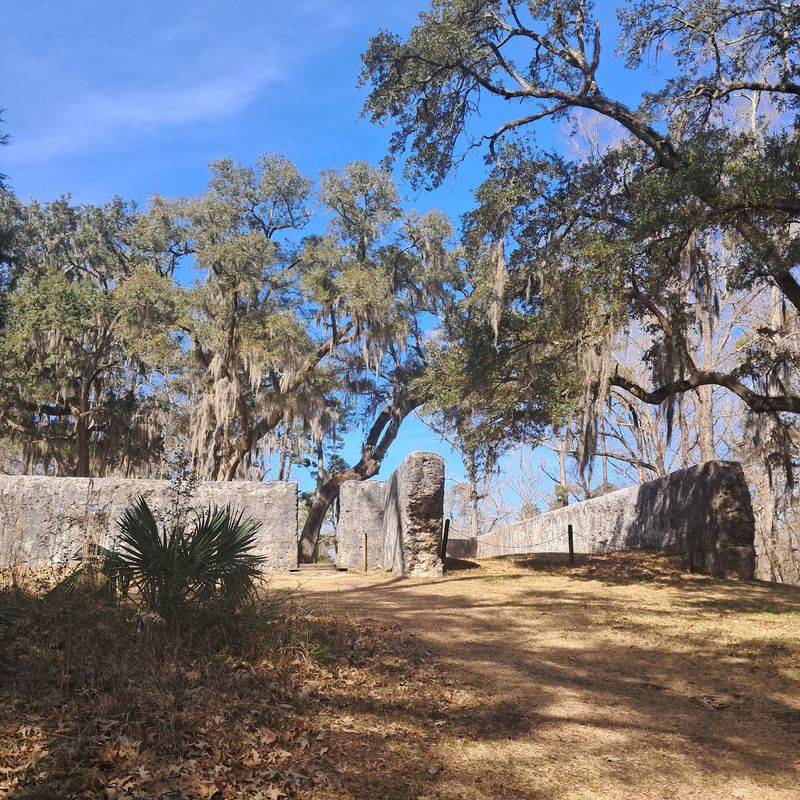
One of the most jaw-dropping things you will spot here is the old fort, and it is not built from ordinary bricks or stone. Instead, colonists used a material called tabby, a mix of crushed oyster shells, lime, sand, and water that hardens into a rough, sturdy wall.
Run your eyes across the surface and you can actually see bits of shell poking out, a reminder of how creative these early settlers had to be. Builders used whatever the land and river gave them.
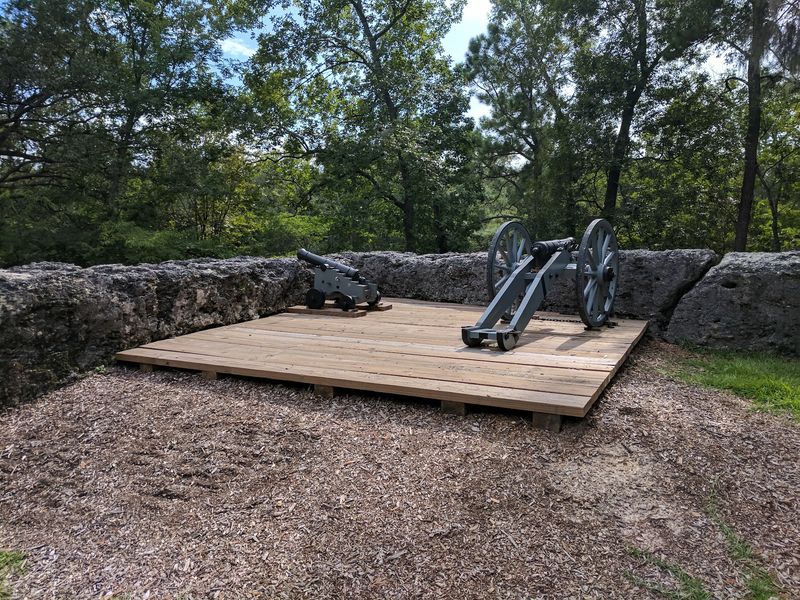
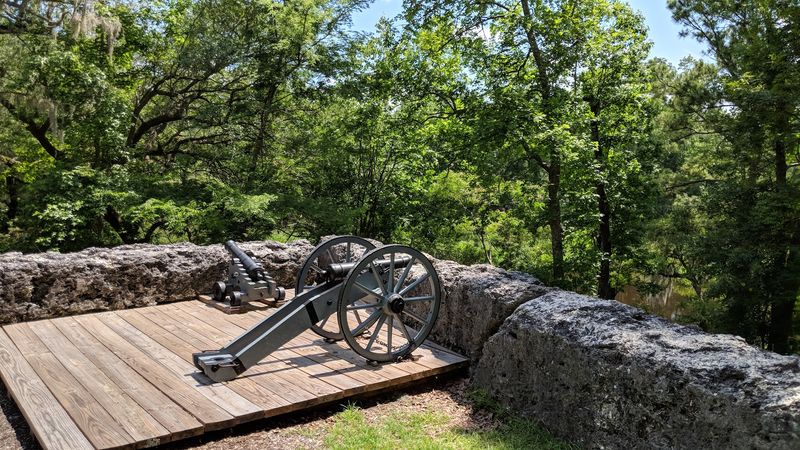
The fort was raised during the 1750s to protect the town during times of conflict, guarding the important river route. Its thick walls once held cannons ready to defend the settlement.
Standing beside it, you feel small next to something that has survived storms, wars, and centuries of weather. Many visitors say touching the tabby wall is like reaching back through time.
It is one of the best-preserved tabby forts left in the country, which makes it a treasure worth protecting. Snap a photo, but be gentle, because this rare structure has stories baked right into its shells.
The Lonely Bell Tower That Still Stands Tall
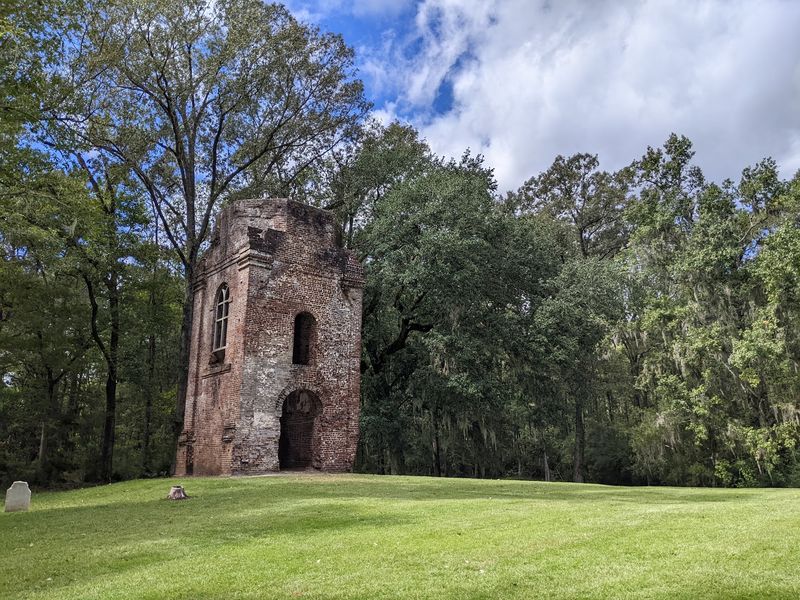
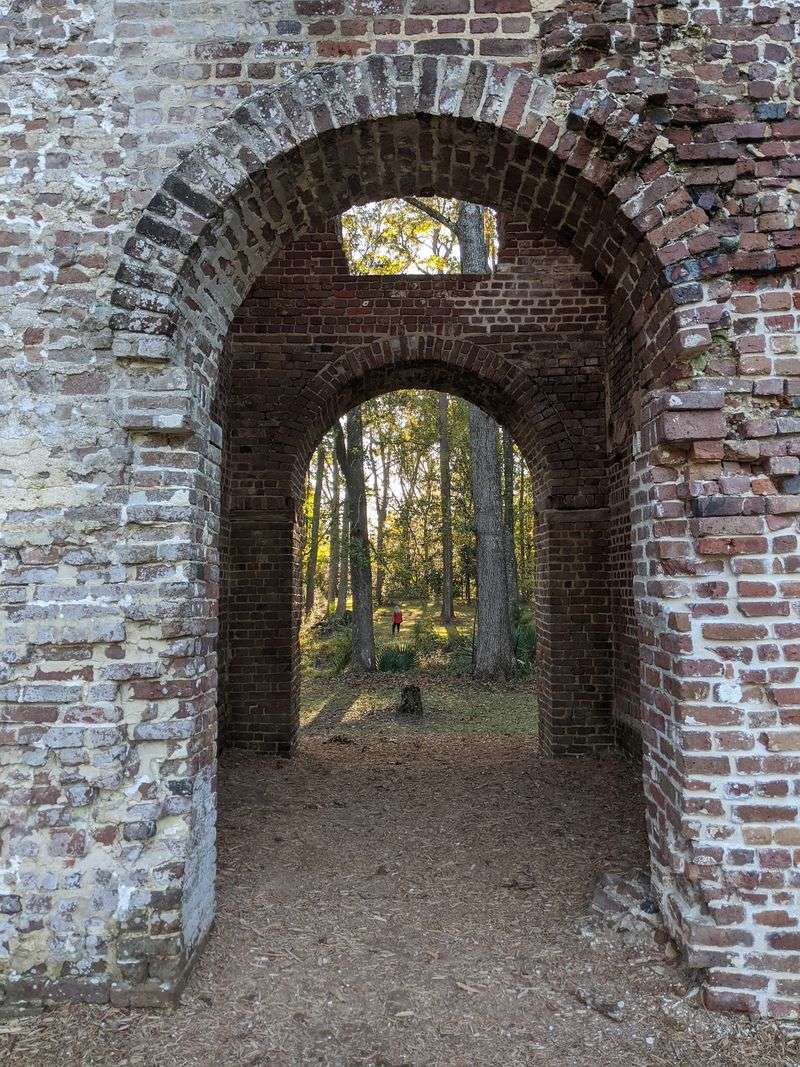
Rising above the trees like a silent guardian, the old bell tower is easily the most striking sight at Dorchester. It once belonged to St. George’s Anglican Church, the heart of the community where families gathered to worship and share news.
The church itself is long gone, but the brick tower refused to fall. It has stood watch over the empty grounds for well over two hundred years.
Climb the path toward it and you cannot help but tilt your head back in wonder. Built around 1751, the tower once held a bell that rang out across the town, calling people together for services and important moments.
Now the tower stands alone, weathered and quiet, wrapped in ivy and history. Many visitors describe it as both beautiful and a little haunting, especially in the soft evening light.
It has become the symbol of the entire historic site, appearing in countless photographs and memories. If you visit just one spot here, make it this tower.
Standing in its shadow, you truly feel the weight of everything that once happened on this peaceful land.
Headstones That Whisper Forgotten Names
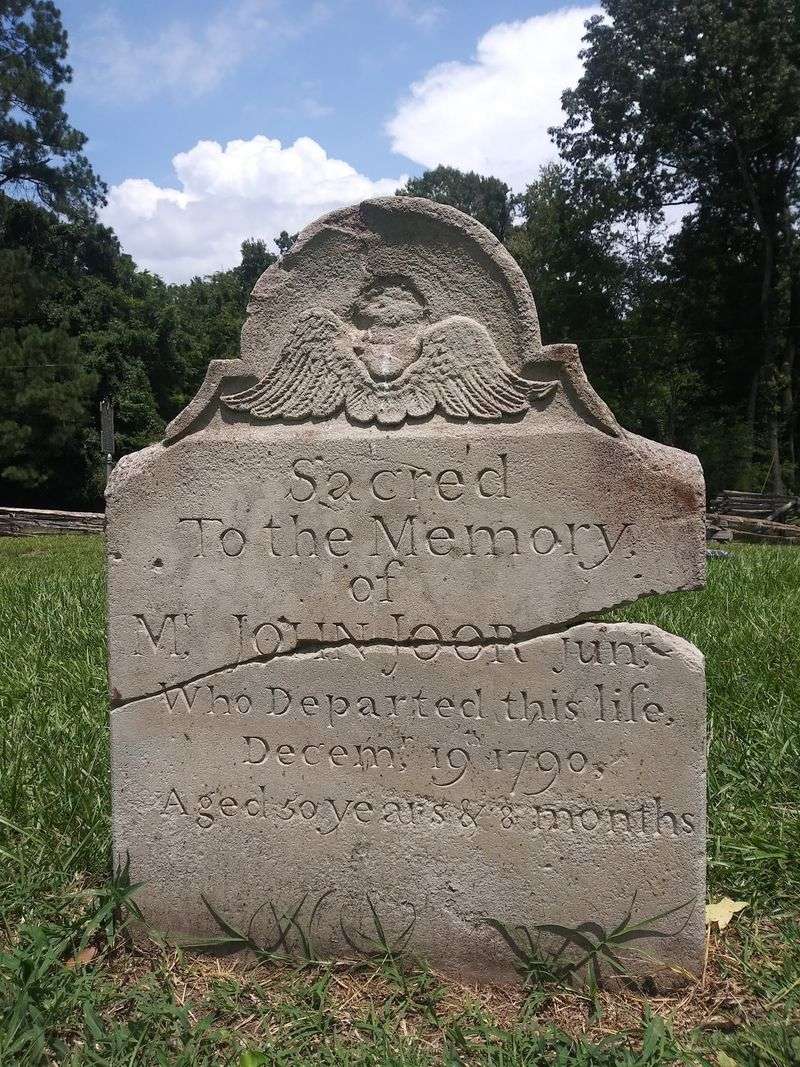
Tucked near the bell tower lies a small cemetery where some of the town’s earliest residents rest. Wandering among the worn headstones is one of the most moving parts of any visit here.
Reading the faded names and dates gives you a personal connection to people who lived, worked, and dreamed on this very ground centuries ago. Some markers are cracked and hard to read, while others still show their carved words clearly.
Visitors often say this quiet spot is where the history feels most real. Each stone represents a life, a family, and a story that time nearly erased.
You might notice how young some of the people were when they passed, a sad reminder of how hard life could be back then. Illness and rough conditions were common in colonial days.
Standing there in the hush of the trees, it is easy to feel a deep respect for these long-gone neighbors. Take your time, read the inscriptions slowly, and let your imagination fill in their lives.
This peaceful graveyard turns a history lesson into something you can genuinely feel in your heart.
A Self-Guided Walk Through Living History
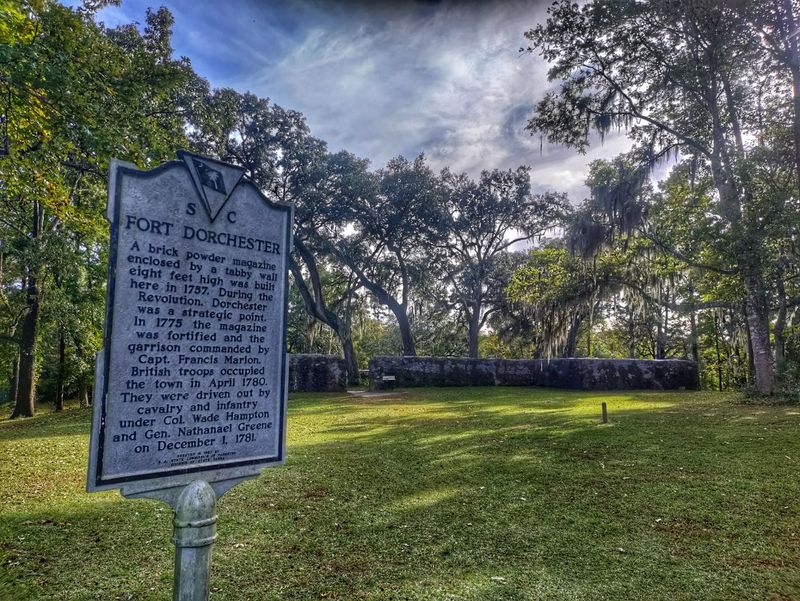
Grab a guide map at the parking lot and you are ready to explore Dorchester at your own pace. The self-guided walking tour is one of the easiest and most rewarding ways to soak up the site.
Signs pop up along the trail at every important stop, sharing short and interesting facts about what once stood there. You never feel lost, and you learn something new at each turn.
What makes it special is how clear and helpful the interpretive signage is. Even if you know nothing about colonial history, the plaques explain everything in a friendly, easy way.
Families love that kids can follow along and stay curious without getting bored. The path is flat and simple to walk, so most people finish comfortably in under an hour.
There is even a neat diorama that shows what the settlement looked like during its busiest years. Seeing that model really helps the ruins around you make sense.
By the time you finish the loop, you feel like you have traveled back in time and returned with a pocket full of fascinating stories to share with friends.
Real Archaeological Digs Uncovering Secrets
Here is something that surprises a lot of visitors: the ground beneath your feet is still giving up secrets. Archaeologists have spent years digging at Dorchester, carefully uncovering pieces of the past.
They have found pottery, old coins, tools, and remains of buildings that help experts understand how the town once worked. Every discovery adds another chapter to the story.
Sometimes you might even catch a dig in progress, watching researchers gently brush away dirt to reveal hidden treasures. It feels like being part of a real-life mystery unfolding right in front of you.
One reviewer joked that you will definitely dig the place, and honestly, that is a fitting way to put it. The excitement of not knowing what still lies buried keeps the site fresh and alive.
These digs prove that history is never truly finished. There is always more to learn, and Dorchester continues to teach us about the people who called it home.
For young explorers dreaming of becoming scientists, this is an inspiring peek into how we piece together the past. It turns a simple park visit into an adventure of discovery.
Peaceful Views Along The Ashley River
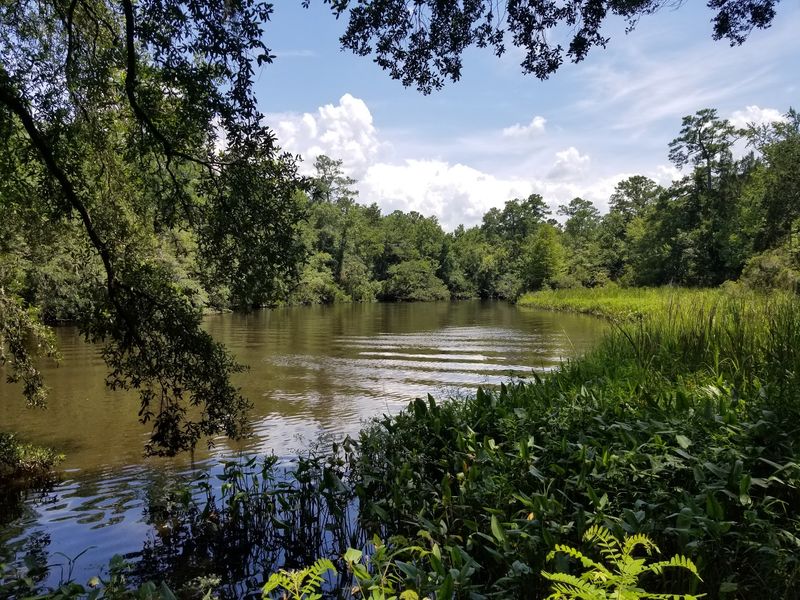
The town of Dorchester was built right beside the Ashley River, and that choice makes total sense the moment you see it. The water glides by slowly, edged with marsh grass and shady trees.
Settlers picked this spot because the river was their highway, carrying boats loaded with goods to and from Charleston. Standing at the water’s edge, you can almost picture those old trading vessels drifting past.
Today the riverbank offers some of the most peaceful views in the whole park. Many visitors come just to sit, breathe, and enjoy the calm beauty of nature.
You might spot birds gliding over the water or hear the gentle rustle of leaves in the breeze. It is the kind of place that quiets your mind and slows your steps.
Photographers especially love this area, where soft light dances across the water in the morning and evening. The mix of history and natural beauty is hard to beat.
Whether you are a history buff or just love a good outdoor spot, the riverfront reminds you why people fell in love with this land so many centuries ago.
A Budget-Friendly Honor System Entry
Visiting this slice of history will barely cost you a thing. The entrance fee is only about three dollars per adult, which is a real bargain for everything you get to see.
Here is the fun twist: there is often no one at the gate to collect it. Instead, the park runs on an honor system, where you slip your cash into an envelope and drop it in a collection box.
Because of that, remember to bring cash, since cards will not work at the drop box. Several visitors have been caught off guard, so a little planning goes a long way.
Paying that small fee truly matters, since the money helps keep the site clean, safe, and open for everyone to enjoy. Being honest here is a way of protecting history.
Families often find the whole trip fits easily into a tight budget, making it a smart choice for a weekend outing. There are even discounts sometimes offered for seniors and military members.
It is refreshing to visit a place that trusts its guests to do the right thing. So bring a few dollars, pay your share, and feel good about it.
Perfect for Picnics, Pups, and Playful Days
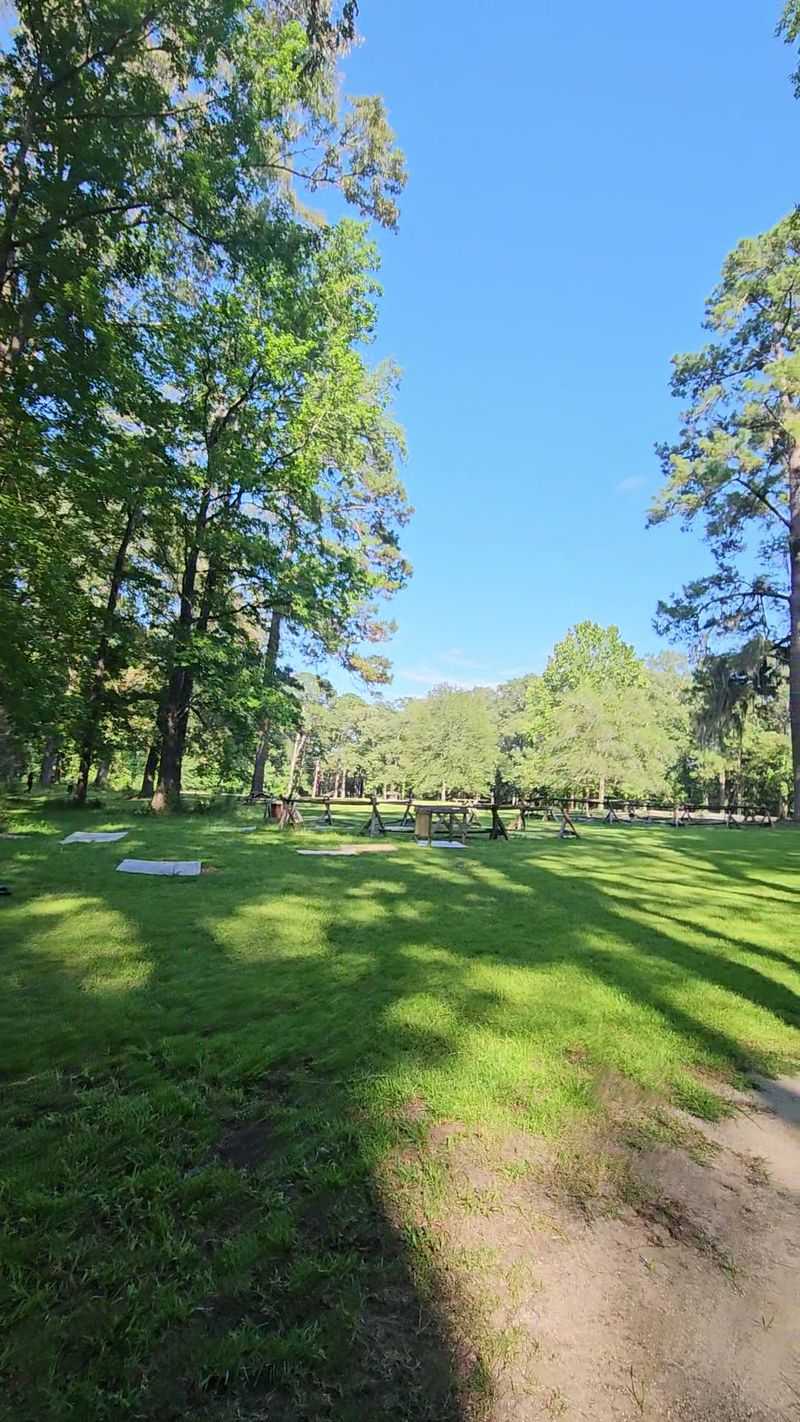
Do not let the word ruins fool you into thinking this place is gloomy. Dorchester is actually a wonderful spot for a relaxing day outdoors with the whole family.
Wide open fields of soft grass give kids plenty of room to run, play, and roam. There are picnic tables scattered around, so packing a lunch is a fantastic idea.
Best of all, your four-legged friends are welcome too, as long as they stay on a leash. Dogs seem to love sniffing around the grounds just as much as their owners love exploring.
Clean restrooms and picnic areas make the visit comfortable, and there is plenty of parking so you never have to fight for a spot. Everything feels easy and stress-free.
Because the park is peaceful and rarely crowded, it is a great place to spread out and relax. You can learn about history in the morning and enjoy a lazy lunch by afternoon.
One tip from frequent visitors: bring bug spray, especially in the warmer months, because the shady, watery setting attracts mosquitoes. With that small prep, you are all set for a delightful outing.
What To Know Before You Wander In
Planning your trip is simple, and a few smart tips will make your visit even smoother. The site sits at 300 State Park Rd in Summerville, and you will spot the sign from the road before driving a short way to the entrance.
Doors open daily from 9 AM to 5 PM, seven days a week, though it is always wise to double-check for seasonal changes or special events. Arriving earlier in the day means cooler weather and quieter trails.
Most people explore the whole site in about an hour, so it fits perfectly into a day trip near Charleston. History lovers might linger longer to read every sign.
Remember to carry cash for that small entry fee, wear comfy shoes for walking, and pack water on hot days. Sunscreen and bug spray round out your must-haves.
Since there is no gift shop, you might grab souvenirs elsewhere, but the memories you make here are priceless. Rangers like Bob are sometimes around to share extra stories.
With a little preparation, you will glide through this remarkable step back in time and leave with a heart full of wonder and history.