
12 Arkansas Lakeside Day Trips Perfect For A Crisp September Weekend
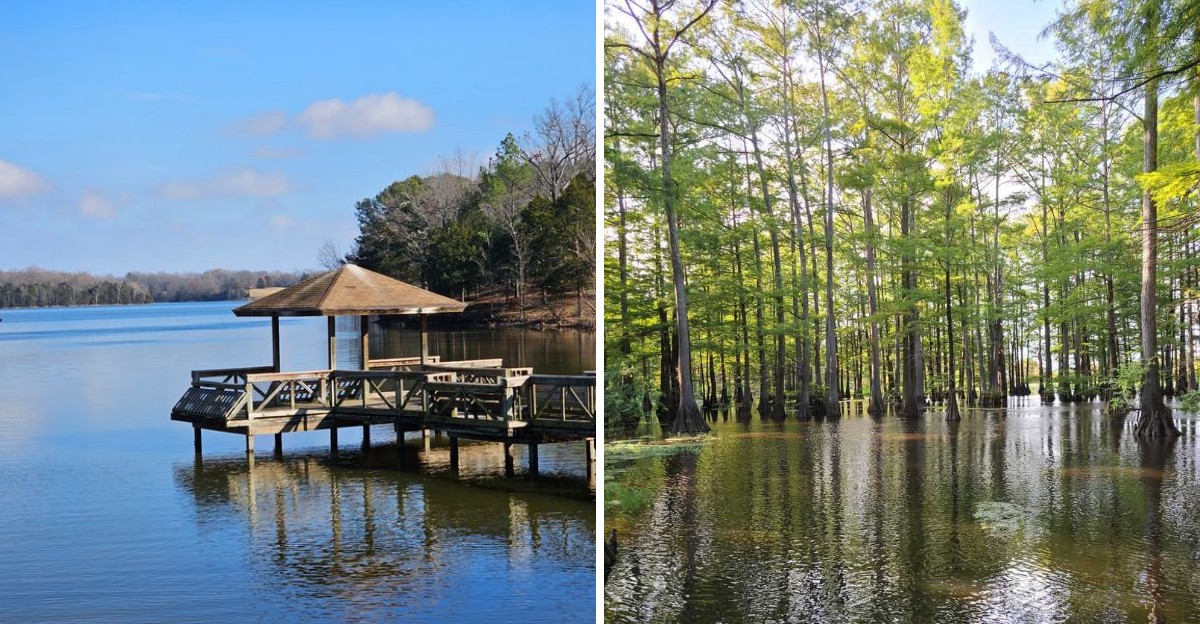
Lake days do not have to disappear when summer starts fading. In fact, September may be one of the better times to head for the water.
The sun is still strong enough for an afternoon outside, but cooler mornings make hiking feel far less punishing. Arkansas has lakeside state parks that fit neatly into a day trip, with enough to do without turning the weekend into a major production.
Follow a short trail toward a waterfall, or settle near the shore and watch the water for a while. Paddling stays tempting too, especially once the biggest summer crowds begin thinning out.
Each park has its own character. Mountain ridges shape some views, while cypress-lined water changes the mood completely at others.
Pack a jacket for later and leave room for an unplanned stop. Make the most of that brief stretch when summer and fall overlap around the lakes this year.
1. Lake Ouachita State Park, Mountain Pine
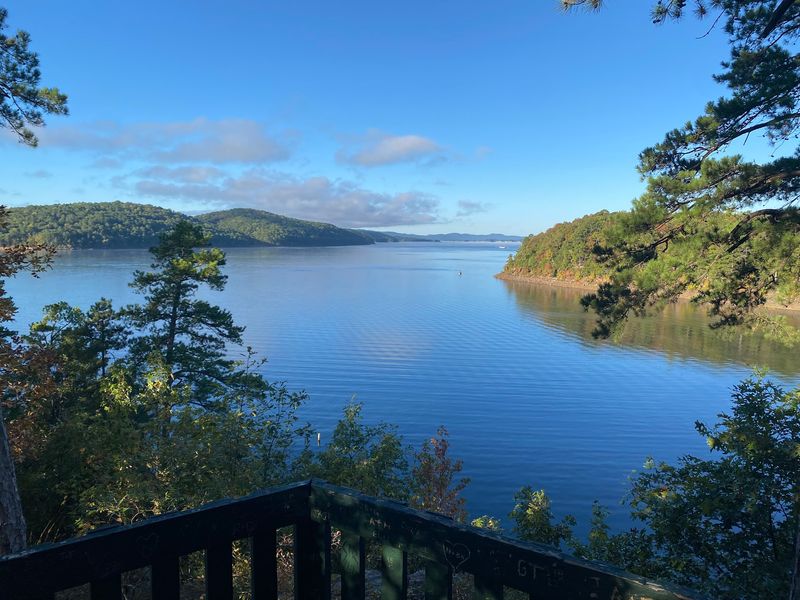
Clear water tends to change how people feel about swimming, and Lake Ouachita delivers some of the clearest in the region. Sitting inside the Ouachita National Forest near Mountain Pine, Arkansas 71956, the park opens onto the state’s largest lake, roughly 40,000 acres of shoreline, coves, and islands.
Scuba divers come here for visibility that most inland lakes cannot match. Water skiers get plenty of room to stretch out, and anglers chase bream, crappie, catfish, striped bass, and largemouth bass in both open water and shaded pockets.
September softens the whole experience. Trails wind through hardwood forest and up rocky ridges toward overlooks where the lake spreads out below, and the historic Three Sisters’ Springs sits waiting for curious walkers.
Day-use areas make a quick trip easy, though cabins and campsites with lake views tempt people into staying longer. Interpretive programs run all year, including guided hikes, eagle cruises, and kayak tours led by park staff who know every cove.
Honestly, the idea of paddling across water that calm on a cool morning sounds close to perfect. Bring a light jacket, because mornings here bite before the sun clears the ridge.
2. Lake Catherine State Park, Hot Springs
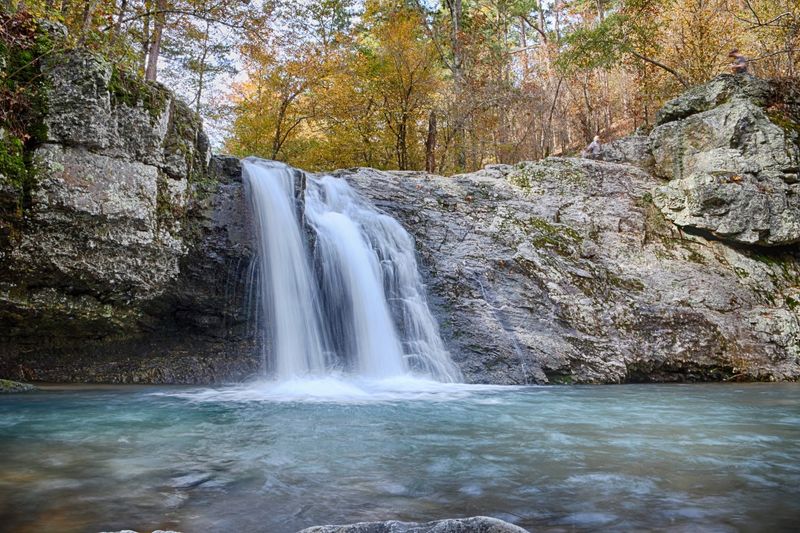
A waterfall at the end of a short trail feels like a bonus prize, and Lake Catherine State Park hands one out to anyone willing to walk. The park covers 2,180 acres along the southern shore of Lake Catherine, a quick drive from Hot Springs, Arkansas 71913.
Ouachita Mountain forest rings the property, keeping the water calm and the shade generous. Stone work from the Civilian Conservation Corps still stands throughout the grounds, including a dam, bridges, and rustic cabins that earned spots on the National Register of Historic Places.
Boating, fishing, and kayaking fill most weekend schedules here. The lake holds the only full-service marina on its shores, which makes renting a boat far simpler than hauling your own.
Horseback rides run seasonally, adding a slower way to see the woods. Interpretive hikes and lake tours happen year-round, pulling together the natural side and the history side into one afternoon.
What strikes me about this place is how the 1930s craftsmanship still looks solid nearly a century on. September crowds thin out, leaving those stone bridges quiet and the waterfall trail mostly yours.
3. DeGray Lake Resort State Park, Bismarck
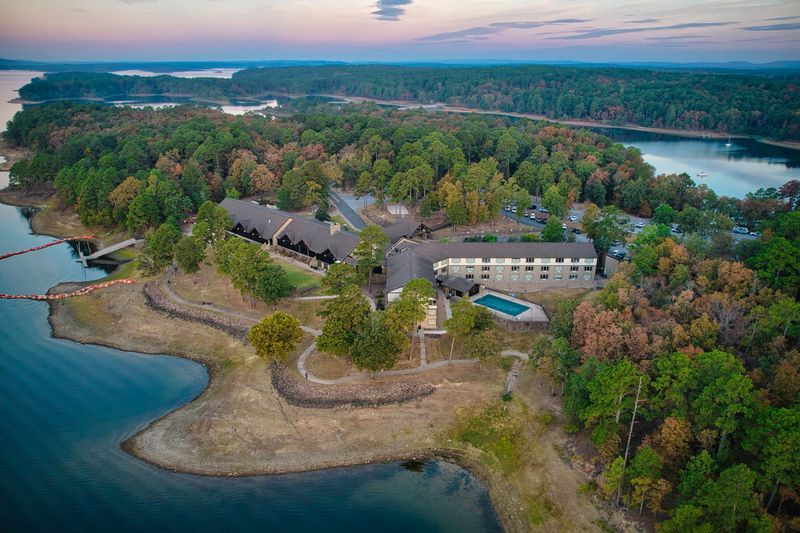
Golf and a marina rarely share the same address, but DeGray Lake pulls it off. Standing as the only resort state park in Arkansas, this destination near Bismarck, Arkansas 71929 spreads across an island-like peninsula in the 13,800-acre DeGray Lake.
Foothills of the Ouachita Mountains frame the horizon. The water runs remarkably clean, which helps explain the reputation for hybrid striped bass, crappie, and catfish.
An 18-hole championship course threads through the natural terrain without bulldozing it flat, and the views from several holes rival the fishing. The main lodge holds 90 guest rooms, each looking out toward lake or mountains.
Beyond the obvious, visitors swim, water ski, bike, hike, and ride horses along shoreline lined with tall pines. The full-service marina rents boats and runs guided lake tours for people who would rather let someone else drive.
Park interpreters lead hikes and even snorkeling trips, which surprised me for an inland lake. Cooler September air makes the golf course walkable and the trails far friendlier than they were in July.
4. Lake Dardanelle State Park, Russellville
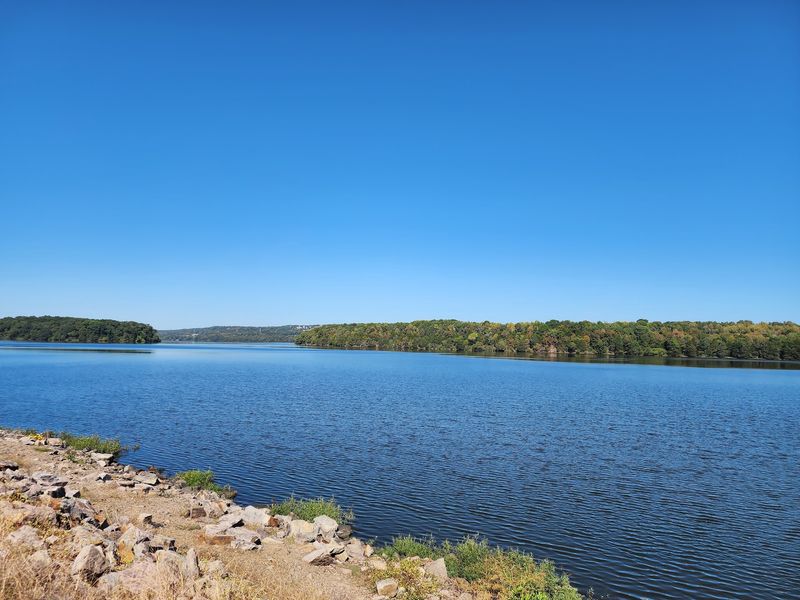
Serious anglers know the name before they ever see the water. Lake Dardanelle State Park sits along a 34,300-acre reservoir on the Arkansas River, with its main visitor center in Russellville, Arkansas 72802 and a second area over in Dardanelle.
Views from that visitor center stretch across the river in a way that stops most people mid-sentence. A Sport Fishing Weigh-in Pavilion anchors the tournament scene, and a barrier-free fishing pier means nobody gets left on shore watching.
Swimming happens at the park beach, and a boardwalk runs along the water for anyone content to stroll. Trails offer a bit more distance for people who want to stretch their legs before lunch.
Inside the visitor center, aquariums display the fish living just outside the windows, which kids tend to love more than adults expect.
History carries real weight here too. The park holds certification as a Trail of Tears National Historic Site, with exhibits explaining how Indian Removal moved through this stretch of the river.
Fall light on that wide water is something else entirely.
5. Hobbs State Park-Conservation Area, Rogers
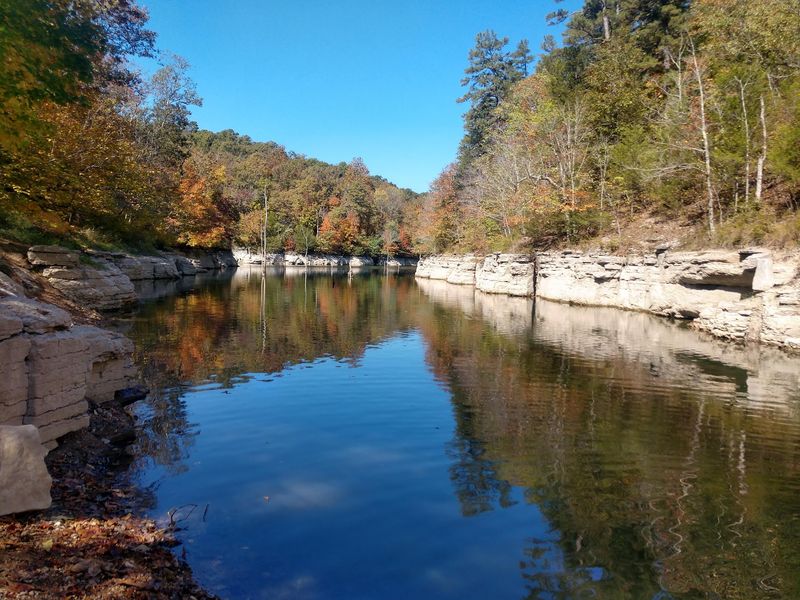
Biggest state park in Arkansas, and it wears the title well. Hobbs State Park-Conservation Area stretches east of Rogers, Arkansas 72756, running along the southern shores of Beaver Lake.
Oak-hickory forest, limestone bluffs, and clean lake water create a landscape that shifts every few miles. Trail options pile up fast, with routes for hiking, mountain biking, and horseback riding, plus the demanding Monument Trails system for riders who want a real workout.
Wildlife watching pays off around here. Bald eagles, great blue herons, deer, and wild turkeys all show up for people paddling quietly or walking the woods at dawn.
The land carries older stories as well. Peter Van Winkle ran the region’s first major lumber operation on this ground, and remnants of his Civil War-era sawmill remain, along with archaeological traces of slave quarters and a blacksmith shop.
A modern visitor center covers Ozark geology, wildlife, and local history through hands-on exhibits and regular programs. Any park that welcomes hikers, cyclists, and horses without picking favorites earns respect.
September color arrives early on those bluff-top trails.
6. Daisy State Park, Kirby
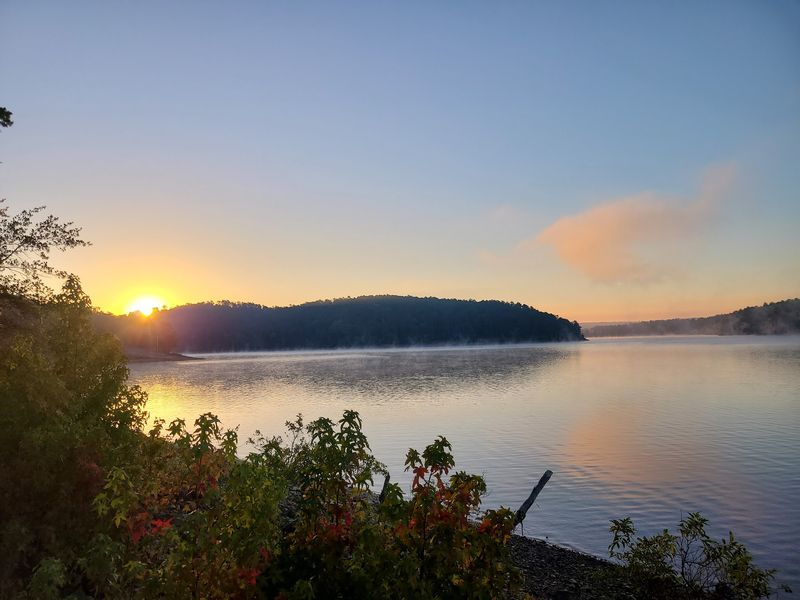
Mountain bikers circle this one on the calendar every autumn. Daisy State Park rests on the northern shoreline of 7,000-acre Lake Greeson, tucked into the Ouachita Mountain foothills near Kirby, Arkansas 71950.
Water clarity here draws boaters and swimmers alike, while bass, crappie, catfish, and bluegill keep the fishing steady through the cooler months. Rolling hills and thick forest wrap the shoreline in a way that feels sheltered rather than exposed.
Multi-use trails serve hikers, cyclists, and ATV riders, an unusual combination that gives the park a slightly rowdier personality than its quieter neighbors.
Kayak rentals and guided tours open up the shoreline rock formations and hidden coves that boats tend to skip. Paddling past those bluffs on a still morning ranks high on the list of simple pleasures.
An amphitheater hosts interpretive programs and seasonal events, and fall brings annual mountain bike competitions that fill the campground with energy.
September temperatures make the trail network far more forgiving, and the lake stays warm enough for a last swim. Weekends book up quickly once race season starts.
7. Woolly Hollow State Park, Greenbrier
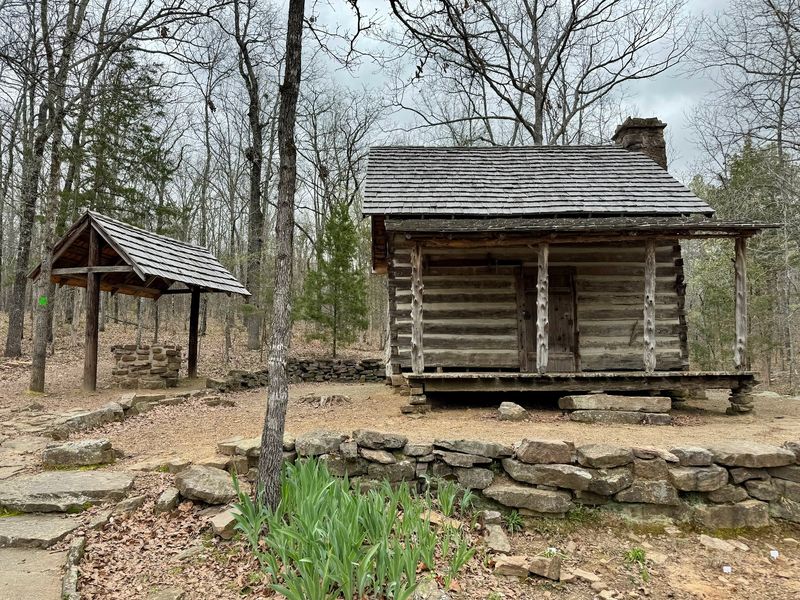
Soil science gave this park its start, which is a strange origin story for a swimming beach. Woolly Hollow State Park near Greenbrier, Arkansas 72058 grew out of the first scientific study in North America focused on soil and silt erosion.
Lake Bennett, all 40 acres of it, came from the hands of the Civilian Conservation Corps and the Works Progress Administration. Today it hosts fishing, pedal boats, canoes, kayaks, and a lifeguarded sandy beach during warm months.
Woolly Cabin still stands on the property, a one-room homestead built in 1882 by Martin Alfred Woolly, whose family settled the hollow decades earlier.
Ozark foothill woods surround the whole place, and the Huckleberry Nature Trail, another CCC project, makes for an easy walk under changing leaves. Dedicated loops handle mountain bikers who want dirt under their tires.
Guided hikes, bird-watching outings, and interpretive programs run through the season. Small lakes like this one often feel more personal than the giant reservoirs, and that suits September just fine.
The cabin alone justifies the drive.
8. Lake Fort Smith State Park, Mountainburg
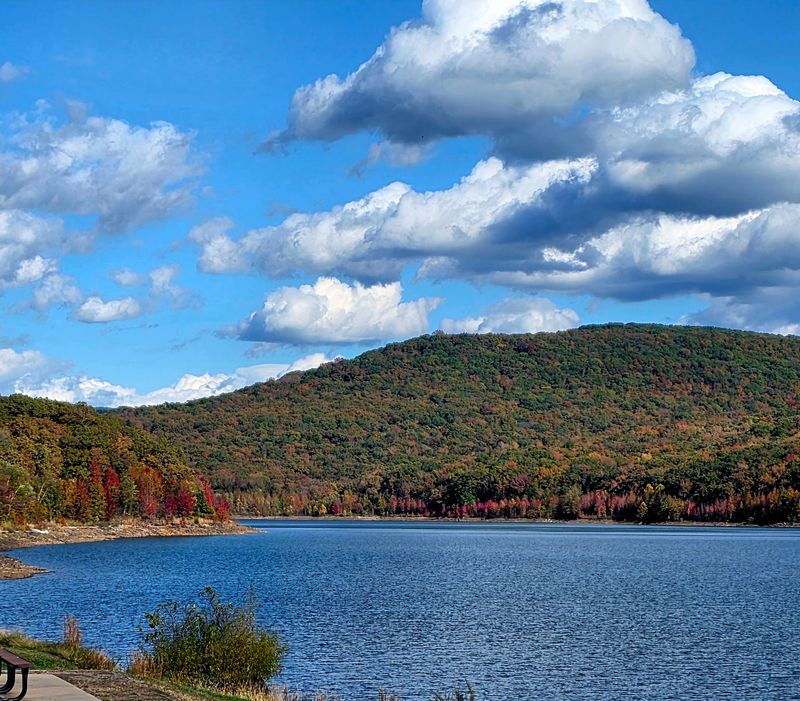
Backpackers treat this trailhead like a starting line. Lake Fort Smith State Park near Mountainburg, Arkansas 72946 marks the western end of the 240-mile Ozark Highlands Trail, so packs and boots are a common sight in the parking lot.
Boston Mountain Valley scenery does the heavy lifting, with steep green ridges dropping toward the water. Nearly 1,500 acres of lake spread out below the park, reachable by fishing boats and party barges from the marina.
Swimming in the lake is off the table, though the park keeps a pool for anyone determined to get wet. Camping, fishing, kayaking, hiking, mountain biking, and nature study cover the rest of the schedule.
A replica pioneer log cabin and covered wagon sit near the visitor center, backed by exhibits on how early settlers made a life in these hills.
Nature hikes and lake tours led by park interpreters run throughout the year. Crisp September mornings up in the valley feel noticeably cooler than the lowlands, which long-distance hikers appreciate more than anyone.
Layers are your friend.
9. Lake Chicot State Park, Lake Village
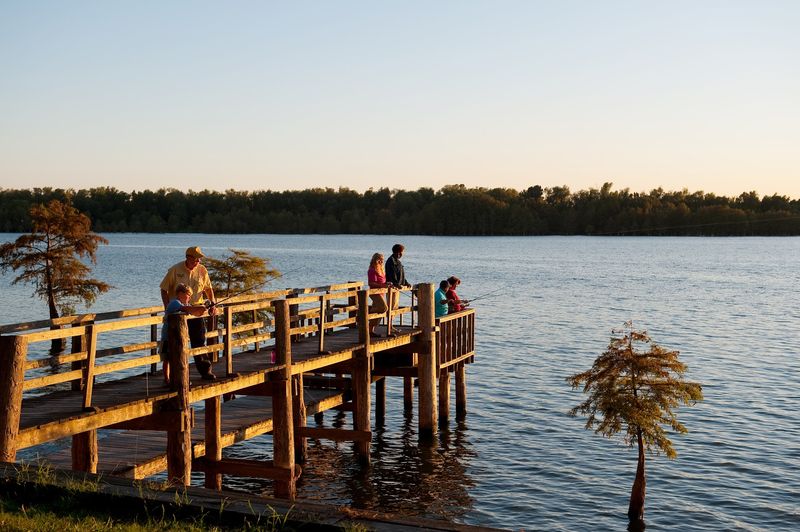
The Mississippi River carved this lake and then walked away. Lake Chicot stretches 20 miles as an oxbow, the largest of its kind in North America, and the state park sits on its banks near Lake Village, Arkansas 71653.
Wild pecan trees and cypress standing in shallow water give the shoreline a Delta character found nowhere else in the state. Everything feels flatter, warmer, and slower down in this corner.
Fishing built the reputation. Bream, crappie, bass, and catfish draw anglers from well beyond state lines, and the catches back up the hype.
Bird watchers arrive for a different reason. The park falls inside the Mississippi Flyway, so migratory species pass through in waves, with bald eagles showing up once winter settles in.
Interpretive programs cover local wildlife and Civil War history, while annual events like the Jammin’ in the Delta Blues Festival and Gospelfest showcase the region’s musical roots.
Cypress silhouettes at sunrise here are worth the early alarm. September brings comfortable air and the first hints of migration overhead.
10. Millwood State Park, Ashdown
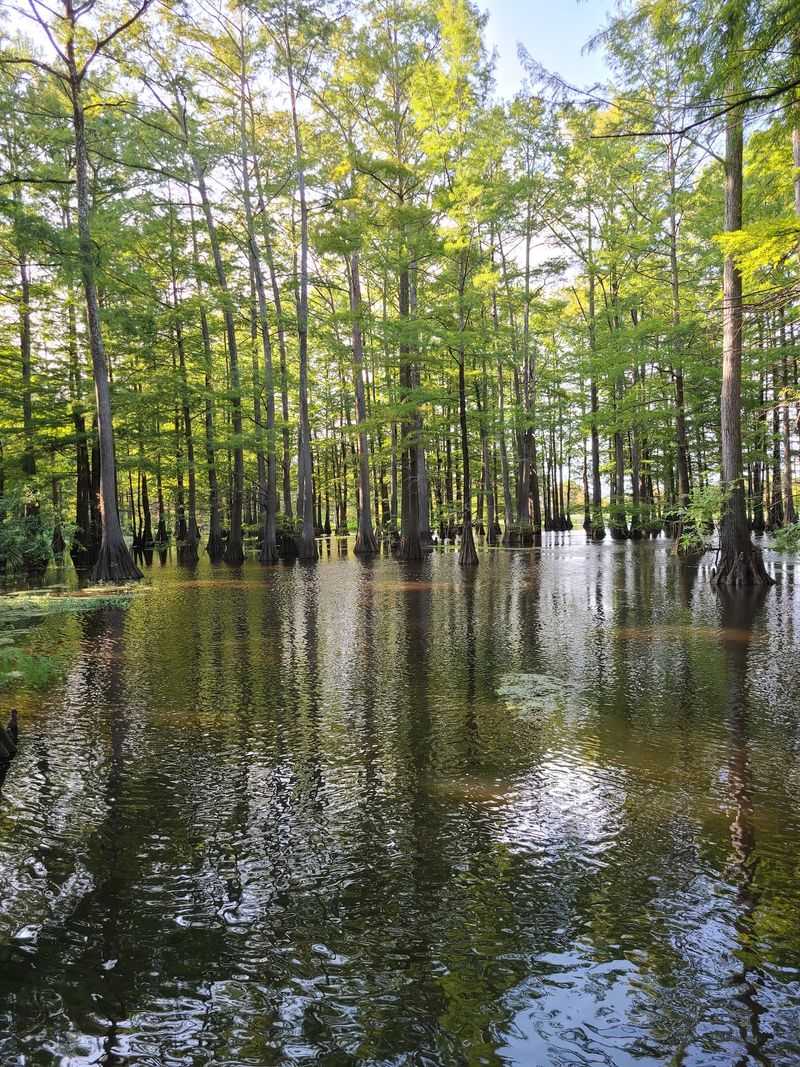
Standing timber in the water is the whole point at Millwood. Located near Ashdown, Arkansas 71822, the park runs along the southern edge of the 29,500-acre Millwood Lake, where flooded tree stands create ideal bass habitat.
The U.S. Army Corps of Engineers created the lake in 1966 for flood control.
Its earthen dam runs 3.3 miles, the longest of its type in the state.
Trophy fishing contests bring competitive anglers in regularly, but the park offers plenty for people who never pick up a rod. Camping spots, picnic areas, and a marina with boat rentals cover the basics.
Hiking and bike trails such as the Waterfowl Way Trail lead through varied habitat where birds outnumber people most mornings. Wildlife sightings come easily in the southwestern corner of Arkansas.
Interpretive activities and lake tours fill in the details about how this working reservoir became such a productive ecosystem.
Watching a boat weave between drowned trunks is oddly mesmerizing. Early fall thins the summer crowd and the waterfowl start arriving right on cue.
11. Lake Charles State Park, Powhatan
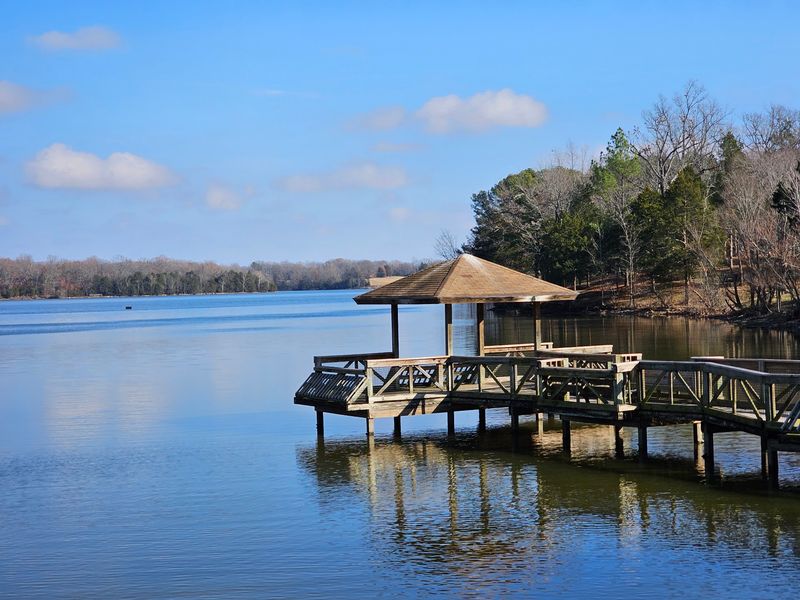
Spring-fed water keeps this lake looking sharp long after summer fades. Lake Charles State Park in Powhatan, Arkansas 72458 sits in the eastern foothills of the Ozarks, wrapped around a 645-acre lake full of bass, crappie, bream, and catfish.
Early autumn is when the surrounding woodlands start putting on color, and the reflection off the water doubles the effect.
Amenities lean toward comfortable family outings. Picnic sites, a screened pavilion, a boat launch ramp, a swimming beach, and a playground handle most of what a day trip requires, and the visitor center stocks snacks and gifts.
Four hiking trails serve different moods. The paved Cedar Trail traces the shoreline for easy walking, while the Butterflies and Blooms Trail changes character as wildflowers cycle through the seasons.
Park staff run interpretive programs including party barge lake tours and guided kayak trips, both of which put you closer to the birds than a shoreline bench ever could.
A paved lakeside path is an underrated luxury. Quiet weekends here feel like the park was built just for you.
12. Cane Creek State Park, Star City
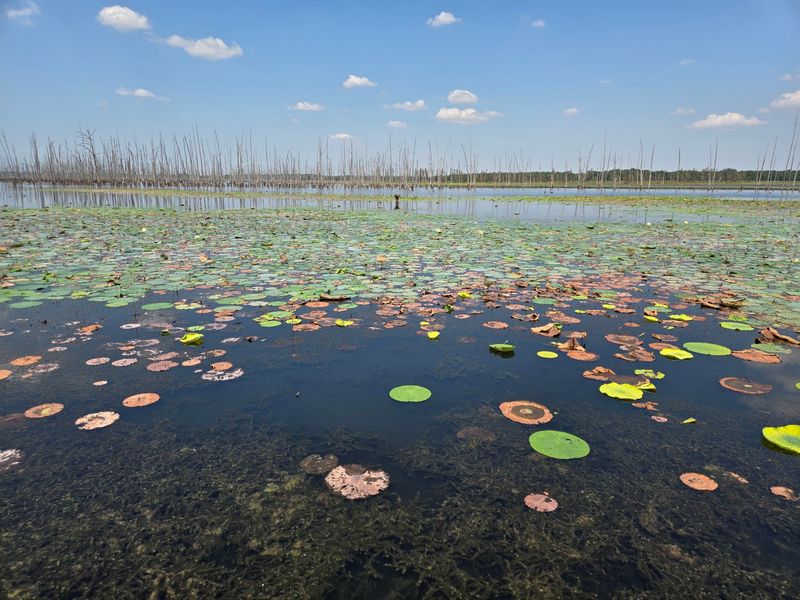
Two landscapes collide at Cane Creek, and the result is unlike anywhere else. Near Star City, Arkansas 71667, the rolling West Gulf Coastal Plain runs straight into the flat alluvial ground of the Mississippi Delta.
Forests and wetlands surround the 1,675-acre Cane Creek Lake, most of it heavily timbered. Alligators, ospreys, and wintering bald eagles all claim territory in this mix.
Anglers do well with largemouth bass, channel catfish, and crappie, though the park’s signature draw is its kayak trail. The route threads between standing cypress, both living and long gone, past broad fields of water lilies.
Paddling through that maze counts among the more memorable ways to spend a cool morning in southeast Arkansas.
Interpreters lead birding walks, guided hikes, and astronomy programs once the sky darkens. Nearby Bayou Bartholomew, recognized as the world’s longest bayou, adds another stop for anyone with extra hours.
The park opened in 1992 following two decades of planning and construction. September mornings out on that lily-covered water stay with people long after the drive home.