
Ohio Has A German Village That’s So Authentic You’ll Think You’re In Europe
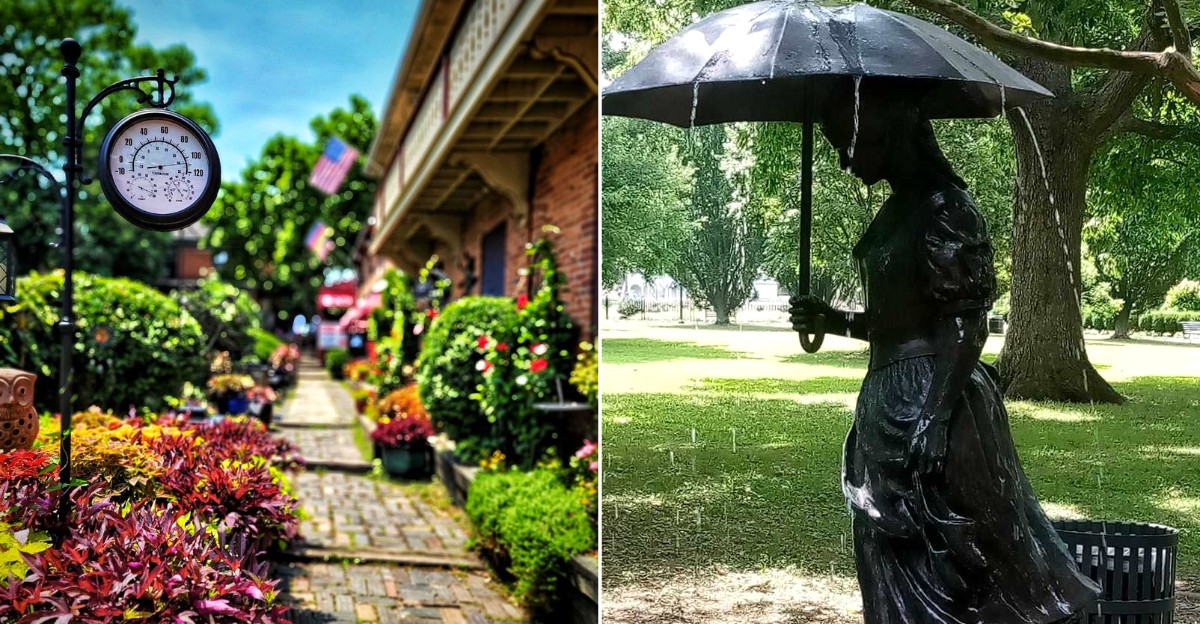
I knew I was still in Ohio, but the brick streets were doing a surprisingly good job of arguing otherwise.
A few blocks south of downtown, narrow sidewalks curl past 19th-century cottages, wrought iron fences, church spires, and little storefronts that look like they have been minding their own business for generations. My camera roll filled up faster than I expected.
This historic Ohio neighborhood feels remarkably European, with red-brick streets, old homes, leafy squares, and enough architectural detail to make an ordinary afternoon walk feel like a small trip abroad. Even better, it sits right in the middle of a major American city.
Then I found a bookstore with more than 30 rooms, a park with summer Shakespeare, and bakeries that made my original walking plan considerably less disciplined.
Come hungry and wear comfortable shoes. This is one Ohio neighborhood that rewards wandering.
The Brick-Lined Neighborhood Hiding South Of Downtown
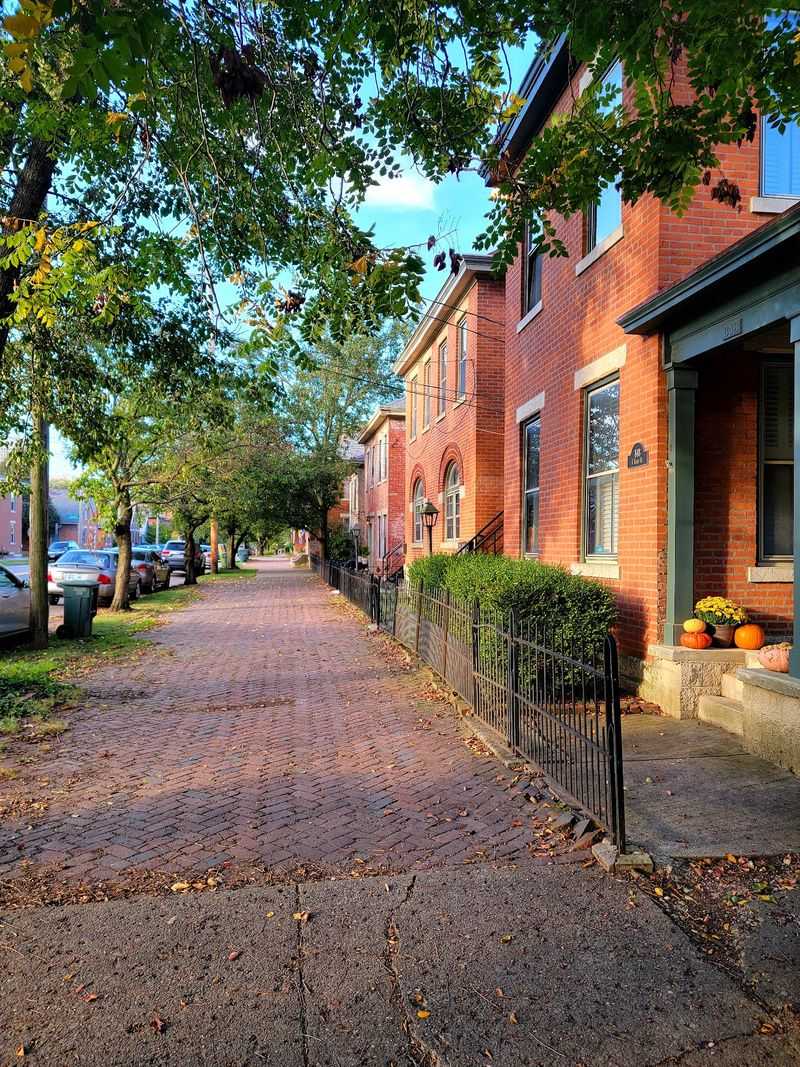
Red brick underfoot is the first clue that you have arrived somewhere unusual. The streets themselves are paved in brick, and they rumble pleasantly under car tires.
I parked once and then walked for three hours straight, because that is genuinely the best way to see it. The homes are compact, built tight to the sidewalk, most of them dating to the mid and late 1800s.
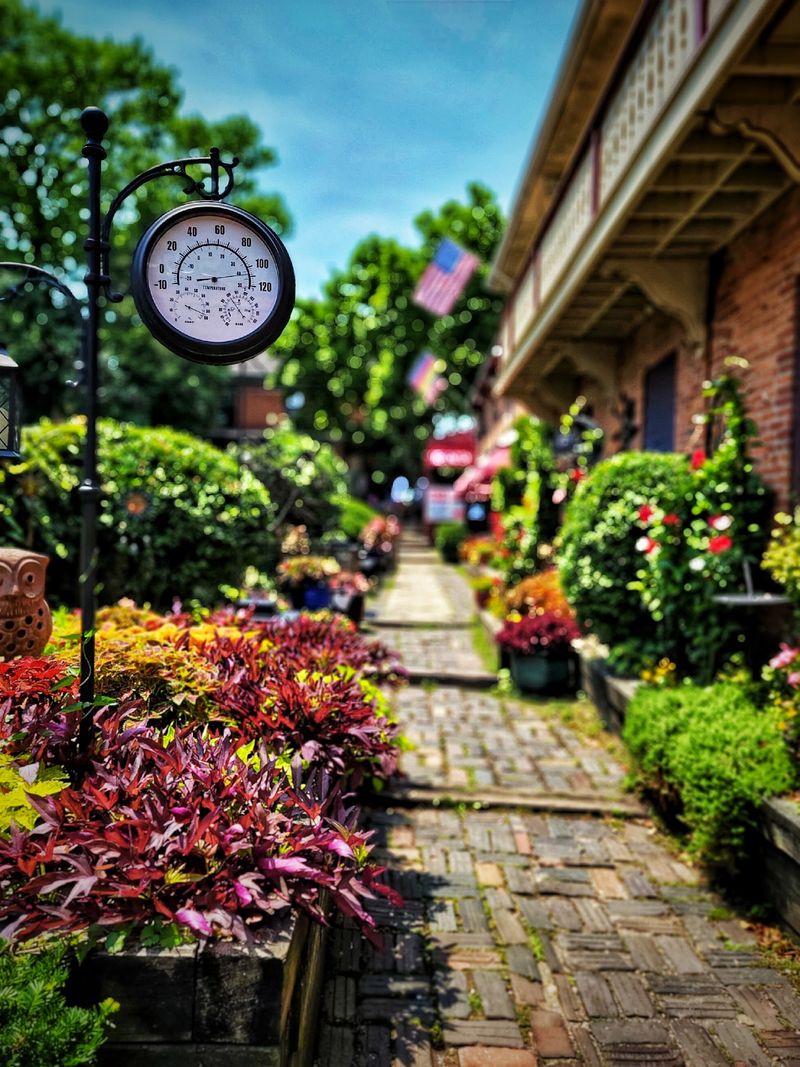
Beck Street, Mohawk Street, and Deshler Avenue gave me the strongest sense of stepping backward in time. Iron gates, arched doorways, slate roofs, and hand-painted house numbers show up block after block.
What surprised me most was the quiet. Songbirds and the occasional dog walker made up most of the soundtrack, even though a major city sits just minutes north.
The neighborhood covers roughly 233 acres and holds well over a thousand restored buildings, which makes it one of the largest privately funded historic restorations in the country.
Bring comfortable shoes, since brick sidewalks are charming but uneven in places. You will find the neighborhood immediately south of downtown Columbus, at German Village, Columbus, Ohio 43206.
How German Immigrants Built It All
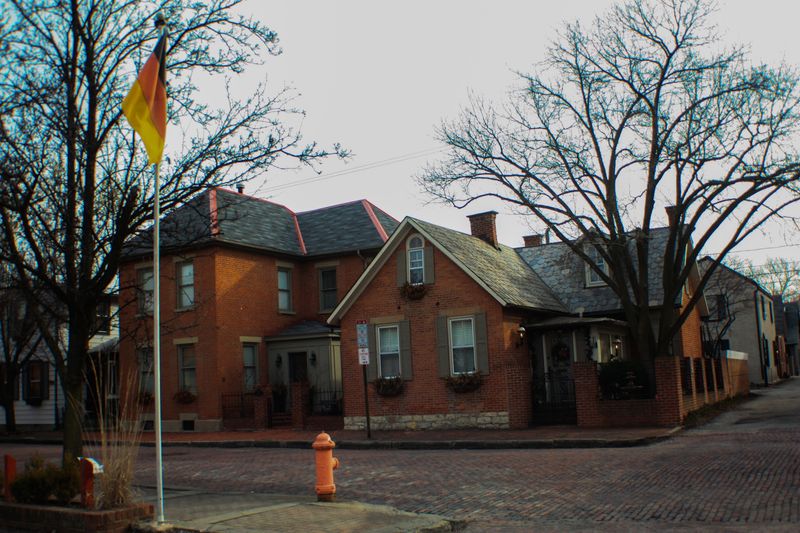
History here is not stuffed behind glass. It is the actual house you are standing in front of.
German immigrants began settling this part of Columbus in the 1830s and 1840s, and by the late 1800s roughly a third of the city’s population claimed German heritage. Many of these families were brickmakers, carpenters, and shopkeepers.
They built modest cottages from local clay brick, often with tall narrow windows and stone lintels above the doors. Practical, sturdy, and beautiful without trying too hard.
The neighborhood struggled badly in the early 20th century. Anti-German feeling during World War I shuttered German-language schools and newspapers, and later decades brought neglect and demolition threats.
Then in 1960 a resident named Frank Fetch bought and restored a run-down house, and neighbors followed his lead. The German Village Society formed that same year, and the area landed on the National Register of Historic Places in 1974.
Reading those dates on a plaque is one thing. Standing on the same brick a bricklayer laid by hand in 1875 hits differently, and I found myself slowing down to appreciate it.
Schiller Park And Its Summer Shakespeare
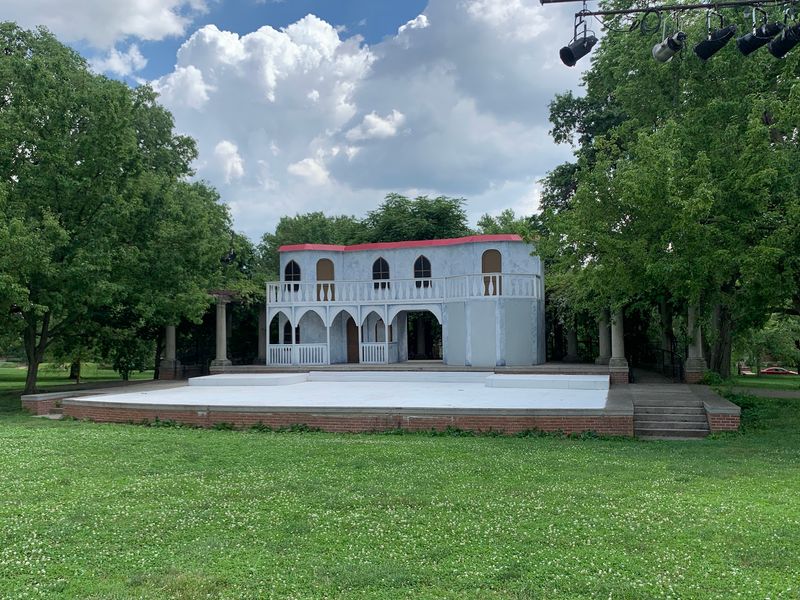
Twenty-three acres of green space sit right in the middle of everything. Schiller Park has been public land since 1867, making it the second oldest park in Columbus.
A statue of the German poet Friedrich Schiller stands near the center, a gift from local German residents back in 1891. I circled it twice just to read the inscription properly.
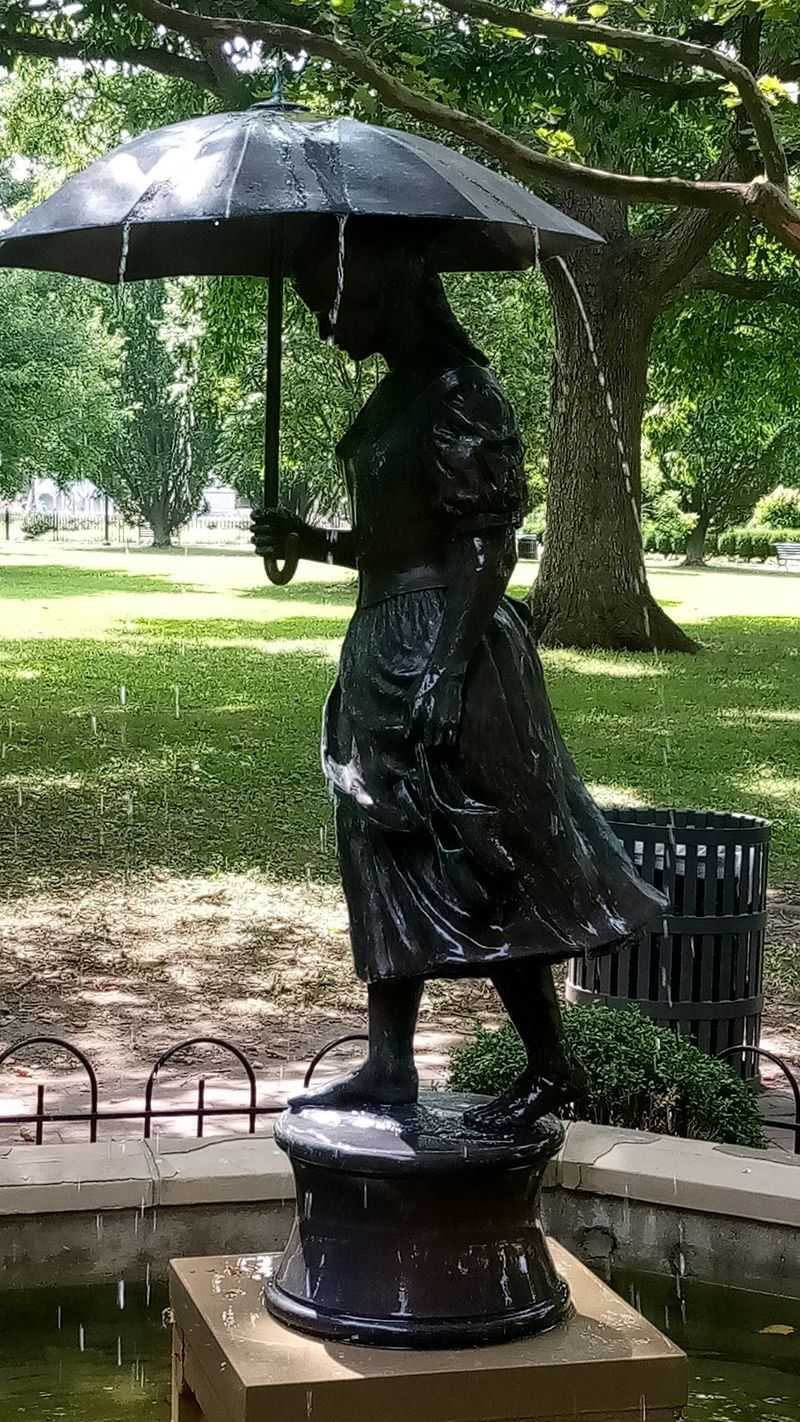
The flower beds here are seriously impressive, with the Umbrella Girl fountain area drawing photographers all season long. Ducks patrol the pond like they own the place.
My favorite discovery was the summer theater. Actors’ Theatre of Columbus performs Shakespeare and other plays outdoors at the park amphitheater, typically from June through September.
Admission works on a suggested donation basis, so bring cash, a blanket, and maybe a folding chair. Shows usually start around 8 p.m., and arriving early gets you a better patch of lawn.
There are also tennis courts, a playground, ball fields, and a recreation center for anyone traveling with restless kids.
I stayed until the stage lights came on and the crickets joined the cast, which felt like a bonus performance nobody had to pay for.
A Bookstore With More Than 30 Rooms
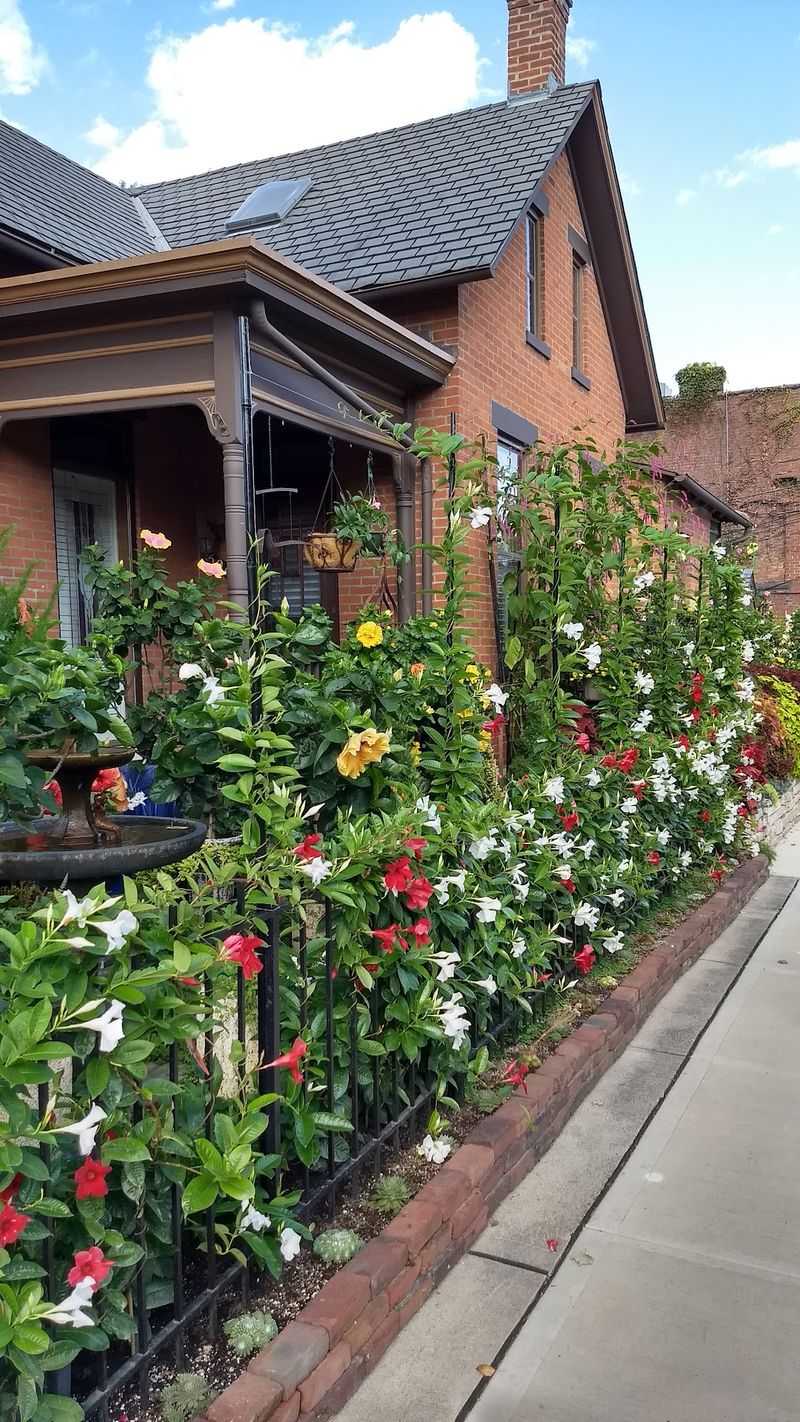
I lost 90 minutes in here and regret nothing. The Book Loft occupies a pre-Civil War building on South Third Street and holds 32 rooms of books.
Each room has its own genre and its own music playing softly overhead. Maps are handed out at the entrance, and yes, you actually need one.
Ceilings are low, doorways are narrow, and floors creak in a way that feels completely earned after 150-plus years. Some passageways require a polite shuffle if someone is browsing ahead of you.
The prices genuinely surprised me. Bargain tables outside the front door had hardcovers for a few dollars, and discounts run through much of the inventory.
There is a small garden path leading to the entrance, plus an attached coffee shop where I recovered with a cold brew and my new stack of paperbacks.
A tip from experience: go on a weekday morning if you want room to browse, because weekends get crowded fast.
Independent bookstores this large are rare anywhere, and finding one tucked inside a historic Ohio neighborhood still strikes me as wonderfully improbable.
Bakeries, Pretzels, And Cream Puffs
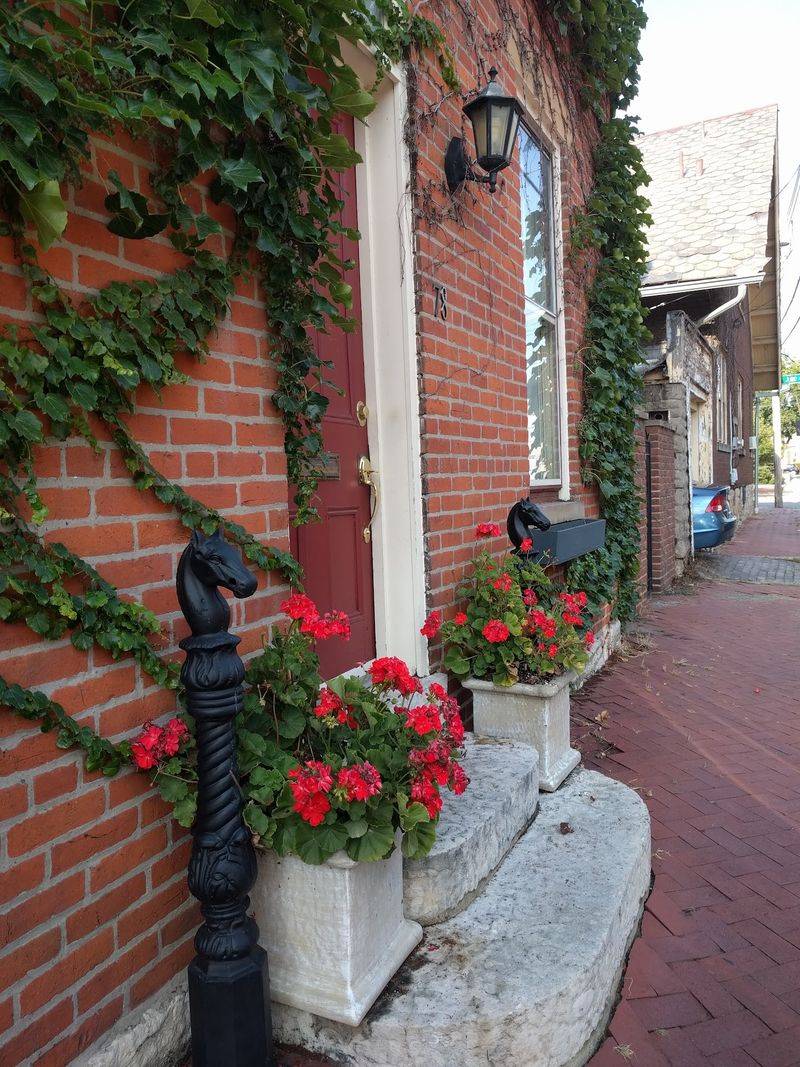
Warm sugar smells have a habit of making walking plans considerably less ambitious around here. Fox in the Snow on Thurman Avenue serves handmade pastries and coffee from its German Village bakery.
The pastry cases give sweet-tooth visitors plenty of reasons to slow down, while the café setting makes it an easy morning stop before exploring the neighborhood.
For something with stronger German roots, Schmidt’s Sausage Haus on East Kossuth Street serves warm pretzel nuggets alongside its traditional German menu. I walked away wishing I had left considerably more room for dessert.
Nearby, Katzinger’s Delicatessen has been slicing sandwiches since 1984, and their pickle barrel by the counter is a tradition worth stopping for.
Schmidt’s is also famous for its Jumbo Cream Puffs, while the Bahama Mama is the restaurant’s signature smoked sausage. Both have developed loyal followings for very different reasons.
Coffee lovers have options as well, including Stauf’s Coffee Roasters, where the German Village location sits right next to The Book Loft.
My honest advice is to skip breakfast at your hotel. Come hungry, wander slowly, and let the bakery cases make your decisions for you.
Shops Selling Fudge, Jewelry, And Odd Treasures
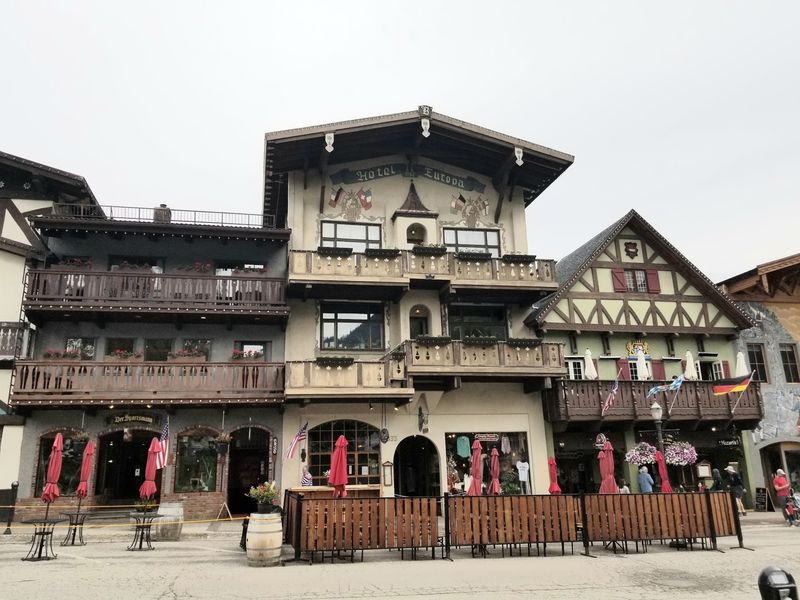
Shopping here is refreshingly free of chain stores. Small independent businesses fill the ground floors of old brick buildings, mostly along South Third Street.
I found handmade jewelry, letterpress cards, candles, vintage housewares, and a fudge counter that had me sampling three flavors before choosing maple walnut.
Helen Winnemore’s Contemporary Craft Gallery deserves special mention. Open since 1938, it is one of the oldest craft galleries in the country, and every piece inside is made by an American artist.
Art galleries and small studios pop up between the cafes, so keep glancing at doorways you might otherwise walk past. Several are only open a few days a week.
What I appreciated most was how willing the shopkeepers were to talk. One owner explained how her building had been a corner grocery in the 1890s, complete with the original wooden floor.
Most storefronts open around 10 or 11 a.m. and close by early evening, so plan your browsing for midday.
Bring a tote bag and a little patience, because the good stuff here is tucked away rather than piled in aisles.
Where To Eat When Hunger Strikes
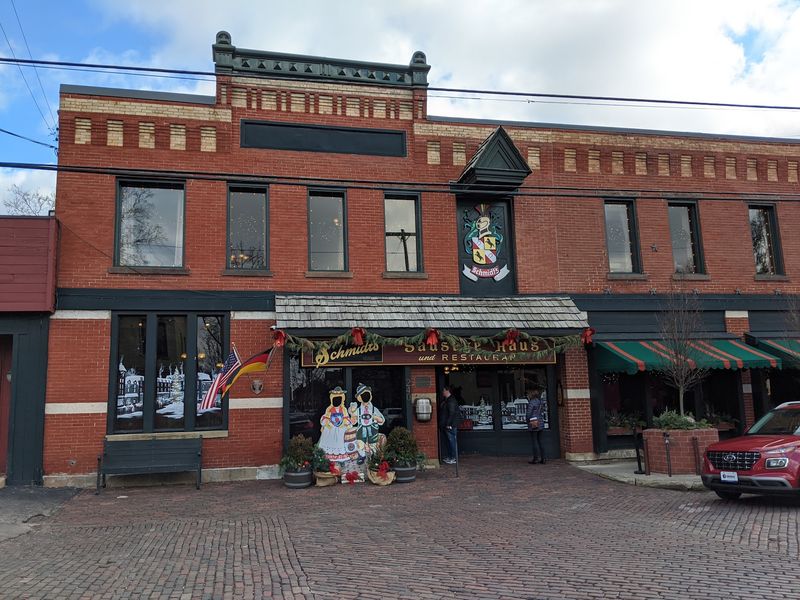
Dinner options range from sausage platters to inventive American plates. Schmidt’s Sausage Haus und Restaurant, run by the same family since 1886, is the anchor of the traditional side.
Their Bahama Mama sausage is the signature order, and the buffet-style sides come with live accordion music on many evenings.
For something quieter, Lindey’s on Mohawk Street has been serving upscale American food since 1981. The patio there is one of my favorite places to sit when the weather cooperates.
Kittie’s Cakes handles the sweet tooth with cupcakes and layer cakes, while The Sycamore and Barcelona offer more contemporary menus a short walk away.
Reservations are smart on Friday and Saturday nights, especially in summer when patios are full and theater crowds are heading to Schiller Park.
Lunch is the sneaky best time to eat well here. Prices are gentler, wait times are shorter, and you still get the same brick-lined views out the window.
I ended one visit with a cupcake eaten on a park bench while the sun dropped behind a church steeple, and that remains my favorite meal in the neighborhood.
Seasonal Events Worth Planning Around
Timing your trip can double the fun. Haus und Garten Tour, held each June, opens private historic homes and gardens to visitors and has been running since 1960.
Tickets sell out, so buy early if that is your goal. Getting inside these houses answered a dozen questions I had been asking from the sidewalk.
Oktoberfest energy shows up in September and October, with music, food, and dancing at various venues around the neighborhood.
December brings Village Lights, an evening celebration where residents place luminarias along the brick sidewalks and shops stay open late. Carolers, horse-drawn carriages, and thousands of small flames make it the most photogenic night of the year.
Summer weekends belong to outdoor theater at Schiller Park, plus farmers market stands and casual sidewalk gatherings.
Spring is underrated. Magnolias and tulips bloom against dark brick, and the crowds have not arrived yet.
My advice is simple: check the German Village Society calendar before booking, because the difference between an ordinary Saturday and a festival Saturday here is substantial, and both versions are worth experiencing at least once.
Practical Tips For A Smooth Visit
Parking is the one thing that trips people up. Streets are narrow and mostly residential, so metered spots and small lots fill quickly on weekends.
I had the best luck arriving before 11 a.m. and parking near Schiller Park, then walking everywhere from there.
The neighborhood is compact enough to cover on foot in half a day, though a full day lets you linger over food and shops without rushing.
Wear shoes with decent soles, since brick sidewalks shift and dip after more than a century of use. Strollers are manageable but require some steering.
Remember that people actually live here. Photograph the houses from the sidewalk, keep voices down in the evening, and stay off private steps and gardens.
Downtown Columbus is only about a mile north, so pairing a visit with other city attractions is easy. Ride-share drop-offs work well if parking sounds like a headache.
Most shops close by 6 or 7 p.m., but the streets stay lovely after dark under the lamps.
Come curious, walk slowly, and let this corner of Ohio surprise you the way it surprised me.