
This Michigan Greenhouse Café Turns Brunch Into A Garden Retreat Led By A James Beard-Winning Chef
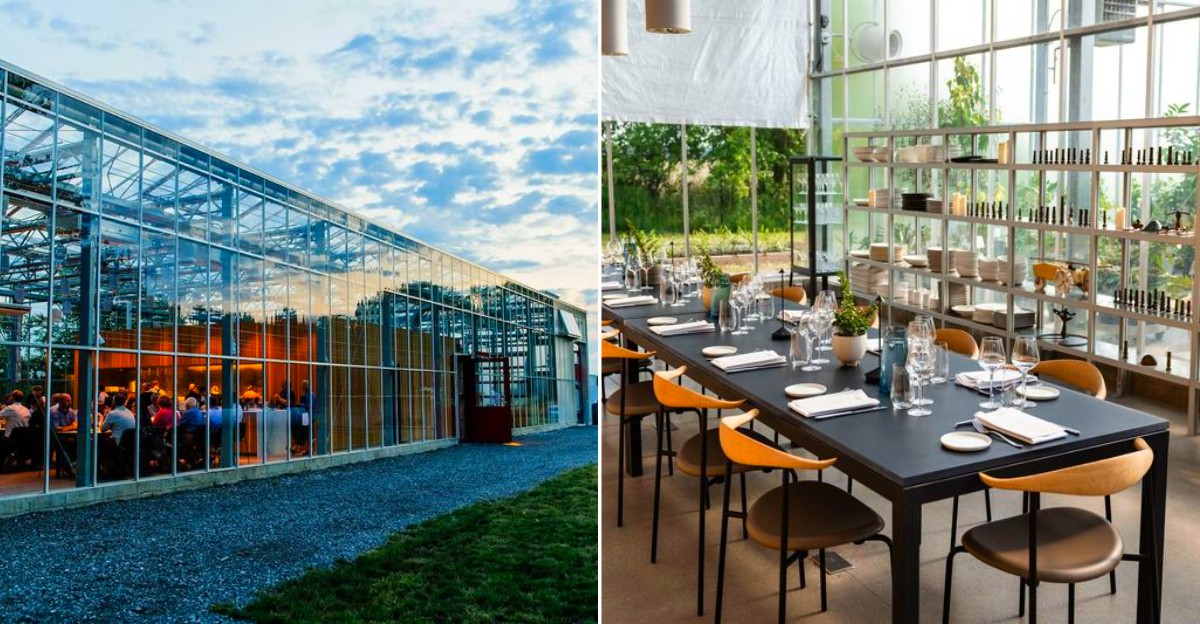
Some meals begin with a menu. Others begin with the realization that half your dinner is growing a few yards away.
At this Southwest Michigan farm, a glass greenhouse rises beside working fields, creating a dining setting that feels part restaurant, part garden, and part edible science experiment.
The culinary program centers on organic vegetables, grains, fruit, and carefully chosen regional ingredients, with acclaimed chef and cookbook author Abra Berens helping shape the experience.
For farm-to-table dining in Michigan, few settings connect working fields, seasonal produce, and thoughtful cooking as directly as this one. The greenhouse may look like the perfect brunch room, but regular brunch service is not the story here.
Ticketed dinners are the bigger draw, while daytime visits can still include baked goods, lunch, snacks, and plenty of farm scenery. What makes it memorable is the closeness: food, soil, weather, and kitchen all seem to share the same conversation.
Know What Brunch Really Means
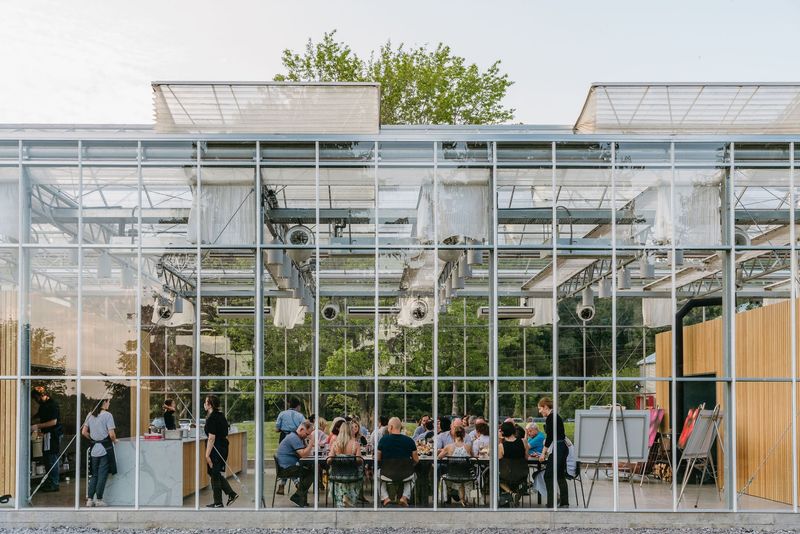
Here is the useful plot twist: Granor does not advertise regular greenhouse brunch service. Its signature greenhouse experience is a ticketed, multi-course Farm Dinner offered throughout the year.
For daytime eating, look toward the Farm Store’s Picnic Bar for baked goods, lunch, and snacks. Those casual choices can provide a farm-centered outing without committing to an evening tasting menu.
Availability and offerings may shift, so inspect the official schedule before building an itinerary. Granor also publishes brunch recipes and offers occasional take-and-bake pastry through its farm programs.
That distinction prevents disappointment, particularly when traveling specifically for eggs beneath shining greenhouse glass. Think garden retreat first, then match your preferred meal style with the correct offering.
The farm’s website remains the best source for current menus, dates, and daytime options. A quick check keeps appetites cheerful and expectations planted firmly in factual Michigan soil.
The Farm Has Two Addresses For A Reason
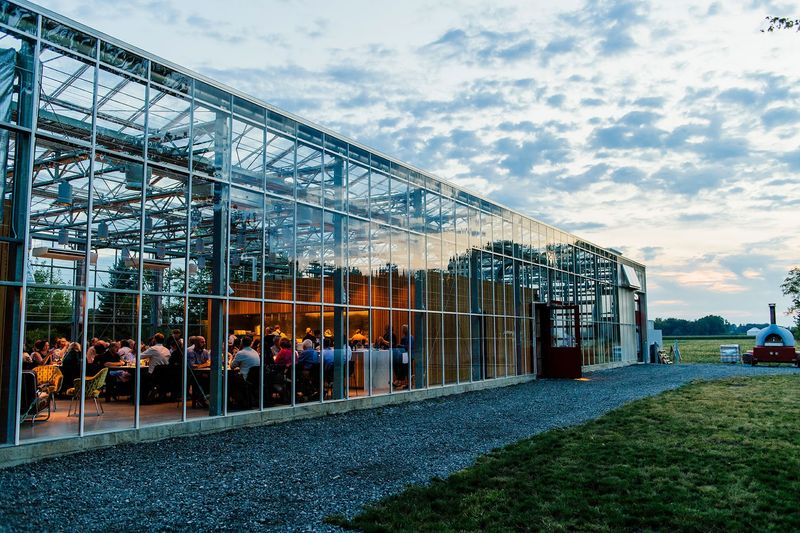
Granor Farm’s Greenhouse and dining program sit at 3520 Warren Woods Road outside Three Oaks, Michigan. From downtown Three Oaks, take Three Oaks Road north to Warren Woods Road; from New Buffalo, Red Arrow Highway north provides the main approach before the turn inland.
The final miles run through quiet Harbor Country farmland, with Granor positioned on Warren Woods Road between Log Cabin and Pardee roads. Do not stop at the Farm Store address at 3480 if you are arriving for a dinner or class, the Greenhouse property is the neighboring 3520 address.
Use the gravel parking lot at 3520 Warren Woods Road, then follow the property signs toward the Greenhouse and dining area. Parking is limited for ticketed dinners, and Granor recommends carpooling when possible.
Arrive In Time For The Farm Tour
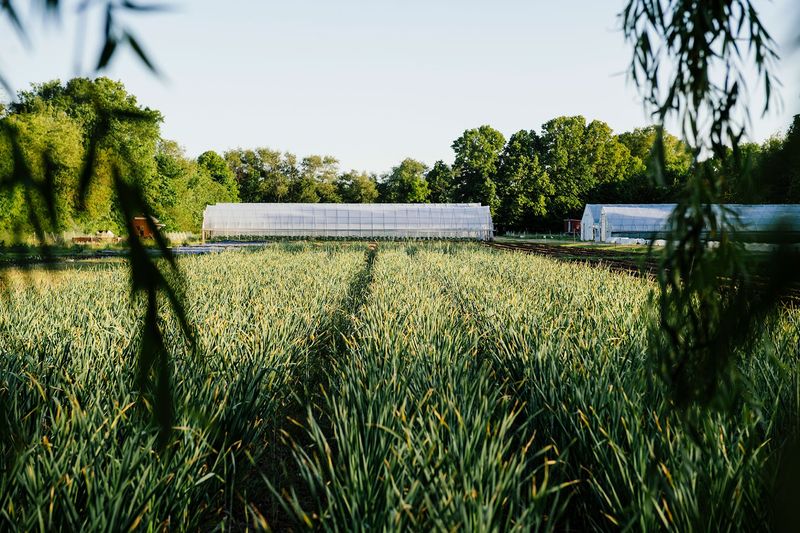
Rows of vegetables become menu clues during Granor’s optional pre-dinner farm tour. A farmer and chef may explain what is growing and how harvest conditions inspire dinner.
Arriving early enough for the scheduled tour adds meaning to ingredients appearing later. A leaf, grain, or root feels different after seeing its place in the fields.
Wear practical shoes because this is a working organic farm, not a landscaped resort garden. Check the event information for tour timing, weather guidance, and any accessibility details beforehand.
Questions are welcome when opportunities arise, especially about seasonal growing methods or unfamiliar crops. The educational piece reflects Granor’s original mission of helping people understand their food better.
Fields sit remarkably close to the greenhouse, making the farm-to-table connection easy to see. By dinner, the landscape no longer looks decorative; it reads almost like the menu.
Let The Weekly Menu Surprise You
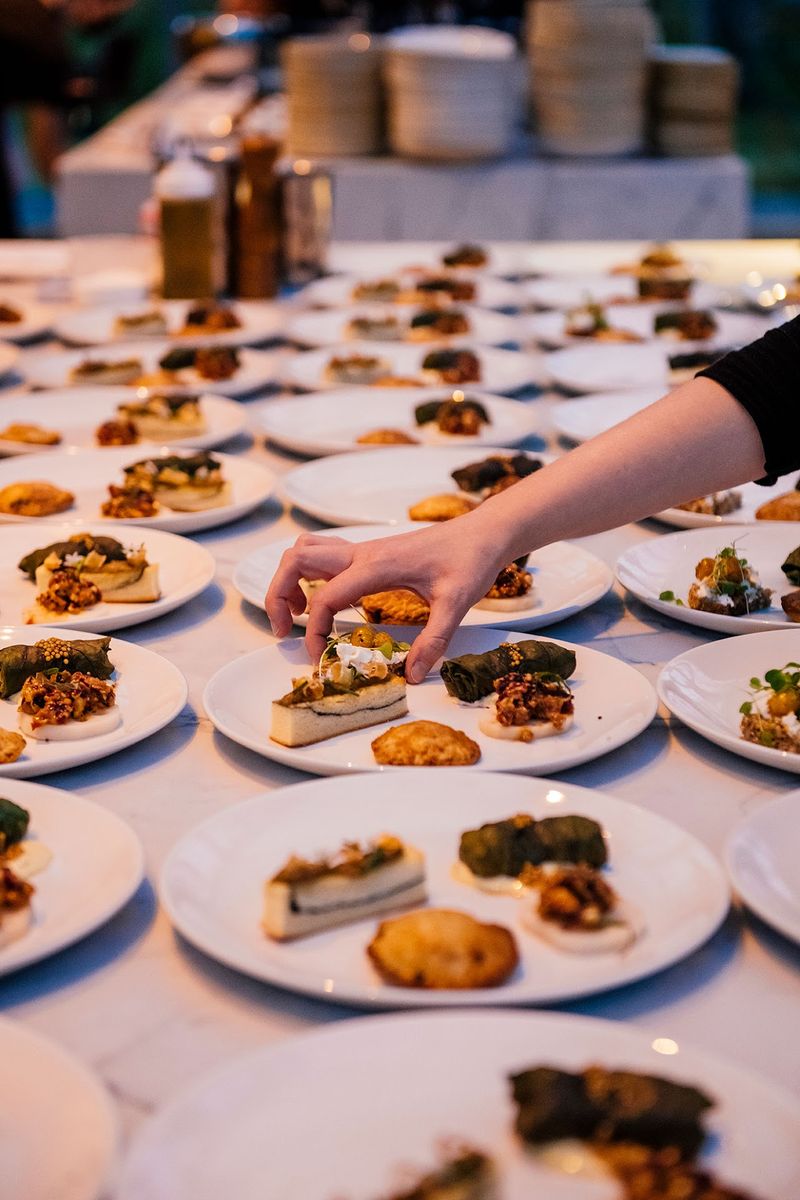
No two weekly menus are meant to repeat, which gives Granor dinner its lively edge. The kitchen responds to the farm’s harvest instead of forcing crops into fixed dishes.
Expect vegetables, grains, herbs, flowers, and fruits to carry more drama than mere garnish. Some produce may have been picked that day, shortening its journey to your plate.
Chef Abra Berens favors food that feels comforting, surprising, beautiful, and rooted in Michigan. Regional proteins and cheeses can also appear, chosen thoughtfully from trusted nearby partners.
Approach the tasting menu with curiosity rather than searching for familiar restaurant staples. Courses may be served family-style, individually plated, or through a combination of both approaches.
Checking every proposed dish beforehand rather misses the point of such harvest-led cooking. Still, contact Granor directly about dietary needs before booking, rather than requesting changes upon arrival.
Notice The Greenhouse Architecture
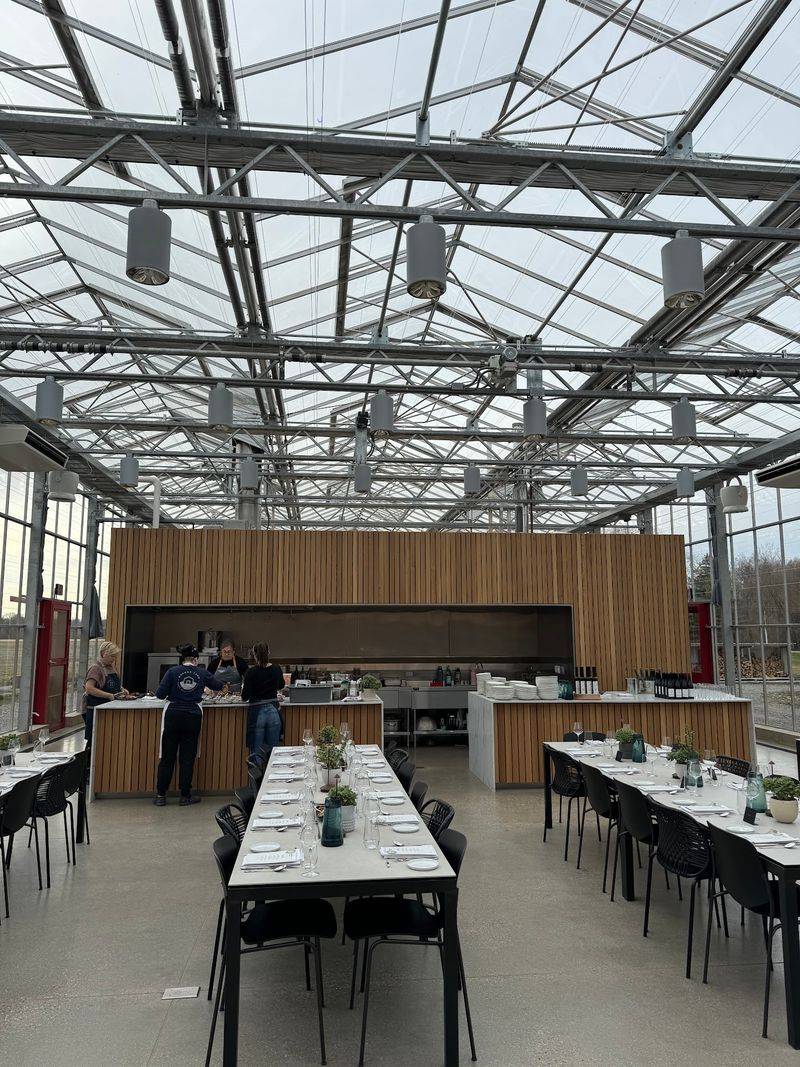
Glass walls make the weather part of dinner without putting mud beneath anyone’s chair. Granor’s state-of-the-art greenhouse is both a growing space and an architecturally significant dining room.
The American Institute of Architects has recognized the structure, yet it remains closely practical. Plants live here, meals unfold here, and nearby fields complete the wide rural view.
Pause before sitting down and notice how farming equipment and elegance share the scene. That unusual pairing keeps the room polished without losing its working-farm identity or purpose.
Daylight changes across the glass, giving early courses and later plates different visual moods. Guests interested in photographs should remain considerate of service, tablemates, and the dining pace.
Choose clothing suitable for the season because transparent architecture can make weather feel present. The greenhouse is beautiful, but its deeper charm comes from actually serving the farm.
Come Ready To Share The Table
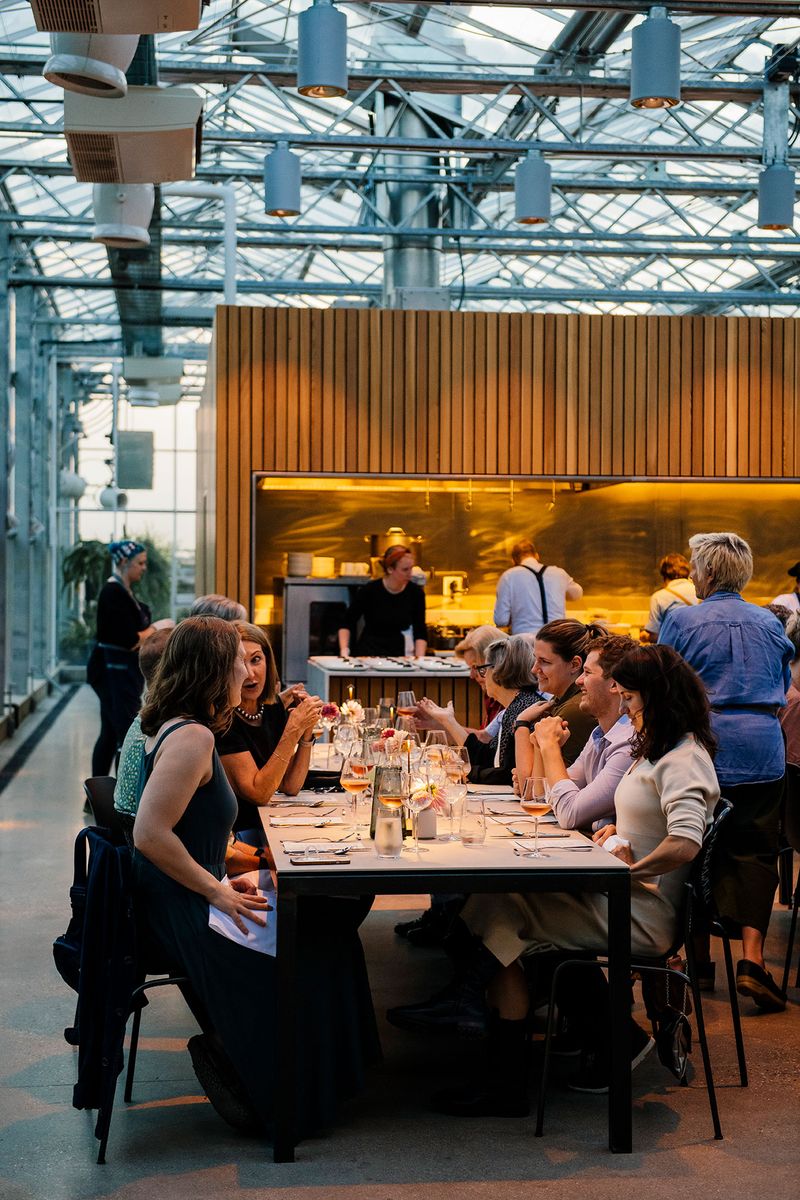
Long communal tables can turn strangers into dinner companions before the second course arrives. Granor designs its Farm Dinners with conversation and shared discovery woven into the experience.
Introduce yourself naturally, then allow quieter neighbors room to enjoy their meal privately. The atmosphere resembles a polished dinner party, not a hushed room of isolated tables.
Family-style courses may create easy openings for discussing ingredients, fields, and favorite preparations. Individually plated dishes offer pauses when everyone can focus closely on the kitchen’s work.
I find the best approach is friendly curiosity without treating conversation as another course. People travel from several Midwestern cities, so table talk often gathers interesting regional perspectives.
If private seating matters greatly, review the event format or ask Granor before purchasing. Otherwise, embrace the shared table as part of the farm’s mission to connect eaters.
Follow Chef Abra Berens’ Vegetable Focus
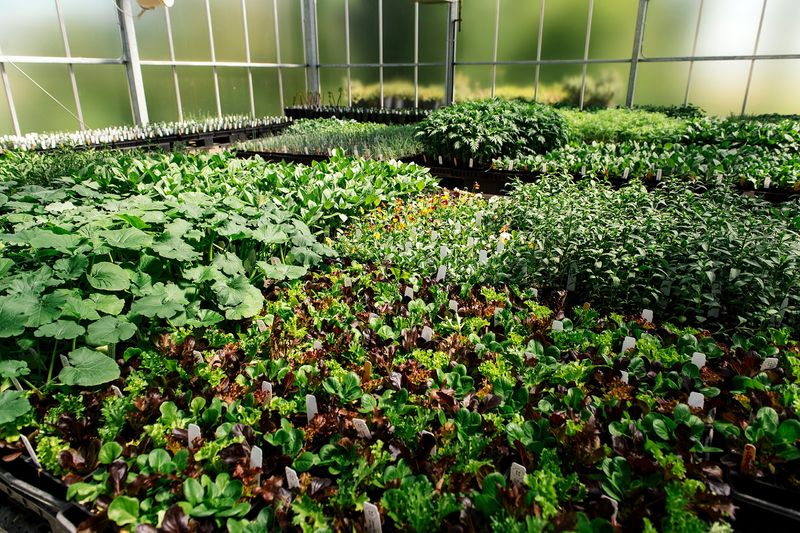
Vegetables do not wait politely at the edge of Chef Abra Berens’ cooking. They often become the central idea, supported by grains, careful technique, and balanced regional ingredients.
Berens was a James Beard Award semifinalist for Best Chef: Great Lakes. She also wrote the award-winning cookbooks Ruffage, Grist, and Pulp, each exploring ingredient possibilities.
Her food connects growers with eaters while celebrating the Midwest without making it quaint. Simple preparations can reveal how texture, acidity, heat, and seasoning reshape familiar farm produce.
Guests expecting every course to revolve around meat should adjust that assumption before booking. The harvest leads here, although thoughtfully sourced regional proteins and cheeses may join menus.
Pay attention to humble ingredients receiving unusually careful treatment throughout the changing tasting menu. A root, bean, or grain can become the evening’s most memorable little surprise.
Browse The Farm Store Slowly
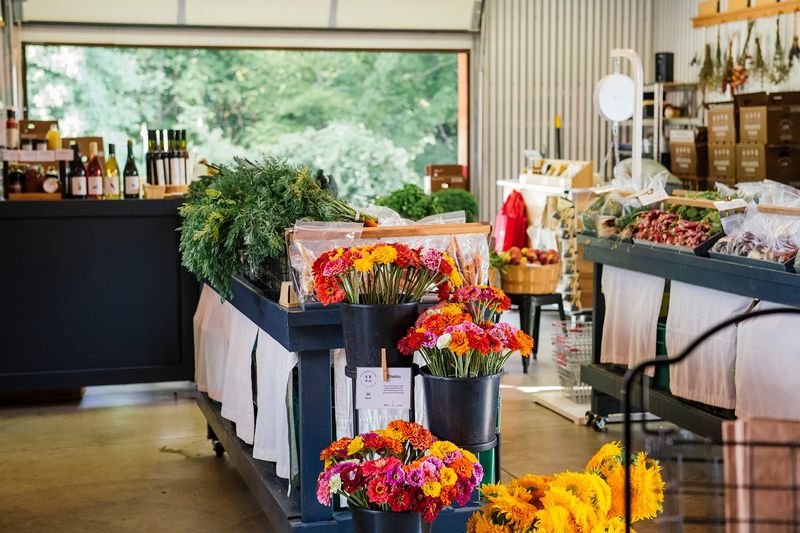
A quick store stop can stretch pleasantly when vegetables, flowers, and prepared foods start competing. Granor’s Farm Store provides another practical window into what the land currently offers.
Browse seasonal produce before choosing extras because availability naturally follows the farming calendar. Ready-to-eat or heat-at-home foods may help turn the drive back into easier meal planning.
The store also carries selected goods from regional makers, extending Granor’s community-minded food connections. Rather than grabbing everything bright, consider what you can transport and use promptly.
Bring a cooler when traveling far, especially if buying perishable foods during warm weather. Confirm current opening hours directly because farm schedules can change around seasons and special events.
Officially listed hours are limited to later in the week and weekends. Slow browsing reveals that the shop is not separate from Granor’s mission; it continues it.
Explore The Fields With Care
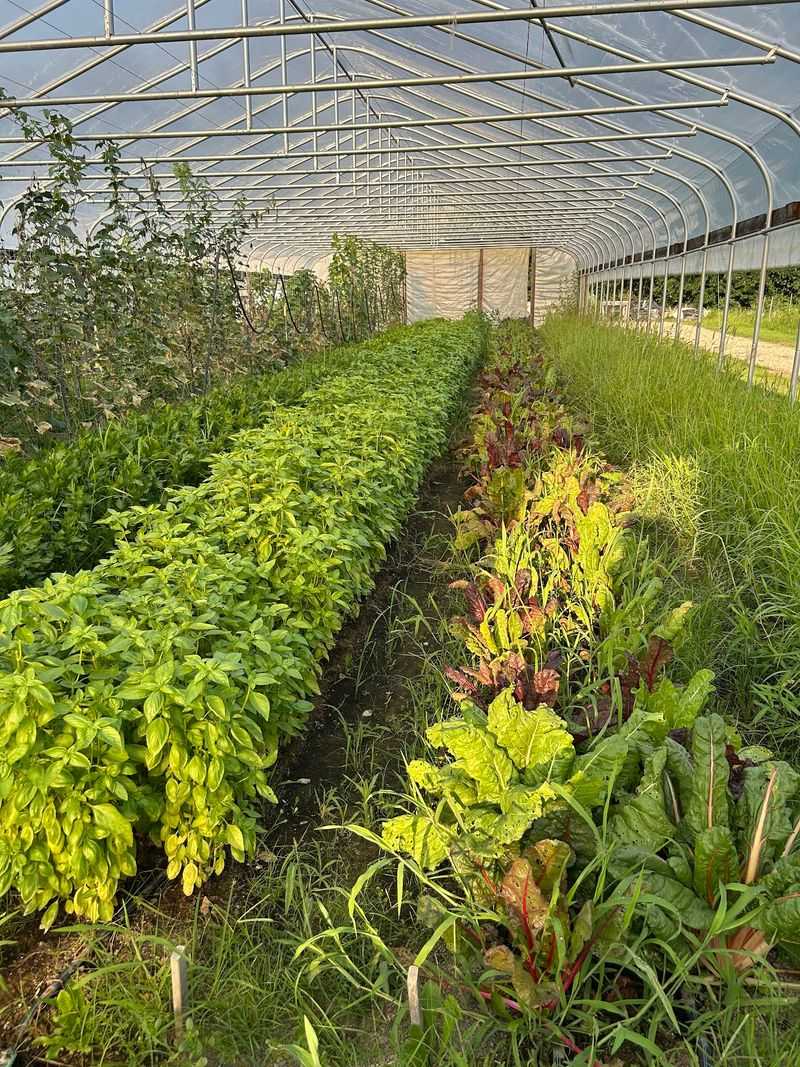
Beyond the greenhouse, the fields offer a quieter lesson with no formal lecture required. Granor allows visitors to discover working farm areas through available self-guided touring opportunities.
Stay on permitted routes, respect signs, and remember that crops are someone’s careful work. Chickens may provide a cheerful detour, especially for families interested in everyday farm life.
The farm grows an extensive range of certified organic vegetables, herbs, flowers, grains, and fruits. Variety changes with seasons, weather, planting plans, and the practical rhythm of harvest.
Looking closely makes dinner descriptions clearer because unfamiliar ingredients gain shape and context. Keep children nearby and avoid touching equipment, plants, or animals without explicit staff permission.
Ask about current visitor access before arriving solely to wander, since operations may vary. Courtesy keeps the experience educational while protecting the living systems that supply Granor’s kitchen.
Plan Around The Michigan Seasons
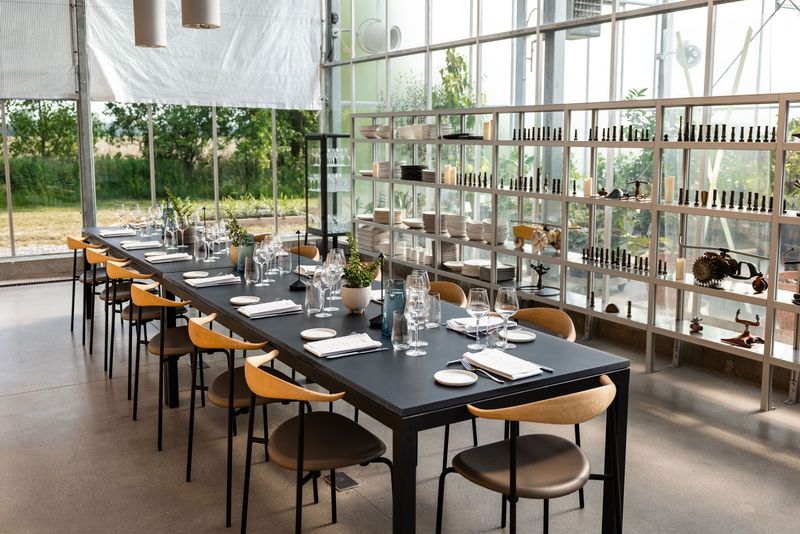
Michigan weather edits the farm continually, swapping tender greens for roots, grains, or fruit. Granor’s year-round dinners translate those shifts into menus rather than hiding seasonal limits.
Spring may feel green and delicate, while colder periods invite deeper, comforting preparations. Specific dishes cannot be promised because the kitchen creates unique menus from available harvests.
Check the forecast before leaving and select shoes and layers suited to farm conditions. An optional tour can feel quite different beneath summer sun, autumn wind, or drizzle.
Seasonal thinking also improves Farm Store shopping, where today’s abundance may soon disappear. Buy what looks best now instead of arriving attached to one particular vegetable or fruit.
A return visit in another month can reveal a noticeably changed landscape and meal. That moving calendar is not an inconvenience; it is the engine behind Granor’s cooking.
Leave Time For The Full Experience
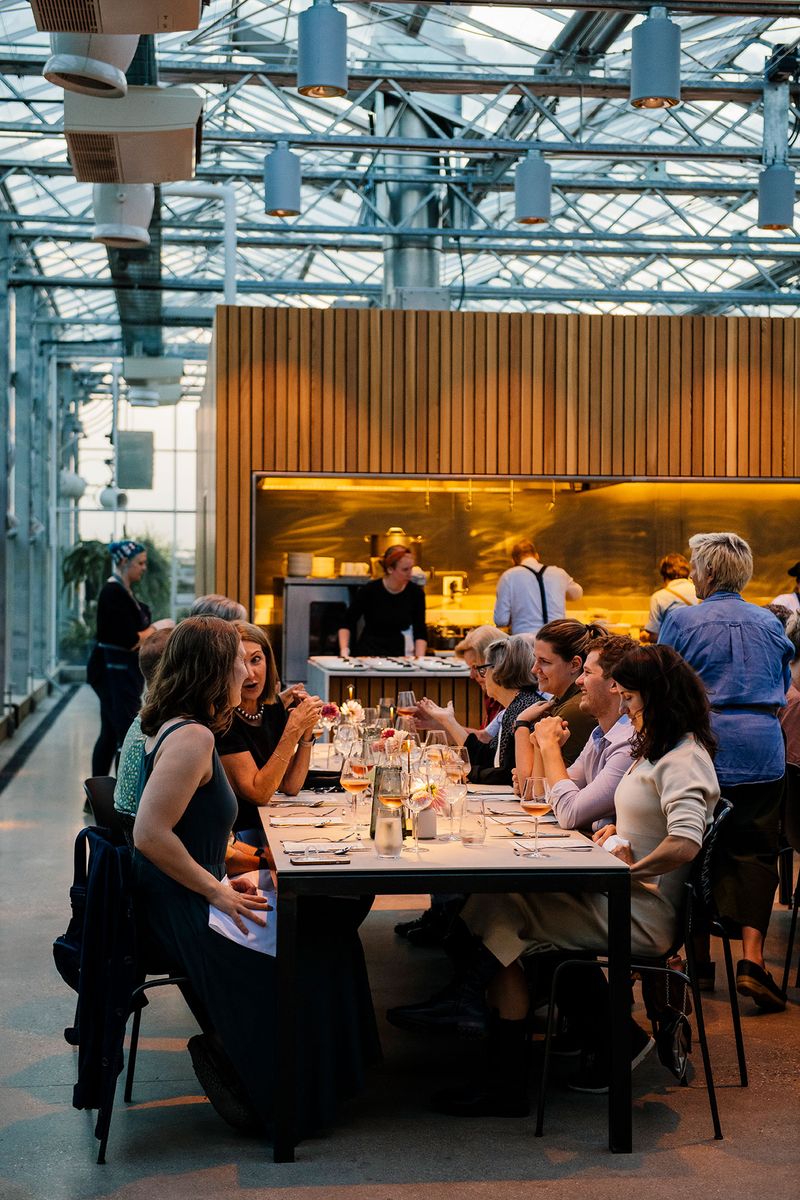
Granor works best when the evening is not squeezed between several hurried Harbor Country stops. The tour, changing courses, communal conversation, and farm setting all reward unbroken attention.
Allow generous driving time to reach 3480 Warren Woods Road outside Three Oaks. Rural scenery feels calming, but arriving late can mean missing educational parts of the program.
Do not schedule a tight departure immediately after the expected dinner ending, either. Multi-course experiences unfold at a measured pace, especially when staff explain ingredients and preparations.
Before leaving home, confirm directions, event timing, and any instructions included with tickets. Drivers coming from Chicago, Detroit, or Indianapolis should also account for traffic and time changes.
The unhurried plan lets the greenhouse, fields, people, and food register as one story. That is when Granor feels less like a meal stop and more like immersion.