
7 Reasons Why Maine Is One Of The Best Places To Retire

Retirement gets a lot more appealing when daily life starts to feel less rushed and a little more comfortable. Maine has that kind of pull, with peaceful towns, fresh coastal air, and plenty of room to enjoy a slower routine.
The state offers scenic surroundings without giving up important practical needs. Low crime rates, respected medical centers, and useful tax breaks can all matter when choosing where to spend the years after work.
There is also plenty to enjoy beyond the practical side. Quiet lakes, small communities, and changing seasons give each part of the year its own character.
A simple afternoon outdoors can feel just as rewarding as a special meal by the coast. For retirees looking for beauty paired with everyday comfort, this northern New England state has several strong reasons to earn a closer look.
Weather And Climate
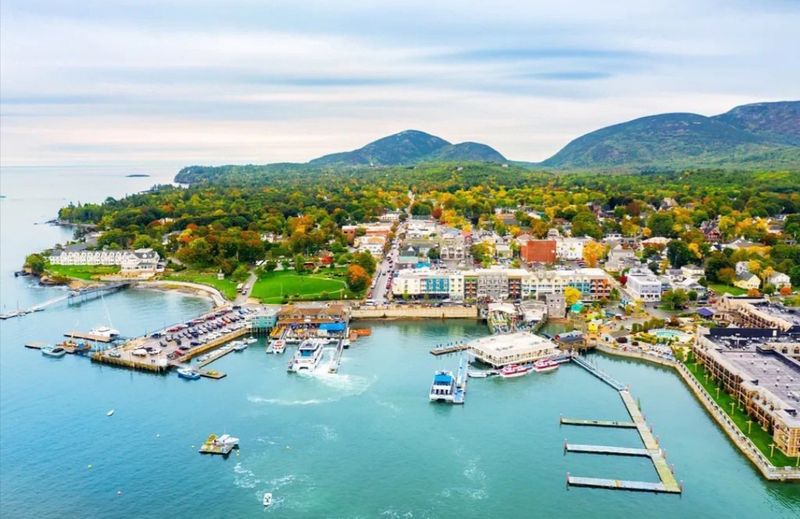
Four real seasons wait for you here, and that alone wins over plenty of retirees who enjoy variety in the calendar. Summers tend to be milder than in many parts of the country, especially near the coast, though hot and humid stretches still happen.
Autumn is the true showstopper, painting the hills in fiery reds and oranges that draw visitors every year. Crisp mornings and cool evenings make it easy to enjoy long walks or a warm cup of tea on the porch.
Winters do bring snow, so a comfortable home and a good pair of boots help. Fresh snowfall can turn ordinary neighborhoods into postcard scenes, while quieter winter days appeal to people who enjoy a slower seasonal rhythm.
Spring rewards patience with blooming gardens and returning birds. The change can feel especially dramatic after a long winter, when trails dry out and trees begin filling in again.
The ocean helps moderate temperatures along the coast, softening some of the extremes found farther inland. Coastal communities can still see storms and cold snaps, but proximity to the water shapes the local climate in noticeable ways.
Weather also encourages retirees to build routines around the seasons. Gardening and leaf peeping get their own moment, while snowshoeing adds a reason to head outdoors during winter.
Maine’s Vacationland nickname reflects the state’s long connection with tourism and outdoor recreation. Learning to dress in layers and plan around changing conditions makes it much easier to enjoy the climate year-round.
Natural Beauty

Rocky shorelines, thick pine forests, and glassy lakes greet you in countless corners of the state. Nature lovers often say the scenery alone is worth the move, and it is easy to understand the appeal.
Acadia National Park stands as the crown jewel, with granite peaks, peaceful carriage roads, and memorable ocean views. Retirees can choose gentler walks, scenic drives, or quiet overlooks based on their energy level that day.
The park is only one piece of Maine’s outdoor story. Thousands of lakes and ponds create opportunities for fishing and paddling, while large forested regions offer quieter escapes well beyond the busiest coastal destinations.
Rural scenery adds another layer. Small farms sit beside winding roads, and historic covered bridges survive in a handful of communities.
Wildflower fields and wooded backroads make even an ordinary drive feel scenic during the right season.
Wildlife is part of life here too. Moose roam northern and western regions, while seabirds are easy to spot along many stretches of coast.
Birdwatchers can build an entire afternoon around a refuge or shoreline trail.
Outdoor recreation does not always need to be strenuous. A bench overlooking the water can be enough, and many public parks include short trails suited to an easy pace.
Retirees can adjust outings based on comfort and mobility.
Seasonal scenery keeps familiar places interesting. A lake that feels lively in July can look completely different under autumn color or winter snow.
Living near so much natural beauty can make simple routines feel more rewarding. A morning walk or quiet drive may become part of weekly life rather than something saved for vacation.
Step outside on a clear morning, and Maine offers plenty of reminders about the scenery that has drawn visitors for generations.
Overall Quality Of Life
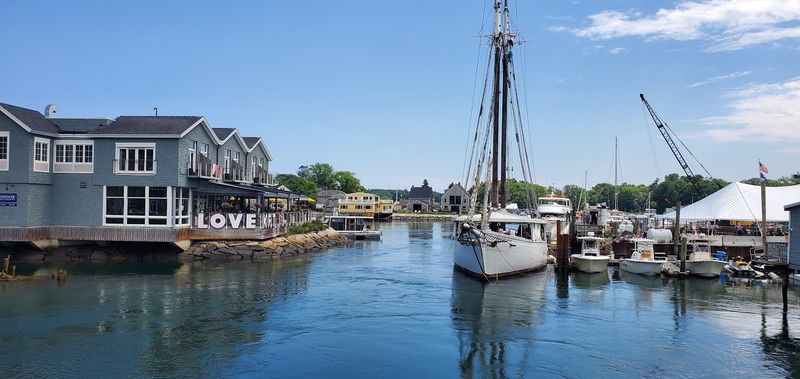
Life in many Maine communities moves at a comfortable pace, and that rhythm can appeal to retirees ready for a less hectic routine. Bigger towns still have busy roads and seasonal traffic, but quieter communities can feel noticeably less rushed.
Small towns form a major part of the state’s character. Local farmers markets and community suppers create easy opportunities to meet people, while craft fairs give residents another reason to get out and mingle.
Retirement can feel more enjoyable when everyday errands remain manageable. Many smaller communities have locally owned shops and familiar gathering places that make routines feel personal.
Housing costs vary sharply around Maine, with rural areas often costing less than Greater Portland and many coastal communities. Buyers still need to compare home prices, property taxes, and heating expenses carefully before choosing a town.
A larger property can sometimes be easier to find outside the most sought-after coastal markets. That extra space may appeal to retirees who want a garden or a quieter road.
Fresh local food is another everyday perk. Seafood and seasonal produce are easy to find in many regions, while farm stands become especially appealing during summer and autumn.
Community life can stay active without feeling overwhelming. Libraries host programs, historical societies organize events, and town centers often provide a steady calendar of low-key activities.
Maine’s slower pace does not mean life has to feel isolated. Portland and Bangor provide larger-city services, while many smaller towns have active civic groups and seasonal events.
Choosing the right location remains important because costs and services vary widely. Retirees who compare housing and healthcare access can find communities that match their priorities more closely.
For people who value open space and a calmer daily rhythm, the quality of life here can be a strong part of Maine’s retirement appeal.
Unique Lifestyle Benefits Of Maine

Few states make it so easy to pair a lobster roll with a mountain outing during the same vacation week, and Maine residents can enjoy that variety much more often. The blend of coast and country gives retirement plenty of room for different interests.
Fishing villages, lighthouses, and working harbors remain part of the coastal identity. Watching boats return to port or walking beside a harbor can turn an ordinary afternoon into something memorable.
Seafood culture also feels closely connected to place. Lobster shacks and fish markets remind residents how strongly local traditions are tied to the water.
Creative life has a strong presence too. Galleries and craft shops appear in many towns, while community arts programs offer chances to learn something new.
Retirement can finally create time for painting or pottery that once had to wait.
The seasons bring different hobbies into focus. Summer is ideal for paddling, while winter opens the door to snowshoeing or quiet indoor projects.
Spring and autumn are especially pleasant for scenic drives.
Local traditions help make the calendar feel full. County fairs and seasonal celebrations give residents regular chances to reconnect with neighbors.
Coastal festivals can add extra energy during warmer months.
Maine’s food traditions add another layer to daily life. Wild blueberries are a true state specialty, and Maine produces the great majority of the nation’s commercial wild blueberry crop.
Blueberry season brings pies and fresh berries into shops throughout producing regions.
There is also something appealing about having so many different day-trip choices nearby. Someone living inland can head toward the coast for seafood, while a coastal resident can spend a day among lakes or hills.
That variety makes it easier to build a lifestyle around personal interests instead of a fixed routine. Maine can feel quiet without being dull, especially for retirees who enjoy outdoor recreation and local culture.
Safety And Low Crime
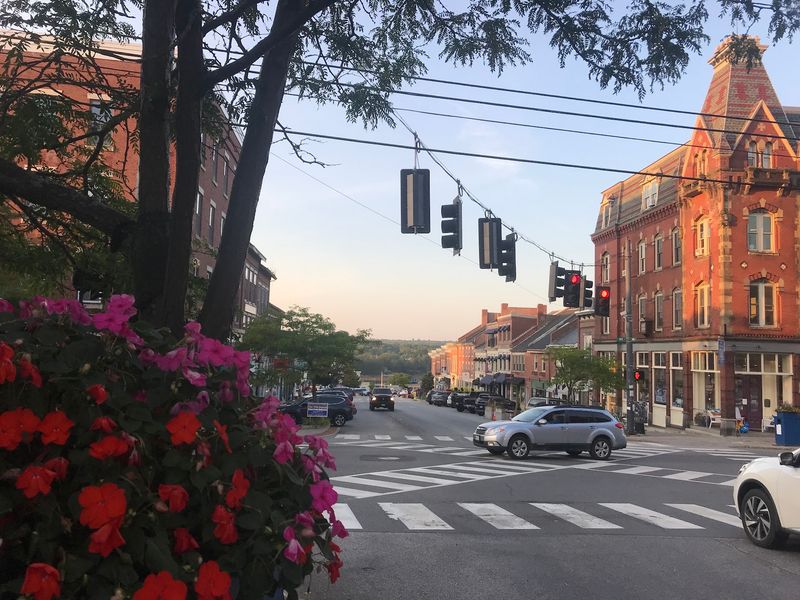
Peace of mind matters during retirement, and Maine consistently stands out for its low violent-crime rate compared with the nation as a whole. That reputation can be reassuring for people choosing a new place to live.
Statewide statistics tell only part of the story because conditions still vary by community. Even so, Maine regularly ranks among the safer states based on violent-crime data, giving the state a meaningful advantage in many retirement comparisons.
Smaller towns can add to that sense of comfort through familiarity. Residents may recognize neighbors and local business owners, which can make daily routines feel more connected.
A close-knit community can be especially valuable after retirement. Knowing who lives nearby may make it easier to ask for help during a storm or learn about town events.
Quiet residential streets also appeal to retirees who enjoy walking. The experience naturally depends on the neighborhood, but many towns offer peaceful areas where an evening stroll can fit easily into the day.
Safety should still be researched at the local level. Crime statistics and emergency response access can vary considerably between communities.
Looking at a specific town gives a clearer picture than relying only on statewide rankings.
Winter deserves attention too. Snow and ice can create practical safety concerns for older residents, making plowing services and walkable access important factors when comparing homes.
For retirees who live alone, nearby neighbors and dependable local services can add another layer of reassurance. Staying involved with community groups can also help build a support network after a move.
No town can promise a worry-free retirement, but Maine’s comparatively low violent-crime rate gives the state a solid foundation. For many retirees, that measurable advantage adds real value to daily life.
High-Quality Healthcare

Good medical care becomes a bigger priority with age, and Maine has respected hospitals serving its largest population centers. Portland and Bangor both offer major medical facilities with specialists and advanced services.
Retirees living near those cities can benefit greatly, especially when ongoing treatment or regular specialist appointments are part of life. Choosing a home within a reasonable drive of needed care can make retirement planning easier.
Regional hospitals and community clinics serve many smaller cities and towns. Primary care and routine testing may be available locally, though access varies by region.
Rural healthcare deserves a closer look before moving. Some communities face provider shortages, and specialty care can require a longer drive.
Retirees managing ongoing medical needs should check local doctors and travel distances before choosing a home.
Programs for older adults also add valuable support. Maine’s aging-services network can connect residents with resources related to independent living and caregiver support.
Pharmacies and transportation can matter almost as much as hospitals. A beautiful rural home may feel less convenient when regular prescriptions require a long drive.
Checking these details ahead of time can prevent frustrating surprises.
Telehealth has also become useful for certain appointments, especially when an in-person visit is not necessary. Reliable internet service therefore deserves a spot on the checklist for retirees considering more remote communities.
Wellness does not begin and end at the doctor’s office. Maine offers plenty of opportunities for gentle exercise outdoors, while community recreation programs can help older adults stay active during colder months.
Healthcare quality works best as a retirement benefit when location is chosen carefully. A little research can help retirees match their health needs with the services available nearby.
Favorable Tax Benefits
Stretching retirement savings matters, and Maine offers several tax provisions that can help certain retirees keep more of their income. The exact benefit depends on personal finances, so planning remains important.
Social Security benefits are not taxed by the state, which can provide meaningful savings for residents who rely heavily on those payments. That exemption is one of the clearest retirement-friendly features in Maine’s tax system.
Certain pension and retirement income may also qualify for deductions under state rules. Eligibility and deduction amounts can change with income type, so reviewing current Maine tax guidance is worthwhile before making financial assumptions.
Military retirement income receives separate favorable treatment under Maine law. Retirees with military pensions may therefore see a different tax picture than households relying mainly on private pensions or investment income.
Property taxes vary significantly by municipality. Coastal communities and high-demand areas can be expensive, while other towns may offer lower home prices or tax bills.
Programs are available to help some older homeowners manage property-tax costs. Eligibility rules matter, so residents should check current state and municipal programs rather than assuming every senior homeowner qualifies.
Rural living can sometimes reduce housing expenses, but other costs deserve attention. Heating can be significant during a long winter, while driving costs may rise when stores or medical offices are farther away.
Maine’s tax picture works best when viewed as one part of the retirement budget. Housing and healthcare costs can matter just as much as income-tax rules.
Retirees considering a move may benefit from comparing several communities before buying. A town with a lower home price can look quite different once property taxes and winter expenses enter the calculation.
The good news is that Maine does offer genuine tax advantages for certain retirement income. Combined with careful location choices and realistic budgeting, those benefits can help make a long-term move more manageable.