
11 Montana Hiking Trails Locals Avoid In September When Bears Get Ready For Winter
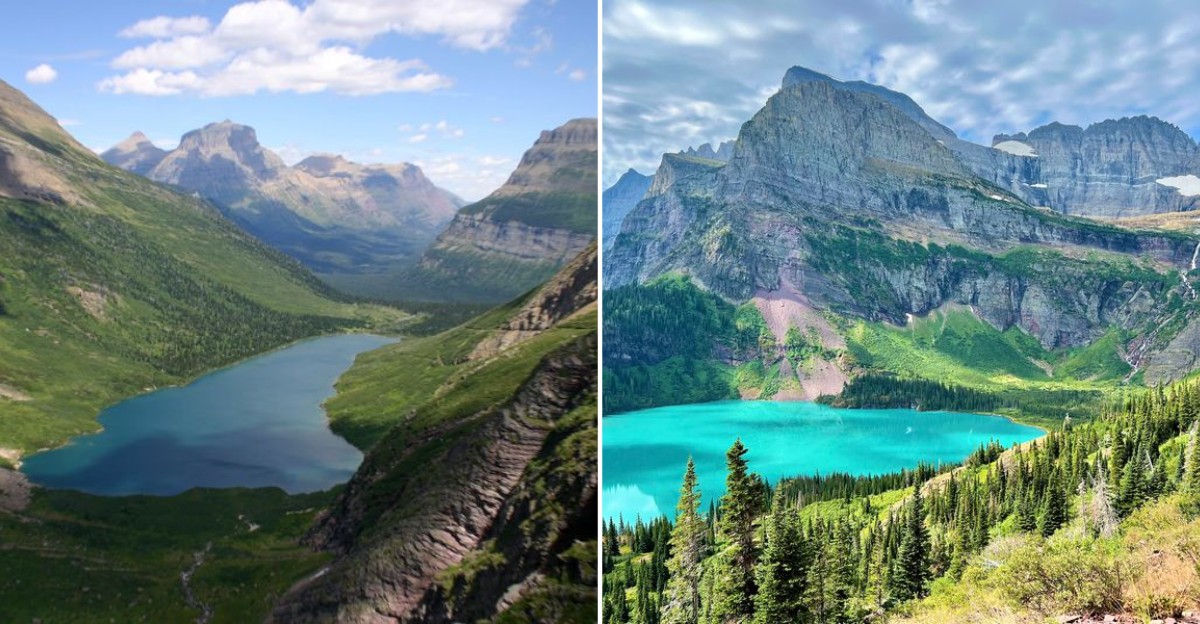
September in Montana has a funny little plot twist. The hiking weather gets better just as the bears get a lot more serious about dinner.
Those crisp mornings? Gorgeous.
Golden trails? Even better.
Fewer people around? That’s the dream.
But out in bear country, September is also when the menu gets important. Bears are packing in calories for the long winter ahead, which means some trails become places locals approach with a little more thought, and a lot less “let’s see what happens.”
That doesn’t make Montana’s backcountry off-limits. Far from it.
It just means knowing where wildlife activity can change the hiking equation. So if you’re planning a fall adventure, these are trails worth knowing about before you lace up.
Not because Montana is trying to scare you away, but because the smartest way to enjoy wild country is to understand what’s happening out there.
1. Highline Trail
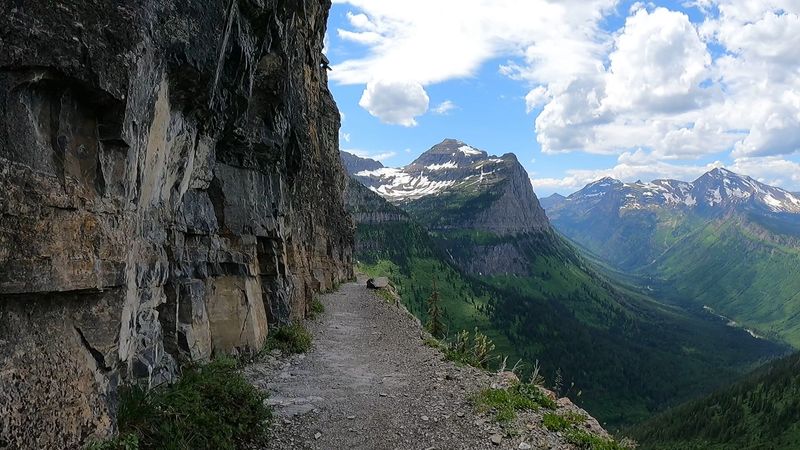
Standing at Logan Pass and staring down the Highline Trail feels like the universe handed you a golden ticket.
The views stretch forever, the air is impossibly fresh, and every step feels cinematic. The Highline Trailhead at Logan Pass, Glacier National Park, MT, launches you along exposed ledges above the valley floor with scenery that genuinely stops your breath mid-stride.
But September flips the script on this legendary route. Bears, particularly grizzlies, are intensely active along this corridor as they follow ripening berries to higher elevations.
In past seasons, sections near the Grinnell Glacier Overlook have been temporarily closed after bear encounters with hikers.
The trail is frequently posted for bear activity, and the open terrain with wind and fog can mask your approach sound completely.
Hiking in a tight group, making consistent noise, and keeping bear spray clipped and ready is non-negotiable here.
The Highline is breathtaking in every season, but September demands a level of awareness that goes beyond casual trail wandering. Respect the signs, respect the space, and the mountain will respect you right back.
2. Avalanche Lake Trail
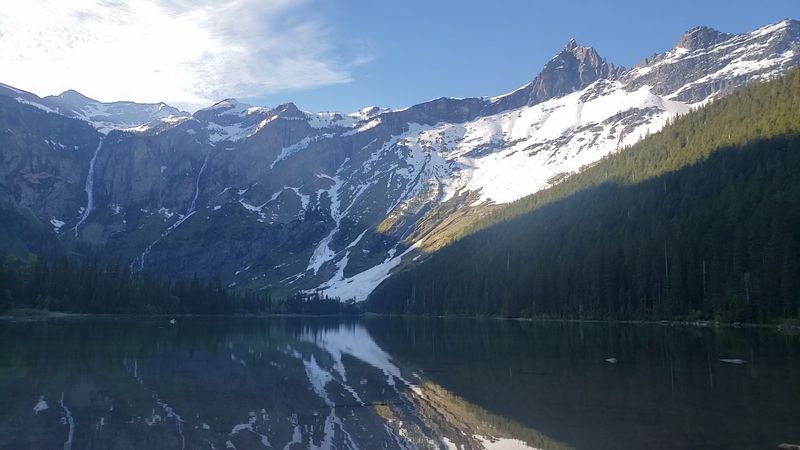
There is a reason Avalanche Lake Trail shows up on practically every Glacier National Park highlight reel. The trail winds through ancient cedar and hemlock forest before opening onto one of the most mirror-perfect lakes you will ever see.
Starting at the Avalanche Picnic Area along Going-to-the-Sun Road, Glacier National Park, MT, the path feels almost enchanted from the very first step.
September, however, brings a different kind of magic to this route. Bears, including grizzlies traveling with cubs, have been spotted walking directly down the trail during peak daylight hours.
The dense forest vegetation that makes this hike so gorgeous also provides excellent cover for foraging bears who are completely absorbed in their pre-hibernation mission.
The trail is officially posted for bear frequenting, and that designation is earned honestly. Even on a busy trail day, a focused bear is not necessarily going to yield the right of way.
Making noise consistently, avoiding earbuds, and staying grouped together transforms this trail from a potential surprise into a genuinely wonderful autumn experience worth every careful step.
3. Granite Park Trail
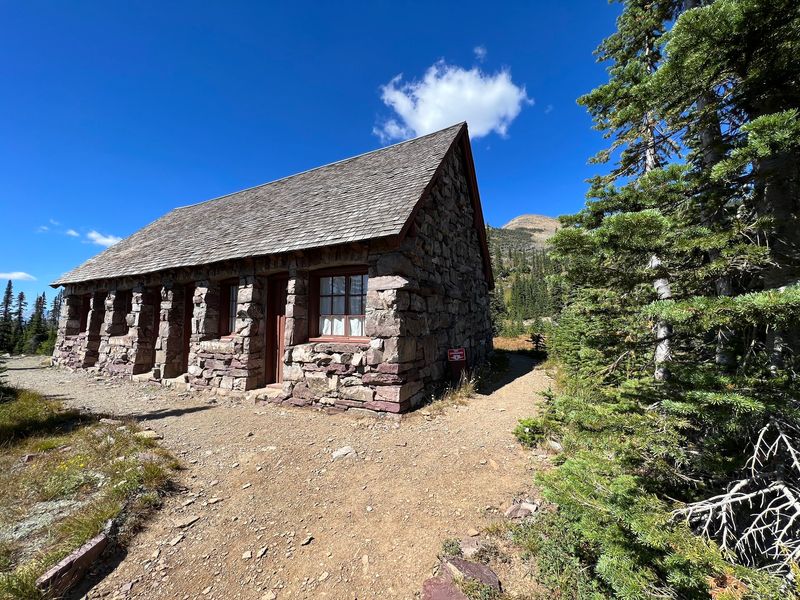
Granite Park Chalet is the kind of destination that makes you feel like you earned something truly special. The trail from The Loop Trailhead, Going-to-the-Sun Road, Glacier National Park, MT, climbs through switchbacks and open slopes before delivering you to a historic stone chalet perched in one of the most dramatic settings imaginable.
It feels like a reward for every uphill step.
What makes September particularly wild here is the concentration of grizzly bears drawn to the surrounding alpine terrain.
Past seasons have brought documented closures around the chalet area due to unusual bear activity and bears showing clear signs of agitation from human presence. Essentially, you are hiking through a prime foraging zone during the bears’ most critical feeding window.
The trail is consistently posted for bear frequenting, which is not a suggestion but a genuine heads-up about conditions on the ground.
Bears need to gain hundreds of pounds before winter, and the slopes around Granite Park are a reliable food source. Going with a guided group or waiting until late October can shift the experience dramatically in your favor.
4. Gunsight Pass Trail
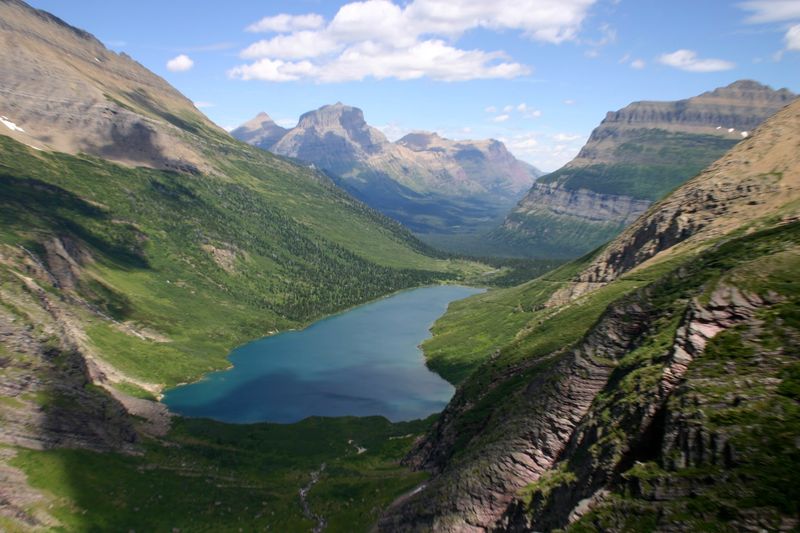
The Gunsight Pass Trail is for hikers who want the full backcountry experience, solitude, scale, and scenery that feels genuinely untouched.
Starting at the Gunsight Pass Trailhead near Jackson Glacier Overlook, Glacier National Park, MT, this route takes you deep into some of the most rugged and remote terrain the park has to offer. The kind of trail that earns serious bragging rights.
That same remoteness, though, is exactly what makes September complicated here. Bears in this corridor are well-documented, and sections of the trail are regularly posted for bear frequenting throughout the fall foraging season.
The further you travel from trailheads, the less conditioned wildlife is to regular human presence, which can increase the likelihood of a startling close encounter.
Late-season berries and roots keep bears actively moving through this area well into November before denning begins.
Hiking in a group of four or more, making noise on blind corners, and never hiking at dawn or dusk alone are the practical moves that keep this trail in the enjoyable column. The pass views are extraordinary, and a well-prepared hiker can absolutely appreciate them safely.
5. Johns Lake Loop
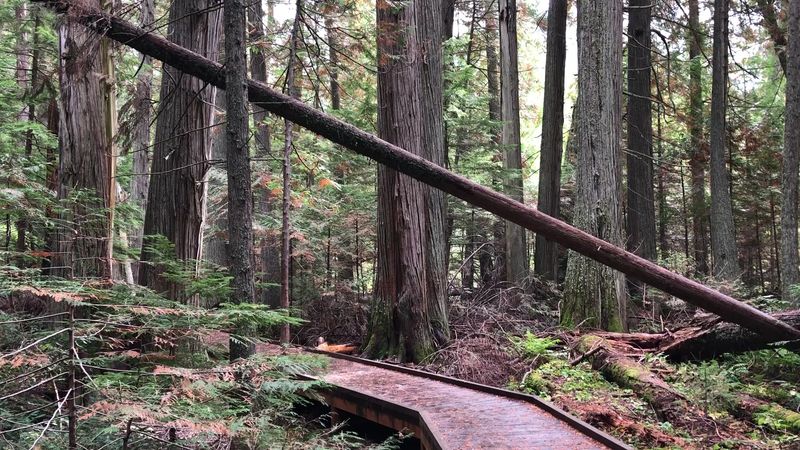
Johns Lake Loop has a reputation for being one of the gentler, more approachable walks in Glacier National Park. Starting from the Johns Lake Trailhead along Going-to-the-Sun Road, Glacier National Park, MT, the loop offers a quieter forest experience that feels worlds away from the busier park corridors.
Short, scenic, and genuinely lovely from start to finish.
But here is the thing about September: no trail in Glacier is truly outside bear territory during hyperphagia. This loop, including its connection through Avalanche Campground, is officially posted for bear frequenting.
Bears in this season are foraging for up to twenty hours a day, and the dense, shaded vegetation along this loop provides exactly the kind of cover they prefer when searching for food.
Smaller, quieter trails like this one can actually create a higher risk of surprise encounters simply because fewer hikers are making noise along the route.
Carrying bear spray, talking or clapping on corners, and staying alert to your surroundings transforms this gentle loop into a genuinely safe and rewarding walk. The forest here is stunning in autumn light, and it absolutely deserves your full, present attention.
6. Ptarmigan Tunnel Trail
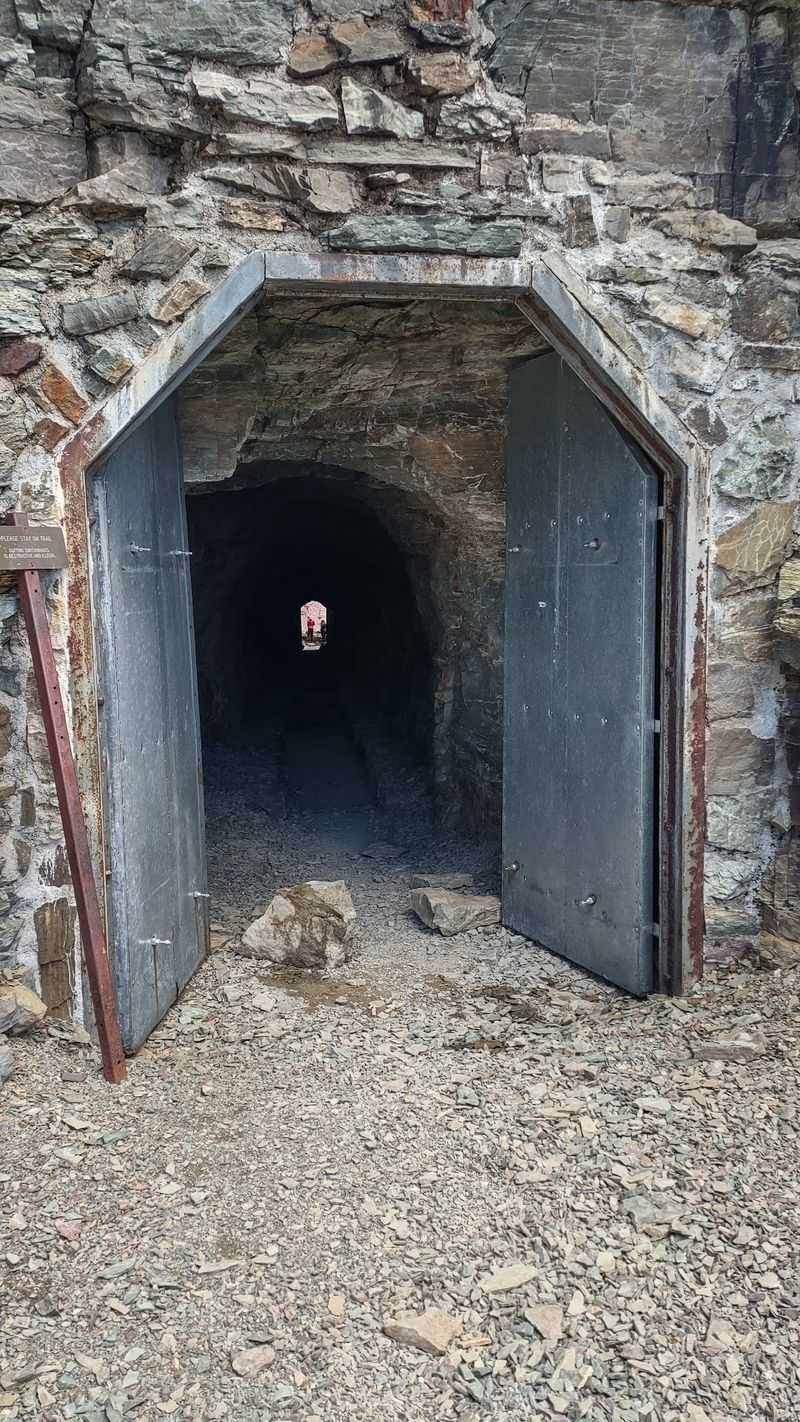
Few trails in the American West can claim a literal tunnel carved through a mountain as their grand finale. The Ptarmigan Tunnel Trail, departing from the Iceberg Ptarmigan Trailhead in Many Glacier, Glacier National Park, MT, is one of the park’s most unique and physically demanding experiences.
The engineering marvel at the top earns every single elevation foot you climb to reach it.
The problem with September here is that the open cirque and upper slopes around the tunnel are consistently flagged as active grizzly territory during August and September.
Many Glacier as a whole is a bear magnet in fall, drawing animals from across the park with its exceptional berry crop density.
Trail closures in this area are not rare events but rather a recurring seasonal reality.
Signs of bear activity, like overturned rocks and stripped berry bushes, are often visible along the ascent. Strenuous trails that require focused physical effort can also distract hikers from staying alert to their surroundings.
Waiting until the peak hyperphagia window passes, or choosing a guided option, gives you the best shot at experiencing this unforgettable tunnel view without an uninvited furry companion blocking the path.
7. Ptarmigan Falls Trail
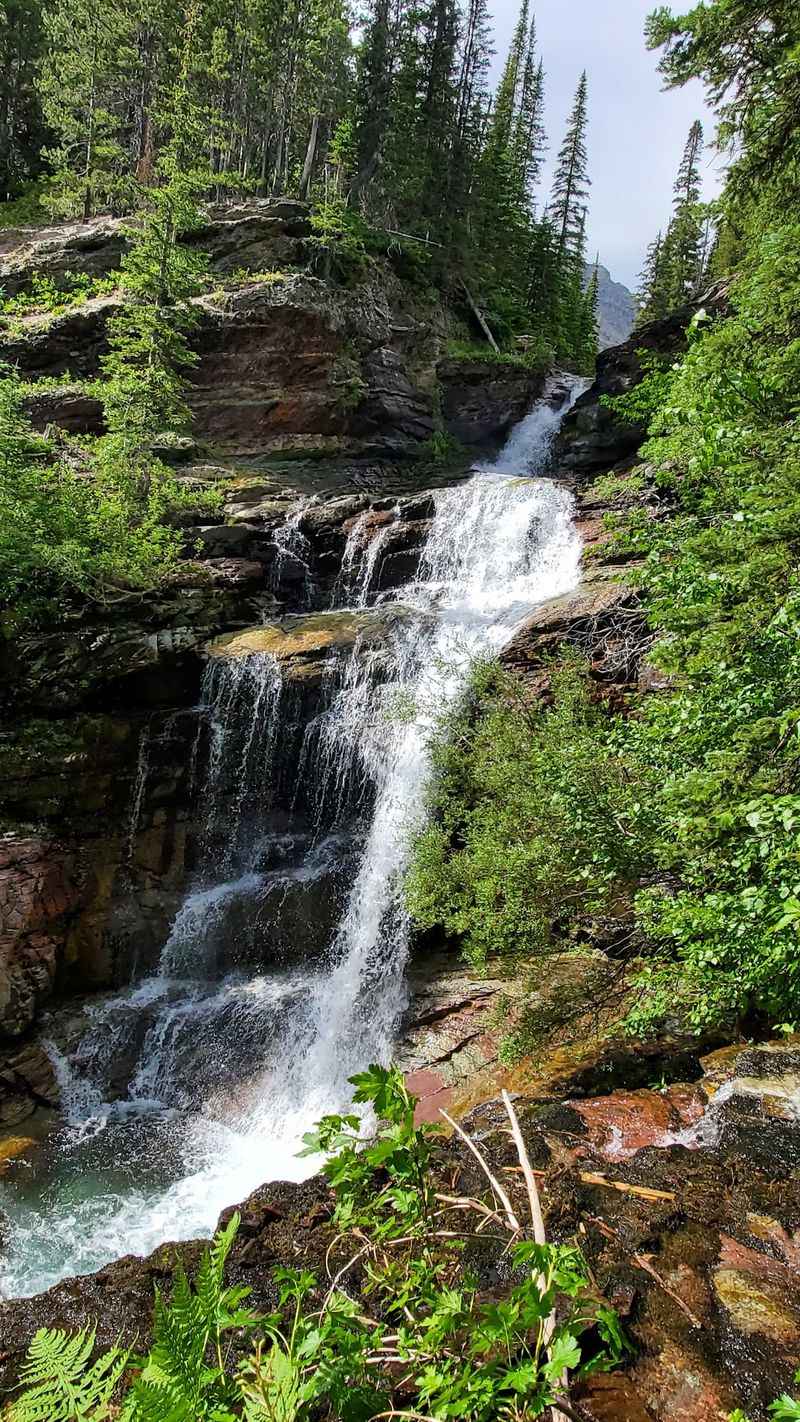
Waterfalls have a way of making everything feel more dramatic, and Ptarmigan Falls absolutely delivers on that promise.
Also starting from the Iceberg Ptarmigan Trailhead in Many Glacier, Glacier National Park, MT, this trail shares terrain with its tunnel-bound neighbor and offers a slightly more accessible route to a genuinely beautiful cascade tucked into the mountain landscape.
Sharing a trailhead and surrounding habitat means sharing the same elevated bear presence that defines the Many Glacier corridor in September.
This trail, along with nearby segments, is regularly posted for bear frequenting, and the lush, water-adjacent vegetation creates ideal foraging conditions for bears seeking out late-season food sources before winter arrives.
The sound of rushing water, as gorgeous as it is, also works against you from a safety perspective. Moving water masks your footsteps and voice, making it significantly harder for bears to detect your approach.
That combination of dense vegetation, abundant food, and sound masking is worth keeping in your mental checklist.
Clapping your hands, using a bear bell, or simply talking loudly near the falls keeps the experience joyful rather than jarring. The falls are worth it with the right preparation.
8. Redrock Falls Trail
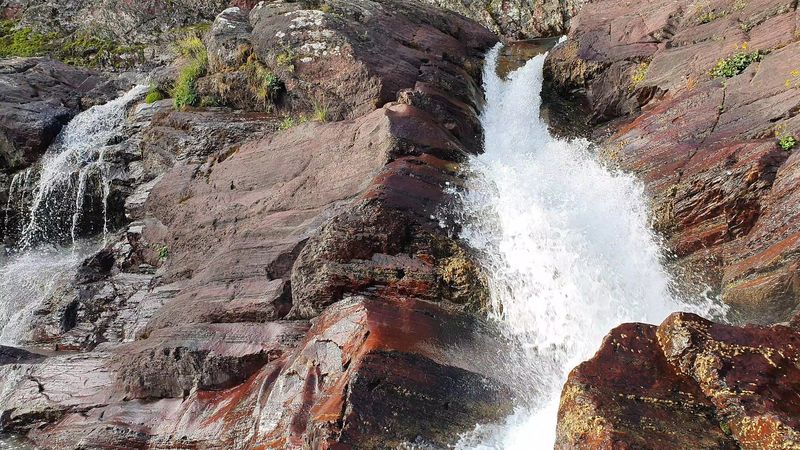
Redrock Falls pulls you in with its vivid rusty rock formations and the satisfying sound of water tumbling over ancient stone.
The trailhead at Swiftcurrent, Many Glacier, Glacier National Park, MT, sends you through a landscape that feels like it was painted specifically for autumn photography. The trail passes Fishercap Lake, which alone is worth the walk on any given September morning.
Fishercap Lake is also, notably, one of the most reliable spots in the park to observe moose and bears in close proximity to the trail.
Black bears with cubs have been reported in the thick brush sections at surprisingly close distances, and the shaded, tree-dense portions of this route provide minimal sightlines for advance warning on either side.
This trail carries the bear frequenting designation for good reason, and bear spray is consistently described by rangers as essential equipment rather than optional gear for this corridor.
The dense scrub and mixed forest create a foraging paradise for bears, especially as berries peak in early September. Going in a group, staying vocal, and keeping your spray accessible turns this stunning trail into the rewarding experience it truly deserves to be.
9. Grinnell Glacier Trail
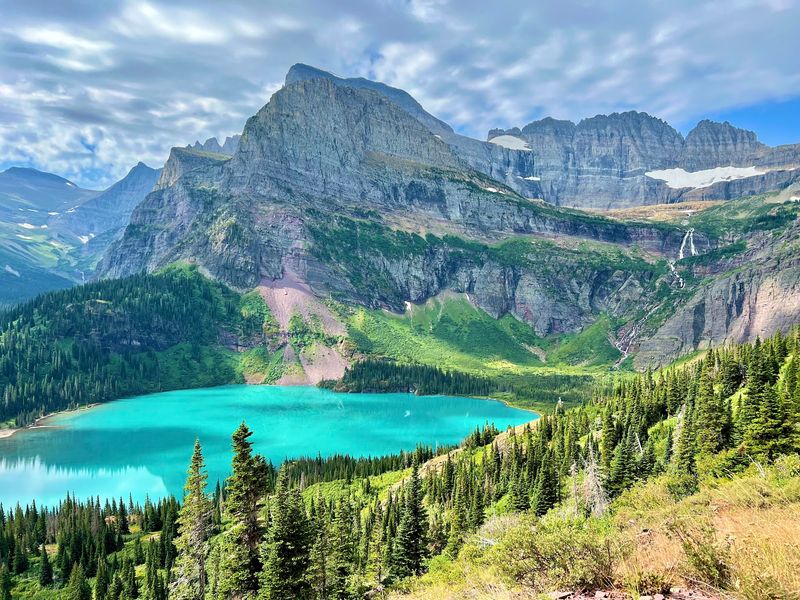
Grinnell Glacier is one of those destinations that rewires your understanding of scale.
The trail from the Grinnell Glacier Trailhead in Many Glacier, Glacier National Park, Montana, carries you past impossibly blue lakes and sweeping open slopes before revealing a glacier that looks like something from another planet entirely. Absolutely worth every switchback on the ascent.
September, however, places this trail squarely in the center of the park’s most active bear zone. The Many Glacier Valley is renowned across the region for its concentrated grizzly activity in fall, specifically because its berry crop density draws bears from across the park.
Grizzlies have been spotted directly on this trail by other hikers, sometimes at uncomfortably close range during peak foraging hours.
Higher elevations and open terrain, while offering spectacular views, are also key feeding grounds as bears follow ripening vegetation upslope through the season.
The combination of high bear density, open sightlines that work both ways, and remote upper trail sections makes this a route where preparation is everything.
Carrying spray, hiking in groups, and checking the daily trail status board at the trailhead before setting out gives this spectacular hike the foundation it deserves.
10. Lincoln Lake Trail
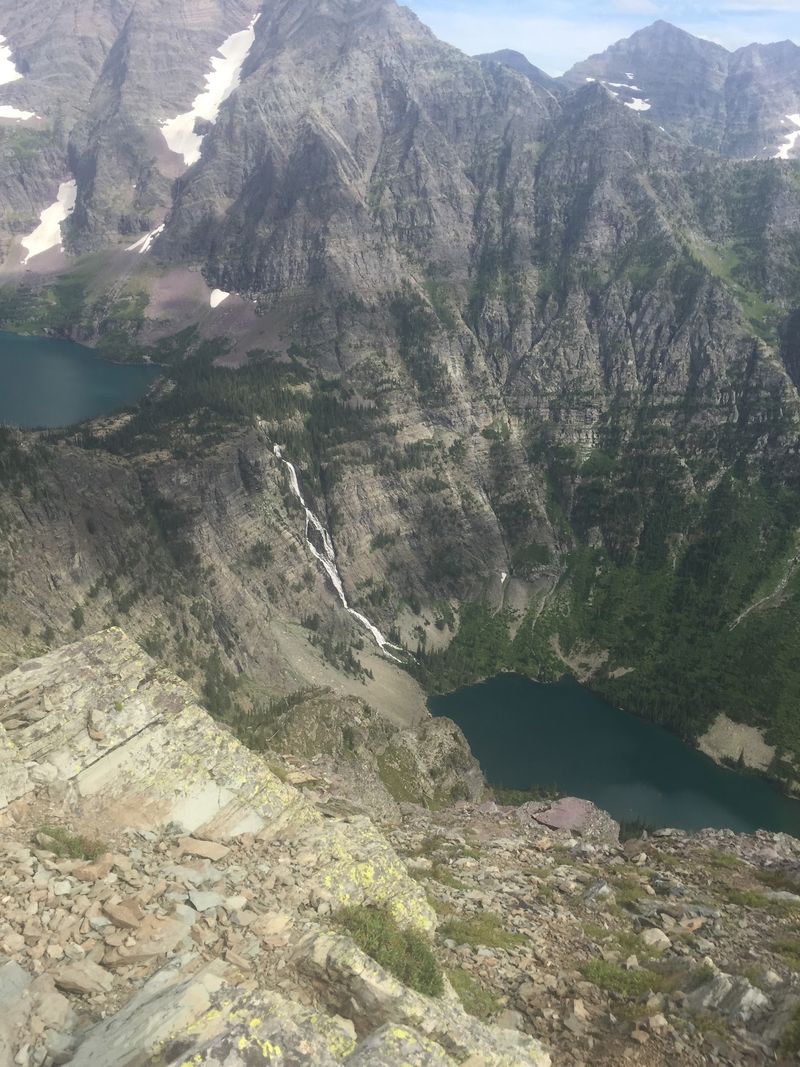
Lincoln Lake does not always make the top-ten lists, and that relative obscurity is actually part of its appeal. The Lincoln Lake Trailhead along Going-to-the-Sun Road, Glacier National Park, MT, sends you into quieter backcountry where the crowds thin out and the wilderness feels genuinely expansive.
For hikers who prefer solitude over selfie crowds, this trail has serious appeal.
The catch with quieter trails in September is that lower human traffic means wildlife is less accustomed to people moving through.
Park-wide hyperphagia activity increases bear mobility across every corridor, including less-publicized ones like this. Bears do not restrict their foraging to famous trails, and a secluded route can actually mean a higher probability of a bear who has rarely seen a hiker.
There may not be a specific news headline attached to this trail, but the broader September reality in Glacier applies here with full force.
Preparation looks the same regardless of trail fame: group hiking, consistent noise-making, and bear spray worn accessibly rather than buried in a pack.
Lincoln Lake rewards the prepared adventurer with genuine wilderness beauty, and that reward feels even better when you arrive and leave safely on your own terms.
11. Swiftcurrent Lake Loop
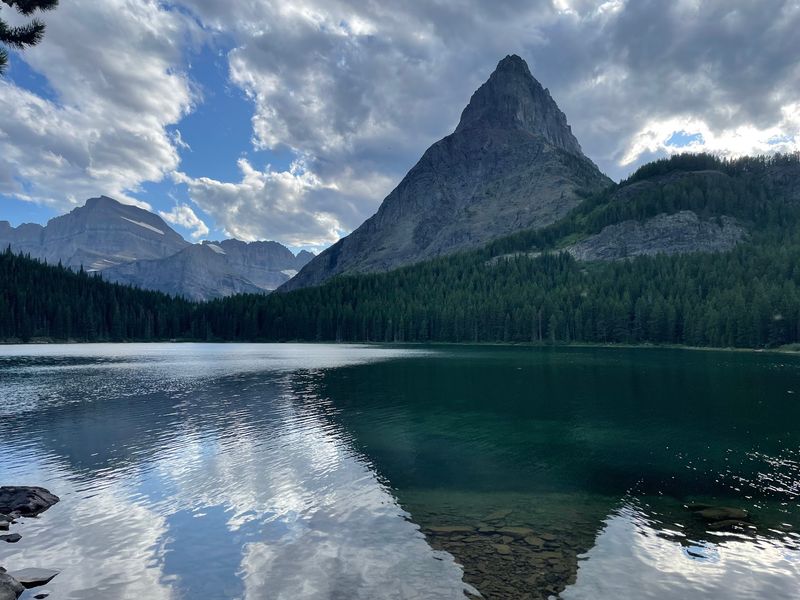
Swiftcurrent Lake Loop offers one of the most accessible wildlife-watching experiences in all of Glacier National Park.
Located near the Grinnell Glacier Trailhead in Many Glacier, Glacier National Park, MT, this loop wraps around a stunning lake with mountain reflections that photographers travel thousands of miles to capture. It feels like the park’s greatest hits condensed into a single, manageable walk.
The Many Glacier area earns its reputation as one of the best bear-viewing spots in North America during fall, and that reputation is built on volume.
Trail closures in the broader Swiftcurrent corridor occur regularly due to grizzly activity, sometimes affecting areas right next to the developed campground and hotel. Bears here are not occasional visitors but consistent residents during the September foraging season.
Even a loop that feels contained and close to civilization sits right on the edge of extensive, active bear habitat.
The density of bears foraging in this valley during September is genuinely high, making every hike an opportunity for a wildlife sighting, planned or otherwise.
Enjoy the reflective waters, stay vocal on every bend, and remember that sharing this landscape with bears is a privilege worth approaching with both wonder and wisdom. Are you ready to hike smarter this September?