
The Quiet Florida Panhandle Town So Underrated Even Most Locals Have Never Heard Of It
Some Florida towns are difficult to find. This one is difficult to pronounce, easy to miss, and almost impossible to forget.
Beyond the beach traffic of the Panhandle, roads slip between pine forests, dark waterways, and a community where nobody seems interested in racing the clock. The town may be quiet, but its famous tupelo honey has traveled far beyond Gulf County, carrying a sweetness people recognize around the world.
How does such a tiny Florida place produce something so legendary?
The answer waits in the surrounding swamps, where rare blossoms, hardworking bees, and generations of local knowledge create liquid gold. Yet honey is only the beginning.
Peaceful lakes, fishing spots, old stories, and friendly conversations give visitors plenty of reasons to stay longer than planned.
This is not polished, crowded Florida. It is slower, stranger, and wonderfully sincere.
Learn the name, take the back road, and bring home a jar. The sweetest detours rarely appear on the busiest maps.
The Name That Ties Your Tongue In Knots
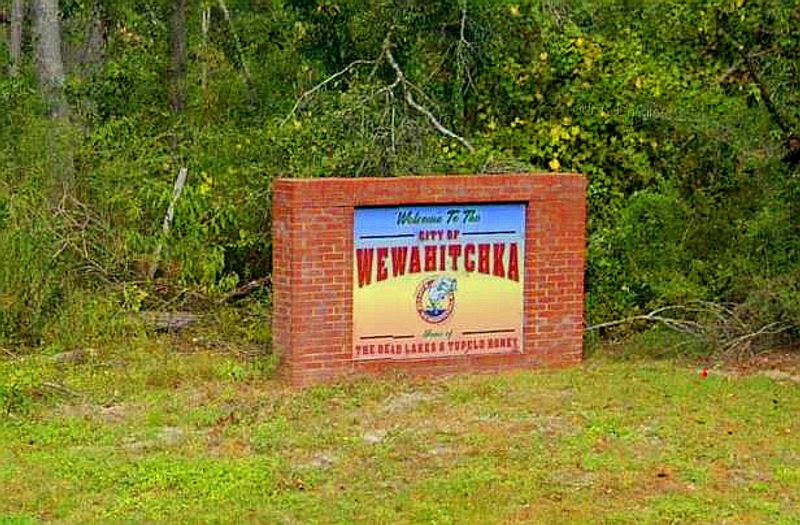
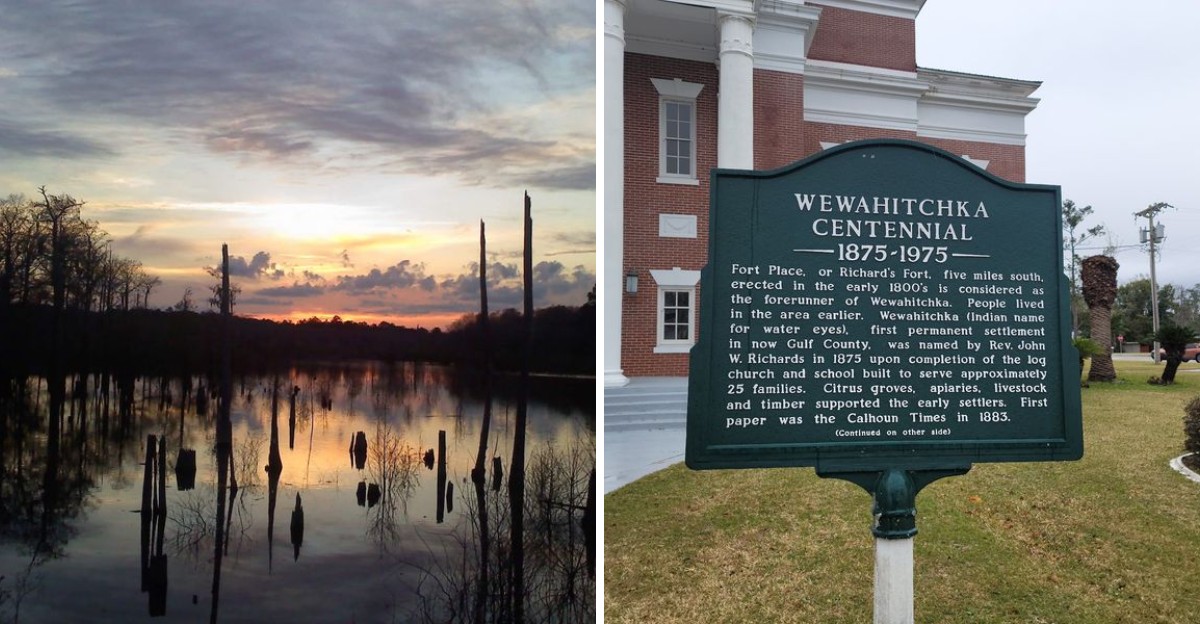
Say it slow: “Wee-wah-HITCH-kuh.” Even folks who have lived in Florida their whole lives stumble over it the first time. The word comes from the Muscogee Creek language, and many believe it means “water eyes” or “eyes of water.”
The name likely points to two nearby lakes that, from above, look a bit like a pair of eyes staring back at the sky. That kind of poetic naming tells you something about the people who lived here long before roads and streetlights arrived.
Locals often shorten it to simply “Wewa,” which rolls off the tongue much easier and shows up on shirts, signs, and license plates around town. It has become a friendly nickname that visitors quickly pick up too.
There is something charming about a place with a name so unusual that strangers ask you to repeat it three times. It sparks curiosity and starts conversations.
Once you learn to pronounce it correctly, you feel like you have been let in on a small secret. And that feeling, honestly, is a perfect welcome to a town built on hidden treasures.
World-Famous Tupelo Honey Starts Here
If Wewahitchka is known for one thing, it is liquid gold. The town sits at the heart of tupelo honey country, and this rare honey has fans across the whole planet.
Tupelo honey comes from the white tupelo tree, which blooms for only a couple of weeks each spring along the swampy Apalachicola River basin. Beekeepers race the clock, moving hives onto platforms deep in the tupelo groves to catch that short, sweet window.
What makes this honey special is that it almost never crystallizes, so it stays smooth and pourable for years. It has a buttery, mild flavor that honey lovers say is unlike anything else.
Because the harvest is so small and so tricky, real tupelo honey costs more than regular honey, but people happily pay for the genuine stuff. Beware of imitations sold elsewhere.
The town even inspired the famous Van Morrison song and a movie starring Peter Fonda. Not bad for a place most maps forget.
Stop by a local producer, taste a spoonful straight from the source, and you will understand the fuss instantly.
It Was Once The County Seat
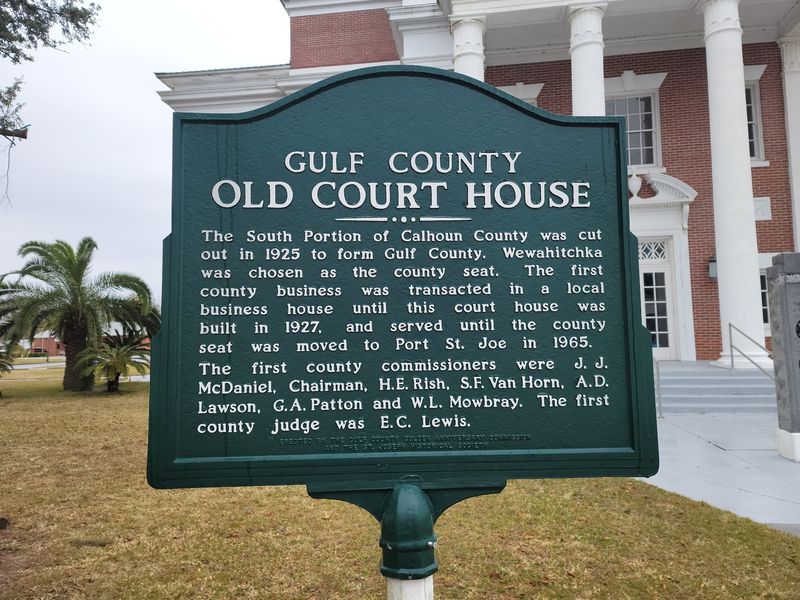
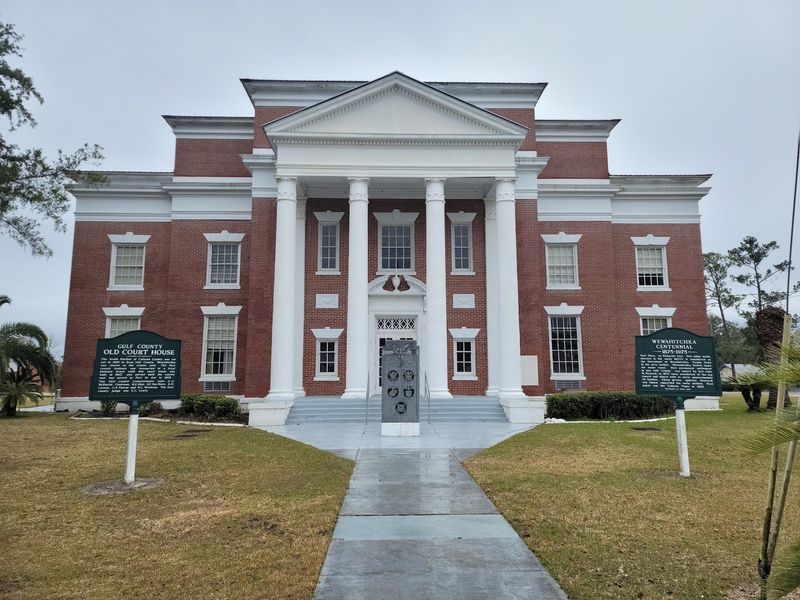
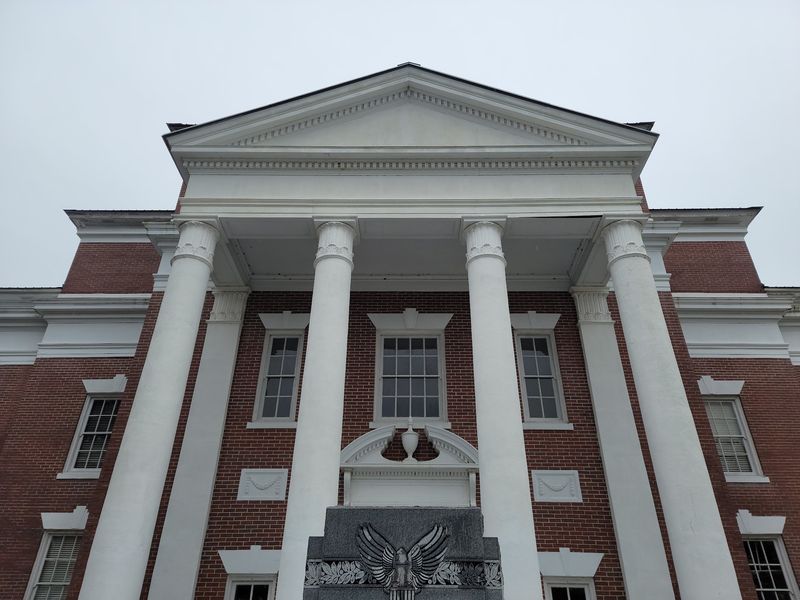
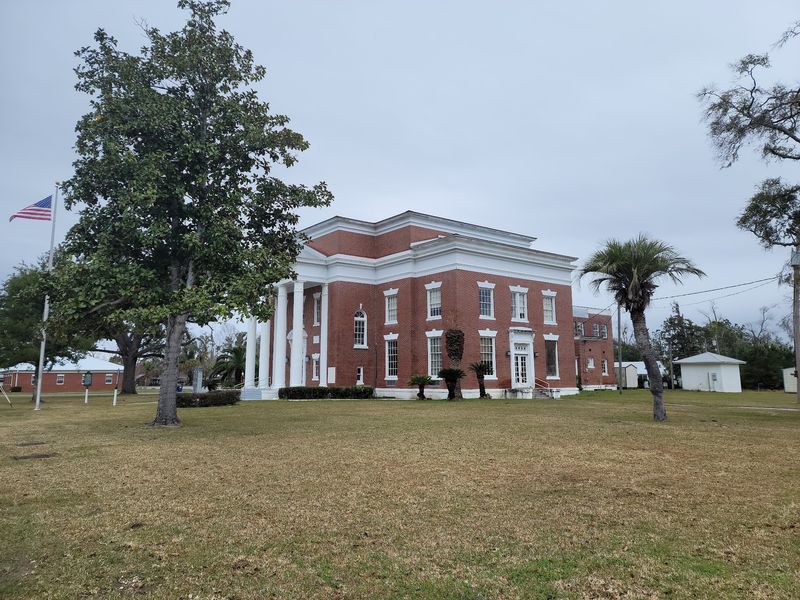
Here is a surprise that even some locals forget: little Wewa used to run the show. When Gulf County was created back in 1925, Wewahitchka was chosen as the county seat.
That meant this small town held the courthouse, the records, and the official business of the whole county for decades. Picture judges, clerks, and farmers gathering here to settle deals and disputes.
The title stayed with Wewahitchka until 1965, when the county seat was moved south to Port St. Joe near the coast. That shift changed the town’s role, but not its spirit.
Losing the county seat could have caused a place to fade away entirely. Instead, Wewahitchka leaned into its natural gifts and quiet lifestyle, keeping its identity strong.
Walking around today, you can still sense that older sense of importance in the layout and the pride of longtime residents. People here remember when their town was the center of everything.
It is a reminder that history hides in small places. This former hub now feels like a peaceful backwater, but it once carried real weight in Florida’s Panhandle story.
The Dead Lakes Are Spookier Than They Sound
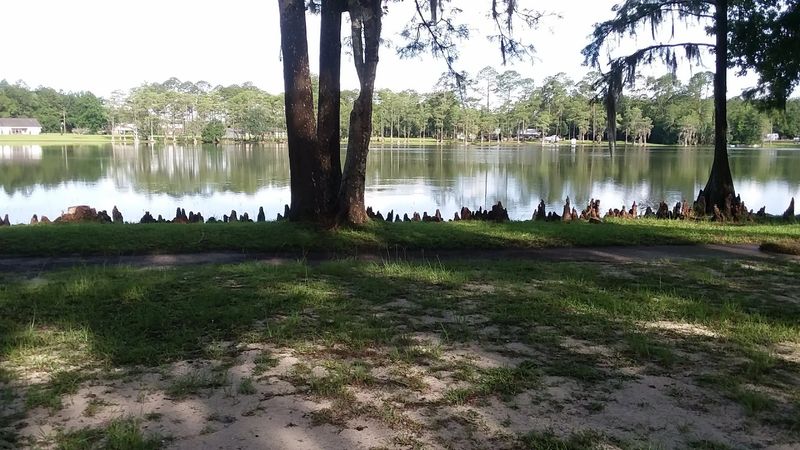
Do not let the creepy name scare you off. The Dead Lakes, just north of town, are one of the most beautiful and unusual places in the whole region.
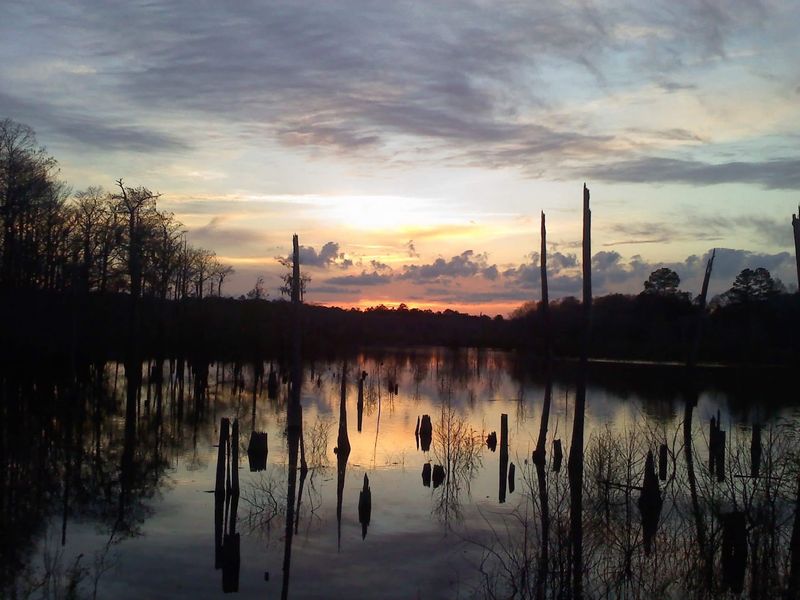
The lakes formed naturally when sandbars from the Apalachicola River blocked the flow of the Chipola River, flooding a forest. Over time, thousands of trees died and left behind ghostly stumps poking out of the water.
Those weathered cypress and tupelo skeletons create an eerie, dreamlike scene, especially at sunrise when mist floats across the surface. Photographers travel far just to capture it.
Despite the gloomy nickname, the water teems with life. Anglers know the Dead Lakes as a fantastic spot for bass, bream, and catfish, drawing fishing fans from all over.
You can rent a canoe or kayak and paddle quietly among the standing trunks, listening to birds and the occasional splash of a fish. It feels wild and untouched.
Bring bug spray, wear a hat, and go early to beat the heat and catch the best light. Few places blend spooky and stunning quite like this.
A Fishing Paradise Hiding In Plain Sight
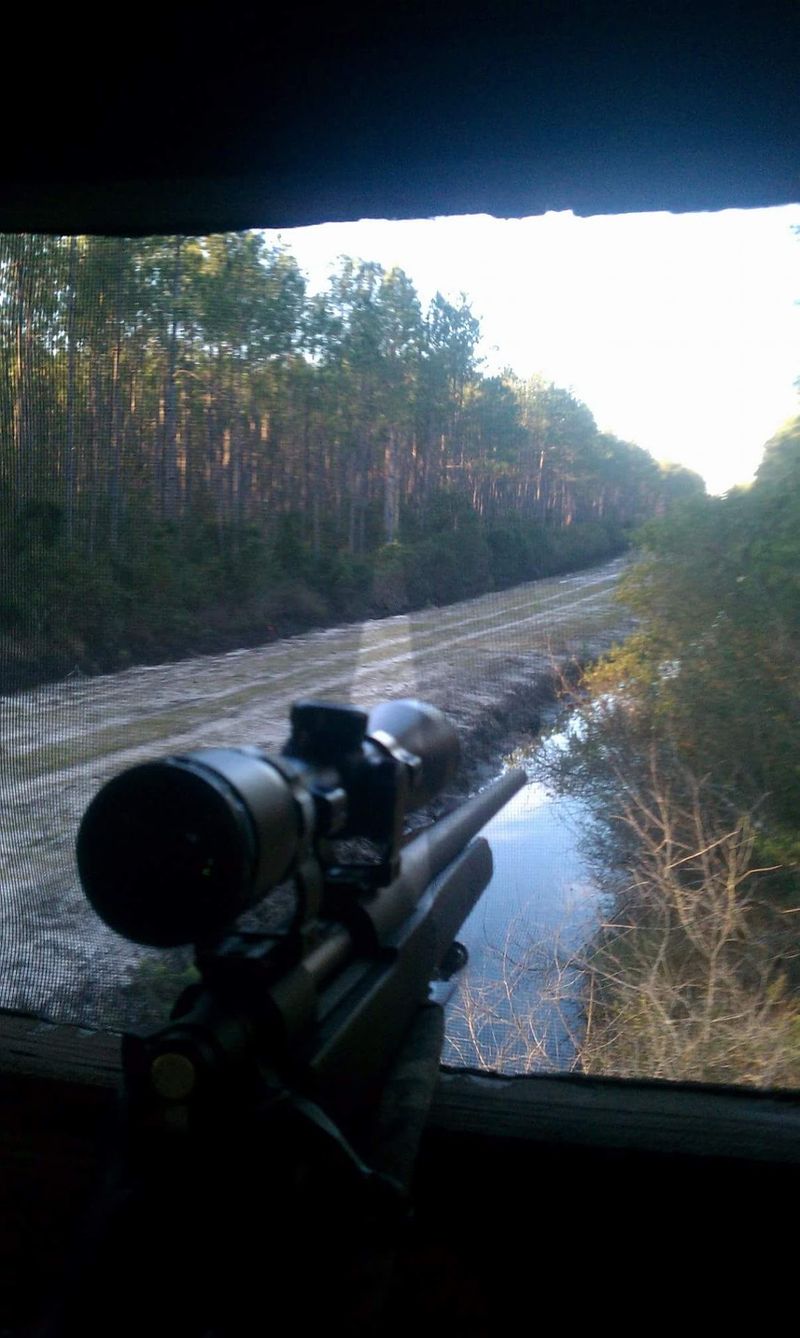
Grab a rod and you will fit right in around here. Wewahitchka sits at the crossroads of some seriously good fishing waters, and anglers treat it like a well-kept secret.
The Chipola and Apalachicola rivers wind nearby, feeding into the lakes and creeks that surround town. That means loads of largemouth bass, speckled perch, bluegill, and catfish just waiting for a hook.
Local guides know exactly where the big ones hide, and hiring one is a smart move if you are new to the area. They share tips passed down through generations.
What makes fishing here so special is the peace. You will not fight crowds or noisy boats like you might at flashier destinations.
Often it is just you, the water, and the birds.
The Dead Lakes State Recreation Area offers a launch point, picnic spots, and easy access for a relaxed day outdoors. Pack a cooler and take your time.
Cooler months bring comfortable temperatures, while spring stirs up active fish. Whether you catch dinner or just soak in the calm, you leave feeling recharged and glad you came.
Beekeepers Are Local Legends
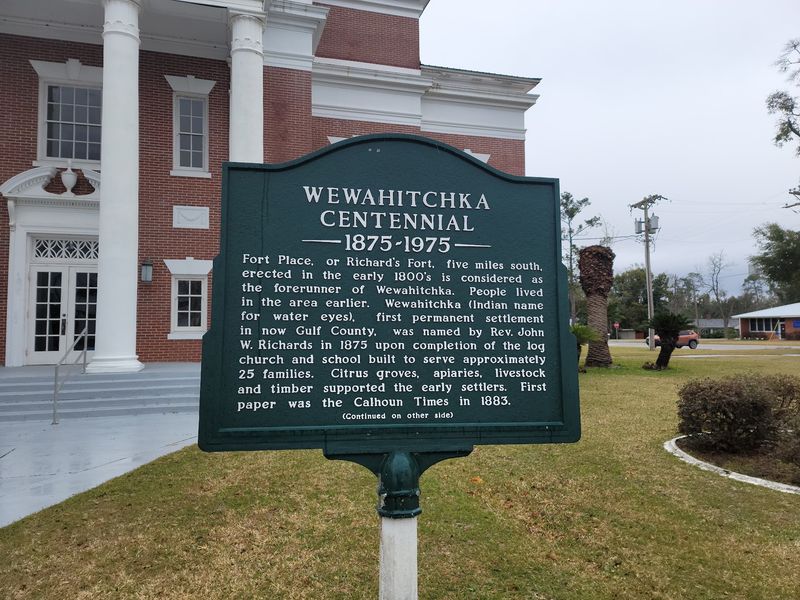
In most towns, the celebrities are athletes or musicians. In Wewa, they are the beekeepers who chase the tupelo bloom every spring.
Families like the Lanier clan have kept bees here for generations, and their names are practically stitched into the town’s identity. Their honey has appeared in gourmet shops and even shipped overseas.
Harvesting tupelo honey is no easy job. Beekeepers load their hives onto wooden platforms and boats, floating them into the swamp so the bees can reach the blossoms right as they open.
Timing is everything. If rain washes out the bloom or the window closes early, an entire year’s rare crop can shrink to almost nothing.
It is a gamble every single season.
That risk gives the honey its high value and gives the beekeepers a kind of quiet heroism. They protect a tradition that could easily vanish.
When you meet one of these folks, ask about their stories. You will hear tales of alligators, bee stings, and races against the weather.
Their dedication turns a simple jar of honey into something truly worth celebrating and, honestly, worth tasting.
Small-Town Charm You Can Actually Feel
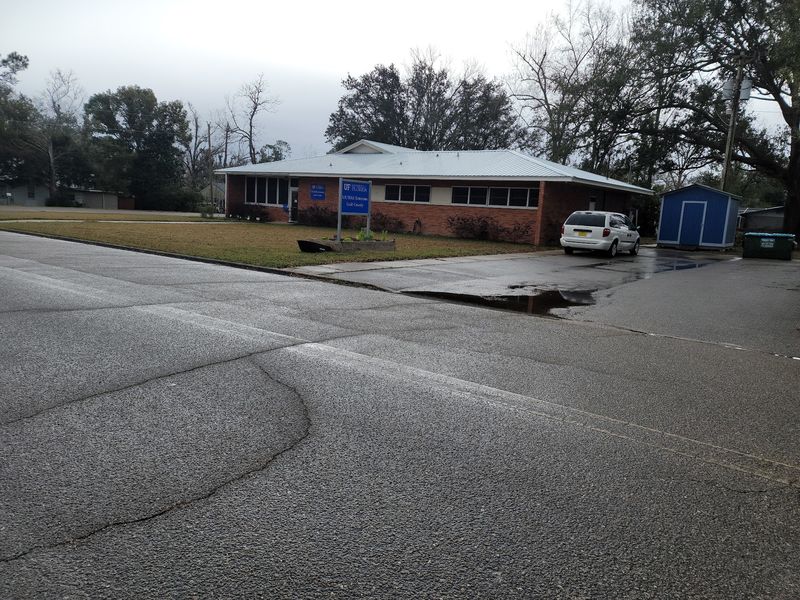
Roll into Wewahitchka and the first thing you notice is how relaxed everything feels. No traffic jams, no honking horns, just a slow rhythm that invites you to breathe.
With a population of around 2,000 people, this is the kind of place where the folks at the local diner might remember your name after one visit. Strangers wave from their porches.
Life centers on family, church, fishing, and long conversations that nobody rushes. It is refreshing if you are tired of big-city hustle.
You will find a handful of small shops, a couple of eateries serving Southern comfort food, and friendly faces happy to point you toward the best spots. Ask a local and you will get more than directions.
The town does not try to impress you with flashy attractions. Its charm comes from being genuine, unhurried, and proud of its roots.
Bring cash for smaller businesses, keep your expectations easygoing, and let the quiet work its magic. Cell service can be spotty out in the surrounding wilds, so enjoy unplugging.
Sometimes the most memorable trips are the simplest ones, and Wewa proves that beautifully.
Gateway To Wild Florida Adventures
Adventure seekers, take note. Wewahitchka sits at the doorstep of some of the wildest, greenest corners of the Florida Panhandle.
The Apalachicola River and its surrounding basin form one of the most diverse ecosystems in North America. Rare plants, turtles, alligators, and hundreds of bird species call this region home.
Paddlers can explore winding creeks and blackwater rivers, where Spanish moss dangles overhead and the world goes silent except for splashes and birdsong. It feels like stepping back in time.
Nearby, the vast Apalachicola National Forest offers trails, camping, and endless space to disappear into nature. Hikers and hunters both treasure it.
You are also just a short drive from the Gulf Coast beaches near Port St. Joe and Cape San Blas, so you can mix swamp adventures with sugar-white sand in a single trip.
Pack sunscreen, plenty of water, and a sense of wonder. Wildlife is everywhere, so keep your camera ready and your food sealed tight.
For travelers who want raw, real Florida instead of theme parks and crowds, this quiet town makes the perfect launching pad into the wild.
A Movie And A Song Made It Famous
Here is a fun bit of trivia to drop at parties: this tiny town inspired both a hit song and a whole movie.
Van Morrison’s classic tune “Tupelo Honey” celebrated the sweet, golden treat that Wewahitchka produces. The song became a beloved favorite and spread the honey’s fame far and wide.
Then in 1997, the film “Ulee’s Gold” arrived, starring Peter Fonda as a quiet Florida beekeeper. Fonda earned an Academy Award nomination for the role, and much of the story centered on tupelo honey harvesting.
The movie shone a spotlight on the exact kind of work that Wewa’s beekeepers do every spring. Suddenly, people across the country learned about this rare and precious honey.
It is pretty remarkable that a place so small could leave fingerprints on Hollywood and the music world. Most towns this size never get a mention.
Watching “Ulee’s Gold” before your visit adds a rich layer to the experience. You will recognize the swampy scenery and appreciate the dedication behind every jar.
Culture and honey, tangled together, give Wewahitchka a claim to fame that punches way above its weight.
Best Times And Tips For Visiting
Timing can make or break your trip, so let me share the inside scoop before you pack your bags.
Spring, roughly late April into May, is magical because the tupelo trees bloom and beekeeping activity buzzes to life. It is the best time to learn about the honey firsthand.
Fall and winter bring cooler, comfortable weather that is perfect for fishing, paddling, and exploring without the sticky summer heat. Bugs also back off during these seasons.
Summer gets hot and humid, with afternoon thunderstorms rolling through, so plan outdoor activities for early morning. Always carry water and insect repellent.
There are no big hotels in town, so many visitors camp, rent cabins, or stay in nearby Port St. Joe along the coast. Book ahead during busy stretches.
Bring cash, fill your gas tank before heading into remote areas, and download maps since cell signal fades in the wild. Local shops keep small-town hours, so check before you go.
Most of all, slow down and match the town’s easygoing pace. Chat with locals, taste the honey, and let this overlooked corner of Florida surprise you the way it surprises everyone who finds it.